

What will you do with all the hours that used to belong to your job? For many women, the first months of retirement bring a quiet question nobody warned them about: now that the calendar is finally yours, what makes it feel full? Not just busy — full.
Volunteering answers that question in a way almost nothing else can. It hands you a reason to get dressed on a Tuesday, a circle of people who expect you, and the rare feeling of being genuinely needed. The trick is not volunteering more — it’s volunteering right. Start with what you already love: if you adore dogs, there’s a shelter. If you were the organized one at work, there’s a nonprofit waiting for your spreadsheets.
This list of 21 volunteering ideas for retirees covers gentle roles and bold ones, two-hour-a-week commitments and bigger adventures, in-person and from-your-couch options. Read through them and notice which one made you smile — that’s your answer.
1. 📚 Become a Literacy Tutor at the Library

Some adults quietly struggle with reading, and a patient tutor changes everything for them. You’ll sit side by side — no tests, no pressure — working through real-life reading like job applications, menus, and bedtime stories. Most libraries run structured programs where you train once and then tutor one learner at a time.
Try this: your local library’s literacy program + one learner + one hour, twice a week
Make it yours: bring your own favorite childhood books to read aloud together — enthusiasm is contagious.
Budget tip: library programs are free to join and all materials are provided, so this role costs you nothing but time.
2. 🐾 Walk Dogs at the Animal Shelter

Shelter dogs wait hours in their kennels, and a single walk with a kind human changes their whole day. You’ll learn each dog’s quirks — who pulls, who dawdles, who just wants to lean against your leg. Dogs that walk well and socialize get adopted faster, so your strolls genuinely save lives.
Try this: shelter volunteer orientation + two morning walks a week + a pocket of training treats
Make it yours: if big dogs are too much, ask for the senior-dog kennel — gentle old pups make the easiest walking partners.
Avoid: skipping the orientation; leash skills and reading dog body language keep both of you safe.
3. 🍲 Sort and Pack at the Food Bank
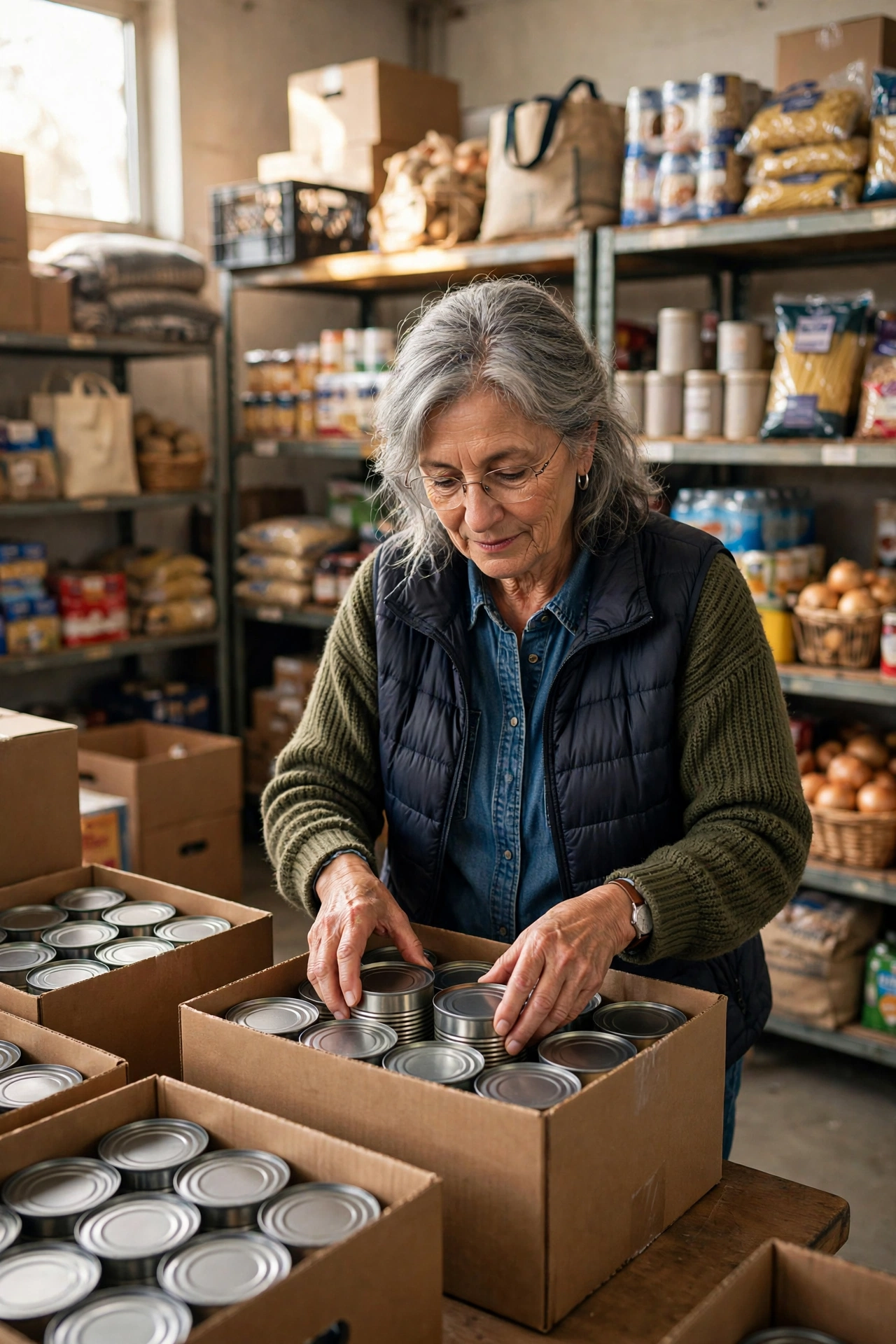
Food banks run on volunteer power, and the sorting room is where it all happens. You’ll check dates, sort donations into categories, and pack boxes that go straight to families. It’s social, it’s active without being strenuous, and you can see your stack of boxes grow by the end of every shift.
Try this: a weekly 3-hour shift + the canned-goods aisle + the produce repack station
Make it yours: many food banks let you choose between warehouse shifts and front-desk client intake — pick the pace that suits you.
Budget tip: wear layers and bring your own lunch; warehouses run chilly and shifts fly by.
4. 🌱 Tend a Community Garden Plot
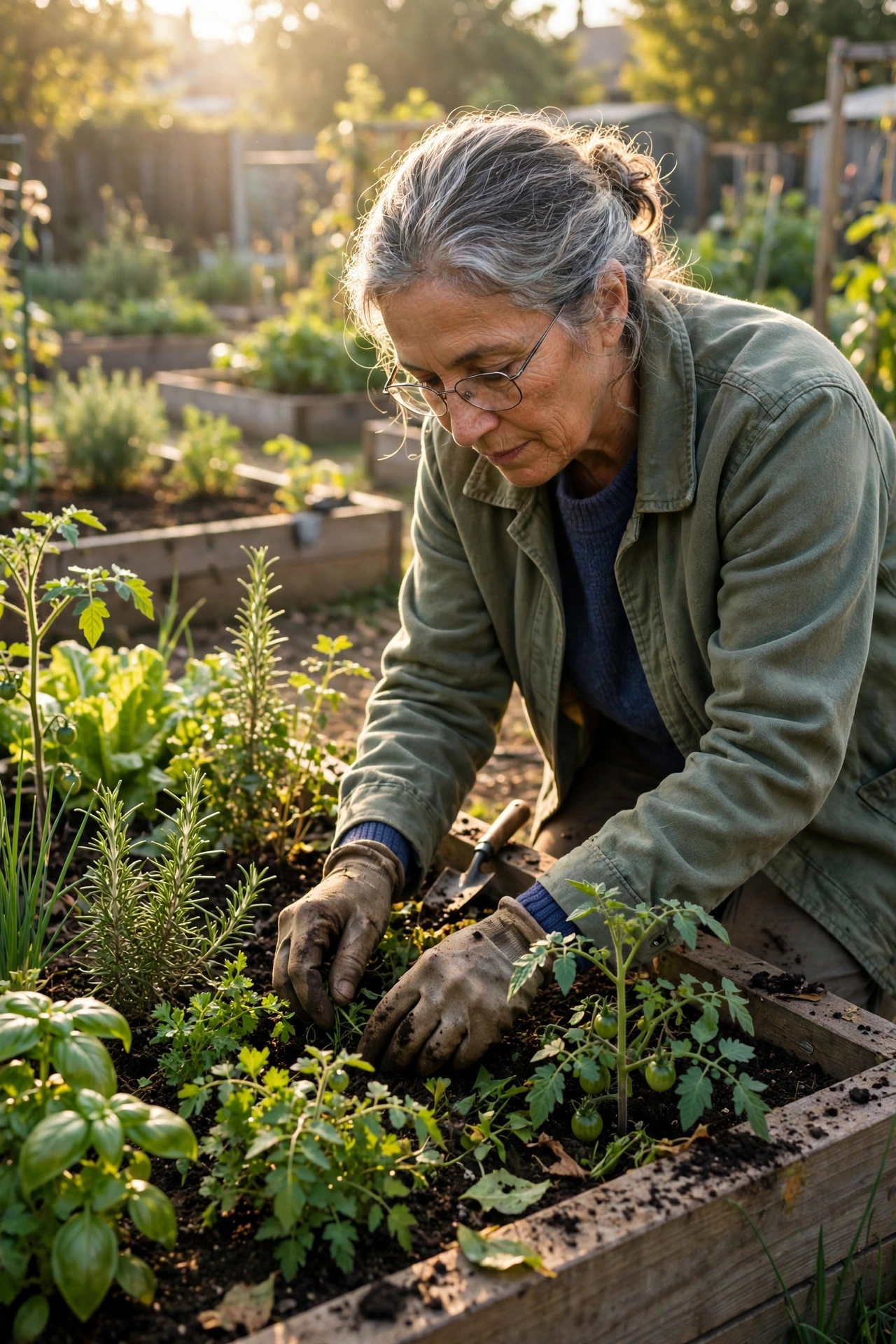
Community gardens turn vacant lots into rows of tomatoes, herbs, and neighborly gossip. You’ll get your hands in the soil — weeding, watering, planting — and share the harvest with whoever shows up. Gardening volunteers often take home a basket of produce for their own table too.
Try this: one raised bed or shared plot + Saturday morning crew + your own gloves
Make it yours: claim the herb corner if you love to cook — basil and mint are nearly impossible to kill.
Avoid: overcommitting to a huge plot; a small bed you tend well beats an acre you dread.
5. 🎒 Mentor Kids in an After-School Program

The hours between school and dinner are when kids need steady adults most. You’ll help with homework, play board games, or simply listen while a ten-year-old tells you about their day in exhaustive detail. Showing up consistently matters more than any subject you could teach.
Try this: a neighborhood after-school program + one afternoon a week + patience and snacks
Make it yours: teach a card game you loved as a kid — it’s an instant bond-builder across generations.
Budget tip: a thrifted set of colored pencils and a sketch pad costs almost nothing and keeps restless hands busy.
6. 🏛️ Train as a Museum Docent

Museums need warm, curious people to bring their collections to life for school groups and weekend visitors. You’ll train for a few weeks — learning the stories behind the art — and then lead small tours at your own pace. Visitors remember the docent’s passion long after they forget the paintings.
Try this: your local museum’s docent training + one favorite gallery + weekend tour shifts
Make it yours: specialize in the collection you love most — enthusiasm makes a good docent great.
Avoid: memorizing scripts word for word; visitors respond to stories, not recitations.
7. 🏞️ Join a Trail Steward Crew
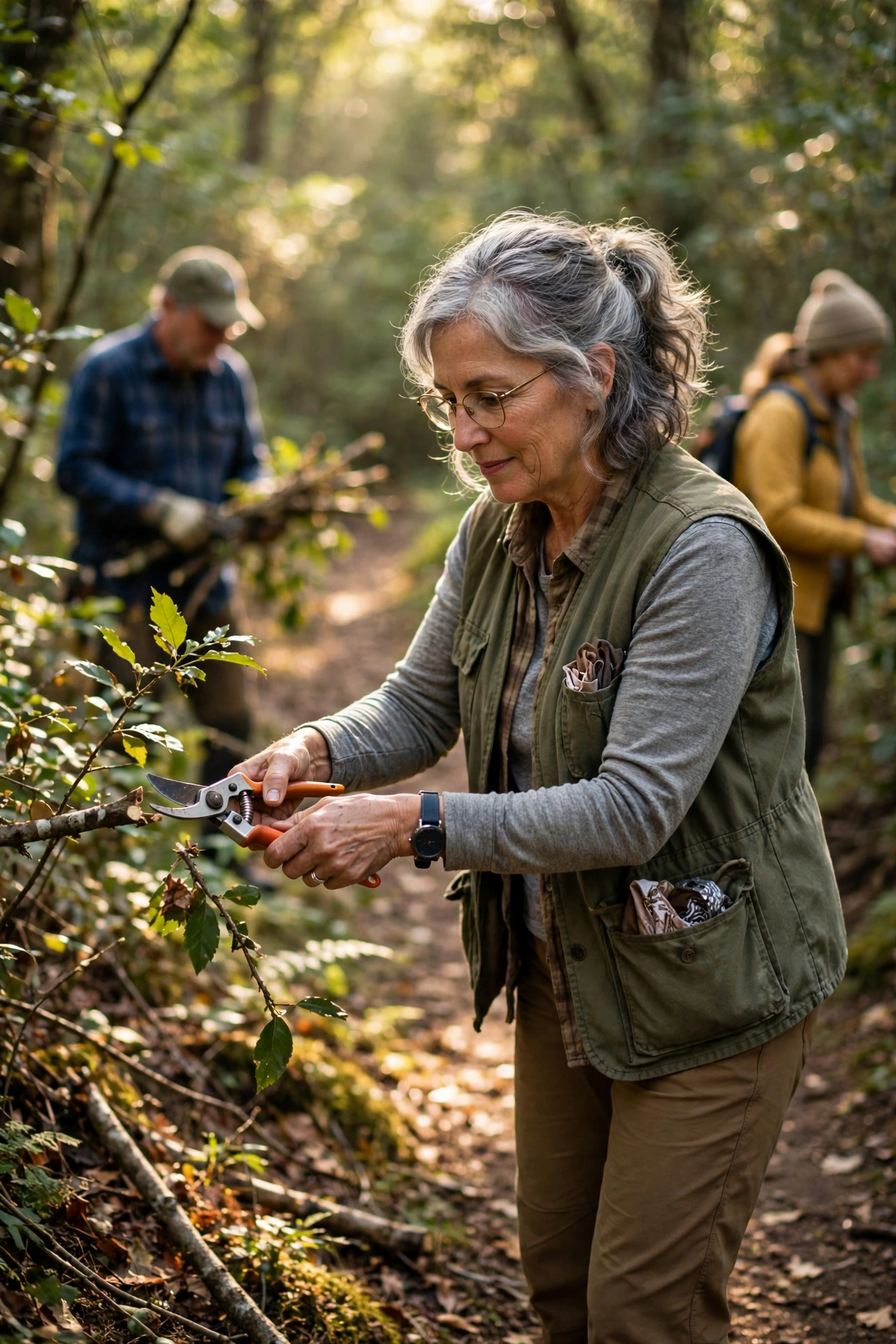
If you love the outdoors, local parks need volunteers to keep trails clear, plant native species, and greet hikers. Crews work in groups with plenty of breaks, and most tasks — trimming branches, spreading mulch, picking up litter — need zero experience. You’ll finish every outing a little sun-warmed and pleasantly tired.
Try this: your parks department’s volunteer day + a trail crew + sturdy shoes
Make it yours: ask for the “light crew” if you’d rather plant flowers and paint signs than haul logs.
Budget tip: bring a reusable water bottle and garden gloves from home — crews provide everything else.
Treat every new role as a four-week trial. Tell the coordinator upfront that you’re trying it for a month — good organizations love this, because a volunteer who tests the fit honestly is more likely to stay for years than one who burns out by week six.
8. 💻 Teach Tech Basics to Fellow Seniors

You don’t need to be a tech wizard — you just need to be one step ahead of the person you’re helping. Senior centers run tech tables where volunteers help peers with smartphones, video calls, and email. Teaching someone to video-call their grandchild for the first time never gets old.
Try this: your senior center’s tech help desk + 30-minute one-on-one sessions + printed cheat sheets
Make it yours: focus on the three tasks people ask for most: video calls, photos, and passwords.
Avoid: touching their phone without asking first — narrate what you’re doing so they learn to do it themselves.
9. 🍱 Deliver Meals to Homebound Neighbors

For some homebound seniors, the meal delivery volunteer is the only friendly face they’ll see that day. You’ll pick up a route of a dozen or so addresses, drop off warm meals, and do a quick wellness check at each door. The whole route usually takes about two hours, one morning a week.
Try this: a meal-delivery program + one weekly route + a cheerful doorstep hello
Make it yours: learn two or three recipients’ names and ask about their week — those two minutes mean the world.
Budget tip: programs reimburse mileage or let you choose a compact route close to home.
10. 🤗 Visit Residents as a Friendly Visitor

Many nursing home residents light up when a regular visitor walks in. You’ll chat, play cards, look at photo albums, or simply sit with someone who is lonely. Some programs even match you with one resident so a real friendship grows over months of visits.
Try this: a care home visitor program + one afternoon a week + a deck of cards
Make it yours: bring old magazines or a tablet to look through travel photos together — it sparks the best stories.
Avoid: making promises you can’t keep; “I’ll be back Thursday” only works if you mean it.
11. 🧶 Knit or Crochet for a Cause

Hospitals need tiny hats for newborns, shelters need warm scarves, and chemo centers need soft caps — all things your needles can make. Charity knitting circles meet weekly to stitch and chat, or you can work solo and drop finished pieces in a donation box. Every item carries a note that someone made it with care.
Try this: a charity stitching circle + one simple pattern + a monthly drop-off
Make it yours: pick one cause and one pattern so your projects pile up fast — baby blankets for the NICU are always in demand.
Budget tip: ask the group about donated yarn stashes before buying; most circles share generously.

12. 📖 Read Aloud in Classrooms

Teachers love having a guest reader — it gives them a breather and gives kids a new voice to love. You’ll pick picture books with big illustrations and expressive characters, then ham it up. Children who hear stories read aloud with joy grow into readers themselves.
Try this: a local elementary school’s volunteer desk + a weekly story hour + a basket of picture books
Make it yours: develop a signature voice for one character the kids request every time.
Avoid: choosing books that are too long — 10 lively minutes beats 20 fidgety ones.
13. 🏥 Greet Visitors at the Hospital

Hospitals are confusing, stressful places — and a calm, smiling greeter at the entrance changes the whole experience. You’ll point people toward the right elevator, walk lost visitors to the gift shop, and offer a wheelchair with a warm word. No medical tasks, just human kindness.
Try this: the hospital volunteer office + a 4-hour morning shift + comfortable walking shoes
Make it yours: learn the locations of the chapel, cafeteria, and pharmacy — the three places everyone asks about.
Budget tip: most hospitals provide the volunteer vest and free parking passes.
14. 🌊 Join a Beach or Park Cleanup Crew
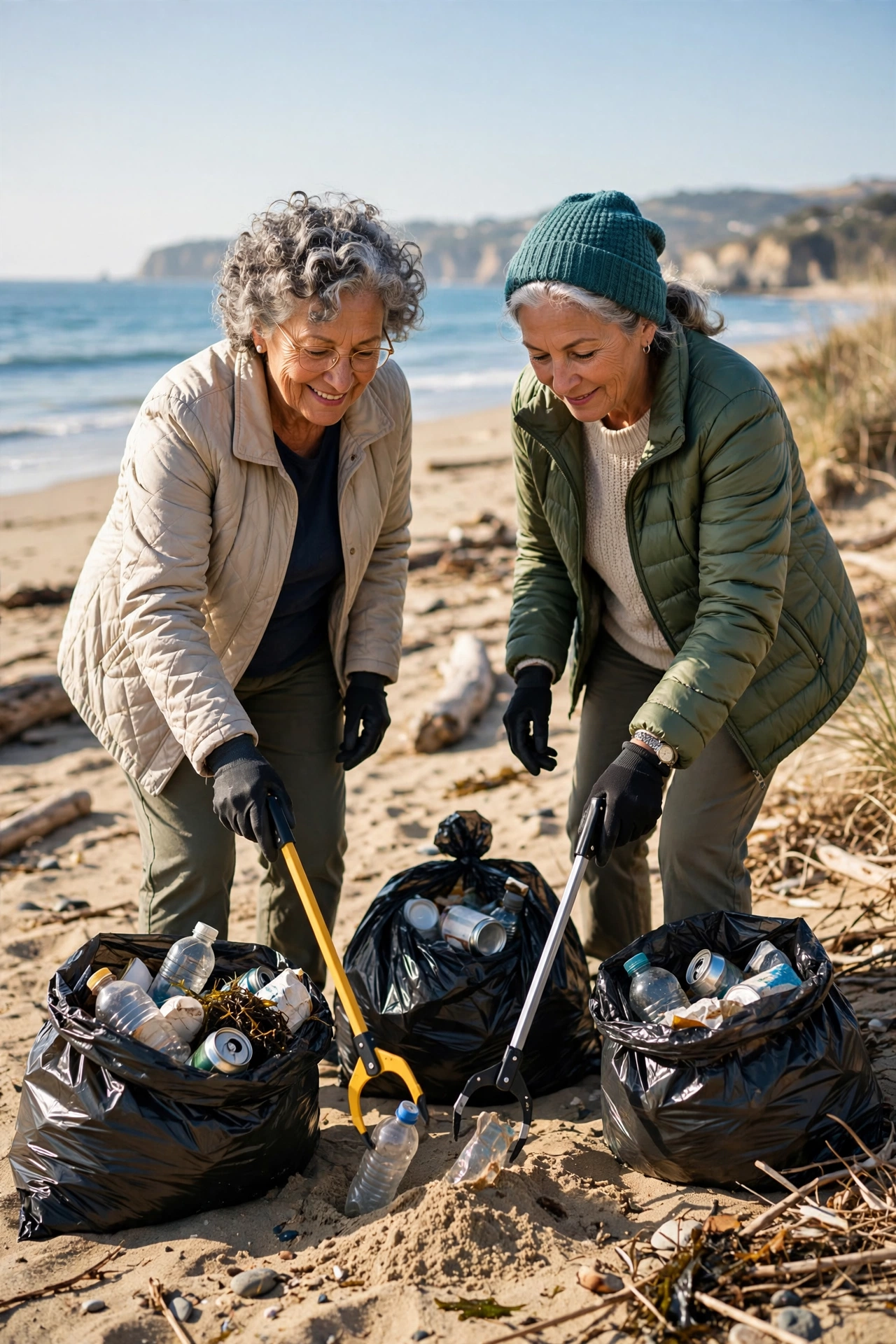
Cleanup crews meet monthly at beaches, riverbanks, and city parks with gloves and grabbers, and the before-and-after is wildly satisfying. You’ll chat with fellow volunteers between bags of litter, and many groups end with coffee together. It’s exercise, community, and visible impact in a single Saturday morning.
Try this: a monthly cleanup event + gloves and a grabber + a bring-a-friend buddy
Make it yours: pick the waterway or park you already love walking — protecting your own favorite place feels personal.
Avoid: grabbing anything sharp or hazardous; crew leaders handle those and will thank you for pointing them out.
Bring a friend or your spouse to the first three shifts. Couples and friends who volunteer together are far more likely to stick with it — and shared volunteer stories become some of your favorite dinner conversation.
15. 💰 Lend Your Professional Skills to a Nonprofit

Small charities desperately need accountants, marketers, writers, and organizers — and they can’t afford to hire them. A few hours of your professional skills each month can transform a struggling nonprofit. This is volunteering that uses the expertise you spent decades building.
Try this: one small charity + one defined project + a clear monthly hour limit
Make it yours: offer a single, bounded project — like setting up their bookkeeping system — rather than open-ended help.
Avoid: letting it become an unpaid full-time job; scope it like a contract with start and end dates.
16. 🗣️ Be an ESL Conversation Partner

Newcomers learning English need one thing most: someone patient to practice with. You’ll meet weekly over coffee and talk about everyday life — grocery shopping, doctor visits, school forms. No teaching degree required; your lifetime of conversation is the qualification.
Try this: a community center conversation group + one weekly table + curiosity
Make it yours: cook a simple dish from your heritage together one week — food teaches vocabulary faster than flashcards.
Budget tip: meet at the library or community center so there’s no cost for either of you.
17. 🐱 Socialize Cats at the Shelter

Shy shelter cats need gentle humans to help them learn that laps are wonderful. You’ll sit in the cat room, offer treats, play with feather wands, and let timid cats approach on their own terms. Socialized cats get adopted dramatically faster.
Try this: the shelter’s cat room + two quiet afternoons a week + a soft voice
Make it yours: bring a book and read aloud — your calm presence alone helps fearful cats relax.
Avoid: forcing affection on a hiding cat; let them come to you and they’ll choose you every time.
18. 🎭 Usher at the Community Theater

Community theaters run on volunteer ushers, and the perk is legendary: you hand out programs and help people find seats, then watch the show free from the back row. You’ll meet the regular theater crowd and become part of the local arts scene without paying for a single ticket.
Try this: your local playhouse + opening-night ushering + a smile and a flashlight
Make it yours: volunteer for the productions you’d actually want to see — comedies, musicals, holiday shows.
Budget tip: most theaters let ushers watch the performance free, which is the best entertainment deal in town.
19. 📦 Support Disaster Relief Efforts
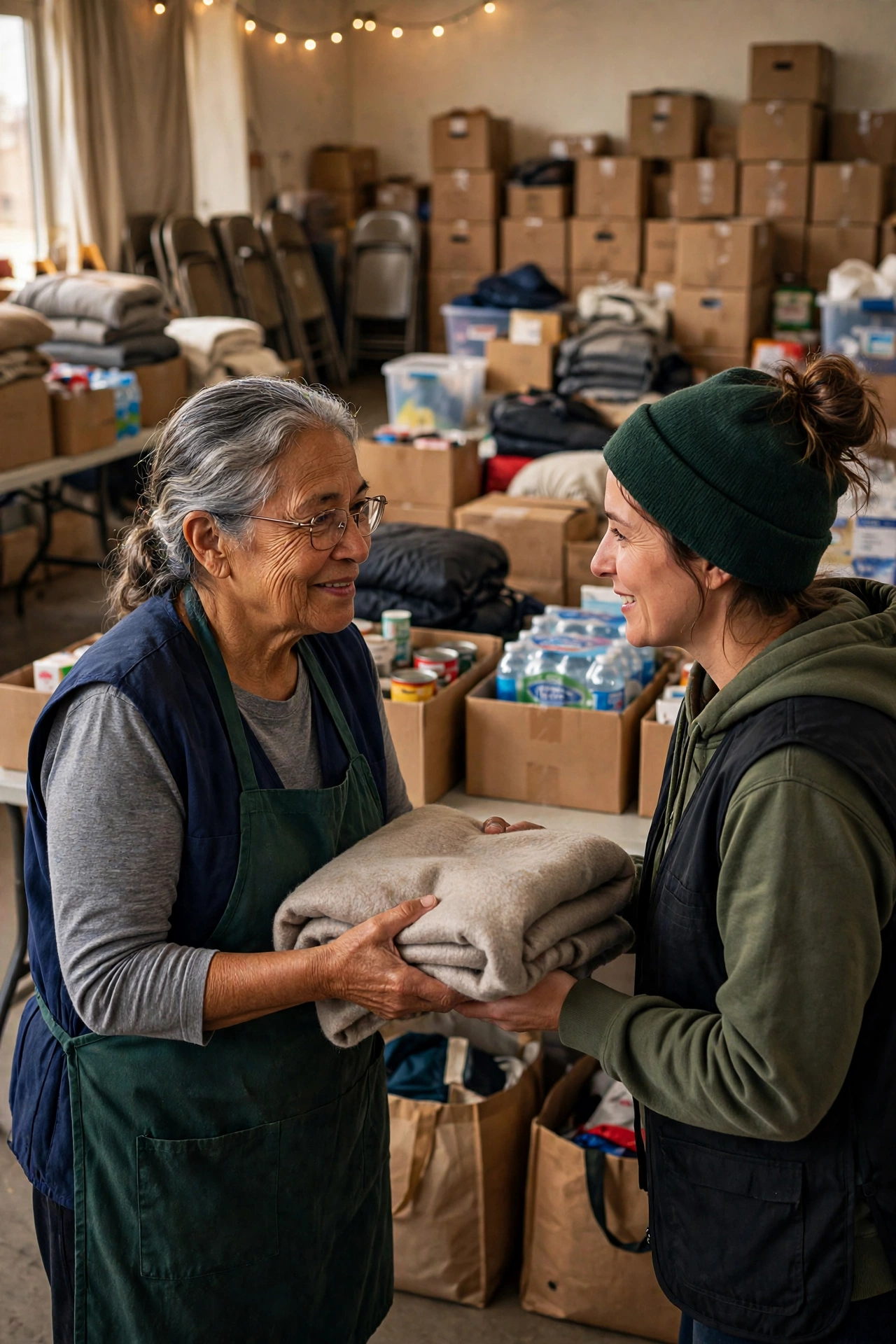
When floods, fires, or storms hit, trained volunteers staff emergency shelters, distribute supplies, and comfort displaced families. Relief organizations offer free training courses — first aid, shelter operations — so you’re ready before disaster strikes. It’s the most demanding role on this list and the most deeply meaningful.
Try this: a relief organization’s volunteer training + the shelter support roster + a packed go-bag
Make it yours: start with the training course even if you’re unsure — you’ll know by the end if this calling is yours.
Avoid: self-deploying to a disaster zone; always go through an organization so your help actually helps.
20. ☎️ Make Friendly Check-In Calls

Isolated seniors sign up for programs that pair them with a volunteer who calls once or twice a week — just to talk. You’ll chat about the weather, their grandchildren, the price of eggs, whatever matters to them. For someone who lives alone, your twenty-minute call can be the highlight of their week.
Try this: a telephone reassurance program + 20-minute weekly calls + a conversation notebook
Make it yours: jot down what they tell you — asking “how did your grandson’s recital go?” shows you’re truly listening.
Budget tip: this is a pure from-home role with zero cost and total schedule flexibility.
21. 🌍 Volunteer Online From Your Couch

Virtual volunteering has exploded, and it’s perfect for retirees with limited mobility or far-flung grandkids to visit. You can transcribe historical documents, mentor students by video, translate texts, or staff a crisis chat line — all from your living room. Your location no longer limits your impact.
Try this: a virtual volunteering platform + one online role + a cozy home setup
Make it yours: pick a role with a set weekly slot so it becomes a real appointment, not a vague intention.
Avoid: signing up for five platforms at once; master one role before adding another.
❓ Volunteering for Retirees FAQs
How many hours a week should I volunteer in retirement?
Start small — two to four hours a week is the sweet spot for most new volunteers. It gives the role room to breathe in your life without crowding out travel, family, and rest. You can always add a second shift once the first one feels like a highlight instead of an obligation.
Can I volunteer if I have limited mobility or health issues?
Absolutely. Many of the most-needed roles are seated and gentle: check-in phone calls, knitting for charity, greeting visitors, virtual mentoring, and library tutoring. Be upfront with the coordinator about what you can and can’t do — good organizations will match you to a role that fits your body, not fight it.
Do I need special skills or experience to start volunteering?
For most roles, no. Food banks, cleanups, shelters, and visitor programs train you on the spot. Your real qualifications are reliability, kindness, and showing up. Skill-based roles like bookkeeping or docent tours do ask for background, but those build on what you already know.
Does volunteering cost money?
Almost never. Legitimate volunteer roles are free — training, materials, and often parking are provided. Be cautious of any “volunteer opportunity” that asks for a fee. Your only real costs are transportation and occasionally your own gloves or apron.
How do I find the right volunteer opportunity near me?
Start with what you love, then search a volunteer-matching site for your city or call your local library, senior center, or house of worship — they all keep lists of who needs help. Visit two or three options in person before committing; the right role usually announces itself with a little spark of excitement.
📖 Keep Reading
- 💛 More Time Together in Retirement: 12 Ways to Enjoy It, Not Fight — make your newly shared schedule feel like a gift, not a test.
- ☀️ How to Fill Quiet Weekends After Retirement With Joy & Purpose — gentle ideas for the days when the house feels too still.
- 🎨 12 Free Activities With Grandchildren at Home They’ll Never Forget — when your volunteer heart wants to pour into your own grandkids too.
✅ Your Volunteering Starter Checklist
- ☐ Pick the one idea from this list that made you smile
- ☐ Decide your weekly hours — start with just two to four
- ☐ Call or visit one organization this week (no pressure to commit)
- ☐ Ask about a trial period so you can test the fit honestly
- ☐ Tell a friend and invite them to your first shift
- ☐ Mark your first month on the calendar — then check in with yourself
The most rewarding chapter of your life may not be the one you planned — it may be the one where you simply showed up for someone else. Pick one idea, make one call, and let the rest unfold. Your future self will thank you for starting today.
Discover more from Fashinate Style
Subscribe to get the latest posts sent to your email.