

Last spring, while rescheduling a dentist appointment for the third time, I had a small, uncomfortable realization: I couldn’t remember the last time I’d had a proper checkup. Not a rushed sick visit — a real, head-to-toe look at how my body is doing. Somewhere between raising kids, building a career, and keeping everyone else’s appointments straight, my own health had quietly slid to the bottom of the list.
If that sounds familiar, you’re in very good company. After 50, our bodies start asking for a little more attention — not because anything is wrong, but because catching small things early is the kindest gift we can give our future selves. This gentle guide walks you through 25 essential health screenings and checkups every woman over 50 should book, plus a simple way to get them all done without the overwhelm.
Why This Feels Hard (And Why That’s Normal)
It’s not laziness. It’s logistics, a little fear, and the very real habit of putting ourselves last. Many of us grew up watching our mothers skip their own appointments, and we inherited the pattern without noticing. Naming it is the first step — the second is deciding that this is the year the pattern ends.
1. 🩺 The Mammogram

A mammogram is a quick breast X-ray that can find changes years before you’d ever feel them. After 50, most guidelines suggest one every one to two years — and modern machines are faster and more comfortable than the ones you may remember from a decade ago.
Try this: Call your imaging center (or ask your doctor for a referral) and book during a week when your breasts feel less tender — the experience is noticeably easier.
Make it yours: Many imaging centers offer early-morning or Saturday slots; ask for the first appointment of the day and you’re in and out.
Budget tip: Screening mammograms are covered as preventive care by most insurance plans — confirm with billing before you book so there are no surprises.
2. 🦴 The Bone Density (DEXA) Scan
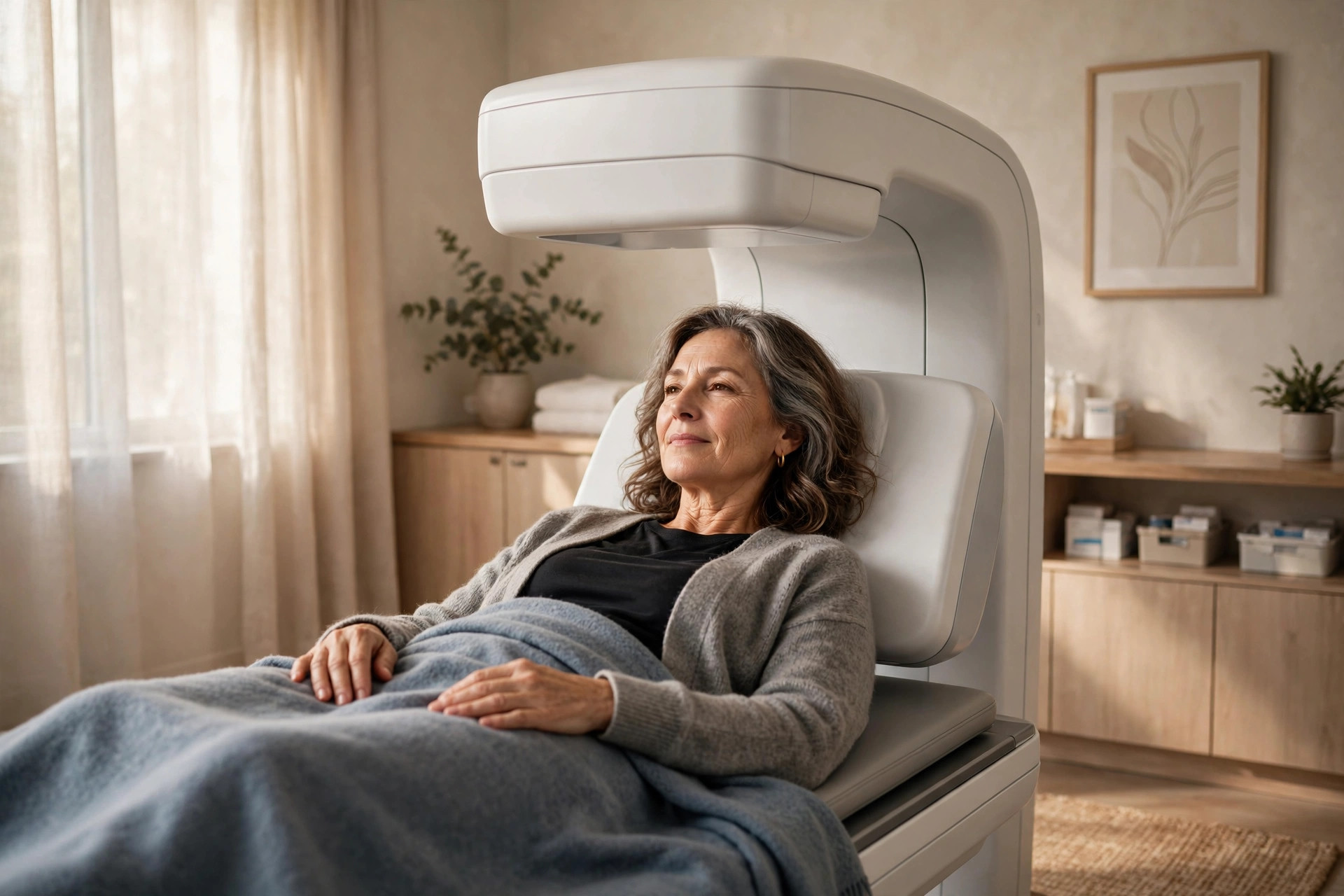
As estrogen declines, bones can quietly lose strength — and you can’t feel it happening. A DEXA scan is a painless, low-dose X-ray, usually of the hip and spine, that measures bone density and flags osteopenia or osteoporosis early, when it’s most manageable.
Try this: Ask your doctor whether you’re due for a baseline scan. Guidelines generally suggest around 65, or earlier if you have risk factors like a family history of fractures or long-term steroid use.
Make it yours: Wear clothes without metal zippers or buttons to keep the appointment quick and simple.
Avoid: Assuming that achy joints mean weak bones — only a scan shows what’s really going on inside.
3. 🩸 The Blood Pressure Check

High blood pressure has no symptoms, yet it quietly strains your heart, brain, and kidneys. After 50 — especially around menopause — numbers can creep up even in women who’ve always been “fine.” The good news: it’s one of the easiest things to monitor.
Try this: Get your pressure checked at every appointment, or use a pharmacy cuff monthly. Jot readings in a notebook or phone note so you can see trends, not just single numbers.
Make it yours: Sit quietly for five minutes before the reading and skip coffee beforehand — you’ll get a truer number.
Avoid: Panicking over one high reading. It’s the pattern across weeks that matters, so track and share it with your doctor.
4. ❤️ The Cholesterol & Heart Panel

A simple fasting blood test reveals your cholesterol, triglycerides, and blood sugar — the core numbers behind heart health. Heart disease is the leading cause of death for women, and cholesterol is influenced by genetics as much as diet, so even healthy eaters need this one.
Try this: Ask for a full lipid panel at your annual visit. Most doctors order it routinely, but it never hurts to confirm it’s on the lab slip.
Budget tip: Annual bloodwork ordered as preventive care is typically covered — ask your doctor to code the visit that way.
Avoid: Skipping it because you “eat pretty well.” Plenty of women with spotless diets have high cholesterol for purely genetic reasons.
5. 🍬 The Blood Sugar / Diabetes Screening
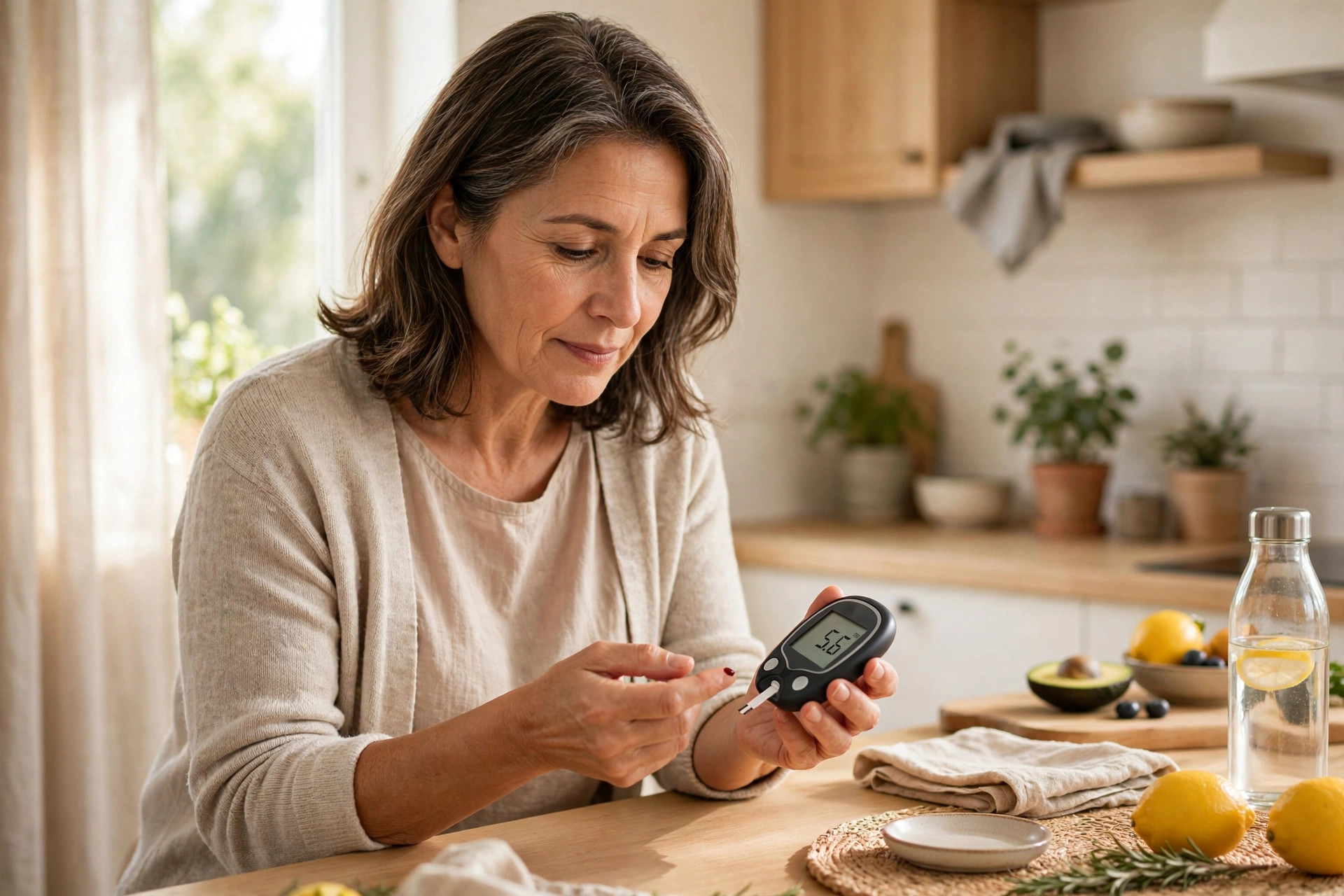
An A1C test measures your average blood sugar over three months and catches prediabetes long before symptoms appear. Risk rises with age, and early action — often just lifestyle tweaks — is remarkably effective at this stage.
Try this: Ask for an A1C alongside your yearly cholesterol panel. It’s one extra line on the same lab order.
Make it yours: If you’ve noticed unusual tiredness or thirst, mention it specifically — those details help your doctor connect the dots.
Avoid: Brushing off a “borderline” result. Prediabetes is the window where small changes make the biggest difference.
6. 🔬 The Colon Cancer Screening

Screening now typically starts at 45, and you have real choices: a colonoscopy every ten years, or at-home stool-based tests (like FIT) every year or two for average-risk adults. The best test is the one you’ll actually do.
Try this: Have an honest conversation with your doctor about which option fits your risk level and your life, then commit to a date.
Make it yours: If the prep feels daunting, ask about split-dose prep schedules — most people find them far more manageable.
Avoid: Letting embarrassment delay you. Gastroenterologists do these procedures all day, every day — to them, it’s Tuesday.
7. 👩 The Pap Smear & HPV Test

Yes, you still need cervical screening after menopause — generally until around 65, depending on your history. The schedule stretches to every three to five years with HPV co-testing, so it’s a small commitment with real payoff.
Try this: Call your gynecologist’s office and simply ask: “When was my last one, and when am I due?” They’ll tell you in thirty seconds.
Make it yours: Book the first slot of the morning — shorter waits make the whole visit easier.
Avoid: Skipping it because your periods stopped years ago. The cervix still needs checking long after menopause.
Try the “birthday month” strategy: book your mammogram, bloodwork, and skin check all in the same week every year. One month of appointments, then you’re done thinking about it for twelve months.
8. 👀 The Eye Exam
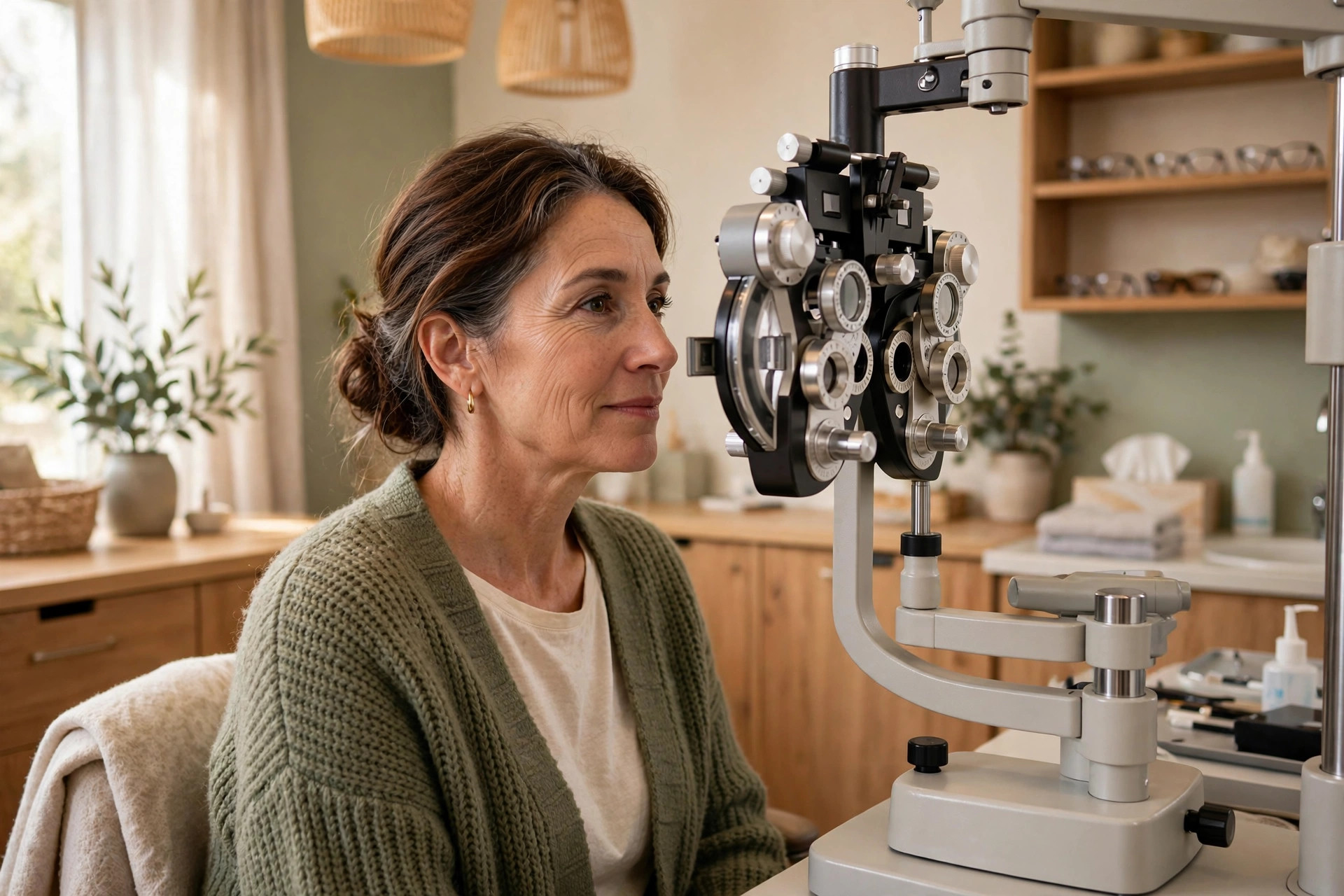
Vision shifts faster after 50 — reading glasses are just the beginning. A comprehensive eye exam also screens for glaucoma, cataracts, and macular degeneration, all far easier to manage when caught early.
Try this: Book a full eye exam every one to two years, and don’t cancel just because your current glasses “seem fine.”
Make it yours: Bring your current glasses and a list of medications — some prescriptions affect vision.
Budget tip: Many optical shops offer affordable basic exams, and some insurance plans cover one yearly.
9. 👂 The Hearing Check

Hearing loss creeps in so gradually that most of us adjust without noticing — turning up the TV, asking people to repeat themselves, avoiding noisy restaurants. Untreated hearing loss is also linked to social withdrawal, so this one matters for joy, not just ears.
Try this: Ask for a hearing screening at your next checkup, or book directly with an audiologist for a baseline.
Make it yours: If family members have mentioned your hearing more than once, believe them and book the test.
Avoid: Waiting until it’s affecting your daily life. Modern hearing aids are discreet, and early fitting works best.
10. 🧴 The Full-Body Skin Check

After decades of sun, our skin deserves a professional once-over. A dermatologist scans head to toe for changing moles and early skin cancers — most of which are simple to treat when caught small.
Try this: Book an annual skin exam. Between visits, photograph any spots you’re watching so you can show your doctor exactly what’s changed.
Make it yours: Do a quick monthly self-check after a shower — back, soles of feet, behind ears included.
Avoid: Dismissing a changing spot as “just an age thing.” When in doubt, get it looked at — that’s what dermatologists are for.
11. 🦷 The Dental Checkup

Gum health is deeply connected to heart health and blood sugar control, yet dental visits are the first thing busy women cancel. Twice-yearly cleanings prevent the small problems that become expensive, painful ones.
Try this: Schedule your next cleaning before you leave the office — future-you will be grateful.
Budget tip: Dental schools and community clinics often offer quality cleanings at a fraction of private-practice prices.
Avoid: Cancelling because nothing hurts. In dentistry, “no pain” is not the same as “no problem.”
12. 💉 The Vaccines Review

Immunity shifts with age, and the recommended list grows: annual flu shots, shingles vaccine (usually from 50), pneumonia vaccine, and staying current on COVID boosters. It’s worth a dedicated conversation rather than an afterthought.
Try this: At your annual visit — or at any pharmacy — ask: “Which vaccines am I due for at my age?” Pharmacists can answer this in minutes.
Make it yours: Use the start of autumn as your yearly reminder to get caught up before winter.
Avoid: Assuming childhood vaccines cover you forever. Adult boosters exist for a reason, and shingles is one you really don’t want to meet unprotected.
13. 🦋 The Thyroid Function Test
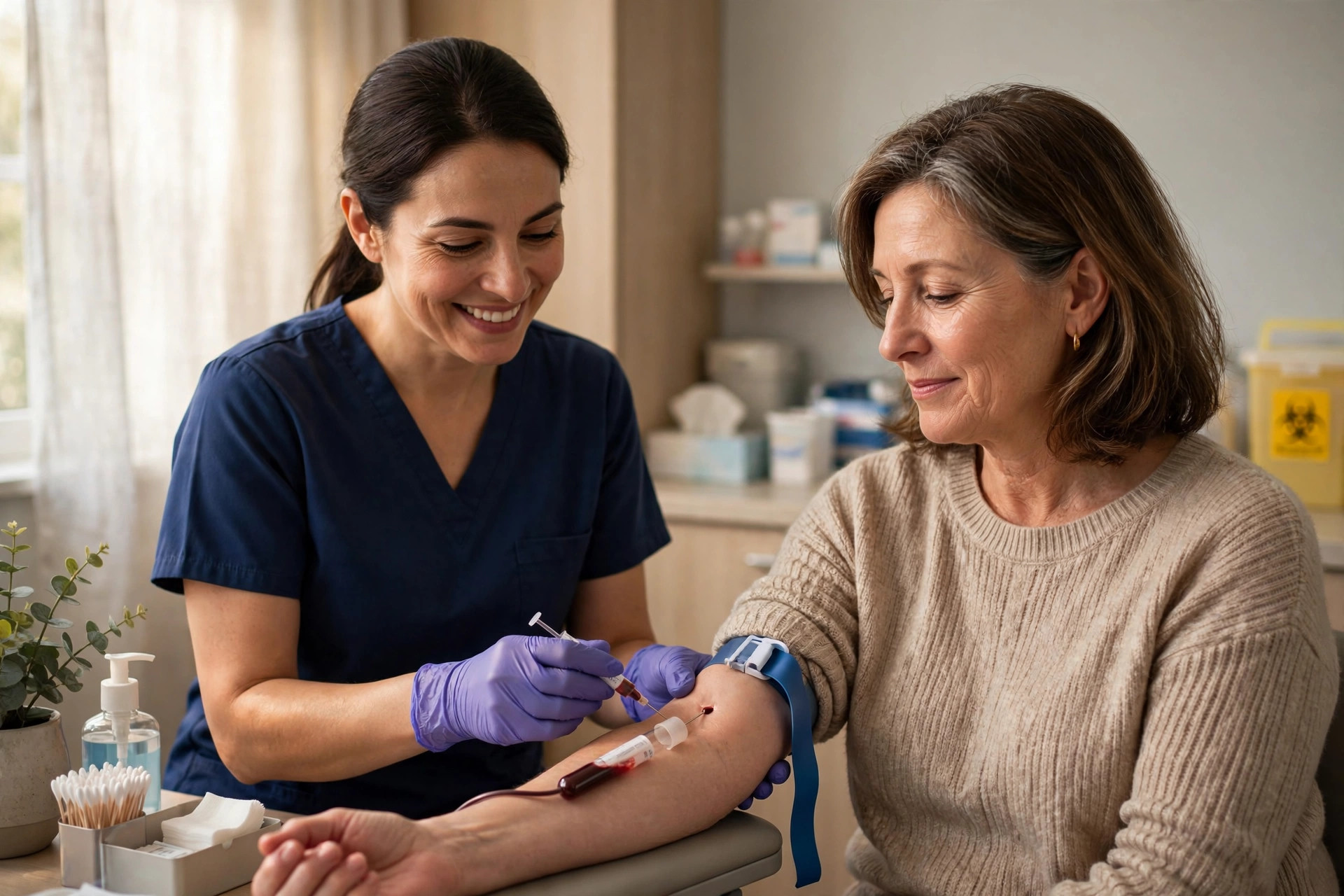
A simple TSH blood test checks whether your thyroid is under- or over-performing — and thyroid trouble mimics menopause almost exactly: fatigue, weight gain, hair thinning, low mood. Many women spend years blaming “the change” for something a blood test could have explained in a week.
Try this: Ask for a TSH test alongside your annual bloodwork, especially if you’re tired despite sleeping well.
Make it yours: If thyroid issues run in your family, mention it — family history moves this test up the priority list.
Avoid: Adjusting any thyroid medication on your own based on how you feel. Dosing is a doctor’s job, guided by labs.

Keep a one-page “health passport” — a simple list of your screenings, dates, and results — in your phone’s notes app. Every new doctor will love you, and you’ll never again wonder “when was my last one?”
14. 🌞 The Vitamin D Blood Test

Vitamin D affects bones, immunity, and mood — and low levels are extremely common after 50, especially if you spend most days indoors or live through long winters. A 25-hydroxy vitamin D test tells you exactly where you stand instead of guessing.
Try this: Ask for the test once, then retest after a few months if your doctor suggests a supplement — you’ll see whether it’s working.
Make it yours: Late winter is the smartest time to test; that’s when levels are typically at their lowest.
Budget tip: Ordered alongside your other annual bloodwork, this test usually adds very little cost.
15. 💧 The Kidney Function Check

Your kidneys quietly filter everything, and a simple urine test plus a creatinine/eGFR blood test shows how they’re doing. Kidney changes rarely cause symptoms until they’re advanced — which is exactly why screening matters.
Try this: The urine test is usually part of your annual physical — just confirm it’s actually being done and reviewed.
Make it yours: If you take daily medications, mention them — some prescriptions need kidney monitoring over time.
Avoid: Ignoring new swelling in ankles or changes in urination; mention new symptoms promptly rather than waiting.
16. 🩸 The Anemia & Iron Check

Persistent tiredness, pale skin, or feeling winded on the stairs can signal low iron — and a ferritin test catches it long before full anemia develops. Women are especially prone after years of heavy periods, even post-menopause when stores run low.
Try this: Ask specifically for ferritin and iron studies, not just a basic hemoglobin check — ferritin shows your reserves.
Make it yours: Bring a symptom list (fatigue, restless legs, brittle nails) — patterns help your doctor connect the dots faster.
Avoid: Starting iron pills on your own. Too much iron carries its own risks, so let labs guide the dose.
17. 🧫 The Liver Function Panel

A liver panel — usually part of a comprehensive metabolic panel — shows how your liver handles medications, alcohol, and everyday demands. Many common prescriptions are processed through the liver, making this a quiet essential after 50.
Try this: Confirm a metabolic panel is included in your yearly bloodwork. It often is — but asking takes ten seconds.
Make it yours: If you drink alcohol regularly or take daily medications, this test deserves a permanent spot on your list.
Avoid: Assuming “no symptoms” means “no problem.” The liver rarely complains early, which is the whole point of checking.
18. 👩⚕️ The Pelvic Exam

Even after Pap smears space out, a regular pelvic exam lets your doctor check the ovaries, uterus, and vaginal tissue for changes — including post-menopausal concerns like tissue thinning that affect everyday comfort.
Try this: Pair it with your Pap/HPV visit so it’s one appointment, not two.
Make it yours: Speak up about any discomfort, dryness, or spotting. These are medical issues with real solutions — not things to simply endure.
Avoid: Skipping it because “everything feels fine.” That’s precisely when exams are most useful.
19. 💛 The Depression & Mood Screening

Midlife brings real transitions — empty nests, aging parents, career shifts, hormonal changes — and a short mood questionnaire at your checkup normalizes checking in on mental health the same way we check blood pressure.
Try this: Answer the questionnaire honestly at your annual visit. It’s healthcare, not a test you can fail.
Make it yours: If you’ve felt flat, irritable, or joyless for weeks, say so directly — naming it is the first step toward feeling better.
Avoid: Dismissing persistent low mood as “just menopause.” You deserve support either way.
20. 🧠 The Memory Check-In

A brief cognitive screening at your annual visit establishes a baseline while you’re sharp — making any future changes far easier to spot and evaluate. Occasional forgetfulness is normal; a baseline turns worry into data.
Try this: Mention any memory concerns at your checkup — your doctor can do a quick screening on the spot.
Make it yours: Keep your brain engaged with reading, puzzles, and social time — daily engagement is the best “supplement.”
Avoid: Suffering in silence about memory fears. Doctors hear these worries every day and take them seriously.
21. 🚶 The Fall-Risk Assessment

A quick in-office check of balance, gait, vision, and medications can flag fall risks before a fall happens. Falls are a leading cause of injury after 65, and most risk factors are fixable once identified.
Try this: Ask for a fall-risk review at your annual physical — especially if you’ve had a stumble or near-miss this year.
Make it yours: Mention dizziness, uneven sidewalks you avoid, or stairs that worry you — specifics help your doctor help you.
Avoid: Treating a fall as “just clumsiness.” One fall deserves a conversation, not a shrug.
22. 😴 The Sleep Apnea Screening

Loud snoring, morning headaches, or waking up unrefreshed can signal sleep apnea — common and underdiagnosed after menopause. Untreated, it strains the heart and quietly ruins sleep quality for years.
Try this: If you snore loudly or feel tired despite full nights, ask about a sleep study — many are now done comfortably at home.
Make it yours: Ask your partner what your sleep actually sounds like. Their answer is diagnostic gold.
Avoid: Assuming poor sleep is “just aging.” Restful sleep is still very much on the table.
23. 🫁 The Lung Cancer Screening

If you have a significant smoking history, an annual low-dose CT scan can catch lung cancer early, when it’s most treatable. Eligibility depends on age and smoking history — not on judgment.
Try this: Be fully honest about your smoking history with your doctor. It determines eligibility, nothing more.
Make it yours: If you quit years ago, you may still qualify — past smoking counts toward eligibility.
Avoid: Letting shame keep you from a screening designed specifically for people with your history.
24. 🫀 The Aortic Aneurysm Ultrasound

A one-time abdominal ultrasound screens for an abdominal aortic aneurysm — typically recommended once for people with a smoking history. It’s quick, painless, and usually never needs repeating.
Try this: Ask whether you qualify based on your smoking history. If yes, it’s a single appointment and you’re done.
Make it yours: Combine it with another imaging appointment to save yourself a trip.
Avoid: Assuming this is only a “man’s test.” Eligibility is about smoking history, not gender.
25. 💊 The Medication Review

Once a year, have your doctor or pharmacist review every prescription, over-the-counter drug, and supplement you take. Interactions and duplicate therapies creep in quietly as regimens grow over the years.
Try this: Bring every bottle — including vitamins and herbal products — to one annual review.
Make it yours: Ask specifically, “Do I still need each of these?” Thoughtful deprescribing is a legitimate medical skill.
Budget tip: A pharmacist review is often free — and it can catch costly duplicates you’re paying for needlessly.
❓ Health Screening FAQs After 50
Do I still need a Pap smear after menopause?
Generally, yes — cervical screening is usually recommended until around age 65, depending on your history of normal results. The schedule stretches out to every three to five years with HPV co-testing. A quick call to your gynecologist’s office will confirm exactly when you’re due.
I skipped my mammogram for a few years. Is it too late to matter?
It’s never too late to restart. Screening works by catching changes early, and every year you screen is a year of protection. Don’t let embarrassment about the gap keep you from booking — imaging centers see returning patients every single day.
How often do I really need blood work after 50?
Most doctors recommend a yearly panel covering cholesterol, blood sugar, thyroid, kidney, and liver function after 50. If your numbers are stable and healthy, your doctor may stretch the interval — but the annual check-in conversation itself is worth keeping.
Is a colonoscopy the only option for colon screening?
No — average-risk adults can also use at-home stool-based tests like FIT, done yearly. A colonoscopy every ten years remains the most thorough option. Talk through the trade-offs with your doctor and choose the one you’ll actually complete.
I feel perfectly fine. Do I still need all of this?
Feeling fine is exactly when screening matters most — these tests are designed to find things before symptoms appear, when they’re easiest to manage. Think of it as maintenance, not repair: the goal is to keep feeling fine for decades.
📖 Keep Reading
- What to Wear to the Doctor’s Office Over 50 — 12 easy, comfy outfit ideas that make appointment days feel effortless.
- Sporty Chic Style for Women Over 50 — 12 polished athletic looks for the walks and workouts your doctor keeps recommending.
- 22 New Balance 9060 Outfit Ideas — supportive sneakers that make the “walk more” advice actually happen.
💛 You’ve Got This — One Appointment at a Time
You don’t need to book all twenty-five screenings this week. Start with one — the one you’ve been avoiding longest — and let the momentum carry you. Your body has carried you beautifully through five decades; these appointments are simply how you thank it. Here’s to many more healthy, vibrant years ahead.
Discover more from Fashinate Style
Subscribe to get the latest posts sent to your email.