
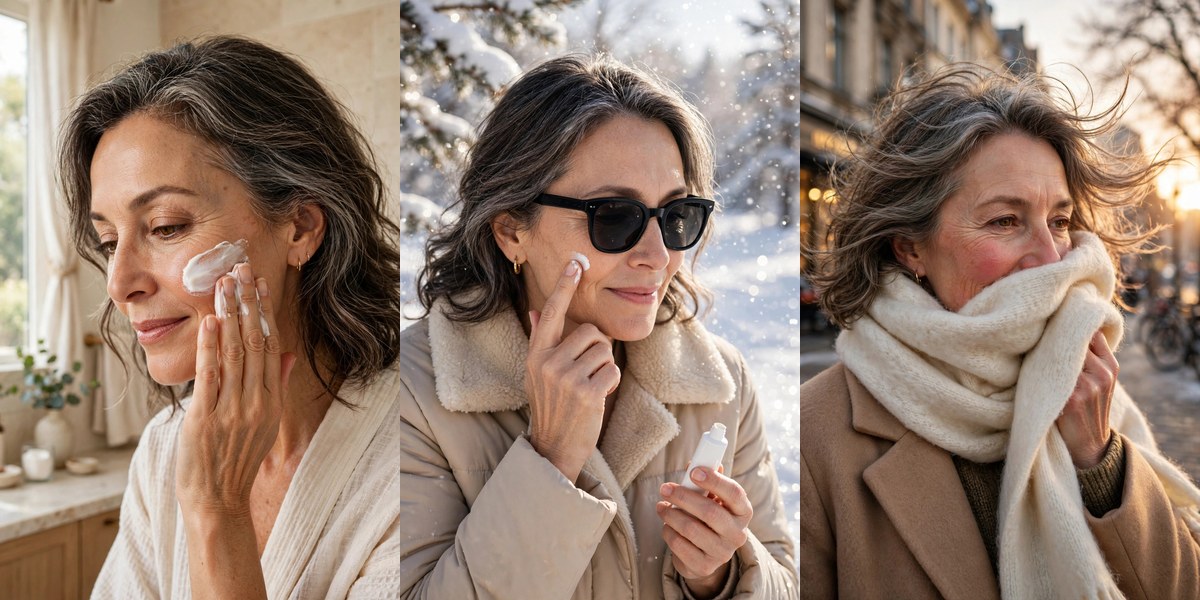
Your winter skin isn’t just “a little dry.” It’s fighting a three-front war — freezing outdoor air stealing moisture, indoor heating baking it out, and hot showers stripping away whatever is left. No wonder the routine that kept you glowing in September stops working by December.
The good news: you don’t need a twelve-step overhaul or a shelf of expensive new products. Most winter skin rescue comes down to small, smart swaps — the kind that cost little, take seconds, and work with the products you already own.
Below are 19 winter skincare fixes for women over 50 that genuinely move the needle on dryness, flaking, and that gray winter dullness. Pick the five that fit your life, start tonight, and watch your glow come back.
🧱 The Winter Basics: 4 Rules Before You Start
- Thinnest to thickest. Layer products from lightest to heaviest so each layer can actually reach your skin instead of sitting on top.
- Damp is your friend. Apply hydrating products to slightly damp skin — a little water helps them spread evenly and sink in faster.
- Less is more in winter. If your skin feels tight, stingy, or looks red, pause the strong actives for a few nights and feed it moisture instead.
- Consistency beats intensity. The same gentle routine every single day will outperform a dramatic weekly rescue treatment.
1. 🧴 The Winter Cream-Cleanser Swap

That gel or foaming cleanser that felt refreshing in July? In January it can leave mature skin feeling squeaky, tight, and stripped. A cream or oil-based cleanser melts away makeup and sunscreen while leaving your skin’s natural oils alone.
Try this: Massage a cream cleanser onto dry skin for a full 60 seconds + rinse with lukewarm water + pat dry.
Make it yours: If you wear long-wear makeup, use the cream cleanser as step two after an oil-based first cleanse on makeup days only.
Budget tip: A drugstore cream cleanser does this job beautifully — texture matters more than price here.
2. 🚿 The Lukewarm-Water Wash

Hot water feels wonderful on a freezing morning, but it melts away the oils your skin barrier needs to stay comfortable. Lukewarm water cleans just as well without the tight, itchy aftermath.
Try this: Turn the tap until the water feels neutral on your inner wrist + wash + finish with a cool-ish splash.
Make it yours: If your bathroom runs hot fast, splash your face at the sink before you step into the hot shower.
Avoid: Steaming-hot face washing right before bed — it can leave skin red and reactive overnight.
3. 💧 The Overnight Humidifier

Central heating can drop indoor humidity to desert levels, and your skin pays for it while you sleep. A small bedroom humidifier puts moisture back into the air so you wake up with skin that feels supple instead of papery.
Try this: Run a cool-mist humidifier on your nightstand + aim for 40–50% room humidity + clean it weekly.
Make it yours: No humidifier? A damp towel draped over a warm radiator adds a little moisture to a dry bedroom.
Budget tip: A basic tabletop model is one of the cheapest high-impact winter skin upgrades you can buy.
4. ⏱️ The Five-Minute Shower Rule

Long, hot showers are winter’s coziest trap — and one of the fastest ways to dry out mature skin from neck to ankles. Shorter, cooler showers clean you just as well while leaving far more of your natural moisture intact.
Try this: Set a five-minute mental timer + keep the water warm, not hot + save the steamy soak for a weekly treat.
Make it yours: On non-hair-wash days, do a quick warm rinse instead of a full shower — your skin will thank you.
Avoid: Standing under pounding hot water “to warm up” — it feels good for a minute and costs you hours of comfort.
5. 🤲 The Pat-Don’t-Rub Dry

Rubbing your face with a towel creates friction that irritates already-sensitive winter skin and can worsen flakiness. Patting gently — and leaving skin slightly damp — sets you up perfectly for the moisturizer that follows.
Try this: Press a soft towel against your skin in gentle pats + stop while skin still feels a touch damp.
Make it yours: Keep a separate soft towel just for your face; body towels tend to be rougher than you think.
Budget tip: Microfiber face cloths are gentle, cheap, and wash well all winter long.
6. 🌙 The Cold-Night Occlusive Seal

On the coldest, windiest nights, even a rich moisturizer can feel like it’s not quite enough. A thin occlusive layer — a balm or facial oil pressed over your night cream — locks everything underneath in place until morning.
Try this: Night cream first + warm a pea-sized amount of balm between palms + press over cheeks, nose, and forehead.
Make it yours: Use this only on the driest nights or after a day outdoors — nightly use can feel heavy for some skin types.
Avoid: Piling it over strong active ingredients, which can drive them deeper than your skin wants.
Think of winter skincare as weatherproofing a house: cleanser is the gentle sweep, hydrating layers are the insulation, and your night balm is the storm door. Every layer has a job, and skipping the “storm door” on a freezing night is when dryness sneaks in.
7. 🍋 The Gentler Winter Exfoliant
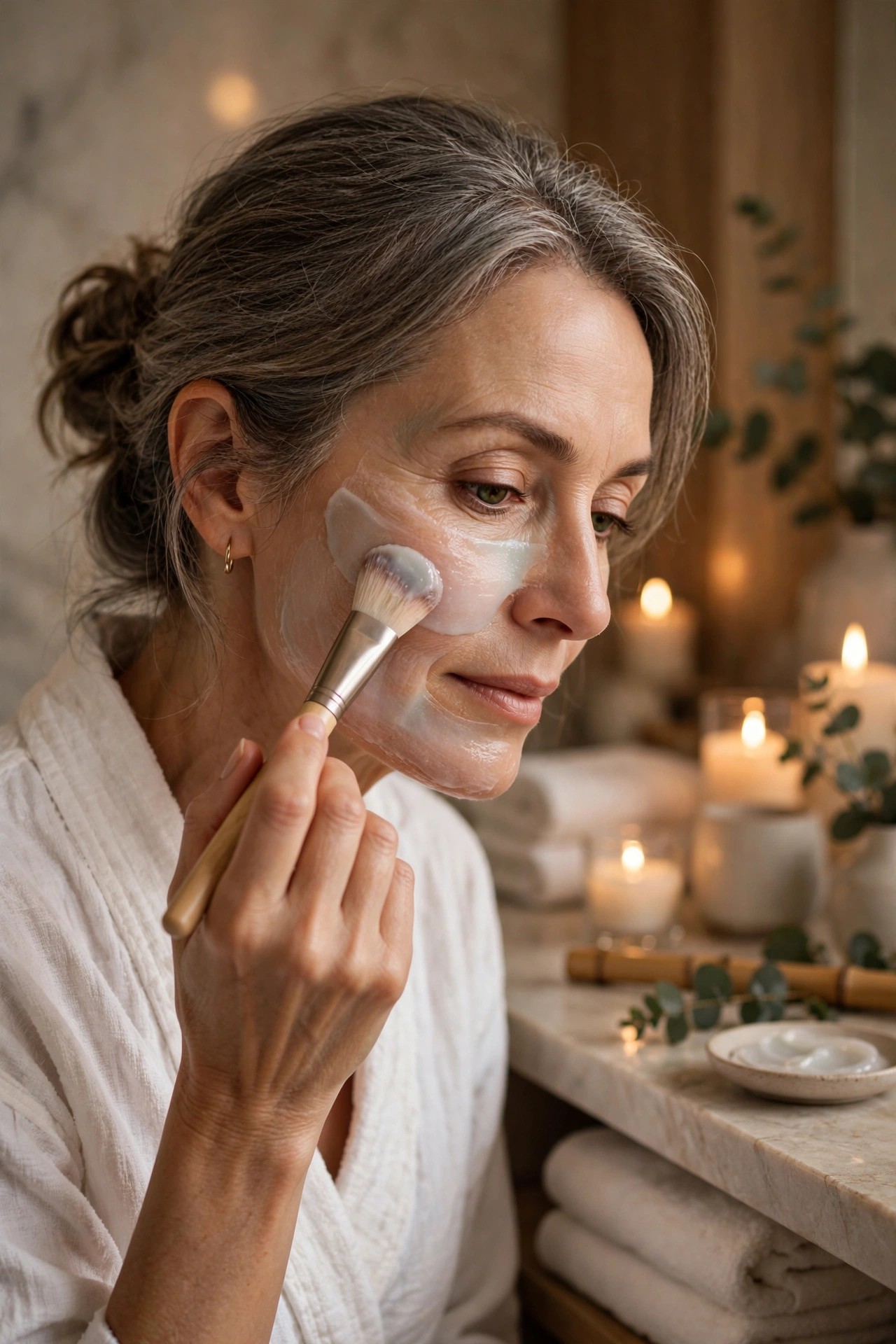
Winter is not the season for aggressive exfoliation. Mature skin already renews more slowly, and harsh scrubs or strong acids can leave it red and flaky instead of smooth. Swap to a milder exfoliant and use it less often.
Try this: Choose a lactic-acid or enzyme formula + use once a week + follow immediately with moisturizer.
Make it yours: If your skin feels sensitive, skip a week entirely — winter forgiveness beats winter forcing.
Avoid: Gritty physical scrubs on wind-chapped cheeks; they create micro-tears exactly where skin is thinnest.
8. 🌅 The Rinse-Only Winter Morning

Your skin doesn’t get dirty overnight — it gets dry. In winter, a full morning cleanse often removes the moisture your night routine worked hard to build. A simple lukewarm rinse preserves that progress.
Try this: Splash with lukewarm water + pat damp-dry + go straight to your hydrating layers.
Make it yours: If your skin runs oily even in winter, use a tiny amount of cream cleanser just on the T-zone.
Budget tip: This tip is free — and it makes every product you apply afterward work better.
9. 🧪 The No-Alcohol Toner Rule
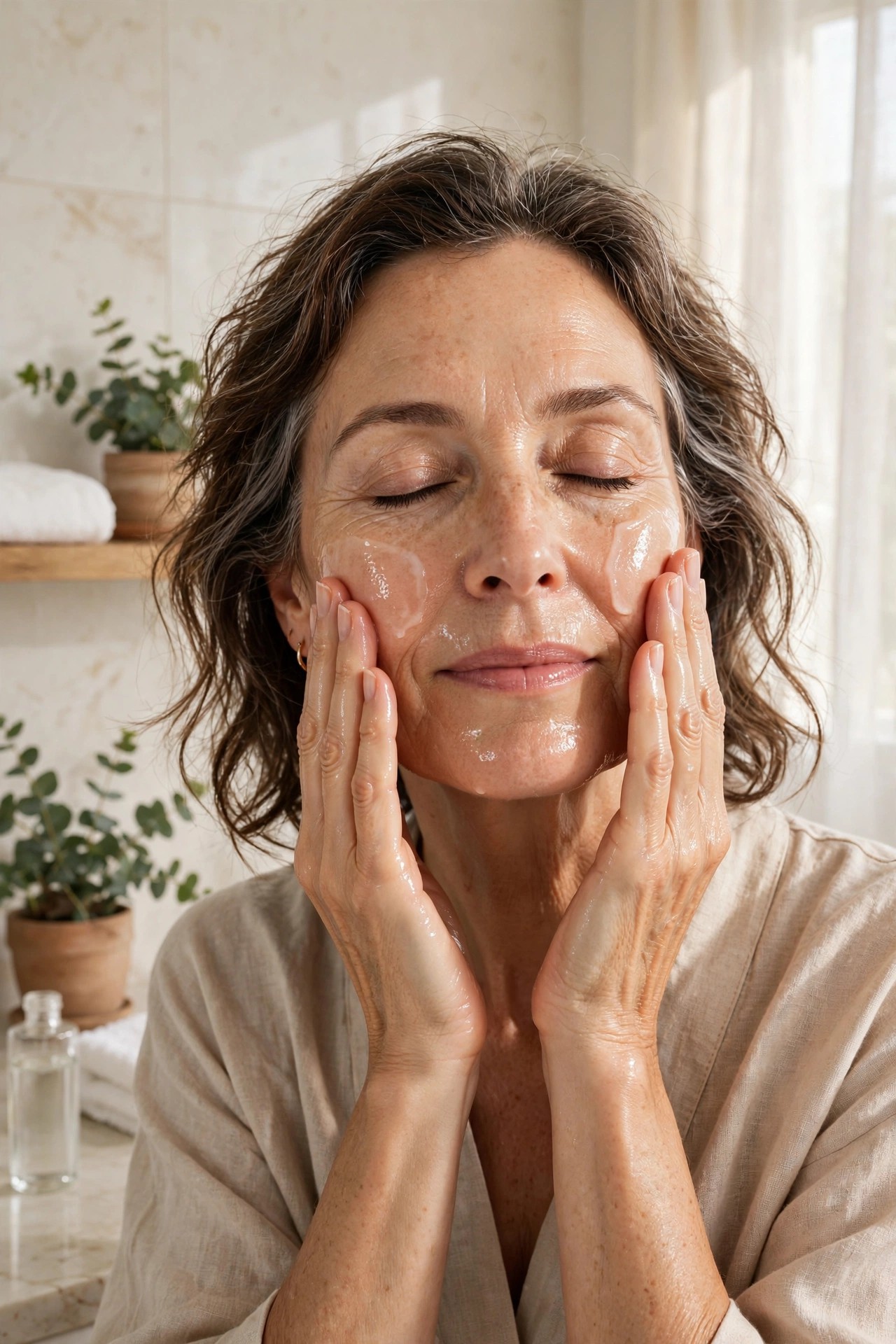
Old-school astringent toners with alcohol were designed to strip oil — the opposite of what winter skin needs. If your toner stings or leaves skin feeling tight, it’s working against you all season.
Try this: Switch to an alcohol-free hydrating toner + press it in with your palms instead of swiping with cotton.
Make it yours: Rose water or glycerin-based mists make excellent gentle winter toners.
Avoid: Anything labeled “astringent,” “clarifying,” or “oil-control” from December through March.
10. 🌿 The Fragrance-Free Winter Swap

Cold air makes mature skin more reactive, and fragrance is one of the most common irritants hiding in otherwise lovely products. Winter is the ideal season to go fragrance-free across your routine.
Try this: Check labels for “fragrance-free” (not just “unscented”) + swap your daily moisturizer first, since it covers the most skin.
Make it yours: If you love scented products, keep one fragranced hand cream for daytime and go fragrance-free on your face.
Budget tip: Fragrance-free formulas are widely available at every price point — this swap rarely costs extra.

11. ☀️ The Snow-Glare SPF Habit

Here’s the winter sun fact most women miss: fresh snow can reflect up to 80% of UV rays, hitting your face from below while the sun hits from above. Gray skies are no excuse either — UV passes straight through clouds.
Try this: Apply a broad-spectrum SPF 30 every morning as your last skincare step + don’t skip the under-chin and neck area.
Make it yours: A moisturizing SPF formula pulls double duty in winter — sun protection plus an extra comfort layer.
Avoid: Assuming car windshields and office windows block everything; UVA rays come through glass all year.
12. 🧣 The Wind-Shield Habit

Wind is winter’s stealth ager — it strips moisture from exposed skin in minutes and leaves cheeks red and rough. A soft scarf pulled up over your lower face is the simplest barrier your skin will ever get.
Try this: Choose a soft wool or cashmere-blend scarf + wrap it loosely over nose and cheeks on windy days.
Make it yours: Keep a dedicated “face scarf” in your coat pocket so you never get caught without one.
Avoid: Scratchy acrylic scarves directly against skin — they irritate exactly the areas you’re trying to protect.
13. 🥶 The Windburn Cool-Down

Come inside with cheeks burning after a blustery walk? That’s windburn — and the fix is calm, not more products. Cool the skin gently, then feed it simple moisture and leave it alone.
Try this: Press a cool, damp cloth to red areas for a few minutes + apply a plain, rich moisturizer + skip actives that night.
Make it yours: A thin layer of a bland balm over the moisturizer gives windburned cheeks extra overnight comfort.
Avoid: Exfoliating, retinoids, or strong vitamin C on windburned skin until the redness fully settles.
After any cold-weather outing, give your skin a 10-minute “landing” — come inside, let your face return to room temperature, then do your routine. Applying products to ice-cold, constricted skin means they sit on top instead of sinking in.
14. 🖐️ The Post-Wash Hand Cream Habit

Hands show winter first: every wash with hot water and harsh soap strips them a little more, and by February they can look a decade older than your face. The fix is embarrassingly simple — cream after every single wash.
Try this: Keep a rich hand cream by every sink + apply within a minute of washing + don’t forget cuticles.
Make it yours: Stash a travel-size tube in your handbag for post-sanitizer touch-ups on the go.
Budget tip: Thick, affordable hand creams outperform fancy thin lotions here — richness is the whole point.
15. 🧤 The Winter Gloves Outdoors Rule

No hand cream can compete with freezing wind and icy air. Gloves are the only real defense for hands outdoors — think of them as winter SPF for your hands.
Try this: Keep gloves in every coat pocket + put them on before you step outside, not after your hands go numb.
Make it yours: Touchscreen-compatible gloves mean you won’t be tempted to strip them off for your phone.
Avoid: Wet gloves — swap them out, since damp fabric against skin chills and dries even faster.
16. 💋 The Weekly Lip Scrub

Chapped winter lips flake because dead skin builds up faster than balm can soften it. A gentle weekly lip scrub lifts that flaky layer away so your balm can actually reach the skin underneath.
Try this: Massage a pea-sized lip scrub in soft circles for 30 seconds + wipe away + follow with a rich balm.
Make it yours: No scrub on hand? A soft toothbrush and a dab of balm make a fine stand-in.
Avoid: Picking or peeling flaky lips — it tears healthy skin and restarts the whole chapping cycle.
17. 🙅 The No-Lick Lip Rule

Licking chapped lips feels like relief, but saliva evaporates fast and takes your lips’ moisture with it — the classic winter trap that keeps lips perpetually cracked. Breaking the habit is half the battle.
Try this: Apply balm the moment you feel the urge to lick + reapply after eating, drinking, and coming indoors.
Make it yours: Keep balm in your coat pocket, handbag, nightstand, and desk — visibility beats willpower.
Budget tip: A plain, affordable balm you reapply ten times a day beats an expensive one you forget to use.
18. 🛁 The Oatmeal Bath Soak

When winter leaves your whole body itchy — shins, arms, back — a lukewarm oatmeal soak calms things down fast. Colloidal oatmeal has been used for sensitive, itchy skin for generations, and a bath delivers it everywhere at once.
Try this: Add colloidal oatmeal to a lukewarm (not hot) bath + soak 15 minutes + pat dry and moisturize immediately.
Make it yours: No time for a bath? A warm oatmeal compress on extra-itchy patches works in a pinch.
Avoid: Bubble baths and heavily fragranced soaks, which can undo all the calming the oatmeal provides.
19. 👕 The Gentle Laundry Switch

Your skin spends all night pressed against your sheets and all day inside your clothes — so what you wash them in matters more in winter, when skin is already touchy. Heavily fragranced detergents can quietly fuel itchiness for months.
Try this: Switch to a fragrance-free, dye-free detergent + skip the scented dryer sheets for one month and notice the difference.
Make it yours: Wash new winter sweaters and scarves before first wear — manufacturing finishes can irritate sensitive skin.
Budget tip: Store-brand free-and-clear detergents clean just as well as the premium ones.
🚫 5 Winter Skincare Mistakes to Avoid
- Keeping your summer routine unchanged. If your skin feels different, your routine should too — loyalty to a cleanser isn’t a virtue.
- Exfoliating away the flakiness aggressively. Scrubbing harder at dry patches usually creates more irritation, not smoother skin.
- Skipping moisturizer because you “don’t feel dry yet.” Winter dryness is cumulative — by the time skin feels tight, the barrier is already struggling.
- Forgetting your neck, hands, and lips. These areas have thinner skin and fewer oil glands, so winter hits them hardest and first.
- Cranking the indoor heat to tropical levels. Every extra degree of dry, heated air is moisture your skin has to surrender.
❓ Winter Skincare FAQs
Should women over 50 change their entire skincare routine for winter?
Not entirely — and you shouldn’t. Keep the products that work, then make targeted winter swaps: a creamier cleanser, a richer night moisturizer, and an added occlusive or oil layer on the coldest nights. Most women over 50 only need three to four adjustments, not a whole new shelf of products.
Why does my skin get so much drier in winter after 50?
After 50, skin naturally produces less oil and loses moisture faster, and winter multiplies the problem — cold outdoor air holds almost no humidity, indoor heating dries the air further, and hot showers strip protective oils. The combination overwhelms a barrier that was already working harder than it used to.
Is it okay to use retinol in winter?
Yes — winter is actually a sensible season for it, since you’re getting less sun exposure. The key is buffering: apply it less often at first, always over or under moisturizer, and skip it on nights when your skin feels irritated or windburned. If flaking increases, scale back frequency before abandoning it.
Do I really need sunscreen in winter?
Absolutely. UV rays are present year-round, pass through clouds, and bounce off snow — which can nearly double your exposure on bright winter days. A daily broad-spectrum SPF 30 takes thirty seconds and protects all the good work the rest of your routine is doing.
How quickly will these winter fixes show results?
Comfort improves fast — most women notice less tightness within a few days of switching to lukewarm washing, layering properly, and adding a humidifier. Visible glow and smoother texture typically follow in two to three weeks of consistent routine. Winter skin rewards patience, not panic-buying.
✅ Your Winter Glow Checklist
- ☐ Swap to a cream cleanser and lukewarm water
- ☐ Set up the bedroom humidifier before the first cold snap
- ☐ Shorten showers and pat — don’t rub — dry
- ☐ Add an occlusive seal on the coldest nights
- ☐ Keep SPF, hand cream, lip balm, and gloves within reach every day
- ☐ Go fragrance-free and alcohol-free until spring
Winter doesn’t have to mean months of dull, uncomfortable skin. Start with the swaps that feel easiest, stay consistent, and let your skin settle into its cold-weather rhythm. Come spring, you’ll be the one glowing while everyone else is recovering.
📖 Keep Reading
- Morning Skincare Routine for Women Over 50: 19 Steps in the Right Order — layer your winter morning routine correctly, step by step.
- Nighttime Skincare Routine Over 50: 22 Ideas for Waking Up Glowing — the perfect evening companion to these winter fixes.
- 🧴 Best Moisturizer for Mature Skin Over 50: 21 Formulas That Comfort — find the right rich formula to anchor your cold-weather routine.
Discover more from Fashinate Style
Subscribe to get the latest posts sent to your email.