
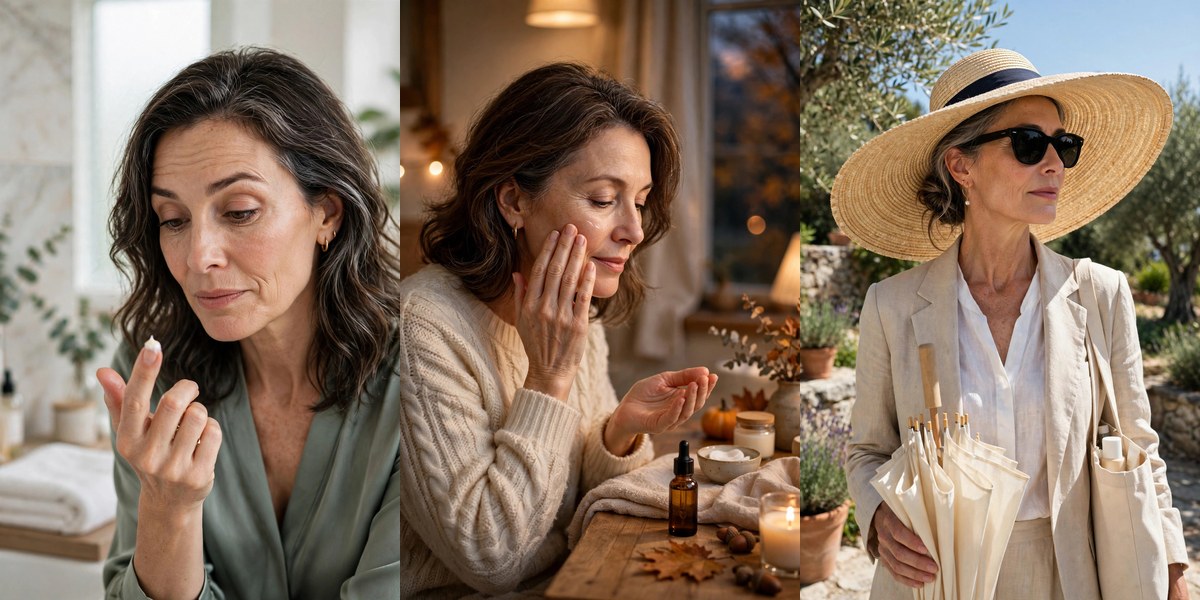
Thinking about retinol but terrified of the peeling horror stories? You’re not alone — half the reviews online read like cautionary tales, and after 50, when skin is thinner and drier, the fear feels completely reasonable.
Here’s the truth those horror stories leave out: almost every bad retinol experience comes from starting too strong, too fast, too often. Retinol for beginners over 50 isn’t about finding the strongest formula — it’s about a gentle, patient introduction your skin barely notices. These 20 rules are the safe-start playbook: patch tests, low strengths, pea-sized amounts, smart timing, and clear signals for when to pause.
1. 🩹 The Patch-Test First Rule
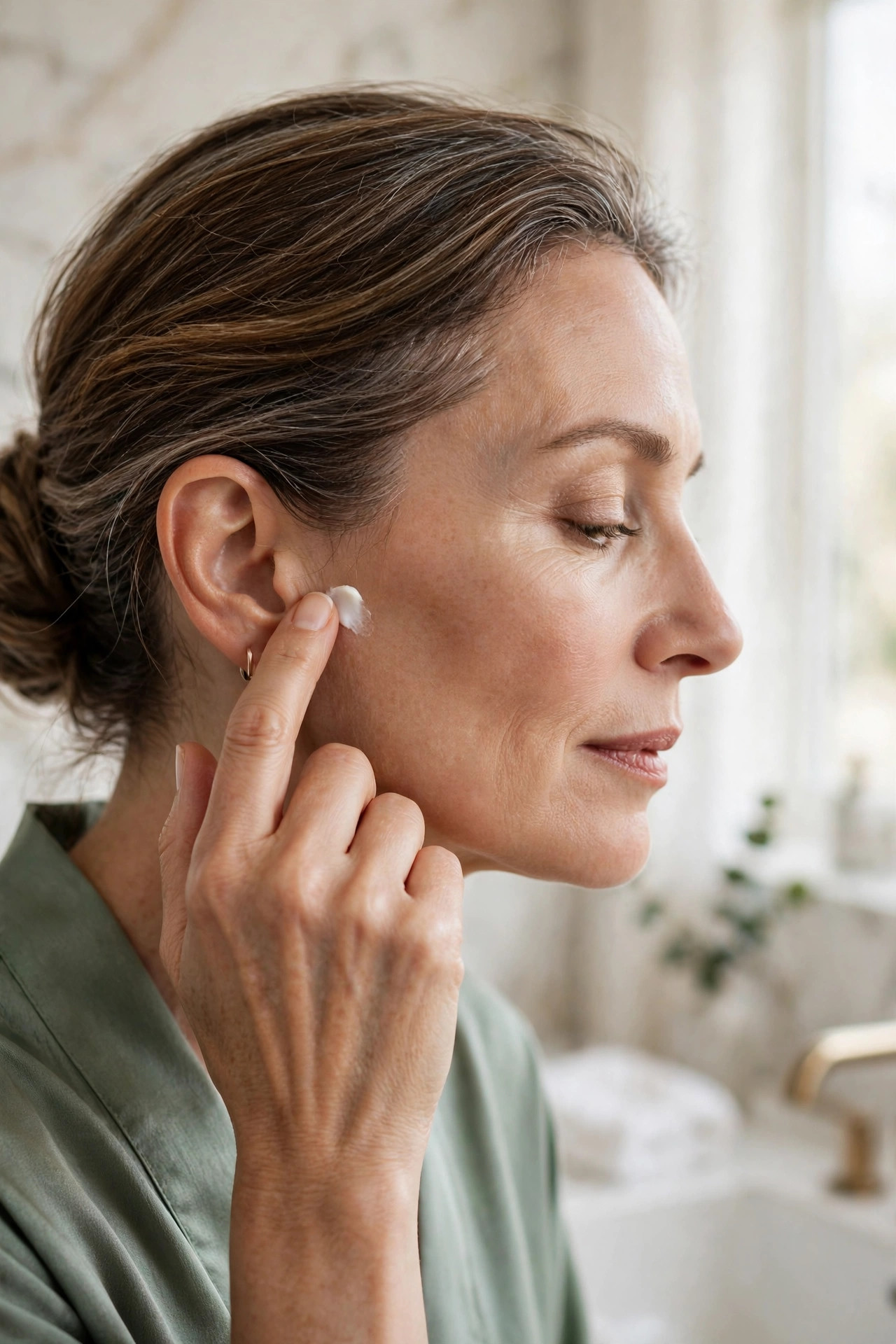
Before retinol goes anywhere near your face, test it where a reaction won’t ruin your week: a dab behind the ear or along the jawline, then wait 24 hours. Mature skin can be unpredictably reactive, and a patch test is the cheapest insurance in all of skincare.
Try this: Pea-sized dab behind the ear + wait a full 24 hours + check for redness, itching, or bumps.
Make it yours: No reaction? You’re clear to start. Any stinging or redness? Try a lower strength or a gentler alternative first. Avoid: Skipping this because you’re impatient — one day of waiting beats a week of recovery.
2. 📉 The Start-Low Strength Rule

Retinol comes in a wide range of strengths, and beginners over 50 should start at the gentle end — a low-strength over-the-counter formula gives your skin time to build tolerance. You can always move up later; you can’t undo starting too strong.
Try this: Choose a low-strength beginner formula + encapsulated or time-release if available + ignore the “stronger is better” urge.
Make it yours: Very sensitive skin? A retinal or bakuchiol formula can be an even gentler on-ramp. Avoid: Jumping to prescription-strength without ever trying a gentle formula first.
3. 🫛 The Pea-Sized Amount Rule
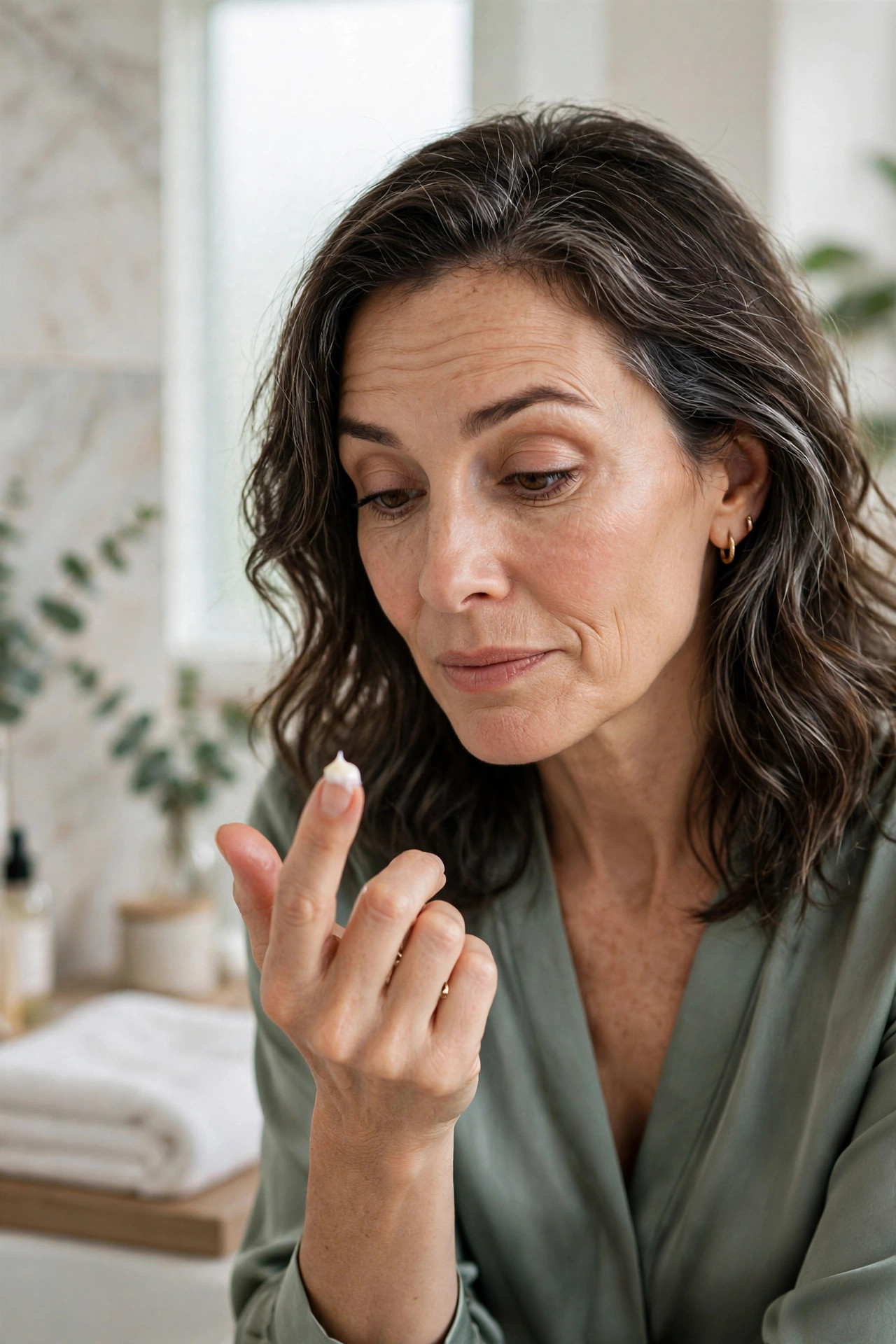
This is the rule beginners break most: a pea-sized amount — truly pea-sized — is enough for your entire face. Retinol isn’t moisturizer; using more doesn’t speed results, it just increases the odds of redness and flaking.
Try this: One pea-sized dot + five tiny dots (forehead, cheeks, chin, nose) + smooth into a thin, even layer.
Make it yours: If even a pea feels like a lot, dot it on and stop — resist the second squeeze. Avoid: Layering “a little extra” on problem areas; even coverage beats spot-treating with retinol.
4. 📅 The Twice-a-Week Start Rule
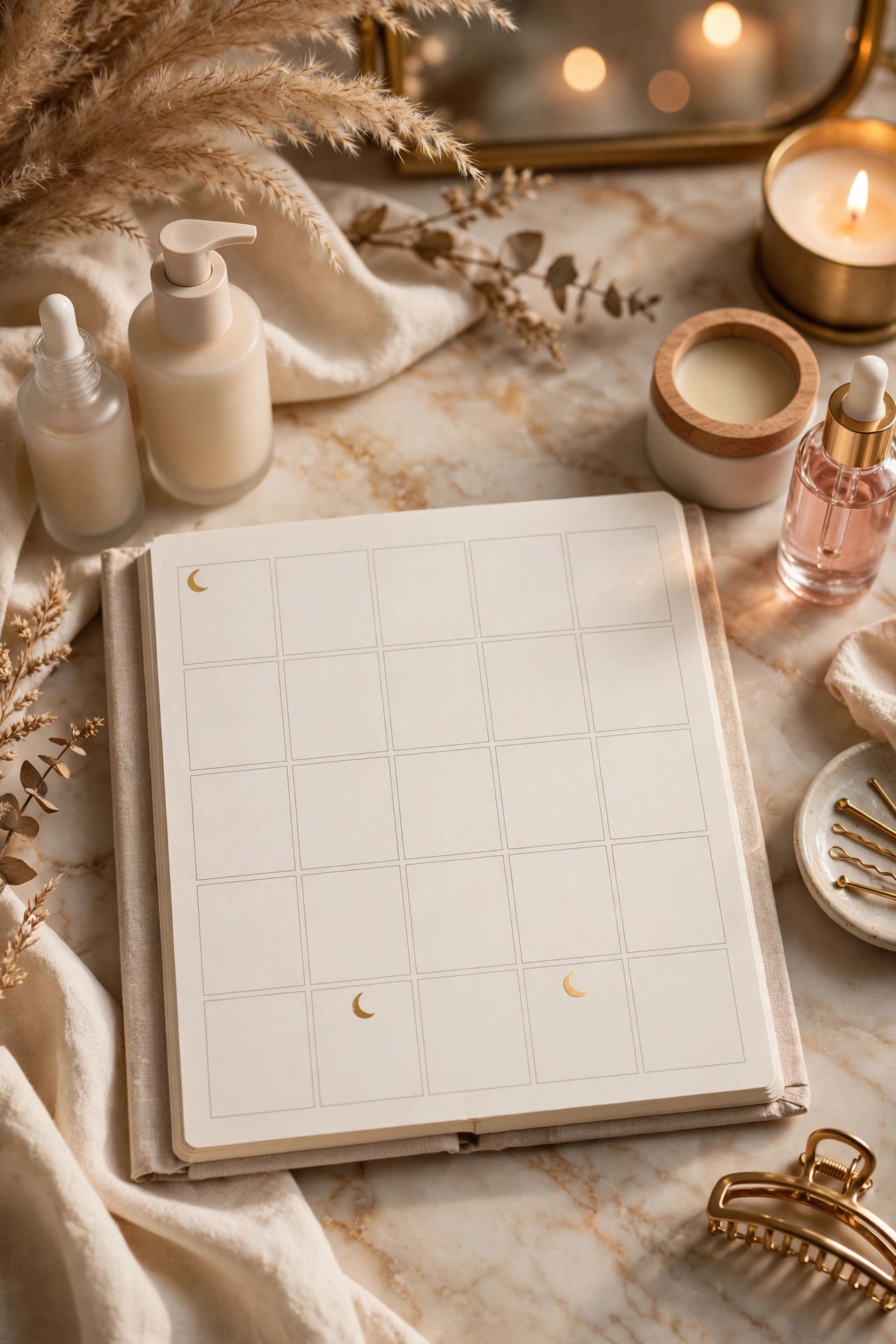
For the first two to four weeks, retinol gets exactly two evenings a week — say Monday and Thursday. This gives your skin recovery days between exposures, which is how tolerance actually builds. Rushing to nightly use is the number-one cause of the peel.
Try this: Two non-consecutive nights per week + mark them on a calendar + reassess after one month.
Make it yours: Skin calm after a month? Add a third night. Any lingering redness? Stay at two — many women over 50 never need more. Avoid: Increasing frequency and strength at the same time; change one variable at a time.
Keep a tiny retinol diary for the first month: date, any tingling, morning skin condition. Patterns emerge fast — you’ll spot exactly which frequency your skin loves and stop guessing.
5. 🏜️ The Dry-Skin Application Rule
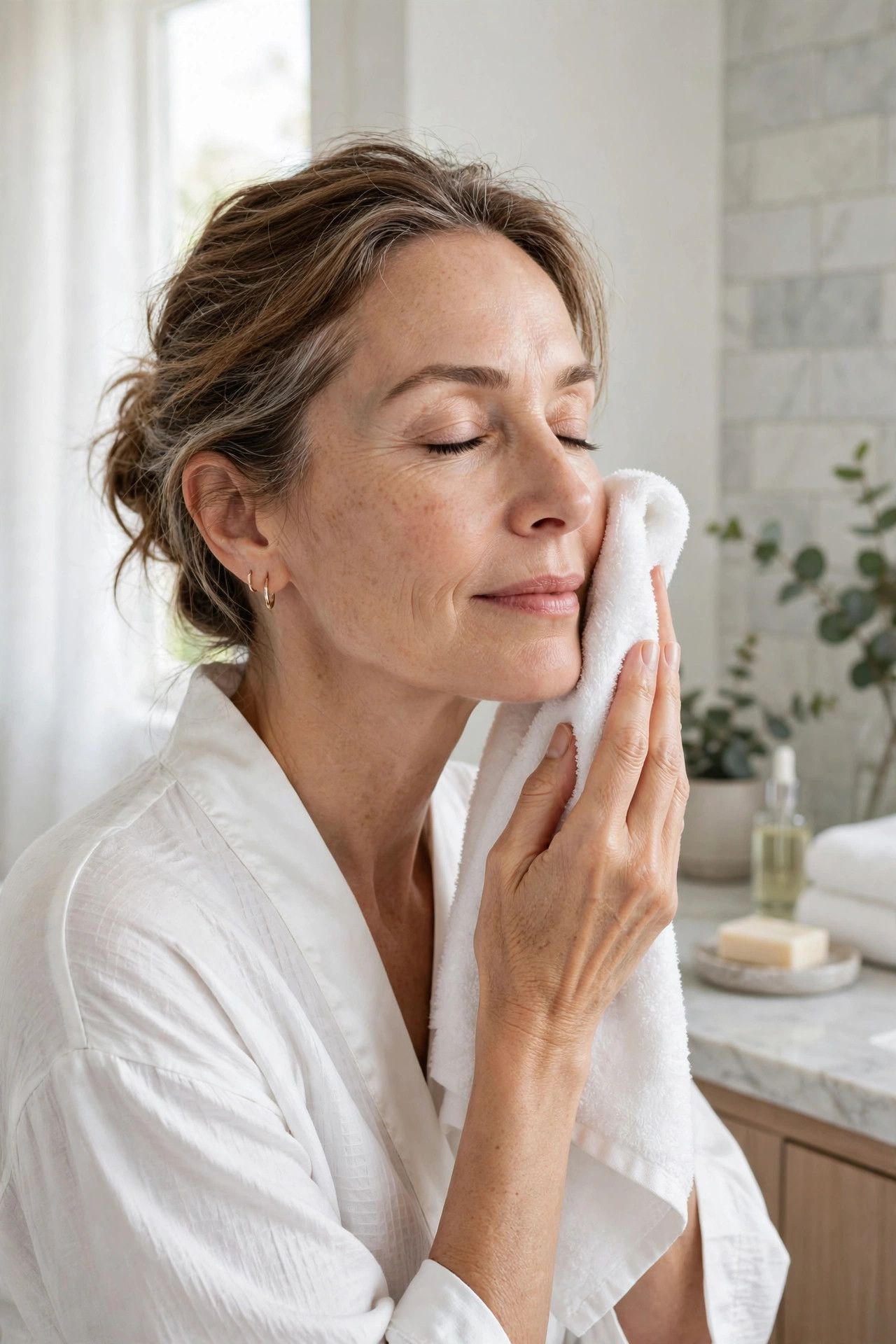
Water increases how deeply retinol penetrates — which sounds good until it means irritation. Apply retinol only to completely dry skin: cleanse, then wait 10–15 minutes (or pat thoroughly dry) before the retinol step.
Try this: Gentle cleanse + pat dry + wait 10–15 minutes + then apply retinol.
Make it yours: Cleanse, brush your teeth, tidy up — by the time you’re done, your skin is ready. Avoid: Applying right after a steamy shower when skin is damp and warm; that’s maximum penetration and maximum risk.
6. 🥪 The Moisturizer Sandwich Rule
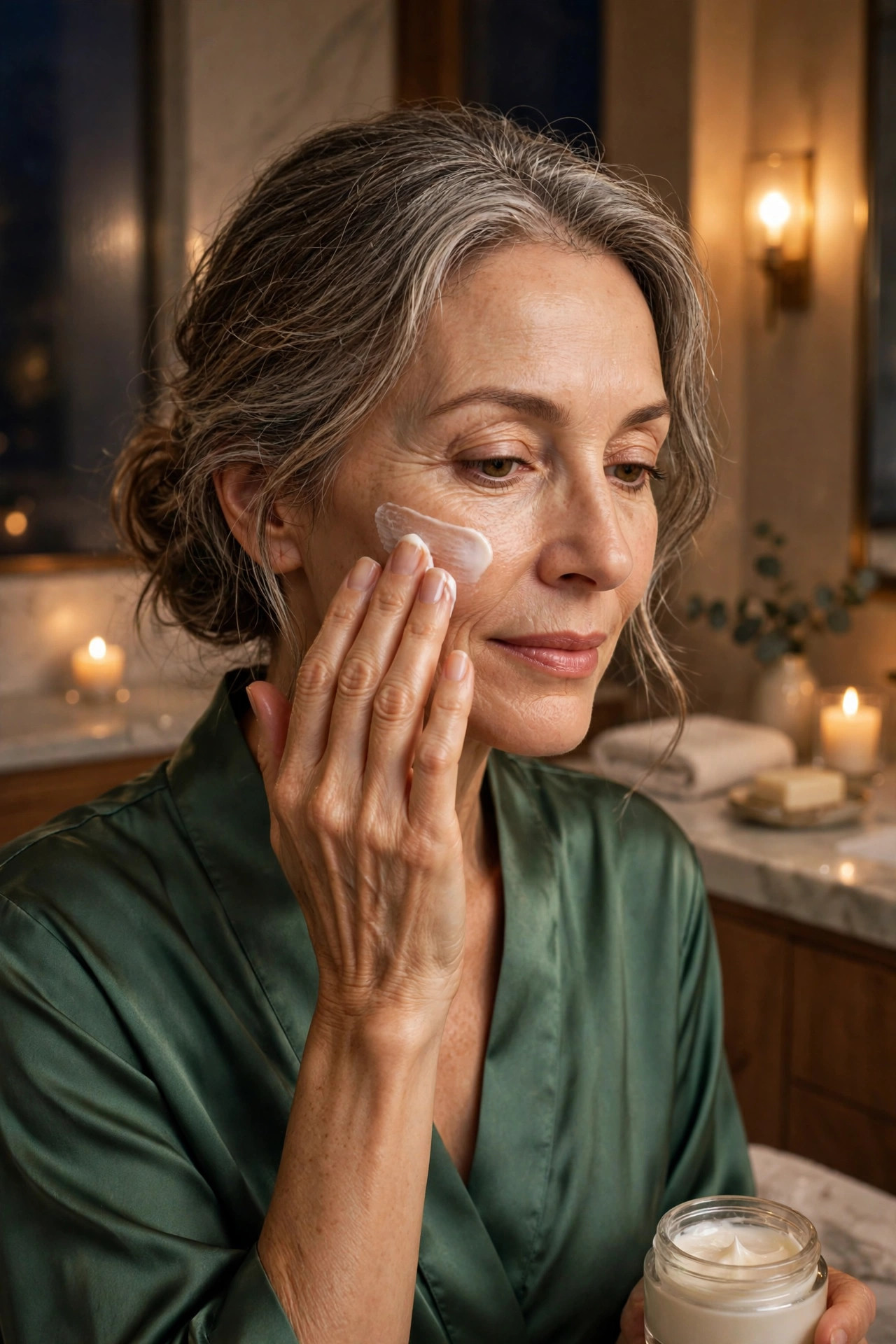
The “sandwich method” is a beginner’s best friend: a thin layer of plain moisturizer first, retinol on top, then another light layer to seal. The buffer slows absorption just enough to cut irritation dramatically while keeping the benefits.
Try this: Thin moisturizer layer + wait 10 minutes + pea-sized retinol + light moisturizer on top.
Make it yours: Use a simple fragrance-free moisturizer for the sandwich — no actives in the buffer layers. Avoid: Sandwiching with a moisturizer that itself contains acids or vitamin C; keep the buffer boring.
7. 🚫 The Skip-the-Sensitive-Zones Rule

The corners of your nose, the eye area, and the corners of your mouth are thinner and far more reactive — retinol migrates, so give these zones a wide berth at first. You can dot a tiny amount of plain moisturizer on them beforehand as a protective barrier.
Try this: Moisturizer barrier on eye corners, nose creases, and lip corners + retinol everywhere else.
Make it yours: If your eyes water or sting the morning after, you applied too close — widen the buffer zone. Avoid: Dedicated “retinol eye creams” until your face tolerates regular retinol calmly.
8. 1️⃣ The One-Active-Per-Night Rule
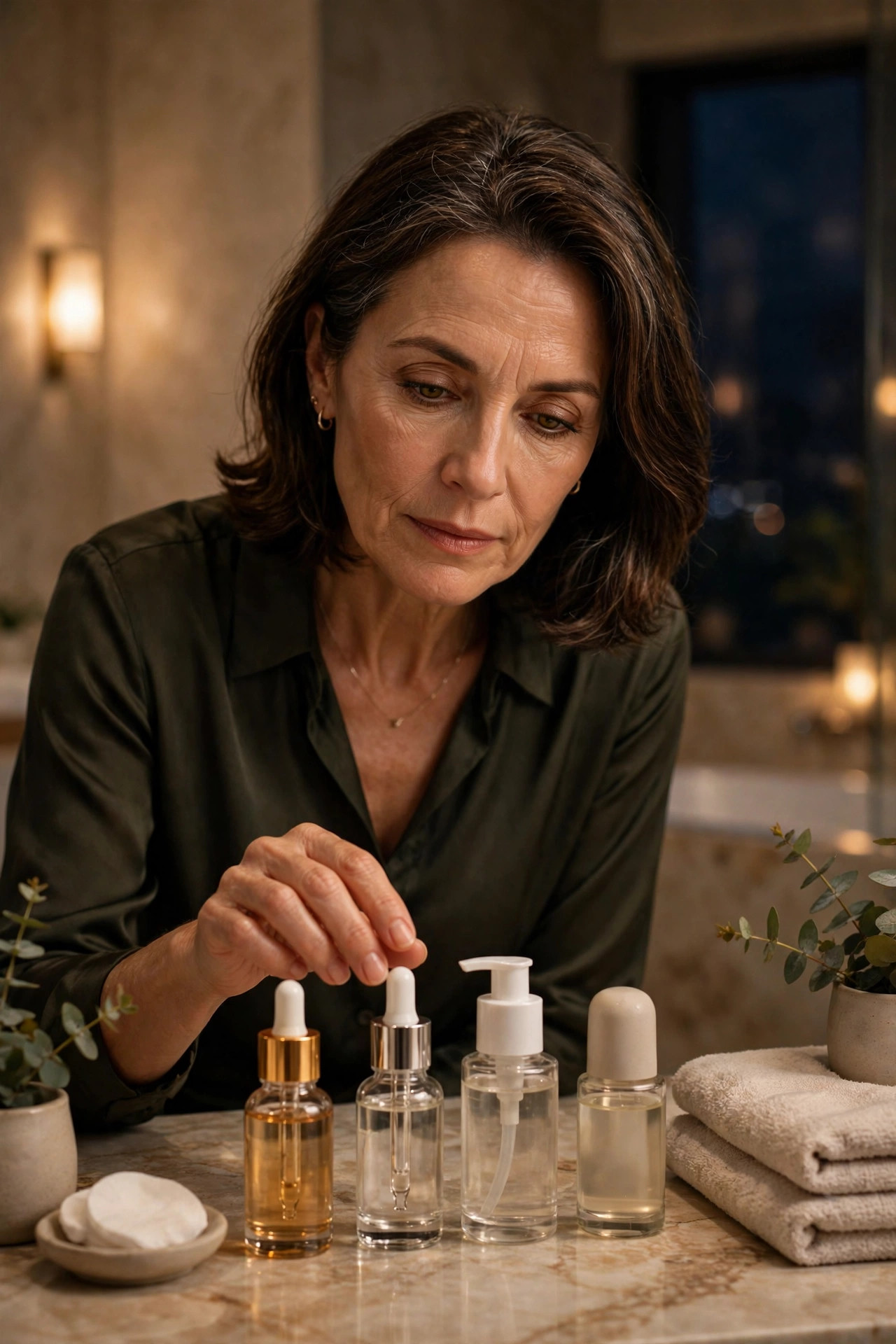
On retinol nights, retinol is the only active. No AHAs, no strong vitamin C, no exfoliating acids in the same evening — stacking actives is how mature skin ends up red, flaky, and angry. Let each active have its own night.
Try this: Retinol nights = retinol + hydrating/supportive products only + acids and strong vitamin C on other nights.
Make it yours: Alternate: vitamin C mornings, retinol two evenings, acids one evening, rest nights for pure hydration. Avoid: The “more actives = faster results” trap — with mature skin, restraint is the fast lane.
9. 🧴 The Morning-After SPF Rule
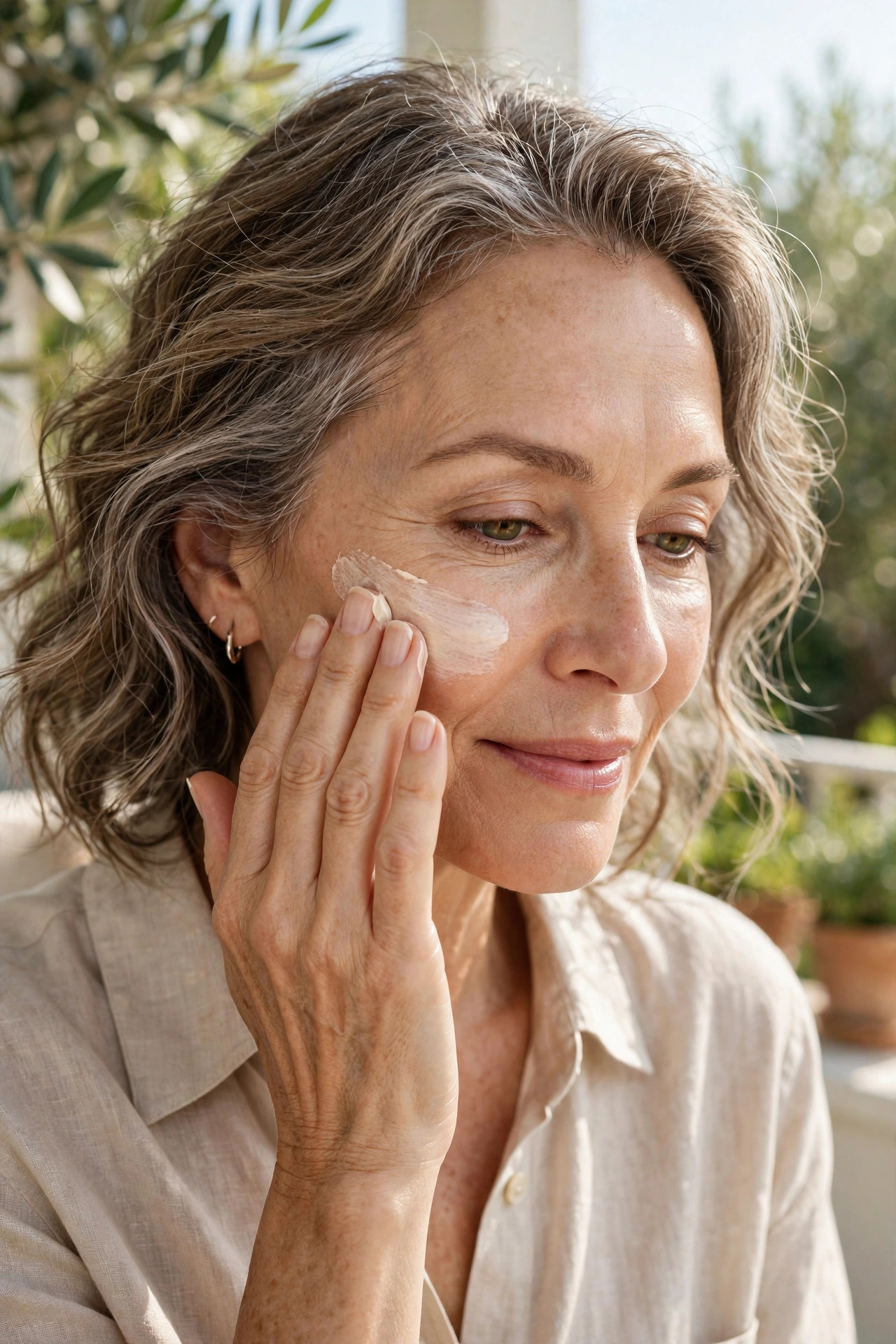
Retinol increases sun sensitivity, so the morning after a retinol night — and every morning, honestly — means broad-spectrum SPF 30 or higher, applied generously as your last skincare step. Skipping SPF while using retinol can undo the good you’re doing.
Try this: Gentle morning cleanse + moisturizer + SPF 30+ as the final step + reapply if outdoors for long.
Make it yours: A hydrating mineral SPF suits sensitive mature skin and doubles as a makeup base. Avoid: Thinking indoor days don’t count — UVA comes through windows.
10. ⏳ The Patience Window Rule

Visible changes from retinol typically take 8–12 weeks of consistent use — smoother texture first, tone and fine lines later. Judging it at week three is like judging a garden a week after planting; the work is happening where you can’t see it yet.
Try this: Commit to 12 weeks at your tolerated frequency + monthly photos in the same light + no strength jumps before week 8.
Make it yours: Keep the diary going — looking back at week-one notes at week ten is genuinely encouraging. Avoid: Increasing strength out of impatience; consistency at low strength beats sporadic high strength.
11. 🛑 The Pull-Back Signal Rule

Mild tingling for a few minutes is normal; persistent stinging, ongoing redness, flaking that won’t quit, or a tight “burning” feeling are not. Those are pull-back signals: drop to once a week, add more moisturizer, or pause for a few days until skin feels normal again.
Try this: Signals appear → cut frequency in half + simplify to cleanser, moisturizer, SPF + resume slower when calm.
Make it yours: There’s no shame in pausing — even seasoned users take retinol breaks. Avoid: “Pushing through” real irritation; that’s how a minor reaction becomes a damaged barrier.

If irritation keeps returning at the lowest strength, the issue is often frequency, not the formula. Try once a week with the sandwich method for a month before deciding retinol “isn’t for you” — most mature skin just needed a slower on-ramp.
12. 🌿 The Gentle-Exit Alternatives Rule
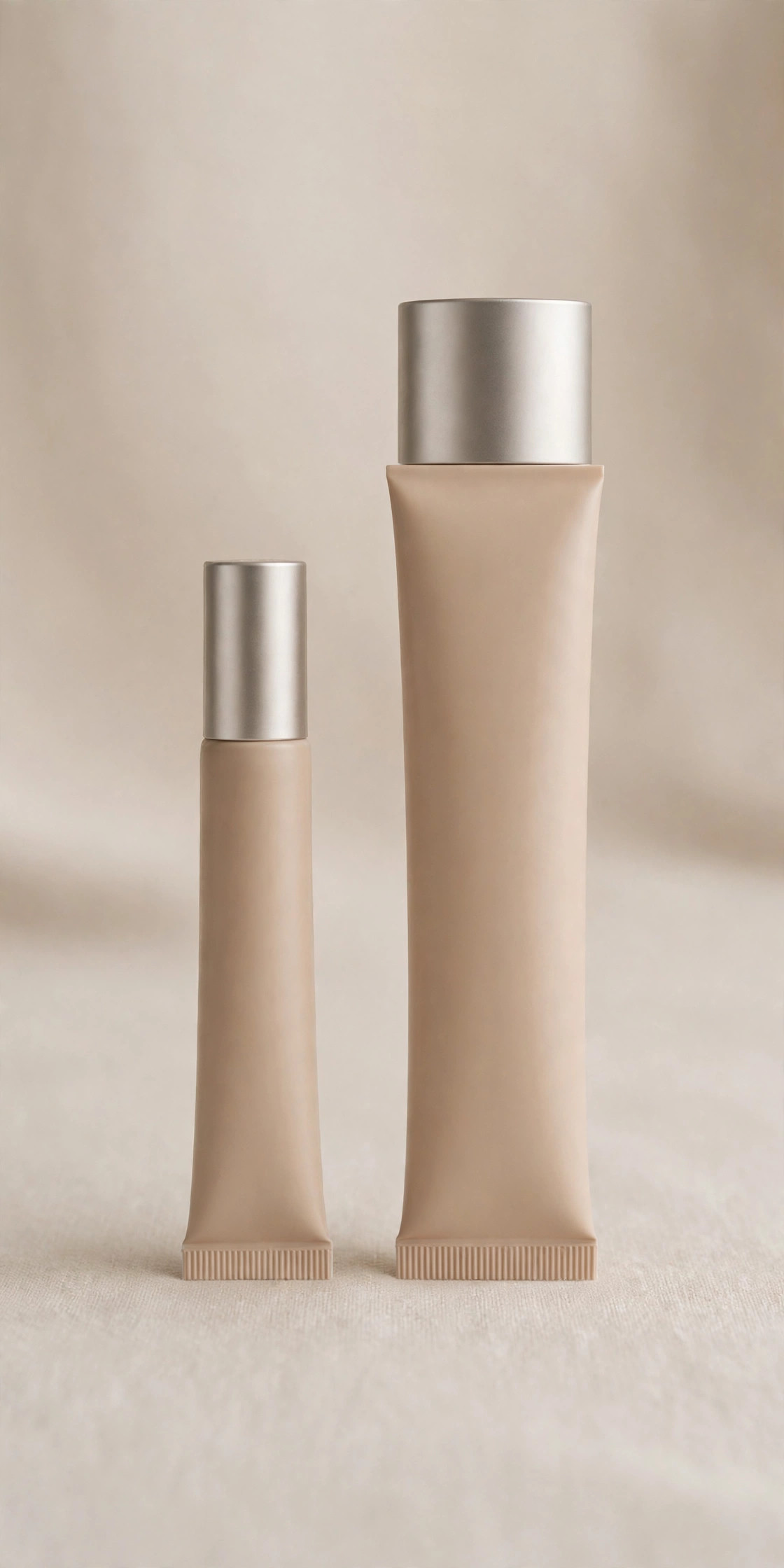
If retinol truly doesn’t suit your skin — and for some very sensitive skin it won’t — you still have excellent options. Bakuchiol offers a similar smoothing routine with far less irritation, and peptide serums support the look of firmer skin with almost no adjustment period.
Try this: Give retinol a fair 8-week slow trial first + if it fails, switch to bakuchiol or peptides + keep the SPF habit regardless.
Make it yours: Many women use bakuchiol in summer and retinol in winter — gentle alternatives aren’t a consolation prize. Avoid: Chasing ever-stronger formulas when your skin is clearly asking for gentler ones.
13. 🍂 The Season-Smart Start Rule
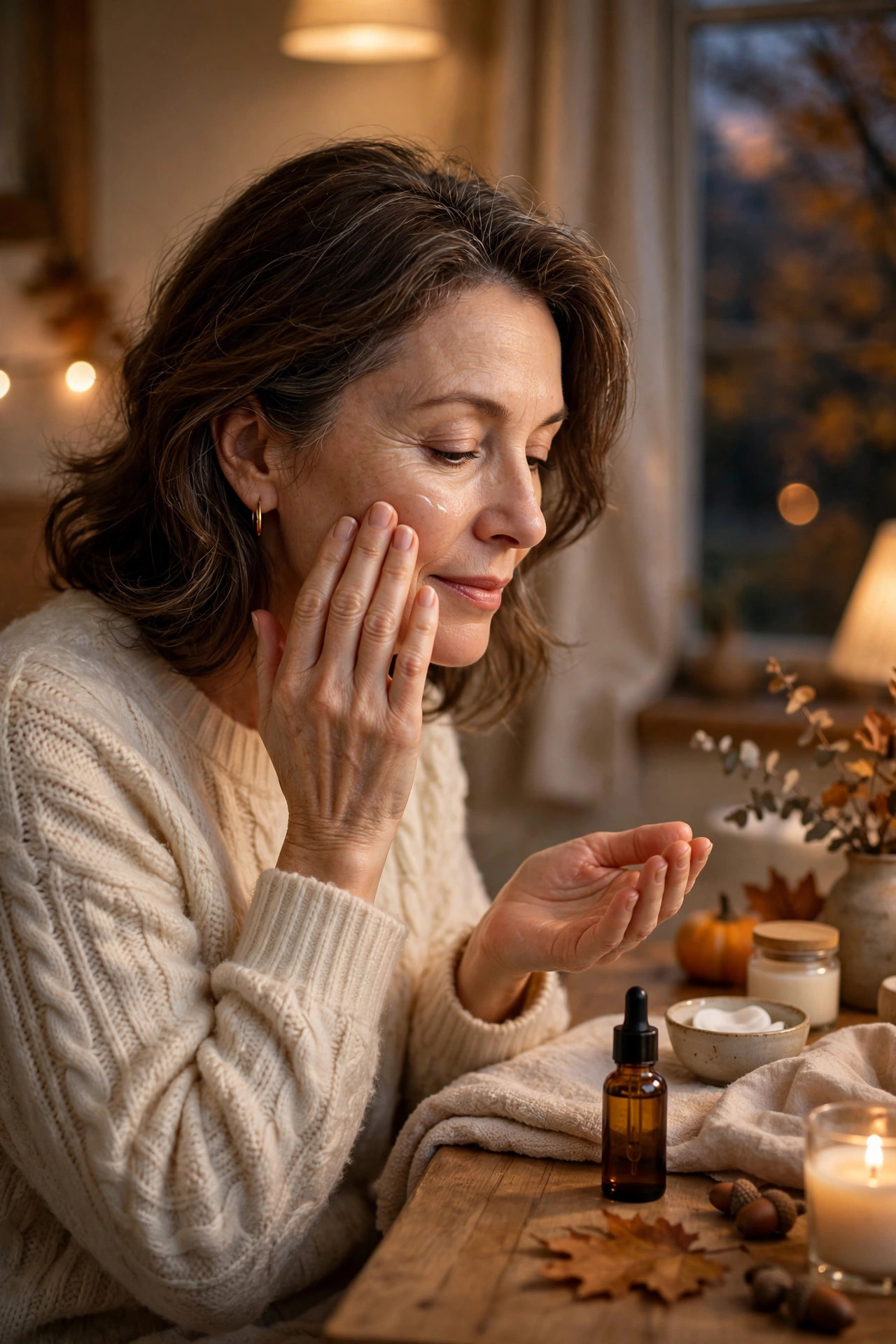
Autumn and winter are the ideal seasons to start retinol — UV is lower, you’re indoors more, and the mandatory SPF habit is easier to maintain. Starting in peak summer means fighting maximum sun sensitivity from day one.
Try this: Begin in autumn if you can + build tolerance through winter + enjoy the results by spring.
Make it yours: Starting in summer? Be extra strict with SPF and shade. Avoid: Launching retinol the week before a sunny vacation.
14. 💧 The Rest-Night Hydration Rule
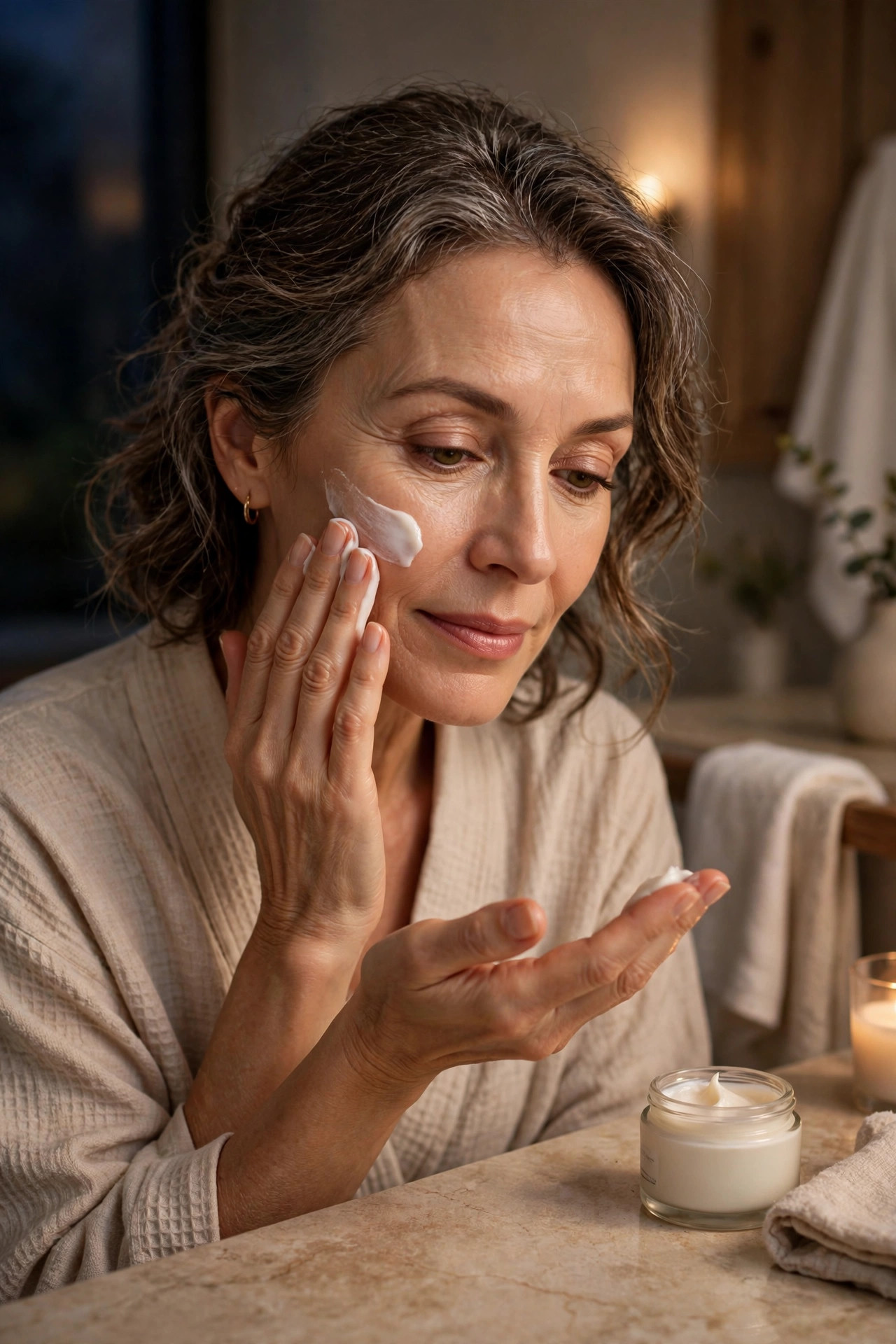
The nights between retinol applications aren’t empty — they’re hydration nights: cleanser, hydrating serum, rich moisturizer, maybe a facial oil. These recovery nights are where the barrier rebuilds, and they make the retinol nights tolerable.
Try this: Non-retinol nights = hydrate and nourish only + no actives at all.
Make it yours: Think of rest nights as the other half of the program, not skipped nights. Avoid: Filling every evening with a different active — rest is a strategy.
15. 🦢 The Neck-Goes-Slower Rule
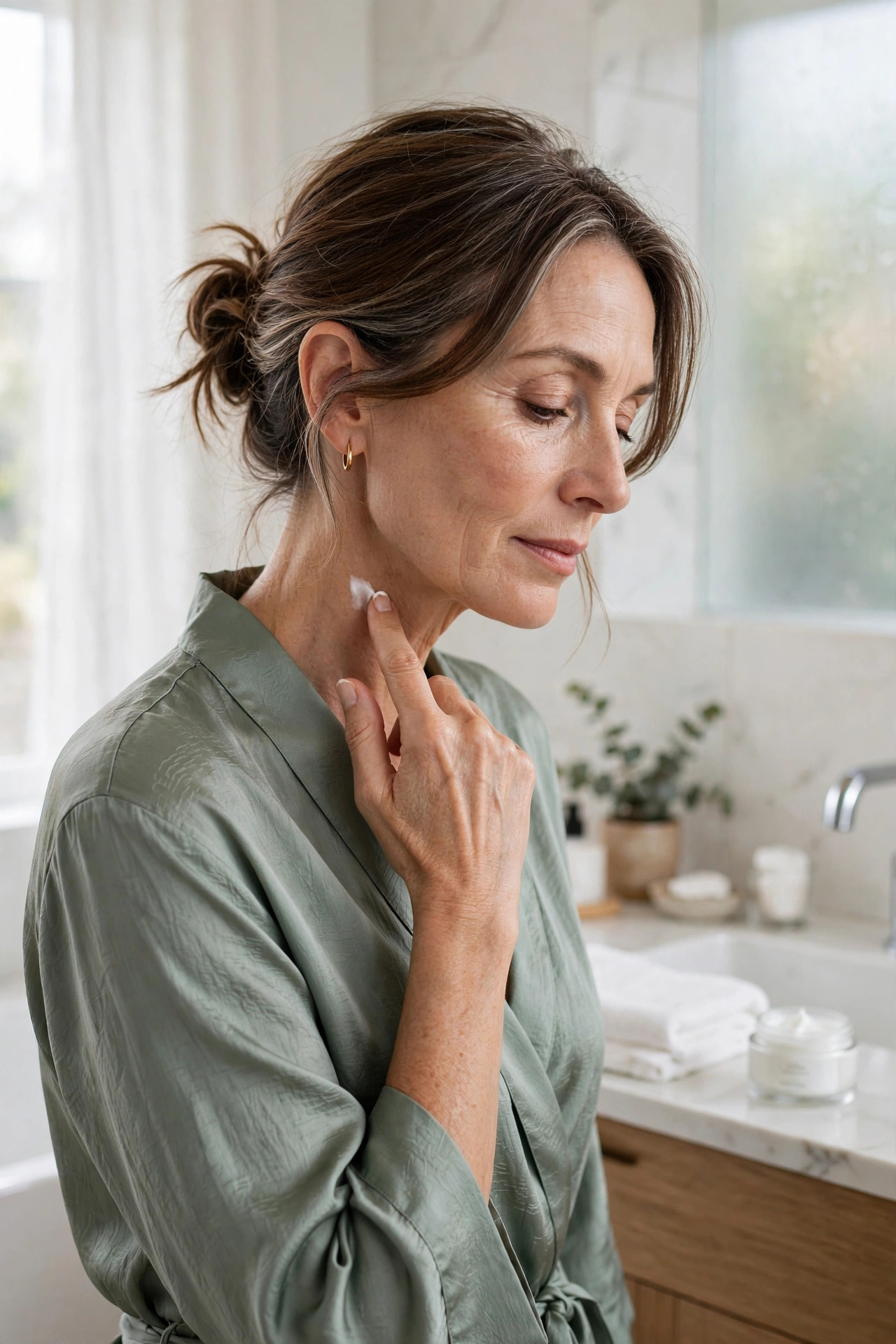
The neck gets retinol on an even slower schedule than the face — its skin is thinner and more reactive. Start the neck weeks after the face is comfortable, at half frequency, and always buffered with moisturizer.
Try this: Face comfortable first + then neck once a week + moisturizer sandwich mandatory.
Make it yours: Some women keep retinol face-only forever — that’s a valid choice. Avoid: Assuming face tolerance equals neck tolerance; run a separate, slower clock.
16. 🚫 The No-Waxing Buffer Rule
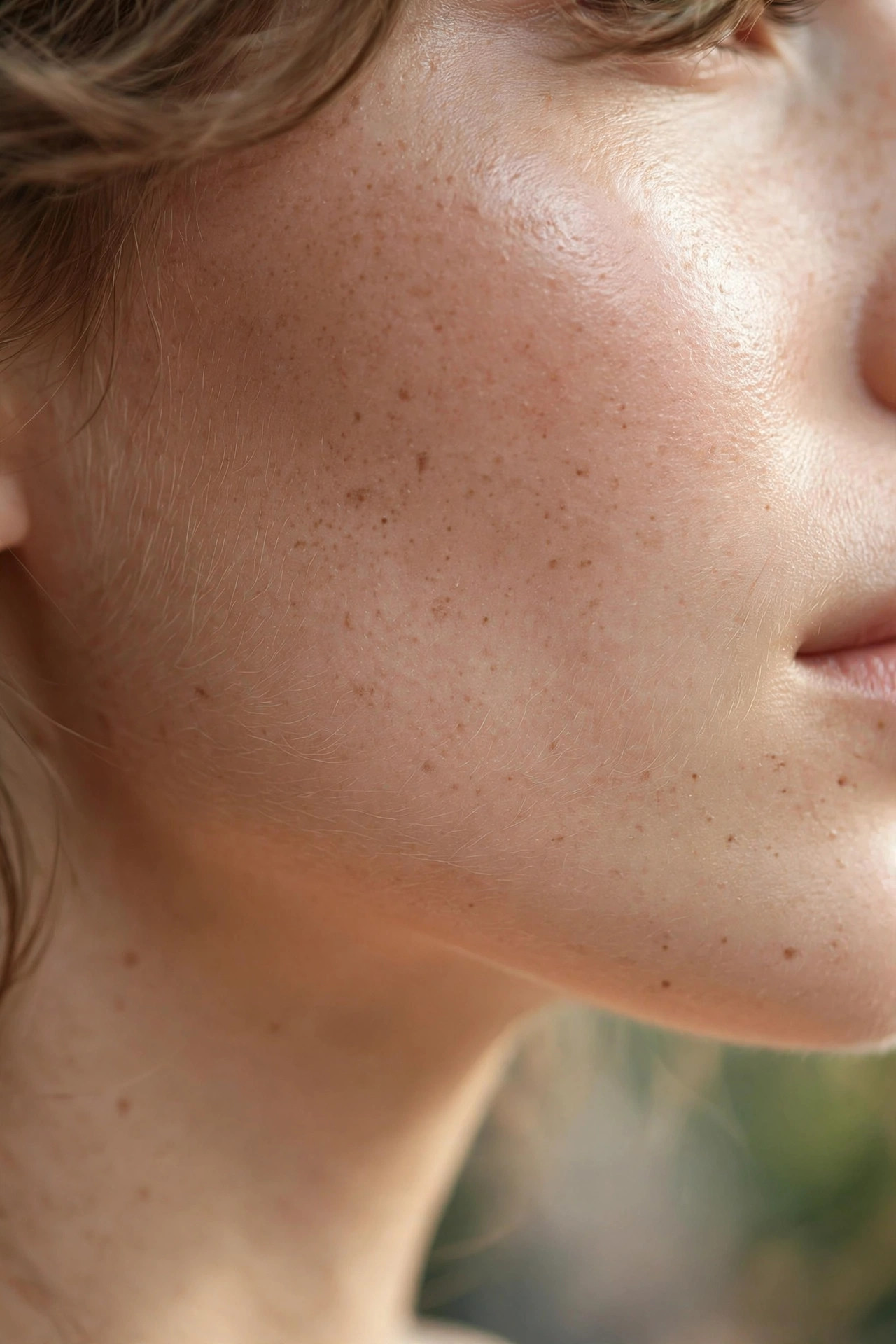
No waxing, threading, or depilatory creams on retinol-treated skin — retinoids thin the surface adhesion and waxing can lift skin along with the hair. Pause retinol several days before any facial hair removal, and tell your aesthetician you’re using it.
Try this: Pause retinol 3–5 days before waxing + tell your aesthetician + resume when calm.
Make it yours: Threading needs the same buffer — it’s the retinol, not the method. Avoid: Surprise waxing appointments mid-retinol-week; plan around your schedule.
17. 🤰 The Pregnancy Pause Rule

Retinoids are not used during pregnancy or when trying to conceive — this is the one hard stop in all of retinol use. If there’s any chance of pregnancy, pause the retinol and talk to your doctor about safe alternatives for the duration.
Try this: Any chance of pregnancy → stop retinol immediately + consult your doctor.
Make it yours: Bakuchiol and vitamin C are commonly discussed alternatives — ask your doctor. Avoid: Treating this as optional; it’s the single non-negotiable rule.
18. 🕶️ The Sunglasses-and-Hat Backup Rule

While your skin adjusts to retinol, give SPF some backup: a wide-brim hat and sunglasses on bright days. Retinol increases photosensitivity, and physical shade is the effortless extra layer that keeps the adjustment period drama-free.
Try this: Hat + sunglasses + SPF + on sunny days during the first months.
Make it yours: Keep a packable hat by the door — availability is everything. Avoid: Relying on SPF alone during the early weeks when sensitivity peaks.
19. 📦 The Expiry-and-Storage Rule

Retinol degrades in heat, light, and air — an old, oxidized bottle can irritate without delivering benefits. Store it in a cool, dark place with the cap tight, check the expiry date, and replace bottles that have been open longer than the label suggests.
Try this: Cool dark cabinet + cap tight + check dates twice a year.
Make it yours: Airless pump packaging protects retinol better than jars. Avoid: The steamy bathroom counter in direct light — the worst home for actives.
20. 🩺 The Derm-Check-In Rule

If you’re unsure at any point — persistent irritation, confusing reactions, or just want a professional starting point — see a dermatologist. A single consultation can calibrate your strength, frequency, and expectations better than months of guessing.
Try this: Book a consultation + bring your products + ask for a beginner plan.
Make it yours: Especially valuable if you have rosacea, eczema, or very reactive skin. Avoid: Dr. Google rabbit holes at 2 a.m.; one professional opinion beats a hundred forum threads.
❓ Retinol FAQs
At what age should I start using retinol?
There’s no deadline — starting at 50, 55, or 60 is completely fine, and many women see satisfying improvements beginning later in life. What matters more than when you start is how: low strength, twice weekly, with the sandwich method if your skin is sensitive.
Can I use retinol if I have sensitive skin over 50?
Often yes, with extra caution: patch-test first, choose the lowest strength, use the moisturizer sandwich, and start once a week. If sensitivity persists, bakuchiol or peptide serums are gentler alternatives worth trying.
Should I use retinol in the morning or at night?
Night only. Retinol breaks down in sunlight and makes skin more sun-sensitive, so evening application followed by morning SPF is the safe, effective pattern. There are no benefits to daytime use that outweigh the drawbacks.
Can I use vitamin C and retinol in the same routine?
Not in the same application — use vitamin C in the morning and retinol at night. This separation gives you both ingredients’ benefits without the irritation risk of layering them together, which mature skin rarely tolerates well.
How long before I see results from retinol?
Most people notice smoother texture within 4–8 weeks, with tone and fine-line improvements typically visible around 8–12 weeks of consistent use. Take monthly photos in the same lighting — gradual change is easy to miss day to day.
📖 Keep Reading
- 🌙 Nighttime Skincare Routine Over 50 — where your retinol nights fit: the full evening ritual with the one-active-per-night rhythm built in.
- 🌅 Morning Skincare Routine for Women Over 50 — the morning-after side of retinol: gentle cleansing, antioxidants, and the SPF your retinol nights demand.
- 🧴 Best Moisturizer for Mature Skin Over 50 — the sandwich layers: which gentle, fragrance-free cream types buffer retinol best.
Retinol isn’t a race — it’s a relationship. Start low, go slow, respect the rest nights, protect with SPF, and check in with a professional when in doubt. The women who love retinol at 60 aren’t the ones who started strongest; they’re the ones who started gentlest and never stopped. Your skin, a year from now, will be so glad you began.
Discover more from Fashinate Style
Subscribe to get the latest posts sent to your email.