
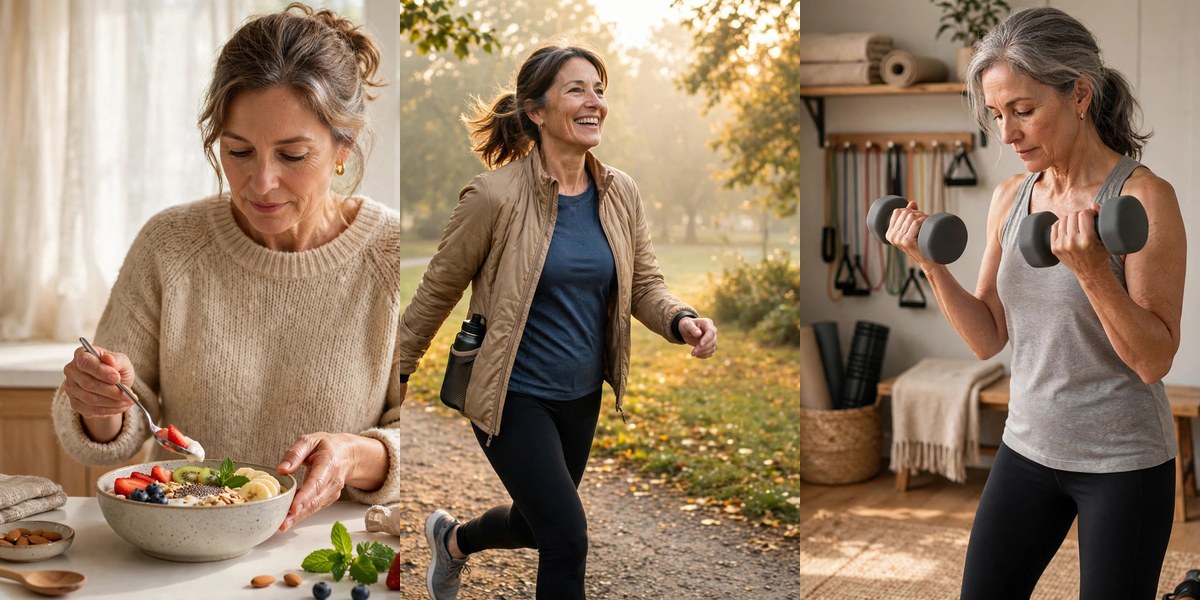
Here’s a myth worth busting on day one: strong bones after 50 are not built by calcium pills alone. If bone health were that simple, every woman popping a daily supplement would have the skeleton of a twenty-year-old — and we both know that’s not how it works.
The truth is gentler and more empowering: your bones respond to how you live every day — what you eat, how you move, how much sun you see, and a few quiet habits that either build them up or wear them down. This guide gives you 30 daily habits that genuinely protect your bones after 50, each one small enough to start this week.
Why This Feels Hard (And Why That’s Normal)
Bone loss is invisible, which makes it easy to ignore — there’s no ache that says “take care of me.” Many of us also grew up hearing that milk alone would handle it, so we never learned the fuller picture. The good news: bones stay responsive to new habits at every age. Starting now genuinely counts.
1. 📊 Learn What Your T-Score Means
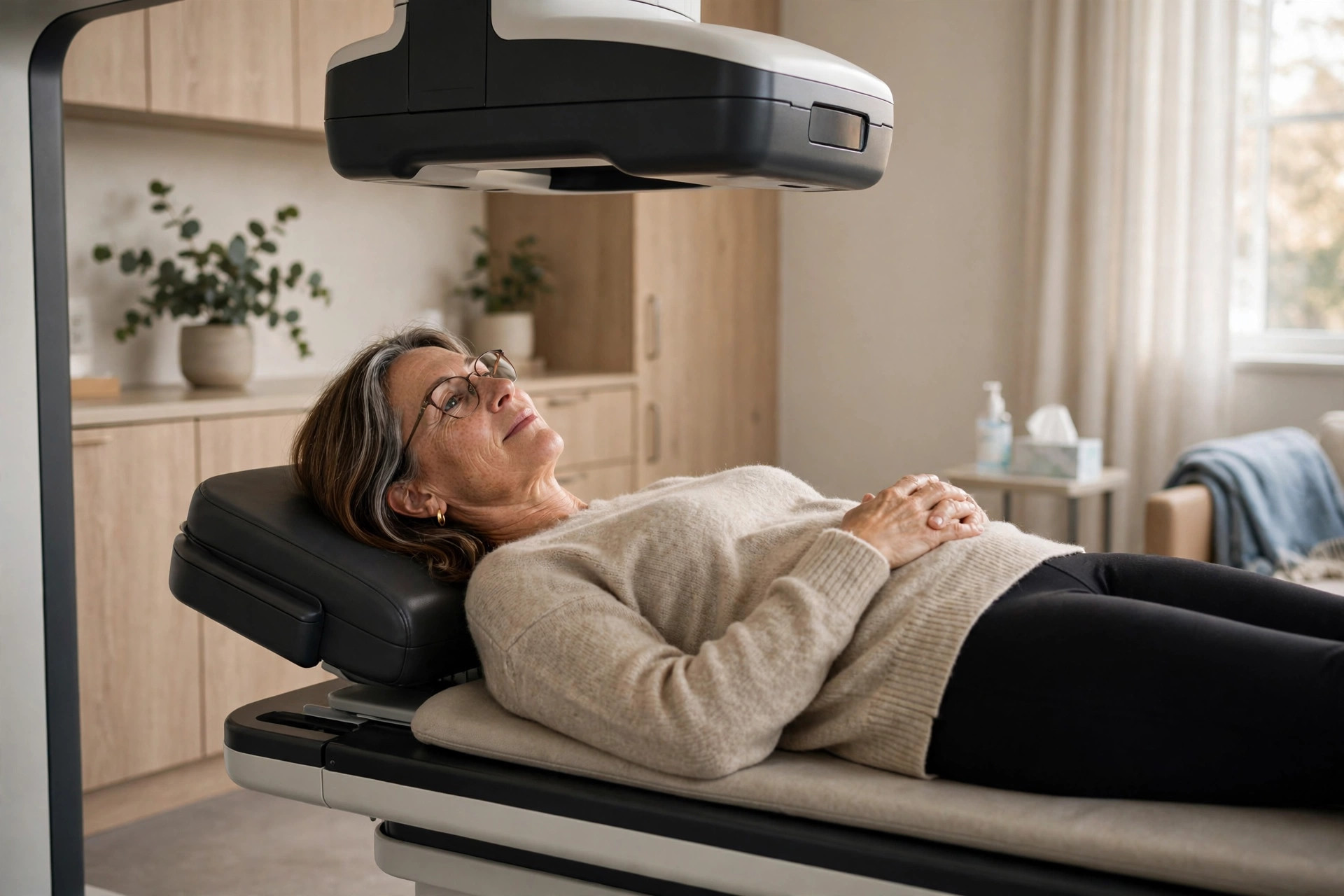
Your bone density scan produces a T-score comparing your bones to a healthy young adult. Above -1 is normal; between -1 and -2.5 signals osteopenia; at or below -2.5 means osteoporosis. Knowing your number turns vague worry into a concrete starting point — and gives every habit below a measurable target.
Try this: Ask your doctor to explain your T-score in plain language, and write the number down where you’ll find it.
Make it yours: Note which sites were measured (hip, spine) — future scans compare most accurately at the same facility.
Avoid: Googling your T-score into a panic. Mild osteopenia is extremely common and very manageable.
2. 🥛 Make Calcium-Rich Foods a Daily Habit
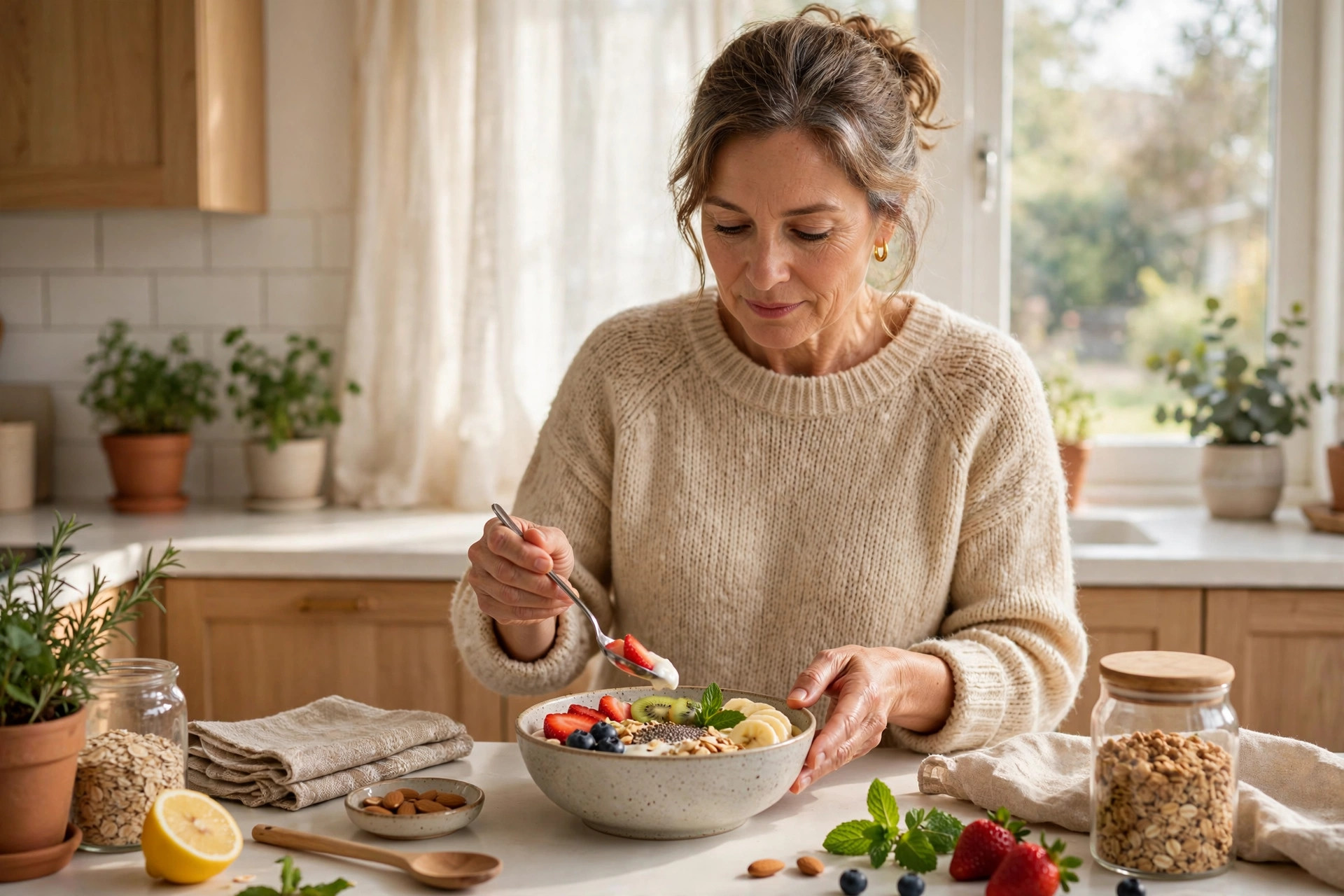
Calcium is the headline mineral for bones, and food is the best delivery system. Yogurt, cheese, milk, fortified plant milks, sardines, and tofu set with calcium all count — aim to include a calcium-rich food at most meals rather than loading it all into one.
Try this: Build a “calcium anchor” into each meal: yogurt at breakfast, cheese in a salad at lunch, a milky drink or fortified alternative in the evening.
Make it yours: If dairy doesn’t suit you, fortified oat or soy milk plus tofu and almonds cover the same ground deliciously.
Budget tip: Plain yogurt, tinned sardines, and dried beans are among the most affordable calcium sources in any grocery store.
3. ☀️ Get Sensible Vitamin D

Without enough vitamin D, your body can’t properly absorb the calcium you eat — it’s the quiet partner in every bone-health equation. Short, regular daylight exposure plus vitamin-D-rich foods (oily fish, eggs, fortified milk) is the everyday strategy.
Try this: Take a 10–15 minute daylight walk most days, and ask your doctor whether a blood test for vitamin D makes sense for you.
Make it yours: Morning light on a patio with your tea counts — no special equipment required.
Avoid: Chasing a deep tan for vitamin D. Brief, regular exposure beats long sunbathing, and sunscreen still matters.
4. 🍳 Eat Enough Protein at Every Meal
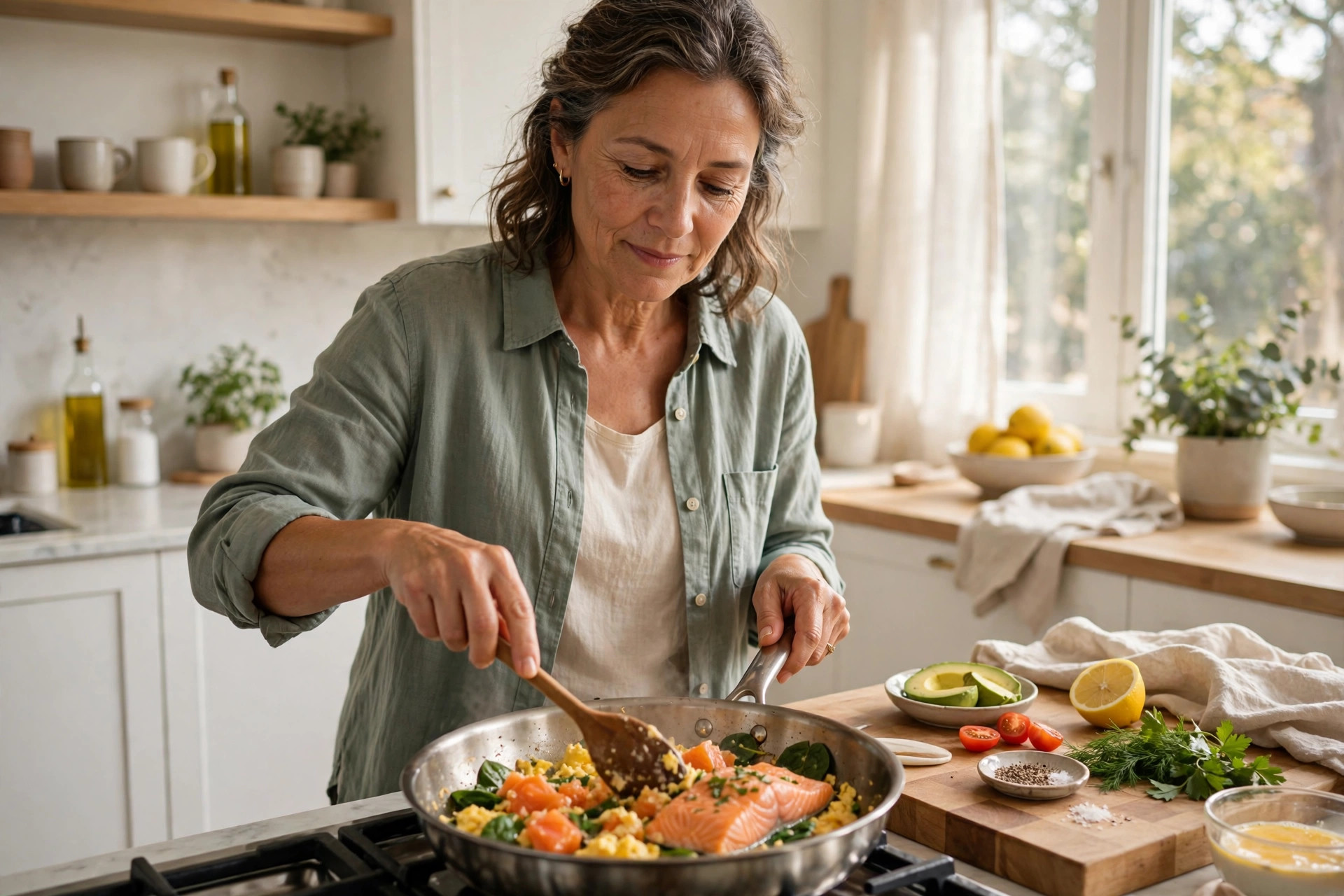
Bones are about half protein by volume — the mineral scaffolding needs a protein framework to hold onto. Many women over 50 eat far less protein than their bodies need, especially at breakfast. Eggs, fish, poultry, beans, lentils, and Greek yogurt all build the matrix your calcium attaches to.
Try this: Put a palm-sized portion of protein on your plate at all three meals for one week and notice how much steadier your energy feels.
Make it yours: A veggie omelet, a lentil soup, or yogurt with nuts — pick the proteins you actually enjoy eating.
Avoid: The old myth that protein “leaches calcium.” Balanced protein intake supports bone strength; deficiency is the real risk.
5. 🐟 Eat Oily Fish Twice a Week
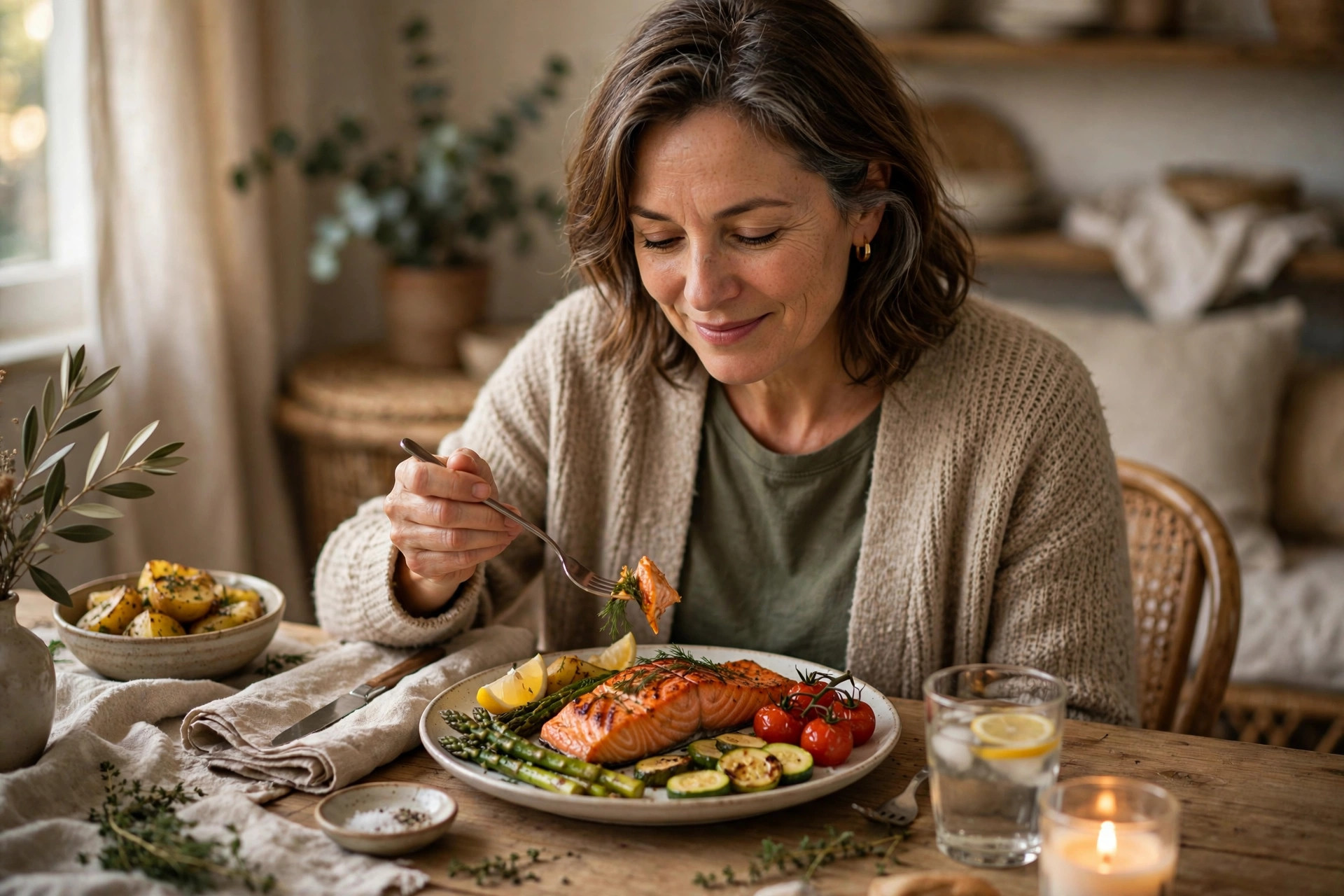
Salmon, sardines, and mackerel deliver a triple win: vitamin D, bone-supporting omega-3s, and high-quality protein. Tinned fish with soft edible bones adds a direct calcium bonus most people don’t expect.
Try this: Keep tinned sardines or salmon in the pantry for instant lunches — on toast with lemon, done.
Make it yours: If fresh fish feels pricey, tinned is nutritionally excellent and far cheaper.
Budget tip: Tinned sardines are one of the most affordable superfoods in the store.
6. 🥜 Snack on Nuts and Seeds
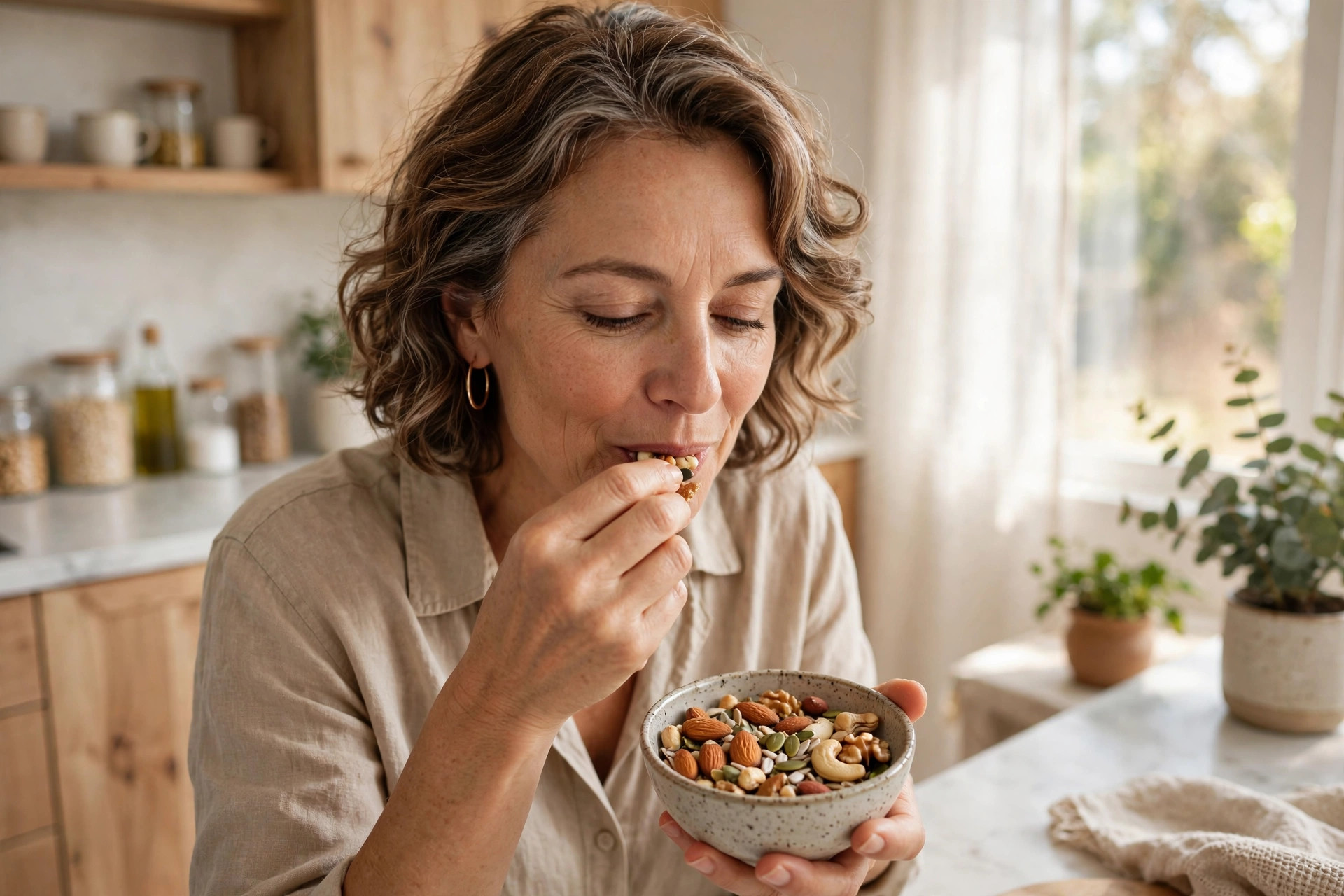
Almonds, sesame seeds, and chia are rich in magnesium and calcium — minerals that work alongside vitamin D to keep bones dense. A small daily handful is an effortless upgrade over chips or biscuits.
Try this: Keep a jar of mixed nuts where you make tea — you’ll reach for them automatically.
Make it yours: Toast sesame seeds and sprinkle over everything; they’re tiny calcium powerhouses.
Avoid: Candied or heavily salted versions that undo the good.
7. 🫘 Add Beans and Lentils to Your Week
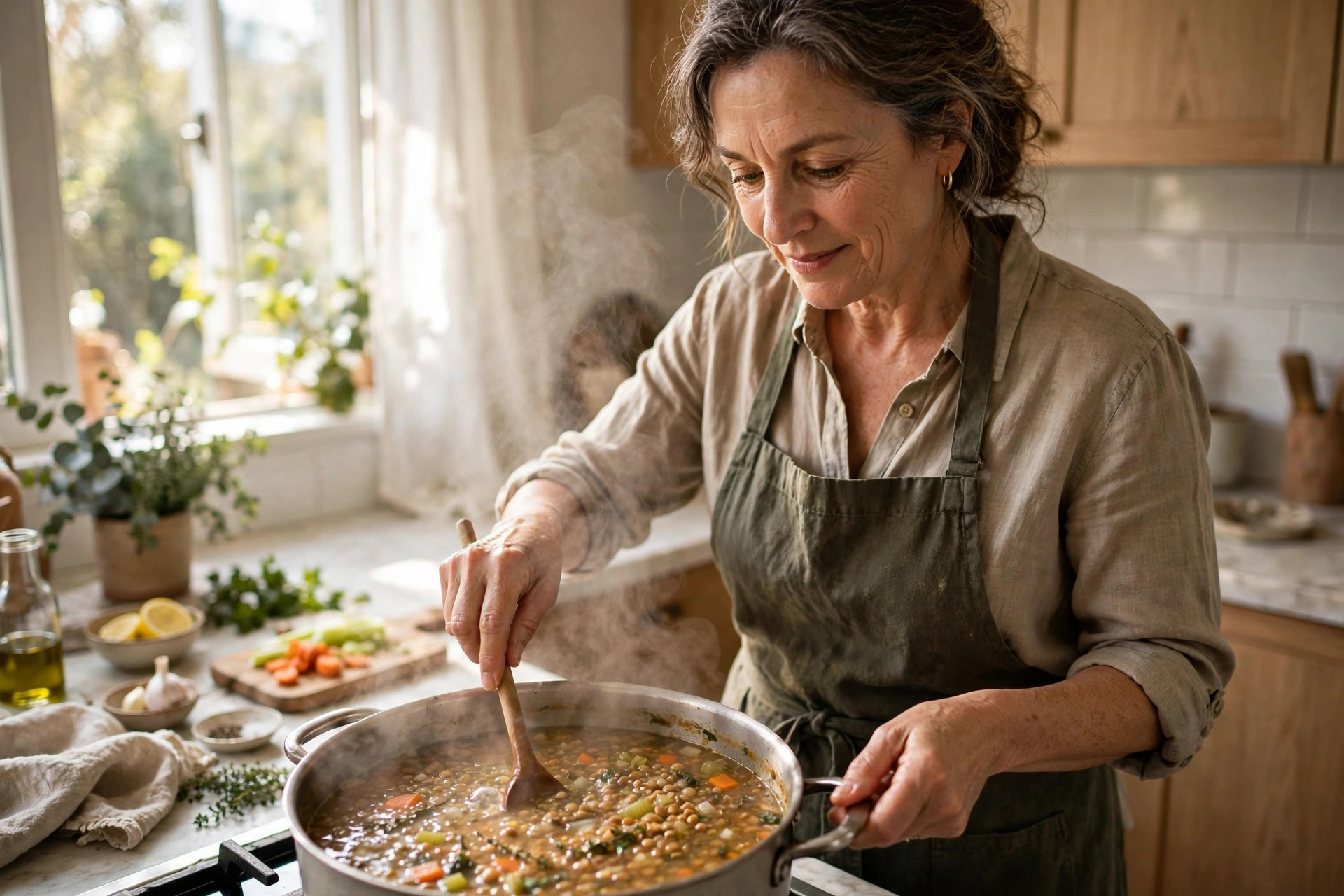
Beans and lentils bring magnesium, potassium, and plant protein — all bone allies — plus fiber that keeps everything else running smoothly. They’re also among the cheapest proteins you can buy.
Try this: Add one bean-based dinner a week — chili, dal, or white bean soup.
Make it yours: Red lentils cook in 15 minutes with no soaking — the easiest starting point.
Budget tip: Dried beans cost pennies per serving and freeze beautifully.
8. 🍌 Eat Potassium-Rich Fruit Daily
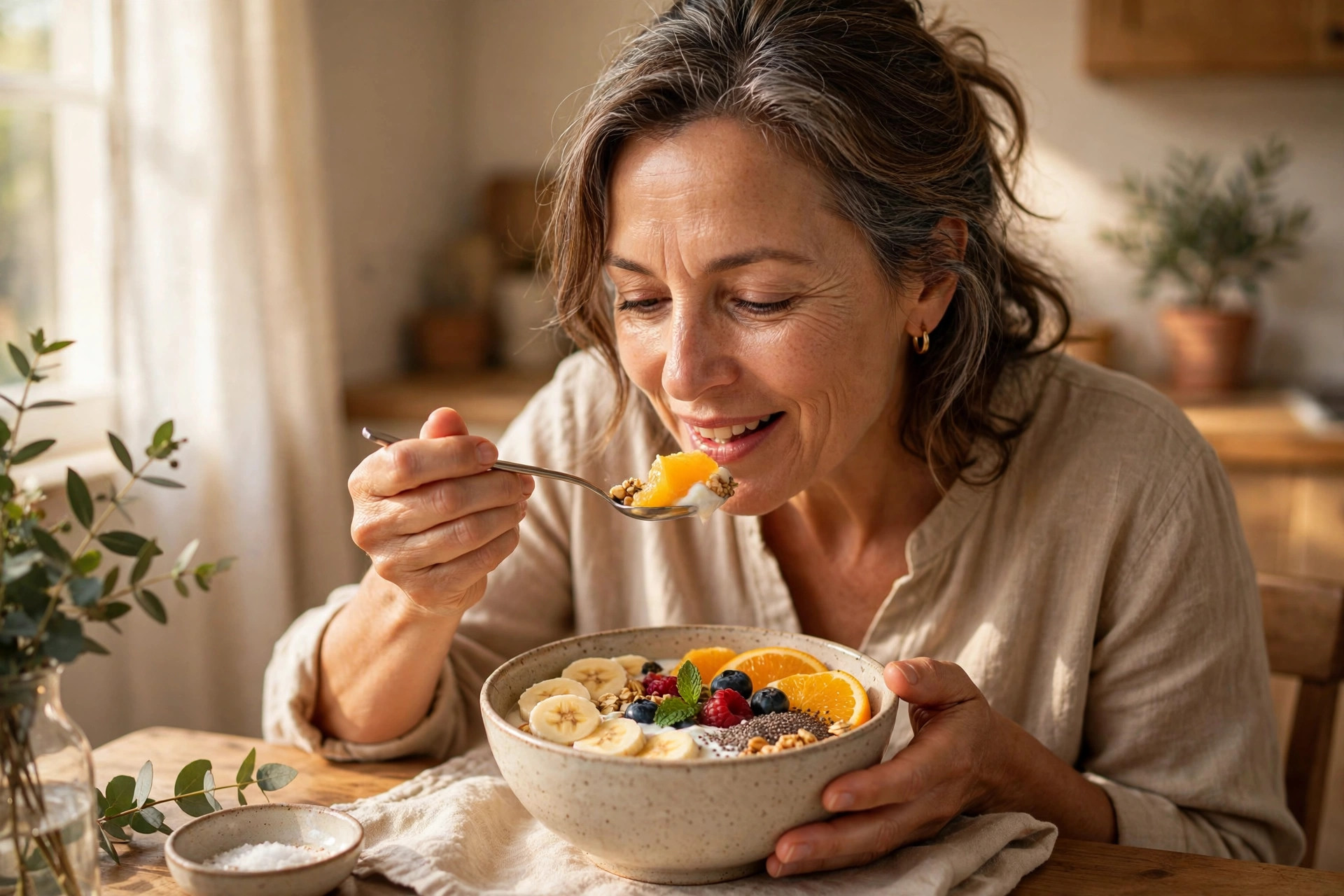
Potassium helps the body hold onto calcium instead of losing it — and fruit like bananas, oranges, and dried apricots makes it delicious. It’s a quiet, overlooked piece of the bone puzzle.
Try this: Add one potassium-rich fruit to your breakfast every day for two weeks.
Make it yours: Dried apricots in your desk drawer beat the 3pm vending machine.
Avoid: Fruit juice instead of whole fruit — you lose the fiber and gain the sugar spike.
9. 🥬 Eat Your Greens for Vitamin K & Magnesium
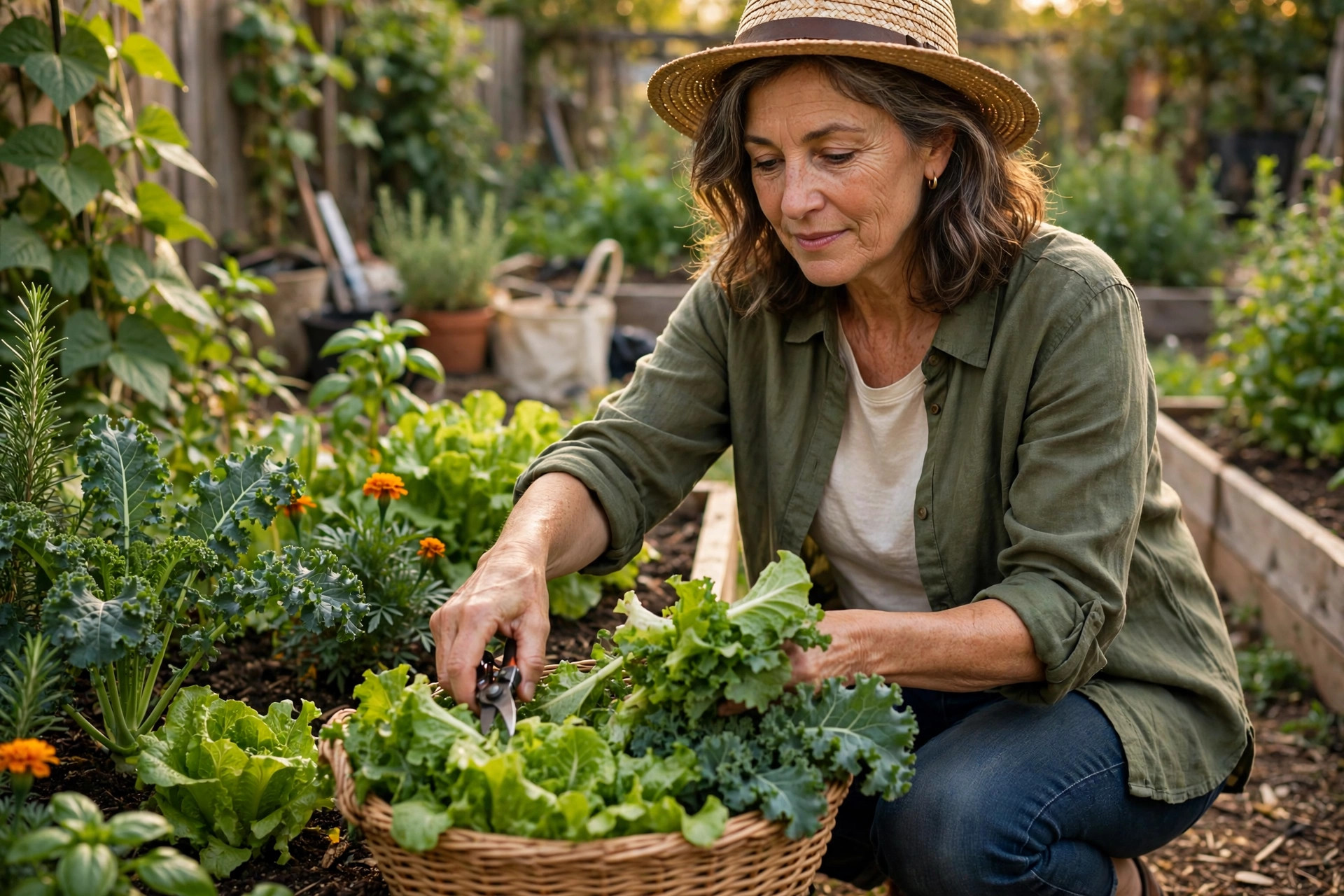
Calcium gets the headlines, but vitamin K and magnesium are essential supporting players — they help direct calcium into bones rather than soft tissue. Dark leafy greens like kale, spinach, and collards deliver both in every serving.
Try this: Add one big handful of greens to something you already eat daily — eggs, soup, a sandwich, a smoothie.
Make it yours: A small herb-and-greens pot on a sunny windowsill makes fresh leaves almost effortless.
Budget tip: Frozen spinach and kale are nutritionally excellent and cost a fraction of fresh.
10. 🫐 Try a Daily Handful of Prunes
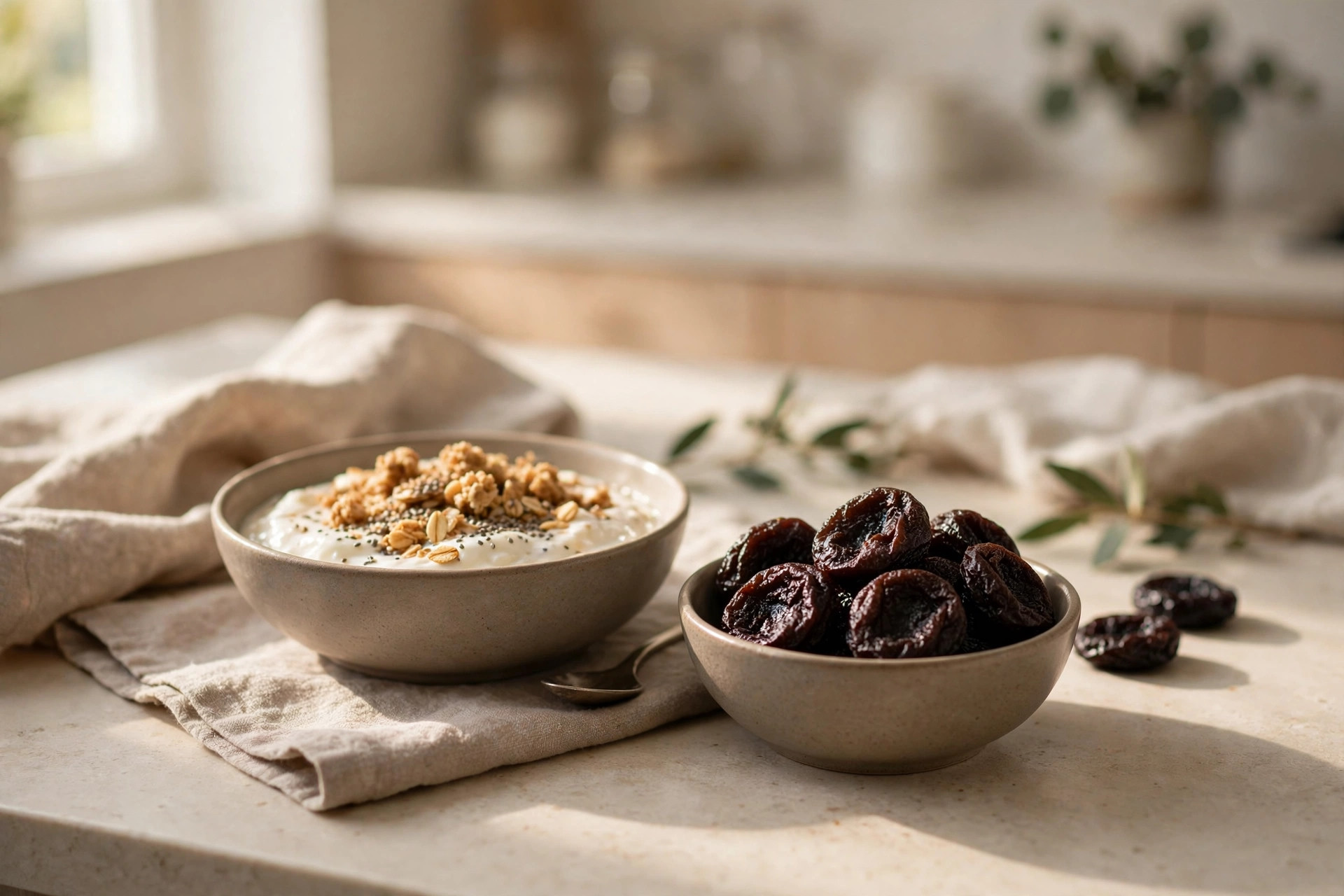
Dried plums (prunes) have been studied for bone support — they’re rich in vitamin K and compounds that seem to slow bone breakdown. A small daily handful is one of the easiest bone habits there is.
Try this: Keep prunes next to your morning vitamins so you never forget.
Make it yours: Chop them into yogurt or oatmeal if eating them plain isn’t your thing.
Avoid: The giant “prune” reputation — think of them as dried plums, because that’s what they are.
Pair calcium-rich foods with a little vitamin D source in the same meal — like yogurt with a boiled egg, or sardines on toast eaten after your morning walk. Small pairings like this quietly multiply what your bones absorb.
11. 🚶 Walk Most Days
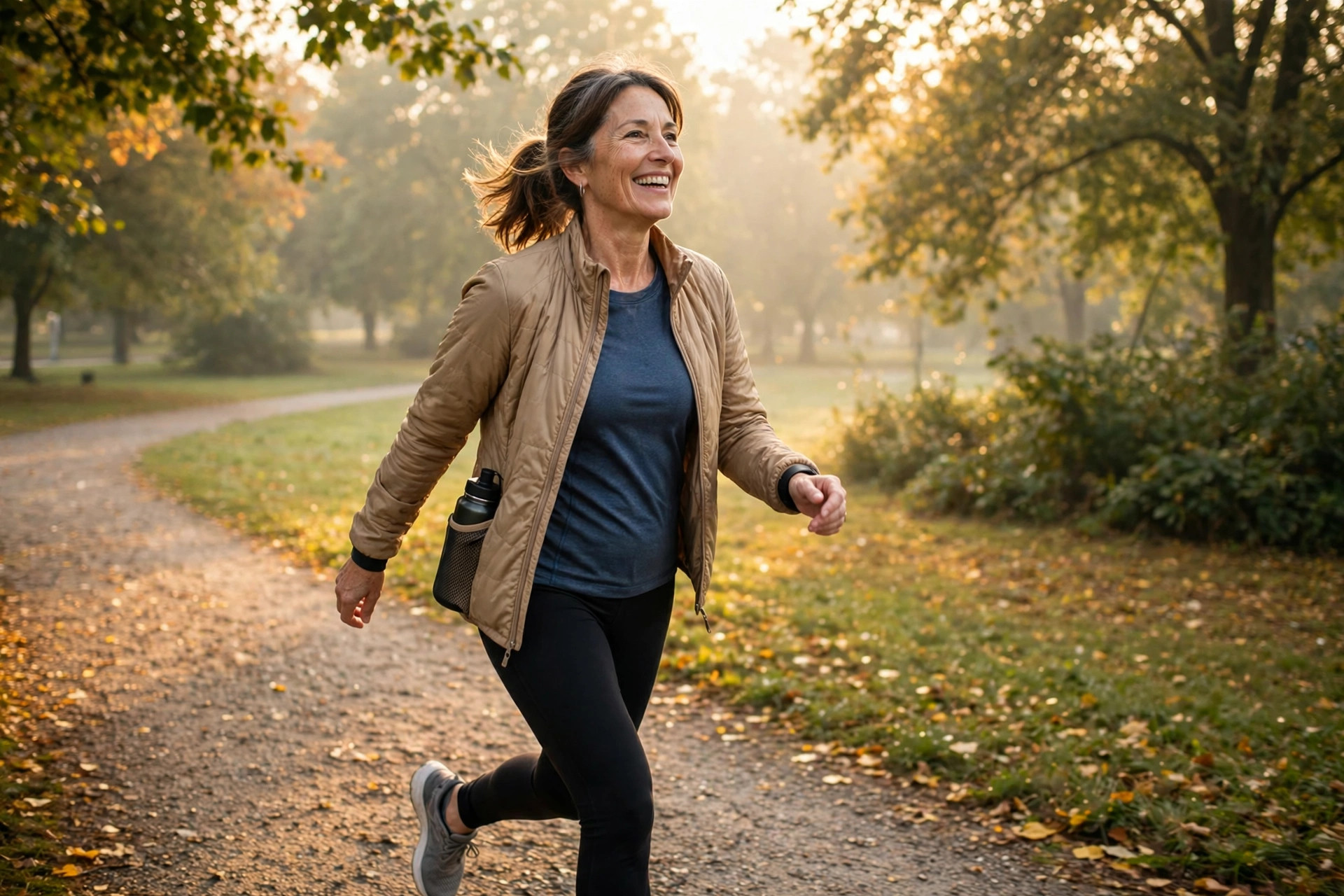
Walking is weight-bearing exercise — every step sends a gentle “stay strong” signal through your hips, spine, and legs. It’s free, joint-friendly, and the single most sustainable bone habit most women can adopt.
Try this: Start with 15–20 minutes most days, building toward 30. Hills and stairs add extra bone-building load when you’re ready.
Make it yours: Walk with a friend, a podcast, or a purpose (the farmers’ market counts) — enjoyment is what makes it stick.
Budget tip: Supportive walking shoes are the only gear you need, and they last hundreds of miles.
12. 🏋️♀️ Strength Train Twice a Week
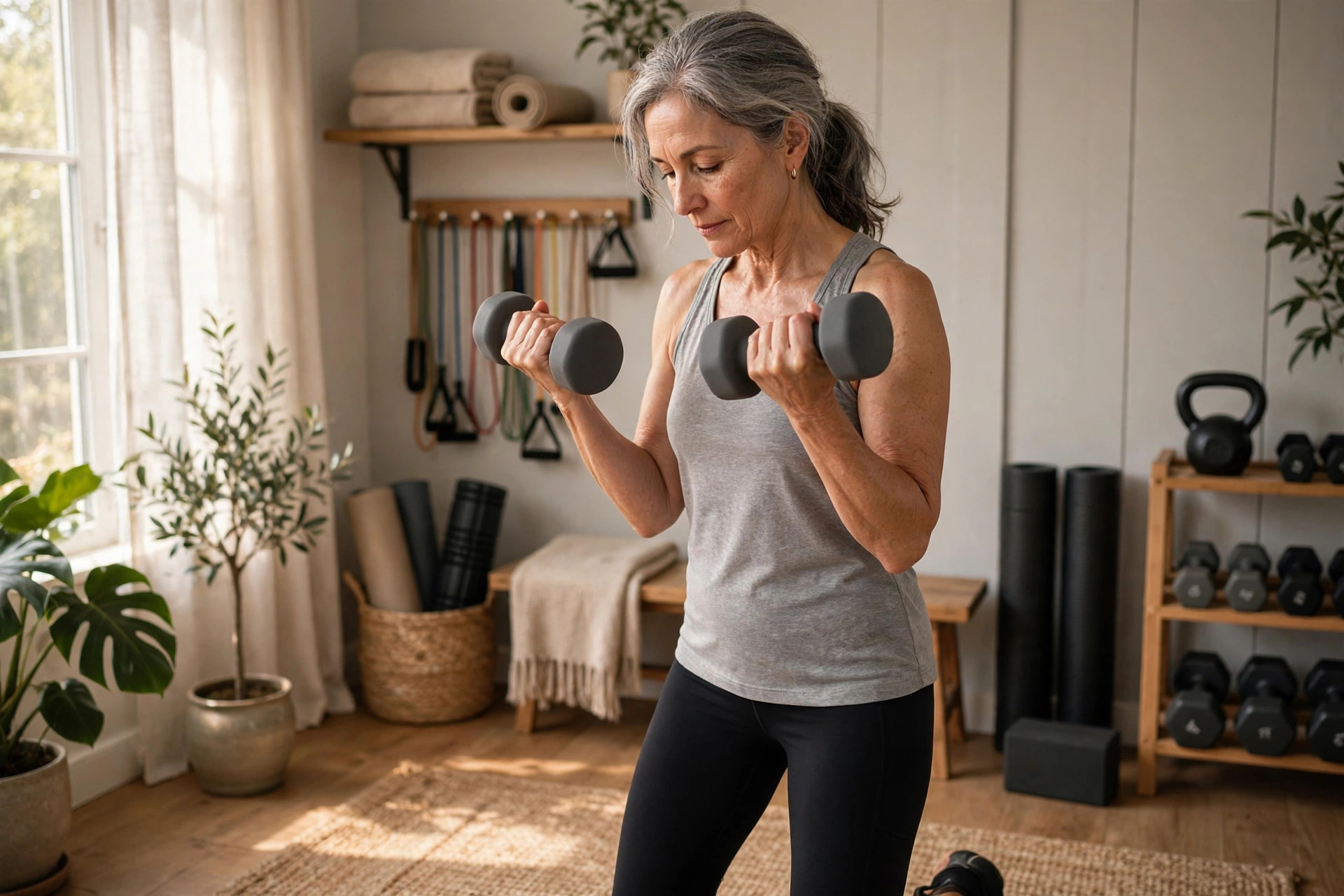
Muscles tug on bones when they contract, and that tug is one of the strongest known signals for maintaining bone density. Two short sessions a week with light dumbbells, resistance bands, or bodyweight is enough to make a real difference.
Try this: Begin with chair squats, wall push-ups, and light dumbbell rows — 8–12 repetitions, twice weekly, with a rest day between.
Make it yours: Keep a pair of light dumbbells where you’ll see them; visible equipment gets used.
Avoid: Jumping to heavy weights before your form is solid. Slow, controlled movements build bone just as well — and far more safely.
13. ⚖️ Practice Balance to Prevent Falls
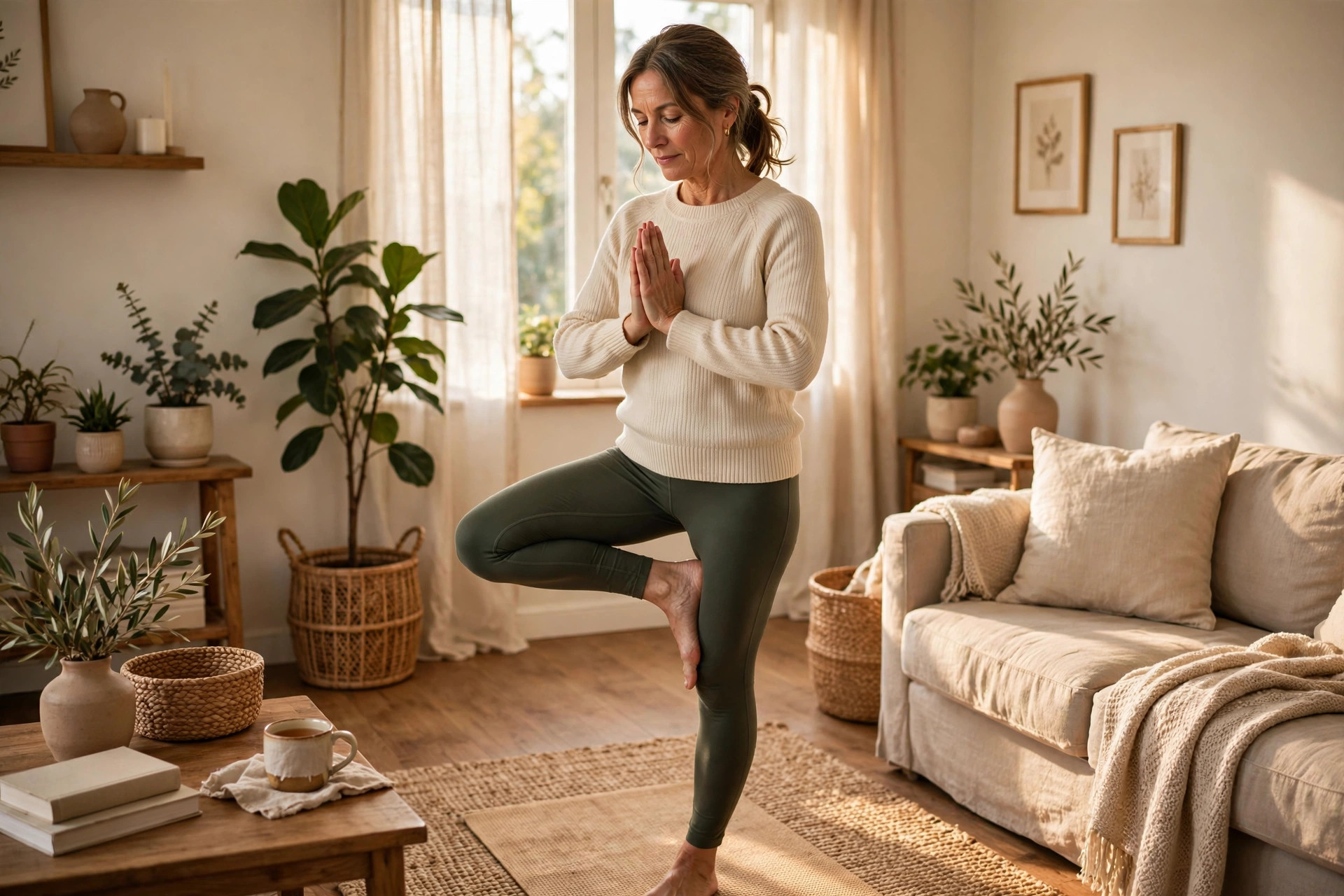
Strong bones matter most when a stumble doesn’t become a fracture. A few minutes of balance practice — standing on one foot while brushing your teeth, heel-to-toe walks down the hallway — trains the reflexes that catch you.
Try this: Stand near a sturdy counter and lift one foot for 30 seconds per side, daily. When that feels easy, try it with your eyes briefly closed.
Make it yours: Stack it onto an existing habit (teeth-brushing, waiting for the kettle) so you never have to “find time.”
Avoid: Practicing balance on slippery floors or without something sturdy nearby. Safety first, always.
14. 💃 Dance Regularly

Dancing is joyful weight-bearing exercise with built-in balance training — every step, turn, and weight shift signals your bones to stay strong. It also happens to be the most fun item on this list.
Try this: Put on three favorite songs and dance in your kitchen twice a week.
Make it yours: A beginner dance class adds friendship to the fitness — double win.
Avoid: Worrying about looking silly; your bones don’t care about your moves.
15. 🪜 Take the Stairs When You Can
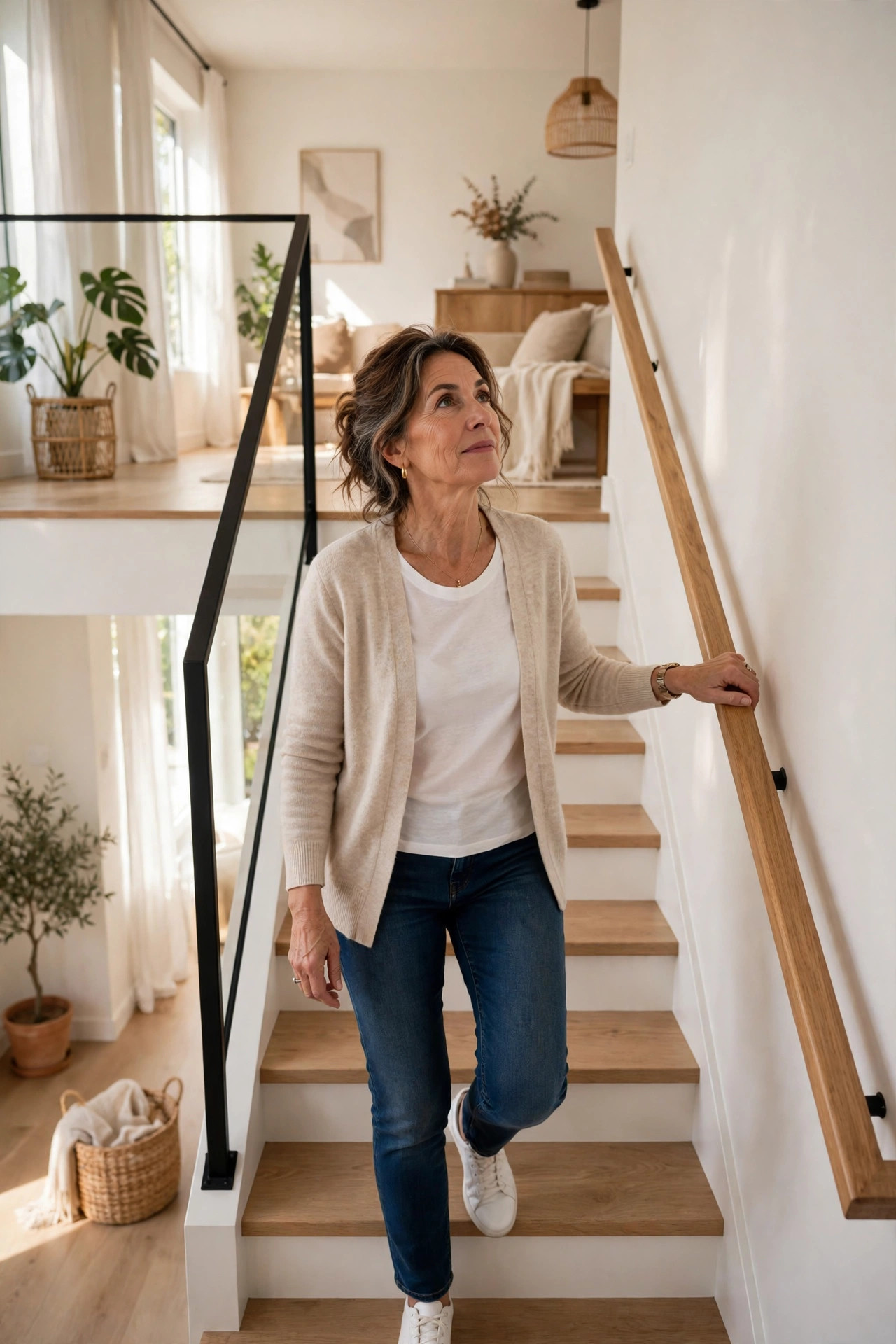
Stair climbing loads your hips and legs more than flat walking — it’s weight-bearing exercise hiding in your daily routine. A few flights a day adds up to real bone stimulus over months.
Try this: Take the stairs for any climb of three floors or fewer, starting this week.
Make it yours: Use the handrail without shame — safety first, always.
Avoid: Racing up two steps at a time; steady and controlled builds bone just as well.
16. 🧘 Try Tai Chi for Balance and Legs
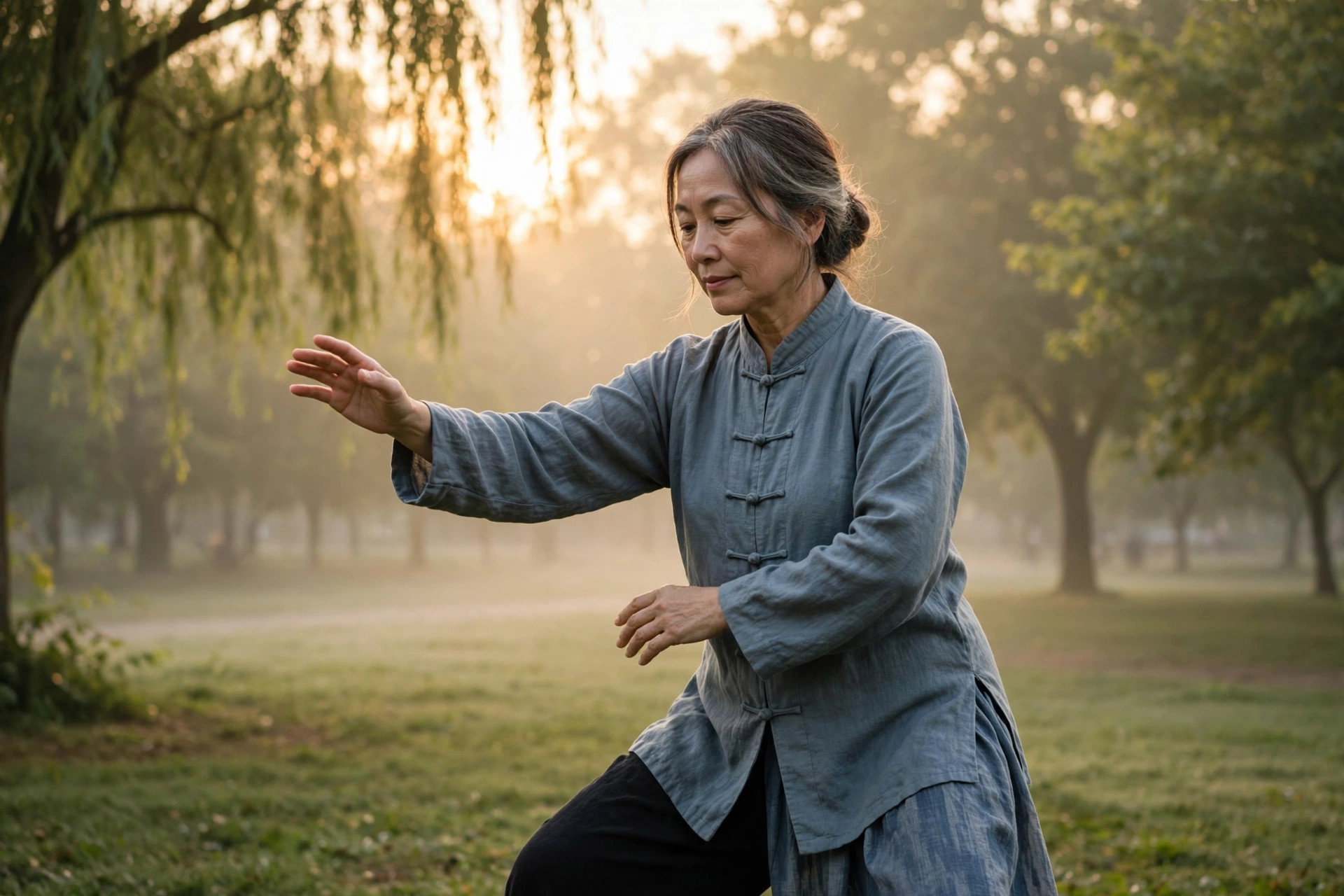
Tai chi’s slow, deliberate weight shifts build leg strength and balance simultaneously — and better balance means fewer falls, which is how most fractures happen. It’s gentle enough for true beginners.
Try this: Look for a beginner tai chi class at your community center or a free online video.

Make it yours: Even 10 minutes in the morning counts — consistency beats duration.
Avoid: Comparing yourself to graceful long-timers; everyone starts wobbly.
17. 💪 Add Resistance-Band Workouts
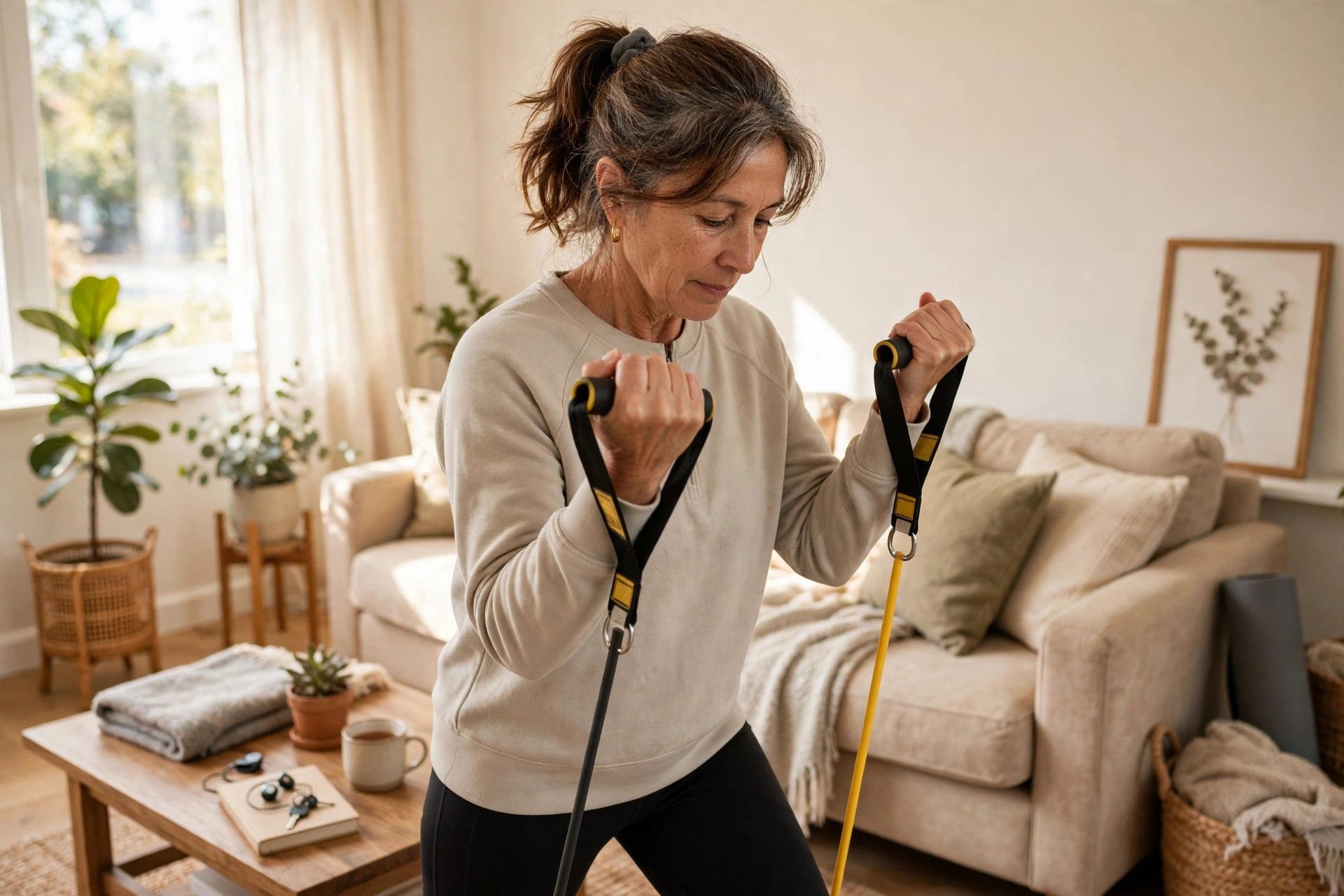
Resistance bands strengthen muscles — and the bones they pull on — without the joint stress of heavy weights. They’re cheap, portable, and perfect for home workouts.
Try this: Do band rows, chest presses, and leg presses twice a week, 10–12 reps each.
Make it yours: Keep the band on your favorite chair as a visual reminder.
Budget tip: A set of bands costs less than one month of most gym memberships.
18. 🦶 Do Gentle Heel Drops
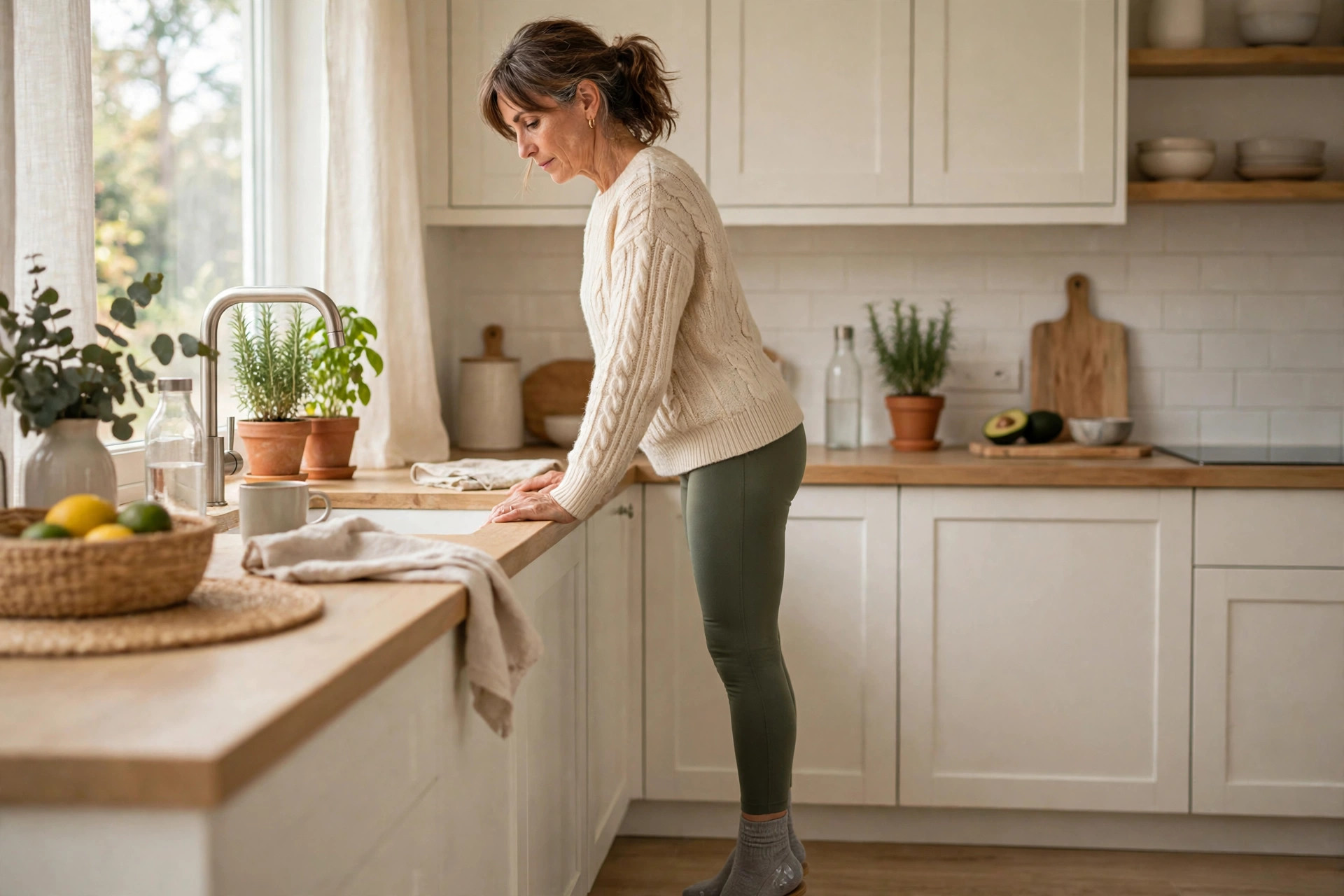
Rising onto your toes and dropping your heels to the floor sends a mild impact signal through your legs and spine — a simple bone-stimulating move you can do while waiting for the kettle.
Try this: Do 10 heel drops, twice a day, holding the counter for balance.
Make it yours: Pair it with teeth-brushing so it becomes automatic.
Avoid: Slamming down hard or doing these on a sore ankle — gentle and controlled is the point.
19. 🪴 Garden for Your Bones
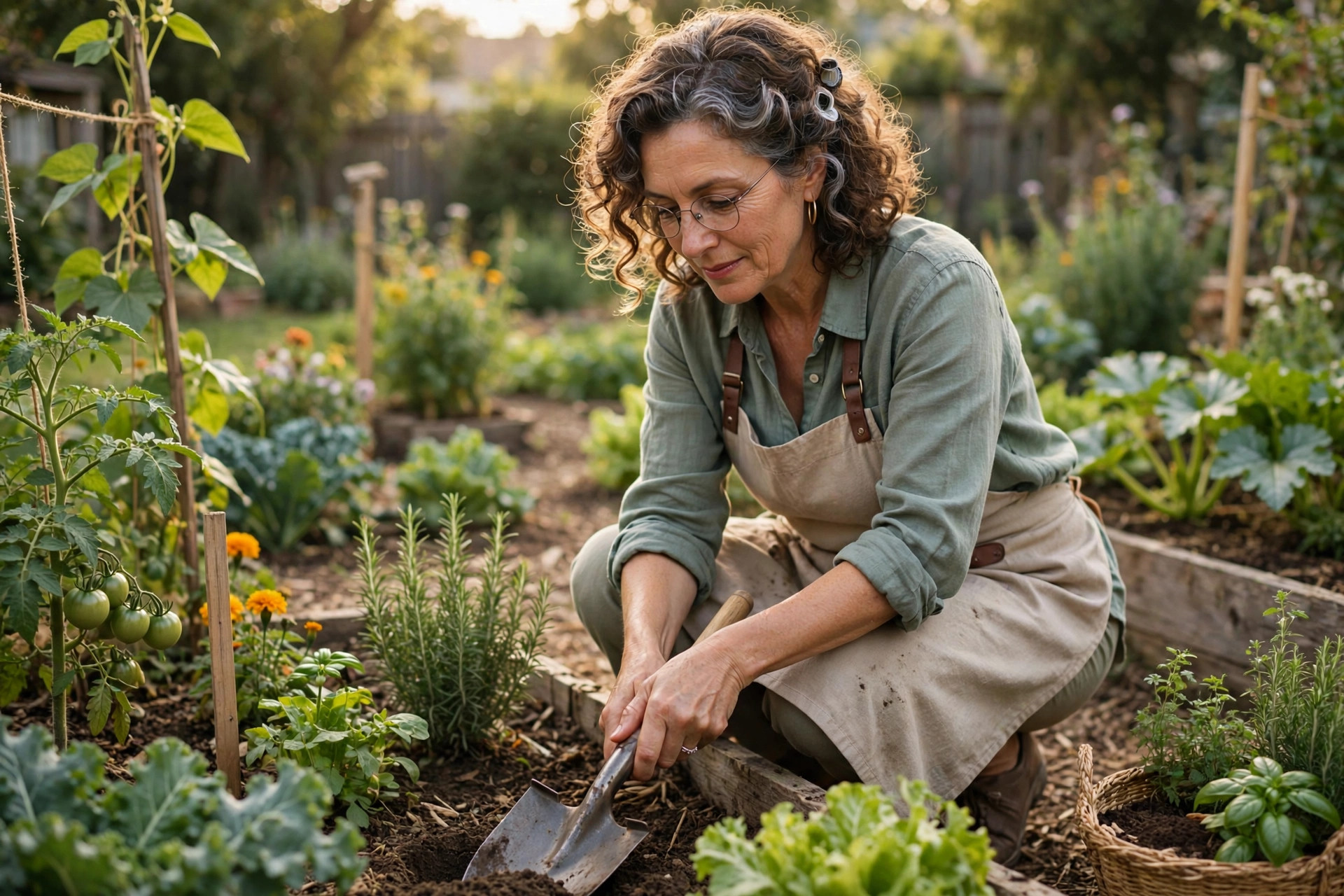
Digging, lifting watering cans, carrying bags of soil — gardening is functional weight-bearing exercise disguised as a hobby. Plus sunshine for vitamin D and fresh produce for dinner.
Try this: Spend 30 minutes in the garden twice a week; your bones (and mood) will notice.
Make it yours: Container gardening on a patio counts — no big yard needed.
Avoid: Marathon weeding sessions that leave your back aching; pace yourself.
Combine movement types across your week: walking for hips and spine, strength training for arms and wrists, balance for fall prevention. Together they protect the three fracture sites doctors worry about most.
20. 🧂 Ease Off Excess Salt & Cola
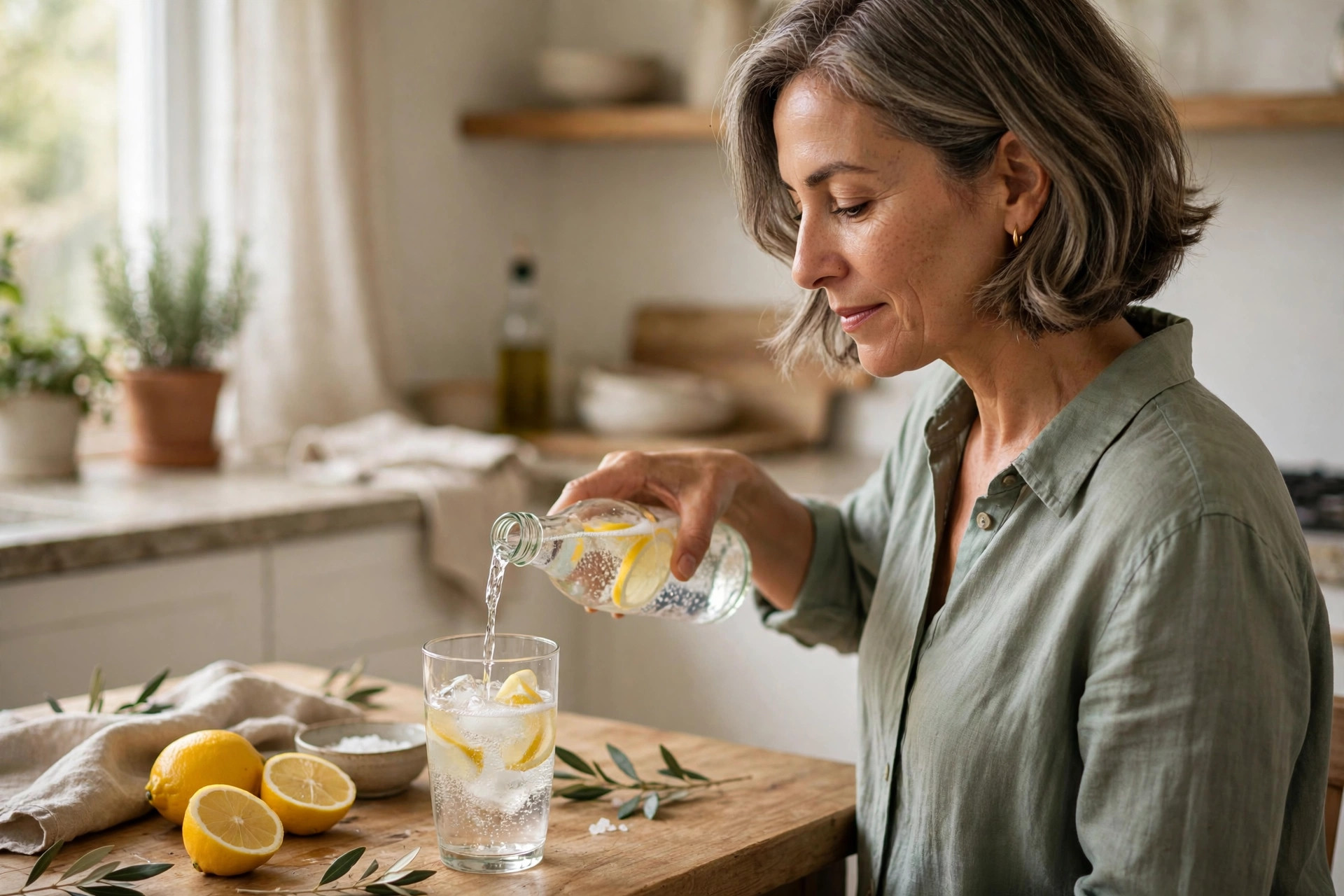
Very salty diets can increase calcium loss through urine, and cola’s phosphoric acid has been linked to lower bone density in heavy drinkers. You don’t need perfection — just a gentler daily pattern.
Try this: Swap one daily soda for sparkling water with lemon, and taste food before reaching for the salt shaker.
Make it yours: Herbs, lemon, and garlic add more flavor than salt ever did — keep them front and center in your kitchen.
Avoid: All-or-nothing thinking. Cutting back matters far more than cutting out.
21. 🍷 Keep Alcohol Moderate, Skip Smoking

Heavy alcohol interferes with bone remodeling, and smoking is one of the clearest risk factors for bone loss and fractures. If you drink, keeping it moderate protects far more than your bones; if you smoke, quitting is the single biggest bone gift you can give yourself.
Try this: Set your own comfortable limit — many women find the “small glass, slowly, with food” rule easy to keep.
Make it yours: Sparkling water with lime in a pretty glass scratches the ritual itch on alcohol-free evenings.
Avoid: Shame spirals about past habits. Bones respond to what you do from today forward.
22. 💊 Discuss Supplements With Your Doctor

Supplements have a place — many women genuinely need vitamin D or calcium top-ups — but dose and type should be personal. Too much calcium from pills (without food and movement) doesn’t build extra bone, so a quick conversation beats self-prescribing.
Try this: Bring your current vitamins to your next appointment and ask: “Do I still need these, and at this dose?”
Make it yours: Ask about checking vitamin D levels first — supplementing a deficiency works far better than guessing.
Avoid: Mega-doses from internet advice. More is not better with fat-soluble vitamins.
23. 📝 Keep a Simple Bone-Health Log
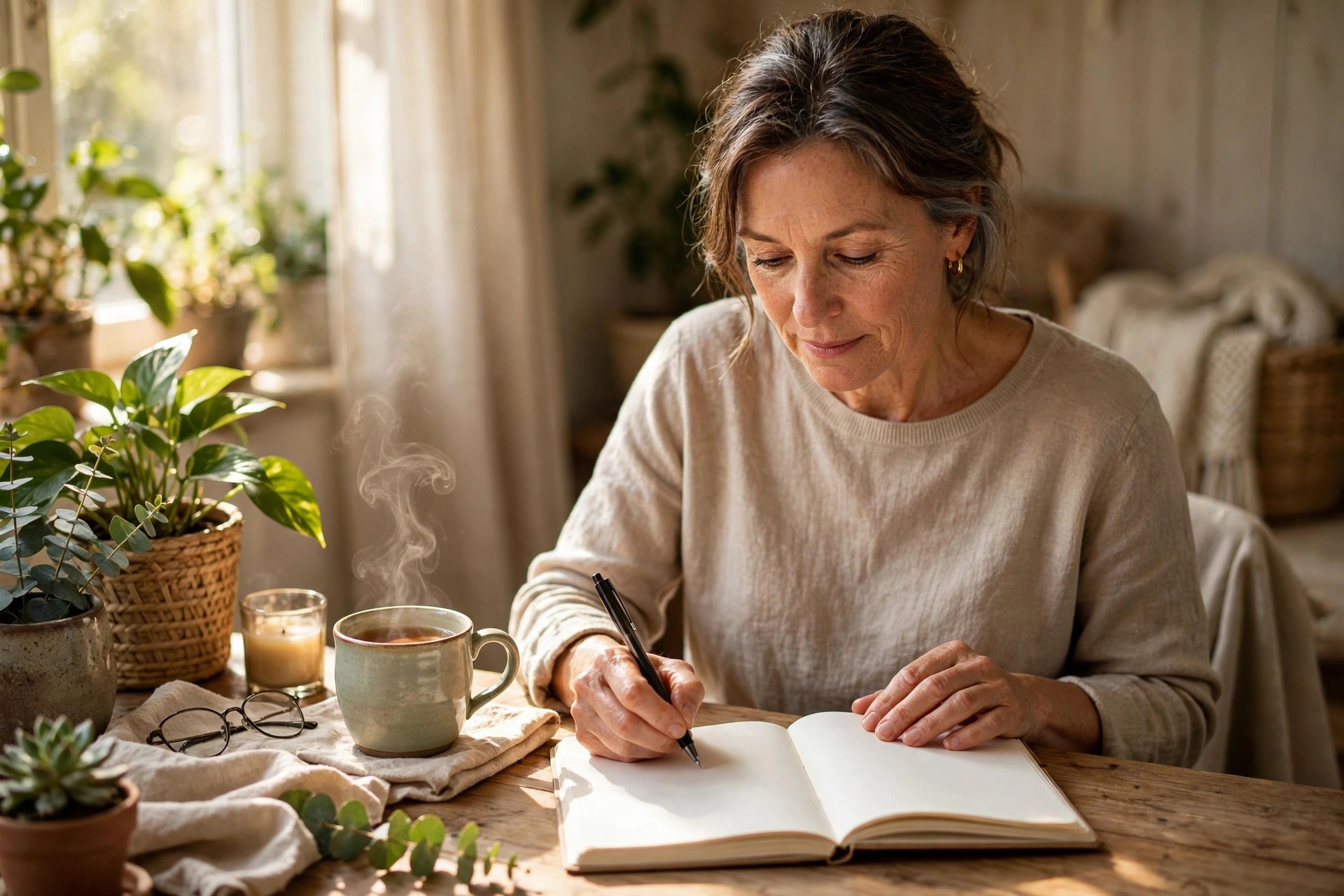
What gets tracked gets done. A tiny weekly log — walks taken, strength sessions, calcium-rich meals — turns vague intentions into a visible streak you’ll want to protect.
Try this: Use a wall calendar and a gold star (yes, really) for each day you walk or strength train. Streaks are weirdly motivating at any age.
Make it yours: A notes app, a paper journal, or a calendar — the best system is the one you’ll actually open.
Budget tip: This habit is completely free and might be the most powerful one on this list.
24. ☕ Cut Back on Excess Caffeine
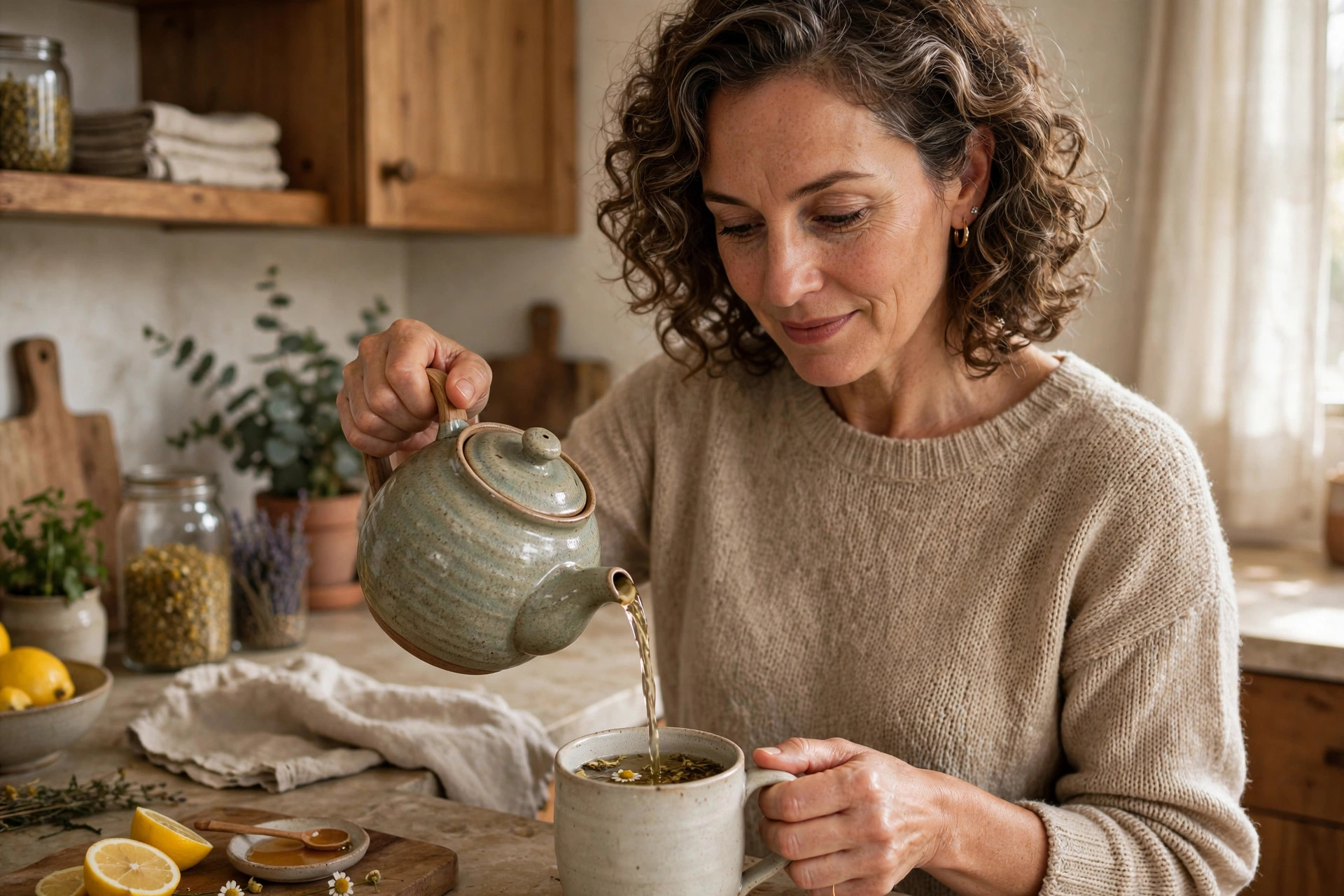
Very high caffeine intake has been linked to increased calcium loss — the occasional coffee is fine, but four-plus strong cups daily may work against your bones.
Try this: Cap coffee at two cups and switch the rest to herbal tea or water.
Make it yours: A beautiful teapot makes the afternoon switch feel like an upgrade, not a sacrifice.
Avoid: Quitting cold turkey if you’re a heavy drinker — taper to dodge the headaches.
25. 😴 Prioritize Deep Sleep

Bone remodeling — the daily repair cycle — happens largely during sleep, and chronic short sleep is linked to lower bone density. Seven to eight hours isn’t a luxury; it’s maintenance.
Try this: Set a consistent bedtime and keep your bedroom cool, dark, and phone-free.
Make it yours: A short wind-down routine (tea, book, dim lights) signals your body it’s time.
Avoid: Late-night scrolling — the blue light genuinely delays sleep.
26. 🧘♀️ Manage Everyday Stress

Chronically high cortisol (the stress hormone) is linked to bone loss over time — yet another reason that rest isn’t laziness. Daily calm is a bone habit too.
Try this: Take five slow breaths — in for four, out for six — whenever you feel tension rising.
Make it yours: A daily walk, prayer, or meditation practice all count; pick the calm you enjoy.
Avoid: Treating stress management as optional self-indulgence; it’s healthcare.
27. 📏 Aim for a Healthy Weight
Being significantly underweight raises fracture risk — bones need the gentle load of a healthy body weight, and very low weight often means low estrogen too. If you’ve lost weight without trying, mention it to your doctor.
Try this: Focus on nourishing meals with protein and healthy fats rather than restriction.
Make it yours: Strength training while eating well builds the sturdy kind of weight.
Avoid: Crash diets after 50 — rapid loss often includes precious muscle and bone.
28. ⚠️ Know Which Medications Affect Bones
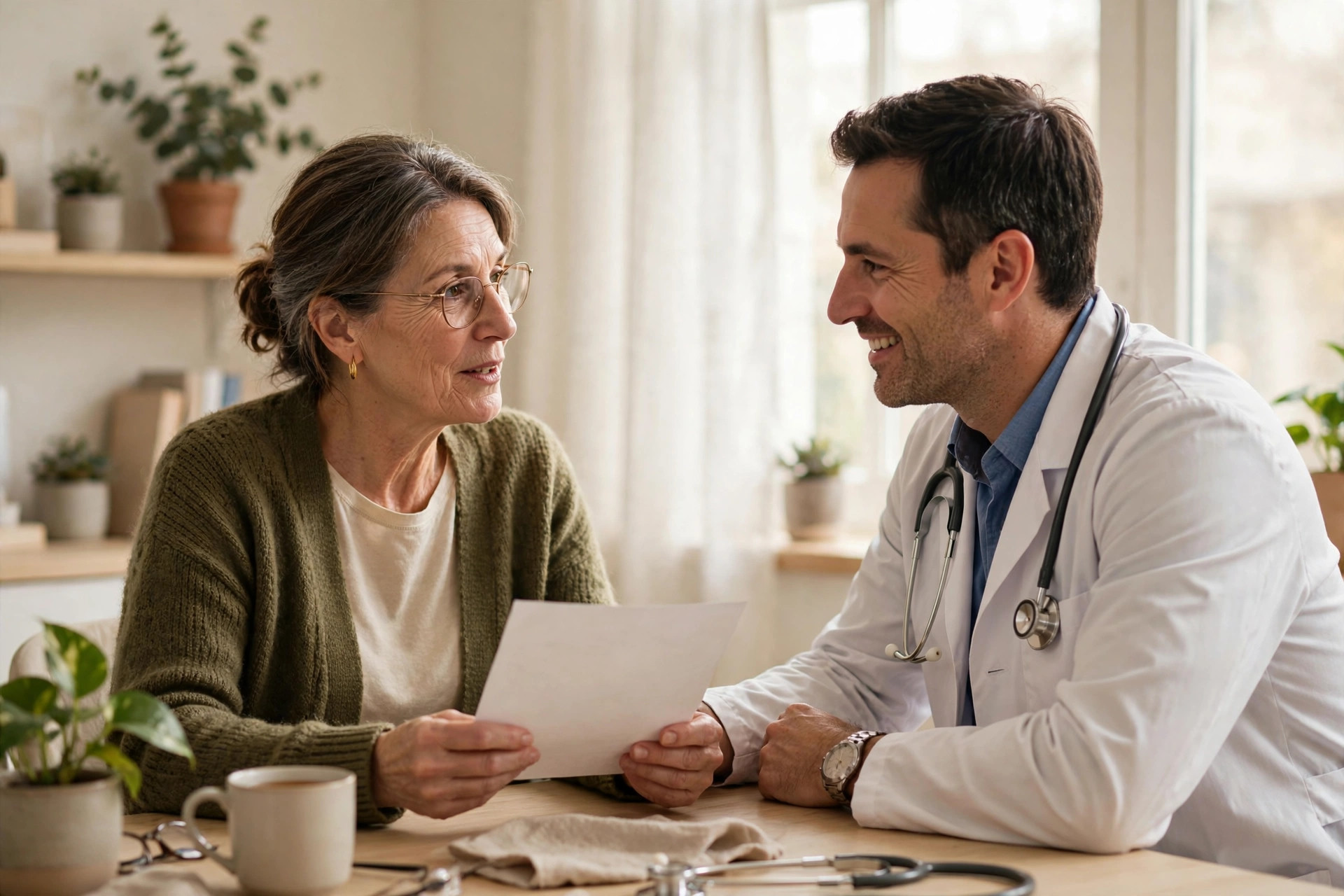
Some common prescriptions — including long-term steroids and certain stomach-acid drugs — can accelerate bone loss. Knowing is power: it lets you and your doctor plan protection.
Try this: At your next appointment, ask: “Do any of my medications affect my bones?”
Make it yours: Bring a complete list, including over-the-counter drugs.
Avoid: Stopping any prescription on your own — always adjust with medical guidance.
29. 🏠 Fall-Proof Your Home
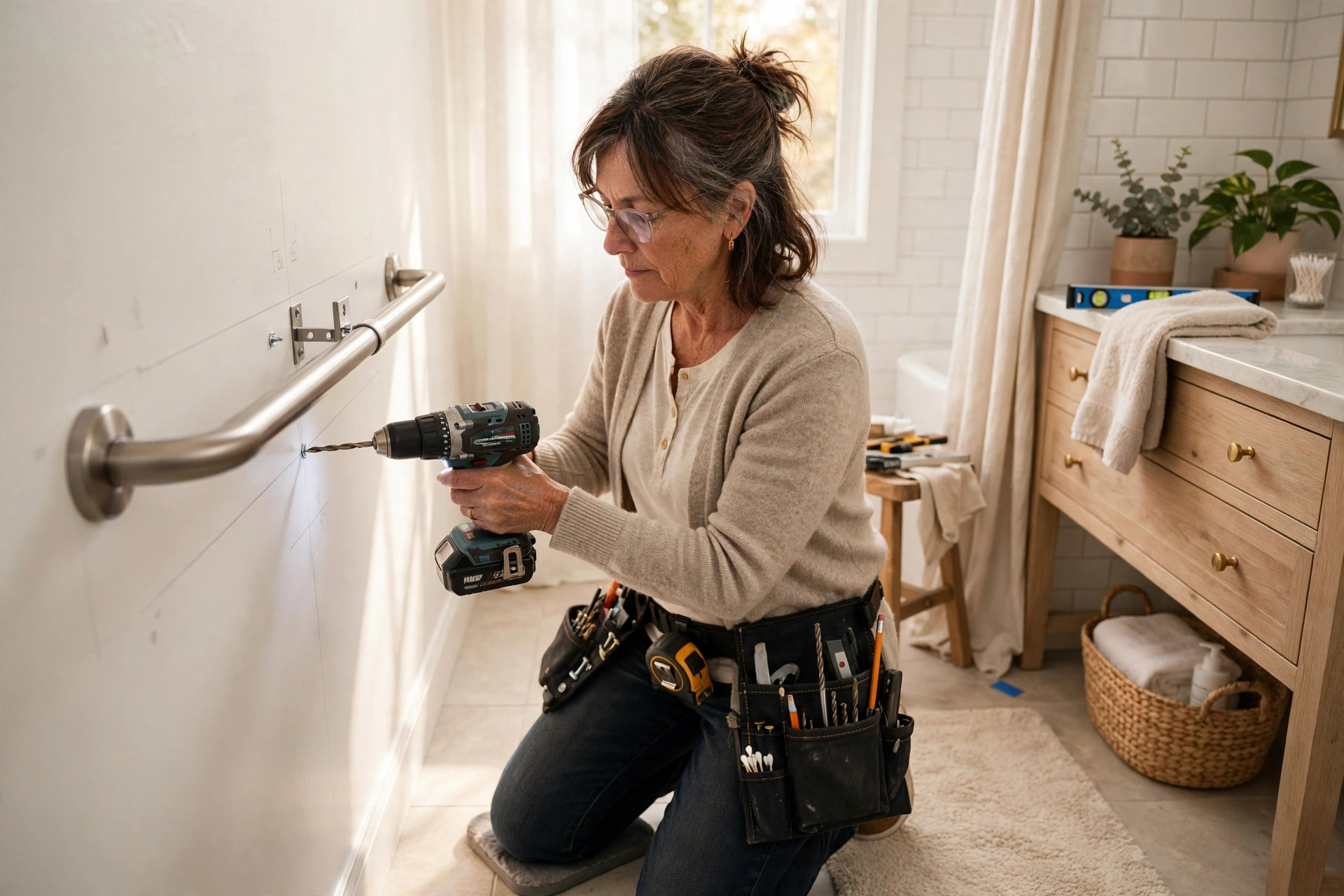
Most fractures happen because of a fall, not because of weak bones alone — so removing trip hazards is genuine bone protection. Secure rugs, brighten hallways, add grab bars in the bathroom.
Try this: Walk through your home with fresh eyes this weekend and fix three hazards.
Make it yours: Motion-sensor nightlights are cheap and prevent the most dangerous trips — midnight bathroom runs.
Budget tip: A home safety check costs nothing and prevents the costliest injuries.
30. 👯 Get a Bone-Health Buddy
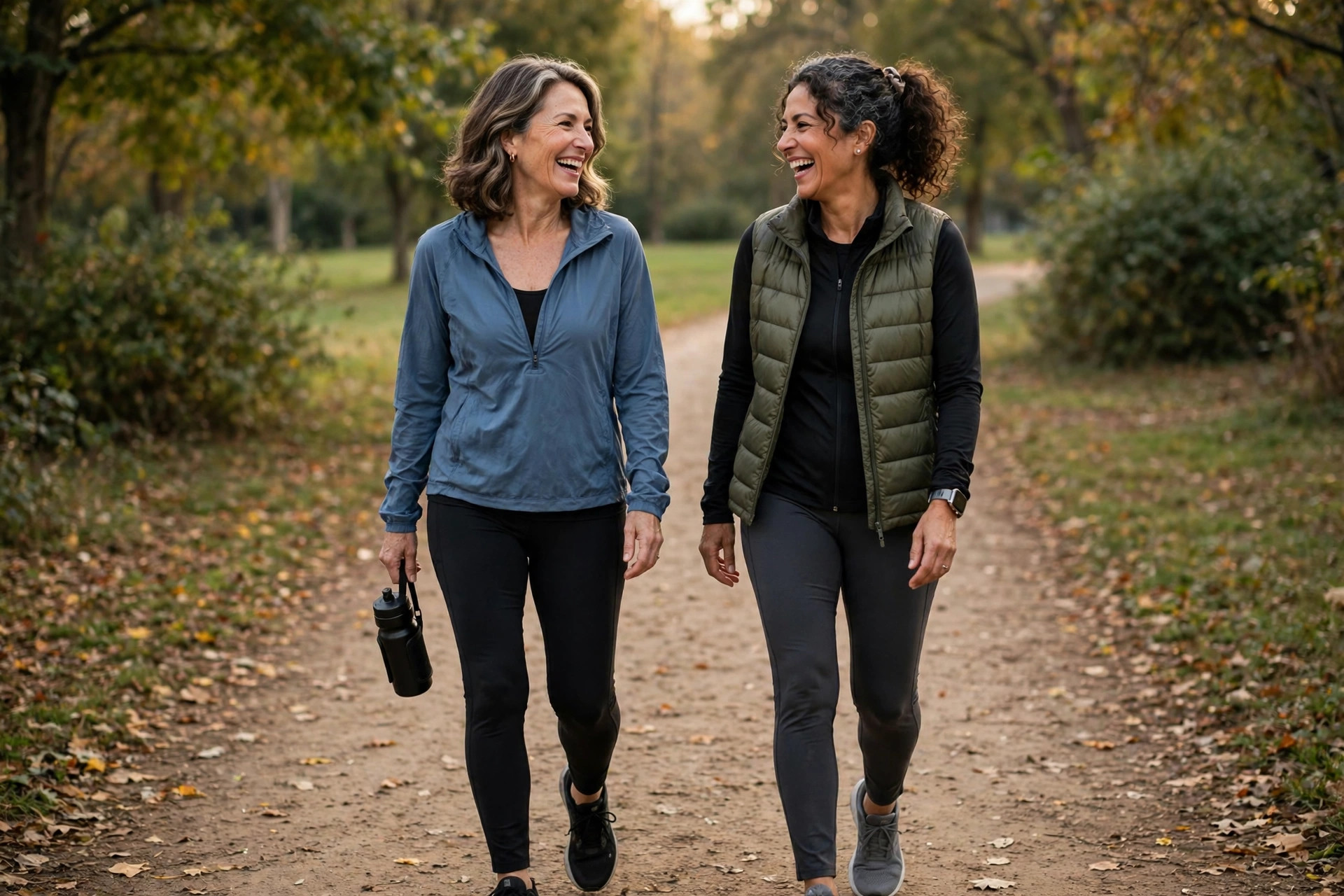
Habits stick better with company — a walking partner, a strength-training friend, or even a group chat where you log workouts. Accountability is the secret ingredient of every lasting routine.
Try this: Invite one friend to a twice-weekly walk starting next week.
Make it yours: No local friends interested? Online communities for women over 50 are full of walking buddies.
Avoid: Waiting until you’re “fit enough” to start — buddies are for beginners most of all.
❓ Bone Health FAQs After 50
Is it too late to build bone density after 60?
It’s never too late to slow loss and, in many cases, maintain or modestly improve density. Weight-bearing exercise, strength training, and good nutrition benefit bones at every age — and fall-prevention work protects you regardless of your scan numbers.
Do I really need a calcium supplement?
Not necessarily — many women meet their needs through food alone. That’s why a diet review with your doctor comes first. Supplements are most useful when diet falls short or a blood test shows a deficiency.
Does walking really count as bone exercise?
Yes. Walking is genuinely weight-bearing — your skeleton carries your full body weight with every step. It’s especially protective for hips and spine. Adding hills, stairs, or a weighted vest (with guidance) increases the benefit.
Can I get enough vitamin D from food alone?
It’s difficult — few foods are rich in vitamin D. That’s why sensible sunlight plus foods like oily fish and fortified milk, and sometimes a supplement discussed with your doctor, is the usual combination.
How quickly will I see results from these habits?
Bone density changes slowly — scans are usually compared a year or two apart. But strength, balance, and energy often improve within weeks, and every fracture you prevent is an immediate win.
📖 Keep Reading
- 22 New Balance 9060 Outfit Ideas — supportive sneakers that make your daily bone-building walks something to look forward to.
- Sporty Chic Style for Women Over 50 — 12 polished athletic looks for strength-training days.
- What to Wear to a Farmers Market Over 50 — breezy outfits for stocking up on the calcium-rich greens your bones love.
💛 Small Habits, Stronger Years
You don’t need to overhaul your life to protect your bones — you just need a few daily habits, repeated with love. Pick two from this list and start this week. Your future self, steady on her feet and doing exactly what she pleases, will thank you.
Discover more from Fashinate Style
Subscribe to get the latest posts sent to your email.