

It’s 2:47 a.m. You’re awake again — sheet kicked to the foot of the bed, heart thumping, pajamas damp. By 3:30 you’ve given up and you’re scrolling your phone in the dark, doing bleary math about how you’ll function tomorrow. If that scene feels familiar, you’re in good company — and you’re in the right place.
Hot flashes, night sweats, broken sleep, mood swings, dry skin, brain fog: menopause symptoms are real, physical, and disruptive — not “just hormones” to be endured in silence. This guide collects 19 gentle, lifestyle-first ways to ease them, gathered for real life rather than a perfect wellness retreat.
What makes this season hard is the unpredictability — never knowing when a flash will hit or whether tonight brings sleep. The encouraging news: small environmental and routine tweaks genuinely take the edge off, and for anything severe, your doctor has more options than ever. Use these ideas as your first line of comfort, not your only one.
1. 🌡️ Dress in Layers You Can Shed
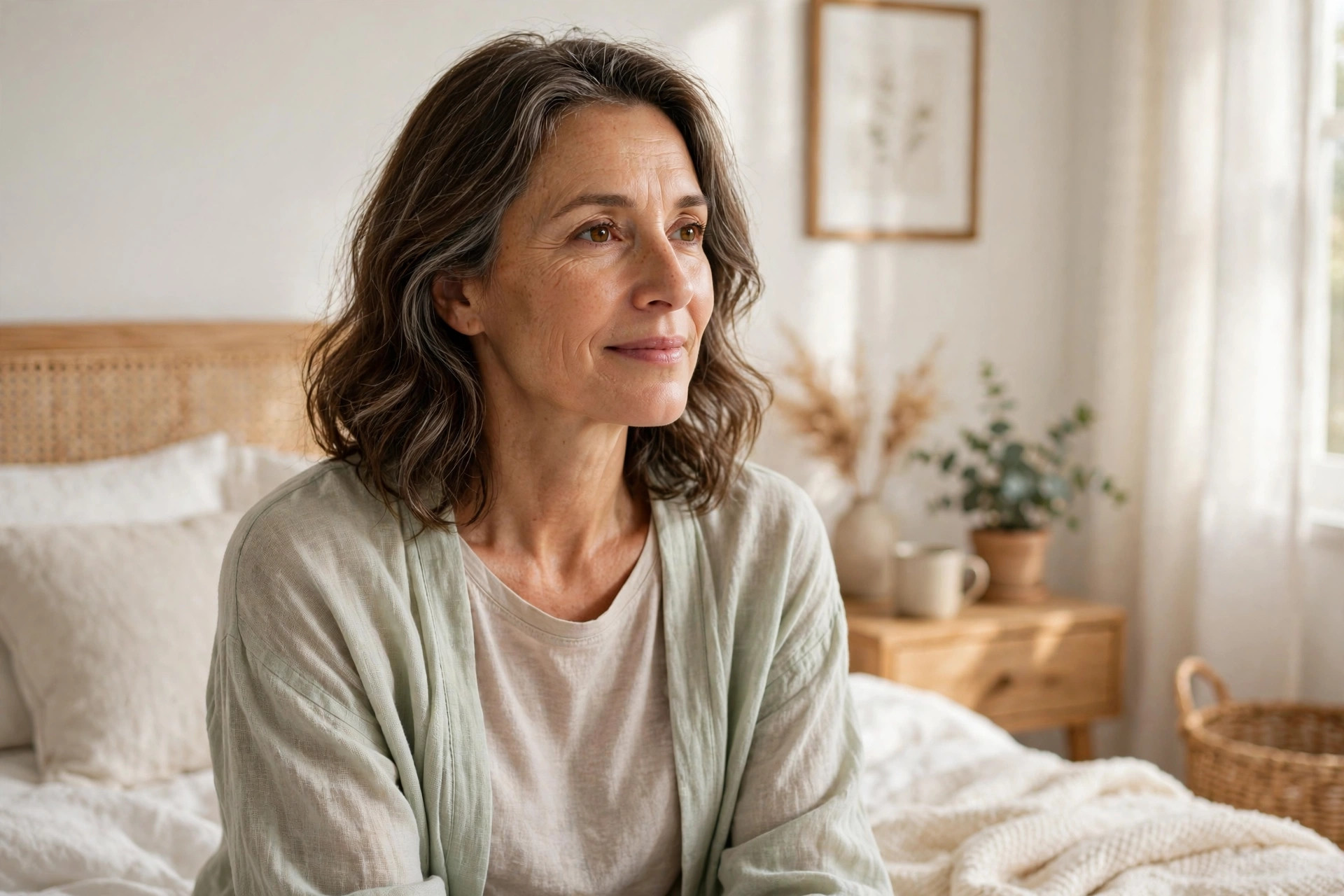
Hot flashes don’t check your calendar before arriving, so dress like you expect them: light base layers under a cardigan or zip-up you can strip off in seconds. Natural, breathable fabrics keep you cooler between flashes too.
Try this: Try this: keep a spare top in your bag for bad days — future you says thanks.
Make it yours: Make it yours: a pretty scarf doubles as a cover-up and peels off fast.
Avoid: Avoid: tight synthetics head-to-toe. They trap heat exactly when you need airflow.
2. 🧊 Keep a Cooling Kit by the Bed
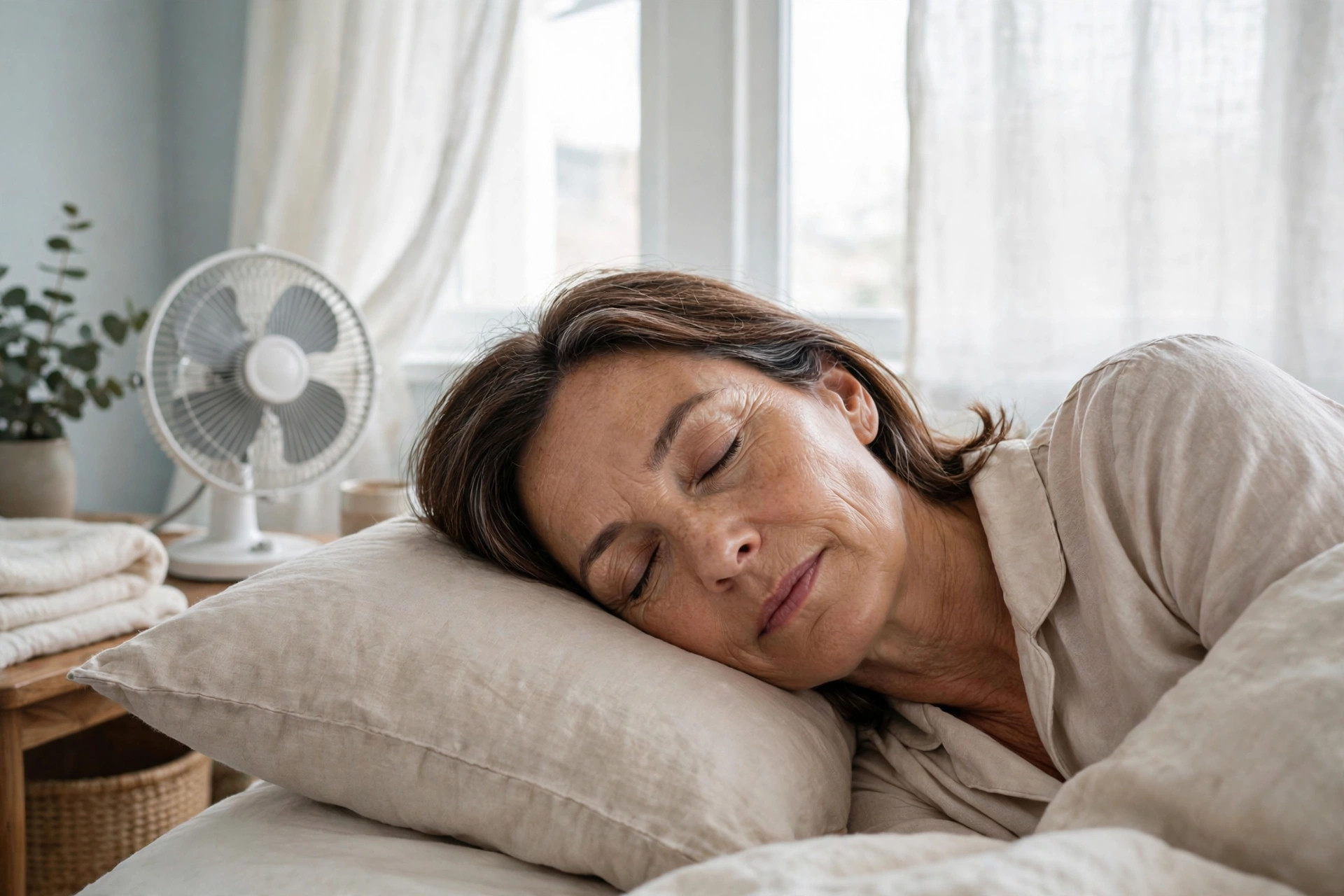
Night sweats are just hot flashes with terrible timing. A bedside kit — a fan, a cold glass of water, a cool damp cloth, breathable cotton pajamas — turns a 2 a.m. wake-up from an ordeal into a two-minute reset.
Try this: Try this: freeze a damp hand towel in a bag; it stays cold for hours.
Make it yours: Make it yours: a small bedside fan aimed at your pillow is a game-changer.
Avoid: Avoid: heavy duvets and flannel pajamas. Switch to light cotton layers you can throw off.
3. 🧊 Keep Ice Water Within Reach Day and Night

A long drink of ice water at the first prickle of a flash can blunt its peak — cooling from the inside while you cool the outside. Dehydration also makes everything (headaches, fatigue, dry skin) worse.
Try this: Try this: carry an insulated bottle everywhere; refill it like a ritual.
Make it yours: Make it yours: add cucumber or citrus slices if plain water bores you.
Avoid: Avoid: reaching for wine to unwind — alcohol is a classic flash trigger.
4. 🛏️ Build a Cooler Sleep Setup

Your bedroom should feel like a cool cave: 65–68°F if you can manage it, breathable cotton or bamboo sheets, and a mattress protector that doesn’t trap heat. Small thermal tweaks add up to unbroken sleep.
Try this: Try this: crack the window an inch even in cool weather — airflow matters.
Make it yours: Make it yours: moisture-wicking sleepwear exists and it’s worth every penny.
Avoid: Avoid: scrolling in bed when you wake up sweaty. Cool down, then lights out.
5. 🌬️ Try Slow Breathing When a Flash Hits
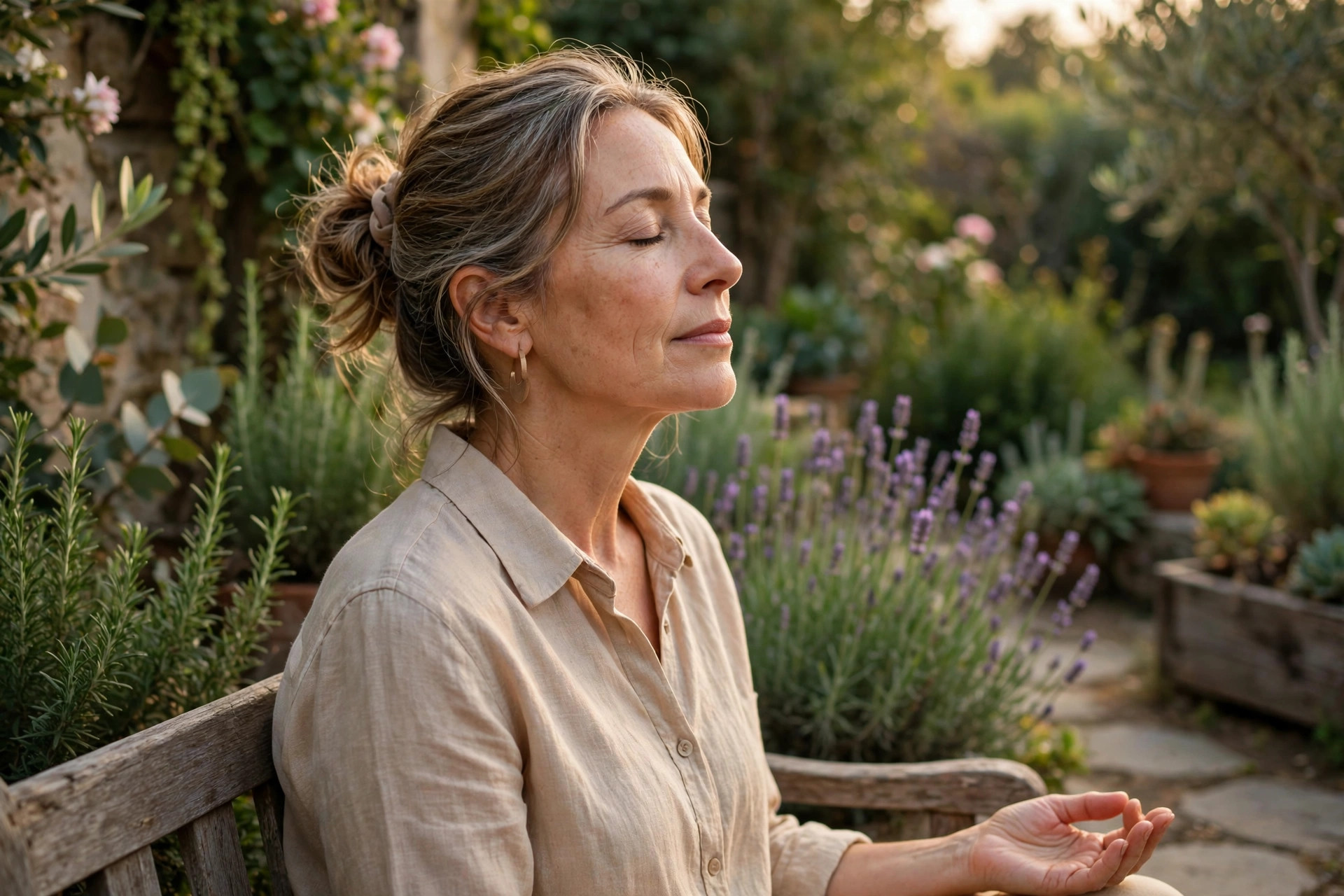
When you feel the heat rising, slow paced breathing — in through the nose, long slow exhale — can take the edge off a hot flash and calm the panicky feeling that rides along with it. It won’t erase flashes, but it shortens the misery.
Try this: Try this: breathe in for 4 counts, out for 6, for one full minute.
Make it yours: Make it yours: practice when calm so it’s automatic when a flash hits.
Avoid: Avoid: fanning yourself frantically while holding your breath. Slow is stronger.
6. 🏃♀️ Move Gently Every Day

Regular gentle movement — walking, swimming, yoga — is linked with fewer and milder hot flashes, better sleep, and steadier mood. You don’t need intensity; consistency is the medicine.
Try this: Try this: a 20-minute walk after dinner, most evenings.
Make it yours: Make it yours: pick movement you actually enjoy — dancing counts.
Avoid: Avoid: vigorous exercise right before bed. Mornings or afternoons are kinder.
7. 🌿 Eat Phytoestrogen-Rich Foods

Foods like soy, flaxseed, chickpeas, and lentils contain gentle plant compounds that some women find ease their symptoms. They’re nutritious anyway — an easy experiment with zero downside.
Try this: Try this: add a tablespoon of ground flaxseed to breakfast daily.
Make it yours: Make it yours: edamame, tofu stir-fries, and hummus all count.
Avoid: Avoid: mega-dose supplements without talking to your doctor first.
8. 🔥 Identify Your Personal Trigger Foods

Spicy food, caffeine, alcohol, and hot drinks set off flashes in many women — but triggers are personal. A week of noticing what precedes your worst flashes is more useful than any generic banned list.
Try this: Try this: jot flash times and what you ate/drank for one week.
Make it yours: Make it yours: swap one trigger at a time so you learn what actually matters.
Avoid: Avoid: overhauling your whole diet overnight. Data first, changes second.
9. 💧 Drink Water Through the Day

Menopause can leave you feeling drier everywhere — skin, eyes, mouth — and steady hydration softens all of it. It also helps with the headaches and afternoon slumps that love to pile on.
Try this: Try this: a full glass with each meal plus one mid-morning and mid-afternoon.
Make it yours: Make it yours: herbal teas count toward your total.
Avoid: Avoid: waiting until you’re thirsty. Sip on schedule instead.
10. 🧴 Moisturize Dry Skin Daily
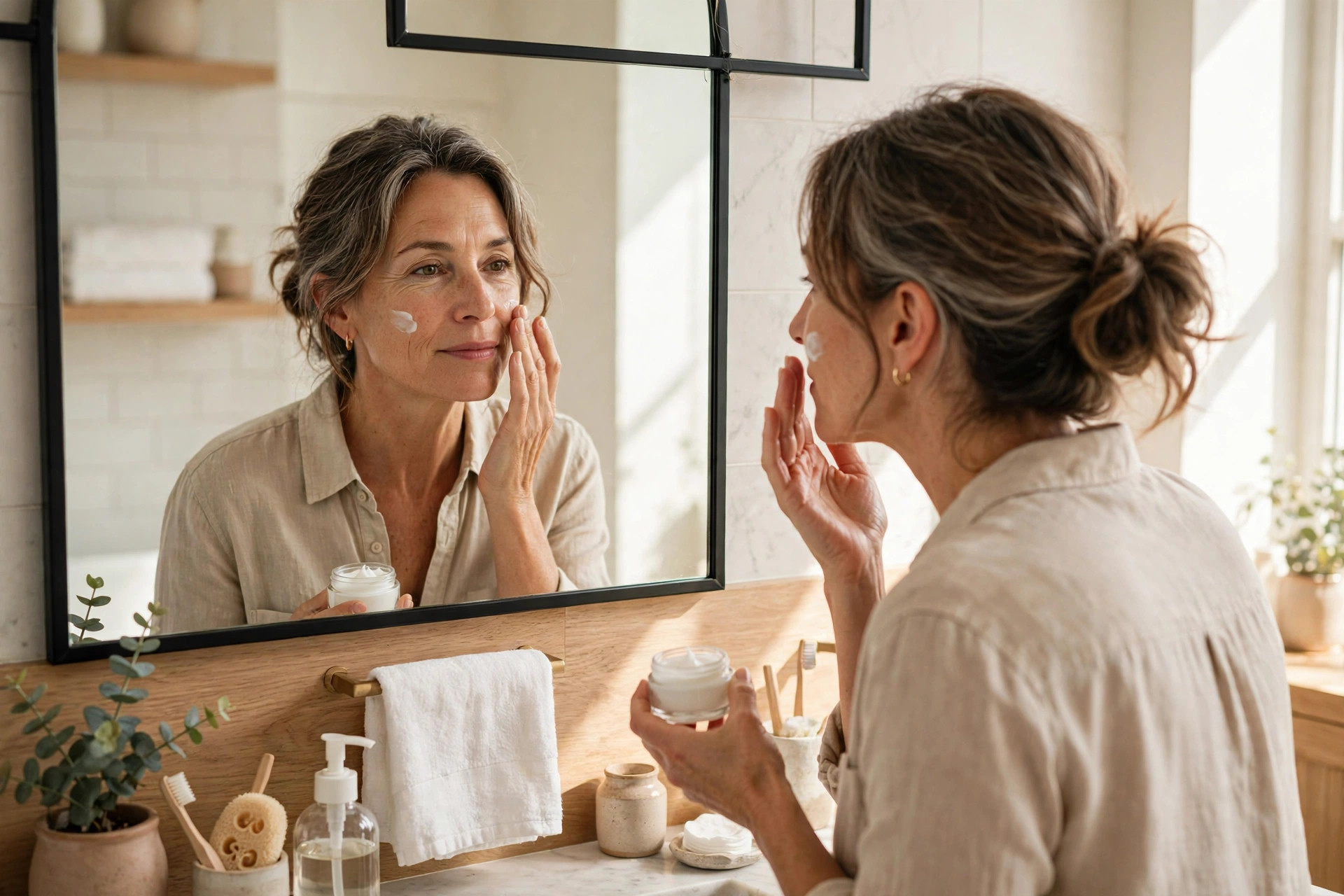
Falling estrogen thins and dries skin — face, hands, everywhere. A good moisturizer applied to damp skin after showering, plus SPF every morning, keeps the itch and tightness at bay.
Try this: Try this: moisturize within three minutes of showering to lock water in.
Make it yours: Make it yours: keep hand cream everywhere — bag, desk, nightstand.
Avoid: Avoid: long scalding showers. Warm and brief is kinder to dry skin.
11. 😴 Protect Your Sleep Routine
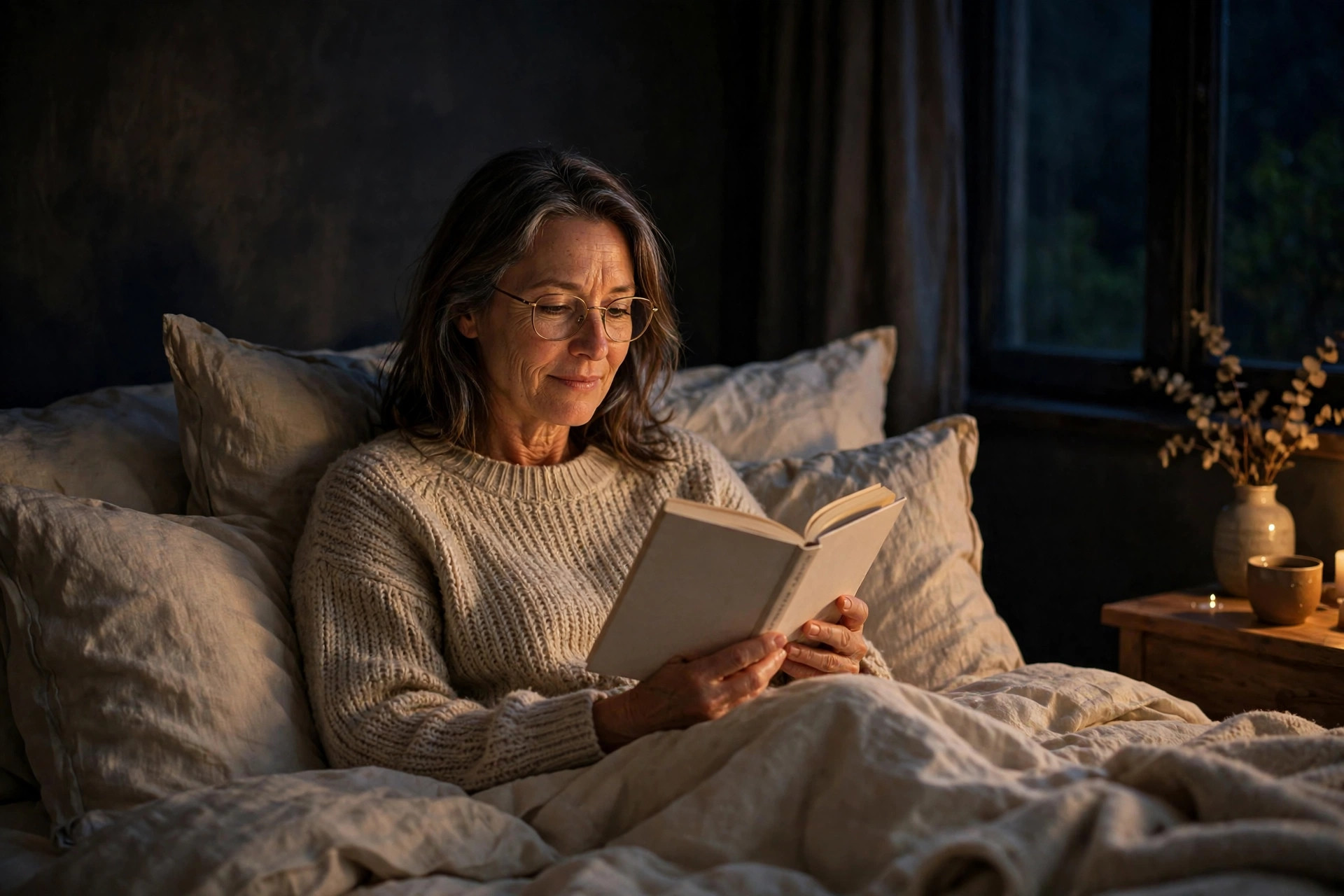
Broken sleep makes every menopause symptom feel twice as bad — and poor sleep makes flashes more likely, a vicious circle. A fixed bedtime, a cool dark room, and a real wind-down ritual are your best non-medical tools.
Try this: Try this: same bedtime within 30 minutes, seven nights a week.

Make it yours: Make it yours: a 20-minute reading ritual beats scrolling every time.
Avoid: Avoid: caffeine after noon and big late meals. Both steal sleep.
12. 📓 Track Your Symptoms for a Month

Memory lies; a log doesn’t. Note flashes, sleep, mood, and bleeding for one cycle of weeks and patterns pop out — what triggers you, what’s improving, what’s worth raising with your doctor.
Try this: Try this: a simple 1–10 daily score for sleep, mood, and flashes.
Make it yours: Make it yours: a notes app works as well as paper.
Avoid: Avoid: tracking forever. One focused month gives you the picture.
13. 🩺 Talk to Your Doctor About Options

Lifestyle helps enormously, but you don’t have to white-knuckle severe symptoms — modern medicine has more options than ever, hormonal and non-hormonal. A candid conversation beats silent suffering every time.
Try this: Try this: book a dedicated menopause appointment, not a rushed add-on.
Make it yours: Make it yours: bring your symptom log — it makes the visit twice as useful.
Avoid: Avoid: deciding based on internet horror stories. Get personal medical advice.
14. 👯 Find Your Menopause People
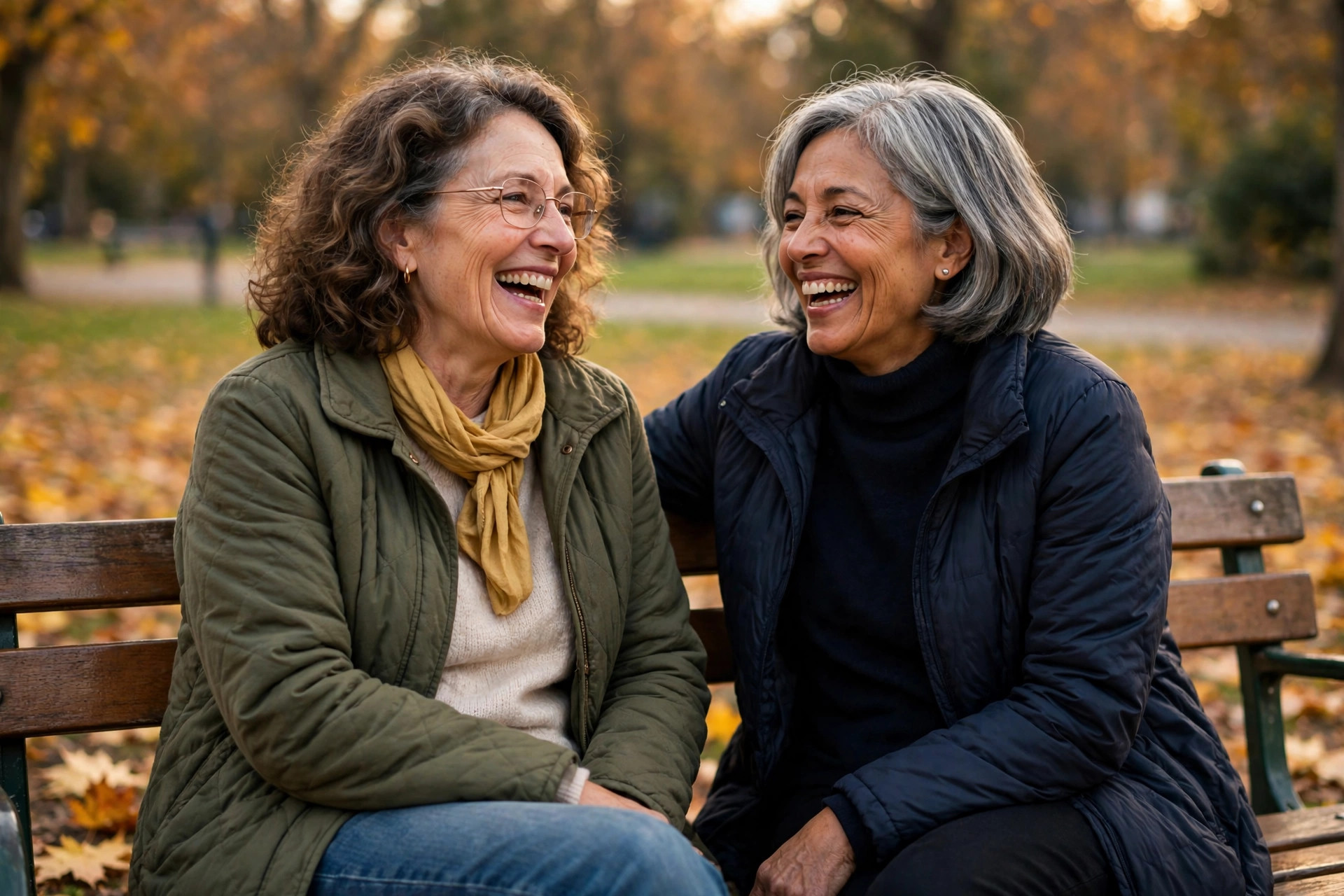
There’s deep relief in hearing ‘me too’ from women living the same 3 a.m. wake-ups. Friends, groups, even comment sections — shared experience normalizes what can feel lonely and strange.
Try this: Try this: tell one friend what you’re going through this week.
Make it yours: Make it yours: look for a local or online menopause group.
Avoid: Avoid: suffering in silence because ‘it’s just hormones.’ It matters.
15. 🌞 Support Your Mood with Daylight Walks
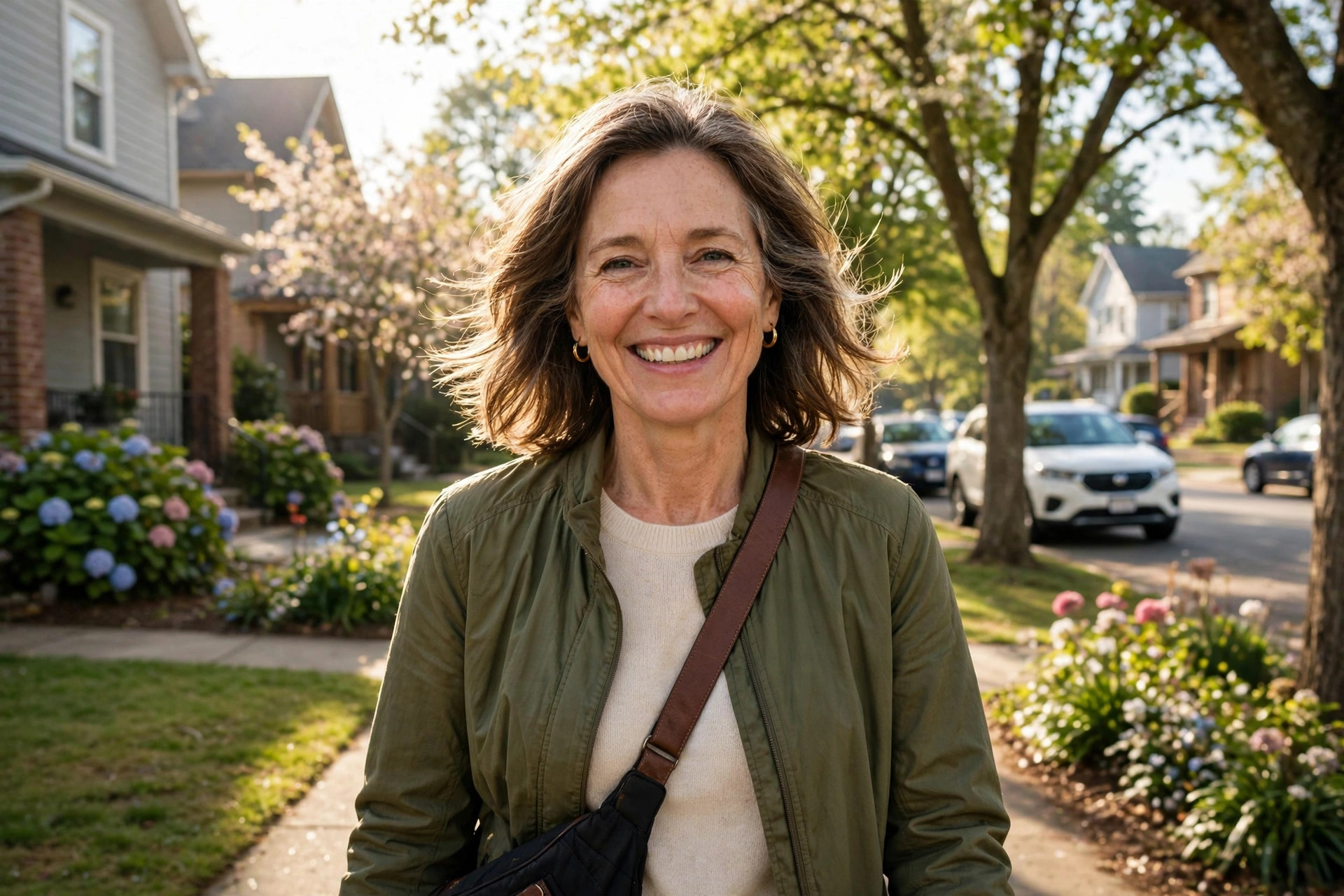
Mood swings and weepiness are real hormonal effects, not character flaws — and morning daylight plus gentle movement is one of the simplest mood stabilizers there is. Twenty minutes before noon works wonders.
Try this: Try this: a short walk within an hour of waking, no sunglasses.
Make it yours: Make it yours: bring a friend and double it as connection time.
Avoid: Avoid: isolating when you feel low. Low mood lies about what you need.
16. 🦴 Guard Your Bones and Heart Too
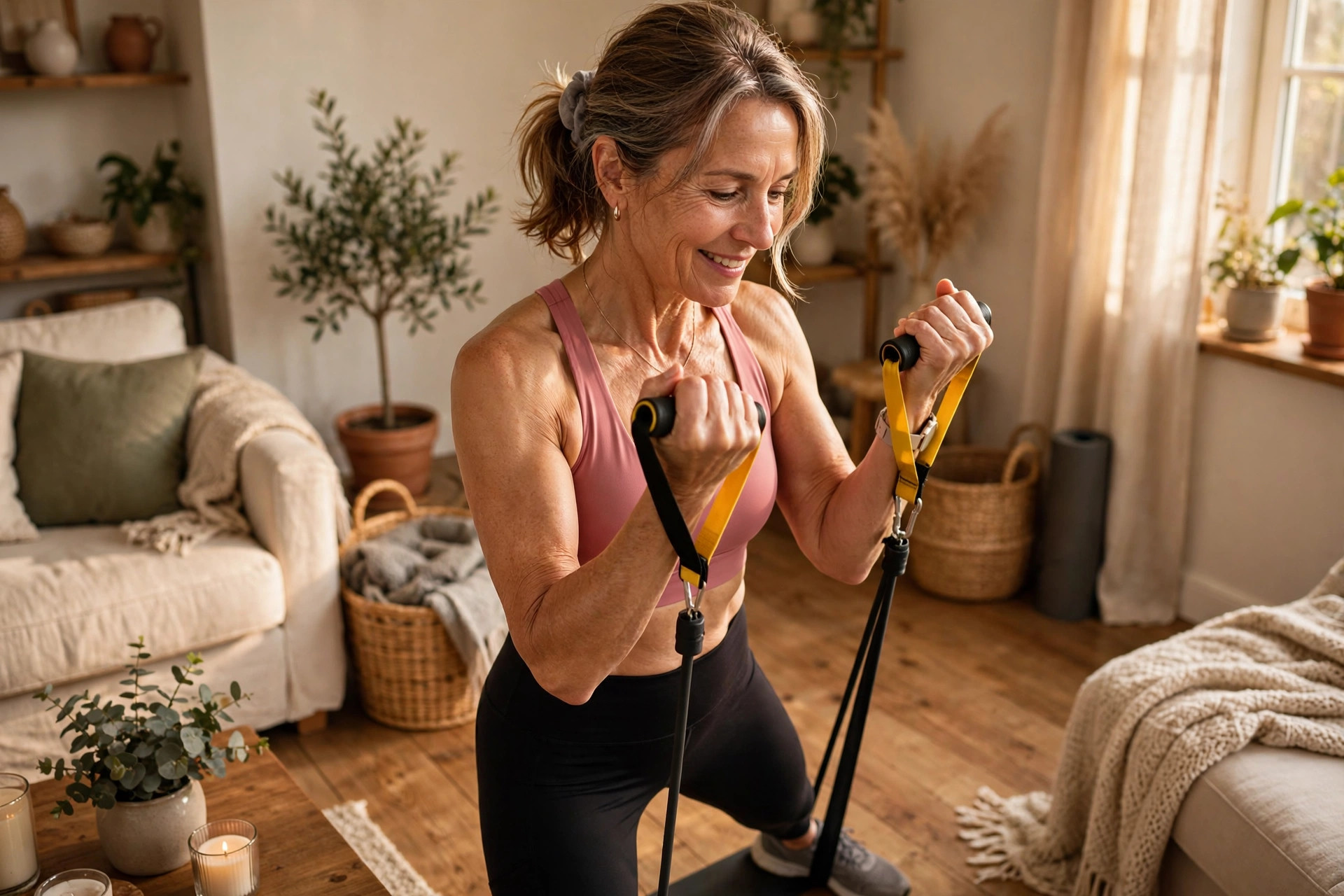
Menopause doesn’t just bring flashes — falling estrogen accelerates bone loss and shifts heart risk. The same habits that ease symptoms (movement, good food, no smoking) quietly protect your future skeleton and heart.
Try this: Try this: add two strength sessions a week — your bones will thank you.
Make it yours: Make it yours: ask your doctor about bone density screening timing.
Avoid: Avoid: thinking of menopause as only a comfort issue. It’s a health pivot.
17. 🛋️ Make Time for Real Rest
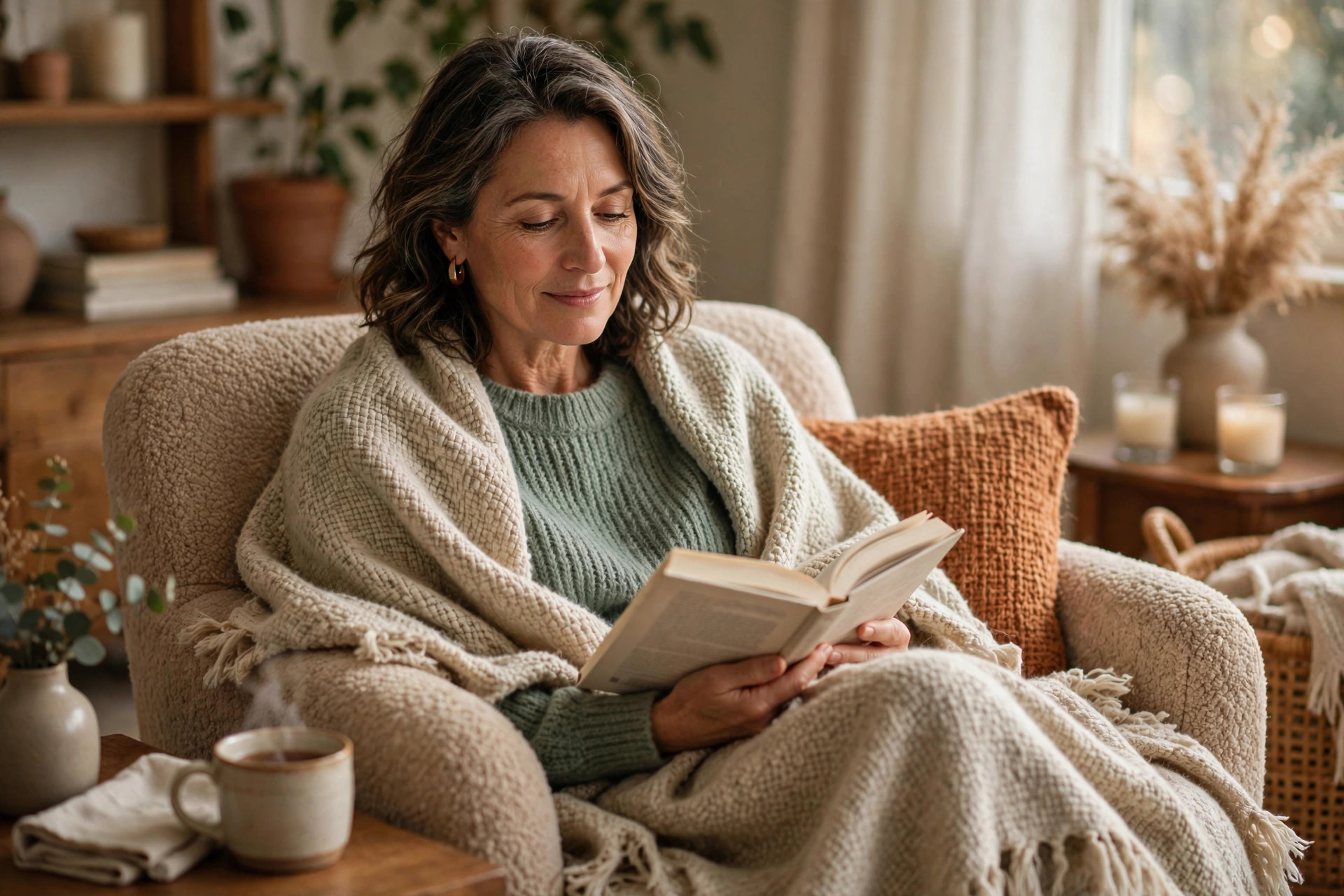
Chronic busyness pours fuel on every symptom — stress hormones and hot flashes are old friends. Deliberate rest (not collapse, rest) lowers the background hum your symptoms feed on.
Try this: Try this: one truly unscheduled hour each weekend. Guard it.
Make it yours: Make it yours: rest can be a bath, a novel, a nap — your call.
Avoid: Avoid: ‘relaxing’ with news and social media. That’s stimulation, not rest.
18. 📚 Learn What’s Normal (and What’s Not)

Irregular periods, then none; flashes that fade over years — that’s the usual arc. But very heavy bleeding, bleeding after a full year without periods, or severe depression are not ‘just menopause’ — they deserve a prompt doctor visit.
Try this: Try this: read one reputable menopause guide so you know the landmarks.
Make it yours: Make it yours: write down questions as they occur to you for your next visit.
Avoid: Avoid: assuming everything is hormones. When in doubt, get checked.
19. 💛 Be Patient with the Process
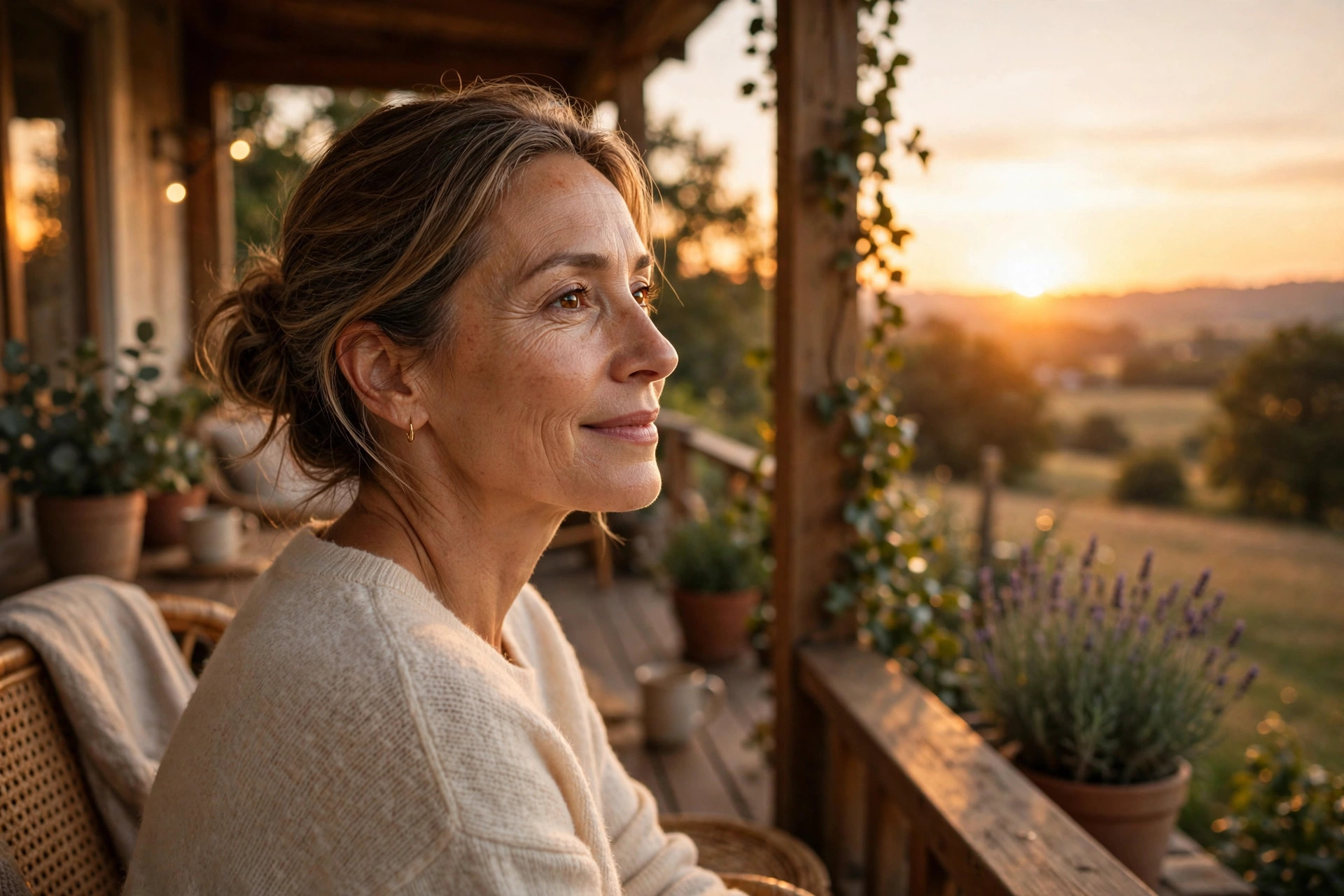
Menopause is a transition, not a permanent state — for most women the intense years pass, and many describe feeling more themselves on the other side. Treat this season like weather: dress for it, respect it, and trust that it changes.
Try this: Try this: mark how far you’ve come every few months, not just what’s hard.
Make it yours: Make it yours: plan one thing to look forward to each month.
Avoid: Avoid: comparing your journey to anyone else’s. Timelines vary wildly.
Layer your strategies the way you layer your clothes. Cooling tricks handle the flashes, sleep habits handle the nights, and movement plus daylight steady the mood — no single fix does it all, but together they cover the day.
Revisit this list seasonally. Symptoms shift over the menopause transition — what helps most this year may differ next year. A quick re-read every few months keeps your toolkit current.
💛 Be Kind to Yourself
You are not “falling apart” — you’re going through one of the biggest hormonal transitions of your life while running a full life at the same time. Some days the flashes win. That’s not failure; that’s physiology. Comfort, not perfection, is the goal.
❓ Menopause Relief FAQs
Are natural approaches enough for severe symptoms?
They help many women a great deal, but severe symptoms — drenching night sweats, crushing insomnia, very heavy bleeding, deep depression — deserve medical attention, not just lifestyle tweaks. Modern options, hormonal and non-hormonal, exist precisely for this. Think of natural strategies as your foundation, and your doctor as your partner for the rest.
How long does menopause last?
Perimenopause (the symptomatic run-up) typically lasts 4–8 years, and menopause itself is defined as 12 months without a period — usually around age 51. Hot flashes often continue a few years after, then fade. Everyone’s timeline differs, which is why tracking your own pattern matters.
When should I see a doctor about menopause?
Book a visit if symptoms disrupt your sleep, work, or relationships; if bleeding is very heavy or returns after a full year without periods; or if you feel persistently low or anxious. Don’t wait for things to become unbearable — earlier conversations give you more options.
Do phytoestrogen foods actually do anything?
Some women report milder symptoms with regular soy, flaxseed, and legumes, and these foods are nutritious regardless. Evidence is mixed rather than conclusive — think of them as a gentle, worthwhile experiment, not a guaranteed fix. Skip high-dose supplements unless your doctor approves.
Will my sleep ever go back to normal?
For most women, yes — sleep typically improves as the intense transition years pass. In the meantime, the cooling strategies, consistent schedule, and wind-down routine in this guide give you the best possible nights right now. If insomnia is severe, ask your doctor; you don’t have to earn rest through suffering.
💖 This Season Passes — Dress for It
You can’t control the thermostat of your own body right now, but you can control the layers, the bedroom, the bedtime, and the kindness you show yourself at 3 a.m. Start with the three ideas that spoke to you loudest. Relief doesn’t arrive all at once — it arrives one cooler night, one better morning at a time.
📖 Keep Reading
- 27 Fall Cardigan Outfits for Women Over 50 — easy layers made for flash-friendly dressing — on in seconds, off in one.
- 15 Bob Hairstyles for Fine Hair — flattering cuts for hair that’s changing texture in midlife.
- 16 Sweater Trends 2026 — cozy knits in breathable weaves you’ll actually reach for.
Discover more from Fashinate Style
Subscribe to get the latest posts sent to your email.