

When was the last time you laughed so hard you had to wipe your eyes — with someone else in the room? If you had to pause and think about it, you are not alone. After retirement, the phone quiets down, the calendar empties, and the easy, built-in company of working life simply disappears one day. It is one of the loneliest surprises of this chapter, and almost nobody warns you about it.
Here is the gentle reframe: a smaller social life after retirement is not a personal failing. Work quietly provided structure, routine, and dozens of tiny human moments every single day — the hallway chats, the shared lunches, the people who simply noticed you. When that scaffolding comes down, of course it feels different. The good news? Social connection is a skill you can rebuild at any age, one small, low-pressure step at a time.
Below are 21 gentle, genuinely doable ways to be more social after retirement — no awkward networking, no forced small talk marathons. Just real-world ideas that have helped thousands of women over 60 fill their weeks with warmth, laughter, and people who look forward to seeing them.
💭 Why Being Social Feels Harder After Retirement
It helps to name what is actually going on. For decades, friendships ran on autopilot: colleagues, school-gate parents, neighbors you saw because life put you in the same places. Retirement removes that autopilot. Suddenly, every social moment has to be chosen — and choosing takes energy, especially when confidence is a little rusty.
There is also a quieter fear many women carry: What if I’m out of practice? What if everyone already has their circle? Here is the truth almost every new retiree discovers — everyone else is wondering the same thing. The woman across the room at that first book club meeting is just as nervous as you. Someone has to say hello first, and there is no rule saying it cannot be you.
1. 📅 Give yourself one weekly “people day”

The simplest social reset there is: pick one day a week that belongs to people. Not errands, not chores — people. Lunch with a friend, a class, a walk with a neighbor. When it lives on the calendar, it actually happens, and that single anchor often pulls the rest of your week upward.
Try this: Choose your day right now and text one person about it this week. Standing beats spontaneous every time.
Make it yours: Mornings work best if evenings tire you out — brunch dates are wonderfully social without the late night. Budget tip: A home coffee date costs almost nothing and feels more personal than any café.
2. 📚 Join a book club that actually meets

Book clubs are the introvert’s dream social setup: a built-in conversation topic, a regular rhythm, and people who show up reliably. Libraries, bookshops, and community centers run them constantly, and many welcome newcomers warmly because fresh voices keep discussions alive.
Try this: Ask your local library which clubs have space — librarians know exactly which groups are the friendly ones.
Make it yours: Not a big reader? Look for film clubs or “show and tell” groups that work the same way. Avoid: Groups that meet less than monthly — you need repetition for friendships to form.
3. 🌿 Volunteer in a community garden
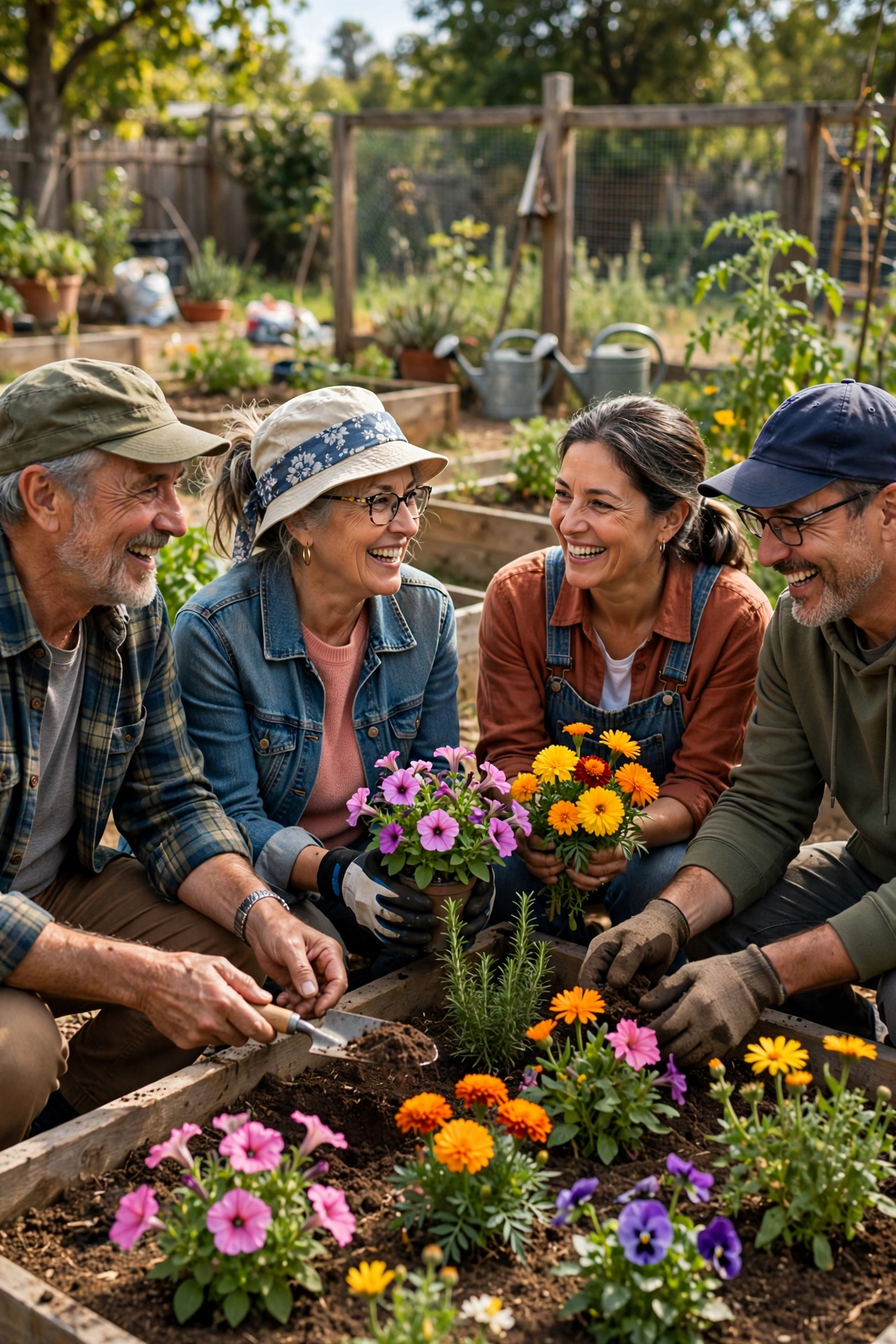
Gardening clubs pair gentle exercise with easy, shoulder-to-shoulder conversation — the kind where silence feels comfortable instead of awkward. You work alongside the same people week after week, and shared tomatoes have a way of turning strangers into friends.
Try this: Sign up for a single workday before committing to the season. Most gardens are delighted to have trial hands.
Make it yours: No garden nearby? A neighbor’s overgrown flower bed is a friendship waiting to happen. Budget tip: Many community gardens provide tools and seeds free to volunteers.
4. 🐕 Join a dog-walking group (even without a dog)
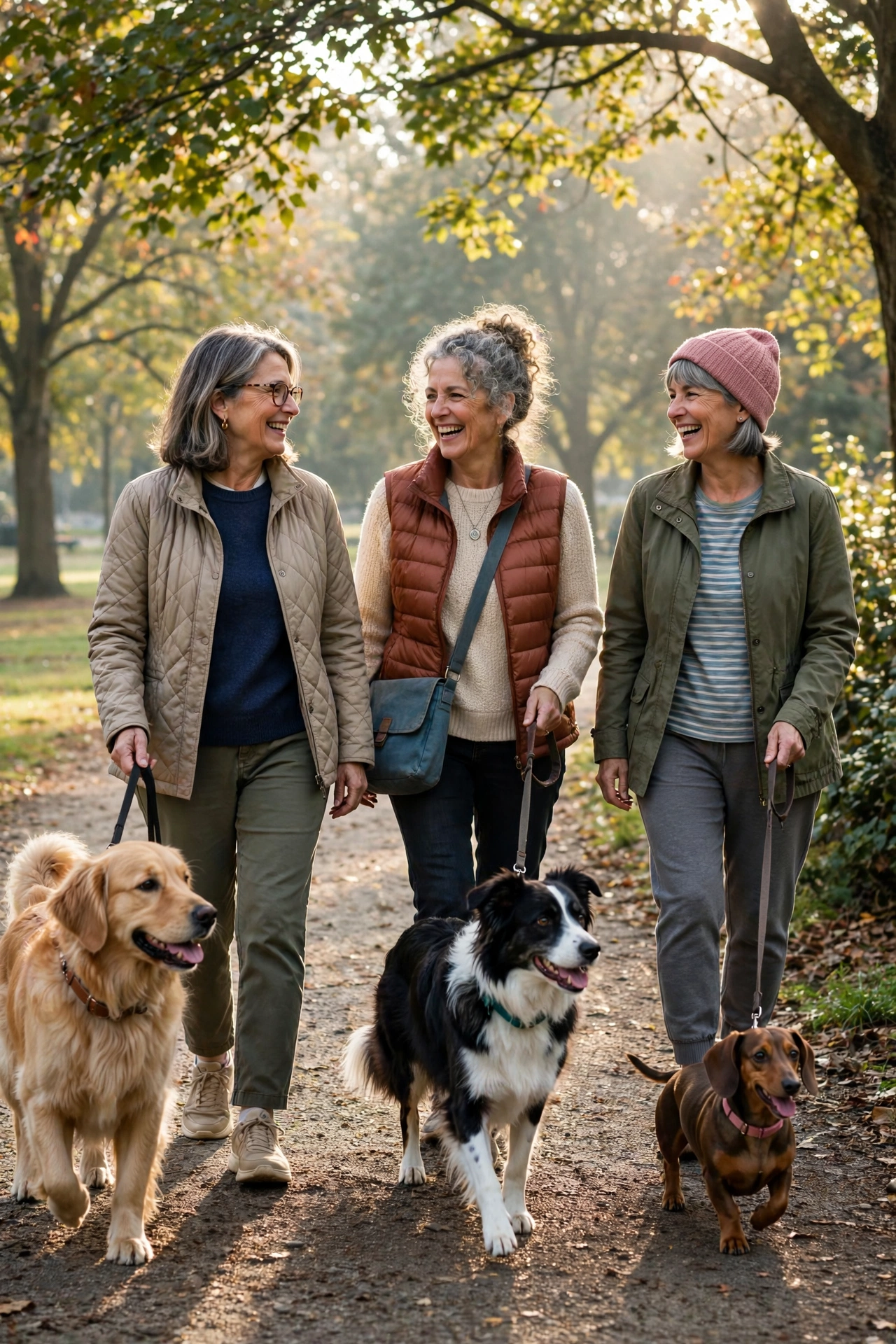
Dog walkers are some of the friendliest people on the planet, and group walks turn a daily routine into a rolling social hour. Dogs do all the ice-breaking for you — nobody needs an opening line when there is a golden retriever involved.
Try this: Search for local walking groups, or offer to walk a busy neighbor’s dog once a week. Both doors lead to people.
Make it yours: Shelters often need volunteer dog walkers — you get the cuddles and the company, they get the help. Avoid: Overcommitting daily at first; twice a week is plenty to start.
5. ☕ Start a standing coffee date

One recurring coffee with one person beats ten vague “we must get together sometime” promises. A standing date — first Tuesday of the month, every Friday morning — removes all the scheduling friction that quietly kills adult friendships.
Try this: Text someone today: “Coffee, same time each month? I’ll bring the pastries.” Watch how fast they say yes.
Make it yours: Rotate homes to keep it free and cozy, or pick one beloved café and become regulars. Budget tip: Homemade coffee dates cost pennies and the conversation always lasts longer.
6. 🏊 Try a senior swim or water-aerobics class

Water classes are where the most laughter in any leisure center happens. The water levels the playing field — nobody is performing, everyone is splashing — and the same faces show up week after week, which is exactly how casual hellos become real friendships.
Try this: Book one trial session. Tell the instructor you are new; they will introduce you around without you having to ask.
Make it yours: Aqua jogging, gentle lanes, or senior swim socials all count. Budget tip: Council and YMCA pools often offer senior rates or off-peak discounts.
7. 🎨 Take one beginner art class

Beginner classes are full of people who are also starting from zero, which makes them wonderfully low-pressure social spaces. You are all gloriously bad together at first, and nothing bonds people faster than laughing at each other’s first lopsided pottery bowls.
Try this: Choose the class that sounds like fun, not the one you think you “should” take. Enthusiasm is more social than talent.
Make it yours: Painting, pottery, watercolor, sketching — pick one and commit to six weeks. Avoid: Advanced classes where everyone already knows each other; beginners’ groups are where newcomers are welcomed.
The secret to making friends after 60 is repetition, not charm. Research on adult friendship keeps landing on the same finding: seeing the same people in the same place, week after week, is what turns acquaintances into friends. So when choosing from this list, pick activities that recur — weekly classes, monthly clubs, regular volunteer shifts — over one-off events.
8. 📖 Volunteer to read at the local library
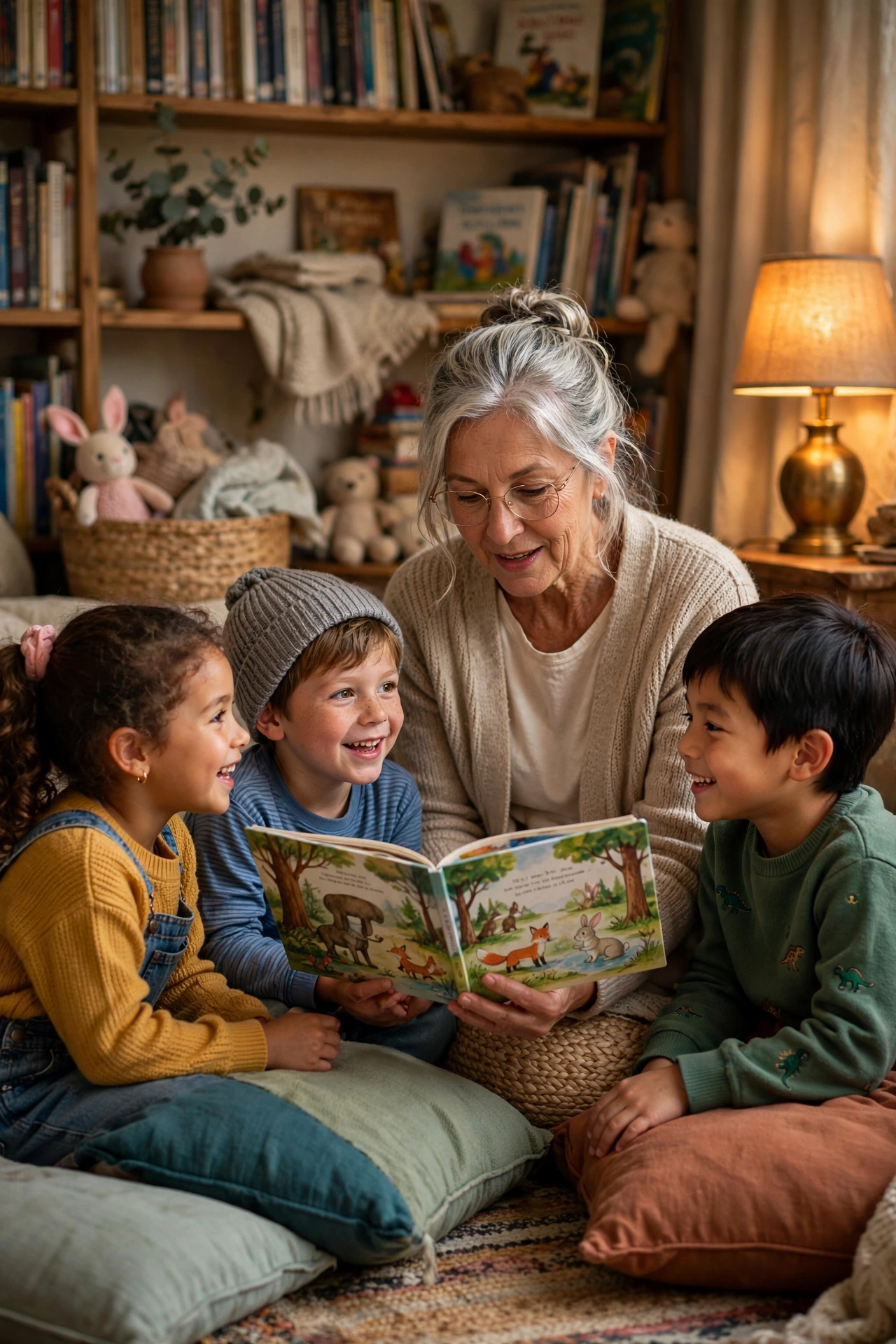
Library story hours and literacy programs are always short of volunteers, and they surround you with warm, community-minded people — fellow volunteers, parents, grandparents, and the librarians who run the friendliest rooms in town. You will be amazed how quickly you become “one of the regulars.”
Try this: Ask about storytime help or adult literacy tutoring; both need warm voices, not teaching degrees.
Make it yours: Prefer grown-ups? Many libraries run conversation circles for new English speakers. Budget tip: Entirely free, and you will never be short of book recommendations again.
9. 🎶 Join a community choir
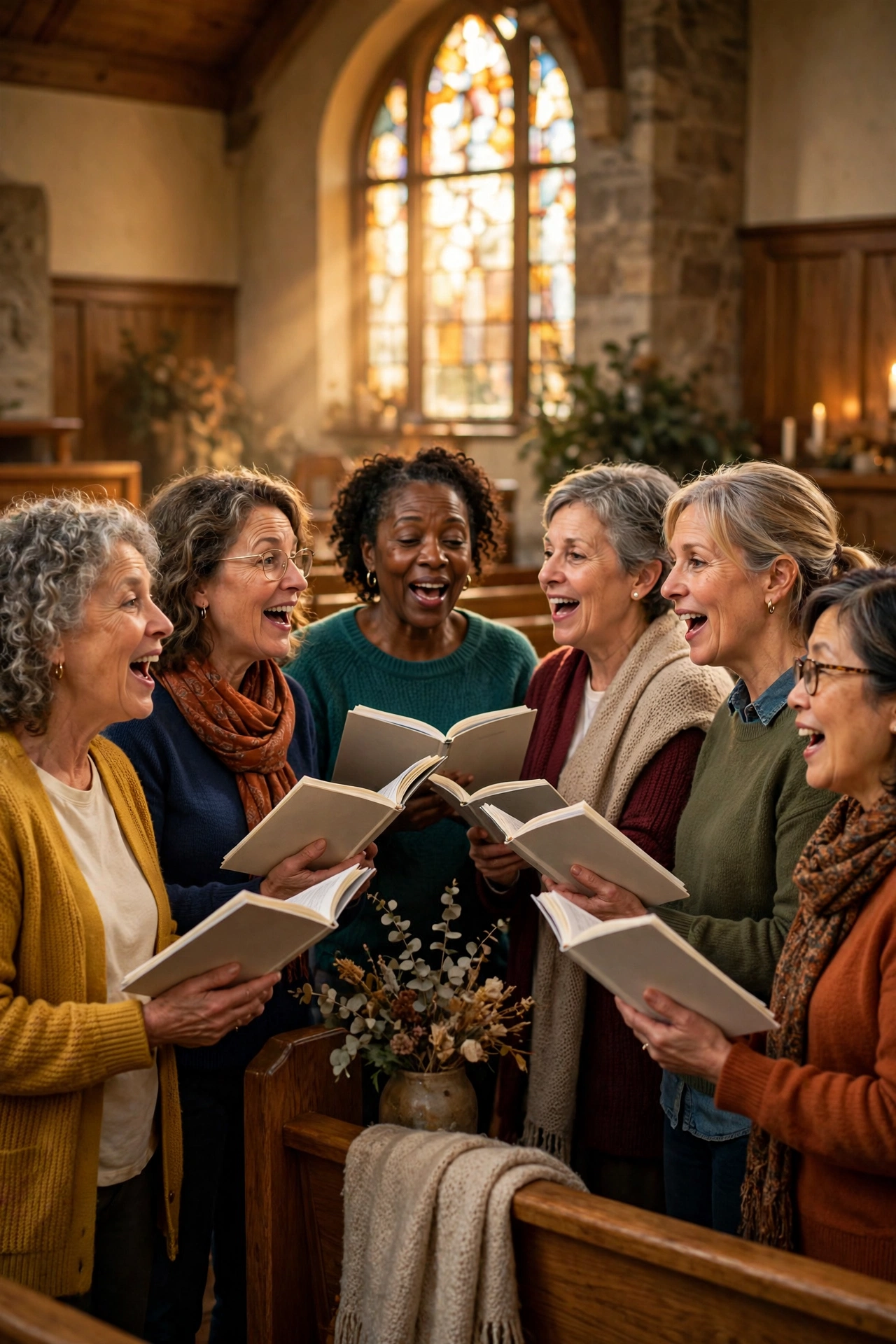
You do not need a good voice — community choirs need warm bodies and willing hearts. Singing together creates a feeling of belonging faster than almost any other group activity, and the rehearsal schedule gives your week a joyful, people-filled anchor.
Try this: Look for “no audition” choirs; they exist in almost every town and they mean it.
Make it yours: Church choirs, senior choruses, barbershop groups — all wonderfully welcoming. Avoid: Letting “I can’t sing” stop you; the altos in the back row will take care of you.
10. 🥗 Host a simple potluck dinner

You do not need a spotless house or cooking skills to host — a potluck means everyone brings a dish and you provide the table. Gathering people in your own home, even casually, deepens friendships in a way that meeting out never quite does.
Try this: Invite four people for “soup and bread night” — you make the soup, they bring the rest. Low effort, high warmth.
Make it yours: Keep it to two hours if hosting tires you; short and sweet beats long and draining. Budget tip: Potlucks split the cost naturally — nobody expects a feast.
11. 🚶 Join a local walking group

Walking side by side is the easiest conversation format ever invented — no eye contact required, pauses feel natural, and the scenery does half the talking. Rambling clubs, park walking groups, and “stroller-free” morning walks are full of women in exactly your season of life.
Try this: Start with the shortest, slowest advertised walk. You can always level up; arriving exhausted helps no one.
Make it yours: Many groups end at a café — the post-walk coffee is where the real friendships brew. Budget tip: Walking is gloriously free.
12. 🧵 Find a knitting or craft circle
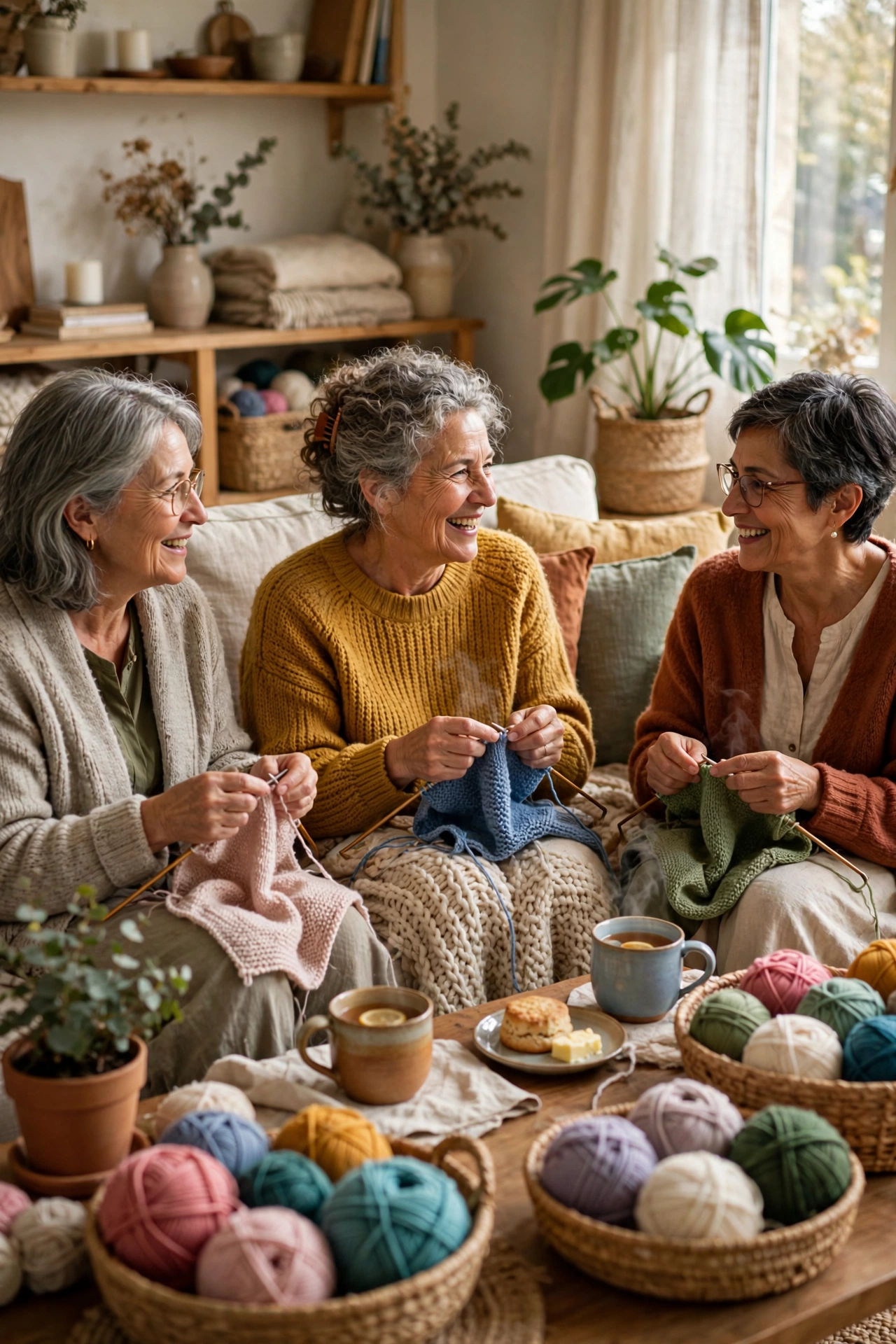
Craft circles are the coziest social scene in retirement: hands busy, conversation flowing, zero pressure to perform. Yarn shops, churches, and community centers host them weekly, and they are famously welcoming to total beginners who just want company.

Try this: Bring simple supplies and honest beginner status — crafters LOVE teaching newcomers.
Make it yours: Quilting bees, embroidery groups, and “stitch and chat” mornings all work the same magic. Avoid: Buying expensive gear first; borrow or start small until you know you love it.
13. 💻 Take a tech class to video-call with confidence

Grandchildren, old friends across the country, siblings you miss — video calls shrink every distance, but only if the tech does not intimidate you. Senior tech classes at libraries are social events in themselves, full of fellow learners who will happily swap numbers and practice together.
Try this: Enroll with one specific goal: “I want to video-call my granddaughter.” Focused goals stick.
Make it yours: Bring your own phone or tablet so you learn on the device you actually use. Budget tip: Library and senior-center classes are usually free.
14. 🏫 Mentor a child through a school volunteer program

Reading mentors, classroom helpers, and lunch-buddy programs pair you with children who genuinely look forward to seeing you — and with fellow volunteers who share your values. It is social connection with purpose, and the weekly commitment keeps you anchored to people.
Try this: Call your nearest elementary school and ask about volunteer reading programs; most have a simple sign-up.
Make it yours: An hour a week is enough to matter — to the child and to your social life. Avoid: Programs demanding daily commitment until you know the rhythm suits you.
Be the inviter, not the waiter. Most retirees sit at home hoping someone will call — while the other retirees are doing the exact same thing. The woman who suggests the coffee, starts the walking pair, or hosts the first potluck becomes the social center of her circle within months. Inviting feels vulnerable exactly once; after that, it feels like power.
15. 🎭 Try community theatre — on stage or behind it
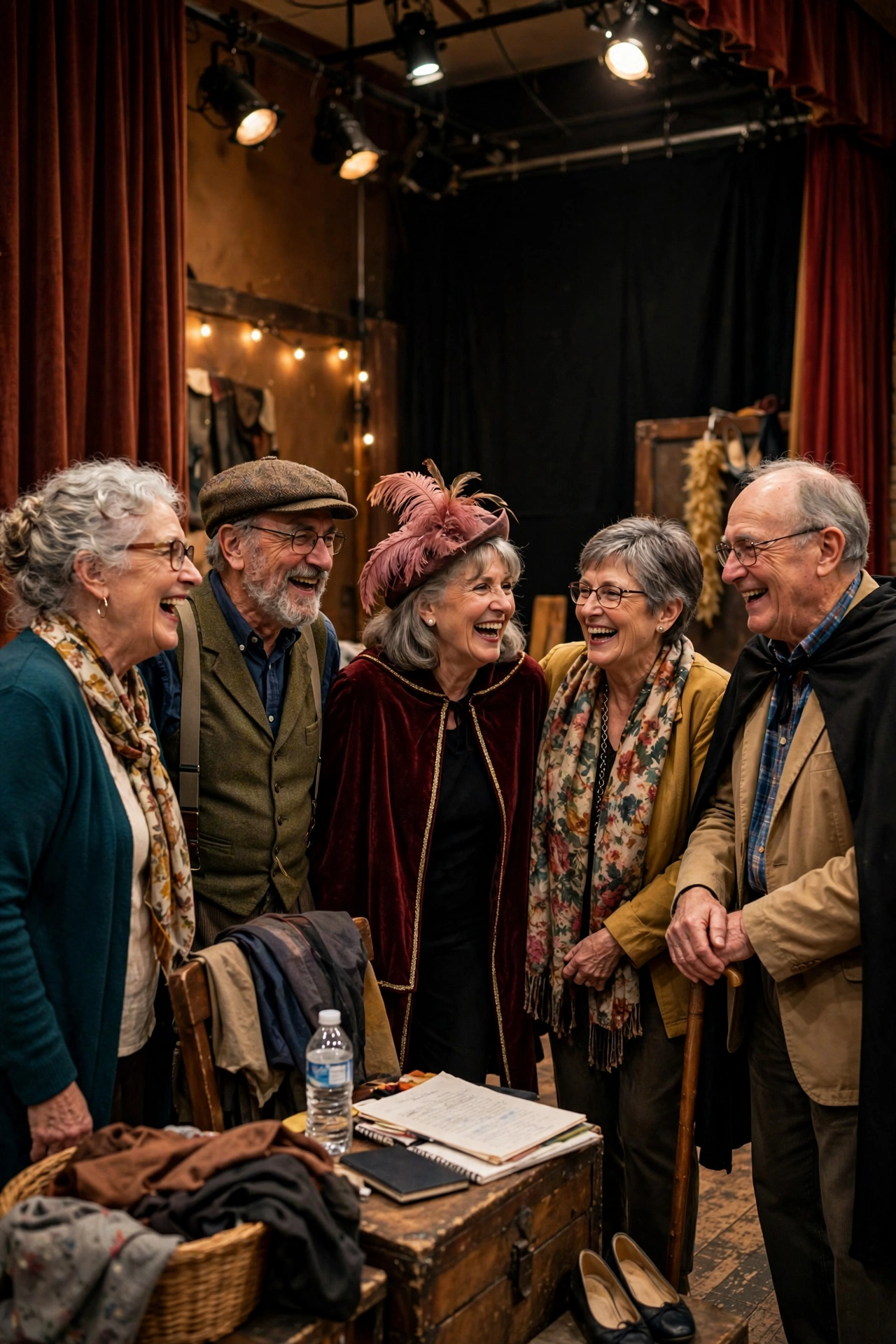
Community theatre companies are always desperate for ushers, set painters, costume helpers, and yes, actors. Rehearsal schedules create intense, joyful togetherness — theatre people bond fast — and there is a job for every energy level and every comfort zone.
Try this: Volunteer to usher for one production. You will meet the whole company without a single audition.
Make it yours: Backstage crew often forms the tightest friendships of all. Avoid: Nothing — theatre folks welcome every age and every skill level with open arms.
16. 🎾 Join a pickleball or bowls league

Pickleball has become the unofficial social sport of retirement for a reason: easy to learn, gentle on joints, and played in cheerful, chatty groups. Lawn bowls, croquet, and senior tennis leagues offer the same friendly formula — regular games, regular people, regular laughs.
Try this: Show up to a beginner open-play session; regulars expect newcomers and will fold you into a game.
Make it yours: Borrow equipment the first few times — every club has spare paddles. Budget tip: Many rec centers run free or low-cost senior open-play hours.
17. 💌 Revive one old friendship with a handwritten note

Somewhere there is a friend you lost to busy decades — a college roommate, a former colleague, a cousin you adored. A handwritten note saying “I’ve been thinking of you” lands like nothing else in the age of the group text, and rekindled friendships often become the deepest ones.
Try this: Write to exactly one person this week. Keep it short, warm, and specific — mention a memory only you two share.
Make it yours: No address? A thoughtful message on social media works too — the thoughtfulness is what counts. Avoid: Mass “catch-up” texts to ten people; one genuine reconnection beats ten shallow ones.
18. 🍳 Take a cooking class at the rec center

Cooking classes mix learning, laughter, and eating together — three of life’s great social glues in one evening. You will chop beside the same people for weeks, taste each other’s creations, and leave every session with both new recipes and new phone numbers.
Try this: Pick a cuisine you have always been curious about; shared curiosity is an instant conversation starter.
Make it yours: Ethnic cooking series tend to attract the most adventurous, friendly crowds. Budget tip: Community-center classes cost a fraction of private cooking schools.
19. 🌅 Join a sunrise walking or bird-watching group

There is something quietly magical about greeting the day with other people. Dawn walking groups and bird-watching clubs attract gentle, observant souls, and the shared wonder of a sunrise or a rare sighting creates bonds without anyone having to be witty.
Try this: Check local nature centers and Audubon chapters for beginner-friendly morning walks.
Make it yours: You do not need fancy binoculars to start — borrowed pairs and curious eyes are plenty. Avoid: Serious twitcher groups at first; look for “casual” or “beginner” in the description.
20. 🏛️ Volunteer as a museum or garden tour guide

Museums, historic homes, and botanical gardens train volunteers as docents — and the training itself is a weeks-long social experience with fascinating people. Then you get a regular shift, a name badge, and a steady stream of visitors to chat with. Purpose and people, all in one.
Try this: Choose the place you already love visiting; enthusiasm makes training joyful instead of homework.
Make it yours: Gift shops and welcome desks need volunteers too, if guiding feels like too much stage. Budget tip: Docents usually get free admission and guest passes — lovely for family visits.
21. 💛 Say yes to one invitation a month

The simplest idea on this list, and quietly the most powerful: say yes to one invitation every month that you would normally decline. The neighbor’s barbecue, the church fundraiser, your cousin’s “small gathering.” Social lives are built one accepted invitation at a time.
Try this: When the next invitation comes, pause before the automatic “maybe” — and say yes first, figure out logistics later.
Make it yours: Give yourself full permission to leave early; knowing you can go makes going so much easier. Avoid: Saying yes to everything and burning out — one a month is the sweet spot.
Building a social life after retirement is not a race, and there is no scoreboard. Some weeks you will feel brave and join two new things; other weeks, canceling plans and reading quietly is exactly right. Both are fine. Loneliness lied to you if it said you are “bad at this” — you are simply beginning. Go at the pace of your own heart, and let every small yes count.
❓ Social Life After Retirement FAQs
Is it normal to feel lonely after retirement, even with a partner or family?
Completely normal — and very common. A partner or family gives you love, but work gave you variety: dozens of casual interactions, shared jokes, and people who noticed your absence. Missing that daily social texture does not mean anything is wrong with your home life; it means you are human, and building new social rhythms is a healthy response.
I feel awkward meeting new people at my age. How do I get past that?
Start where conversation comes with training wheels: activity-based groups like classes, walking clubs, or volunteering. When everyone is focused on a shared task, nobody is performing small talk — friendships form sideways, through doing things together. And remember, nearly every other newcomer feels exactly as awkward as you do.
How long does it take to make real friends after retirement?
Honest answer: deeper friendships usually take several months of regular contact, not a single great conversation. That is why recurring activities — the weekly class, the monthly club — matter so much more than one-off events. Give any new group at least six to eight visits before deciding it is not for you; the first two are always the hardest.
What if I try a group and nobody talks to me?
It happens, and it stings — but it is rarely about you. Established groups can be unintentionally cliquey, and one quiet visit proves nothing. Try arriving a few minutes early next time (early arrivers always chat), sit near someone friendly-looking, and ask one simple question. If a group still feels cold after three visits, bless it and try the next one — warmth is out there.
I am an introvert. Can I still build a social life after retirement?
Absolutely — many thriving retirees are introverts. The trick is choosing your kind of social: small groups over crowds, one-on-one coffee dates over parties, activity-based meetups over mingling. You do not need a big circle; a handful of genuine connections and one or two regular commitments can make a week feel wonderfully full.
🌅 Your Next Chapter Is Full of People You Haven’t Met Yet
Here is what no one tells you about being more social after retirement: it does not require becoming someone else. You do not need to be the life of the party, the joiner of everything, or the woman with the busiest calendar on the block. You just need a few regular places where your face becomes familiar — where someone notices when you are there, and notices when you are not.
Start with one idea from this list. Just one. The coffee date, the walking group, the handwritten note to an old friend. Small yeses have a way of compounding into a life that feels warm and connected again. The people are out there, wondering the same things you are — go and find each other.
📖 Keep Reading
- 🌈 How to Avoid Boredom in Retirement: 20 Ideas That Work — Fill your newly social calendar with activities you will genuinely look forward to.
- 💛 21 Gentle Ways to Handle a Fading Friendship After 60 Without Guilt — For the friendships that need mending as you build new ones.
- 📅 Weekly Schedule for Retirees: 21 Ideas for Balance and Purpose — Turn your new social plans into a weekly rhythm that actually sticks.
Discover more from Fashinate Style
Subscribe to get the latest posts sent to your email.