
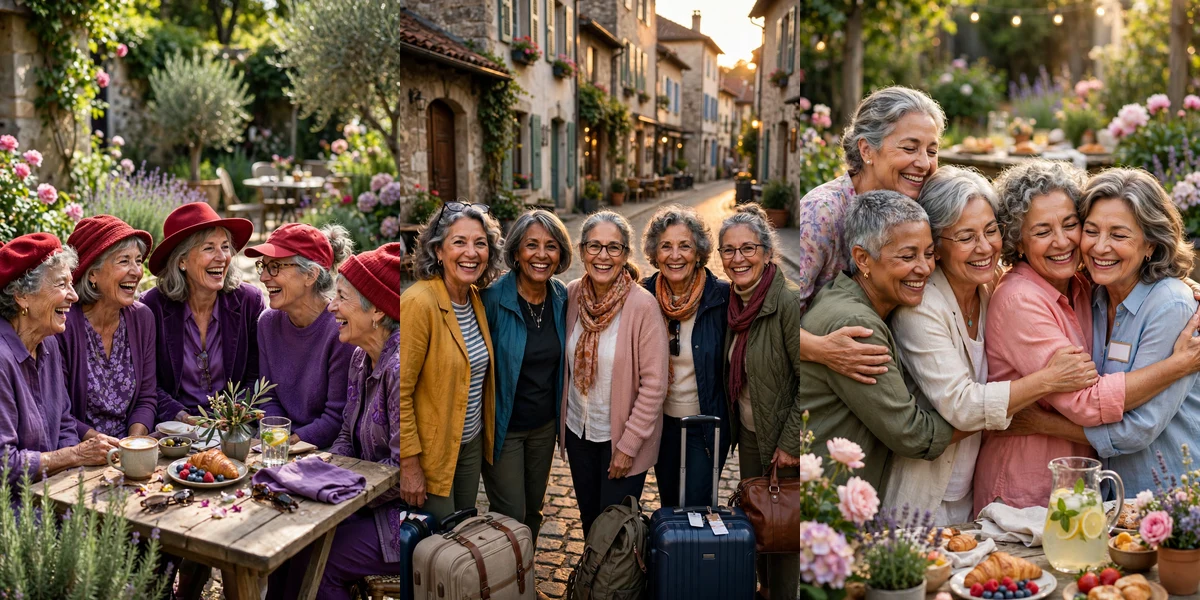
The Tuesday after I cleared out my office desk, I sat at the kitchen table with my second cup of coffee and felt the silence press in like a weight on my chest. Twenty-eight years of morning hellos, birthday cakes in the break room, and colleagues who knew exactly how I took my coffee — gone in a single retirement party. Nobody warns you about that part.
If your weekdays suddenly feel quieter than you expected, you are not being dramatic. A whole social world disappeared overnight, and rebuilding one at 60 takes a different kind of courage. But here is what I learned, slowly, from other women who had walked the same road: friendship after 60 rarely arrives through grand gestures. It grows inside ordinary clubs and groups — one Tuesday, one shared table, one “come sit with us” at a time.
These 20 clubs and groups for women over 60 are the warmest places I know to let that happen. None of them expect you to be outgoing, sporty, or interesting. You only have to show up.
💭 Why This Feels Hard
After decades of work friendships that ran on autopilot, walking into a room of strangers can feel impossibly awkward. You might worry everyone already knows each other, that you are “too new” or “not fit enough” or simply too tired to make the effort. That fear is completely normal — most of the women sitting in those meetings felt exactly the same way on their first day.
The secret the regulars know: the first visit is the hardest one. After that, it stops being a room of strangers and starts being your Tuesday.
1. 👒 The Red Hat Society
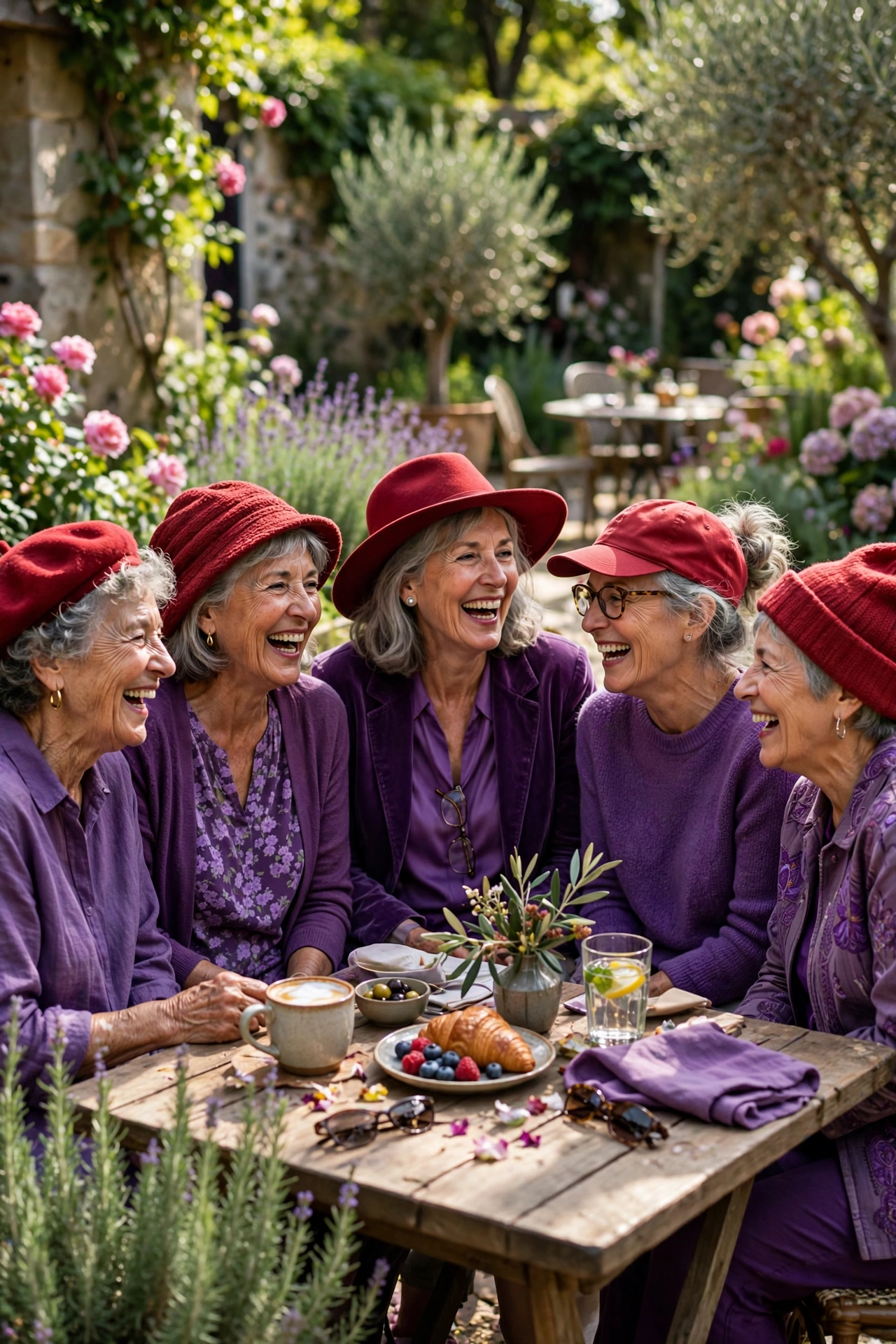
If you love the idea of instant sisterhood, the Red Hat Society is the classic for a reason. It is a national women’s social club built purely around friendship, with local chapters that meet for teas, lunches, outings, and a healthy dose of laughter — all in their signature red hats and purple outfits.
Try this: Search for a Red Hat Society chapter near your zip code and ask to attend one event as a guest before you commit.
Make it yours: Chapters vary wildly — some are dress-up divas, others are hiking-boot casual — so visit two before you choose.
Budget tip: Most chapters cost very little beyond dues; you spend only on the outings you choose.
2. 🚶♀️ A Neighborhood Walking Club
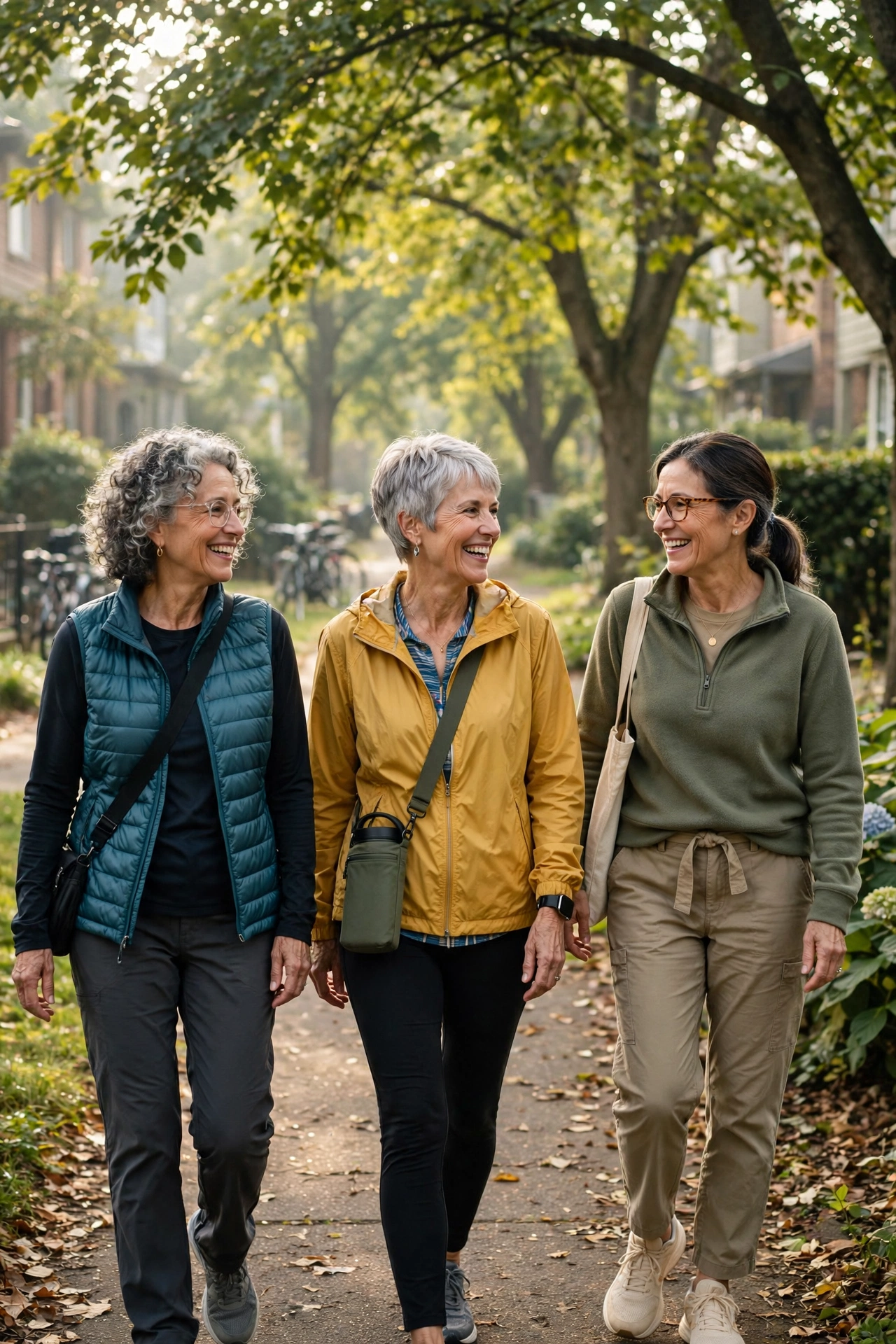
Walking clubs are the friendship shortcut nobody talks about. There is no awkward sitting-around-making-small-talk; conversation unfolds naturally, step by step, and you can always focus on the scenery when you need a breather.
Try this: Check your local library, community center, or Meetup page — most towns have a free weekly group walk.
Make it yours: Start with a “beginner pace” group and move up only if you want to; the social groups are usually the slowest ones.
Budget tip: A good pair of walking shoes is the only equipment you need.
3. 📚 A Bookstore Book Club

Unlike library clubs that fill fast, independent bookstores often run evening book clubs with a cozy, living-room feel. You get the same deep conversations over novels, plus the bookshop atmosphere that makes every meeting feel like a treat.
Try this: Ask at your local bookstore which clubs welcome newcomers — many let you try one session free.
Make it yours: If the assigned book never appeals, join a “bring your own” style club where everyone reads something different.
Avoid: Clubs that assign 400-page literary tomes every month unless that is genuinely your joy.
4. 🌱 A Community Garden Club
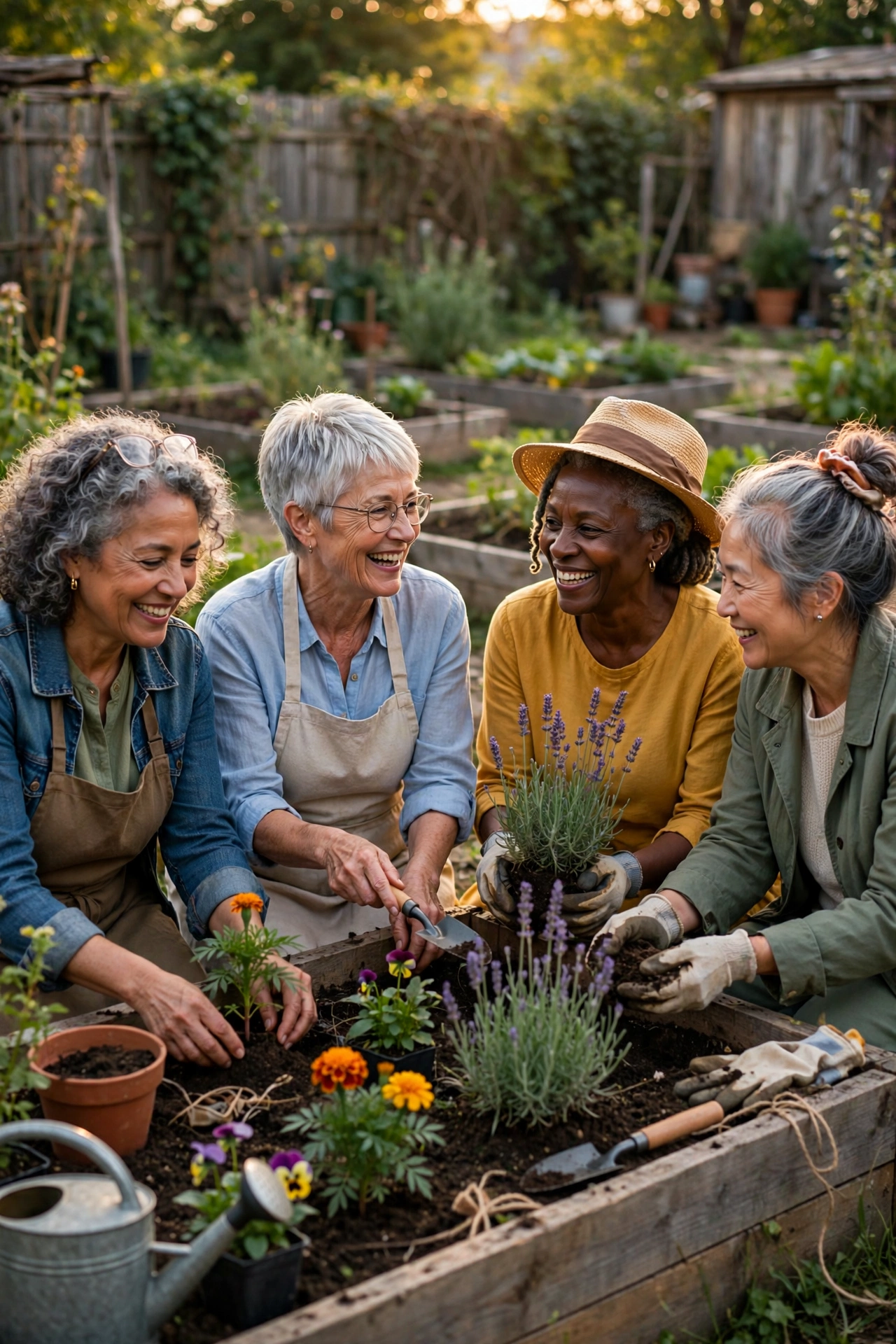
There is something about digging in the dirt together that dissolves shyness. Garden clubs give you a shared project, a regular schedule, and the easiest conversation starters in the world — your tomatoes are always doing something worth talking about.
Try this: Ask your city parks department about community garden plots; many clubs reserve beds specifically for beginners.
Make it yours: Choose a plot near other friendly faces rather than the prettiest corner of the garden.
Budget tip: A yearly plot fee is usually tiny, and seeds cost less than a single takeaway lunch.
5. 🏊 A Water-Aerobics Class Group

If your knees object to land exercise, the pool is your social salvation. Water-aerobics groups at local pools and YMCAs are overwhelmingly women over 60, the atmosphere is joyful rather than competitive, and regulars notice when you miss a class — in the best way.
Try this: Sign up for a beginner class and sit poolside for coffee with the group afterward.
Make it yours: Many pools let you stay in the shallow end forever; nobody minds.
Budget tip: Look for senior discounts on class packs — they are almost always available if you ask.
6. 🎾 A Beginner Pickleball League

Pickleball is the rare sport where being a total beginner at 65 is completely normal. Beginner leagues are social by design — you rotate partners, cheer each other on, and most games end with a group gathering at the café nearby.
Try this: Many recreation centers run free “learn to play” clinics with paddles provided.
Make it yours: Recreational leagues are the friendly ones; skip the competitive ladders unless you love them.
Avoid: Buying an expensive paddle before your first lesson — borrowed ones work fine.
7. 🐾 An Animal-Shelter Volunteer Group
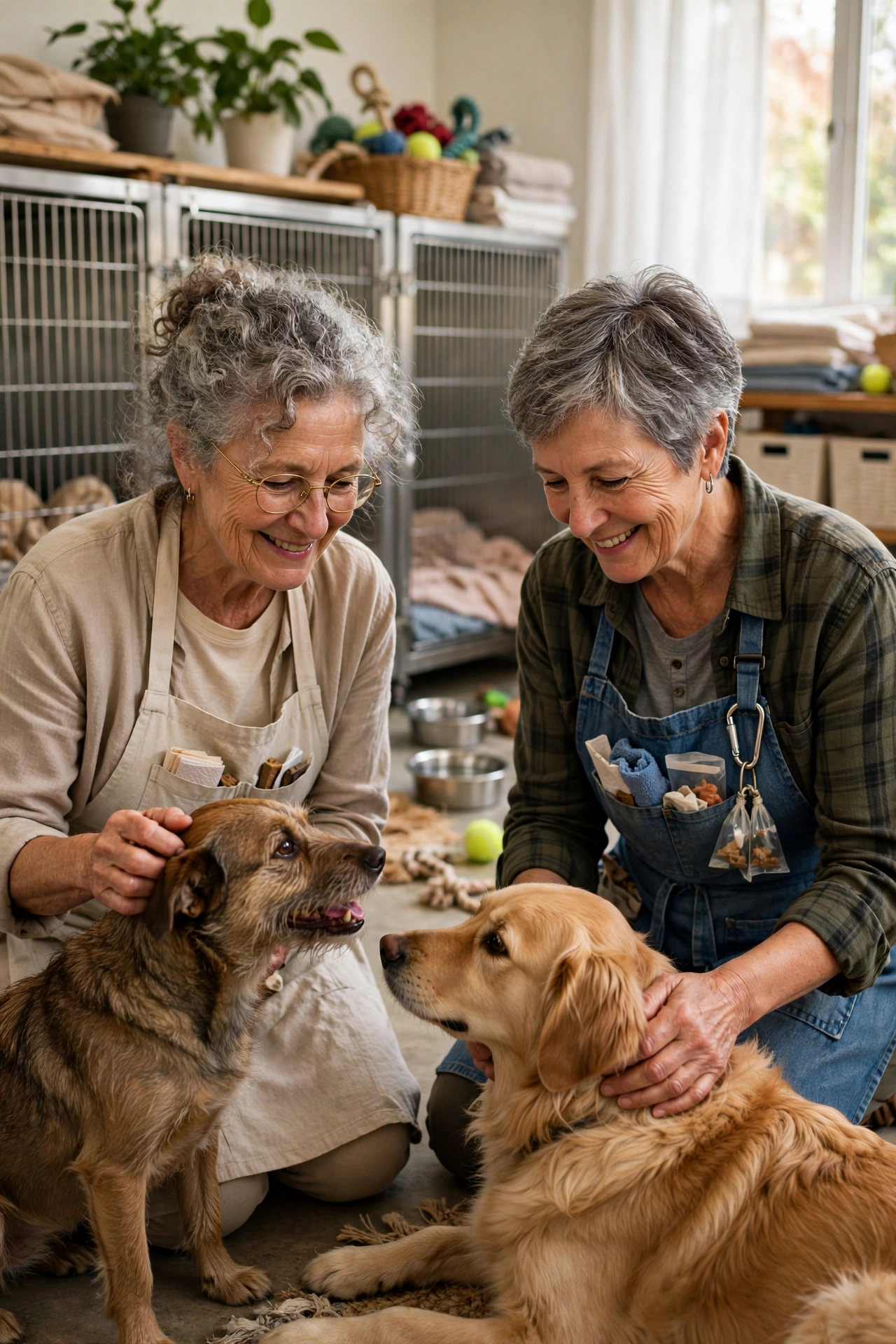
Shared compassion bonds people faster than almost anything. Shelter volunteer teams — dog walkers, cat cuddlers, foster greeters — work shoulder to shoulder week after week, and the animals give you an endless supply of easy conversation.
Try this: Commit to one two-hour shift a week; the same faces show up on the same days.
Make it yours: If the kennels are too loud for you, ask about office, laundry, or social-media volunteer roles.
Avoid: Taking on foster animals before you are sure your schedule can handle it.
8. 🎶 A Community Choir
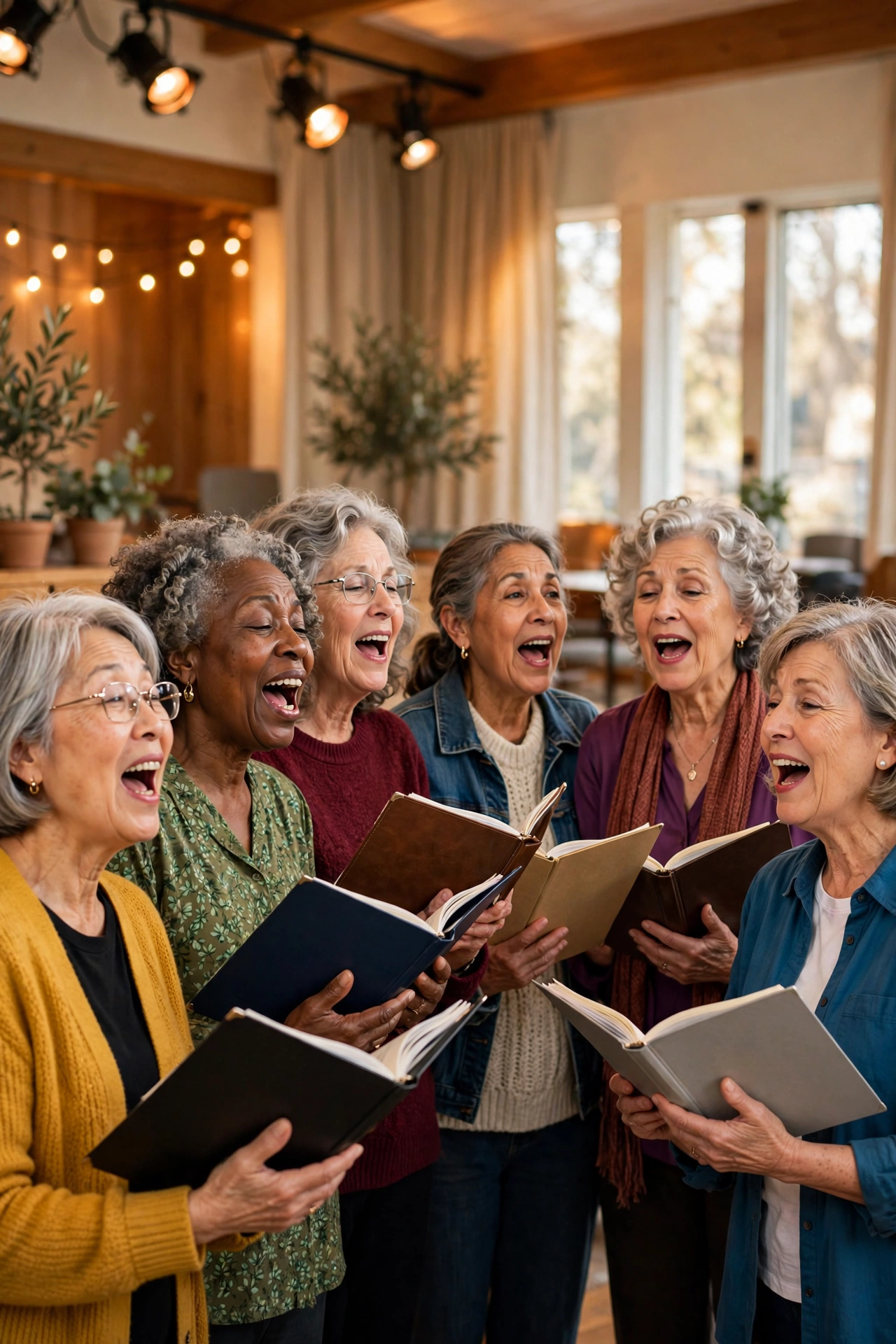
Singing together does something magical to a group of strangers. Community choirs for older adults almost never require auditions, rehearsals are gloriously social, and concerts give you a shared goal that turns seatmates into real friends.
Try this: Look for “no audition” choirs at churches, community centers, and lifelong-learning programs.
Make it yours: Alto sections are famously the friendliest — and the least likely to be heard on solos.
Budget tip: Most community choirs charge only a small term fee for sheet music.
9. 🧵 A Quilting or Stitching Circle
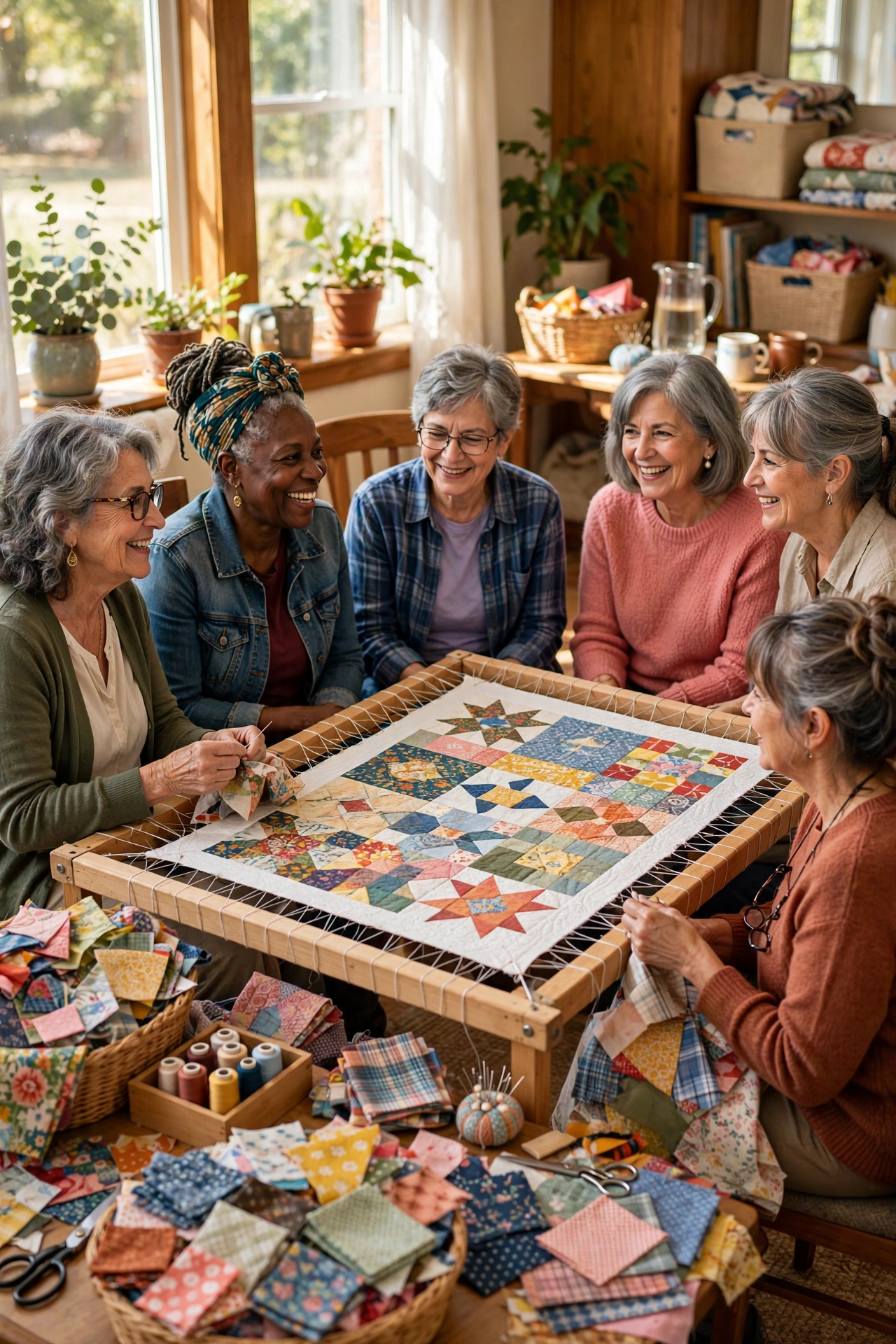
Fabric stores and community centers host weekly stitch circles where the needles do the talking for you. There is a rhythm to working side by side that makes conversation easy and comfortable — silence never feels awkward when your hands are busy.
Try this: Bring one small hand project to a “stitch and chat” session at your local quilt shop.
Make it yours: Charity quilting groups are wonderfully welcoming and give your hours a purpose beyond the social hour.
Budget tip: Start with simple squares and scraps rather than investing in a full quilting setup.
10. 🍲 A Monthly Supper Club
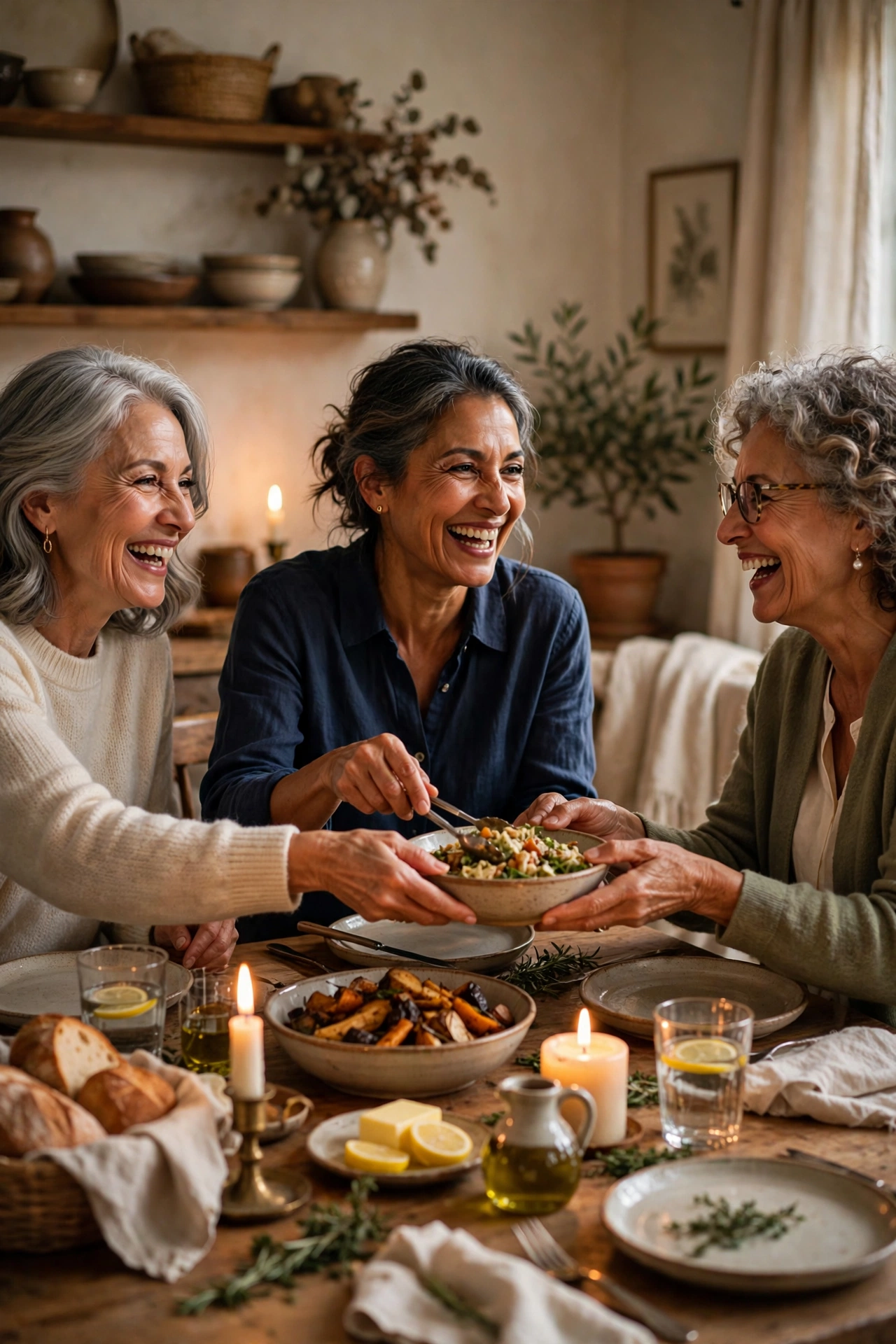
A supper club is simply six to eight women who take turns cooking dinner for each other once a month. It is intimate without being intense — you see the same small group regularly, and good food smooths over any early awkwardness.
Try this: Invite two friends and ask each to bring one friend; you have a club.
Make it yours: Set a simple rule from the start — potluck-style or host-cooks — so nobody feels pressure.
Budget tip: A “soup and bread” night is just as lovely as a three-course dinner and costs a fraction.
If a club’s first meeting feels lukewarm, go three times before you judge it. Most women say the friendships started around visit three — after the newness wore off and real conversations began.
11. 🍷 A Wine-Tasting Circle
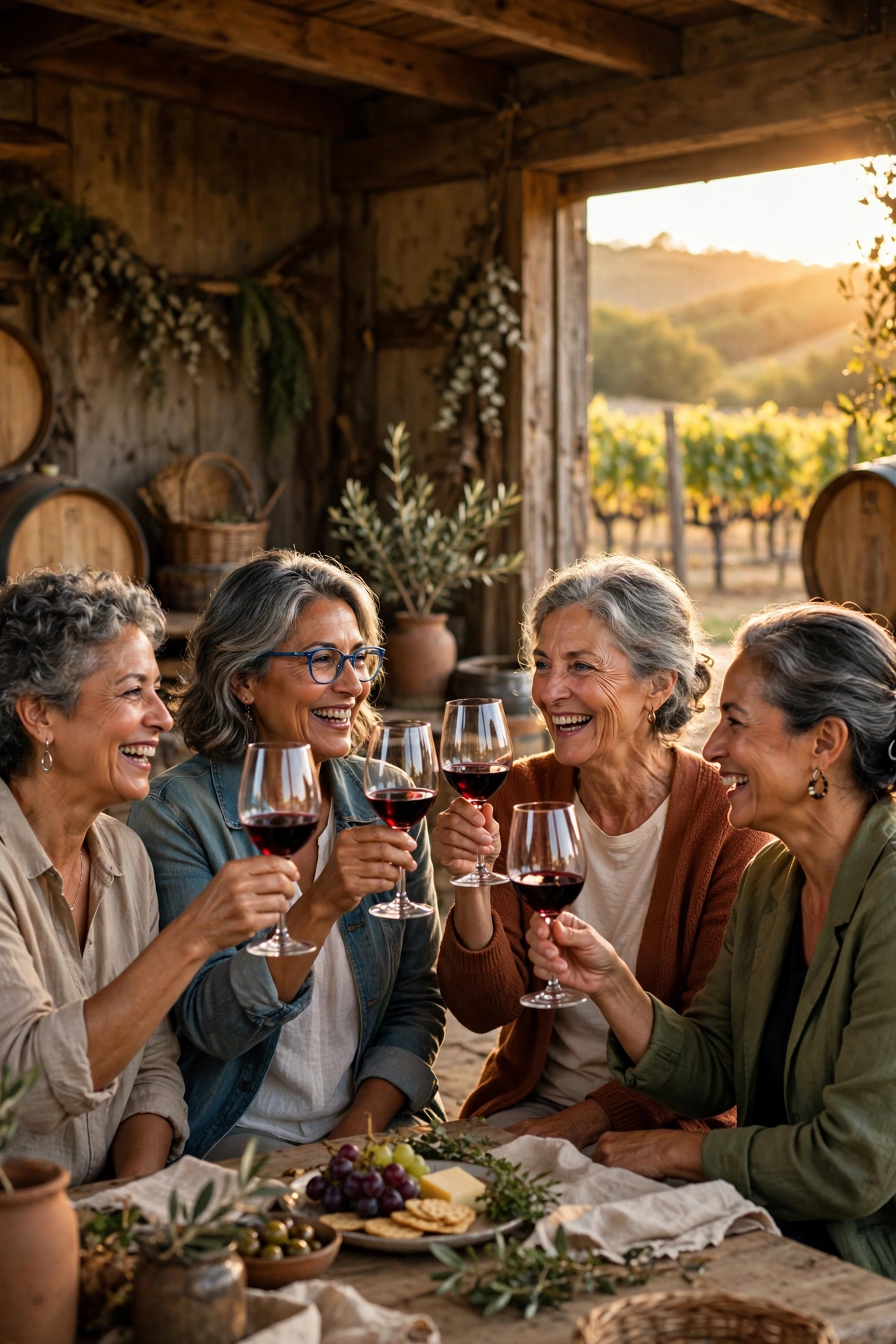
Wine-tasting groups for women over 60 are more about the evening than the oenology. Most circles meet monthly at someone’s home or a local wine bar, taste three or four bottles, and spend far more time talking than sipping.
Try this: Search “wine club for women” plus your town, or ask your favorite wine shop about tasting groups.

Make it yours: Non-drinkers are welcome at most circles — many members happily sip sparkling water.
Budget tip: Split-bottle clubs keep costs low because everyone contributes one bottle to share.
12. 🦉 A Bird-Watching Group

Birding groups are famous for their gentle pace and their instant experts who love teaching newcomers. Dawn walks with binoculars and a flask of coffee attract kind, curious women — and spotting something together feels like a shared little victory every time.
Try this: Join your local Audubon chapter’s beginner walk; loaner binoculars are usually available.
Make it yours: The social coffee after the walk matters as much as the walk itself.
Budget tip: A basic pair of binoculars is enough for years; you do not need the expensive ones.
13. 🏛️ A Museum Friends Group

Museums run “friends” programs with docent-led tours, exhibition previews, and day trips that attract culture-loving women who enjoy good conversation. You will always have something to talk about — the art does the heavy lifting.
Try this: Buy a modest museum membership and attend every members’ event for the first three months.
Make it yours: Volunteer as a gallery guide trainee and you will meet the warmest crowd in the building.
Budget tip: Senior memberships are usually discounted, and many museums have free senior days.
14. 📸 A Photography Club

Camera clubs are wonderfully multi-generational, but the weekday-morning photo walks are full of women in their 60s. You learn a little, you laugh a lot, and reviewing each other’s shots over coffee becomes a weekly ritual you will not want to miss.
Try this: Join a “photo walk” outing — they are casual, free, and designed for mingling.
Make it yours: Phone cameras are completely welcome at most clubs today; nobody will judge your gear.
Avoid: Clubs that are really equipment-competitions in disguise; look for the social ones.
15. 💃 A Line-Dancing Group
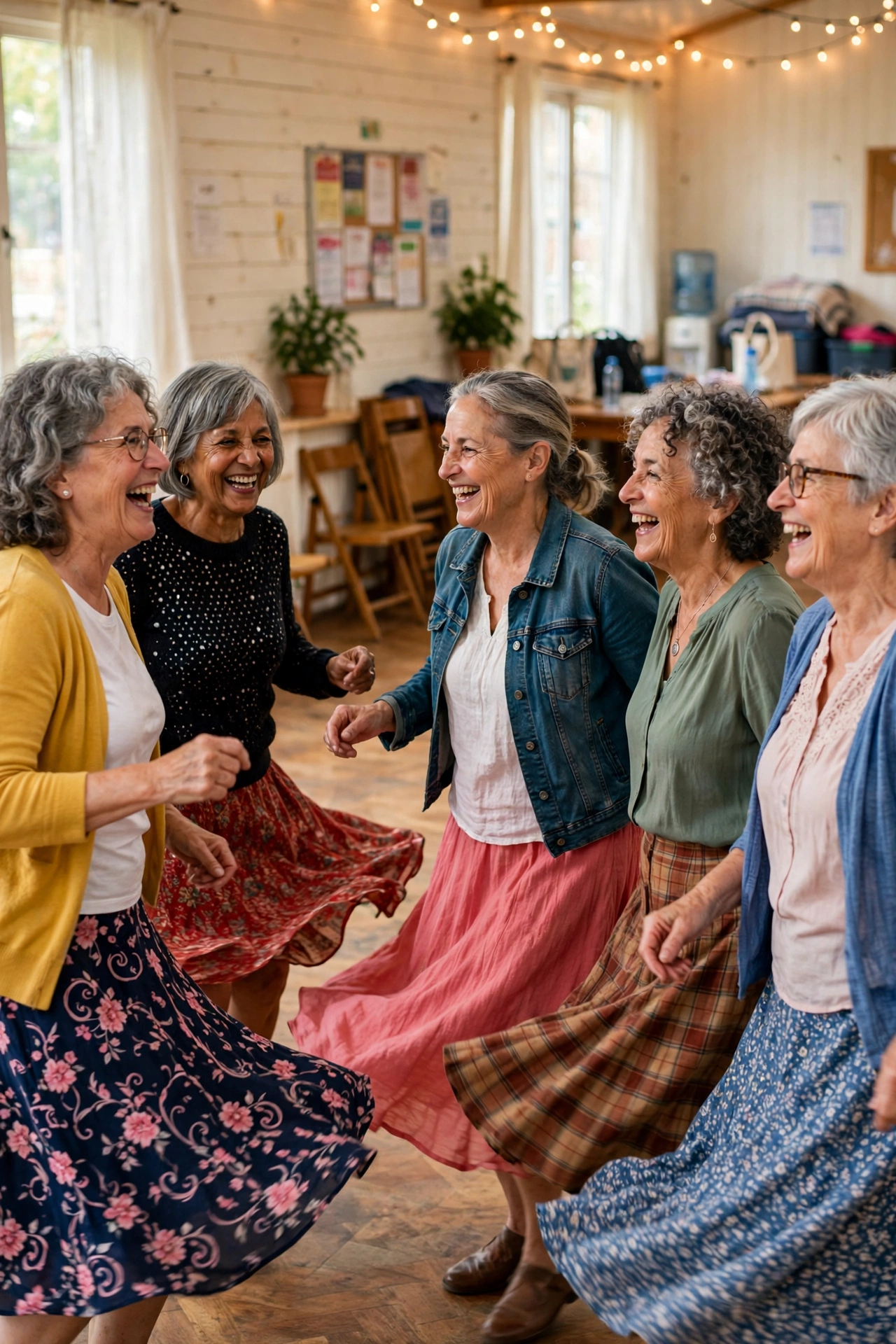
Line dancing is the perfect club for anyone who thinks “I have two left feet.” No partner needed, steps repeat in a friendly pattern, and the laughter when everyone turns the wrong way is half the fun.
Try this: Go to a beginner-only evening — the group will be full of fellow first-timers.
Make it yours: The women who sit out one dance and chat at the tables are often where the friendships form.
Budget tip: Community-hall dances usually cost just a few dollars at the door.
16. ✈️ A Women’s Travel Club
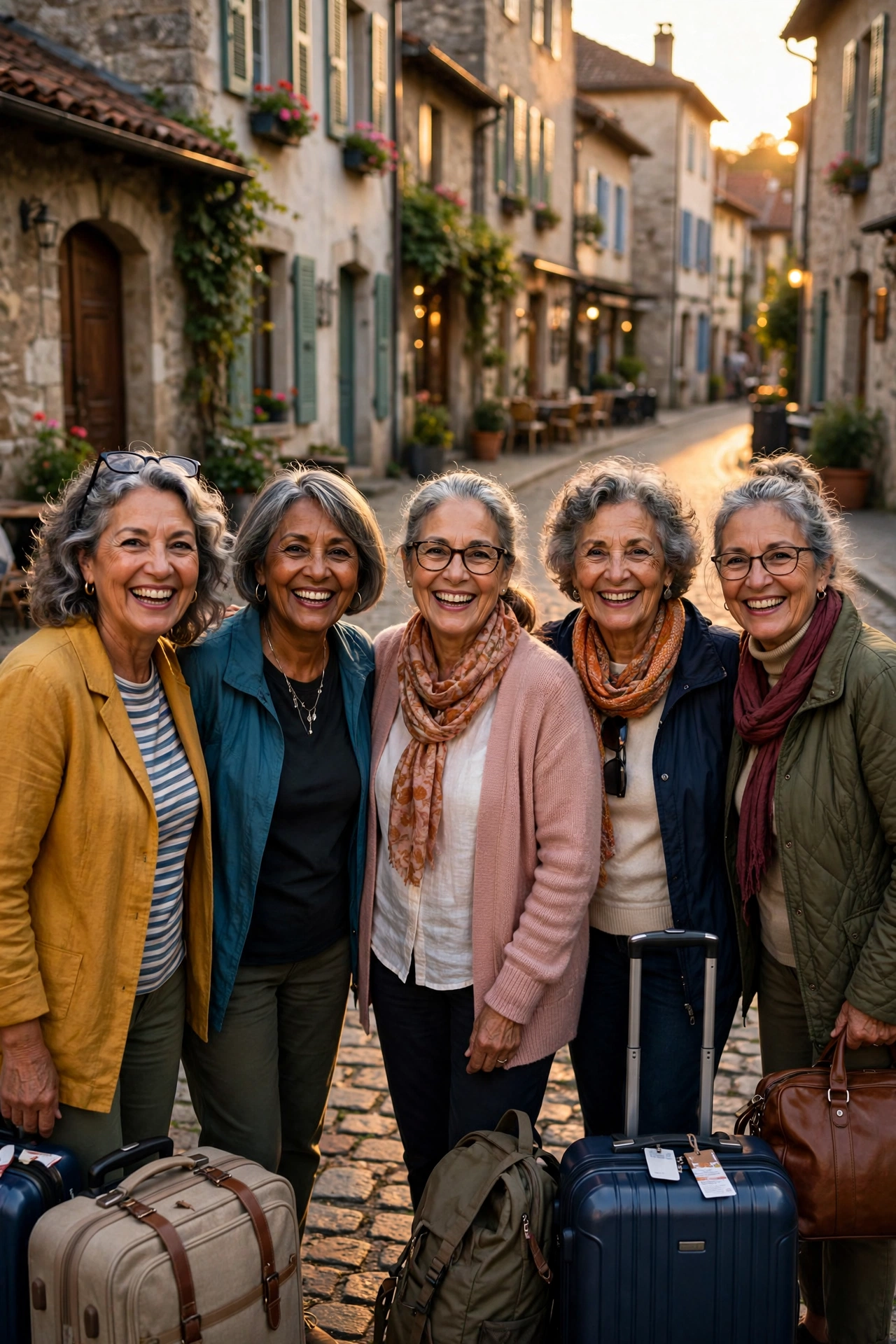
Travel clubs organize group trips with built-in roommate matching, so you never have to pay the dreaded single supplement or travel alone. A week together on a river cruise or countryside tour compresses months of friendship-building into days.
Try this: Book a short weekend trip first to see if the group’s pace suits you.
Make it yours: Day-trip and local-excursion clubs are the low-commitment way to test the waters.
Budget tip: Look for clubs that waive the single supplement — increasingly common for women’s groups.
17. 💻 An Online Friendship Community

When mobility, distance, or a new town makes in-person clubs hard, online women’s communities fill the gap beautifully. Groups on platforms like Meetup and women-focused online clubs host video coffee chats, book discussions, and hobby sessions from your own living room.
Try this: Join one online group and attend a live video meetup within the first week.
Make it yours: Turn on your camera — you will be remembered far faster than a silent profile.
Budget tip: Most online friendship communities are free or cost less than a magazine subscription.
18. 🕊️ A Faith or Service Circle

Whether through a church, temple, mosque, or secular service organization, faith-and-service circles combine purpose with companionship. Packing food boxes or organizing fundraisers together builds the kind of trust that turns volunteers into lifelong friends.
Try this: Ask about a “welcome team” or new-member service project — the friendliest people volunteer for those.
Make it yours: The committee you serve on matters less than the people you serve beside.
Avoid: Overcommitting to leadership roles before you have found your people.
19. 🀄 A Mahjong and Cards Club
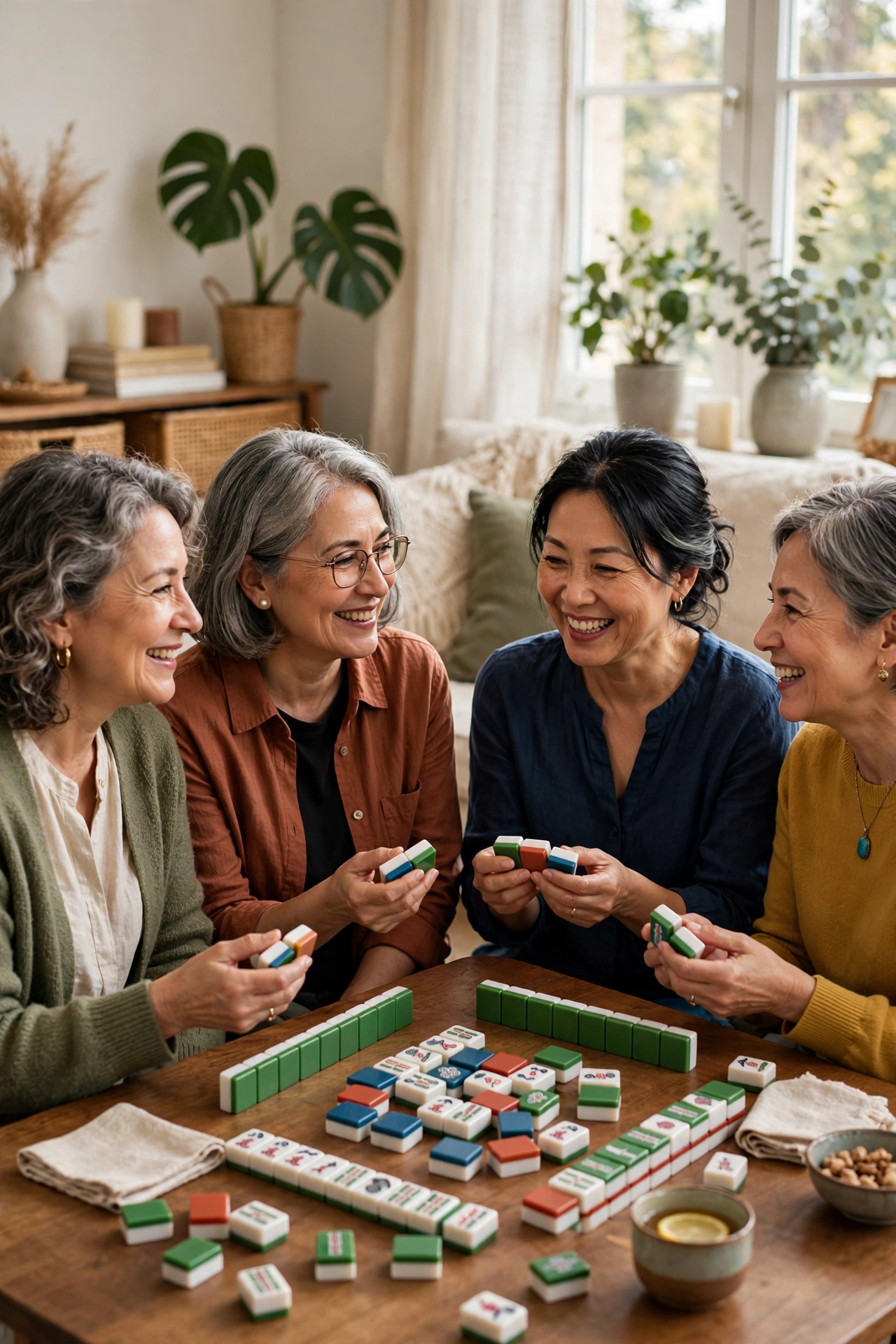
Weekly mahjong and card tables are a beloved institution among women over 60. The games give everyone a reason to show up regularly, the rules give shy newcomers something to focus on, and the table talk — oh, the table talk.
Try this: Ask community centers and senior centers for beginner tables; many teach free lessons.
Make it yours: Bridge, canasta, and rummy clubs work exactly the same way — pick the game you already half-know.
Budget tip: A cheap card table and one set of tiles are all a home club needs.
20. 🎉 A “New in Town” Welcome Group
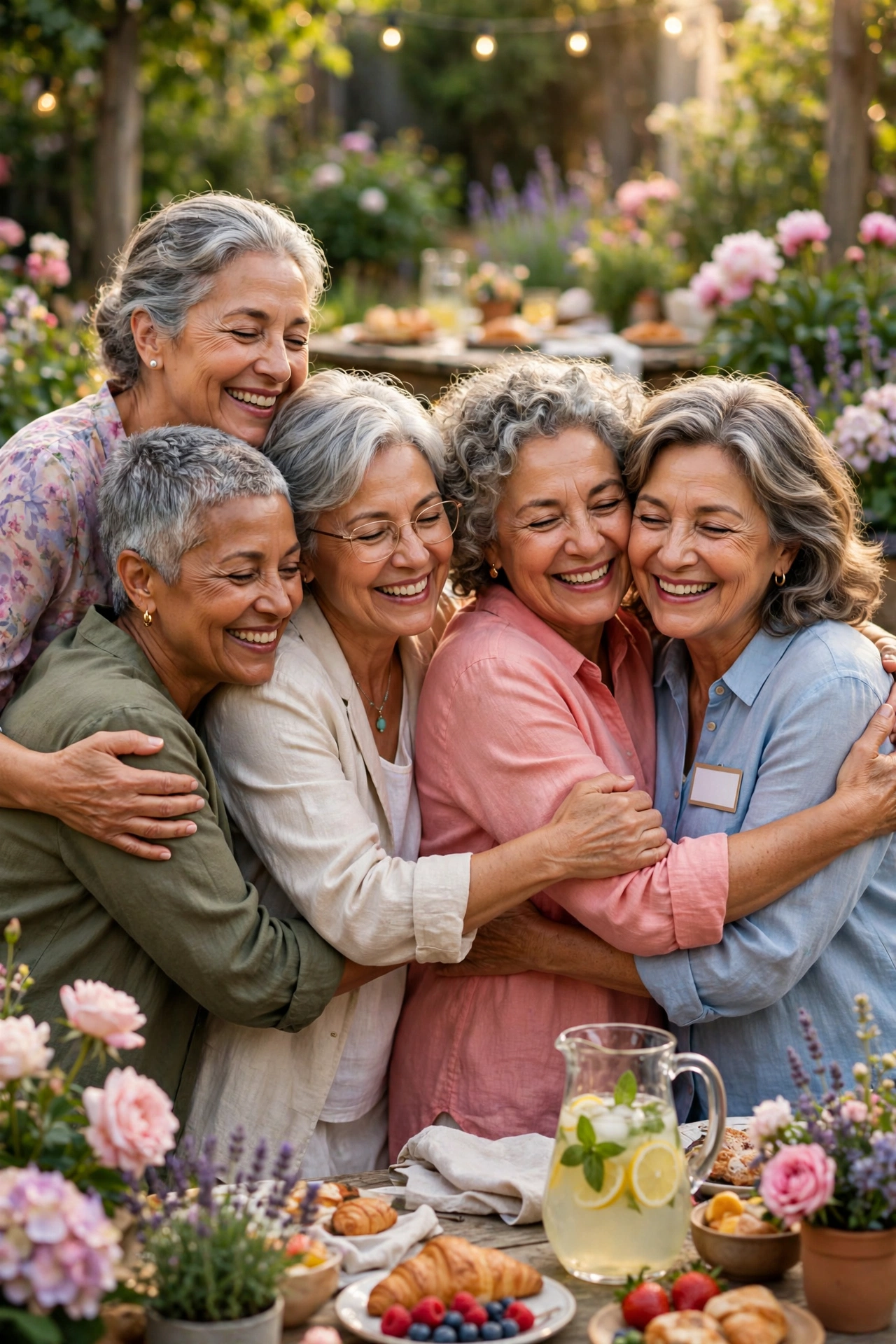
If you moved after retirement — or simply feel new to your own town — welcome groups are designed exactly for you. Everyone there is also looking for friends, which means the usual awkwardness of being the newcomer simply does not exist.
Try this: Search for newcomer clubs or “welcome wagon” groups; they often hold monthly coffee mornings.
Make it yours: Volunteer to help at the first coffee you attend — being useful makes you instantly memorable.
Budget tip: Welcome groups are usually free; the coffee is often donated or bring-your-own.
Some visits will feel electric, and some will feel flat — both are normal. You are not “too old” or “too late” to be welcomed somewhere new. Every woman you will meet in these rooms was once the nervous newcomer hovering by the door.
❓ Clubs for Women Over 60 FAQs
I’m painfully shy. Will I feel out of place at my first meeting?
You will likely feel nervous, but out of place is unlikely. Almost every club on this list is used to welcoming newcomers, and structured activities — a walk, a game, a class — give you something to do besides make small talk. Give yourself permission to listen more than you talk at first.
What if everyone already knows each other?
Healthy clubs expect new faces and assign someone to greet them. If a group ignores you on visit one, that is information — try the next club on the list. The warm ones make room for you within minutes.
How much does it cost to join clubs for women over 60?
Most of these cost little or nothing. Walking groups, welcome groups, and many volunteer teams are free. Community classes, museum memberships, and travel clubs have modest fees, often with senior discounts. A good rule: pick the free options first, then invest where you feel the most at home.
What if I can’t keep up physically with the active groups?
Then skip the active ones without a second thought. Book clubs, stitching circles, choirs, supper clubs, and mahjong tables are gloriously sedentary and just as rich in friendship. Choose the room where your body feels at ease.
How long does it usually take to actually make a friend?
Most women say the shift happens around the third or fourth visit — when you stop being “the new lady” and become a regular. Consistent attendance matters more than charm, so pick one club and show up faithfully for a month.
Six months after that quiet Tuesday at the kitchen table, my calendar looks nothing like it used to. There is a walking group on Mondays, a book club on Thursdays, and a supper club that has turned into the kind of friendship I once thought only happened in your twenties. The silence did not vanish — it simply stopped being the loudest thing in the room.
Pick one club from this list, the one that made your heart lift just a little while you were reading, and go once. Then go again. Your Tuesday people are already out there, waiting for someone exactly like you.
📖 Keep Reading
- 🌈 How to Avoid Boredom in Retirement: 20 Ideas That Work — fill the quiet hours with purpose once the social calendar starts humming.
- 📅 Weekly Schedule for Retirees: 21 Ideas for Balance and Purpose — weave your new clubs into a weekly rhythm that feels good.
- 🌍 How to Live Abroad in Retirement: 25 Things to Know Before You Move — for the travel-club daydreamers thinking bigger.
Discover more from Fashinate Style
Subscribe to get the latest posts sent to your email.