Dressing in your 40s can feel like entering a whole new fashion era, and honestly? It can be one of the best ones. You’re no longer interested in chasing every trend, you know what works for your body, and you’re much more confident in your own skin.
But that doesn’t mean your wardrobe has to become boring or overly “age-appropriate.” The goal isn’t to look younger or older—it’s to look polished, confident, and completely like yourself.
That’s why I’ve rounded up some style tips you don’t always hear outside of a stylist’s dressing room. Small changes can take your outfits from simply fine to seriously fabulous.
1. Balance Your Proportions for a Better Outfit
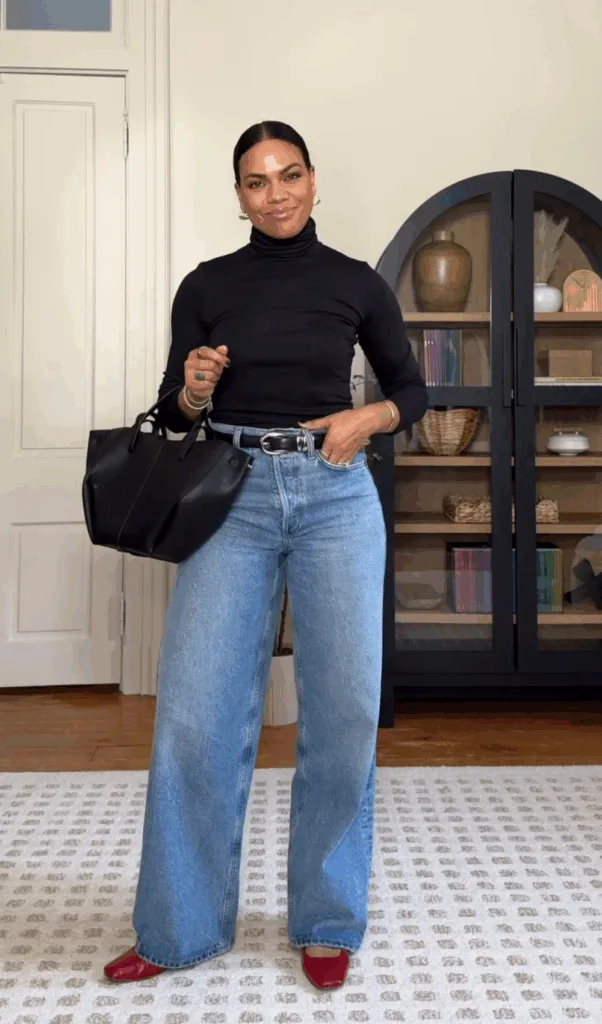
Great style isn’t really about individual clothing pieces—it’s about how they look together. And one of the biggest things that can make or break an outfit is proportion.
If everything is oversized, your outfit can lose its shape.
If everything is fitted, the look can feel a little too rigid.
The sweet spot is contrast.
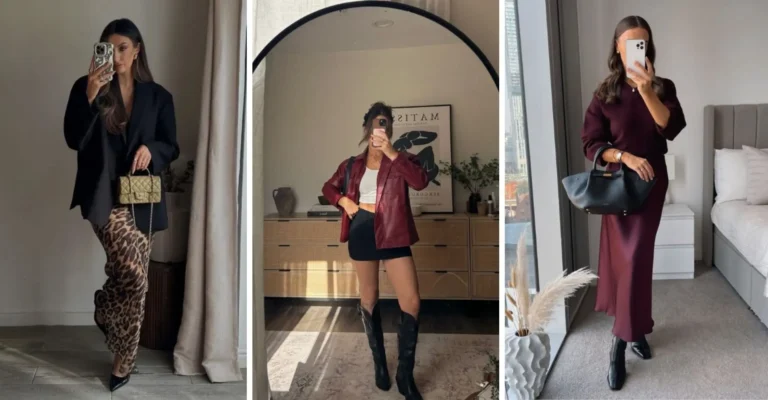
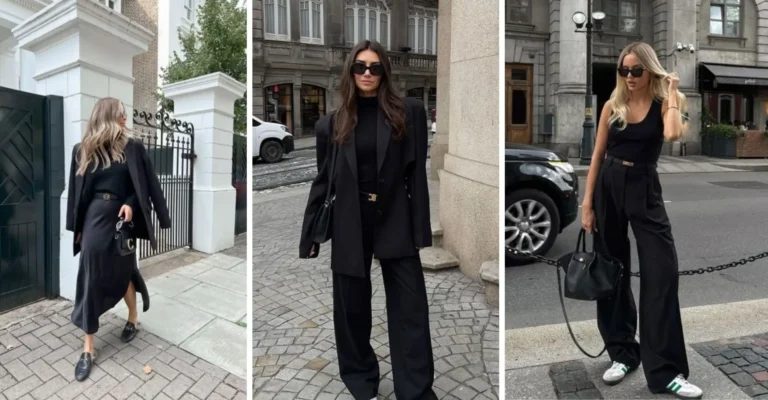
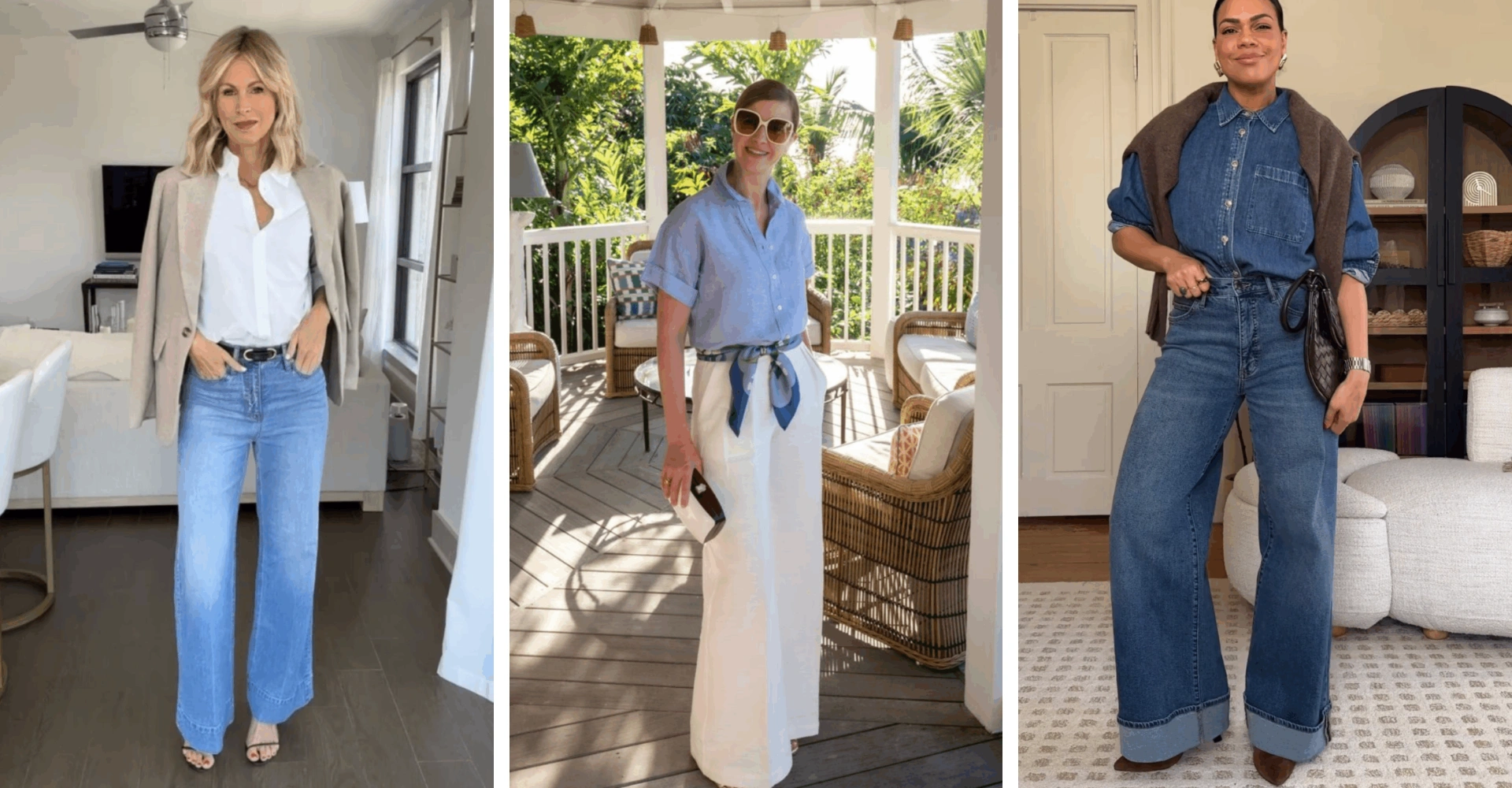
Wide-leg trousers look beautiful with a more streamlined top.
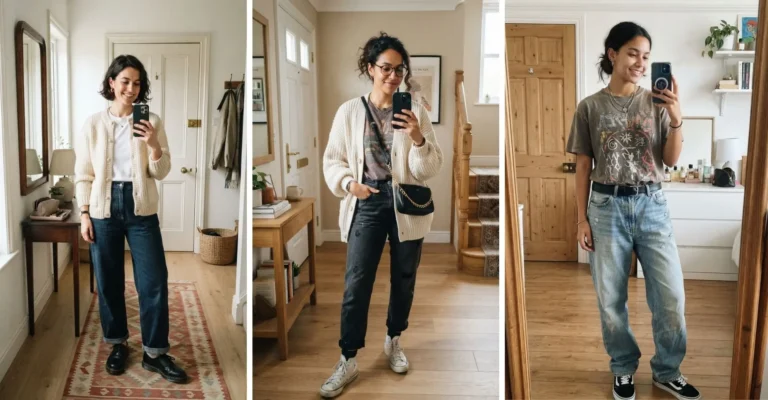
A relaxed sweater works well with a cleaner, structured bottom.
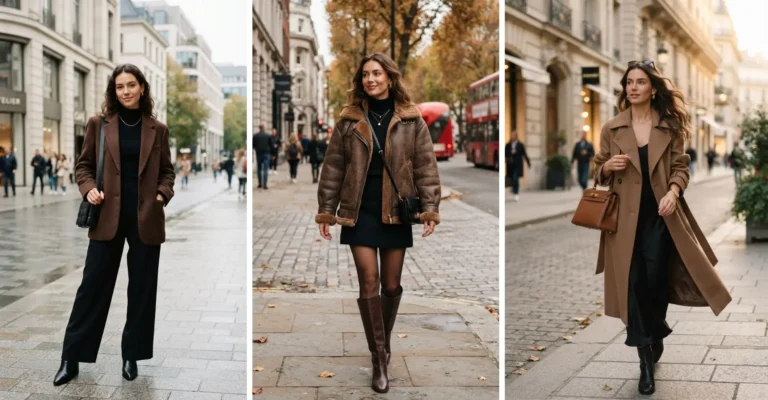
A long coat looks more balanced when paired with something shorter or more fitted underneath.
Balanced proportions make an outfit feel effortless and intentional instead of thrown together.
An easy rule to remember: when one half of your outfit is relaxed, let the other half provide a little structure.
2. Dress for Confidence, Not Youth
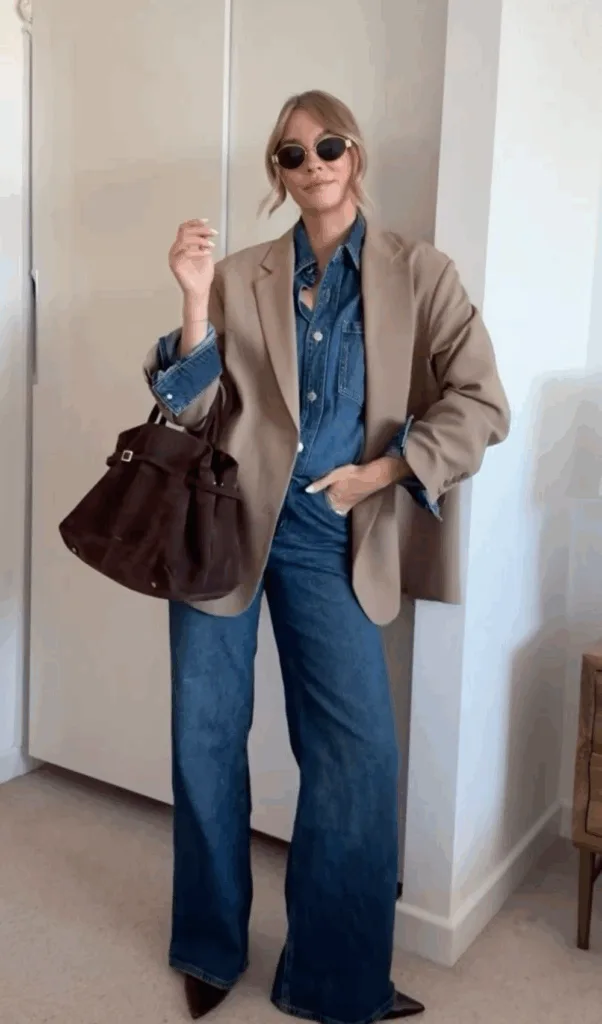
So much fashion advice still tells women in their 40s to “look younger.” But style becomes much more sophisticated when your clothes make you look confident, composed, and self-assured.
Clothing tends to look polished when it shows control over proportions, fabric, texture, and movement.
For example:
- Slightly structured pieces can instantly make an outfit feel more elevated. A soft knit blazer can look far more polished than a floppy cardigan.
- Clothes that keep their shape after repeated wears tend to look more expensive, while pieces that quickly lose their structure can appear casual.
- Be careful with garments that depend entirely on stretch for their fit. A tailored trouser with a little movement can look much more refined than leggings that simply stretch around the body.
Stylist rule: If putting on a piece instantly improves your posture, it probably deserves a place in your wardrobe.
3. Master Intentional Restraint
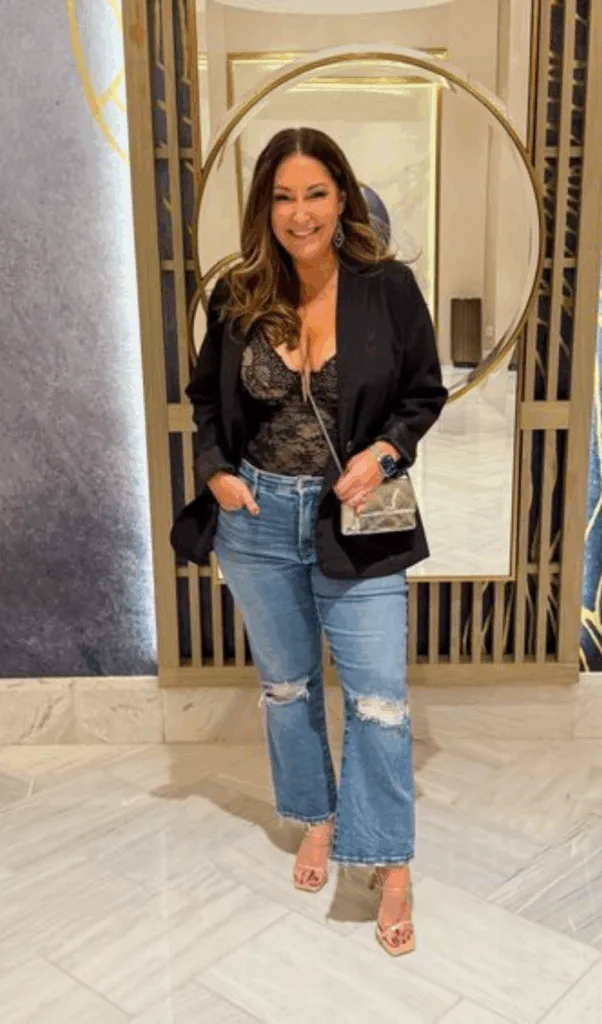
Classy dressing isn’t about making every outfit minimal or boring. It’s about knowing when enough is enough.
The most polished outfits often begin with several interesting pieces, then get edited until only the strongest elements remain.
Want an outfit to feel elegant but still interesting? Add one unexpected contrast and stop there.
Try combinations like:
- A masculine-inspired shoe with a feminine dress.
- A silky skirt with a simple cotton T-shirt.
- A structured coat over relaxed denim.
The rest of the outfit should support that one interesting element rather than compete with it.
When there’s one obvious focal point, your outfit feels thoughtful, sophisticated, and effortlessly stylish.
4. Mix Textures to Add Depth
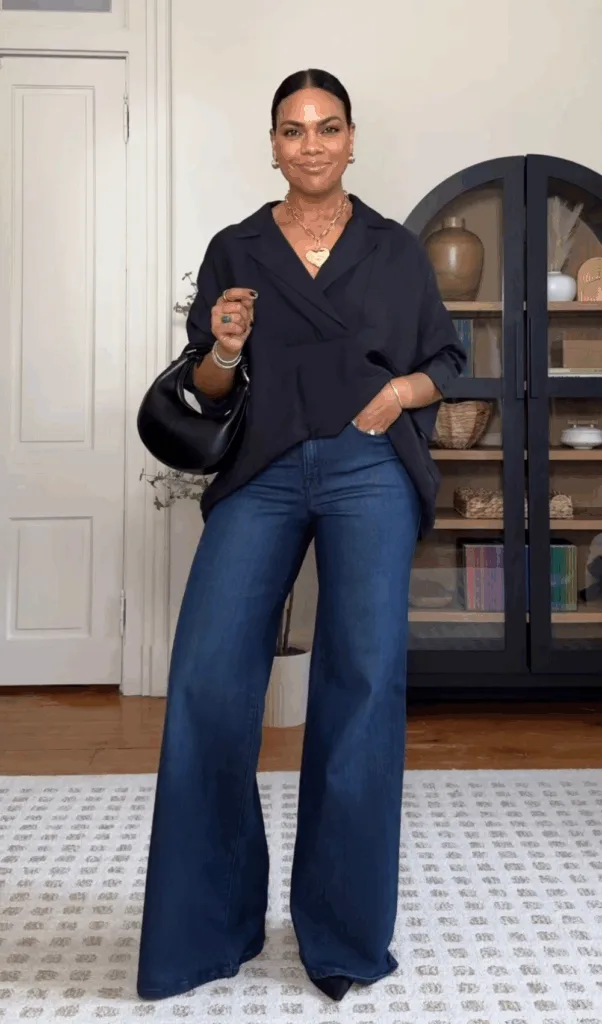
One of the simplest ways to make an outfit look more expensive—especially when you’re wearing neutrals—is to combine different textures.
Texture prevents simple outfits from looking flat. It adds visual interest without requiring bright colors, bold prints, or lots of accessories.
Think about combinations like:
- A soft knit with crisp cotton.
- Wool trousers with a silky blouse.
- Suede shoes with structured denim.
- Matte fabric mixed with something slightly glossy.
Stylist tip: If an outfit feels boring but everything technically works, add texture before reaching for more color. It can completely change the look.
5. Pay Attention to How Fabric Behaves
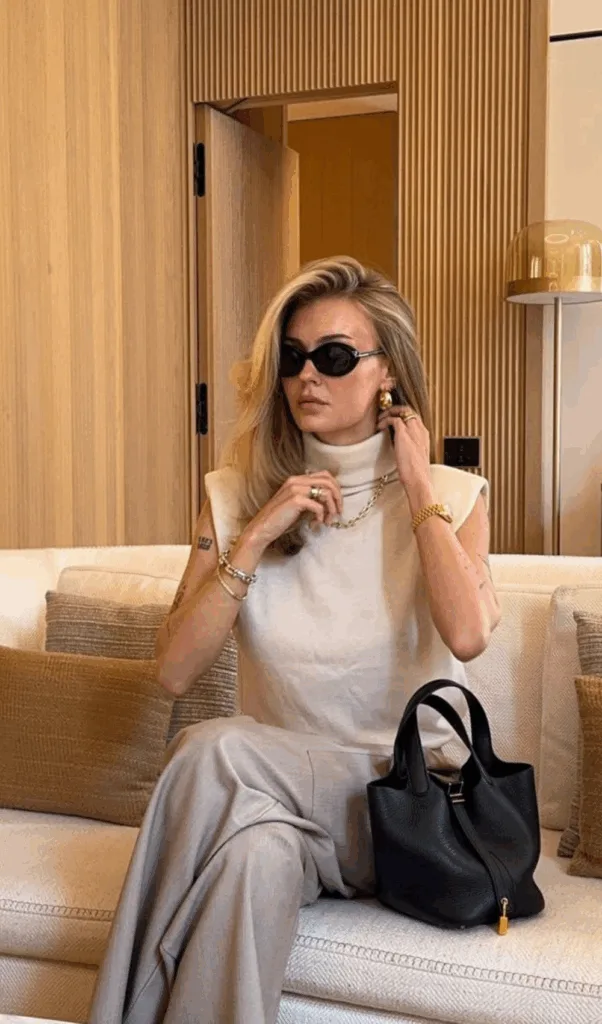
People often say natural fabrics are automatically the secret to looking expensive. But fabric type isn’t the only thing that matters.
Pay attention to:
- How the material reacts to light—matte or slightly shiny.
- How it moves—fluid or structured.
- How it looks after multiple wears—does it pill, wrinkle badly, fade, or lose its shape?
A synthetic fabric that drapes beautifully and stays polished can easily look better than a natural fabric that becomes limp after a few wears.
The way a fabric behaves on your body matters just as much as what it is made from.
6. Understand the Neckline and Jawline Connection
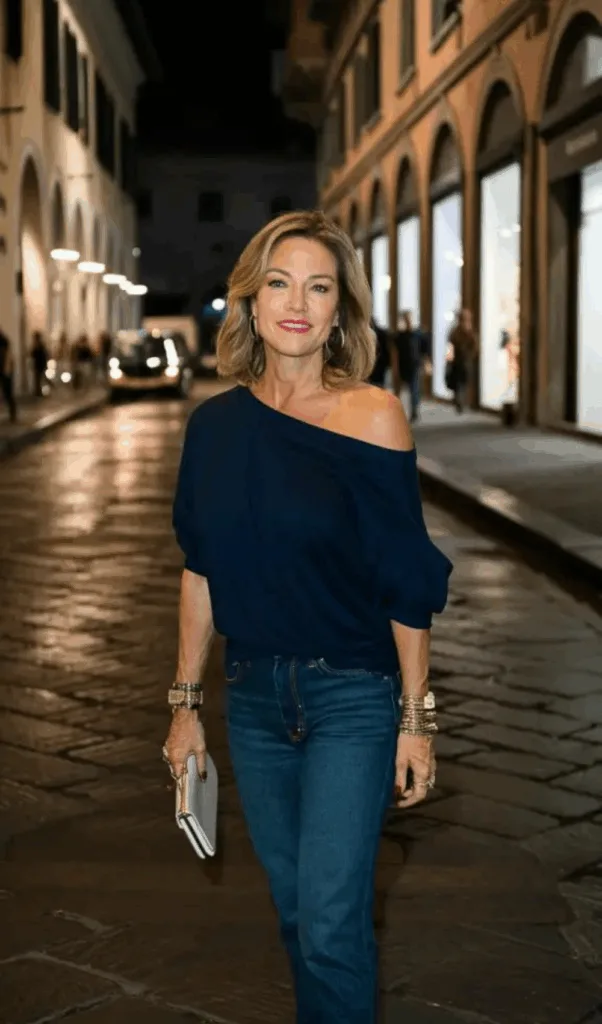
This is a subtle styling trick, but it can make a surprisingly noticeable difference.
Necklines naturally frame your face. The right shape can create balance between your features and your clothing.
Some simple guidelines:
- Softer jawlines can work beautifully with sharper necklines such as V-necks, square necks, or asymmetrical shapes.
- Stronger jawlines can look lovely with softer drapes and scoop necks.
- Boat necks and crew necks need especially good tailoring or they can make an outfit look dated quickly.
Here’s a useful trick if you love crew necks: try going slightly larger through the body and then tailor the shoulders. Many women do the opposite, which can make the neckline feel too restrictive.
7. Forget Strict Color Seasons and Focus on Contrast
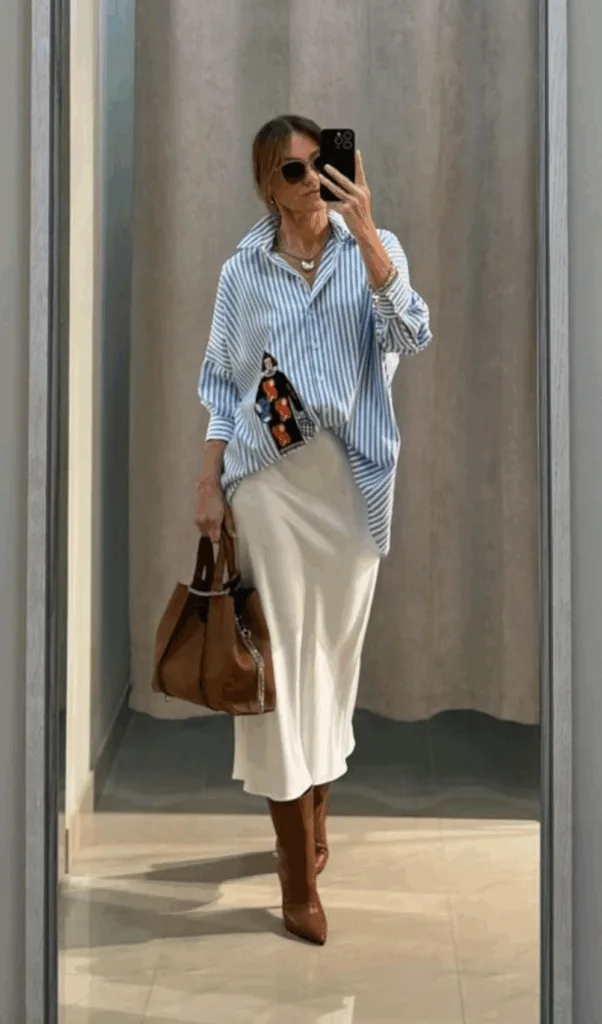
Color analysis can be helpful, but there’s another factor that often makes an even bigger difference in everyday outfits: value contrast.
In simple terms, think about how light or dark the colors are, especially around your face.
What matters is how much contrast you create:


- Random contrast can make an outfit feel disconnected.
- High contrast, such as black and white, feels bold and commanding.
- Low contrast, such as cream with taupe, feels softer, calm, and refined.
Instead of obsessing over whether every shade fits a specific “season,” pay attention to how the colors work together visually.
8. Build Your Outfits Around Neutrals First
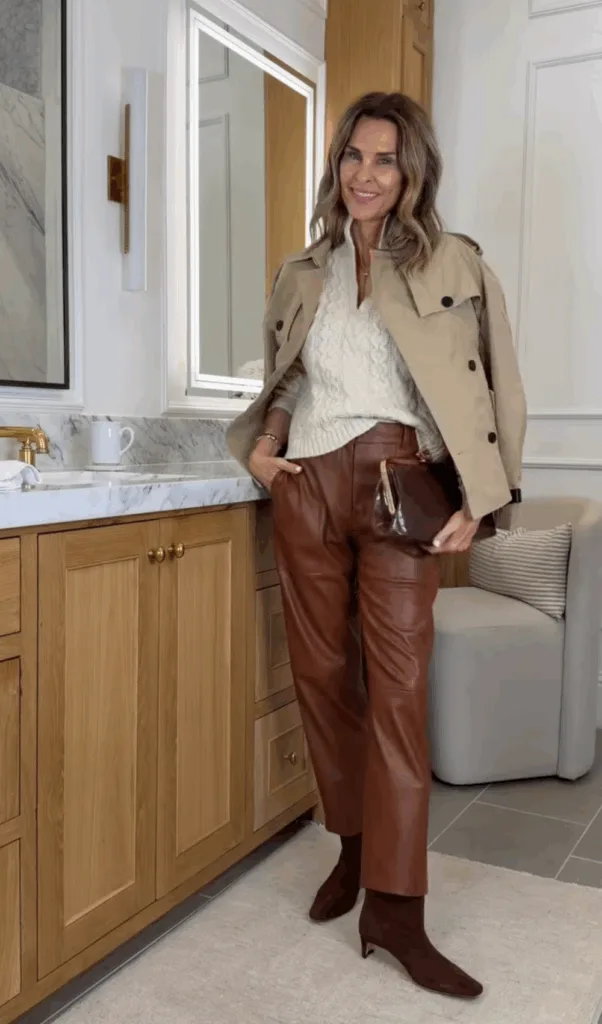
This classic advice is often misunderstood. It doesn’t mean your wardrobe needs to be completely black, white, beige, and boring.
It simply means starting with a neutral base and allowing it to anchor the rest of your outfit.
When you add color, make sure it works with the neutral rather than competing against it. A strong neutral foundation can make even playful or vibrant shades feel sophisticated.
Some classy color combinations to try:
- Navy + ivory
- Camel + black
- Grey + soft white
- Chocolate brown + cream
- Burgundy + beige or brown
- Grey + butter yellow
- Dark brown + olive or sky blue
- Navy + red
The point isn’t to follow every combination perfectly. It’s to create a foundation where your colors feel intentional rather than random.
9. Shoes Set the Tone More Than Handbags
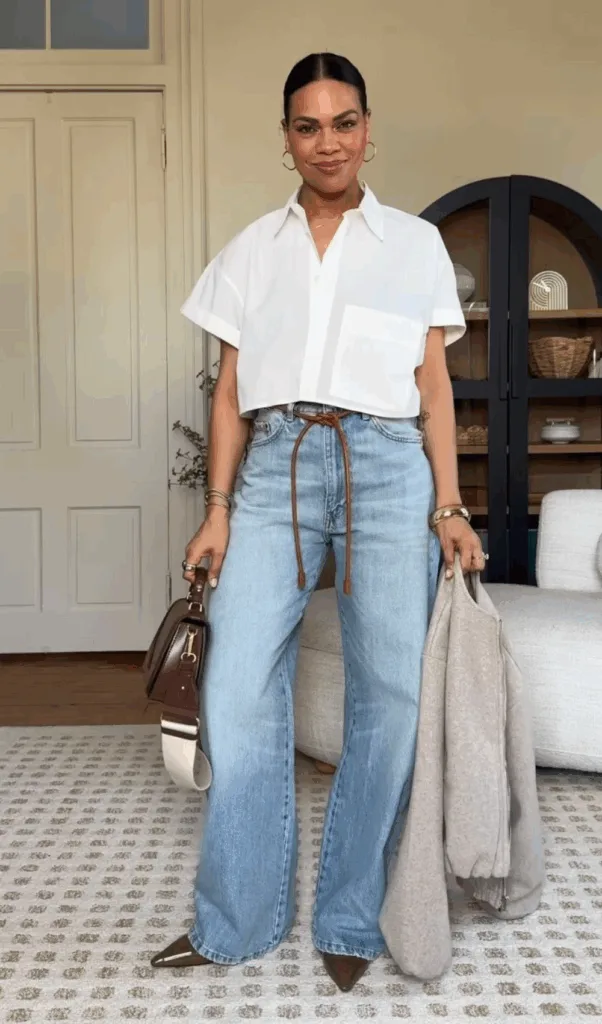
Women often spend a lot of time thinking about handbags, but shoes can completely change the mood of an outfit.
Shoes anchor the entire look. They can instantly make an outfit feel casual, sophisticated, feminine, modern, or polished.
If you want a more refined feel, look for details such as:
- Slim soles, even on flats.
- Pointed toes for flats or heels.
- Almond or softly squared toes.
- Leather that creases naturally instead of forming harsh folds.
You don’t need to sacrifice comfort for style, either. If you love a particular shoe, look for supportive construction or cushioned insoles.
The key is choosing comfort that still looks intentional.
10. Keep Logos Subtle
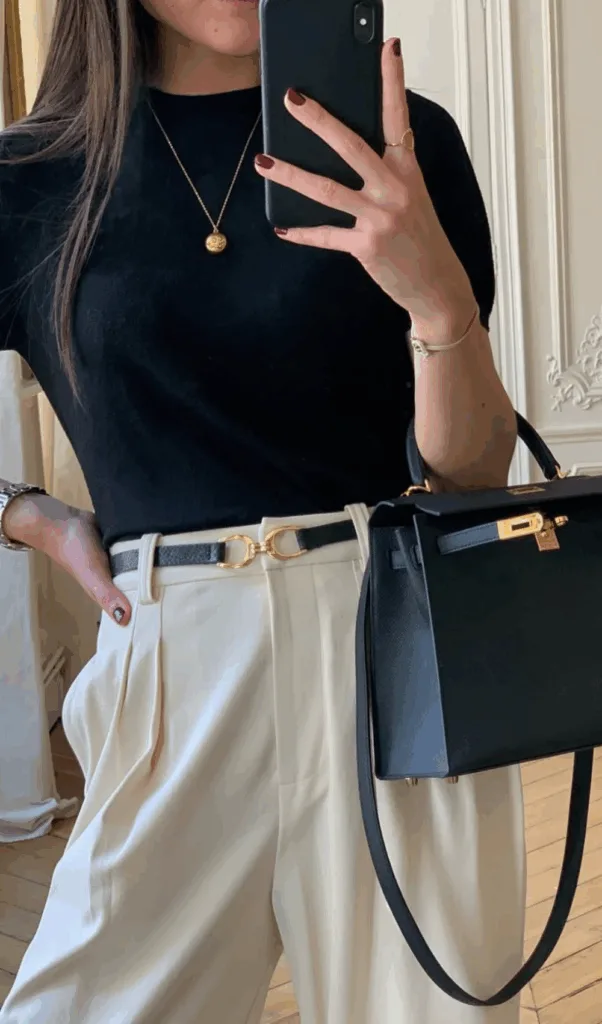
I’ve said it before, but it’s worth repeating: loud logos can easily take over an outfit.
Large branding draws attention toward the label instead of toward you.
If you enjoy wearing logos, keep them small, occasional, and deliberate.
The goal is for people to notice your overall outfit first—not immediately notice what brand you’re wearing.
Subtle details often create a much more sophisticated impression.
11. Repeat Outfits to Build Your Signature Style
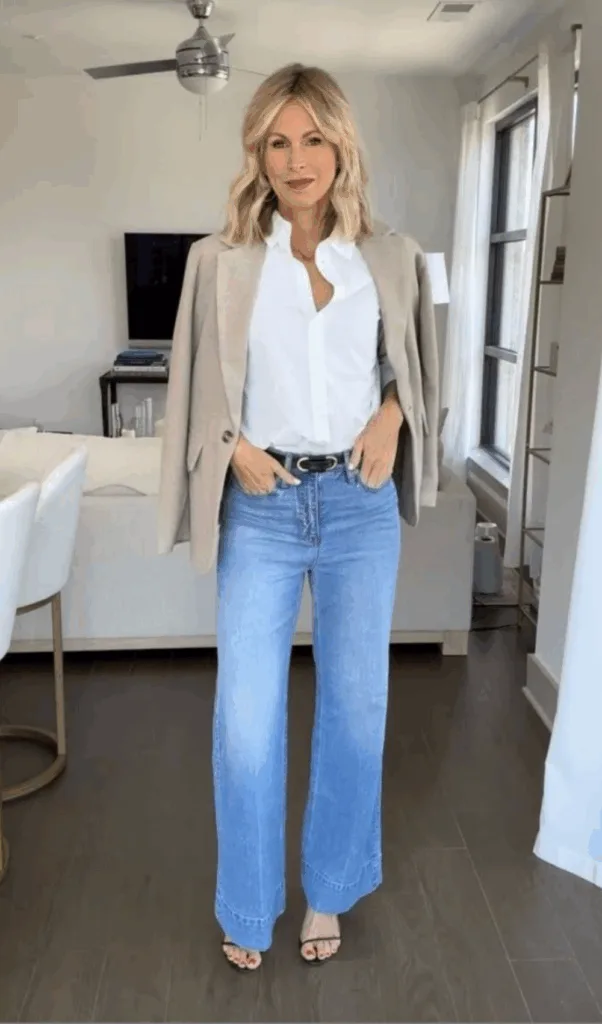
Stylish women repeat outfits. Often.
And there’s a reason it works.
Repetition creates consistency. Consistency creates a recognizable personal style.
Instead of constantly buying something new whenever a trend appears, start identifying the silhouettes you naturally feel best in.
For example, find:
- One coat silhouette you love.
- One trouser shape that flatters you.
- One shoe style that works with most of your wardrobe.
Then change the fabrics, colors, and styling while keeping those reliable shapes.
Your wardrobe becomes easier to use, and your outfits start feeling more like you.
12. When in Doubt, Simplify
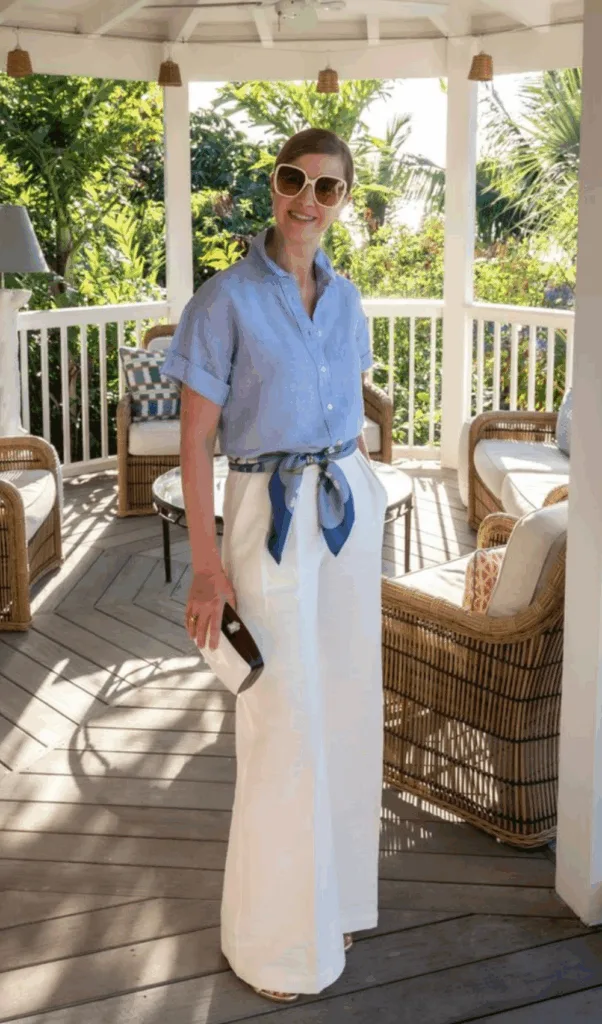
This is one styling trick that almost never fails.
If your outfit doesn’t feel quite right, try removing something before adding something else.
You can:
- Take off one accessory.
- Tone down one color.
- Choose a cleaner, simpler shoe.
Sometimes elegance comes from editing rather than adding.
The outfit doesn’t always need another statement piece. It may simply need a little breathing room.
13. The Ultimate Secret: Choose Comfort Without Apology
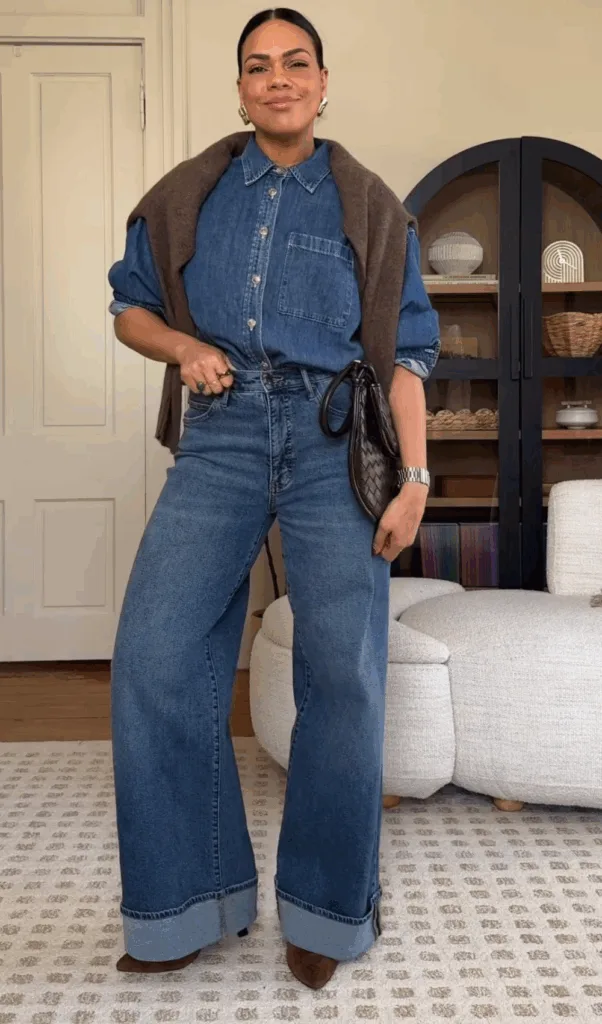
This isn’t about wearing athleisure all day or choosing comfort over style.
It’s about feeling psychologically comfortable in what you’re wearing.
If you’re constantly pulling at your top, adjusting your waistband, checking your clothes, or trying to hide certain areas, the outfit will never truly feel polished.
Ease is visible.
Confidence shows in the way you move, stand, and carry yourself in your clothes.
The most stylish women aren’t constantly fighting their outfits. They wear pieces that allow them to feel comfortable, confident, and completely themselves.
And honestly, that may be the biggest secret to dressing well in your 40s: stop dressing according to rules about age and start dressing in a way that makes you feel like the best version of yourself.
Don't miss the next one
Quick outfit ideas and beauty tips, straight to your inbox.