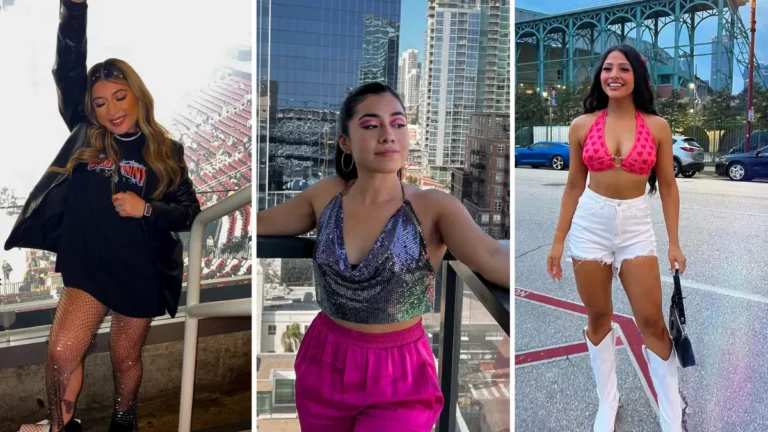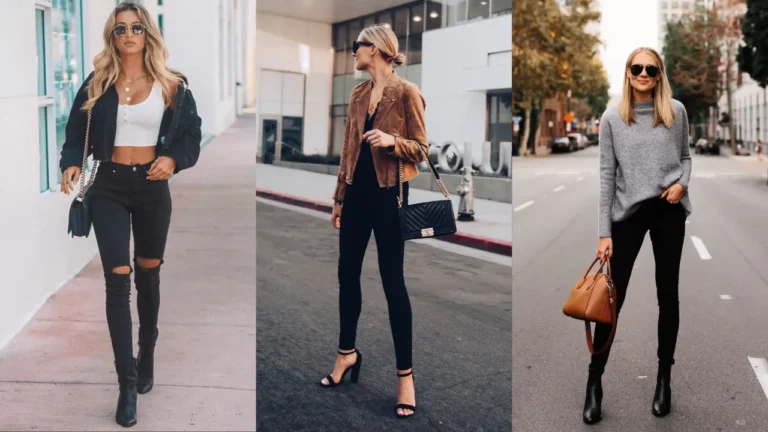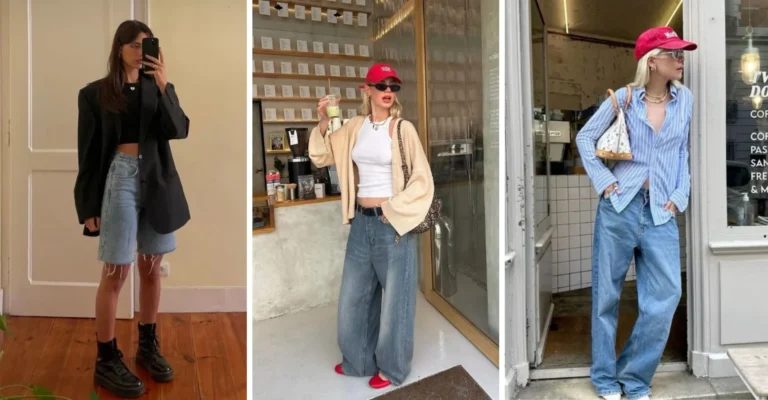
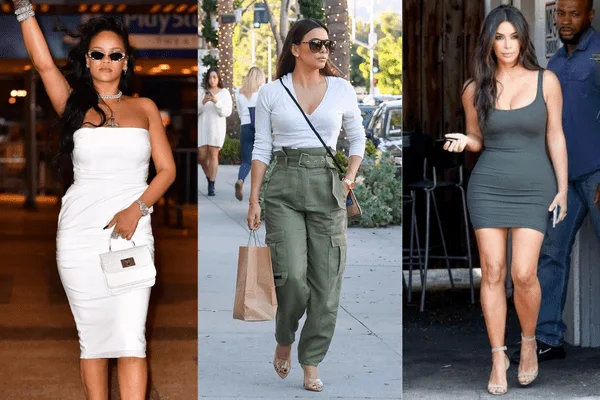
Do you know the secret to looking fabulous, stylish, and confident in almost anything you wear? It starts with dressing for your body type!
Ever wondered why an outfit looks incredible on your friend but somehow doesn’t feel quite right on you? We’ve all stood in front of the mirror wondering what went wrong and wishing we had our own personal stylist.
While having a fashion expert on speed dial isn’t realistic for everyone, there’s a simple way to make your clothes work better for you: understand your unique body shape.
If there’s one styling trick that can completely change the way you approach fashion, this is it. Once you know how to highlight your favorite features and create balance where you want it, putting outfits together becomes so much easier.
In this guide, we’ll go through the basics of dressing for different body shapes so you can feel confident, polished, and fabulous in your clothes.
The Basics of Dressing for Your Body Type
1. You Can’t Really Change Your Body Type, So Embrace It
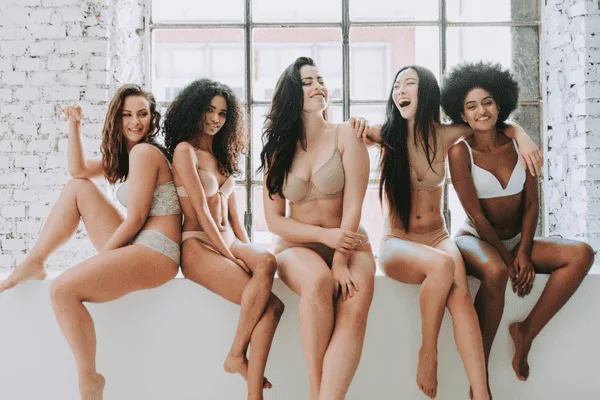
Your body shape is largely influenced by your bone structure and genetics, which are things you can’t control. So why spend all your energy worrying about them?
Weight can also naturally collect in areas such as the hips, stomach, or chin, which may slightly change your overall proportions. Pregnancy can also bring changes to your body, and every woman’s experience is different.
Exercise, nutrition, and other lifestyle choices can influence certain aspects of your body, but your natural frame will still be uniquely yours.
The goal isn’t to fight your body shape. It’s to understand it, embrace it, and learn how to dress it in a way that makes you feel your best.
2. Find Out What Body Shape You Have
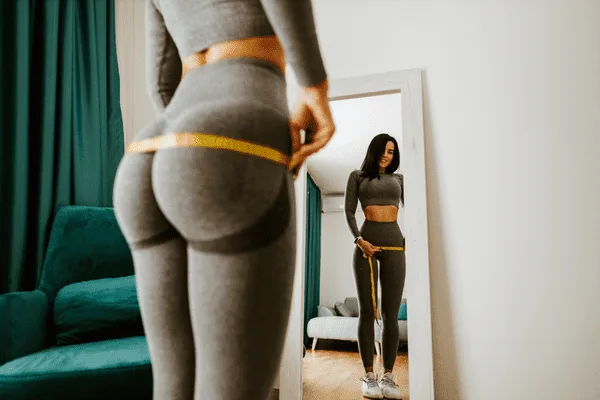
If you’re unsure about your body shape, don’t worry. You can figure it out in just a couple of minutes with a measuring tape.
Make sure your measurements are accurate. A few centimeters can make a difference, so keep the tape comfortably fitted—not too loose and definitely not too tight.
Here’s what you need to measure:
- Shoulders – Measure from one shoulder across to the other, just like a tailor would, and note the measurement.
- Bust – Stand straight and measure around the fullest part of your bust. Keep the tape comfortable without squeezing.
- Waist – Measure around your natural waist, usually below the rib cage and above the belly button.
- Hips – Wrap the tape around the fullest part of your hips and buttocks, bringing it back to the starting point.
Once you have your measurements, compare them with the descriptions below to find the body shape that matches you best.
There Are 5 Major Body Types
1. Banana or Rectangle: Almost the Same Overall
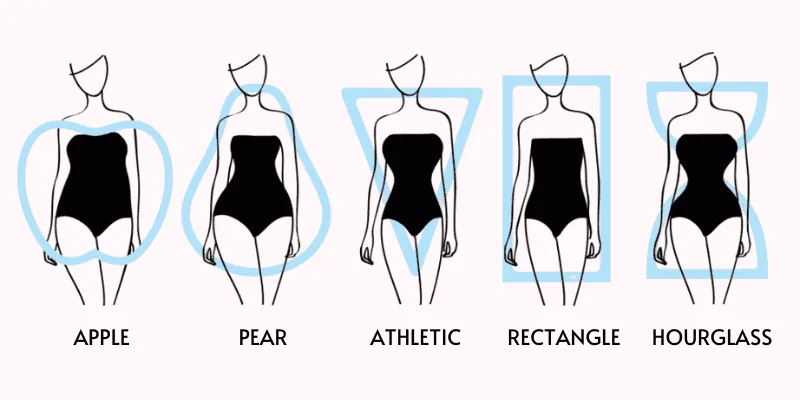
Did you know that the rectangle body shape is one of the most common body types?
Also known as the banana shape, this body type usually has shoulders and hips that are fairly similar in width, while the waist is less defined. Your bust, waist, and hips tend to have relatively similar proportions, creating a straighter overall silhouette.
Many fashion models naturally have this body shape, making it incredibly versatile for different styles.
2. Pear or Triangle: A Fuller Lower Half
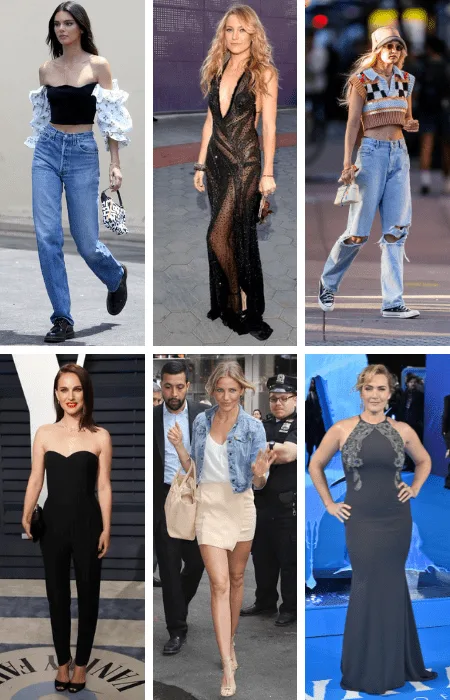
Pear-shaped bodies have a lower half that is fuller or wider than the upper body. The hips and thighs tend to be more prominent, while the shoulders are comparatively narrower.
One of the defining features is often a naturally noticeable waist, which can be beautifully emphasized through the right clothing choices.
The pear shape is a gorgeous and curvy body type, and styling it is all about creating visual balance between the upper and lower body.
3. The Hourglass: Balanced and Beautiful
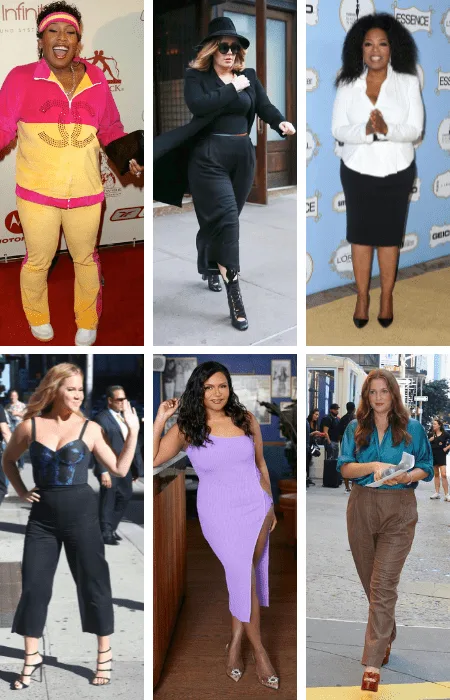
The hourglass shape is naturally well balanced, with the bust and hips being fairly similar in proportion and a noticeably defined waist.
Your shoulders and hips may have soft, rounded curves, while your waist creates the strongest point of definition.
Although there’s no such thing as one “perfect” body shape, the hourglass silhouette is naturally proportionate, making it easy to highlight with fitted and waist-defining clothing.
4. Apple Shape: Fuller Upper Body and Rounded Midsection
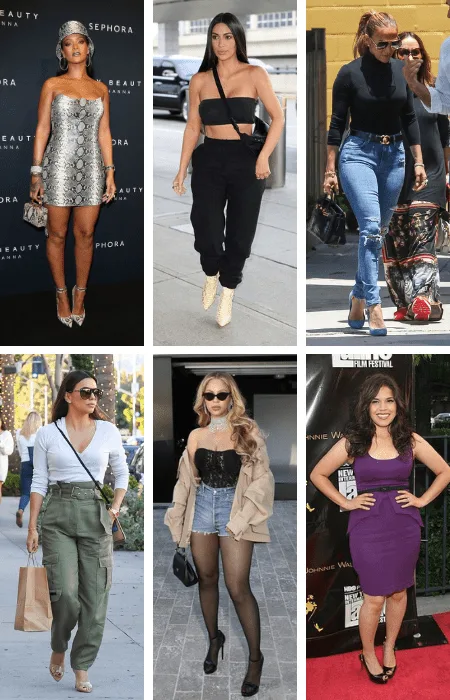
If your bust and midsection are fuller compared with your hips, you may have an apple-shaped body.
Apple shapes often have broader shoulders, a less defined waist, and slimmer legs or lower body proportions.
The key to dressing this body shape is to create balance, highlight your strongest features, and use clothing to add definition in flattering places.
5. Athletic or Inverted Triangle Body Shape
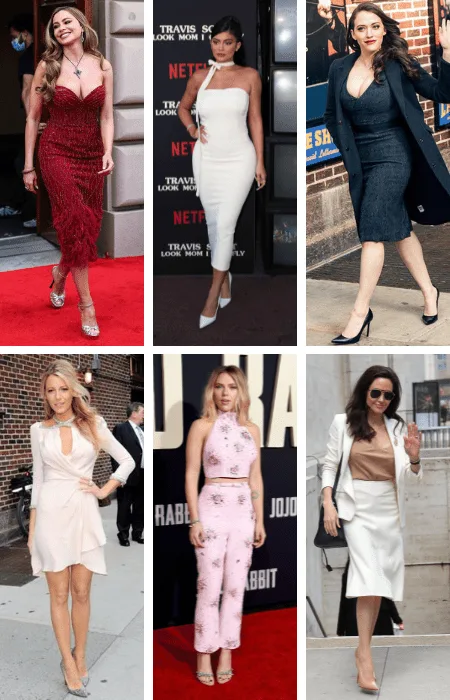
An inverted triangle body shape is usually recognized by broader shoulders and a stronger upper body compared with the lower half.
The waist can still be defined, but the shoulders and upper torso tend to be more prominent.
The styling goal is usually to create balance by adding some visual volume to the lower body while keeping the upper half streamlined.
Now that you know your body shape, let’s figure out…
How to Dress for Your Body Type
Forget about following every fashion trend for a moment. The best place to start is understanding what works with your natural proportions.
If you’re still figuring out your personal style, these tips can give you a solid foundation for creating outfits that feel flattering and effortless.
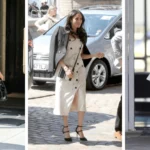
1. Banana or Rectangle Body Shape
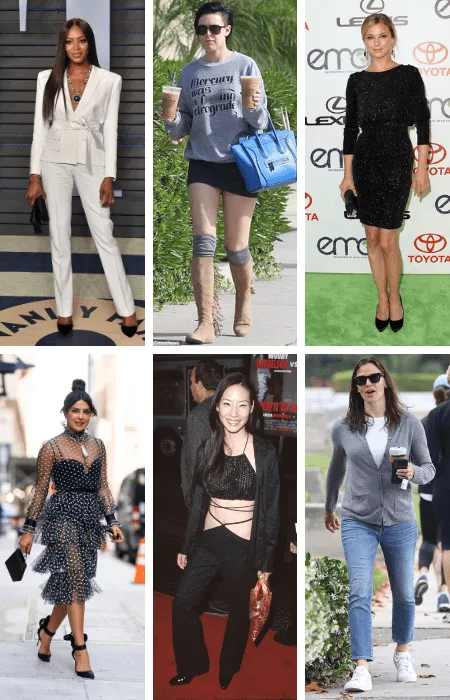
Who says a straight silhouette is boring? A rectangle-shaped body can look incredibly stylish when you use clothing to create the appearance of curves and definition.
1. Create a Defined Waist: Since your natural waist may not be very pronounced, use belts, high-waisted bottoms, and waist-defining dresses to create more shape.
Blazers, belted jackets, and trench coats can also break up the length of your frame. Mid-length and flowy tops or dresses can add softness and dimension.
2. Add Some Volume: Layered tops, puff sleeves, ruffled jackets, and V-neck styles can add visual interest to your upper body and give your straight torso more dimension.
3. Show Off Your Legs: If you have naturally lean legs, make them part of your style statement. Short skirts, shorts, and dresses can highlight them beautifully. High heels and vertical stripes can also help create a longer-looking leg line.
4. Play With Prints: Patterns can add depth to a straighter frame. Horizontal stripes can create the appearance of extra width, while floral and geometric prints can add more visual curves.
For a rectangle body shape, these clothing choices are great starting points:
- Dresses – Fit-and-flare, wrap, ruched, A-line, and empire-waist styles
- Jeans – Slim-fit, straight-leg, wide-leg, bootcut, and high-waisted styles
- Necklines – Scoop, V-neck, off-the-shoulder, and sweetheart
- Skirts – Pleated, flared, detailed, mini, and layered
- Sleeves – Cap, raglan, flutter, bell, bishop, sleeveless, or strapless
Dresses to avoid – Extremely shapeless trapeze styles and outfits that make your bust, waist, and shoulders appear even straighter.

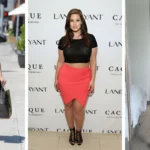

2. Pear or Triangle Shape

One of the biggest advantages of a pear-shaped body is the naturally defined waist and fuller lower half. The main styling goal is to create balance by bringing a little more attention to your upper body.
1. Highlight Your Upper Half: Tops with ruffles, lace, frills, and puff sleeves can add volume around your shoulders and bust, helping balance your proportions.
2. Emphasize Your Waist: Highlight your narrowest point with high-waisted pants, skirts, belts, or dresses with a defined waist.
3. Use Colors and Prints Strategically: Darker colors on the lower half can visually minimize that area, while brighter colors, patterns, and interesting prints on top can bring attention upward.
4. Accessorize Smartly: Avoid overly bulky accessories around your lower half. Instead, choose delicate earrings, simple hoops, or other accessories that naturally draw attention toward your face.
For a pear-shaped body, try:
- Dresses – Fit-and-flare, wrap, A-line, empire-waist, and belted dresses
- Jeans – High-waisted, straight-leg, flared, bootcut, wide-leg, and dark-wash jeans
- Necklines – Cowl, V-neck, off-the-shoulder, Bardot, Queen Anne, and square
- Sleeves – Puff, padded, off-the-shoulder, cold-shoulder, bell, sleeveless, or strapless
Dresses to avoid – Very loose bottoms, overly tight tops, and halter styles if they make your proportions feel unbalanced.
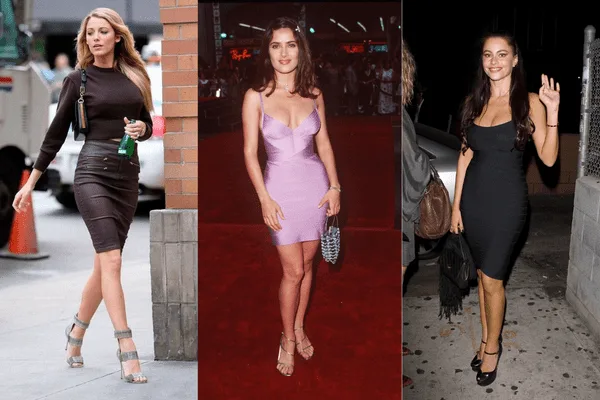
3. Hourglass Body Type
If you have an hourglass shape, your proportions are already naturally balanced. The main goal is to dress in a way that highlights your defined waist without hiding your curves.
1. Show Off Your Waist: High-waisted jeans, wrap dresses, belted blouses, and fitted waistlines can beautifully emphasize your middle.
A slim belt can add even more definition and make your natural proportions stand out.
2. Let Your Curves Breathe: You have curves, so celebrate them—but you don’t need extremely tight clothing to do it.
Choose structured, figure-skimming pieces that follow your shape without feeling restrictive or overly revealing.
3. Keep Your Tops and Bottoms Balanced: If you add volume or detail to your upper half with ruffles or frills, consider adding similar visual weight below with bootcut or flared pants.
For an hourglass body shape, consider:
- Dresses – Bodycon, sheath, bias-cut, wrap, fit-and-flare, and paneled-waist dresses
- Jeans – Bootcut, high-waisted, flared, straight-leg, and skinny jeans
- Necklines – V-neck, sweetheart, square, and scoop necks
- Sleeves – Three-quarter, puff, off-the-shoulder, flutter, and cap sleeves
- Jackets – Cropped, varsity, moto, belted, and hip-length styles
Dresses to avoid – Extremely baggy clothes that hide your natural waist and curves.
4. Apple Body Type
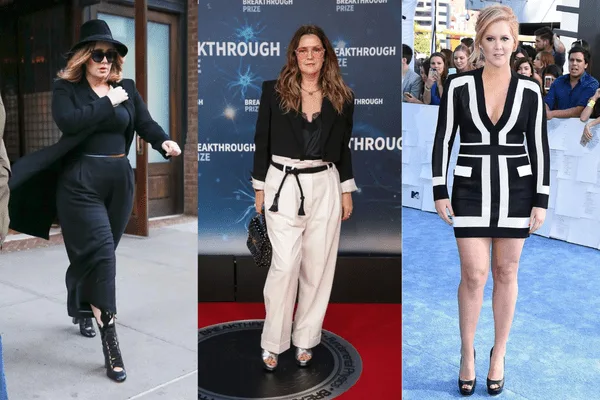
With an apple-shaped body, more fullness is usually carried through the upper body and midsection, while the waist may be less defined.
The idea is to create a flattering flow through your torso while highlighting areas you love, such as your legs.
1. Experiment With Prints: Prints and patterns can add personality to your outfits. Smaller prints can be especially easy to wear, while strategically placed patterns can create more definition around the waist.
2. Try Asymmetrical Styles: Asymmetrical tops and dresses create diagonal lines that can visually break up the midsection. Pair them with streamlined pants or jeans for a balanced outfit.
3. Choose Designs Carefully: Avoid overly bulky fabrics around your stomach, waist, and bust. Keep the middle of your outfit relatively clean and add interesting details toward the lower body.
4. Use Accessories: Belts can define your waist, while long necklaces create vertical lines. Scarves, hats, sunglasses, and handbags can also add personality while directing attention around your outfit.
For an apple body shape, these pieces can work well:
- Dresses – Empire-line, A-line, fit-and-flare, wrap, and bias-cut styles
- Jeans – Flare, wide-leg, boyfriend, bootcut, and straight jeans
- Necklines – V-neck, cowl, asymmetric, scoop, sweetheart, and off-the-shoulder
- Sleeves – Three-quarter, flutter, cuff, slit, drape, and full sleeves
- Tops – Peplum, soft wrap, asymmetrical, kimono, tunics, and ruched tops
You can also use brighter colors on your bottom half to naturally bring more attention away from the middle of your body.
Dresses to avoid – Extremely tight tops, skinny jeans if they feel unbalanced, and body-hugging dresses. Try more comfortable, waist-defining options instead.
5. Athletic or Inverted Triangle Shape
The inverted triangle body shape is known for a stronger upper body and broader shoulders compared with the lower half.
The easiest styling strategy is to keep the shoulder area relatively streamlined while adding shape and visual interest below the waist.
1. Add Interest to Your Lower Half: Use brighter colors, bold prints, and interesting details on skirts or pants to draw attention downward. Extra volume around the hips can also help create balance.
2. Layer Thoughtfully: Lightweight layers such as vests or softly draped scarves can add texture without making your shoulders appear overly broad. Keep the overall look relaxed and streamlined.
3. Skip Heavy Shoulder Details: Avoid unnecessary embellishments around the shoulders if you want to minimize that area. Heavy shoulder pads, dramatic ruffles, and extremely voluminous sleeves can add extra width.
Instead, choose cleaner necklines and simpler upper-body designs.
For an inverted triangle shape, consider:
- Dresses – A-line, shift, wrap, fit-and-flare, skater, and maxi dresses
- Jeans – Flare, wide-leg, boyfriend, bootcut, and straight jeans
- Necklines – V-neck, boat, halter, racerback, one-shoulder, scoop, square, and off-the-shoulder
- Sleeves – Bell, kimono, raglan, thick straps, and flutter sleeves
Dresses to avoid – Extremely loose-fitting styles that hide your waist and make the overall silhouette look less defined.
Wrapping Up: How to Dress for Your Body Type
Understanding your body shape and learning how to dress according to your natural proportions can make a noticeable difference in your confidence and personal style.
The goal is to highlight your favorite features, create balance, and choose clothing shapes, patterns, and fabrics that make you feel comfortable and confident.
But don’t forget to have fun with fashion. Your body type is simply a guide, not a set of strict rules. Experiment with different silhouettes, colors, and trends until you discover what genuinely feels like you.
Once you understand your proportions, you can become your own stylist and build outfits that make you feel fabulous every time you step out.
Don't miss the next one
Quick outfit ideas and beauty tips, straight to your inbox.