

Some days arrive loud: a full inbox, a restless mind, a to-do list that started before you did. These gratitude journal prompts are a five-minute way to turn the volume down — one honest page, one small true thing at a time, written before the day gets away from you.
You do not need a beautiful notebook or a single profound thought. A plain notebook and three rough lines will do, because this practice runs on specifics, not poetry: the exact light, the exact kindness, the exact bite of food that helped.
Think of the twenty prompts below as a menu rather than a marathon. Read the headings, notice which one tugs at you today, and start there — the same way you build steady gratitude habits, one small repeatable choice at a time.
Write in the morning to anchor the day or in the evening to close it gently; both work. What matters is that the page stays kind — a place where an ordinary Tuesday counts as material, and where nothing has to be fixed before it can be noticed.
In This Guide
- 1. Morning Light That Sparks Joy
- 2. A Small Comfort You Almost Missed
- 3. The Kindness of a Stranger
- 4. Your Body’s Quiet Work
- 5. A Meal That Nourished More Than Hunger
- 6. Someone Who Believed in You
- 7. A Mistake That Taught You Something
- 8. The Gift of Boredom
- 9. A Song That Lifted Your Mood
- 10. Your Safe Place at Home
- 11. A Skill You’re Grateful For
- 12. The Relief of a Good Cry
- 13. A Boundary You Honored
- 14. Nature’s Tiny Surprise
- 15. A Memory That Makes You Smile
- 16. The Comfort of Routine
- 17. A Challenge You Survived
- 18. Something You’re Looking Forward To
- 19. The Freedom to Choose
- 20. Your Own Company
- Tips for a Gratitude Practice That Sticks
- Common Mistakes to Avoid
- How to Pick the Right Prompt for Your Day
- Frequently Asked Questions
1. Morning Light That Sparks Joy

Before you check a single notification, look up. The first light of the day is one of the easiest gifts to notice, and it takes about ten seconds: sun striping through the blinds, a lamp’s warm pool on the table, or the blue-grey hush of a morning that started before dawn.
Describe exactly what you saw, the way you would tell a friend. “Today the light came in low and gold across the kitchen floor” is a complete entry. Specific light is easier to remember at bedtime than a vague wish for a good day, and it trains your eye to catch the next one.
If you woke up to a phone screen instead of a window, that counts too — gratitude asks for attention, not romance. Let your pen hover for one breath before you write, and let the smallness of the moment be the point. Try this: write one sentence about today’s light before your feet touch the floor tomorrow.
2. A Small Comfort You Almost Missed

Comfort rarely announces itself. It hides in the warm mug your hands find before your brain wakes up, the blanket that is exactly the right weight, the chair that fits you like it was made with you in mind. This prompt asks you to catch one of those near-invisible kindnesses.
Scan yesterday at low speed: the hot shower that lasted, the socks with no hole, the neighbor who waved first. Pick the smallest one you can find, because small is the skill here — anyone can be grateful for a holiday, but noticing Tuesday’s warm drink is what steadies an ordinary week.
Name the object, where you were, and what it quietly did for you. Two or three lines are plenty, and on a tired day two lines are a triumph. Write about: one comfort from the last 24 hours that your body noticed before your mind did.
3. The Kindness of a Stranger

Somewhere in your recent past, a person who owed you nothing made your day a fraction easier: they held the door with their whole arm, let you merge in traffic, or told you that you had dropped your glove. This prompt is where those half-forgotten moments come back to be properly thanked.
Rebuild the scene in a few concrete strokes — where it happened, what they did, what you felt in the three seconds after. Vague entries like “someone was nice” fade by Friday; a specific one (“the man at the bakery who insisted I take the last warm roll”) stays with you for years.
Writing it down does one more useful thing: it proves the world hands you evidence of decency most days, if you are collecting it. Try this: end your entry by writing the thank-you you never got to say out loud.
4. Your Body’s Quiet Work

Your body has been working the night shift without a single day off: healing, balancing, carrying you up the stairs, tasting the soup and telling you it needed salt. This prompt thanks it for the doing — never the looking — because function is the real everyday miracle here.
Choose one thing your body handled recently without being asked: knees that cooperated on a walk, hands steady enough to thread a needle, lungs that climbed the hill, a heart that settled after a fright. Write to that part of you directly if it helps; many women find “thank you, feet” easier to mean than a general compliment.
Entries like this quietly change the conversation you have with the mirror. Gratitude for what your body does makes its ordinary aches easier to meet with patience instead of frustration. Write about: one job your body did today that you usually only notice when it hurts.
5. A Meal That Nourished More Than Hunger

Think of a recent meal that fed more than your stomach: the soup a friend dropped off, the toast your grandchild buttered with total concentration, the simple eggs you cooked slowly for yourself on a quiet Sunday. Food is memory with seasoning, and this prompt lets you keep both.
Write the scene around the plate as well as the plate itself — who cooked, who sat where, what was said between bites. The nourishment you are recording is usually the company, the care, or the rare pleasure of eating something warm at the right moment.
If the meal was an ordinary solo lunch, that counts fully: thank the hands that shopped, chopped and cooked, even when they are your own. Try this: finish the entry with one line about what that meal made you feel able to do next.
6. Someone Who Believed in You

Every woman carries a voice that arrived at the right time: the teacher who said “you’re a writer,” the friend who lent money and called it nothing, the mother who never once doubted you out loud. This prompt brings one of those people onto the page while you can still hear them clearly.
Tell the story in miniature — what you were attempting, what they said or did, and what changed because they treated your ability as a settled fact. Belief is contagious in the telling; women often find their own courage sounds more believable written in someone else’s voice first.
You do not have to have “made it” for the entry to count. The point is that someone invested confidence in you, and part of you is still spending it. Write about: what you would tell that person today, in two honest sentences.
7. A Mistake That Taught You Something

Choose a mistake that has cooled down enough to hold: the job taken for the wrong reasons, the sharp words, the money spent twice. This prompt is not a courtroom — it simply asks what the experience left in your hands once the sting was gone.
Write three short beats: what happened, what it cost, and what you do differently now because of it. That third beat is the gratitude. Many women find the lesson reads plainly on paper, almost like advice from a wiser friend who happens to be their past self.
Keep the tone factual and kind; you are thanking the teacher, not re-trying the case. If a recent mistake still burns, pick an older, smaller one and let this prompt stay gentle. Try this: end with “Because of that, I now…” and complete it in one line.
8. The Gift of Boredom

Boredom used to be a daily texture — waiting rooms, bus stops, the long minute while the kettle boiled — and it quietly did our minds a favor. This prompt thanks an unfilled moment for the wandering it allowed before a screen arrived to fill it.
Recall a recent stretch of doing nothing: staring out of a train window, sitting in the garden between tasks, lying awake kindly at dawn. What drifted through? A memory, a half-plan, a person you suddenly missed in a good way? Write down what the empty space delivered.
On paper, boredom stops looking like wasted time and starts looking like the mind’s tidying hour. Write about: the best thought you ever had while officially doing nothing.
9. A Song That Lifted Your Mood

Some songs are medicine with a melody: three minutes that reliably unclench your shoulders or get you dancing with the dish towel. Name one — the song that found you in a shop, a car, or your own kitchen — and give it its page.
Write where you first heard it, who it reminds you of, and what it does to your body before your brain catches up. If there are lyrics you love, describe what they mean to you in your own words; the feeling is the record you are keeping here.
Many women keep a running “lifts me” list at the back of the journal for grey days, adding one song at a time. Try this: play your song once before you write, and let the entry start with how the first bars felt.
10. Your Safe Place at Home

Every settled home has one square meter that exhales: the corner chair, the side of the bed near the window, the porch step where the evening lands. This prompt gives that spot the credit it earns daily and rarely gets.
Describe it like a portrait — the light at its best hour, the cushion’s exact dent, the things within arm’s reach. Then write what the place does for you: where you read hard news, make hard calls, or simply sit until your breathing slows down on its own.
Naming a safe place strengthens it. On the next day that feels unsteady, your entry is a map back to the chair. Write about: the hour of day your safe place works its quietest magic.
11. A Skill You’re Grateful For
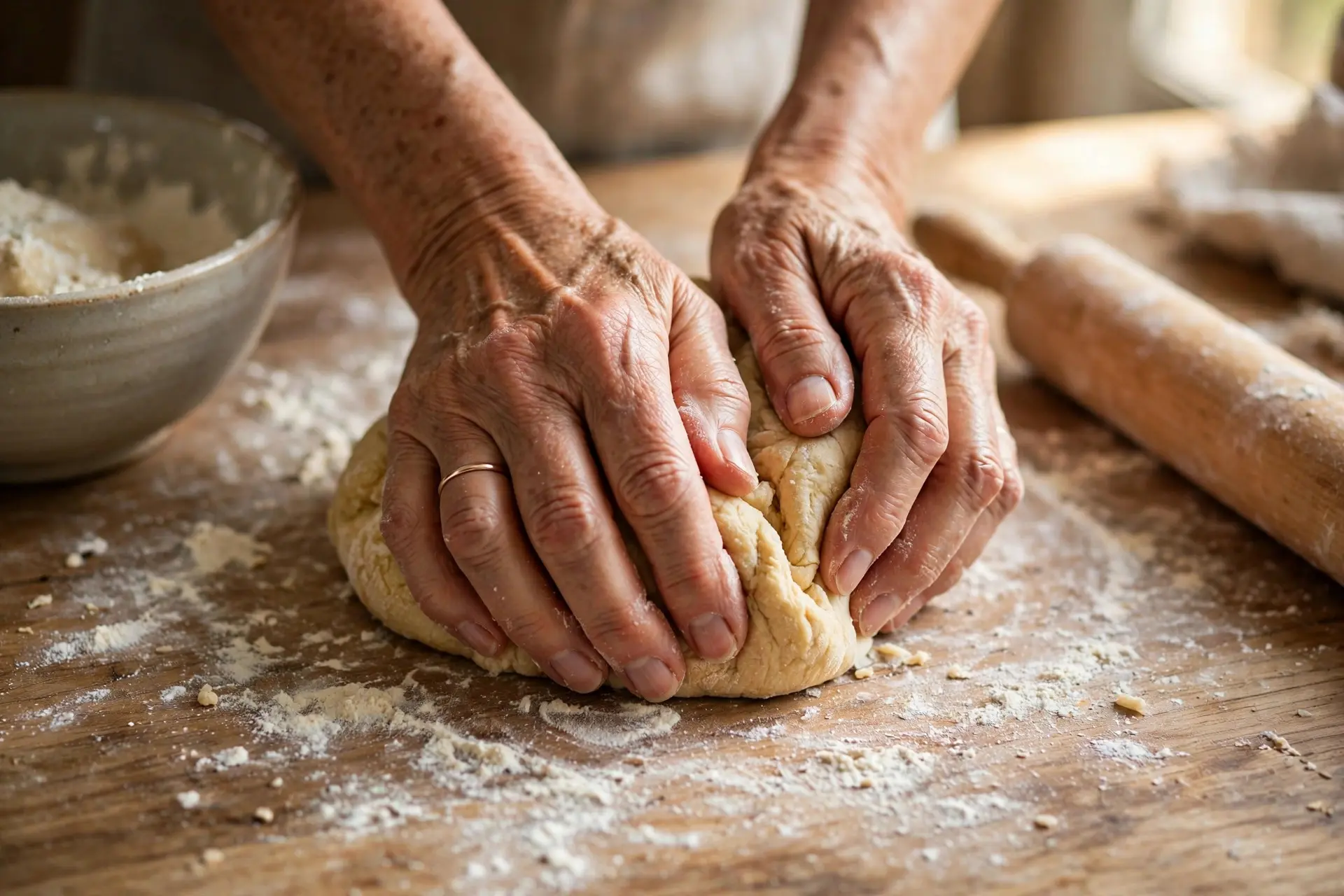
You know how to do things that once felt impossible: parallel park on a hill, stretch a small budget into a feast, calm a crying baby, fix the thing everyone else was staring at. This prompt picks one skill and thanks the long, unglamorous road that built it.
Trace the skill back — who taught you, how clumsy the first attempts were, and the day it quietly became yours. Skills earned slowly carry a special warmth on the page, because they prove you have been a beginner many times and survived every single one.
End by noticing where the skill still serves you, or someone you love, this week. Competence is a comfort we rarely stop to feel. Try this: write one line naming who you would like to pass this skill to.
12. The Relief of a Good Cry

Tears are weather, not weakness, and sometimes the kindest thing a day offers is a private place to let them pass. This prompt thanks a cry the way you would thank rain: for arriving when pressure had built up, and for the strange lightness that follows it.
Write gently and only as deep as feels safe — where you were, what finally loosened, and how the room looked afterward. Many women find the entry writes itself in short lines, and that the calm on the other side of crying is easier to trust once it has been described once.
If sadness visits often or stays heavy, let the page be a companion and not the whole support system; talking with a trusted friend or a professional matters too. Write about: one thing that felt one degree lighter after the tears.
13. A Boundary You Honored

Somewhere recently you protected your own peace: you said no without a speech, left the gathering on time, or let a call go to voicemail because your evening was already promised to rest. This prompt thanks you for keeping that small, brave appointment with yourself.

Write what the boundary was, what it cost in the moment, and what it gave back by morning. On paper, the exchange rate is usually startling — ten awkward seconds purchased a whole calm evening — and seeing it written makes the next no considerably easier to say.
Boundaries are gratitude pointed inward: proof that your future self has a guard who shows up. Try this: note one boundary you are quietly proud of, even if nobody else ever noticed it.
14. Nature’s Tiny Surprise
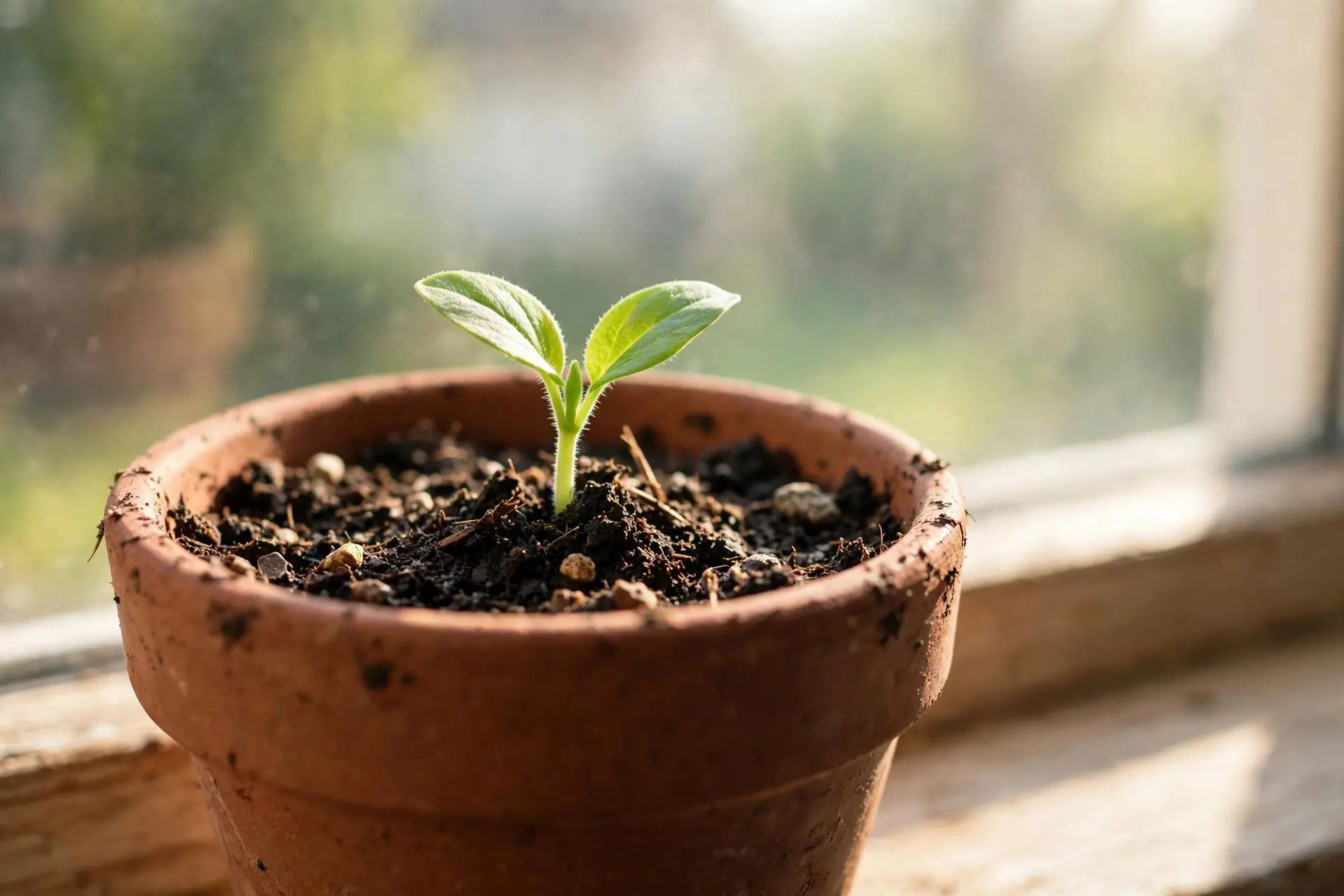
Nature leaves small change everywhere: a seedling in the crack of the path, a bird conducting an entire argument from your fence, frost drawing ferns on the window overnight. This prompt collects one tiny surprise before the day spends it.
Describe it precisely — color, size, timing — because precision is what makes the entry glow when you reread it in a greyer month. Two sentences can hold a whole season if the detail is right: “One yellow leaf, first of the year, on the step this morning.”
Entries like this turn an ordinary walk into a treasure route you can take on purpose. Write about: the smallest living thing that has genuinely delighted you this week.
15. A Memory That Makes You Smile

Some memories work like a kettle — set them going and warmth spreads everywhere. Choose one that reliably makes you smile: a sister helpless with laughter, a dance in a hallway, a child’s serious misunderstanding of how the world works.
Tell it in scene form, with the details your senses kept: the song on the radio, the dreadful wallpaper, what everyone was wearing. Writing a happy memory is not nostalgia for its own sake; it is proof, in your own handwriting, that joy has visited regularly and knows your address.
Rereading these pages on flat days is the closest thing a journal has to a savings account. Try this: give your memory a title, like a chapter, before you write it.
16. The Comfort of Routine
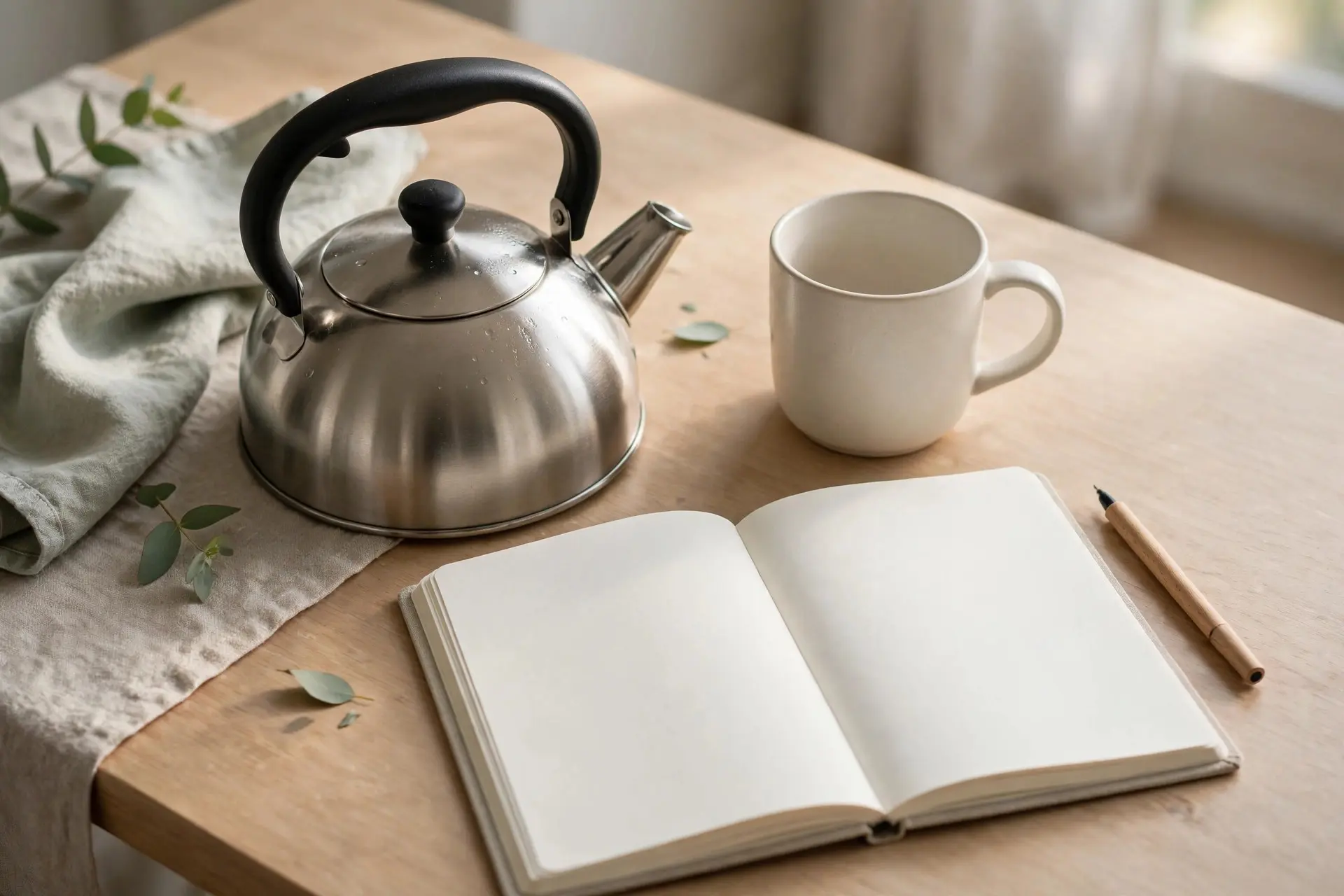
Routine gets a dull reputation, but on difficult weeks it is the railing on the stairs: tea first, then the walk, then the page. This prompt thanks one ordinary ritual for carrying you without asking for decisions you do not have to spare.
Write the routine step by step, in the order your body knows it, and notice which step is secretly the treat — the first quiet sip, the familiar corner turned on the walk, the pen that lives in exactly one place. Gratitude hides inside repetition; this entry simply turns on the light.
A written ritual is also a kindness to your future self, who can borrow today’s structure whole on a morning when everything feels scrambled. Write about: the five minutes of your day you would protect first.
17. A Challenge You Survived

You have a hundred-percent survival record on your hardest days so far. This prompt picks one challenge — the illness, the move, the year money or sleep ran short — and records it from the far side, where you stand now with information your frightened self did not have.
Write what the challenge demanded, who or what helped, and which strength turned out to be load-bearing: stubbornness, humor, asking for help sooner than felt dignified. Keep the entry factual and proud rather than dramatic; survival, documented plainly, reads powerfully.
These pages become evidence on the next hard day, in your own handwriting, that hard days end. Try this: finish with one sentence beginning “I know how to…” about what the challenge taught you.
18. Something You’re Looking Forward To
Anticipation is a pleasure you can have twice — once now, in the imagining, and once when the day arrives. Choose one thing ahead of you, large or small: a grandchild’s visit, a garden’s first tomato, an ordinary lunch with an old friend already in the diary.
Write what you are picturing in sensory detail — the drive there, the first hug, what will be on the table. Studies of happiness aside, every woman knows the week before a good thing has its own glow, and this entry lets you spend some of it early, on a plain Wednesday.
Small expectations count double here, because they arrive sooner and oftener. Write about: the next small good thing on your horizon, and one detail you hope it includes.
19. The Freedom to Choose

So much of adult life is obligation that we forget how many choices remain quietly ours: how the day starts, who gets our hours, what we read, cook, plant and politely decline. This prompt counts a few of those freedoms before they slip past unthanked.
Name choices you made recently that were truly yours — the course signed up for, the plan rearranged, the opinion spoken kindly and plainly. Then write what one of them made possible. Freedom noticed on paper tends to get exercised more, the way a thanked guest returns.
If choices feel scarce right now, start with the smallest genuine one: your mug, your route, your first five minutes. Agency, like gratitude, grows by being used. Try this: write one choice you will make this week purely because it pleases you.
20. Your Own Company

The last prompt on the list is the person who will read all the others. Your own company — your humor in the car, your taste in books, the way you make a small evening feel like an occasion — is a gift so constant it often goes entirely unthanked.
Write about a solo moment you genuinely enjoyed: a walk with your own thoughts for company, a meal cooked exactly to your taste, an afternoon when nobody needed anything and the quiet felt generous. Note what you like about being the woman in those moments; be specific and be generous, as you would for a dear friend.
Entries like this turn solitude from a gap in the schedule into a place you visit on purpose. Write about: one thing you would do this week if you treated your own company as the main event.
Tips for a Gratitude Practice That Sticks
Keep it to five minutes. Set a small timer at the same time each day — right after your morning coffee or just before lights out. A short, fixed appointment is far easier to keep than a long, floating intention, and five honest minutes beat a skipped half-hour every time.
Choose a notebook you love holding. A notebook that feels good in your hands will be picked up; one you resent will be quietly abandoned by Thursday. Keep the journal and its pen in one place, next to where the habit happens.
Scale down on hard days. Two sentences are enough when you are tired, unwell or stretched thin. The practice survives because it shrinks gracefully — a smaller entry still counts, still works, and keeps the chain unbroken.
Build small tools into the back pages. Keep a running “lifts me” list of songs, a page of people who believe in you, and a note of your favorite prompts for flat days, so the journal itself helps you on the mornings your mind arrives empty.
Common Mistakes to Avoid
Forcing positivity on hard days. Gratitude is not a coat of paint over grief, pain or a genuinely bad week. On hard days, write the smallest true thing instead — hot water, a working fridge, one kind text — and let the practice stay honest rather than cheerful.
Writing essays instead of a few honest lines. Length is not the measure here. Three specific lines will do more for you over a month than one beautiful page you never repeat; if an entry starts feeling like homework, shorten it, not the habit.
Only journaling when things go well. The prompts earn their keep on ordinary and difficult days alike. Skipping the flat days is like only checking the railing when the stairs feel safe — the practice is built precisely for the other days.
Comparing your list to someone else’s. Another woman’s page will always look warmer, wiser or more poetic from the outside. Your entries only need to be true and specific to your day — a working kettle, faithfully recorded, outranks a borrowed epiphany.
How to Pick the Right Prompt for Your Day
Match the prompt to your energy, not your ambition. On a good day, reach for reflection; on a hard one, reach for something almost laughably small. Both count, and both work — the right prompt is simply the one you will actually write today.
Running on empty? Choose a sensory prompt: one warm drink, one soft blanket, one song. Low effort, real effect. Anxious or wound up? Pick a prompt about safety or release — your safe place at home, a boundary you honored, the relief of a good cry. Wired but restless? Go for a people prompt: the stranger who helped, the person who believed in you, someone you are looking forward to seeing.
Feeling flat is its own instruction: try a “smallest thing” prompt. Gratitude for the ordinary — morning light, a tiny surprise from nature, a small comfort — is often what unsticks a dull mood fastest, because it asks for noticing rather than feeling, and the feeling frequently follows the noticing.
Frequently Asked Questions
How do I start a gratitude journal if I’ve never kept one?
Start smaller than you think you need to. Pick one prompt from the list above, set a timer for five minutes, and write at the same time each day — right after your coffee, or just before lights out. Choose a notebook you actually like holding, and do not worry about full sentences, neat handwriting or sounding profound. Three rough lines a day, kept up for a month, will do more for you than one beautiful entry you never repeat.
What if I can’t think of anything to be grateful for?
Then go absurdly small. The fridge that is still humming. A pillow that is finally the right firmness. Hot water on demand — a genuine luxury most of human history never had. When nothing feels good, naming one neutral, ordinary thing that worked today is enough; that is the whole practice. If a low mood persists for weeks, let the journal be one support among others, and consider talking it through with a trusted friend or a professional.
Should I write in the morning or evening?
Either works, and they do slightly different jobs. A morning entry sets the tone before the day gets loud — a calm anchor that pairs well with a cup of tea and no phone. An evening entry helps you gather what actually happened and close the loop before sleep. If you are torn, try mornings for one week and evenings for the next, then keep whichever felt easier to return to.
Can gratitude journaling really reduce stress?
Many women find that a few minutes of writing leaves them feeling calmer and settles a racing mind, and gratitude writing has been linked in research to better mood and sleep — but it is a gentle daily practice, not a treatment, and no one can promise it will lower anyone’s stress. Think of it as one kind habit among others, like a walk or an early night. If stress or low mood feels persistent or heavy, please talk to a doctor or another professional; a journal should sit alongside real support, never instead of it.
Conclusion
A calmer day rarely needs a new life — it needs five quiet minutes and one true sentence. These gratitude journal prompts will be here whenever the day feels loud: pick the one that matches your energy, write three honest lines, and let the small things take their proper size again. If a quieter evening is on your mind too, our tablescape ideas for family dinners pair beautifully with a page written after a shared meal. Which prompt will you try first tomorrow morning?
Discover more from Fashinate Style
Subscribe to get the latest posts sent to your email.