
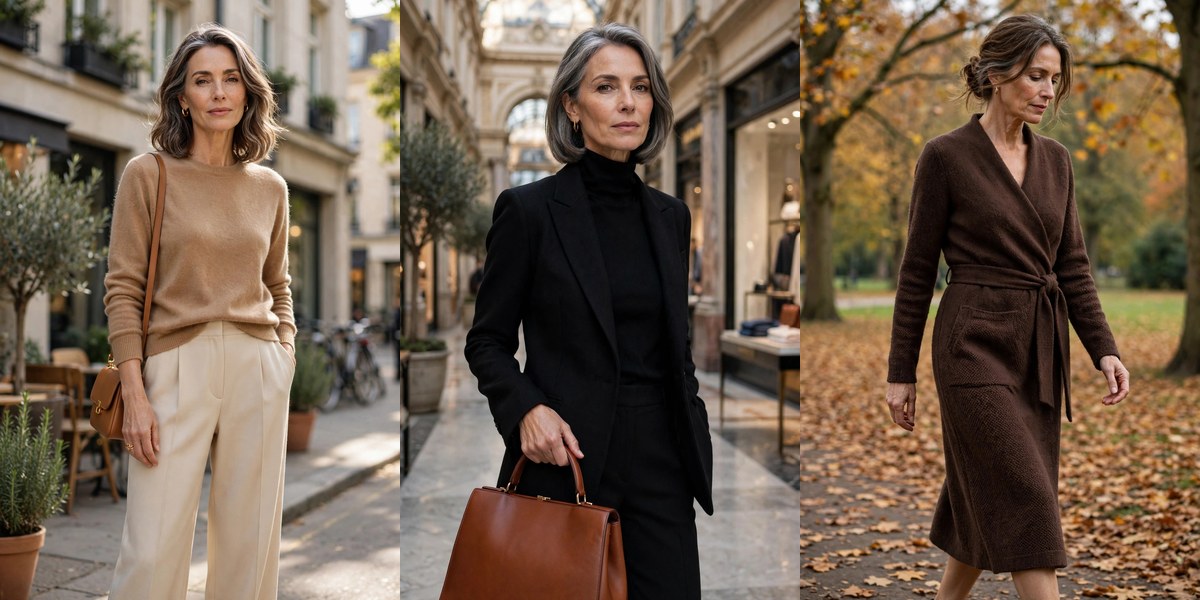
Looking expensive after 50 has almost nothing to do with designer labels. The women who read as “quiet luxury” at a glance are rarely the ones who spent the most — they are the ones who made the most deliberate choices. Fit over fashion, texture over shine, restraint over decoration: that is the whole formula.
After years of watching which outfits photograph expensive and which ones quietly fall flat, one pattern stands out. It is never the price tag that does the work — it is the dozen small decisions hiding inside the outfit. And the good news? Every single one of them can be learned, and most of them cost little to nothing.
Below are 15 smart, practical tricks that take any woman over 50 from “nicely dressed” to unmistakably expensive-looking — without a single designer logo in sight.
📐 The Basics
- Fit is the foundation. Shoulders sit exactly right, hems skim rather than drag or bunch, nothing pulls or gaps — this alone is worth more than any brand name.
- Stay in one neutral family. Camel, cream, navy, charcoal, and black mix into endless combinations that always read composed and high-end.
- Let texture do the talking. Matte wool, brushed cashmere, washed silk, and crisp cotton look rich; thin, shiny synthetics cheapen everything they touch.
- Edit ruthlessly. One structured bag, one metal story, one focal point — then stop. Expensive looks are calm, never crowded.
1. 🌿 Dress in One Color Family, Head to Toe

Tonal dressing — one color family from shoulder to shoe — is the fastest visual shortcut to looking expensive. When everything flows in camel, cream, or soft gray, the eye sees one long, composed column instead of a chopped-up outfit, which reads as deliberate and quietly luxurious.
The trick: Pick one neutral family and keep every piece within two shades of it. Camel sweater + cream trousers + tan flats is the classic.
Wear it when: You want to look instantly polished with zero morning effort — travel days, lunches, appointments.
Style note: Keep the textures different (knit against smooth wool) so the column never looks flat or matchy.
2. ✂️ Take It to a Tailor Before You Wear It
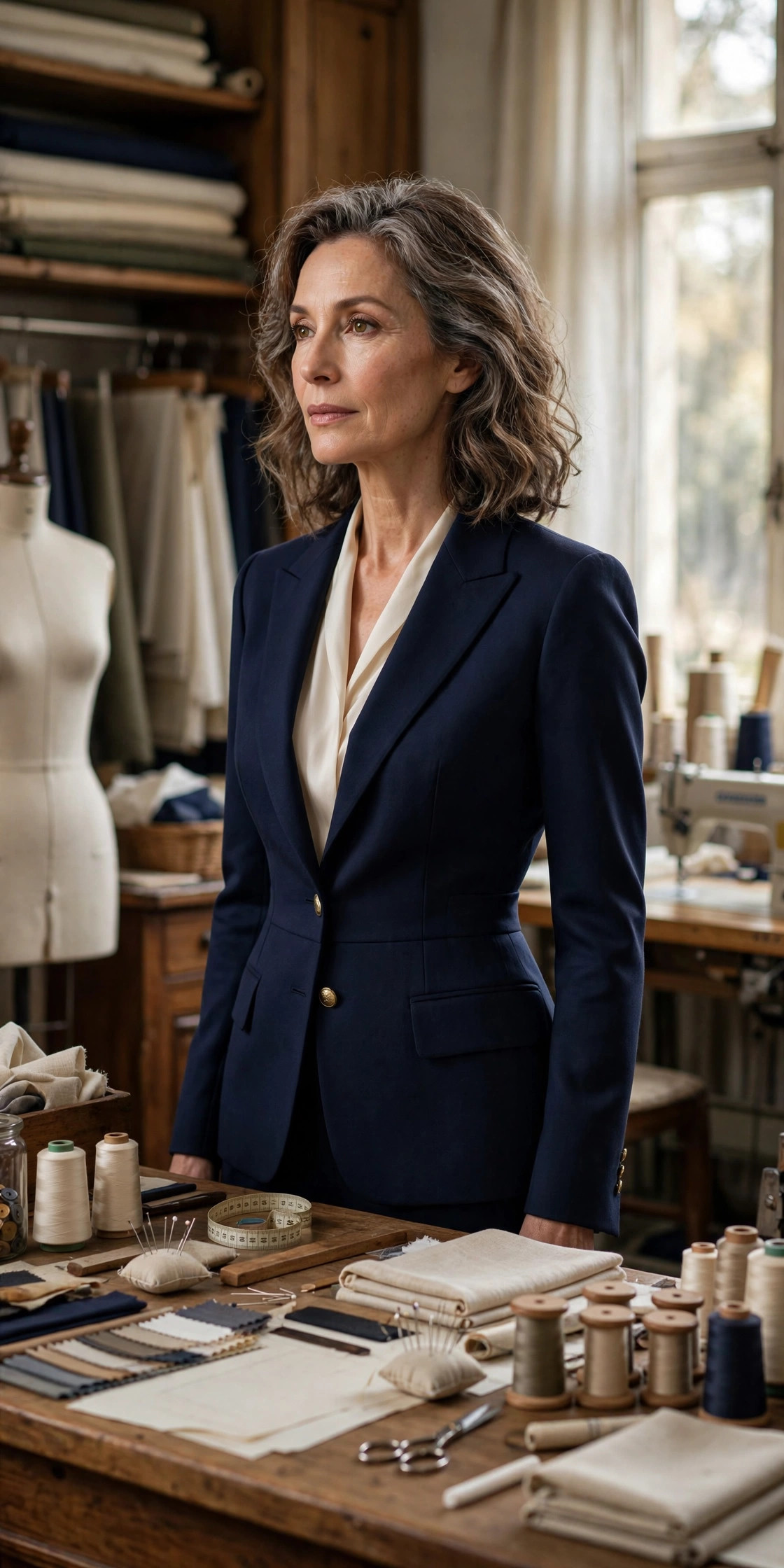
A $40 blazer that has been hemmed, nipped, and pressed will always out-perform a $400 blazer that gaps at the bust and puddles at the wrist. Tailoring is the single biggest differentiator between “affordable” and “expensive-looking,” and a good alterations shop costs less than one impulse purchase.
The trick: Build a standing list — shorten sleeves, take in waists, hem trousers to the shoe. Alter three basics this month.
Wear it when: Always. This is the behind-the-scenes trick that makes every other trick on this list work harder.
Budget tip: Prioritize tailoring for blazers, trousers, and coats — the structural pieces where fit is most visible.
3. 🧥 Add Soft-Shouldered Tailoring

A blazer with a soft, unstructured shoulder drapes over the body the way expensive clothes are supposed to — easy, never rigid. Unlike stiff, boxy jackets, it moves with you and instantly organizes everything underneath into a coherent, upscale silhouette.
The trick: Choose a blazer in wool or a quality blend with a natural shoulder line, cut slightly relaxed through the body.
Wear it when: Over silk blouses for dinner, over a simple tee for daytime — it is the fastest outfit elevator you own.
Fit note: The shoulder seam should land right at the edge of your shoulder, never drooping past it.
4. 👜 Carry a Structured Bag — With Zero Logos
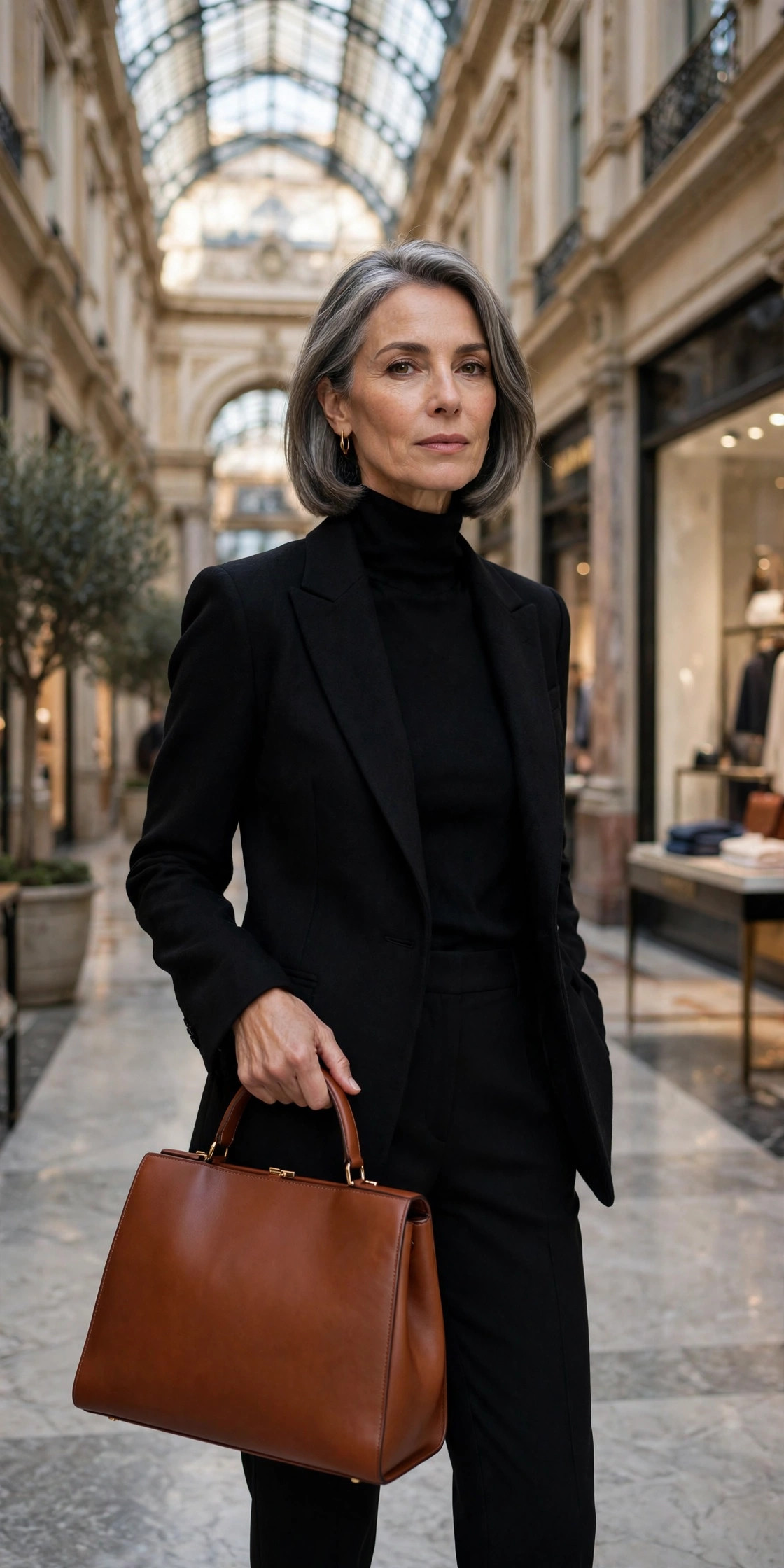
Nothing broadcasts money-quietly like a bag that holds its shape. A structured leather tote or top-handle in camel, black, or deep brown reads as considered and expensive — while slouchy, overstuffed, logo-heavy bags do the opposite, no matter what they cost.
The trick: One medium, structured bag in a classic color you will carry daily; keep it clean and conditioned.
Wear it when: Everywhere, honestly. Your bag is the most-photographed accessory you own.
Style note: Match the hardware (gold or silver) to your jewelry’s metal for an invisible extra layer of polish.
5. 👞 Let Your Shoes Set the Price
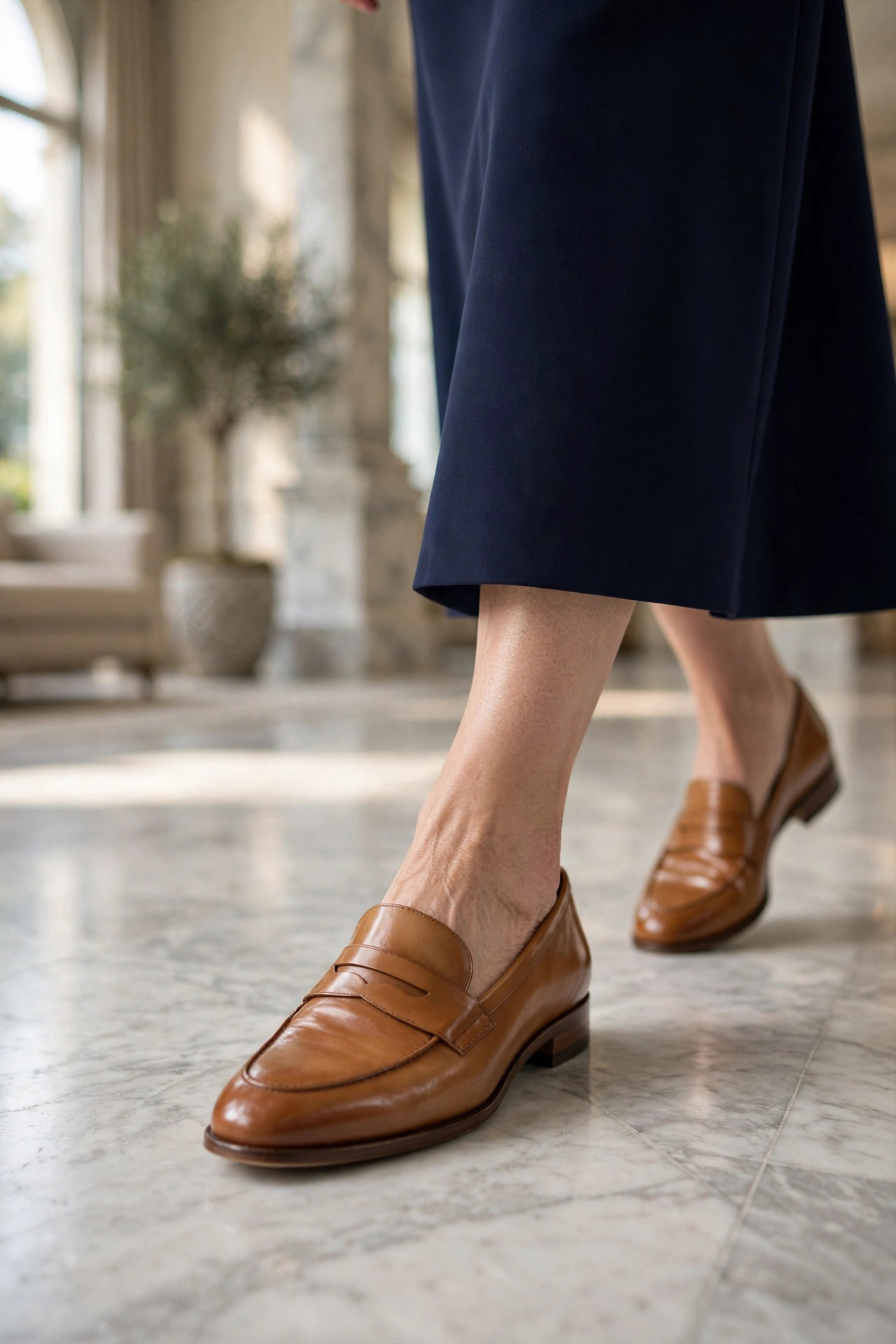
People subconsciously “price” an outfit from the shoes up. Polished leather loafers, refined ballet flats, or clean leather sneakers in neutral tones tell the eye that everything above them is intentional — scuffed or flimsy footwear tells the opposite story.
The trick: Keep two polished pairs in rotation — one loafer or flat, one sleek sneaker — and clean them weekly.
Wear it when: With dresses, wide-leg trousers, and even denim; the shoe is doing the heavy lifting here.
Pro note: Skin-tone or neutral shoes create one unbroken leg line, which looks both longer and more expensive.
The “shoe test” works in reverse too: before buying any outfit piece, picture it with your best-polished shoes. If it still looks plain without them, the piece is not the problem — the styling is.
6. 💍 Keep One Clean Metal Story
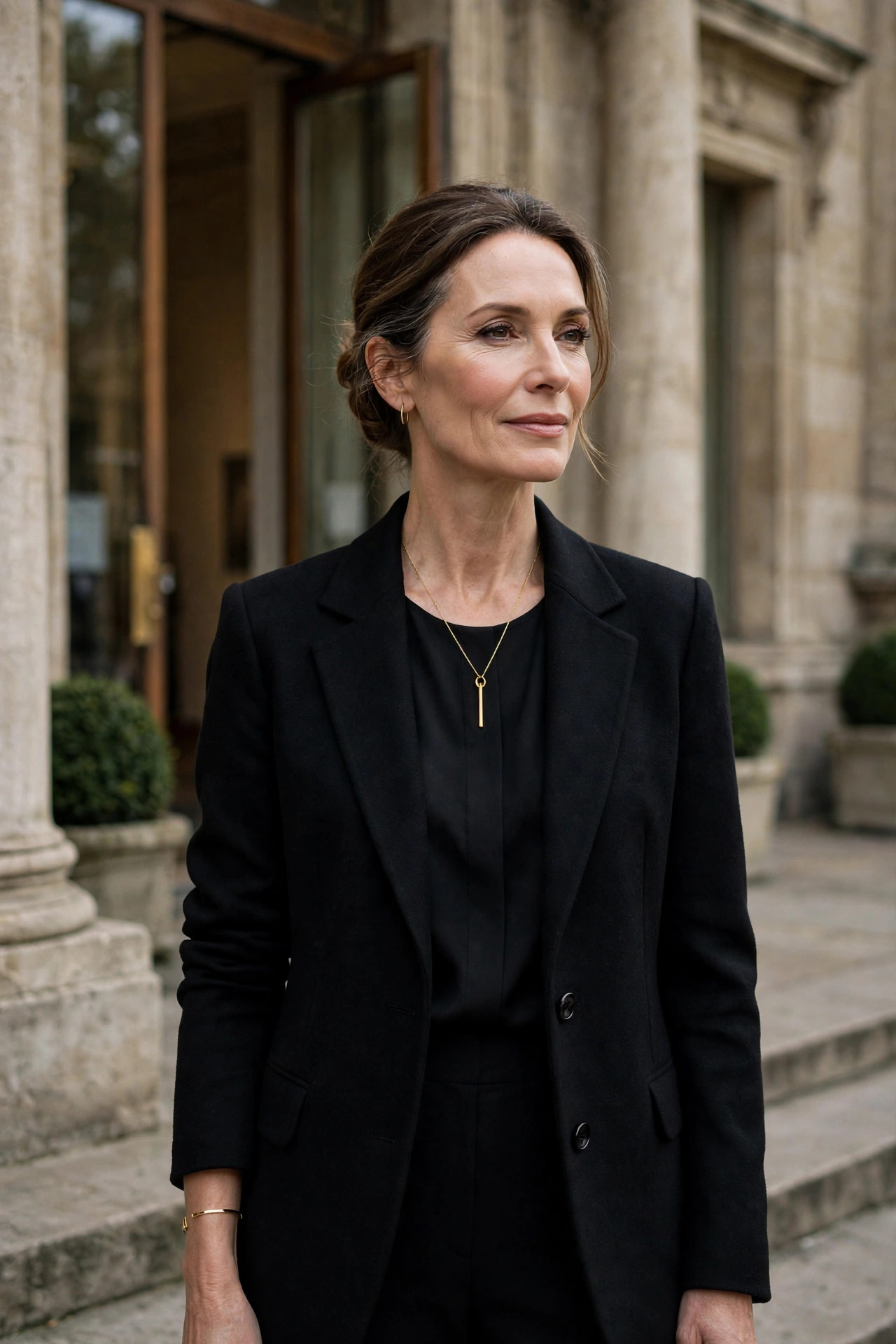
One strong piece of jewelry — a substantial gold chain, sculptural earrings, or a classic watch — outperforms a wrist full of competing pieces every time. Keeping to a single metal (all gold or all silver) reads as confidence; mixing everything reads as noise.
The trick: Choose your metal, then wear one hero piece and one quiet companion (pendant + stud, or watch + thin bracelet).
Wear it when: With monochrome or neutral outfits where the jewelry becomes the focal point.
Style note: Matte or brushed finishes read more expensive than high-shine plated pieces.
7. 🧵 Swap Shiny for Matte, Rich Fabrics
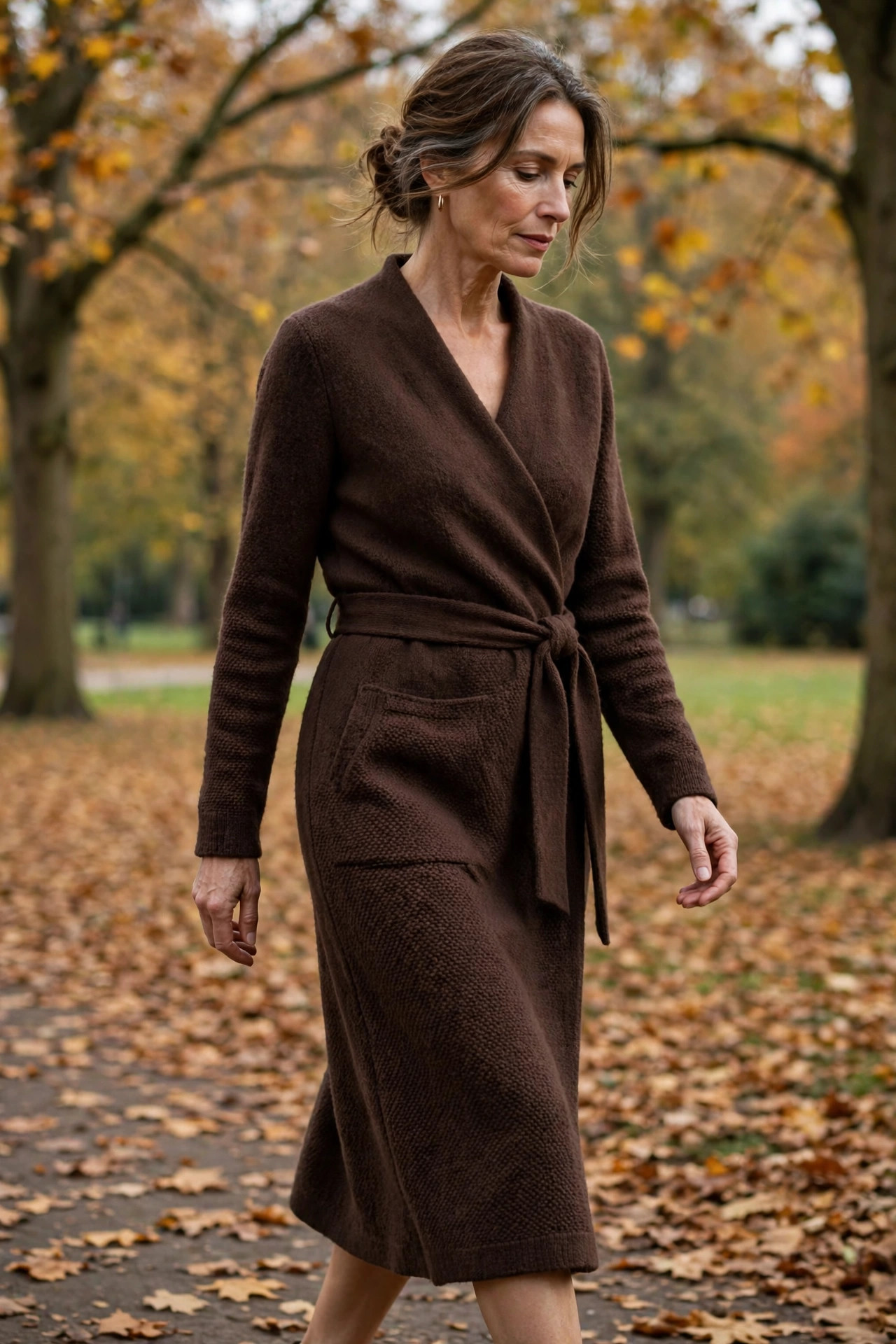
Matte, substantial fabrics — wool, cashmere, brushed cotton, washed silk — absorb light and drape properly, which the eye registers as quality. Thin, shiny, clingy fabrics catch the light in the wrong places and cheapen even a well-cut silhouette.
The trick: Run the “scrunch test” when shopping: squeeze the fabric — if it bounces back with soft texture, it will look rich; if it springs back paper-thin and shiny, walk away.
Wear it when: Dresses and tops especially, where fabric sits closest to the skin and catches the most light.
Color pop: Rich matte fabrics take deep color beautifully — espresso, forest, burgundy — all expensive-feeling without trying.
8. ➕ Finish Every Outfit With a Third Piece
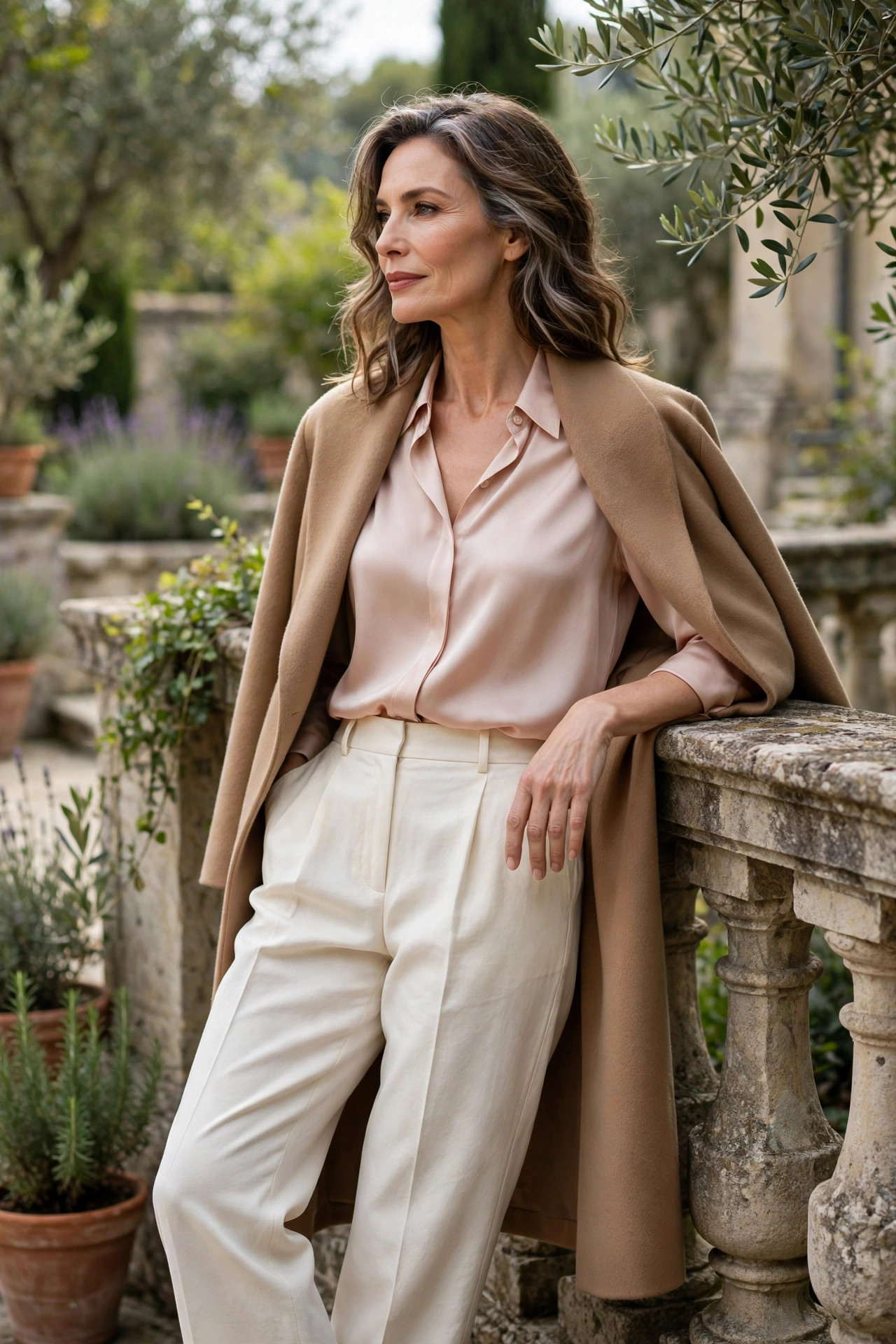
Stylists call it the third-piece rule: jeans + sweater is an outfit, but jeans + sweater + coat (or blazer, or vest) is a look. That finishing layer adds structure, intention, and visual interest — the three things the brain reads as “expensive.”
The trick: Keep a camel coat, long blazer, or soft cardigan by the door and throw it over any two-piece base.
Wear it when: Anytime an outfit feels “fine but plain” — the third piece is the missing step.
Style note: Draping a coat over the shoulders (rather than wearing it) doubles the effect — it reads editorial, not practical.

9. 🕶️ Treat Sunglasses Like Jewelry
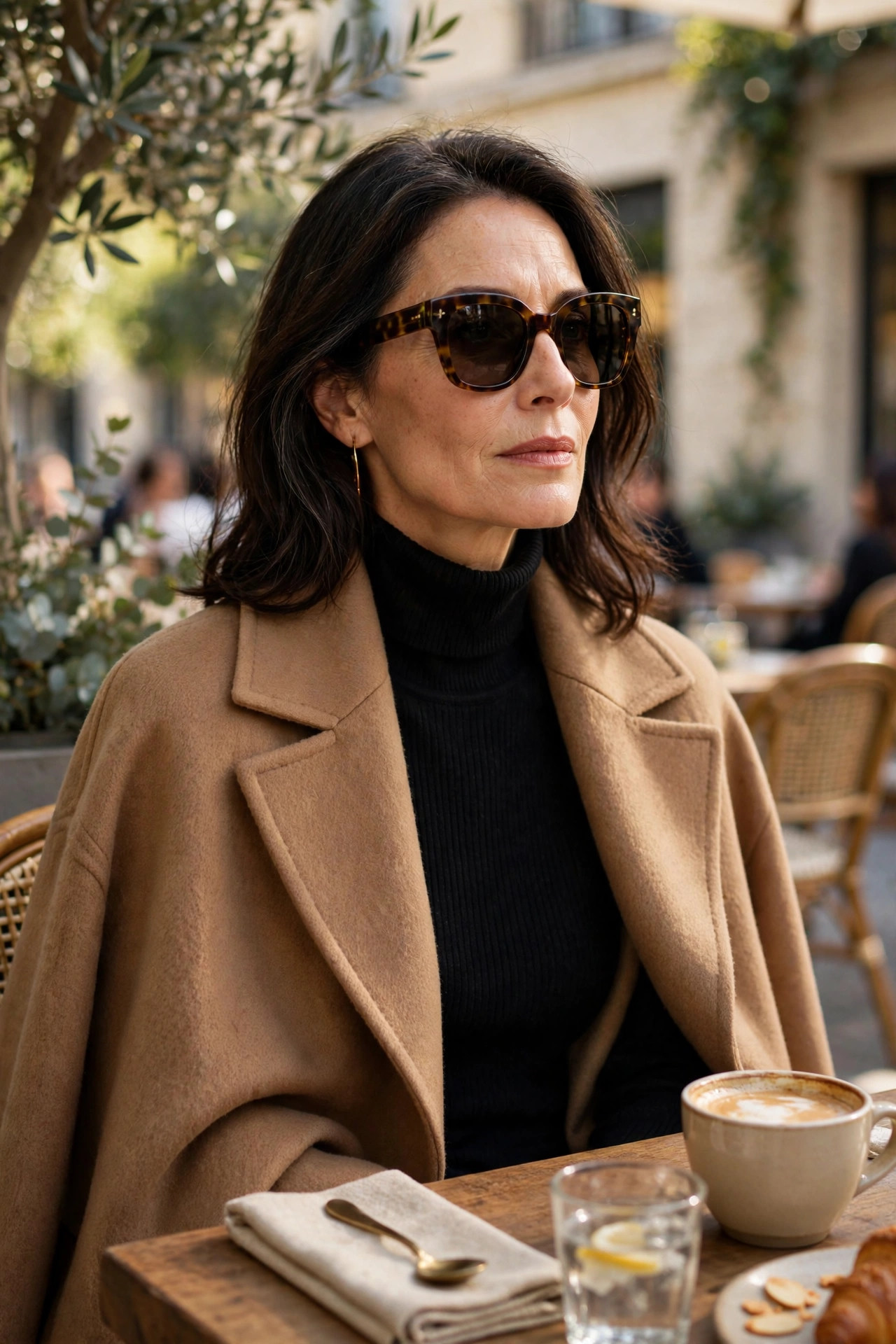
A strong pair of sunglasses is the cheapest statement accessory you will ever buy — and it works like jewelry for your face. Oversized, well-proportioned frames in tortoise, black, or deep brown add instant architecture to an outfit, even on the most casual days.
The trick: Choose frames scaled to your face (not tiny, not costume) and keep the lenses clean — smudged lenses undo the effect.
Wear it when: Running errands, at the café, on travel days — the moments your outfit is simplest are when sunglasses matter most.
Accessory idea: Tortoiseshell pairs naturally with gold jewelry; black frames pair with silver.
10. 💅 Keep Your Hands and Nails Groomed
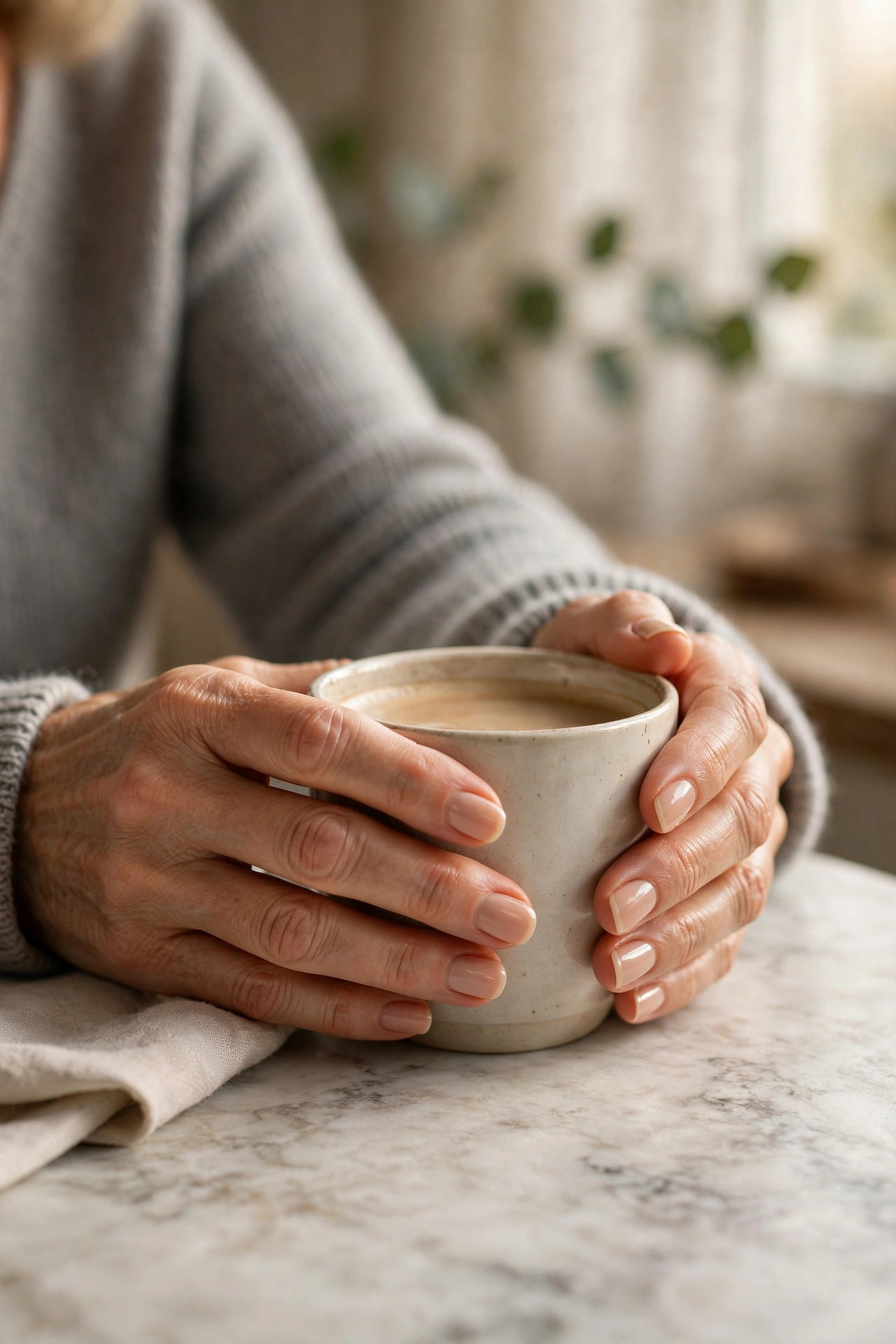
Hands are on display all day — gesturing, holding, greeting — and well-kept nails register as self-care that money can only partly buy. A tidy shape with a sheer nude or classic polish reads refined; chipped polish or ragged cuticles quietly undercut an otherwise expensive outfit.
The trick: File into a short oval or squoval, push back cuticles, and wear one polished neutral shade — or go bare with buffed, moisturized nails.
Wear it when: Daily. This is grooming, not occasion dressing, and it compounds over time.
Pro note: Keep hand cream and a nail file in your bag; five-minute maintenance beats a monthly salon rescue.
The “expensive” finish is invisible: nobody compliments your ironed collar, your polished nails, or your lint-free black trousers — but everyone registers the total effect. Spend your finishing minutes on what disappears, not what shows.
11. 🪢 Define Your Waist With a Slim Belt

A slim leather belt gives an outfit instant structure and a finished focal point — the visual equivalent of punctuation at the end of a sentence. It turns a tucked blouse or a loose dress into a composed, intentional look in under ten seconds.
The trick: One slim belt in dark brown or black, worn over high-waisted trousers, tucked shirts, or unstructured dresses.
Wear it when: Whenever an outfit feels shapeless or “too much fabric” — the belt redraws the line.
Fit note: Keep the buckle small and simple; a giant logo buckle undoes the quiet-luxury effect.
12. 🤍 Keep Your Whites Crisp

A bright, pressed white shirt is one of the most expensive-looking garments on earth — and one of the fastest to look cheap when it is gray, wrinkled, or stretched. Fresh whites against the face also light up mature skin in a way no bronzer can match.
The trick: Wash whites separately with a whitening routine, iron or steam before wearing, and retire shirts the moment the collar fades.
Wear it when: With denim for casual polish, under a blazer for work, with black trousers for evening.
Budget tip: Buy white shirts two at a time and rotate — doubling the lifespan of “crisp” costs less than one replacement panic-buy.
13. 🧣 Add a Silk Scarf at the Neck
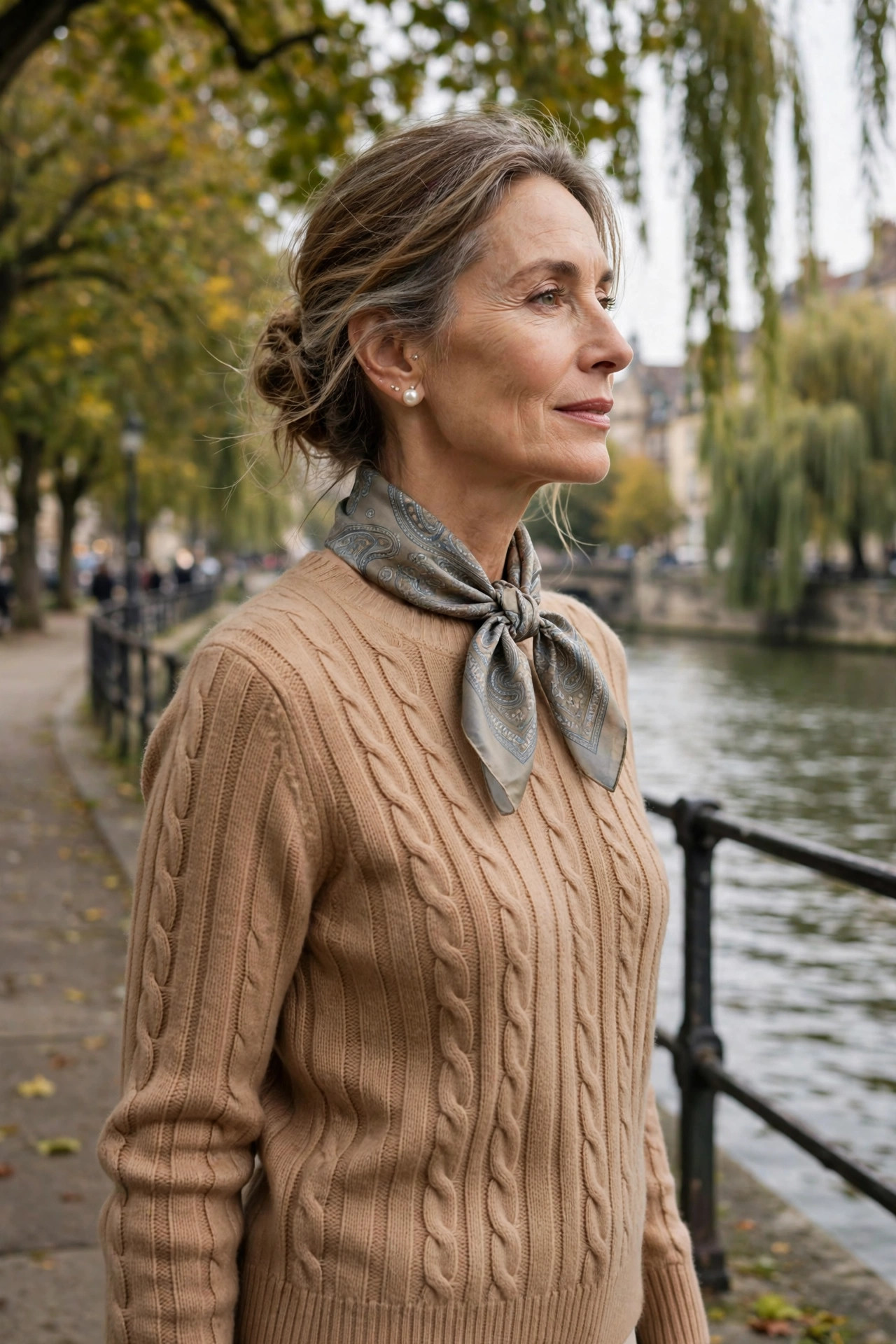
A small silk scarf knotted at the neck, tied on a handbag, or twisted into a low bun is the classic old-money accent — it adds color, texture, and pattern exactly where the eye lands first, making even a plain sweater look styled on purpose.
The trick: Fold a small square into a band and tie a simple knot at the side of the neck; let the tails fall short.
Wear it when: With crew-neck sweaters and simple blouses that need one point of interest.
Style note: Choose muted prints — paisley, dots, thin stripes — loud prints read costume, not class.
14. 👠 Choose an Architectural Block Heel

When you do wear a heel, a moderate block or stacked shape reads modern and expensive; a thin, spindly stiletto reads dated and uncomfortable. The architectural heel gives you height and a clean line without the wobble that cheapens the whole look.
The trick: One black block-heel slingback and one nude block-heel pump cover nearly every dressed-up occasion.
Wear it when: With midi dresses, wide-leg trousers, and evening events — anywhere a flat feels too casual.
Shoe swap: For all-day events, a polished pointed flat beats an uncomfortable heel every time — confidence is the real luxury.
15. 💇 Make Your Hair Look Intentional
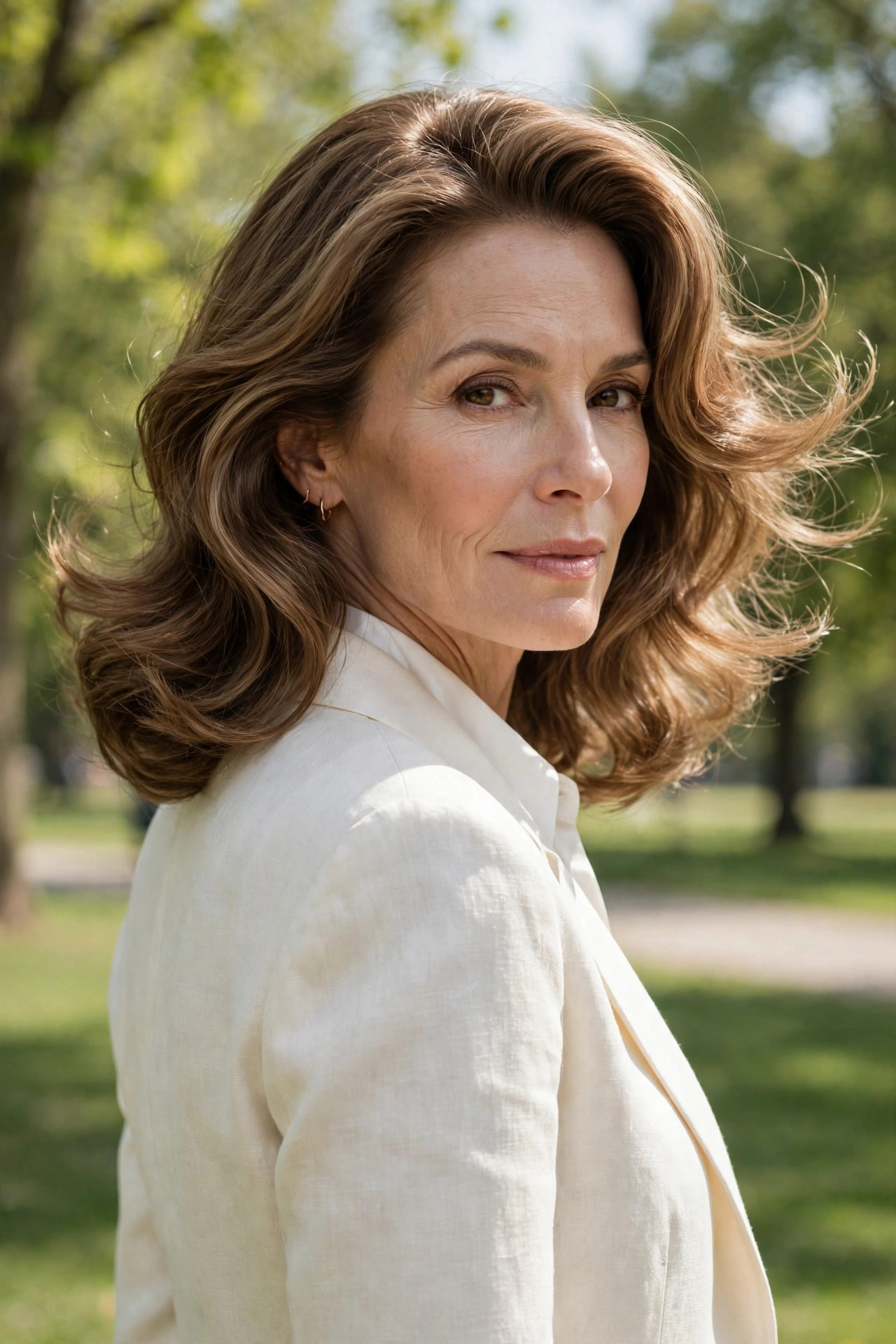
The most expensive-looking women over 50 treat hair as part of the outfit, not an afterthought. A polished blowout, a sleek low bun, or a cleanly shaped cut with intentional color reads as finished — while frizzy, grown-out, or neglected hair drags even designer clothes down.
The trick: Find one signature finish (smooth blowout, polished waves, neat chignon) and learn to recreate it at home between salon visits.
Wear it when: Always — this trick works hardest on the days you are dressed most simply.
Pro note: Intentional color matters more than coverage: a well-maintained silver or a rich, even brunette both read expensive.
🚫 Mistakes to Avoid
- Wearing everything too tight or too baggy. Both read cheap; clothes should skim the body, not strangle or swallow it.
- Mixing gold and silver jewelry in one outfit. Pick one metal story and commit — mixed metals look accidental, not eclectic.
- Carrying a sagging, overstuffed bag. Edit the contents, keep the shape crisp, and condition the leather seasonally.
- Choosing thin, shiny, clingy fabrics. They cheapen even a perfect cut — matte and substantial always win.
- Chasing every trend at once. One modern element per outfit keeps you current; five makes you look like you are trying too hard.
❓ Look Expensive Over 50 FAQs
Can I really look expensive on a small budget?
Absolutely — looking expensive is mostly about fit, grooming, and editing, none of which require a big budget. Get three basics tailored, build a neutral palette, polish your shoes, and keep your jewelry to one metal. Most women find their existing wardrobe already contains 80% of what they need.
Which colors make women over 50 look most expensive?
Camel, cream, ivory, navy, charcoal, black, and soft gray are the quiet-luxury workhorses. They mix effortlessly, flatter mature skin, and read as composed. When you want color, reach for deep, muted tones like burgundy, forest green, or espresso rather than bright, high-shine shades.
Do I need a designer handbag to look expensive?
No — in fact, visible logos can work against you. A structured, logo-free bag in good leather with clean hardware reads more expensive than most designer pieces. Keep the shape crisp, the contents edited, and the leather conditioned, and nobody will ask about the brand.
What is the fastest way to make an outfit look more expensive?
Steam or iron it, do a proper tuck, add a slim belt, and finish with a third piece like a blazer or coat. That five-minute routine — pressing, tucking, belting, layering — elevates almost any outfit more than buying something new.
What should I stop wearing if I want to look expensive over 50?
Pilled knits, stretched-out waistbands, grayed white shirts, scuffed shoes, and anything with cracked prints or peeling logos. The “expensive” signal is largely about condition and care — a wardrobe in excellent condition always outperforms a fuller one full of tired pieces.
✅ Your Look-Expensive Checklist
- ☐ Fit checked — shoulders, waist, and hems sit right before you leave the house.
- ☐ One color family — head to toe in a calm neutral, with texture for interest.
- ☐ One structured bag, one metal story, one focal point — then stop.
- ☐ Shoes polished and intentional, not an afterthought.
- ☐ Hair, nails, and sunglasses finished — the details people register without noticing.
- ☐ The mirror test — remove one thing before you walk out the door.
Looking expensive after 50 is not about what you spend — it is about what you notice. Pick one trick from this list and try it tomorrow morning; then add another the next day. You almost certainly own most of what you need already.
📖 Keep Reading
- 🤍 12 Minimalist Outfits Over 50: Fewer Pieces, More Elegance — take the tonal-dressing trick further with pared-back outfits built on restraint.
- October Outfits for Women Over 50: 25 Cozy Looks for Crisp Mornings — fall is the easiest season to look expensive, and these 25 looks show why.
- 🌸 12 Japanese-Inspired Outfits Over 50: Calm, Graceful Style — the serene, understated side of expensive-looking style.
Discover more from Fashinate Style
Subscribe to get the latest posts sent to your email.