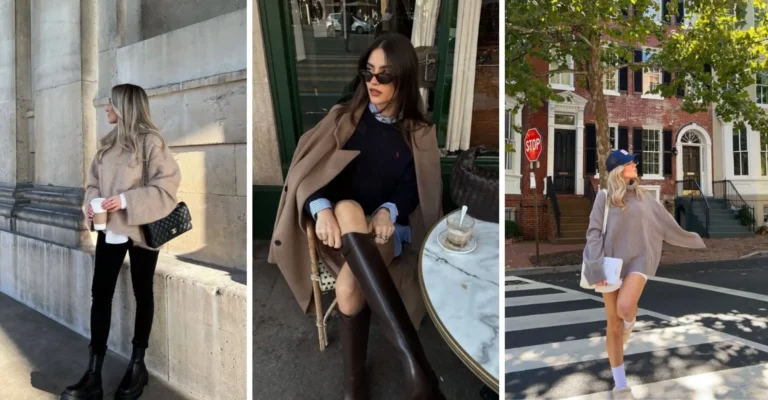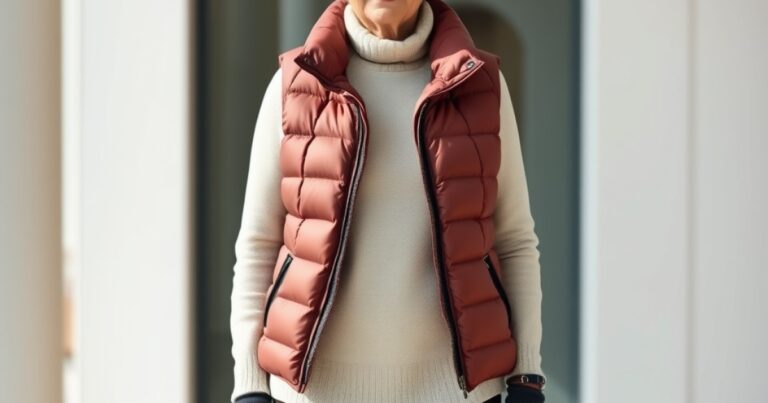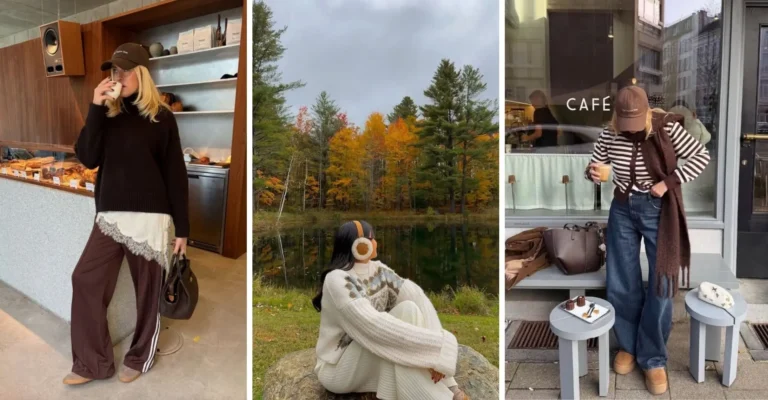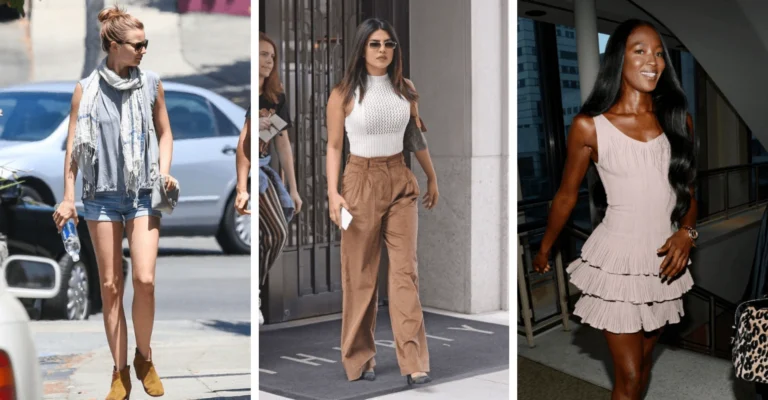
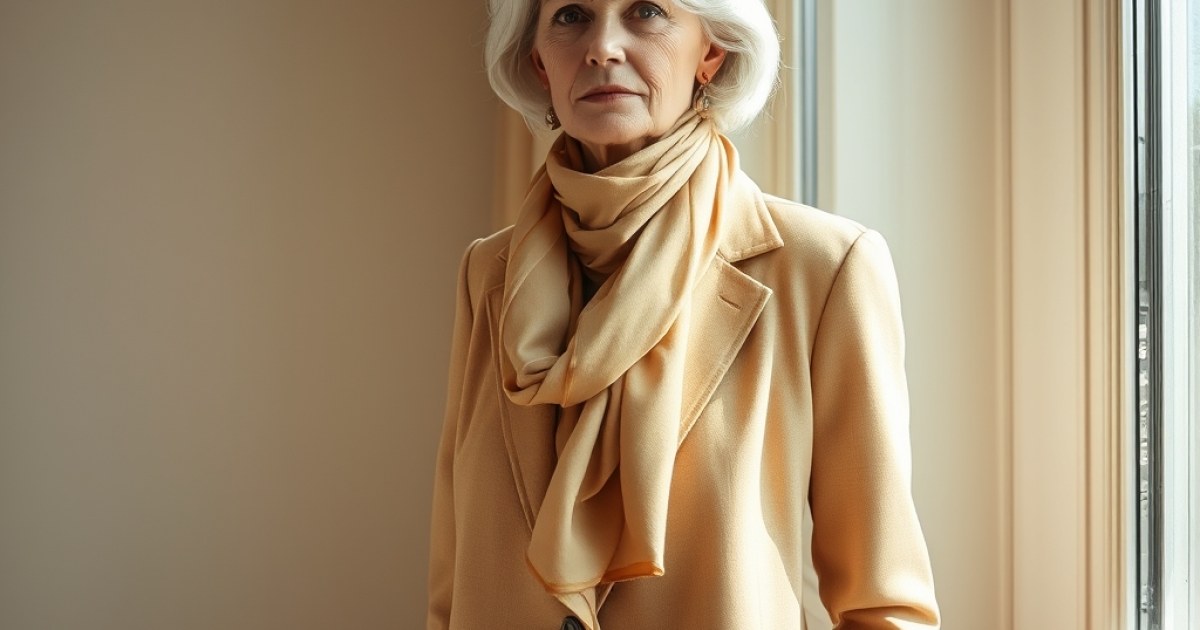
Aging is a privilege, and your style should celebrate it. If you’ve ever stood in a dressing room wondering whether a trend has “passed you by” or reached for a shapeless top just to cover up, you’re not alone. The good news is that looking polished after 50 has far less to do with following trends than with a handful of timeless principles: knowing what fits, investing in pieces that last, and choosing clothes that make you feel like yourself.
These 21 timeless fashion tips for women over 50 are built around exactly that. You’ll learn which wardrobe essentials are worth owning (and how to tell quality from filler), how to get the fit right so clothes flatter rather than fight your body, and small styling moves—like the right hemline, the power of a third piece, or swapping one accessory for another—that instantly pull an outfit together. No trend-chasing, no rules about “dressing your age.”
Think of this as a practical checklist you can actually use. Some tips are quick fixes you can try before your next outing; others are slow-burn investments that will pay off for years. Read with a critical eye, take what fits your life, and skip what doesn’t—your wardrobe, like your style, should be entirely your own.
1. Invest in a Perfectly Tailored Blazer
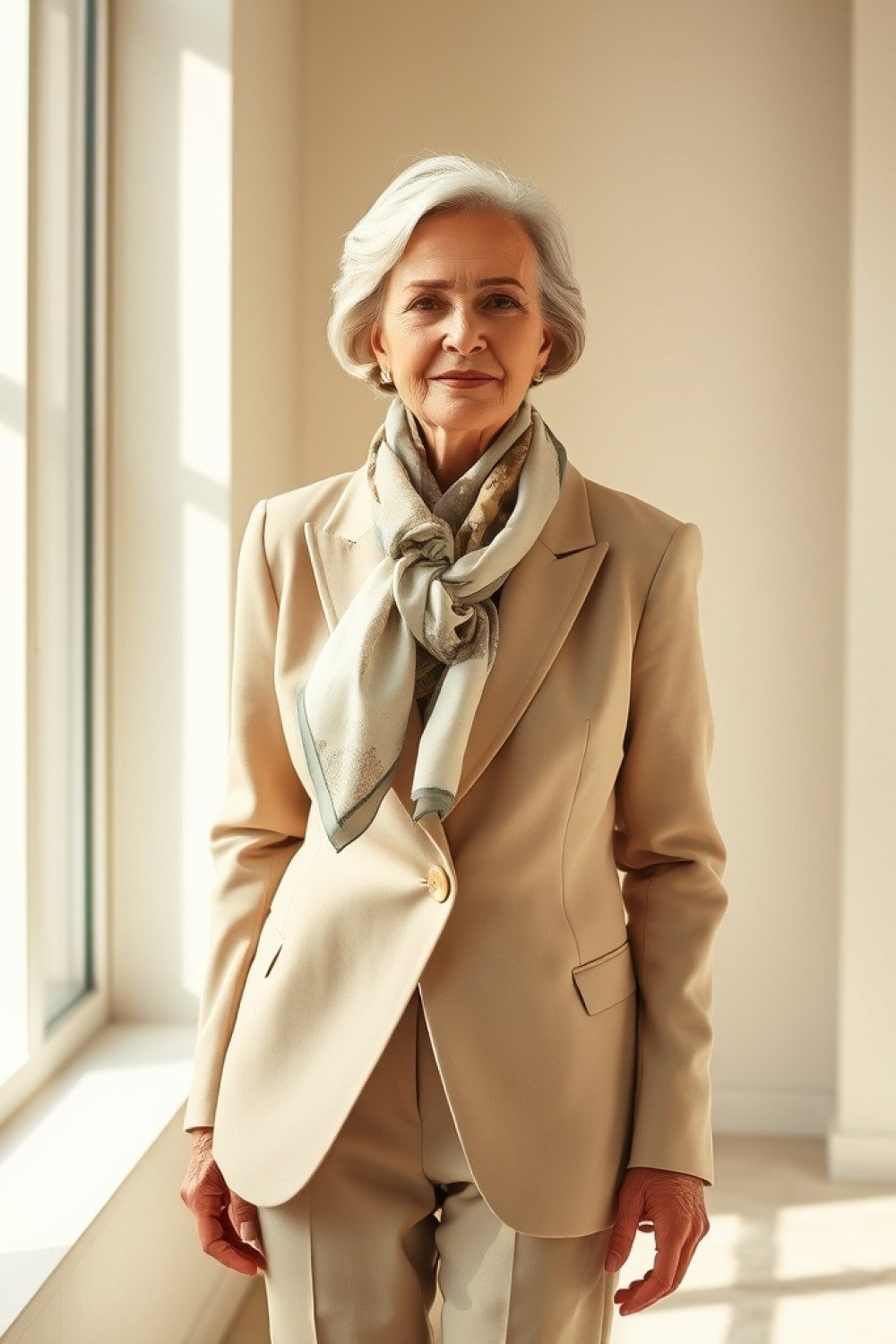
A blazer is the single fastest way to look pulled-together, whether you’re throwing it over jeans and a tee or a silk dress. The magic is in the fit, not the price tag. Look for a single-breasted style with a gentle nip at the waist — it creates shape without feeling restrictive. Navy, black, camel, or charcoal will work with nearly everything already in your closet.
When you try one on, check three things: the shoulder seam should sit right at the edge of your natural shoulder, the sleeves should end at your wrist bone, and you should be able to button it without pulling across the chest. If any of those are off, a tailor can fix them for $20–$40.
Your tip: Buy the blazer that fits your shoulders — that’s the hardest alteration — and budget for tailoring on the sleeves and waist. A $50 blazer tailored to your body genuinely looks better than a $500 one that doesn’t fit.
2. Embrace High-Quality Fabrics
Fabric is what separates an outfit that looks expensive from one that just looks new. Natural fibers — cotton, silk, wool, linen, cashmere — drape better, breathe, and hold their shape far longer than synthetics. They also photograph beautifully, which matters more than ever in a world of video calls and phone cameras.
When you’re shopping, touch everything. Look for a tight weave and a bit of weight — substantial fabrics resist wrinkling and skim your body rather than clinging. Hold the piece up to the light: if you can see your hand through it, it will show every lump and bump beneath.
Your tip: Start with one silk blouse and one merino wool sweater in a neutral you’ll wear weekly. Those two pieces alone will make everything you pair them with look more polished.
3. Master the Art of Layering

Layering adds dimension to an outfit and lets you adapt to a hot flash, a cold office, and a cool evening without changing clothes. Build in three steps: a thin base layer (a fine-knit turtleneck or a silk camisole), a mid-layer (a button-down or lightweight sweater), and a topper (a jacket, blazer, or cardigan).
Proportion is everything here. If your outer layer is bulky or oversized, keep the inner layers slim and close to the body — otherwise you’ll add visual pounds you don’t have. The reverse works too: a slim jacket over a chunky knit gives you balance and warmth.
Your tip: Try the foolproof combo of a long cardigan over a fitted top and straight-leg pants. It lengthens your line, hides the midsection, and works for almost any occasion from errands to lunch.
4. Choose the Right Denim for Your Body
Denim can be your best friend or your worst enemy, and it comes down to wash, rise, and cut. A dark wash — indigo, deep charcoal, or black — is universally flattering, slimming, and dressy enough for dinner. Choose straight-leg or a subtle bootcut with a touch of stretch for comfort that still holds its shape.
The rise matters most. Look for mid-to-high rise that sits at or just below your natural waist: it elongates your legs and smooths your midsection. Low-rise and heavy distressing tend to look dated and work against mature bodies, so skip them.
Your tip: Have your jeans hemmed to just above the ankle bone. That one small alteration makes any pair look intentional and modern rather than borrowed.
5. Accessorize with Intent

Accessories are the punctuation marks of an outfit — a few well-placed ones make a simple look feel finished. A silk scarf, a classic watch, a slim leather belt, or a pair of pearl studs add polish without shouting. The trick is choosing pieces that echo the colours in your outfit rather than compete with them.
Metals should be consistent where possible — if your jewellery is gold, keep your belt buckle and bag hardware gold too. It’s a small detail that instantly reads as put-together, even if no one can say exactly why.
Your tip: Put on your accessories, then take one thing off before you leave the house. That discipline keeps you looking curated rather than cluttered.
6. Wear the Right Undergarments
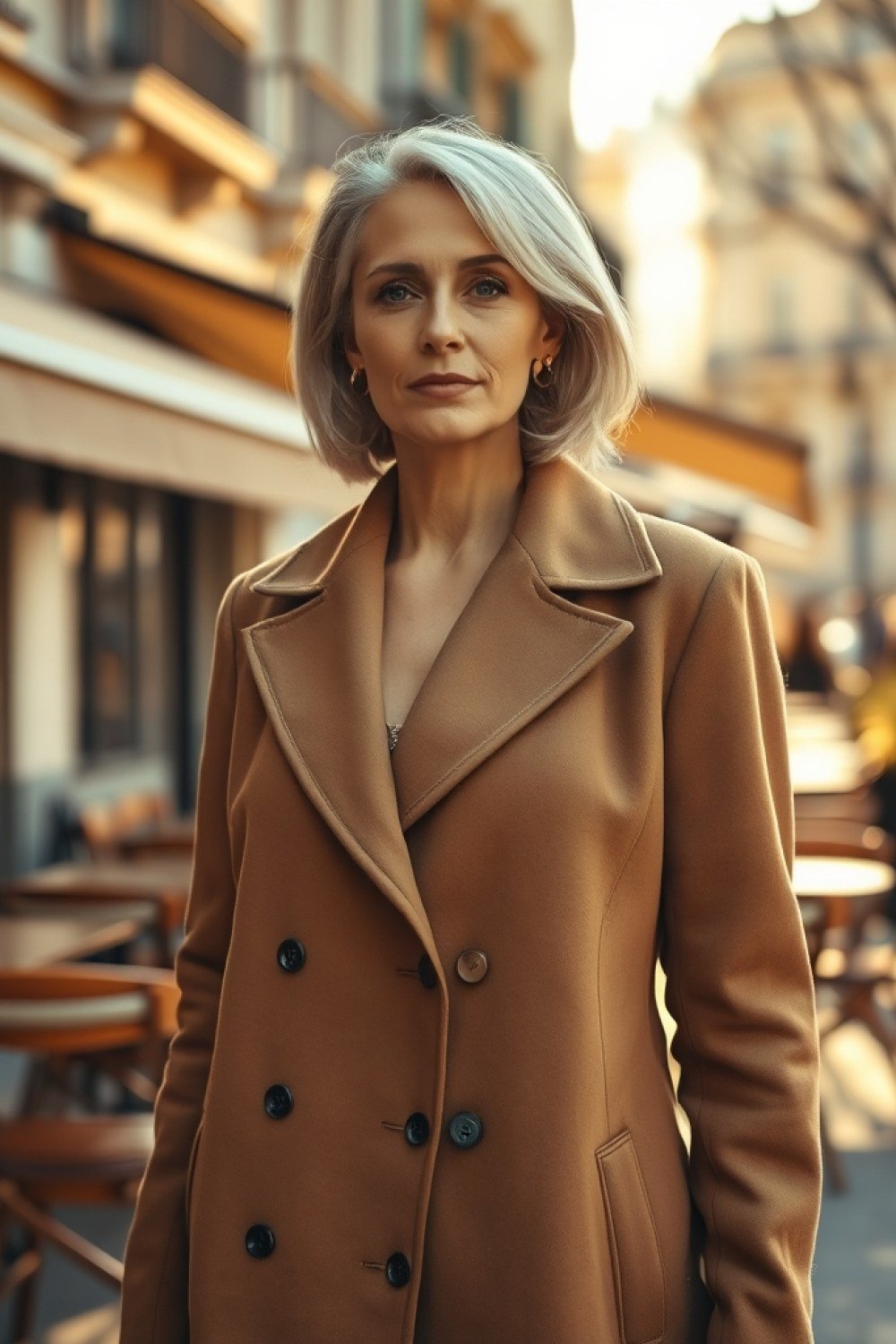
No outfit looks polished over the wrong foundation. A well-fitting bra lifts, shapes, and improves the line of everything you wear on top of it. Get professionally fitted every year or two — bodies change, and most women wear a band too large and a cup too small without realising it.
Seamless underwear prevents visible lines under trousers and skirts, and a smooth camisole or half-slip works wonders beneath clingy fabrics like silk, jersey, and fine knits. These aren’t indulgences; they’re the base layer of a well-dressed look.
Your tip: Take one clingy dress or top to your fitting and try bras underneath it, not just in the changing-room mirror. What looks smooth over a t-shirt can show every seam under silk.
7. Find Your Signature Color Palette
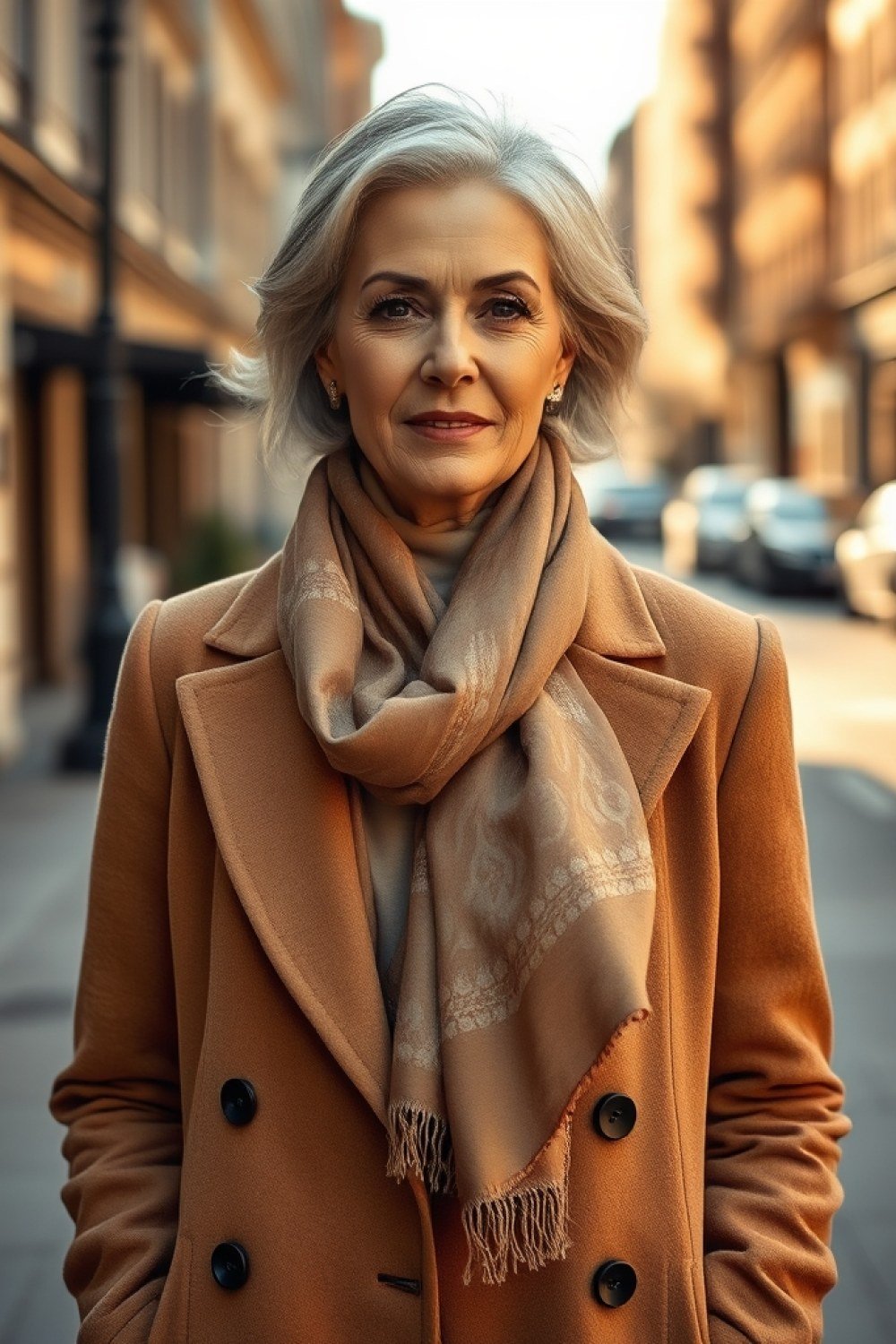
Start by figuring out your undertone. Look at the veins on your inner wrist in daylight: blue-purple leans cool, green leans warm, and a mix means neutral. Your best colors make your skin look even and your eyes brighter — if a shade washes you out or casts gray shadows under your eyes, it’s not yours, no matter how much you love it on the hanger.
Now build a tight core: black, white, navy, beige or gray, plus your two or three power colors. Say it’s navy and cream with burgundy and teal accents — every jacket, knit and trouser you buy either lives in that palette or plays with it. Brights are absolutely welcome; they just need to share a temperature with your core so nothing fights.
Line up your closet and you’ll spot the harmony instantly. When every piece pairs with at least three others, you cut getting-dressed time in half and look intentional without effort.
Your move: Hold fabric swatches up to your bare face in natural light before you buy — if your jawline looks sharper and your eyes pop, that color earns a place in your wardrobe.
8. Prioritize Fit Over Fashion
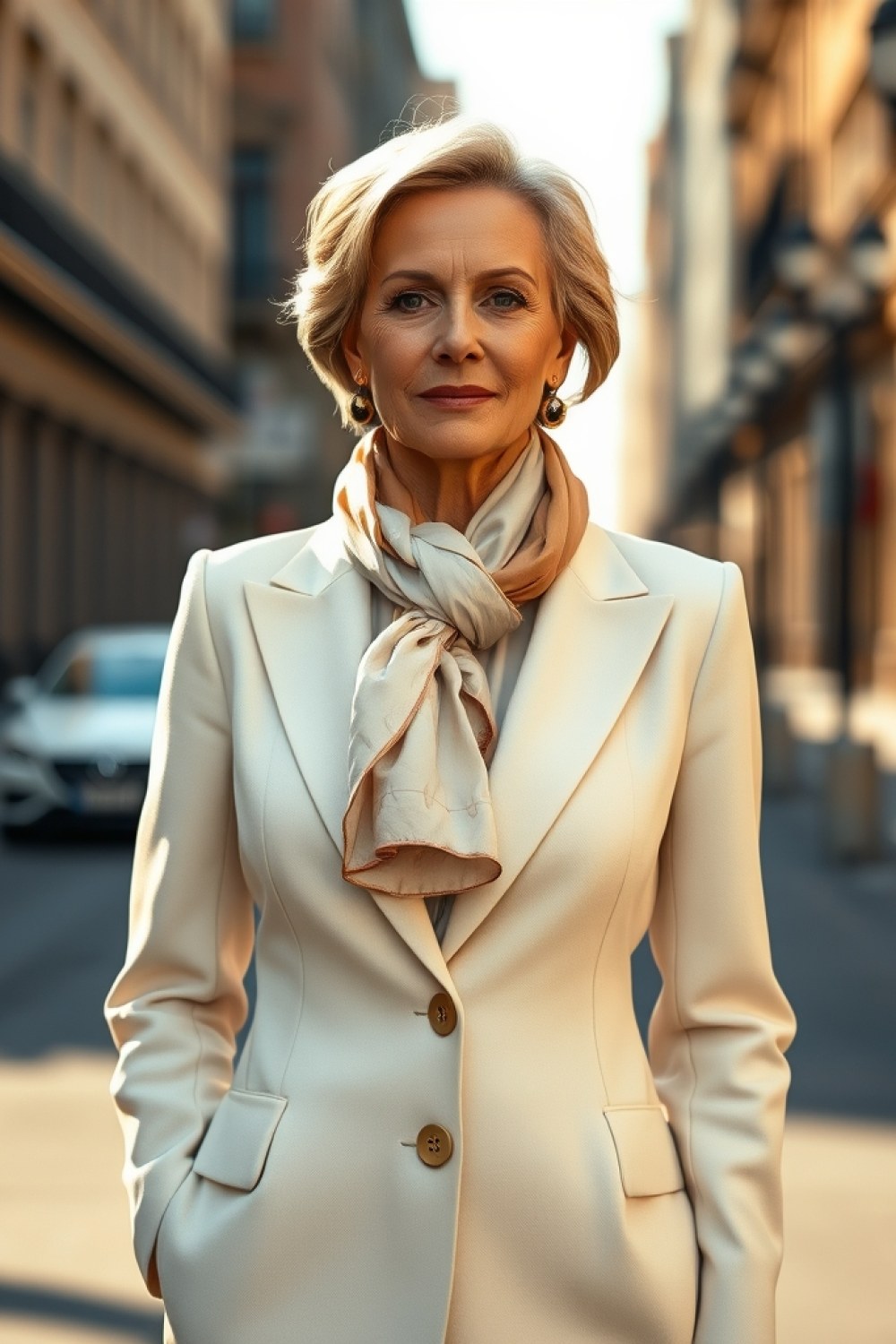
A $400 blazer that pulls across the bust looks cheaper than a $90 one that fits. Seams should sit on your shoulder point, not slide down your arm. Buttons shouldn’t gape — if they do, size up and tailor down, never the reverse. Hems should hit parallel to the floor, and a waistband shouldn’t dig or leave a gap at the back.
This is why tailoring matters so much. A good alterations person can shorten sleeves ($15–30), take in a waist ($20–40), nip a blazer ($40–60) or hem trousers with a slight taper. That’s $75 spent turning a so-so piece into your best one — better value than another impulse buy.
Frumpy almost never means “too old.” It means too big in the shoulders, too long in the hem, or too tight through the middle. Fix the fit and everything reads sharper, including you.
Your move: Find a tailor before you need one. Take three favorite pieces in for small adjustments and see the difference — it will change how you shop forever.
9. Invest in Classic Shoes
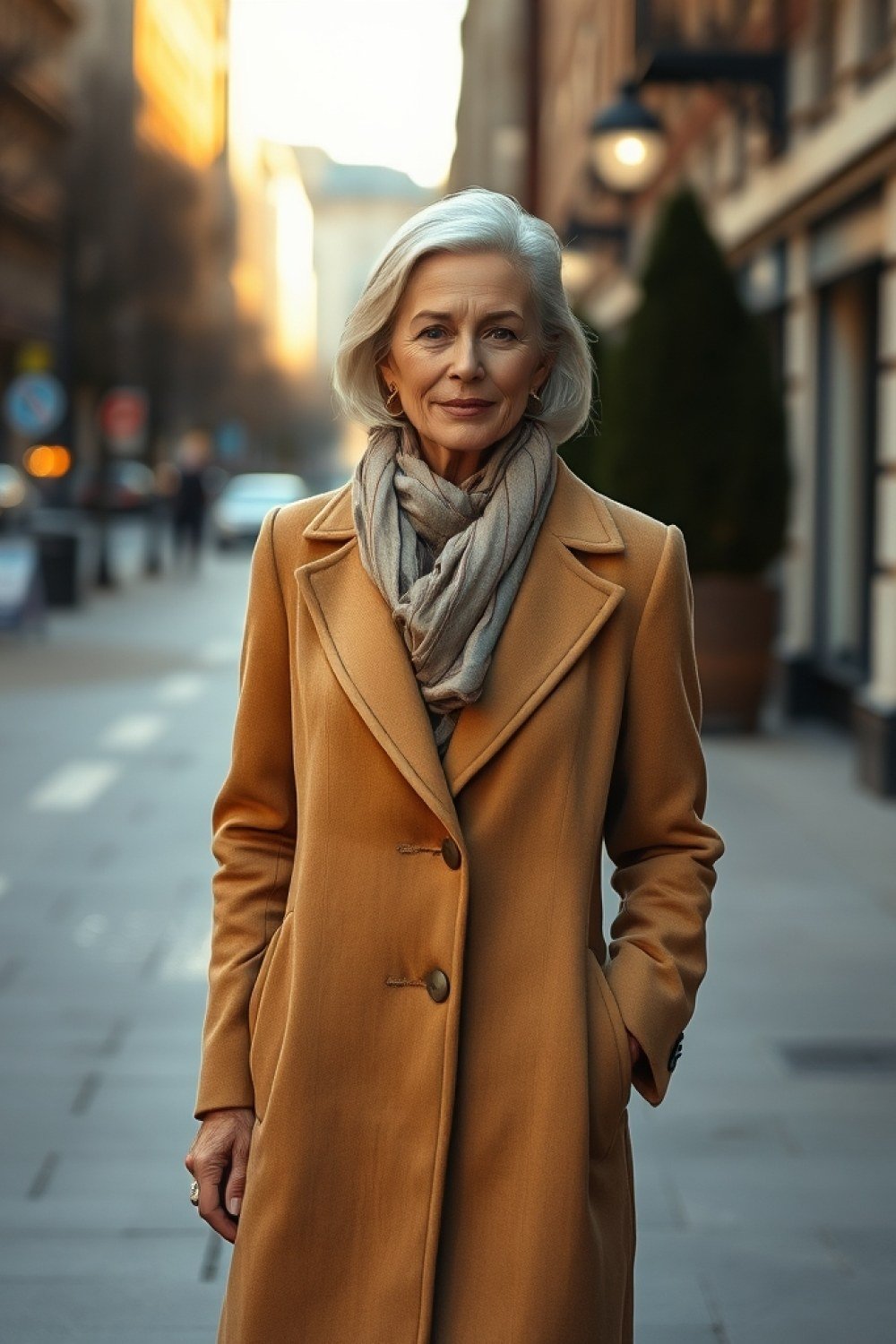
You need remarkably few shoes: a nude or skin-tone pump, black ballet flats, a supportive loafer, and low block heels. Nude extends the leg and works with everything from trousers to dresses; black flats are your everyday default; loafers carry you through errands and travel; block heels in 1.5–2 inches give you lift without wobble.
Shape matters more than you’d think. An almond or slightly rounded toe is far more flattering and forgiving than a sharp point — it lengthens without pinching, and your toes stay comfortable all day. Look for a cushioned insole, a leather lining, and a heel you can actually walk in.
Break shoes in at home with thin socks for short stretches before a big event. Well-cared-for classics last years: rotate pairs, use shoe trees, and resole leather soles before they wear through.
Your move: Buy shoes in the afternoon when your feet are slightly swollen — that’s the size that will fit comfortably on a long day, not just at 9 a.m.
10. Don’t Shy Away from Trends—Adapt Them
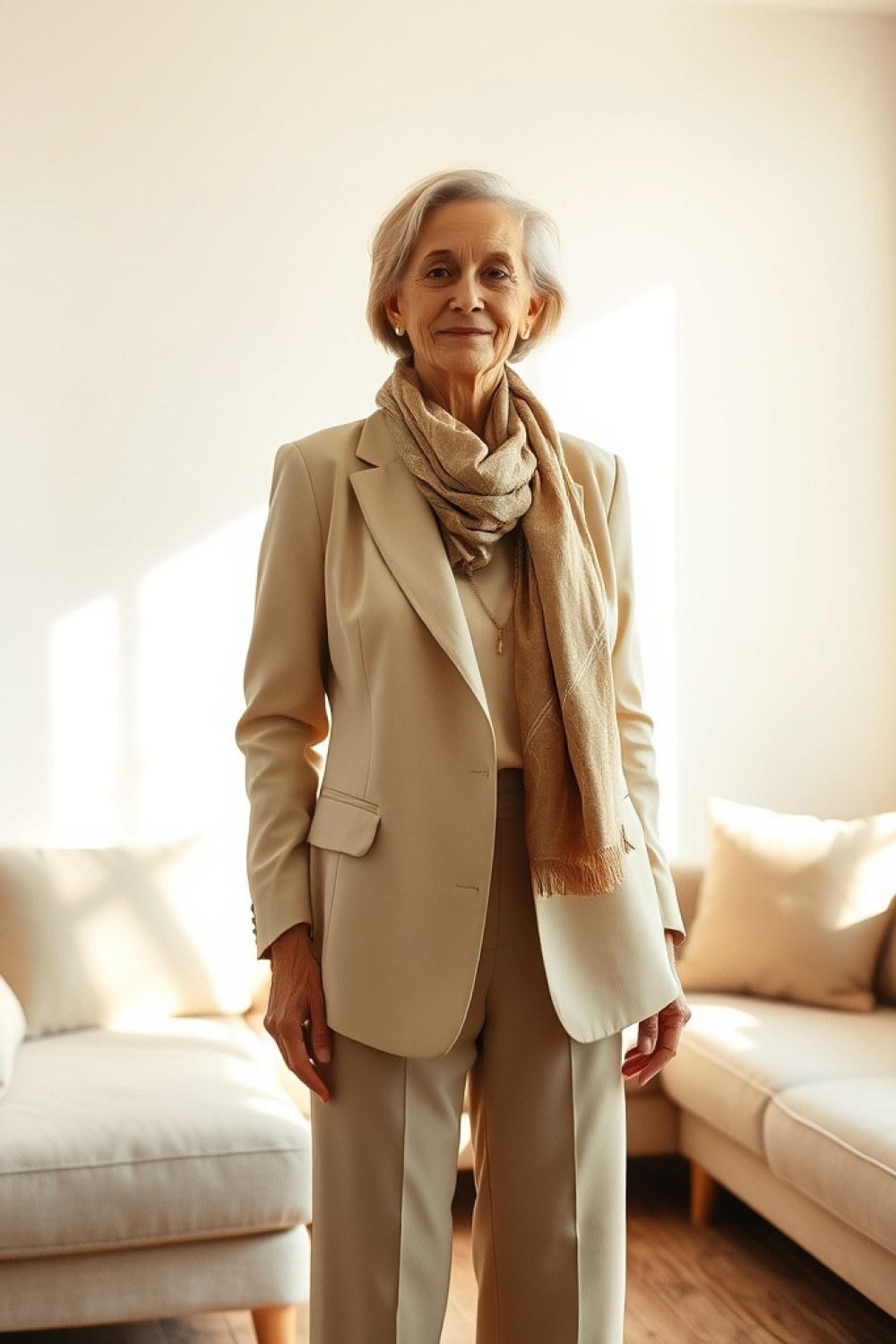
Trends keep your wardrobe feeling alive, and there’s no rule saying they’re off-limits after 50. The trick is translation. If wide-leg pants are having a moment, choose a tailored pair in a structured fabric with a clean waistband instead of a slouchy, oversized version. If bold color is trending, wear it in a silk scarf, a handbag, or a single knit — not head-to-toe.
Metallics? Try a silver flat or a bronze belt. Statement sleeves? Pick one that stops at three-quarter length so it stays neat at the wrist and doesn’t overwhelm a smaller frame. Chunky jewelry? One substantial piece, not five.
The point is the trend does the accenting while your classics do the heavy lifting. That’s what keeps an outfit looking current rather than costumed. Buy the cheap version first — a fast-fashion piece lets you test whether you actually like the silhouette before you commit.
Your move: Pick one trend per season, wear it once in a low-stakes setting, and see how you feel. Keep what you loved; skip the rest guilt-free.
11. Keep Your Hair and Makeup Fresh
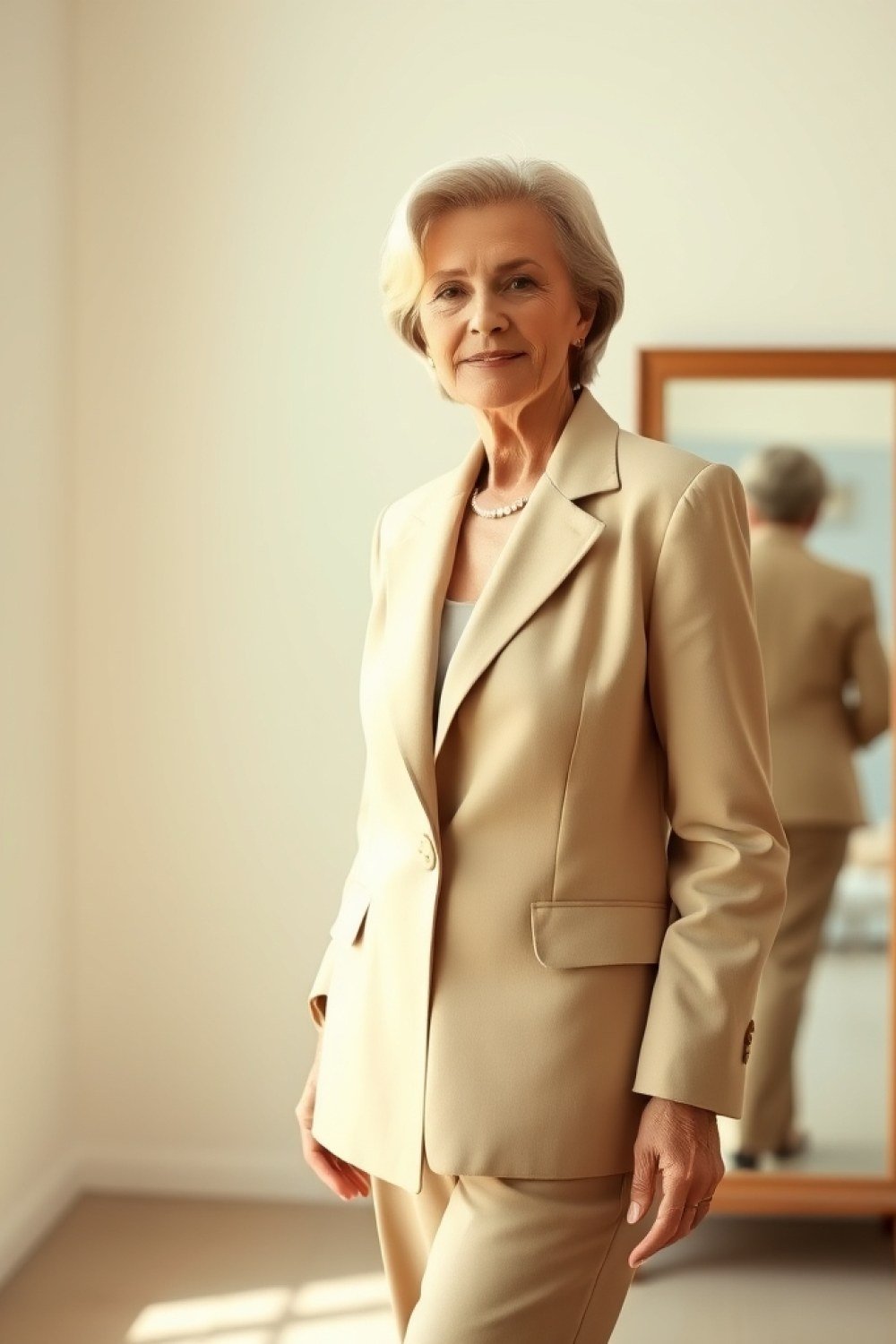
Your cut does more for your face than any garment. A style that suits your face shape — a soft layered bob, a collarbone-grazing cut, or a short pixie with texture — frames your features and reads instantly current. Book trims every six to eight weeks so the shape never grows out into a shapeless mop.
On the makeup side, less genuinely is more as skin matures. Heavy foundation settles into fine lines and looks flat. Swap to a sheer, hydrating tint, add a well-defined brow (it lifts your whole face), a pop of cream blush on the apples of your cheeks, and a lip color that brightens your natural tone — a berry, rosewood or warm brick works on most of us. Curl your lashes instead of piling on mascara.
A little cheek and lip color is often all you need to look polished on a Tuesday. If you have five minutes, spend them on brows, blush and lip — not on chasing a flawless base.



Your move: Bring two photos to your next salon appointment — one you love, one that went wrong — and be clear about what you want to avoid.
12. Build a Capsule Wardrobe
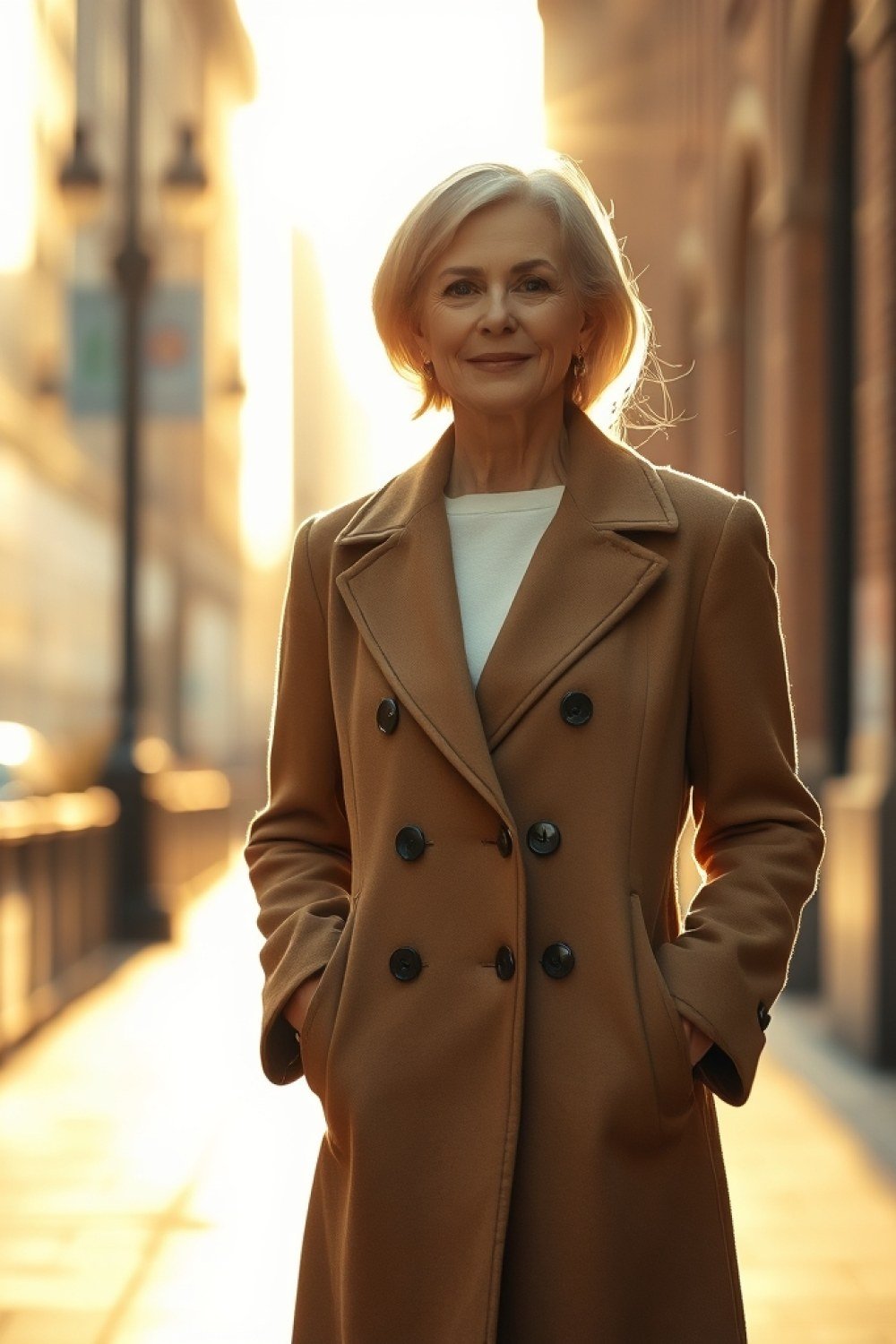
Capsule dressing means owning 30–40 versatile pieces that all work together, so every outfit is a combination, not a scramble. Start with the backbone: two pairs of well-fitting jeans (one dark, one lighter), tailored black or navy trousers, a crisp white shirt, a silk or cotton blouse, a cashmere or fine-knit sweater, a little black dress, a midi skirt, and a tailored blazer.
Then layer in your palette neutrals — a camel coat, a denim jacket, a cardigan — plus a few accent pieces and your classic shoes. Keep fabrics quality over quantity: a merino knit outlasts three cheap acrylic ones and hangs better too.
The payoff is real. Fewer pieces means less decision fatigue, a smaller shopping budget, and a closet where everything genuinely fits. You stop buying duplicates and start wearing what you own.
Your move: Take everything out and pull back only the pieces you wore in the last month — then fill the gaps with two or three well-chosen basics that match your signature palette.
13. Pay Attention to Proportions

Proportion is the quiet math behind every outfit that “just works.” The principle is simple: one half of your body leads, the other supports. A voluminous top—a blouson sleeve, an oversized cable knit, a flowy tunic—pairs best with slim or straight-leg trousers, a pencil skirt, or tapered ankle jeans. Flip it when your bottom half is the statement: wide-leg pants, a pleated midi skirt, or flares look best with a fitted knit, a tucked-in silk blouse, or a cropped jacket that ends at your natural waist.
Defining your waist is the fastest way to an hourglass line. Try high-waisted trousers with a fine-gauge sweater tucked in and a belt at your true waist, or a wrap dress cinched with a 1-inch leather belt. If you’re long-waisted, a midi skirt with a tucked top and a slightly raised waistband balances your torso; if you’re short-waisted, opt for a lower-slung belt and a longer over-layer like a duster cardigan.
Actionable tip: Before you leave the house, check your silhouette in a full-length mirror and ask, “Is one half doing all the talking?” If your top and bottom are both billowy, swap one piece for something closer to the body—or add a belt to break up the volume.
14. Choose Comfortable Yet Chic Footwear
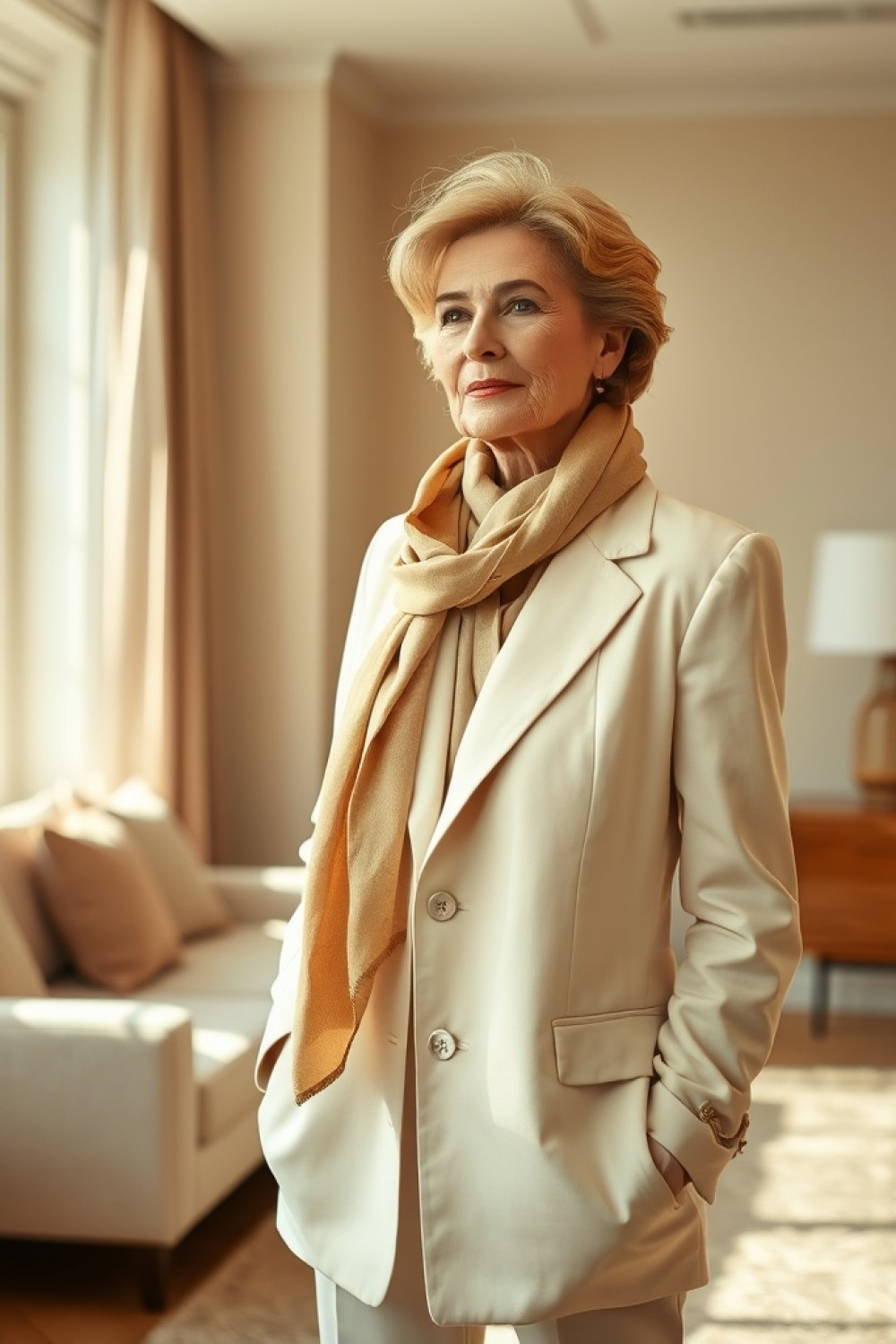
The right shoe changes how you stand, walk, and carry yourself—so it’s worth getting this one right. Look for footwear with a padded footbed, arch support, and a stable heel. Brands like Naturalizer, Clarks, Vionic, and Ecco consistently deliver on cushioning without looking orthopedic: loafers with a slight platform, block-heel pumps at 1.5–2.5 inches, and sleek leather sneakers in white, bone, or navy are all workhorses.
Block heels and wedges give you height with a wider base for balance, which matters on uneven pavement or long days on your feet. A pointed or almond toe elongates the leg more than a round toe, especially in a nude shade close to your skin tone. If you love a taller heel, keep it under three inches and save it for seated events; for everything else, a low block heel or flat in a polished leather reads just as elegant.
Actionable tip: Test new shoes at the end of the day when your feet are at their largest, and walk on a hard floor—not carpet—for five minutes before buying. If they pinch now, they’ll pinch later.
15. Don’t Overlook the Power of a Great Coat
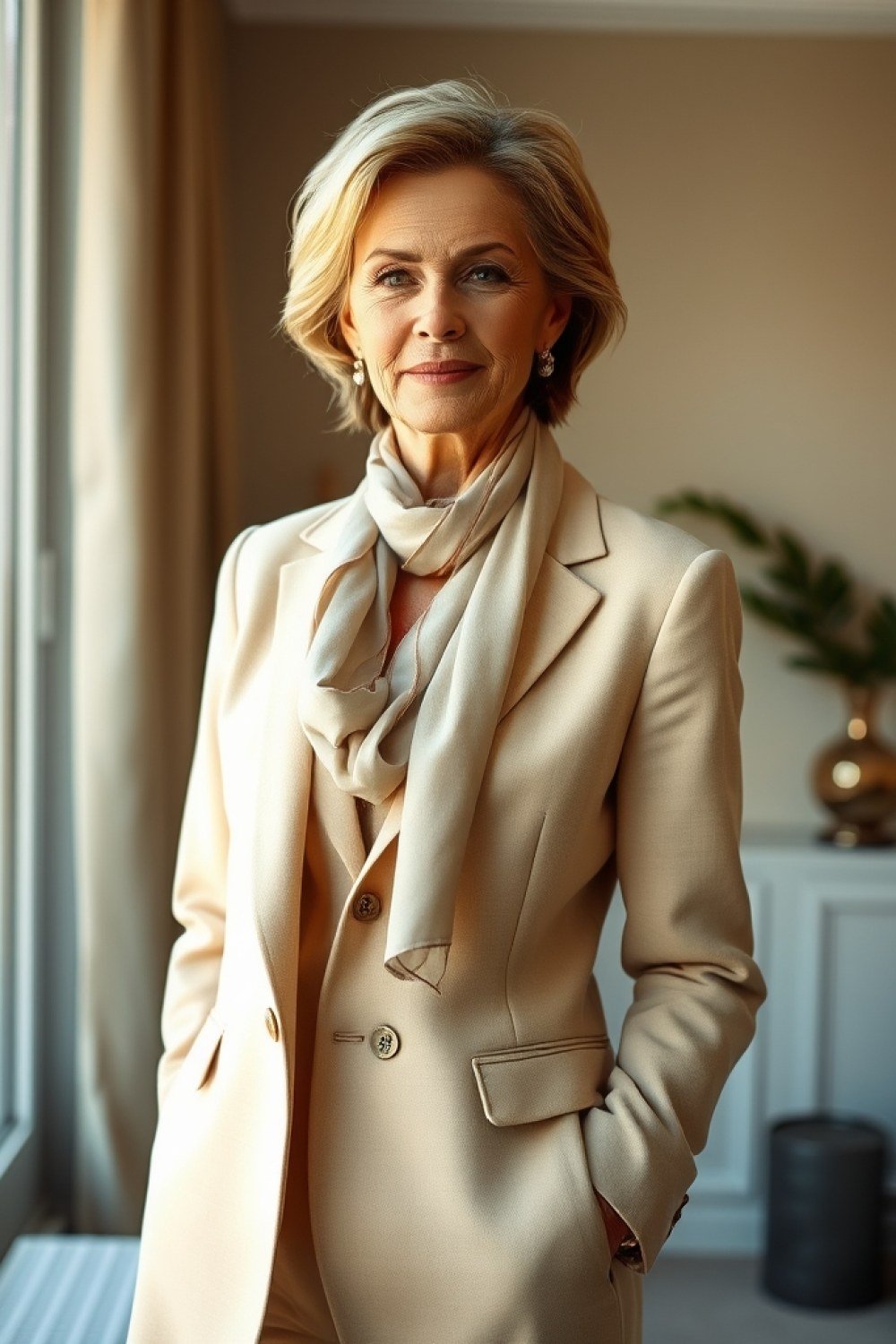
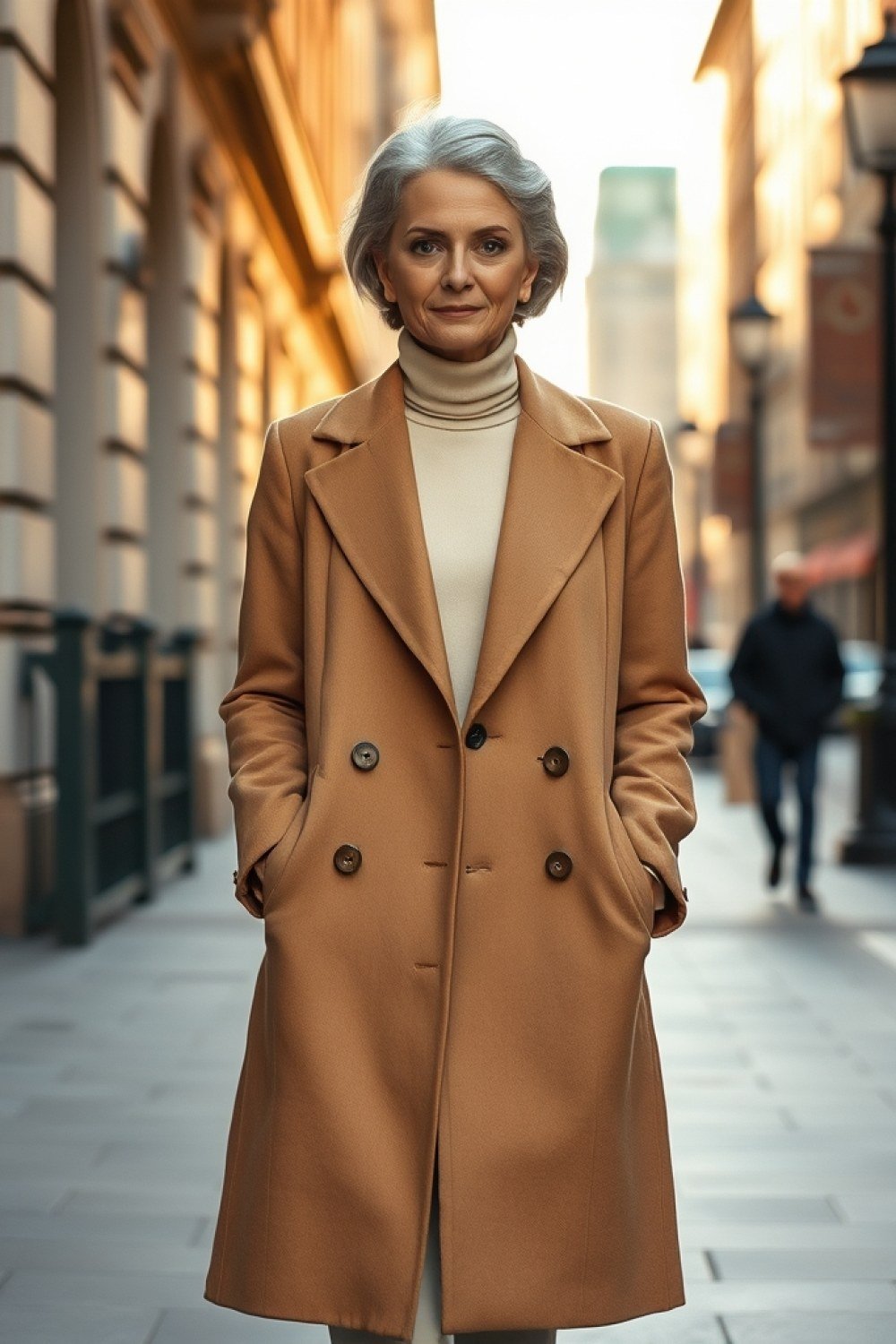
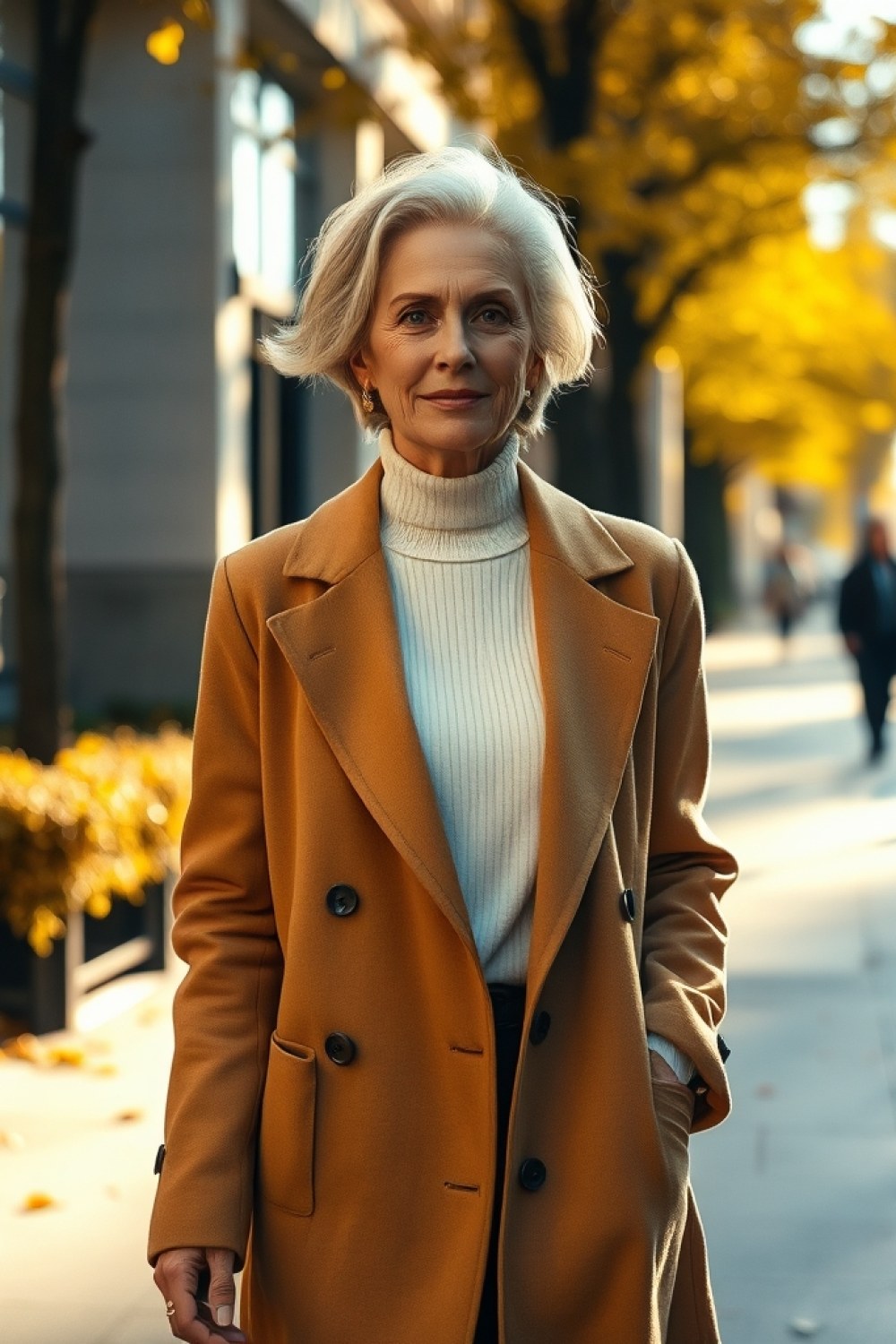
From November through March, your coat is your outfit. People see it before they see your sweater, your jeans, or your jewelry—so one beautiful coat does more for your polish than three new tops. Classic silhouettes that flatter across decades: the wrap coat (belted, with a shawl or notch collar), the tailored trench (double-breasted, storm flap, belted waist), and the cocoon coat (rounded shoulders, tapered hem, roomy through the middle).
Fabric matters more than trend here. A wool or wool-cashmere blend in camel, charcoal, navy, or black holds its shape and resists pilling far better than acrylic. Check the lining—a cupro or viscose lining slides over knitwear instead of grabbing it. Fit is everything: button the coat over your thickest sweater and make sure you can raise your arms and hug yourself without strain. The shoulder seam should sit at your natural shoulder, not past it.
Actionable tip: Choose a coat that hits mid-calf if you’re taller, or just above the knee if you’re petite, then have the sleeves shortened to end at your wrist bone—a $25 tailoring fix that makes an off-the-rack coat look custom.
16. Wear Clothes That Make You Feel Confident
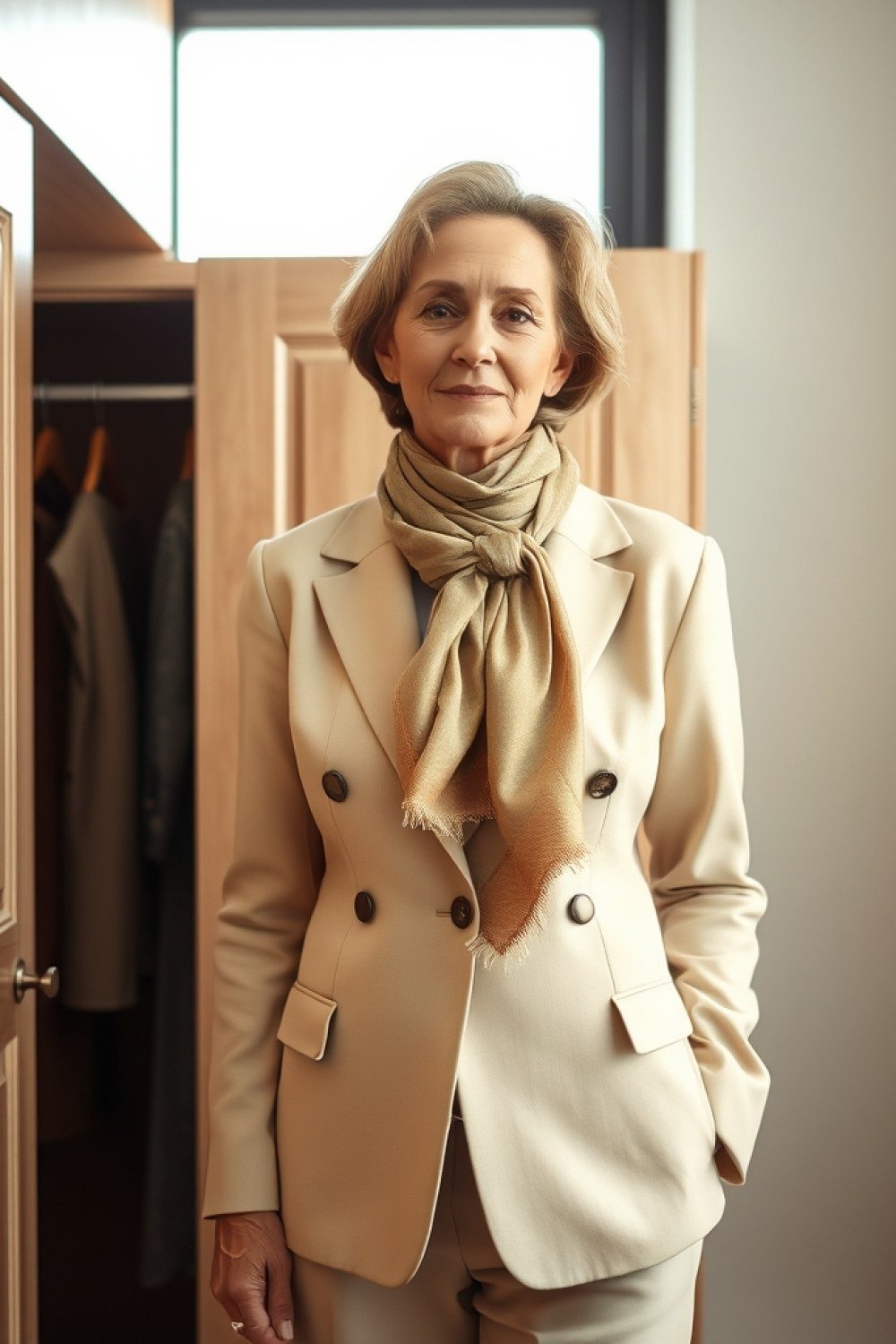
Confidence isn’t a vague feeling—it’s physical. It’s the sweater you reach for before a big meeting, the dress that makes you stand taller when you catch your reflection. When you feel good in what you’re wearing, you move differently: shoulders back, chin level, hands relaxed. That’s what people actually notice. No trend, no matter how current, can outperform that.
This means giving yourself permission to skip the pieces that technically “work” but leave you tugging at hems or sucking in your stomach all day. If a blazer feels like armor you’re wearing for someone else, it isn’t for you. If you feel powerful in a silky blouse and wide-leg trousers but indifferent in a sheath dress, build your wardrobe around the first combination. The same goes for color: if you light up in burgundy or emerald, wear it often, even if the magazines keep pushing beige.
Actionable tip: Keep a note on your phone listing the three outfits you’ve worn in the past year that made you feel unstoppable. When you’re shopping or stuck getting dressed, start there—and buy more of what works.
17. Keep Jewelry Simple and Elegant
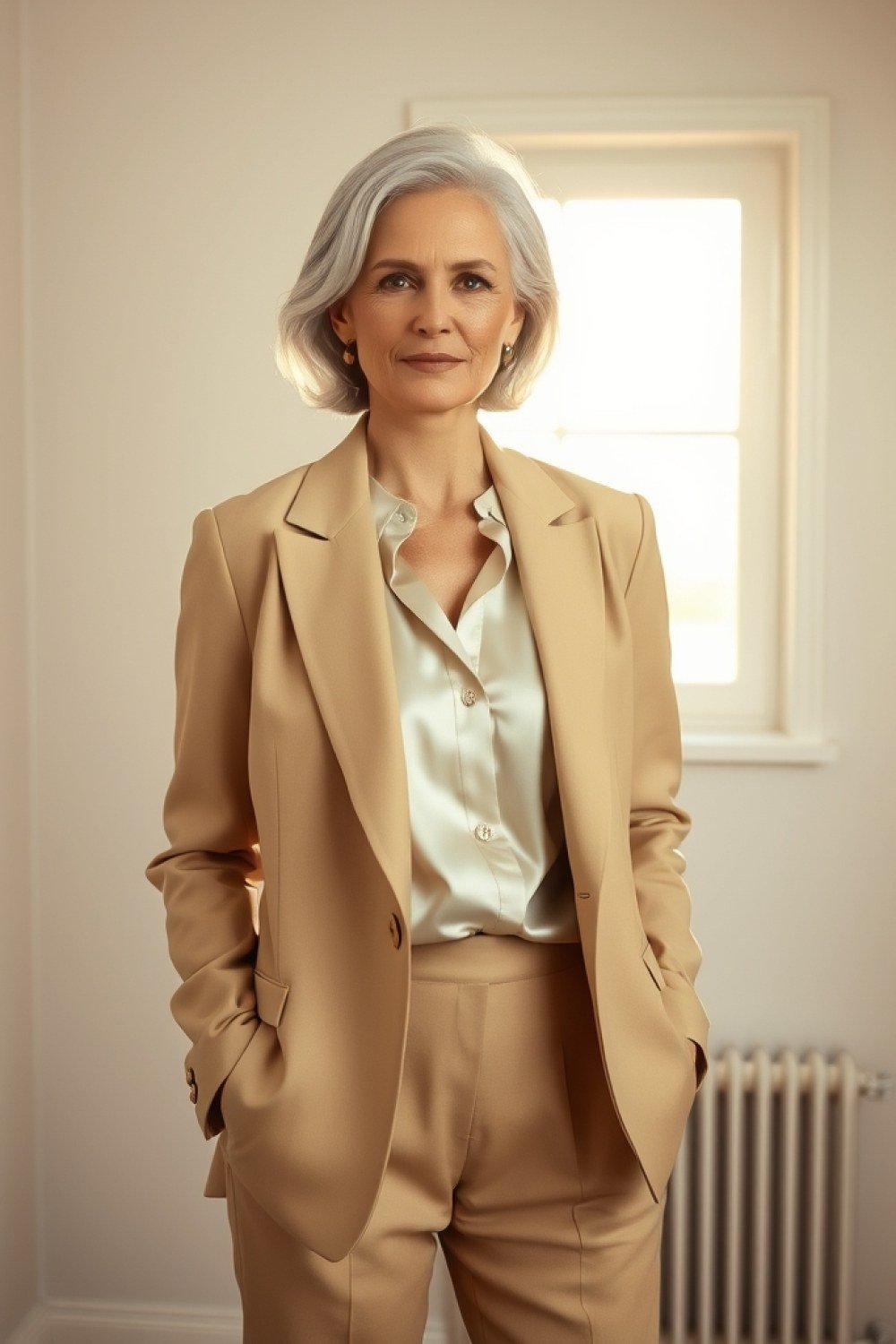
Jewelry is the seasoning of an outfit: a little transforms everything, too much overwhelms the dish. Delicate necklaces—a fine chain with a small pendant, a single-strand pearl, or a slim gold bar—sit beautifully against the collarbone and don’t compete with your neckline. Classic hoop earrings, whether 1-inch gold or 1.5-inch sterling silver, frame the face and add polish with zero fuss. A stack of two or three thin bracelets on one wrist feels intentional; five chunky ones on both wrists feels cluttered.
Mixing metals is completely fine—warm gold and cool silver can live together if you keep the overall look cohesive. Try one metal as your base (say, gold) and add a single silver accent, like a watch or a ring. A signature piece does the heavy lifting: a meaningful ring from a milestone birthday, a classic tank watch, or a strand of pearls inherited from your mother. That one piece becomes part of how people recognize you.
Actionable tip: Before you walk out, stand back and remove one thing. If your earrings, necklace, rings, and bracelets are all statement-level, take off the loudest piece—the outfit will look more expensive, not less.
18. Embrace Your Personal Style
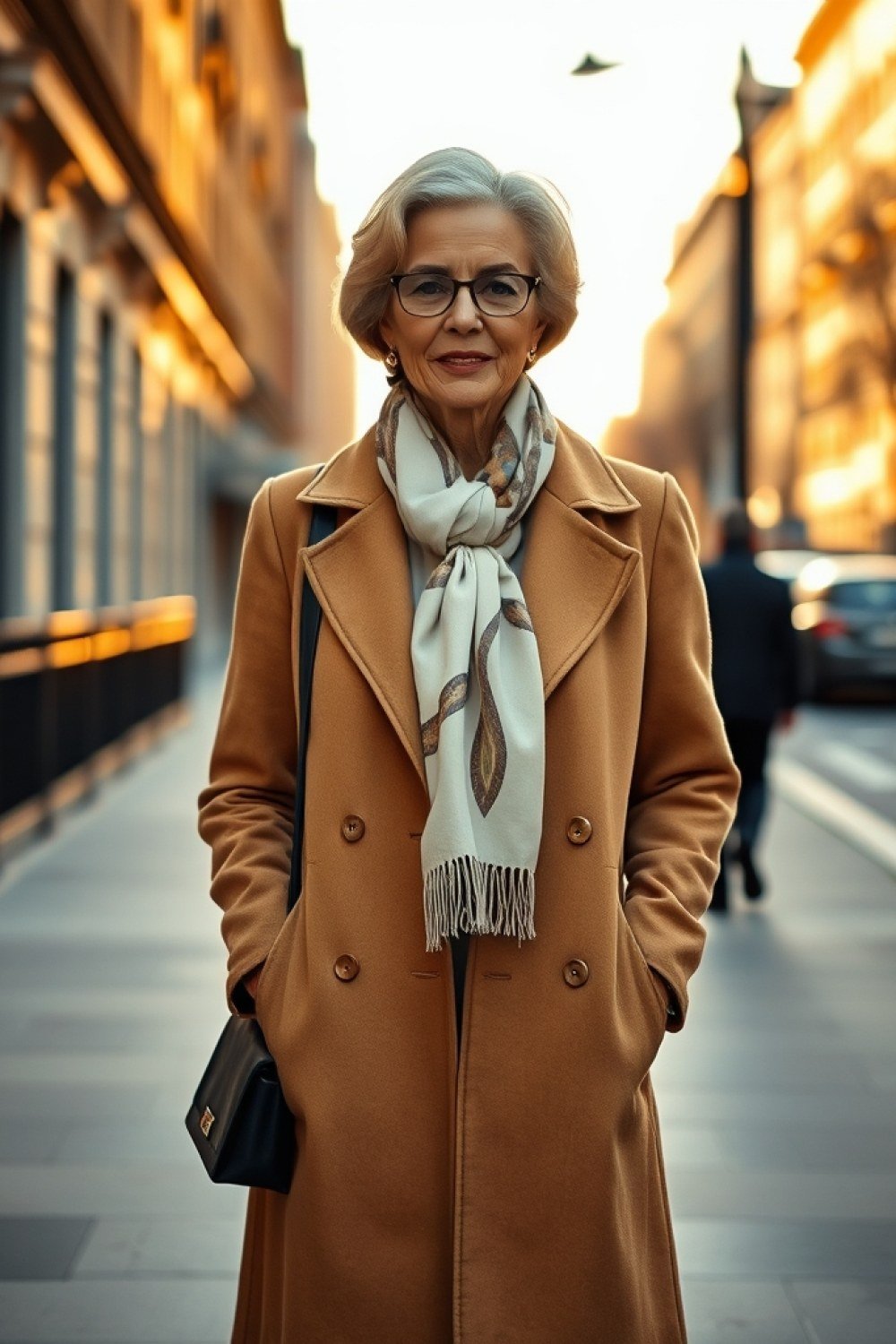
By fifty, you’ve had decades of data. You know which colors make you feel alive, which silhouettes you reach for without thinking, and which fabrics you can’t stand against your skin. That knowledge is a gift—use it. Personal style isn’t about following rules for your age; it’s about dressing the woman you actually are, not a trend cycle’s idea of who you should be.
If you love bohemian flowy dresses with embroidery and long pendants, wear them—just choose quality fabrics so the look reads intentional rather than costumey. If you’re drawn to tailored menswear, lean in: a sharp blazer, oxford shirt, pleated trousers, and loafers make a stunning signature. Icons like Iris Apfel and Diane Keaton built entire legacies on refusing to dress “appropriately.” The through-line isn’t a specific aesthetic—it’s authenticity worn with conviction.
Actionable tip: Do a three-word style audit. Write down three adjectives you want your clothes to communicate—say, “warm, architectural, effortless”—then filter purchases and outfit choices through them. If a piece doesn’t serve at least two, leave it on the rack.
19. Maintain Your Wardrobe

A polished wardrobe isn’t just about what you buy — it’s about how you keep it. Well-cared-for clothing holds its shape, keeps its colour, and quietly signals that you pay attention to detail. The good news: maintenance takes minutes, not hours, once you build a few habits.
Start with storage. Fold all knitwear — cashmere, merino, cotton jumpers — rather than hanging it, because hangers stretch shoulders and distort the shape over time. Store folded knits in a drawer or on a shelf, ideally with a cedar block or lavender sachet nearby. Jackets and blazers, on the other hand, should hang on sturdy wooden or wide-shouldered hangers that support the structure rather than collapsing it. Silk blouses and tailored pieces deserve proper hangers too; wire ones leave creases and poke through shoulders.
Keep two tools within arm’s reach: a lint roller and a handheld steamer. A quick roll before you leave the house removes lint, pet hair and dust in seconds, while a steamer refreshes fabrics — especially between dry cleans — and releases wrinkles that an iron can’t safely handle on delicate material. Dry clean structured pieces and delicate fabrics only when genuinely needed; over-cleaning wears them out faster. And mend small tears, loose buttons and dropped hems promptly — a five-minute repair now saves a favourite piece from the donate pile later.
Your tip: Set aside ten minutes each Sunday to steam, de-lint and check your most-worn pieces for repairs — you’ll start every week with clothes that look genuinely fresh.
20. Stay True to Your Lifestyle

The most common wardrobe mistake isn’t poor taste — it’s buying for an imaginary life. If your days involve the school run, the garden and a weekly lunch with friends, you don’t need five blazers gathering dust. If you’re still working full-time, you probably do need those sharp pieces. The trick is to audit your wardrobe against your real calendar, not the one you wish you had.
Try this: for two weeks, note what you actually wear — where you go, what you do, how you want to feel. You’ll quickly spot gaps and excess. A retired reader who spends most days in the garden and at yoga might build around excellent jeans, soft knits, a couple of great coats and comfortable but polished shoes, with one smart outfit for occasions. Someone still in the office invests in well-cut trousers, quality blouses, a structured tote and two or three versatile jackets.
Dressing for the life you live means every piece earns its place and you never open your wardrobe feeling you have nothing to wear. It also makes getting dressed faster and more confident, because nothing in there is aspirational clutter.
Your tip: Before buying anything new, ask, “Where will I wear this in the next month?” If you can’t name a real occasion, leave it on the rail.
21. Update Your Eyewear

Glasses sit at the centre of your face, so they shape how the whole outfit reads. An outdated frame can quietly date a beautiful look, while a well-chosen pair acts like jewellery — it draws the eye, frames your features and adds polish in an instant. This is one of the easiest, highest-impact updates you can make, and it often costs less than a new handbag.
Match frames to your face shape and colouring. Round or oval faces suit angular frames — rectangles, soft squares, slight cat-eyes. Square or angular faces suit rounded and oval shapes that soften strong jawlines. Heart-shaped faces look lovely in bottom-heavy or rimless styles. For colouring, warm undertones glow in tortoiseshell, honey, gold and warm browns, while cool undertones shine in black, navy, silver, grey and burgundy. Metal frames feel lighter and more delicate; acetate frames feel bolder and more architectural.
Two things matter beyond style: a current prescription (blurry vision makes you squint, which undoes your polish) and a comfortable, well-fitted frame that doesn’t slide. Consider owning two pairs — one classic shape in a neutral tone for everyday and work, and one bolder or coloured pair for weekends and evenings out. Swapping between them instantly changes your look without changing your outfit.
Your tip: Book an eye test, then try on frames in natural daylight — shop lighting flatters everything — and photograph each pair to compare honestly before you decide.
FAQs
What are the most important pieces for a woman over 50’s wardrobe?
Build your closet around pieces that work overtime. The core list: dark-wash straight or slim jeans that hit right at the ankle bone, a crisp white button-down with a bit of structure, one tailored blazer in navy or charcoal, a little black dress that skims rather than clings, a quality cashmere or merino sweater, and a pair of comfortable, polished shoes — a low block heel or a clean leather flat or loafer. Add a silk or modal-blend shell, a midi skirt, and a trench. These pieces mix into dozens of outfits because they share a similar formality level and neutral palette, so everything pairs with everything else.
How can I look stylish without spending a lot of money?
Shift your budget from quantity to fit and fabric. One $150 blazer that a tailor adjusts to your shoulders and sleeves beats five $40 versions that gap and pull. Shop end-of-season sales for classic pieces (they don’t date), browse consignment and resale sites for quality labels at a fraction of retail, and set aside $30–$60 per altered garment — a hem, a waist take-in, or sleeve shortening changes how a piece reads entirely. Cost-per-wear is the real measure: a $200 coat you wear 80 times a season costs less than a $30 top you wear twice. Also learn basic care — a $15 sweater shaver and proper washing keep inexpensive knits looking expensive.
Is it okay to wear trends after 50?
Yes — and doing it thoughtfully keeps your look current rather than dated. The trick is to adopt trends in classic shapes and in small doses. If wide-leg trousers are everywhere, choose a tailored high-waist pair in a neutral rather than a cropped, embellished version. If a bold color is trending, wear it in a scarf, a bag, or one knit rather than head to toe. Skip anything that requires constant adjusting or that fights your proportions. Ask yourself three questions: Does it fit my real life? Does it flatter the body I have now? Will I still want it in two years? If yes, wear it with confidence.
How can I make my outfits look more polished?
Polish lives in the details. Steam or press everything — a wrinkled linen shirt undercuts the best tailoring. Keep shoes clean and heels intact; scuffed soles read as careless. Tuck or half-tuck tops to define your waist, and make sure hems are the right length (usually breaking just at or above the ankle). Limit accessories to two focal points — say, earrings and a belt — so the eye isn’t pulled in five directions. Stick to a cohesive palette of two or three neutrals plus one accent. Finally, posture does more than any garment: stand tall, shoulders back, and the same outfit instantly looks better.
What should I avoid wearing after 50?
There are no age rules worth following — but there are fit rules. Avoid anything that’s uncomfortable, requires constant tugging, or fights your proportions: overly tight pieces that strain at the seams, overly baggy shapes that swallow your frame, and ultra-trendy items you don’t genuinely love. Skip fabrics that pill instantly or wrinkle the moment you sit down. Steer clear of head-to-toe matching prints and anything so loud it wears you instead of the other way around. The most unpolished thing you can wear is discomfort — if you feel unsure in it, you’ll look unsure in it. Choose what makes you feel strong and at ease, then commit.
Don't miss the next one
Quick outfit ideas and beauty tips, straight to your inbox.