
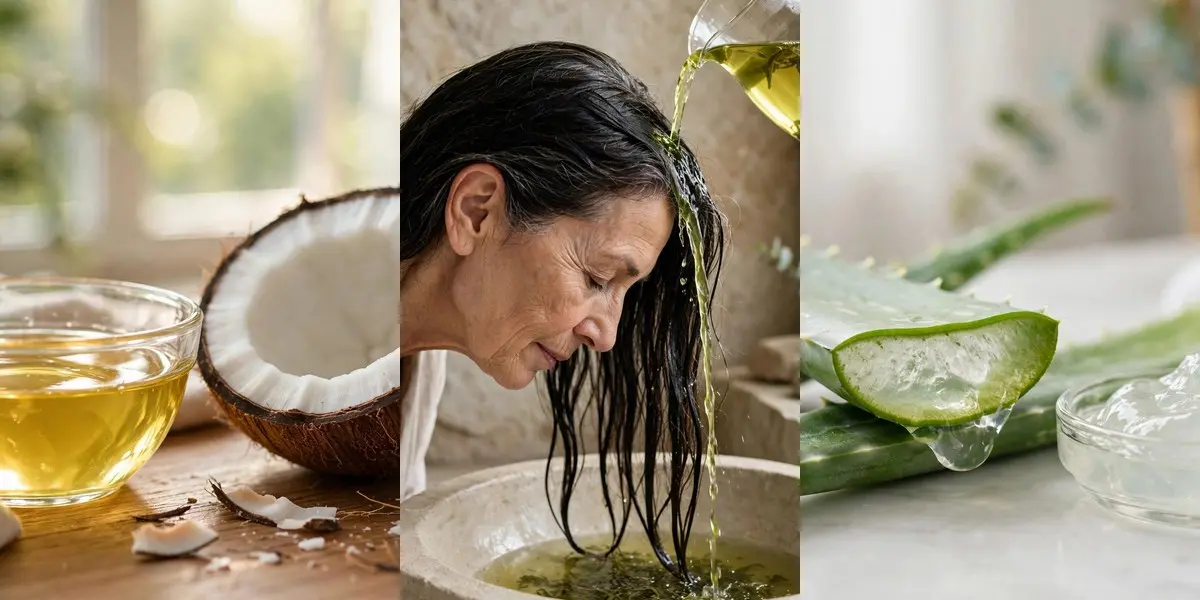
19 Home Remedies for Hair fall for an Effortless, Polished Look
Finding more hair in your brush than usual can be worrying, but gentle home remedies for hair fall have been trusted for generations to nourish the scalp and support stronger, healthier-looking hair over time.
Most of the remedies below use simple ingredients — oils, leaves, seeds and kitchen staples — and none of them promise overnight miracles. What they offer is steady, affordable scalp care that fits real life. If you are simplifying the rest of your routine too, our guide to low-maintenance hair trends pairs beautifully with this gentler approach.
Work through the list, pick two or three remedies that suit your hair and your schedule, and give them time. Consistency, as you will see throughout this guide, matters far more than trying everything at once.
In This Guide
- 1. Coconut Oil Scalp Massage
- 2. Onion Juice Treatment
- 3. Aloe Vera Gel
- 4. Fenugreek Seed Paste
- 5. Amla (Indian Gooseberry) Oil
- 6. Egg Mask
- 7. Green Tea Rinse
- 8. Rosemary Oil
- 9. Hibiscus Flower Paste
- 10. Curry Leaves Infused Oil
- 11. Castor Oil Treatment
- 12. Yogurt Hair Mask
- 13. Apple Cider Vinegar Rinse
- 14. Neem Leaves Treatment
- 15. Flaxseed Gel
- 16. Biotin-Rich Diet Additions
- 17. Regular Scalp Exfoliation
- 18. Reducing Heat Styling and Tight Hairstyles
- 19. Stress Management and Adequate Sleep
- Styling Tips
- Common Mistakes to Avoid
- Building a Consistent Hair Care Routine for Long-Term Results
- Frequently Asked Questions
1. Coconut Oil Scalp Massage
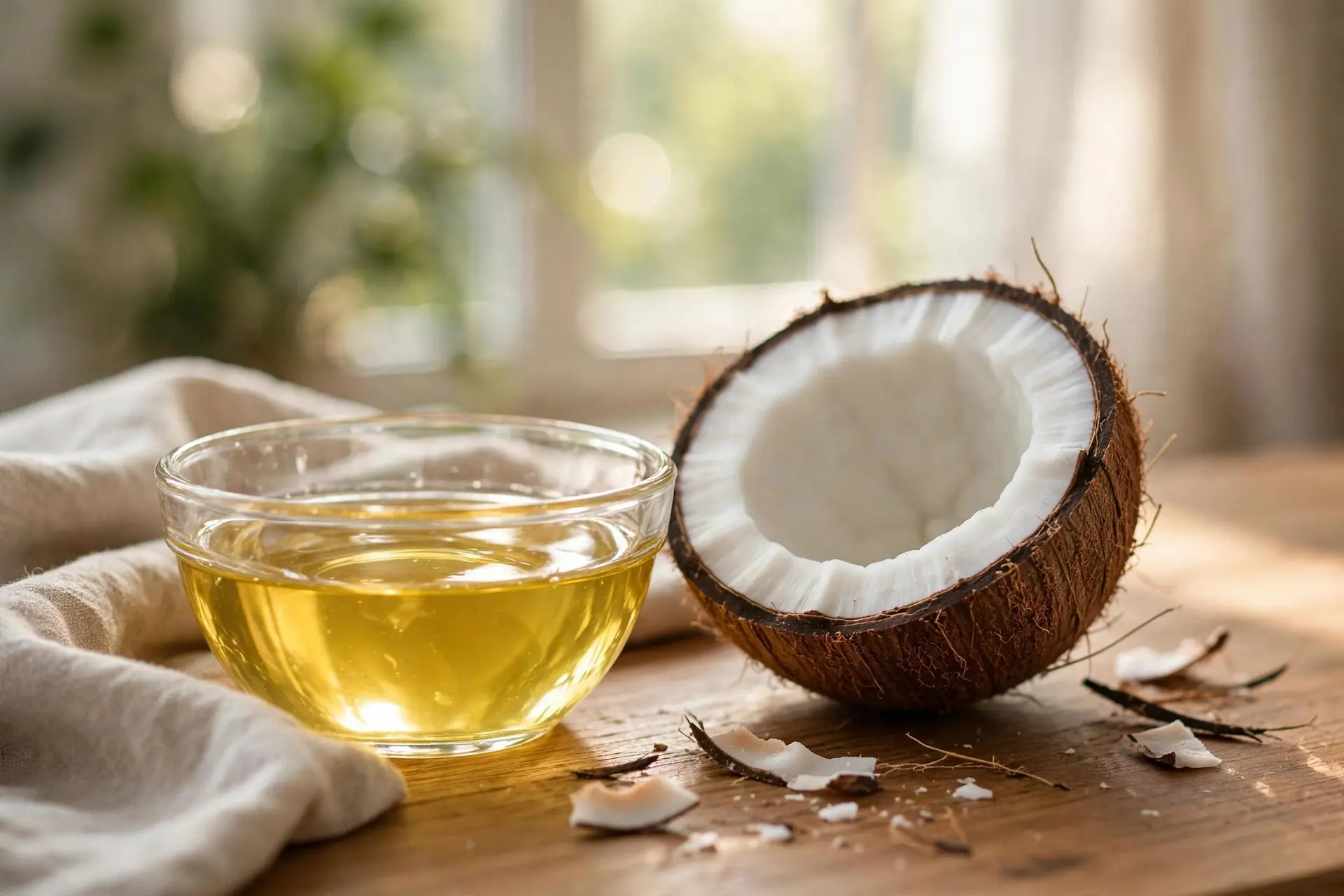
Few remedies are as simple — or as soothing — as this one. Coconut oil is unusual among oils for how well it sinks into the hair shaft itself rather than just coating the surface, so strands are nourished from within while the scalp gets a dose of moisture.
The massage matters as much as the oil. Working warm oil into the scalp with your fingertips boosts circulation around the follicles and helps loosen the tension many of us carry in the scalp, turning a hair treatment into a small, calming ritual.
Warm a few spoonfuls of oil until just liquid, then massage in slow circles for five to ten minutes. Leave it on for at least 30 minutes — or overnight under a soft cap — before shampooing as usual. Two or three sessions a week is a comfortable rhythm.
Tip: Slightly warm oil absorbs better than cold, but test it on your wrist first — it should feel pleasantly warm, never hot.
2. Onion Juice Treatment
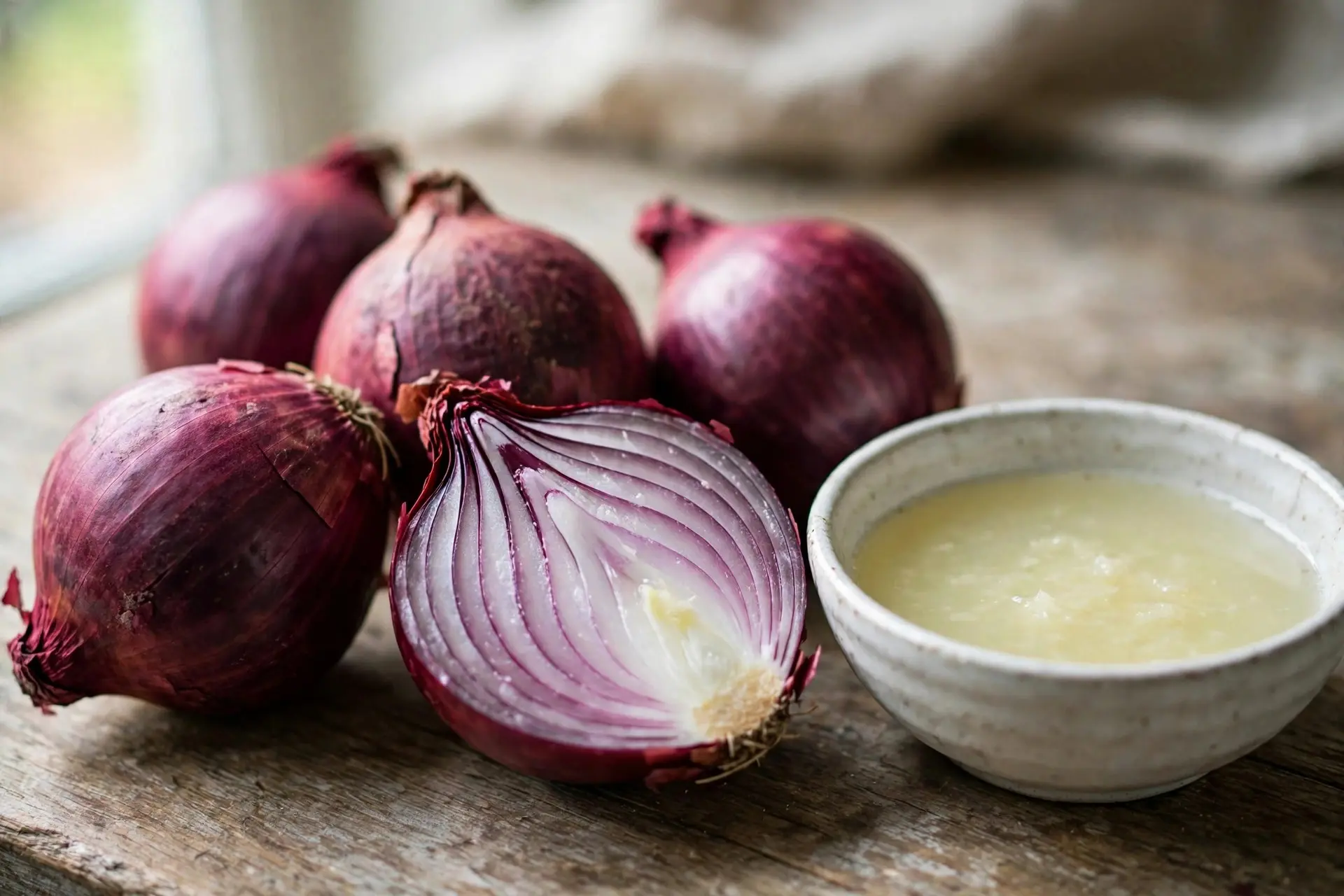
It sounds unlikely, but onion juice has been a staple of traditional hair care in South Asia for generations. Onions are rich in sulfur, a mineral linked to collagen production, and collagen in turn supports the tissue that holds hair firmly at the root.
Applied to the scalp, the juice is also believed to encourage better blood flow to the follicles — and follicles that are well supplied and well nourished are the foundation of hair that sheds less and grows in looking stronger.
Blend one fresh onion, strain the juice through a cloth, and apply it directly to the scalp with your fingers or a cotton pad. Leave it on for 20 to 30 minutes, then wash with a mild shampoo to lift the lingering smell.
Tip: Always patch-test first — onion juice can tingle on sensitive skin. A dab behind the ear a day before tells you how your scalp will react.
3. Aloe Vera Gel
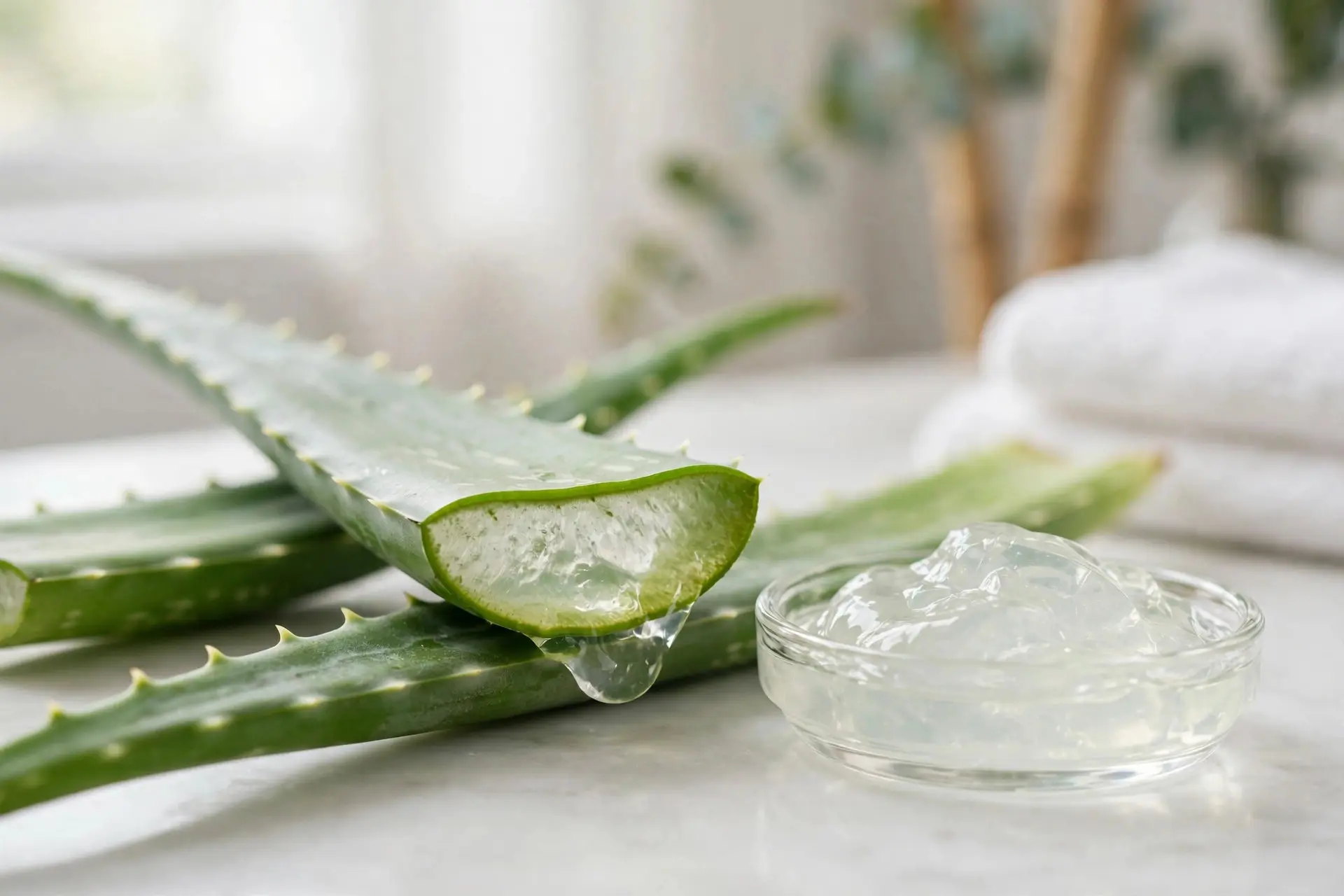
If your scalp is itchy, flaky or easily irritated, aloe vera is the gentlest place to start. The clear gel inside the leaf is naturally cooling and hydrating, and a calmer scalp is simply a better environment for healthy hair growth.
Aloe also helps lift away excess oil and residue that can sit on the scalp and weigh hair down, which is why many people find their hair feels fresher and bouncier at the roots after a treatment.
Slice a leaf, scoop out the gel, and smooth it straight onto the scalp, parting the hair in sections so it reaches the skin. Leave it for 30 to 45 minutes, then rinse with lukewarm water. Used two or three times a week, it keeps the scalp comfortable and balanced.
4. Fenugreek Seed Paste
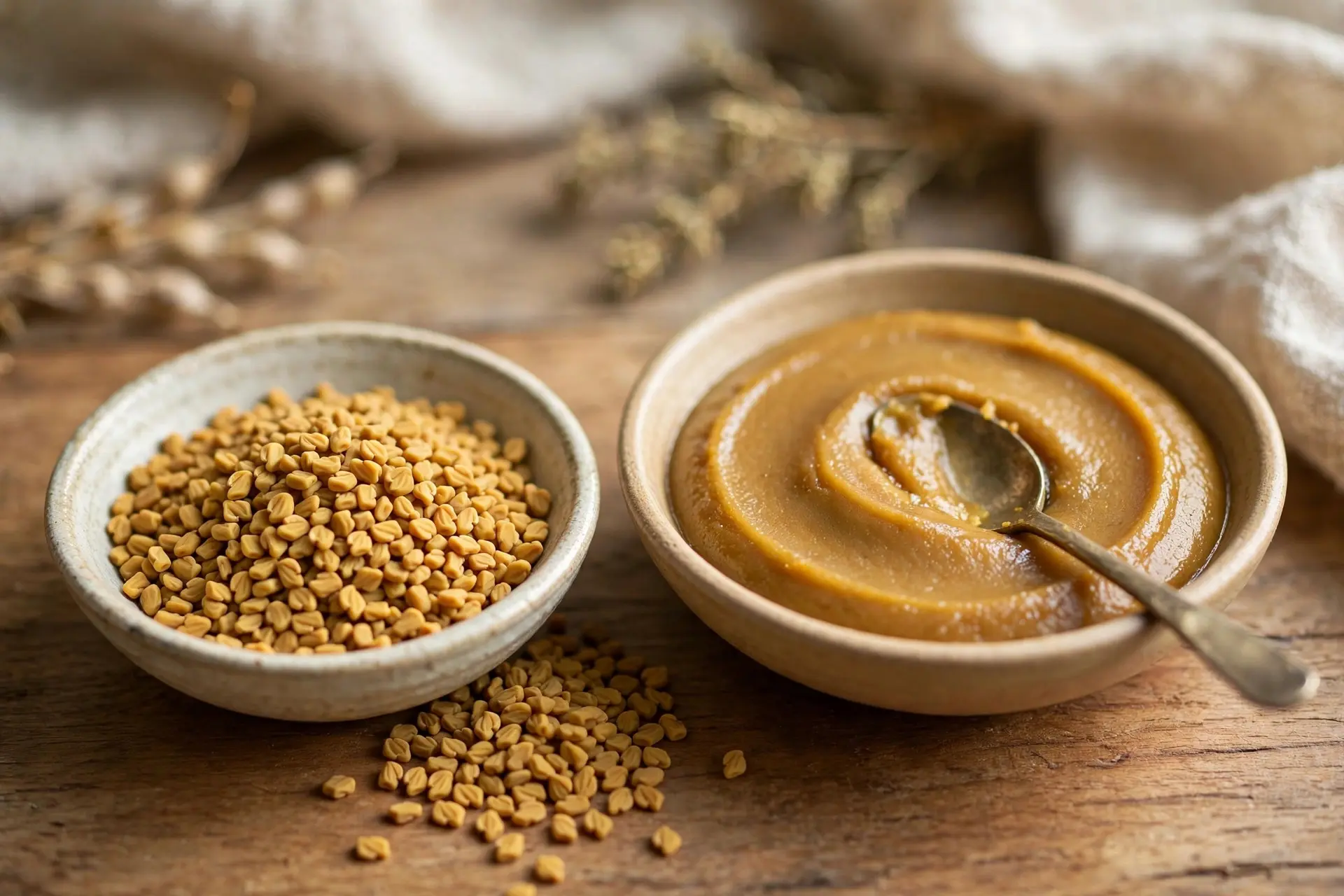
Fenugreek — often called methi — is a tiny seed with a big reputation in traditional hair care. It provides protein and nicotinic acid, both associated with stronger hair, which makes its paste a favourite for anyone dealing with heavy shedding.
The treatment works on the whole strand, root to tip. Coated in the smooth paste, hair is supported while it sits, and many people notice their hair feels thicker and looks glossier once it is rinsed away.
Soak two or three spoonfuls of seeds in water overnight, then grind them to a smooth paste in the morning. Apply evenly over the scalp and leave for 30 minutes before rinsing thoroughly with a mild shampoo, checking no seed residue remains. A weekly paste is enough for most people — used much more often, it can leave hair feeling coated rather than clean.
5. Amla (Indian Gooseberry) Oil
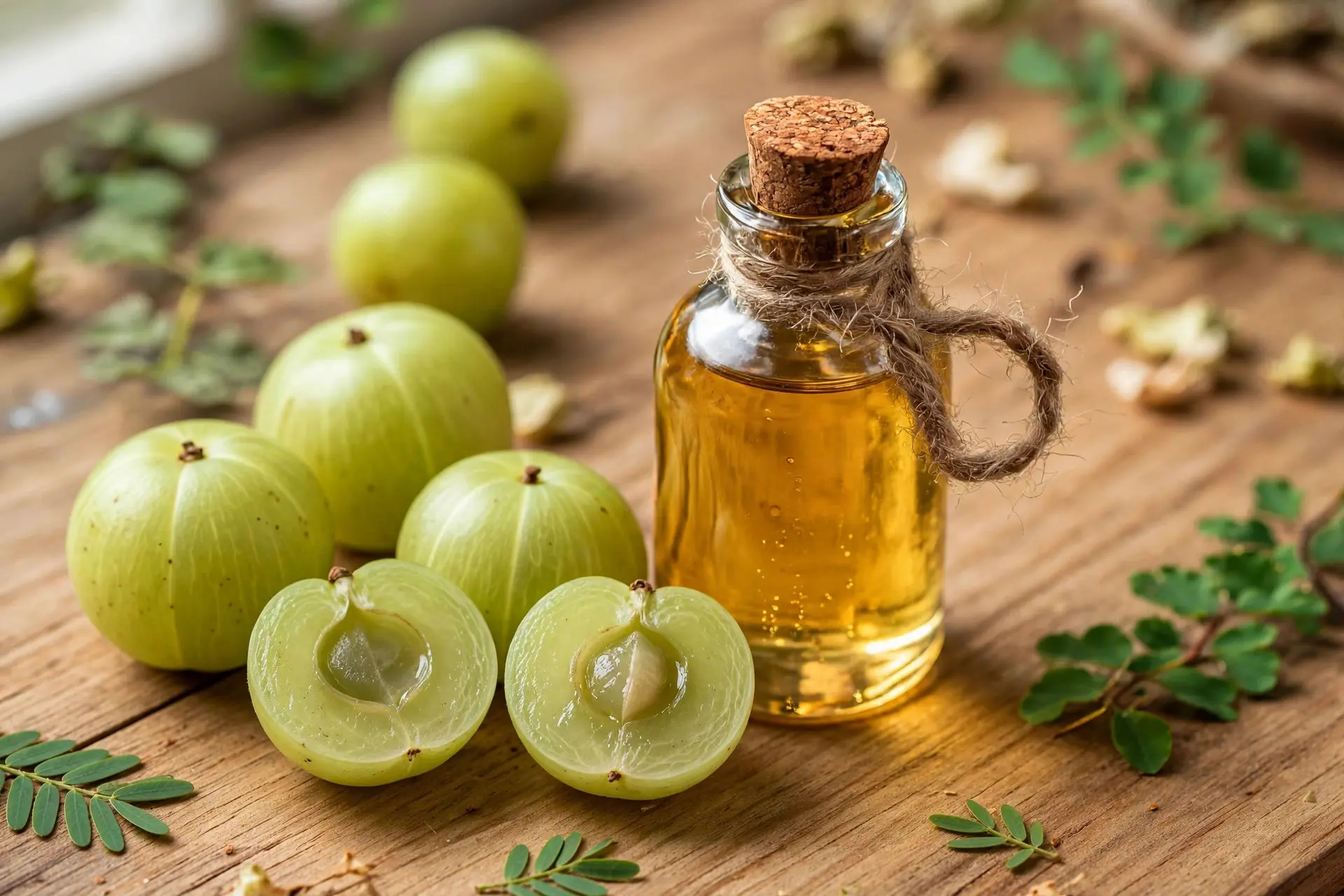
Amla has been at the heart of Indian hair care for centuries, and for good reason: the small green fruit is packed with vitamin C and antioxidants that support collagen and help keep the scalp in healthy condition.
As an oil, it does double duty — the massage nourishes the roots while the oil itself smooths the lengths, so hair gradually looks shinier and feels more resilient, with less snapping and shedding along the way.
Warm the oil slightly, massage it through the scalp and hair, and leave it for at least an hour, or overnight for a deeper treatment. Two or three applications a week suit most people building a long-term routine.
6. Egg Mask
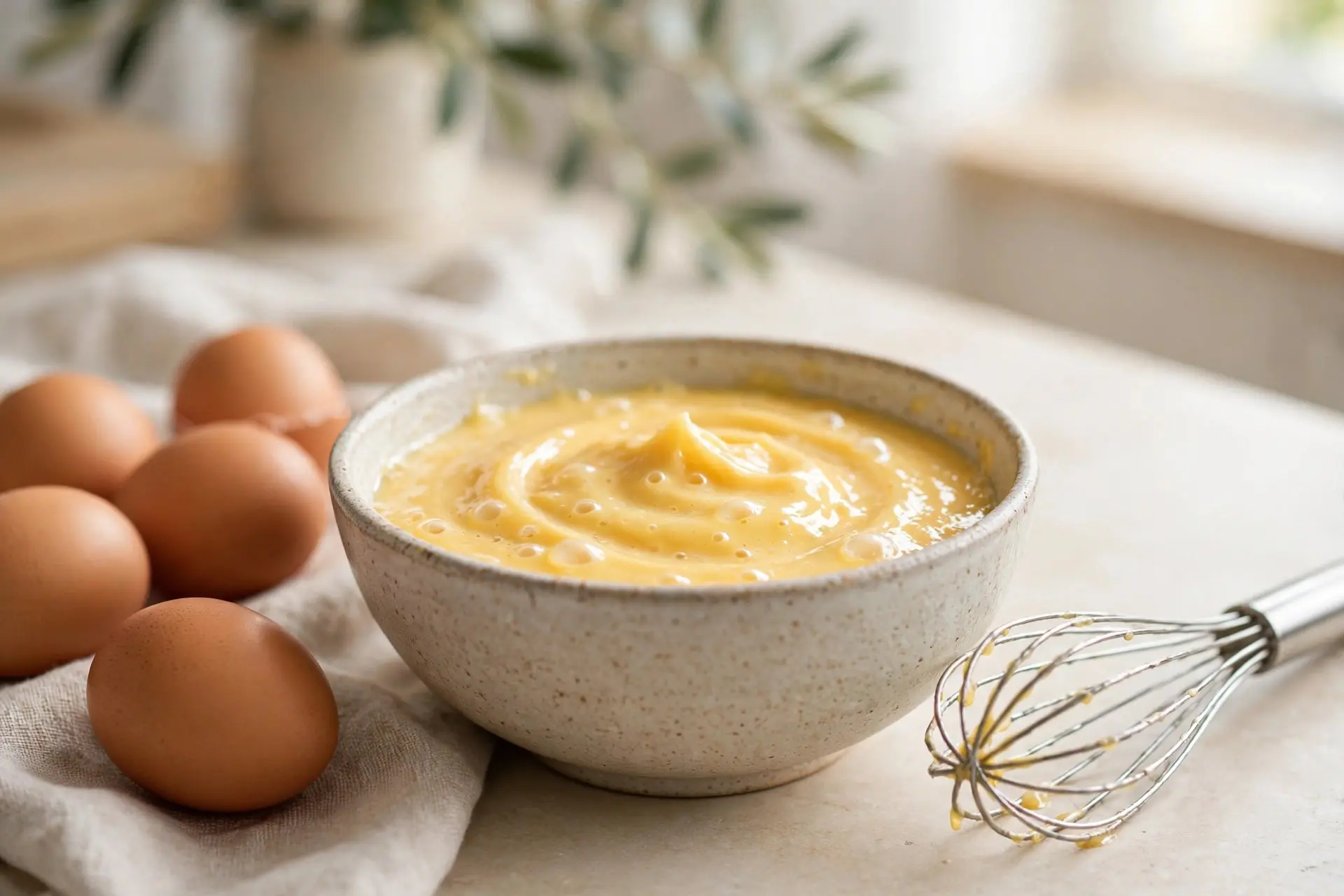
Hair is made largely of protein, and eggs deliver protein — along with biotin — in one of the cheapest treatments in this whole list. A whisked egg mask feeds the strands directly, helping them feel stronger and snap less easily.
That matters more than it might seem: a good share of the “hair fall” we see in the brush is actually breakage along weak lengths, not hair lost from the root. Strengthening the shaft tackles that half of the problem head-on.
Whisk one or two eggs and apply from roots to ends. Leave the mask on for 20 to 30 minutes, then rinse it out and shampoo.
Tip: Rinse with cool water only. Warm or hot water can start to cook the egg in your hair — and nobody wants that cleanup.
7. Green Tea Rinse
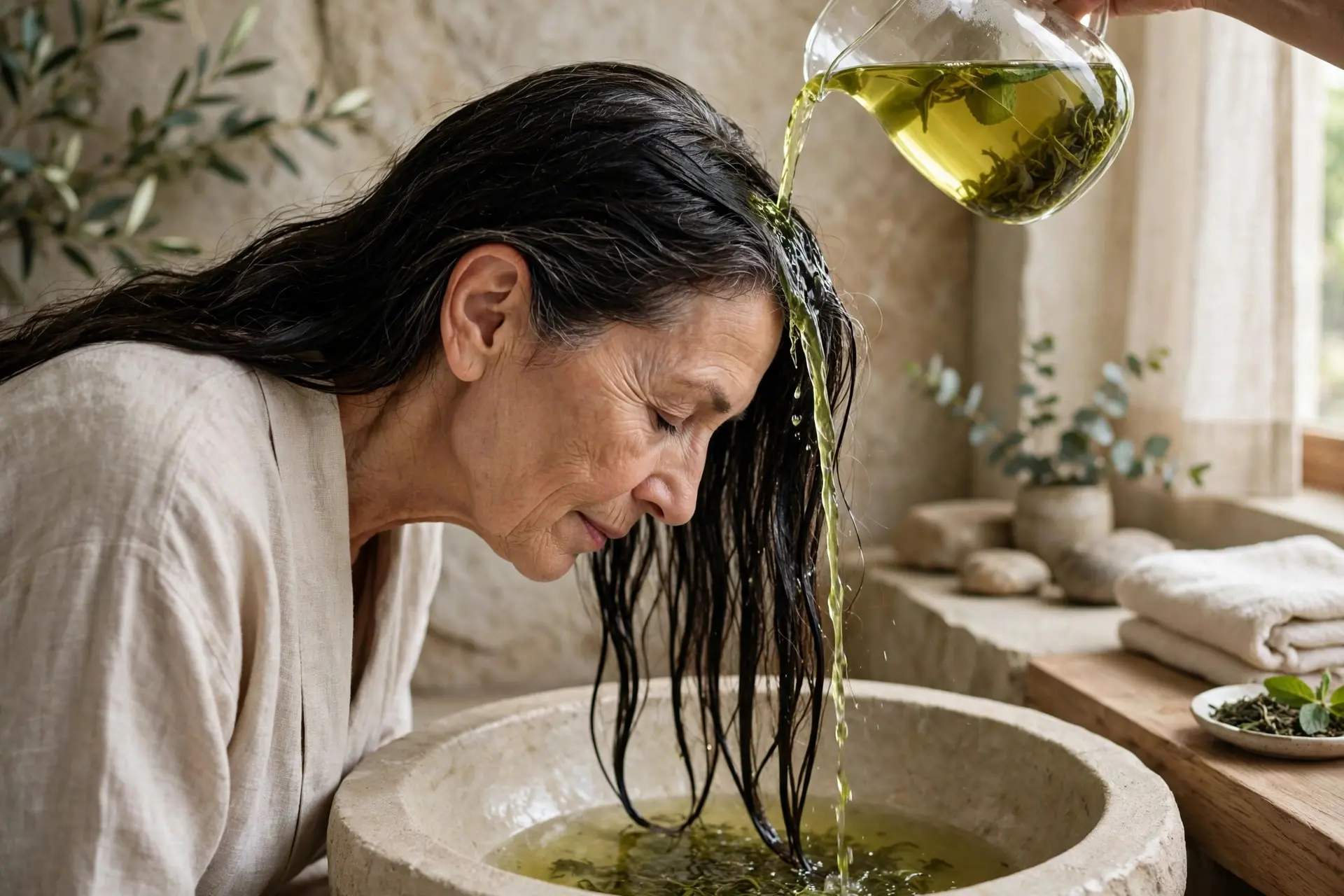
Your morning cuppa can moonlight as a hair treatment. Green tea is rich in antioxidants called catechins, which are believed to help counter some of the hormonal influences linked to thinning, while supporting a healthier scalp overall.
As a final rinse it could not be easier — no sticky residue, no long waiting time, just a gentle pour-through that leaves hair feeling clean, light and refreshed. It slots into a wash day you were having anyway.
Brew two or three tea bags in a jug of hot water and let it cool completely. After shampooing, pour the tea slowly over your hair, focusing on the scalp, leave it for a few minutes, then finish with a cool-water rinse.
8. Rosemary Oil
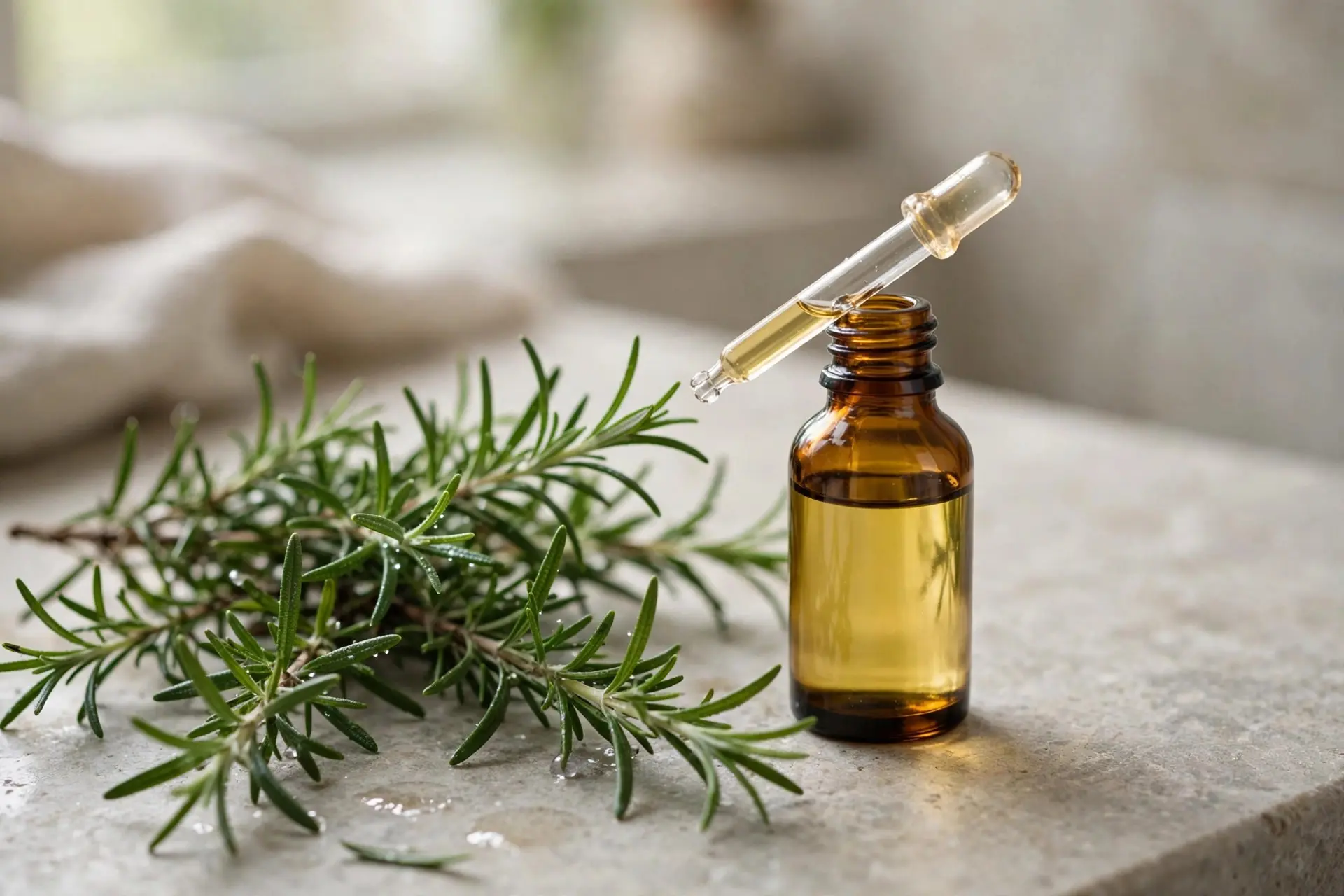
Rosemary oil has moved from the kitchen herb garden to the bathroom shelf for good reason. It is believed to improve circulation to the scalp, and some research has even compared its hair-supporting effects favourably with certain over-the-counter treatments.
Because it is an essential oil, a little goes a very long way. A few drops, properly diluted, are enough to cover the scalp, and the herbal scent makes the massage step feel like a proper spa moment.
Mix a few drops into a spoonful of a carrier oil such as jojoba or coconut, then massage into the scalp for several minutes. Leave it on for at least an hour before washing, two or three times a week.
Tip: Never apply rosemary oil neat. Undiluted essential oils can irritate the scalp — always blend them into a carrier oil first.
9. Hibiscus Flower Paste
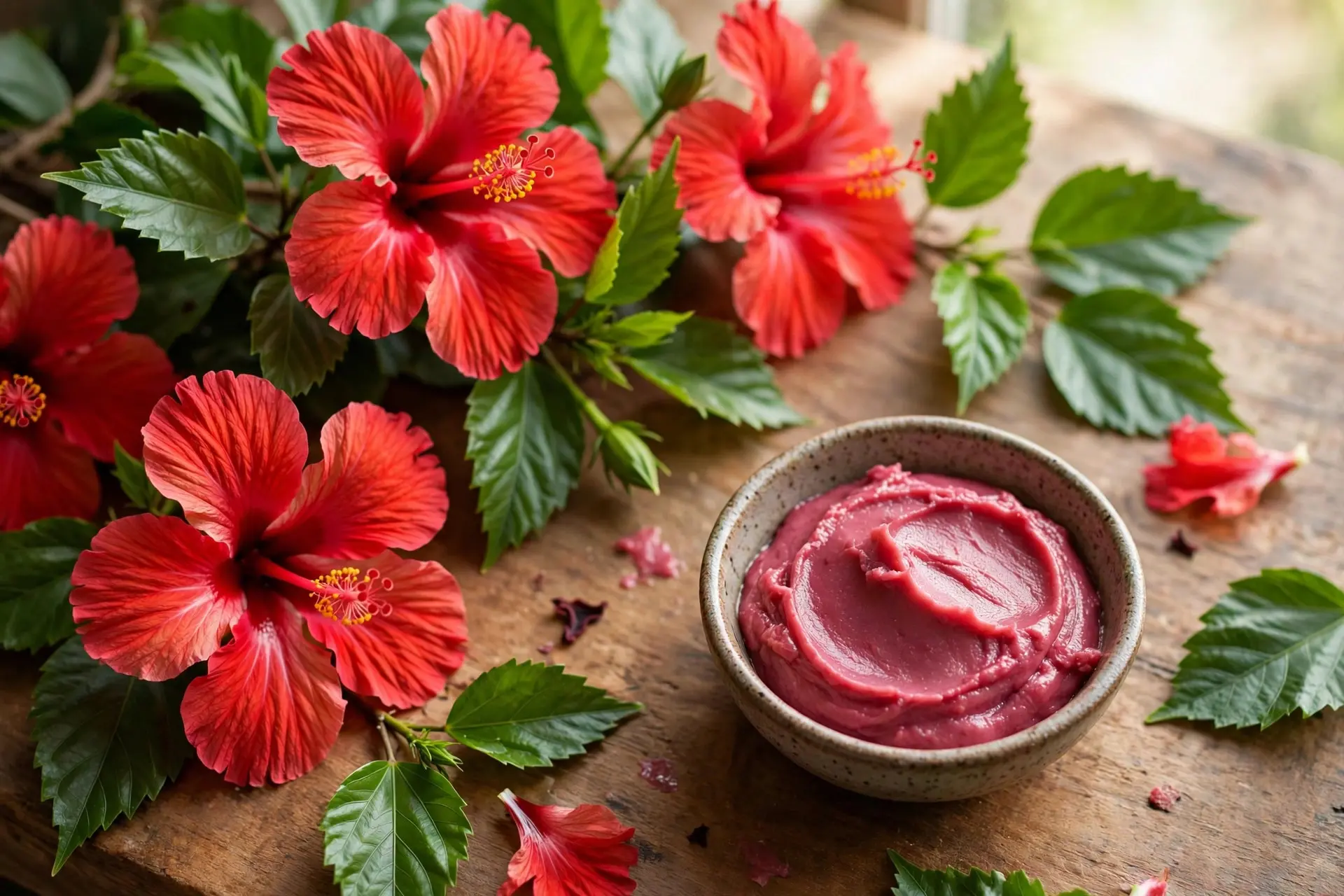
The same hibiscus blooms that brighten a summer garden have a long history in hair care, particularly across South Asia, where the petals and leaves are ground into a conditioning paste for stronger, glossier hair.
The deep pink paste coats each strand as it sits, and devotees credit it with hair that feels softer and sheds less, plus a natural shine that needs no extra products afterwards.
Blend a handful of fresh flowers and leaves with just enough water to form a smooth paste. Apply it evenly over the scalp and lengths, leave for 30 to 45 minutes, then rinse with lukewarm water and a gentle shampoo.
10. Curry Leaves Infused Oil
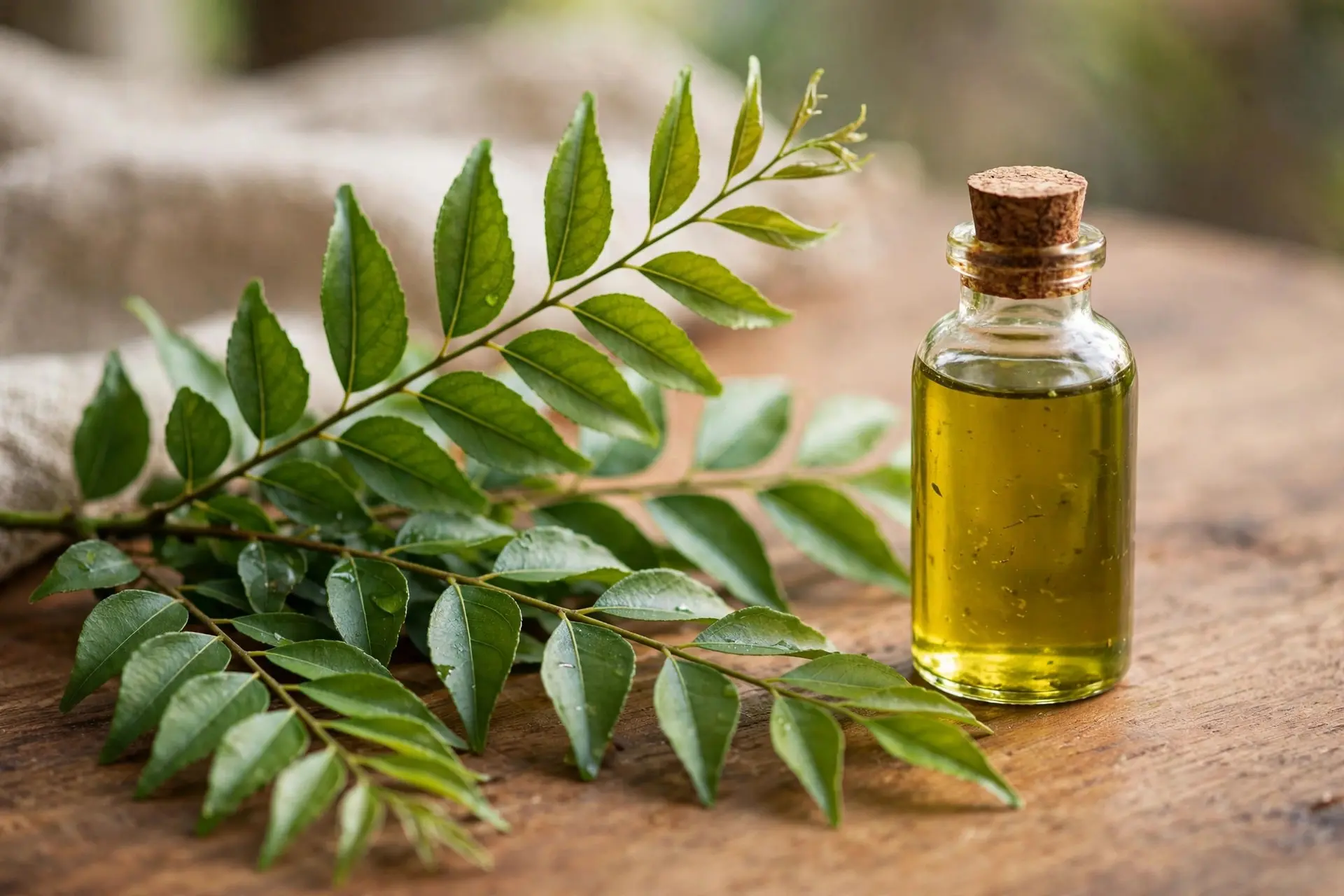
Curry leaves are far more than a cooking ingredient. Rich in antioxidants and nutrients, they are traditionally used to support the follicles and are even said to help slow premature greying alongside shedding.
Infusing the leaves into oil captures their goodness in a form that keeps well, so you can make one batch and draw on it for weeks — a genuinely convenient remedy for a busy routine.
Heat a handful of leaves in coconut oil until they darken slightly, let the oil cool, strain it and store it in a sealed bottle. Massage it into the scalp two or three times a week, leaving it on for about an hour before washing.
11. Castor Oil Treatment
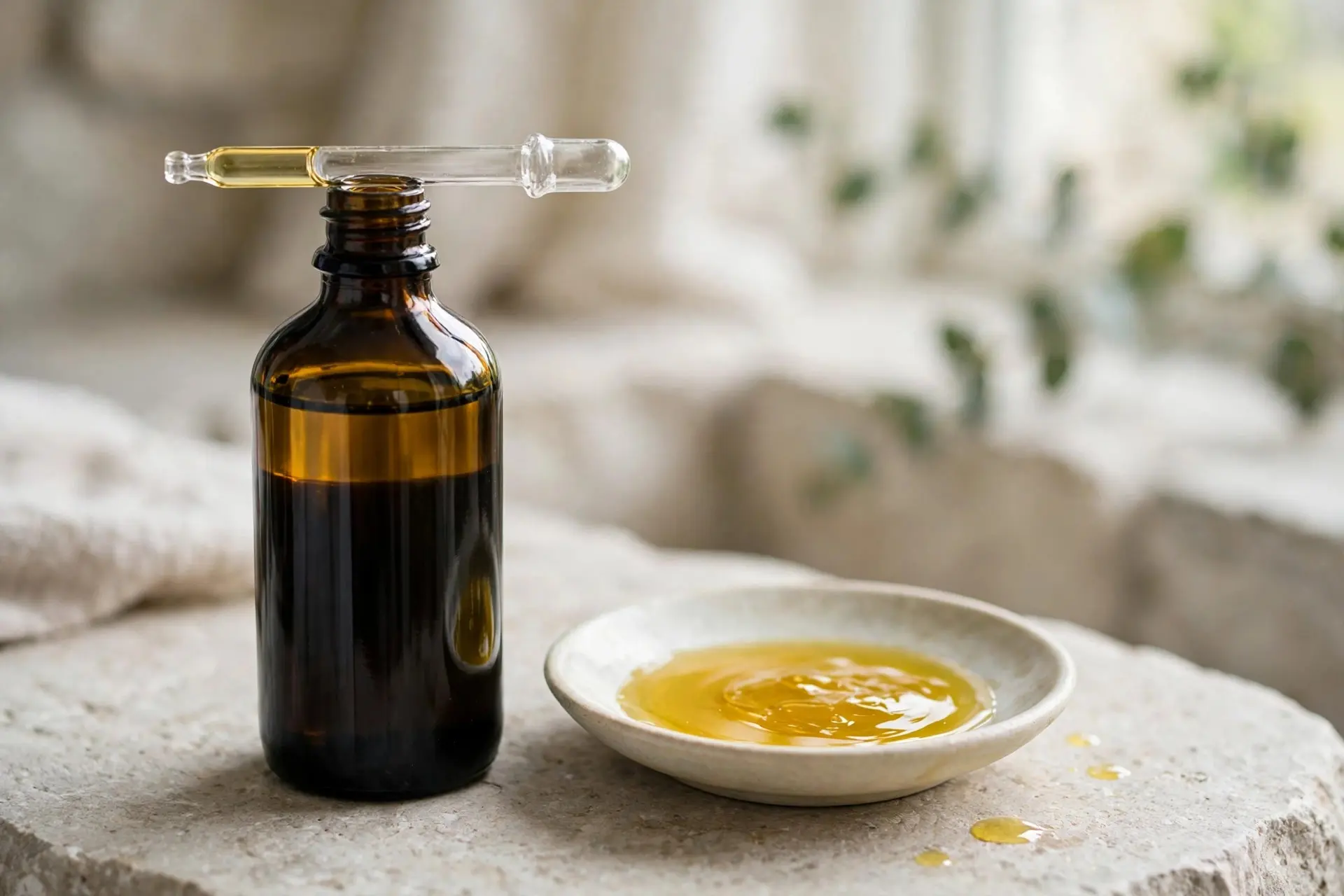
Castor oil is the thickest oil on this list, and that richness is the point. It contains ricinoleic acid, a compound associated with a calmer, healthier scalp — and a scalp free of irritation is one where hair can thrive.
Its syrupy texture means it clings to the roots and lengths instead of dripping away, so the treatment keeps working for the whole time it sits on the hair.

Because it is so thick, blend it with a lighter oil such as coconut or almond to make it easier to spread and rinse. Massage it in well, especially over any areas of concern, leave for at least an hour or overnight, then shampoo thoroughly.
12. Yogurt Hair Mask
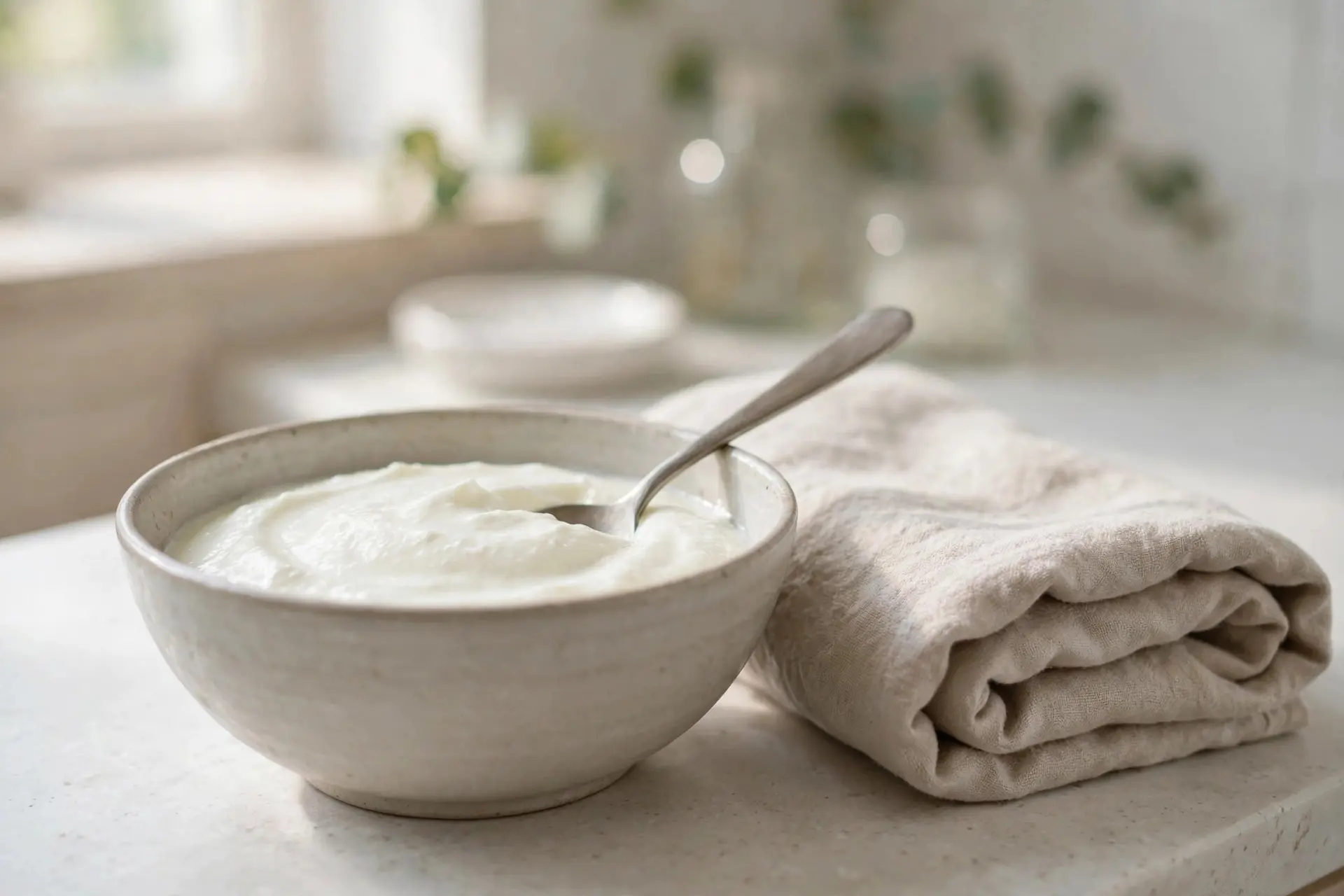
Plain yogurt is a quiet multitasker. Its lactic acid helps dissolve the buildup that gathers on the scalp, while its probiotics support a balanced scalp environment — and a balanced scalp is the groundwork for reducing shedding.
The mask also adds a gentle dose of moisture, which makes it a kind choice for dry, irritated or sensitive scalps that react badly to stronger treatments. It is one of the quickest remedies here, too — ready in seconds, with nothing to brew, soak or strain first.
Apply plain, unsweetened yogurt directly to the scalp and through the hair. Leave it for 20 to 30 minutes, then rinse thoroughly with cool water. Once or twice a week is plenty for this soothing treatment.
13. Apple Cider Vinegar Rinse
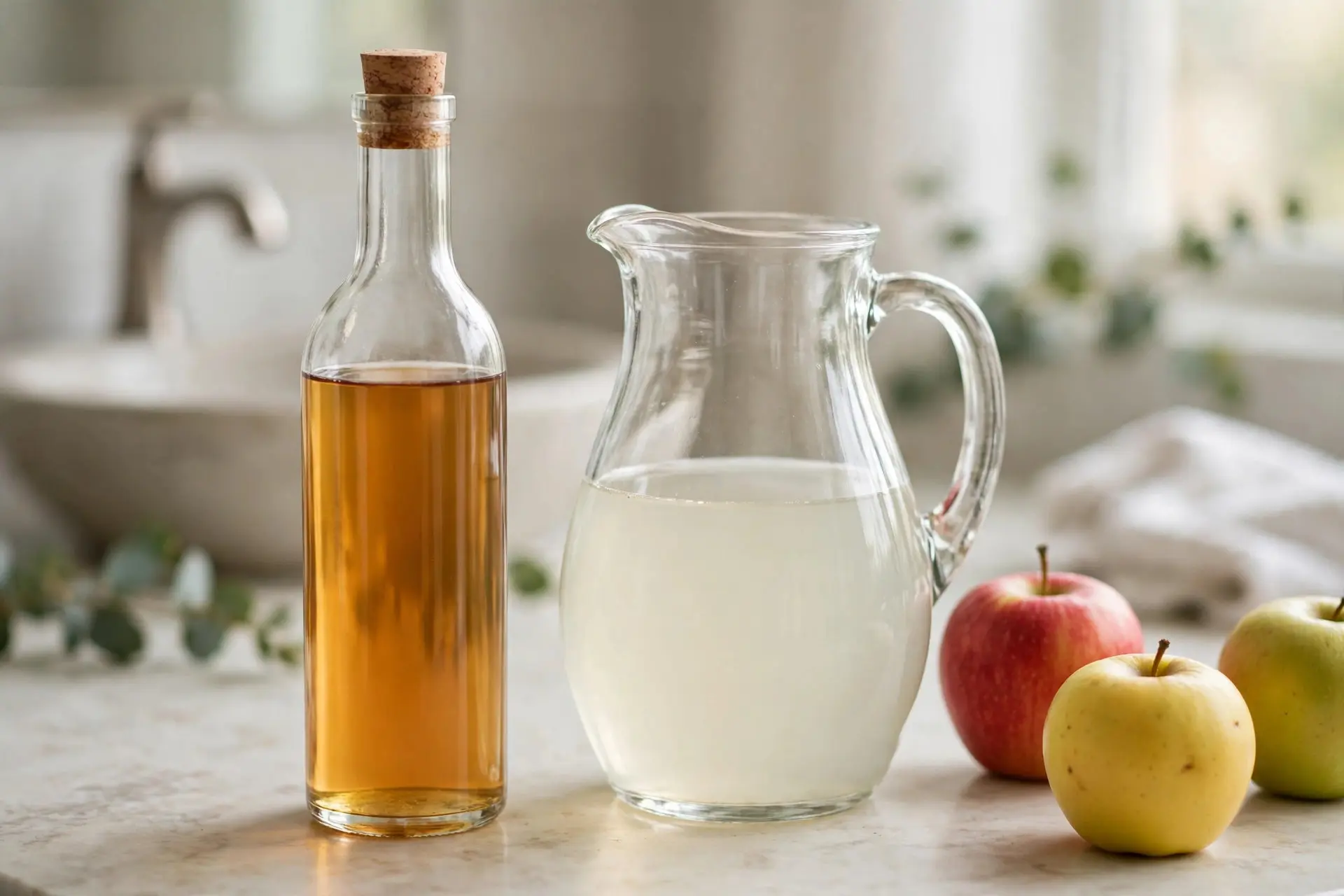
If your hair looks dull and feels coated no matter what you do, buildup may be the culprit. An apple cider vinegar rinse helps rebalance the scalp’s pH and dissolve that residue, creating a cleaner base for healthy growth.
As a bonus, smoothing the hair’s surface this way reflects more light — which is why so many people notice extra shine and softness after the very first rinse.
Dilute one to two tablespoons of vinegar in a cup of water — never use it undiluted. Pour it over your hair after shampooing, focusing on the scalp and lengths, then rinse thoroughly with cool water to finish.
Tip: If your scalp is on the sensitive side, start with a single tablespoon and leave the rinse on for just a minute or two. You can build up gradually as your scalp gets used to it.
14. Neem Leaves Treatment
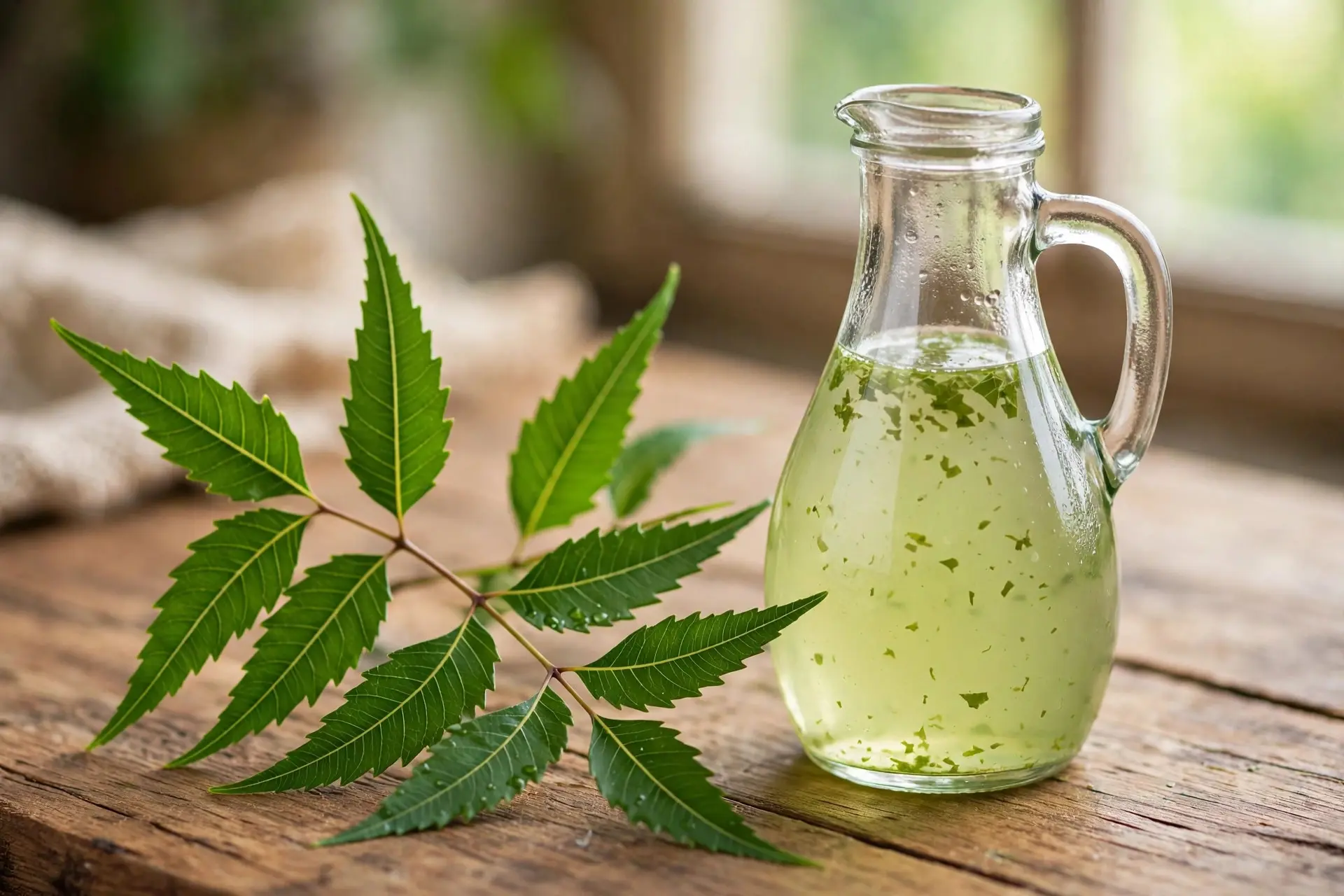
Neem has been valued in traditional medicine for centuries thanks to its natural antibacterial and antifungal properties. That makes it the remedy to reach for when shedding arrives alongside an itchy, flaky or irritated scalp.
By helping the scalp settle and stay clean, a neem rinse addresses one of the underlying conditions that can make hair fall worse, rather than just masking the symptoms.
Boil a handful of neem leaves in water, let the mixture cool completely, then strain it. Use the pale green water as a final rinse after shampooing, and repeat two or three times a week for steady scalp support.
15. Flaxseed Gel
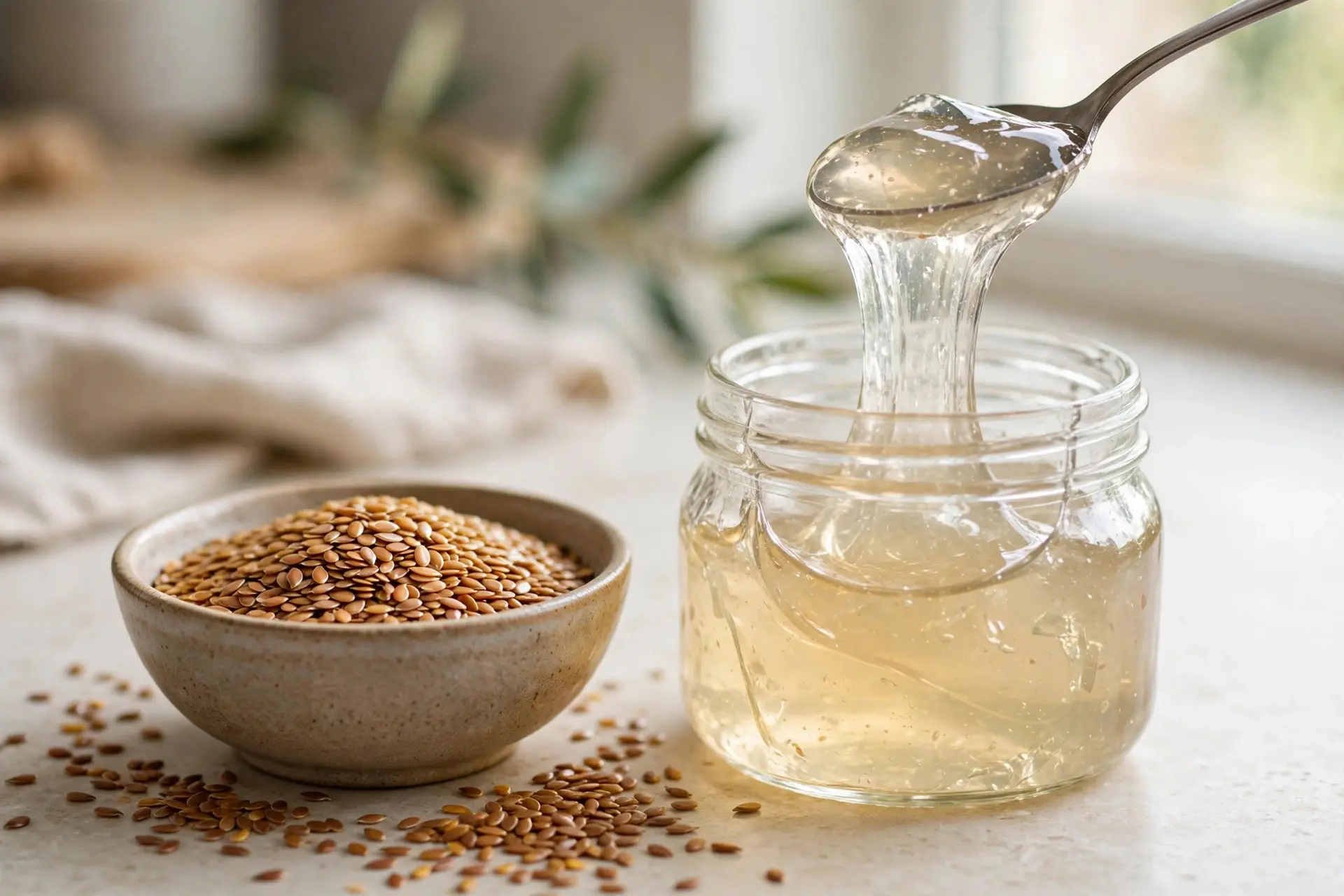
Flaxseeds are rich in omega-3 fatty acids, the kind of nourishment associated with a healthy scalp and hair that thins less over time. Boiled in water, they release a natural gel that feels remarkably like a salon product.
That gel coats the hair with a light, slippery layer, adding moisture and a touch of shine while it treats — and unlike many masks, it leaves no heavy or greasy feeling behind.
Simmer a few spoonfuls of seeds in water until a gel forms, strain and let it cool. Apply to the scalp and hair for 20 to 30 minutes before rinsing — or smooth a small amount through damp hair as a leave-in styling gel.
16. Biotin-Rich Diet Additions
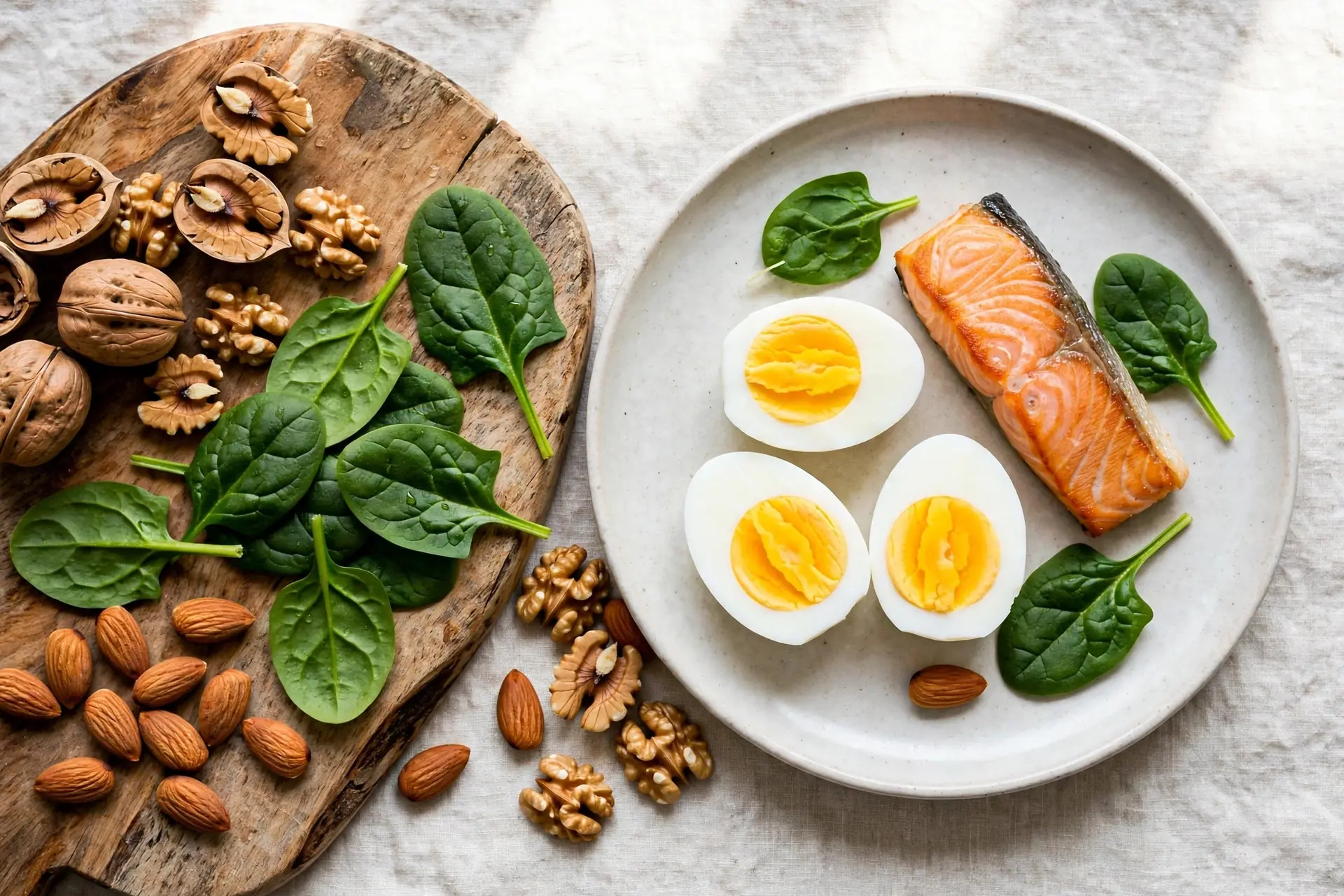
Not every remedy goes on your head. Biotin — a B vitamin found in eggs, nuts and leafy greens — plays a real role in producing keratin, the protein your hair is built from, so what you eat genuinely shows in your hair.
Feeding hair from within supports every topical treatment on this list. A scalp can be perfectly cared for and still struggle to produce strong hair if the building blocks are missing from your plate.
Build eggs, almonds and spinach into your weekly meals, and keep the rest of your diet balanced alongside them. Be patient: dietary changes typically take a few months to show in new growth, but the improvement is built to last.
17. Regular Scalp Exfoliation
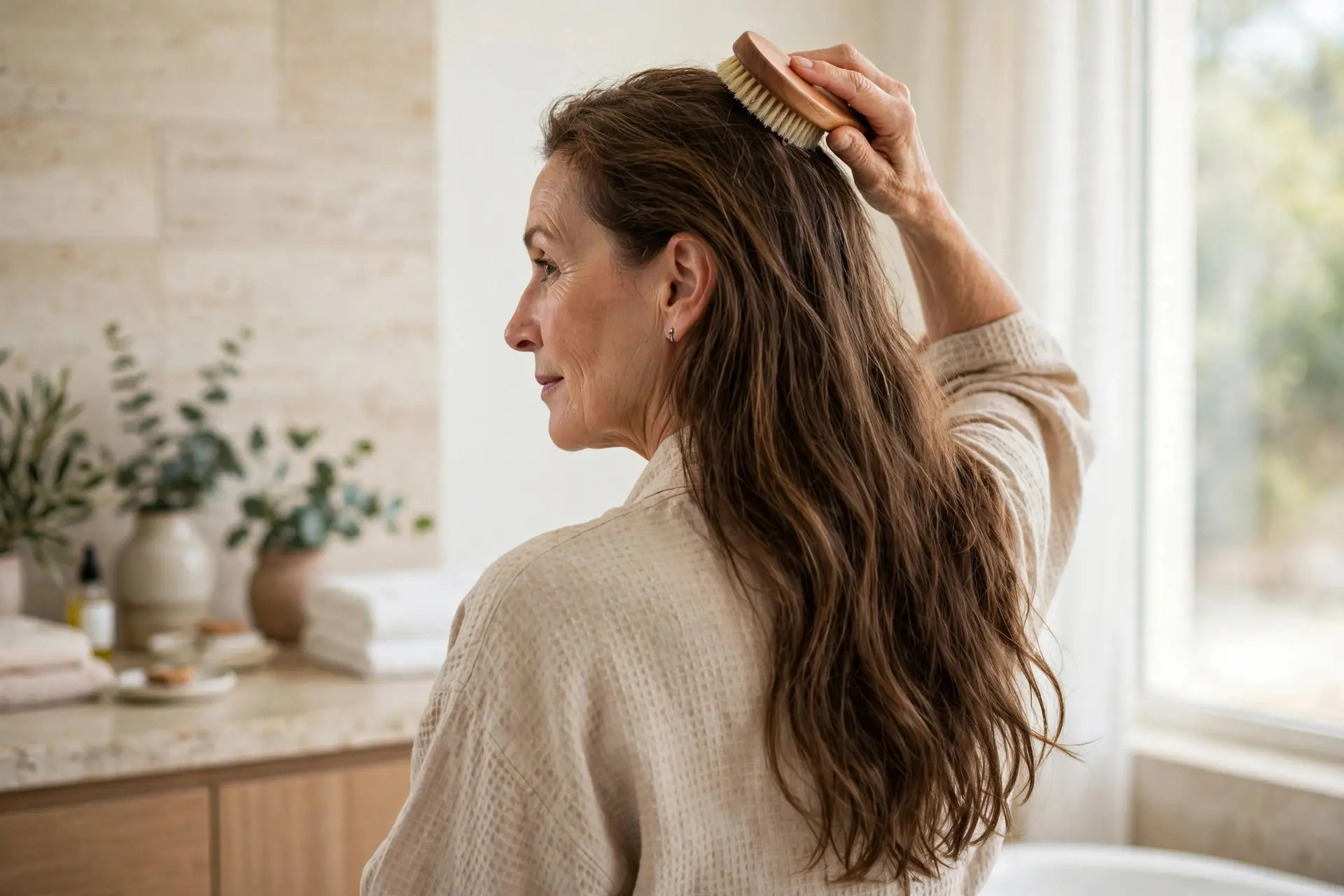
We exfoliate our faces without thinking — but the scalp collects just as much dead skin, oil and product residue, and all of it can sit around the follicles where new hair needs to come through.
A gentle weekly scrub clears that away, leaving the scalp feeling properly clean and better able to absorb the oils and treatments elsewhere in this guide. Heavy product users often notice the biggest difference.
For a homemade scrub, mix brown sugar with a little coconut oil. Massage it into the scalp with small circular motions for a few minutes before shampooing — once a week only, so you lift buildup without stripping natural oils.
Tip: Let the sugar do the work. Fingertips and light pressure are enough; scrubbing hard only irritates the skin you are trying to help.
18. Reducing Heat Styling and Tight Hairstyles

Sometimes the most effective remedy is simply stopping the damage. Daily heat styling weakens the hair shaft until strands snap, and hairstyles pulled tight day after day put constant tension on the follicles, especially around the hairline.
Easing off both gives your hair the breathing room to recover, and it makes every other remedy here work harder — there is little point feeding the roots while the lengths are being frazzled.
Limit heated tools to a few times a week, always with a heat protectant, and swap tight ponytails, buns and braids for looser styles held with soft scrunchies. On rest days, let your hair fall completely free.
19. Stress Management and Adequate Sleep

The final remedy involves no ingredients at all. Chronic stress and poor sleep are both linked to increased shedding — many people notice extra hair fall a few months after a difficult period, as the growth cycle reacts to what the body has been through.
Supporting your overall wellbeing is therefore a genuine hair strategy, not a soft extra. Rest is when the body repairs itself, and hair follicles are part of that repair work.
Build small calming habits into the day — deep breathing, gentle stretching, a short walk — and aim for seven to nine hours of consistent sleep. If stress feels hard to manage alone, journaling or talking it through with someone can help more than you’d expect.
Styling Tips
The remedies above do the deep work, but these everyday habits protect your progress between treatments:
- Massage on every wash day. Even without oil, two minutes of fingertip massage while you shampoo keeps circulation up and lifts residue away.
- Detangle gently, ends first. Work a wide-tooth comb through conditioned hair from the tips upward, so you never drag knots down the full length of a strand.
- Keep wash water lukewarm. Very hot water strips the scalp’s natural oils and leaves hair drier and more breakage-prone over time.
- Rotate two or three remedies. An oil massage one day, a rinse the next — a small rotation covers more ground than a single treatment repeated daily.
- Rest your hair overnight. Sleep with hair loose or in a very soft braid, ideally on a smooth pillowcase that won’t tug at the roots.
- Trim little and often. Regular light trims remove split ends before they travel up the shaft and thin out your lengths.
None of these take more than a few minutes, yet together they quietly support everything the remedies are trying to do.
Common Mistakes to Avoid
- Expecting overnight results. Hair grows slowly and sheds on its own cycle; judge any remedy after eight to twelve weeks of steady use, not eight days.
- Over-oiling. Daily heavy oiling builds up on the scalp and forces harsh extra washing — two or three treatments a week is the sweet spot.
- Skipping the patch test. Natural doesn’t automatically mean gentle for you. Test new ingredients behind the ear and wait 24 hours before a full application.
- Using essential oils undiluted. Rosemary and similar oils must be blended into a carrier oil; neat essential oil on the scalp invites irritation.
- Trying everything at once. Start one remedy at a time — it is the only way to learn what your hair actually responds to, and what to leave out.
Building a Consistent Hair Care Routine for Long-Term Results
These remedies shine brightest as part of a steady routine rather than a one-off rescue attempt. Choose two or three that genuinely fit your schedule — perhaps a weekly oil massage, a rinse on wash days, and a dietary change — and commit to them for at least a few months before deciding how well they work.
Pair them with gentle everyday care: less heat styling, a sulfate-free shampoo if your scalp prefers it, and loose hairstyles that don’t pull. Each habit is small, but layered together they support your hair from every angle at once. Think of it as layers: the remedies treat, the habits protect, and time brings the results.
Above all, let consistency do the heavy lifting. A simple routine you actually keep will always outperform an elaborate one abandoned after a fortnight — so start small, stay patient, and let the weeks work in your favour.
Frequently Asked Questions
How long does it take to see results from home remedies for hairfall?
Expect weeks rather than days. Hair grows slowly, so most remedies need consistent use over several weeks to a few months before you can fairly judge them — less shedding in the brush is usually the first sign.
Can home remedies completely stop hairfall?
Not always, and it’s best to be honest about that. Remedies can support scalp health and reduce everyday shedding, but they aren’t guaranteed to stop hair loss with an underlying medical cause.
Should I see a doctor for hairfall?
Yes, if shedding is sudden, severe, patchy, or arrives with other symptoms. A dermatologist can check for causes that home care can’t address, and remedies work best alongside — not instead of — that advice.
Can I combine multiple home remedies at once?
Yes — many people pair a weekly oil treatment with dietary changes, for example. Just introduce new remedies one at a time and gradually, so you can see how your scalp responds to each.
Conclusion
Whichever remedies you choose, home remedies for hair fall work quietly and gradually — through nourished scalps, gentler habits and a little patience. Stick with your favourites for a few months, and when you want fresh inspiration for the healthier hair you are growing, browse our favourite hairstyles for long hair to show it off. Which remedy will you try first — a warming coconut oil massage, or a soothing aloe treatment? Tell us in the comments.
Discover more from Fashinate Style
Subscribe to get the latest posts sent to your email.