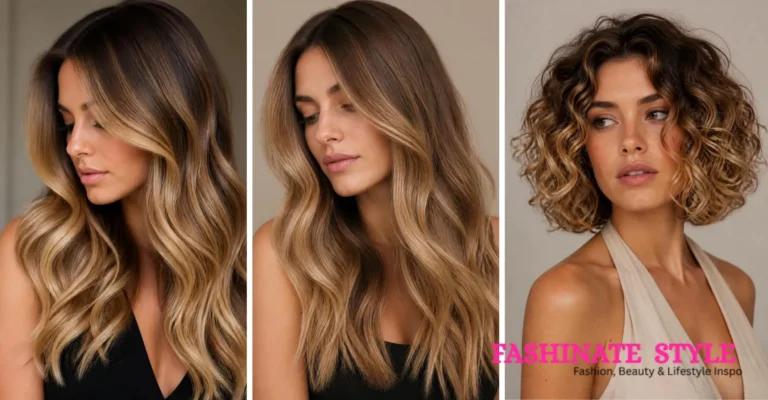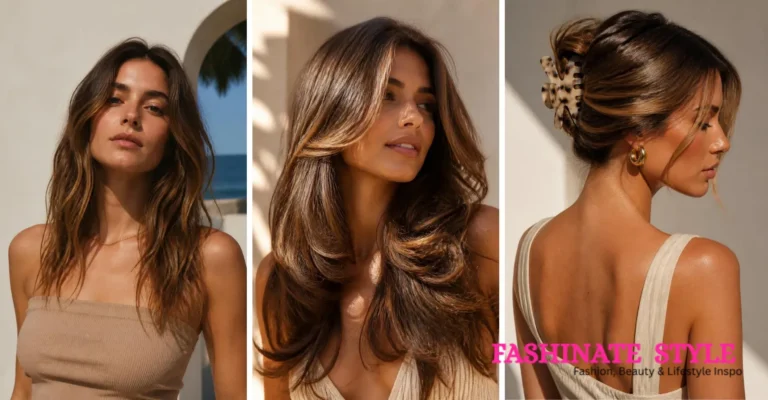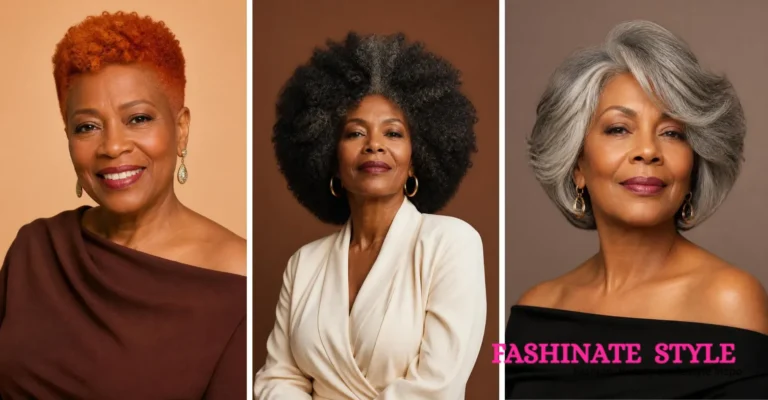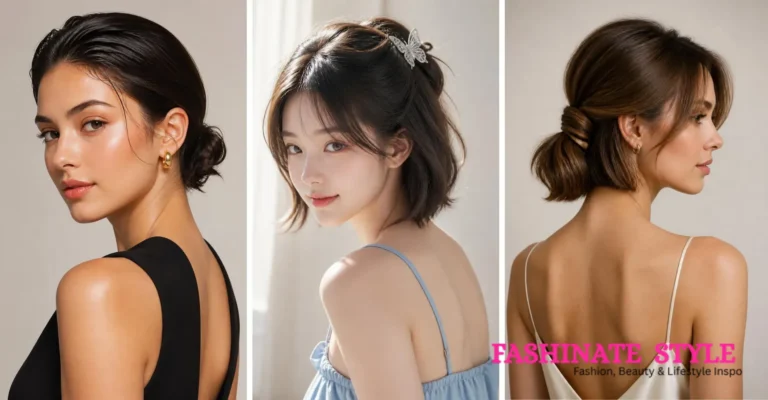
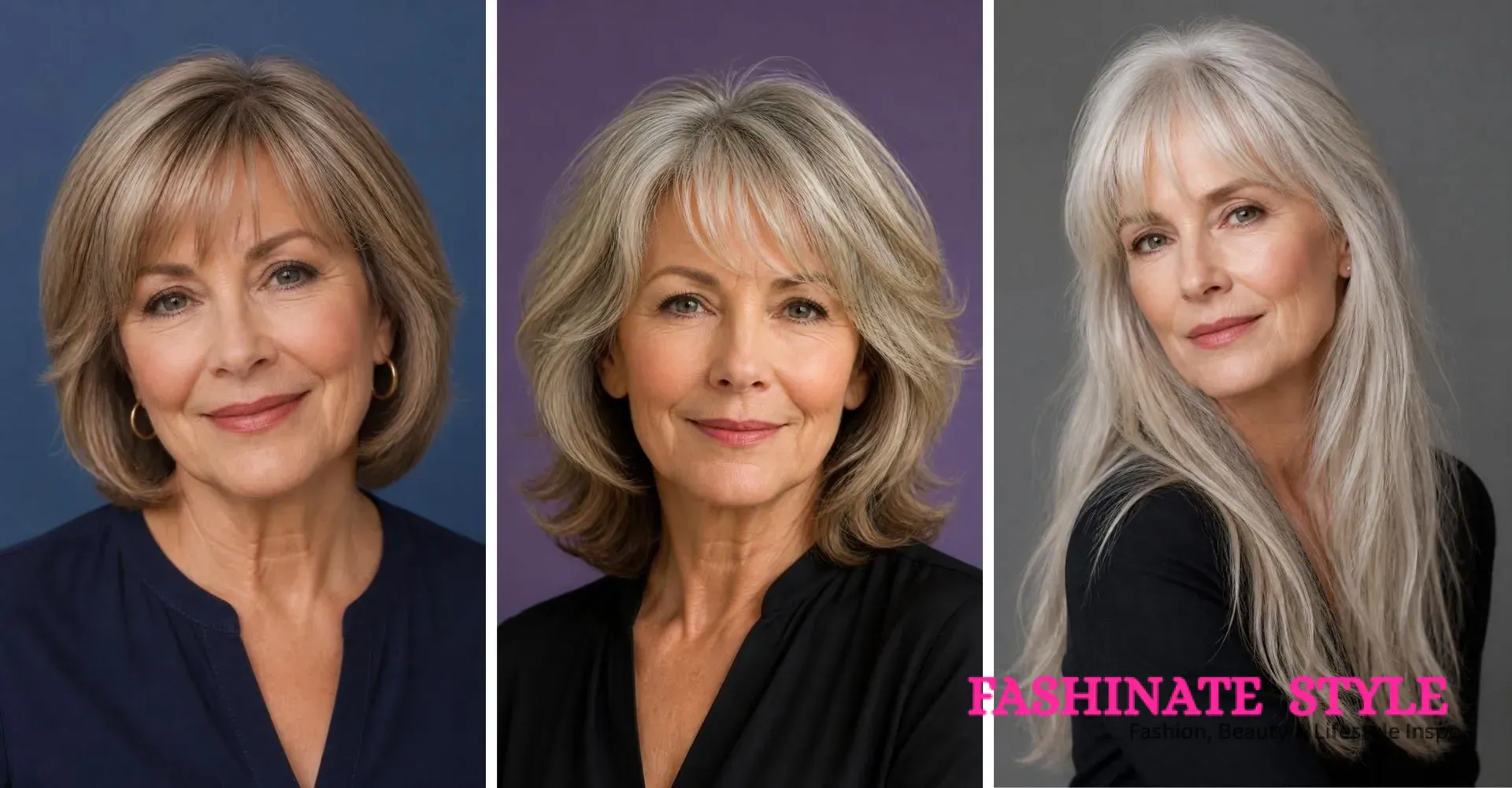
Bangs get an unfair reputation after a certain age, usually because of a few too-heavy, too-sharp examples people remember. The real issue was never bangs themselves, it was how they were cut. As hair texture shifts over time, bangs need to be shaped with that change in mind rather than against it. Softer edges, better blending, and a relaxed overall shape make all the difference between bangs that age you and bangs that lift your whole look. Below are 19 elegant hairstyles with bangs for older women, chosen for wearability, softness, and easy everyday maintenance.
Smooth Blowout With Full Fringe
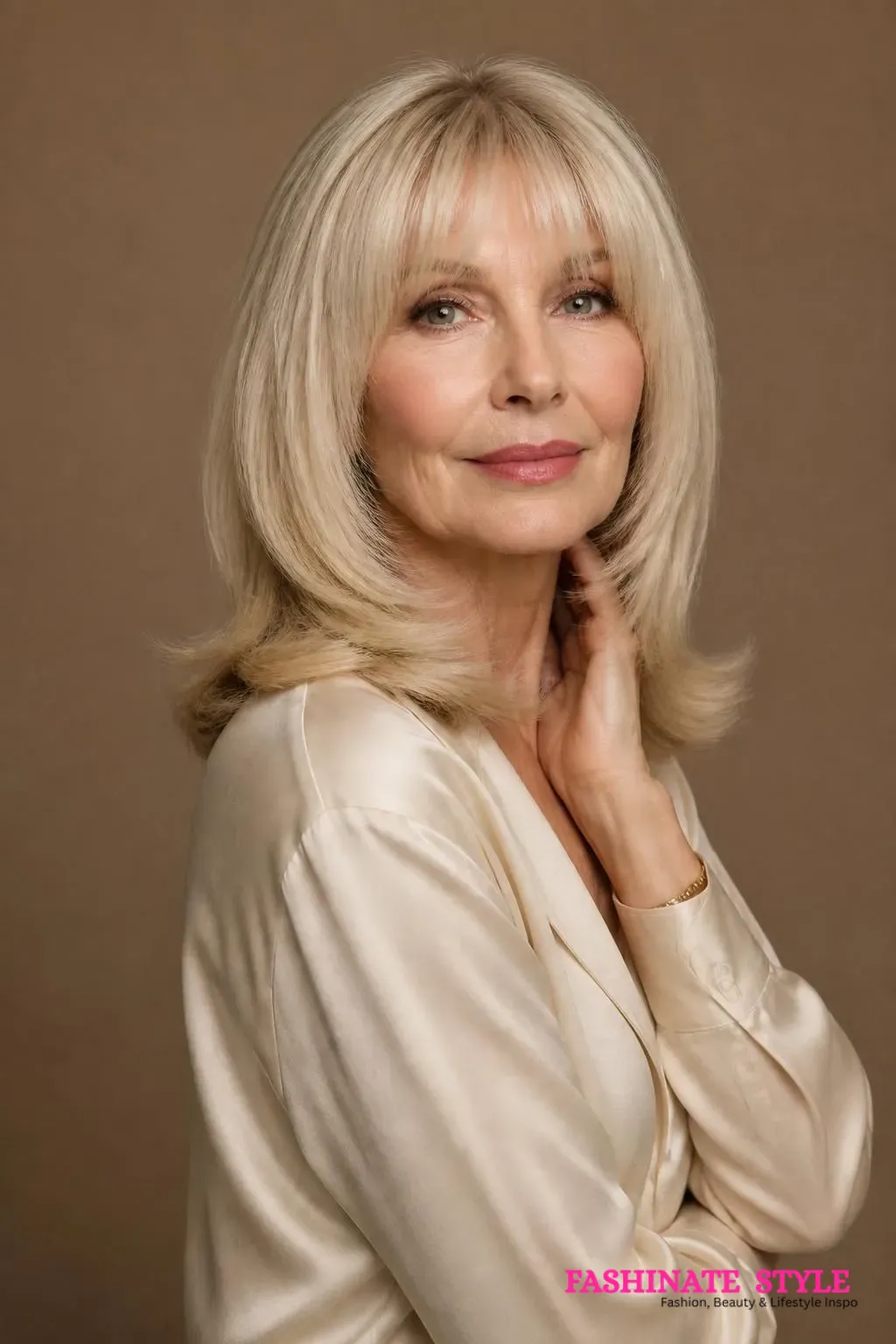
Polished without feeling stiff, this style pairs a smooth blowout with full bangs sitting just above the brows. The structure feels intentional while still allowing movement through the ends. It’s especially flattering on medium-density hair that wants a little more shape.
Styling Tip: Blow-dry bangs with a small round brush for smooth, lasting fullness.
Layered Blowout With Airy Wisps
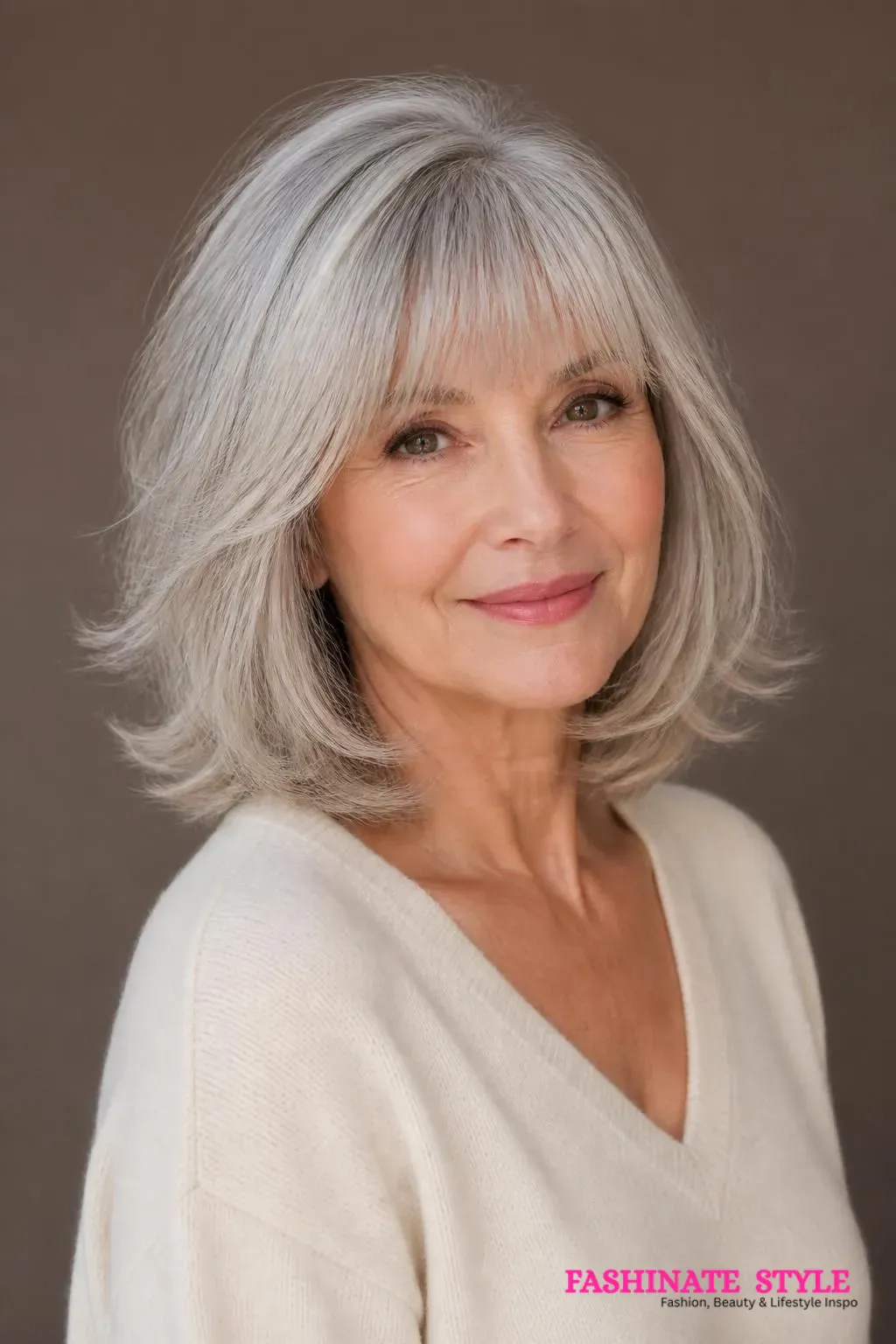
Long layers keep this style light through the ends while the fringe stays flexible and easy to work with. Because the bangs blend naturally into the sides, the whole look avoids feeling heavy. It’s forgiving between trims for anyone who enjoys styling but wants low daily upkeep.
Styling Tip: Use a light-hold spray to keep wispy pieces separated without stiffness.
Blunt Bangs With Soft Texture
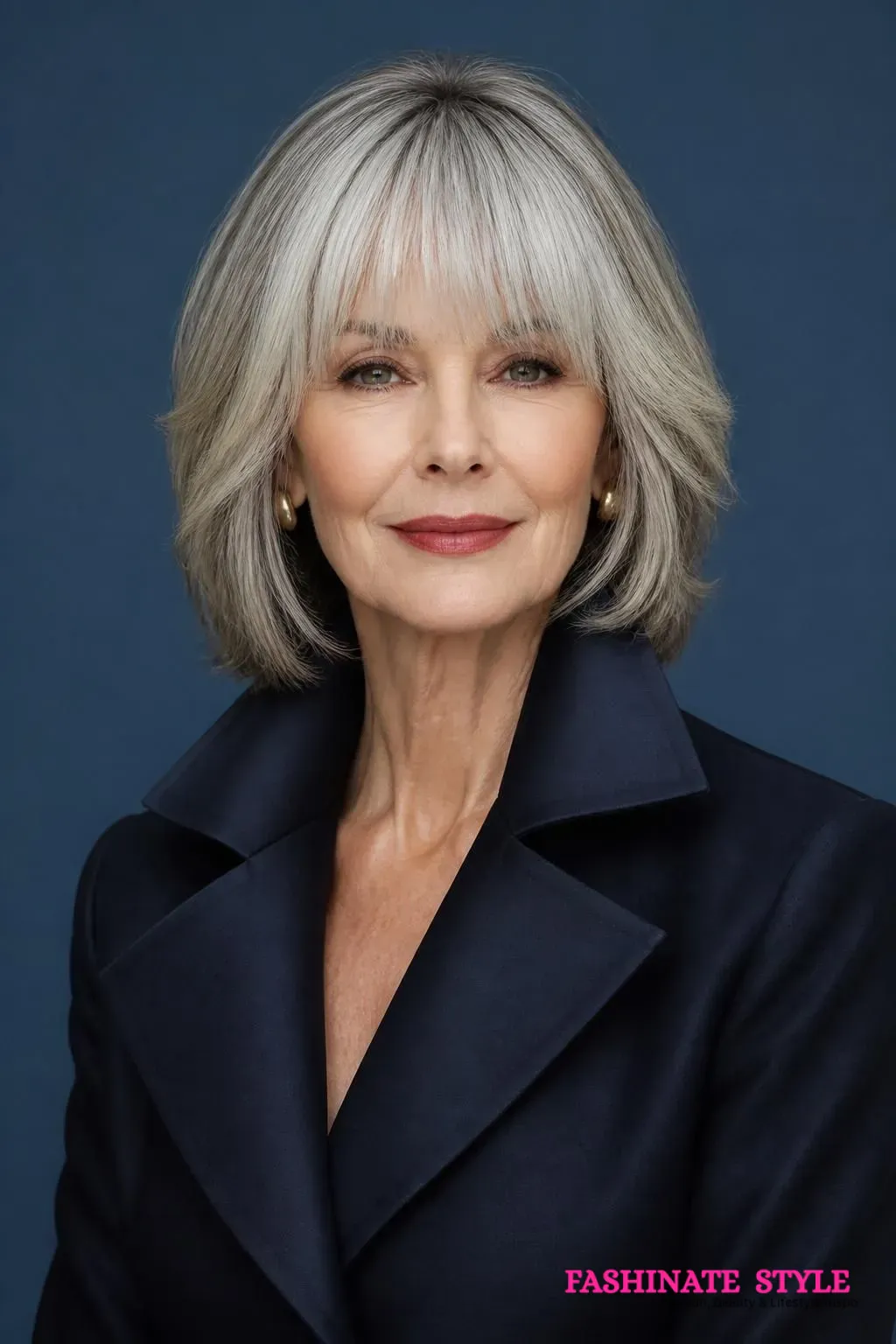
Blunt bangs draw the eye straight to the eyes, while surrounding texture keeps the overall shape from feeling severe. Length through the sides prevents any boxy, dated appearance. Cutting them slightly imperfect helps the bangs settle naturally instead of sitting too sharp.
Styling Tip: Ask your stylist for a soft, textured edge rather than a perfectly straight line.
Relaxed Updo With Loose Bangs
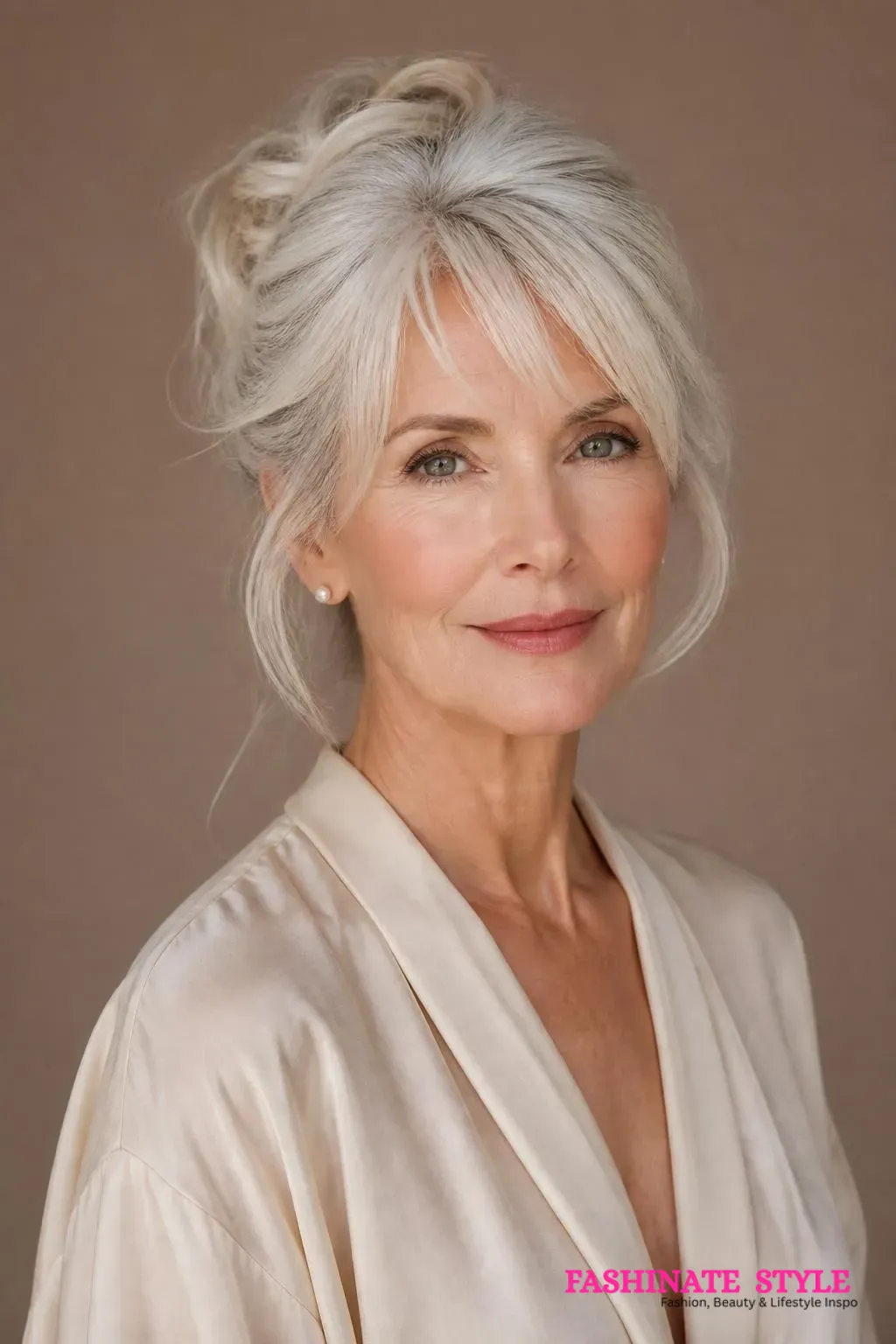
Pulled-back hair paired with loose bangs feels effortless and genuinely practical for busy mornings. The bangs frame the face and soften the hairline even when the rest of the style stays undone. It works especially well with naturally straight or lightly wavy hair.
Styling Tip: Leave bangs slightly damp when pulling the rest of the hair back for a softer finish.
Natural Curls With Short Fringe
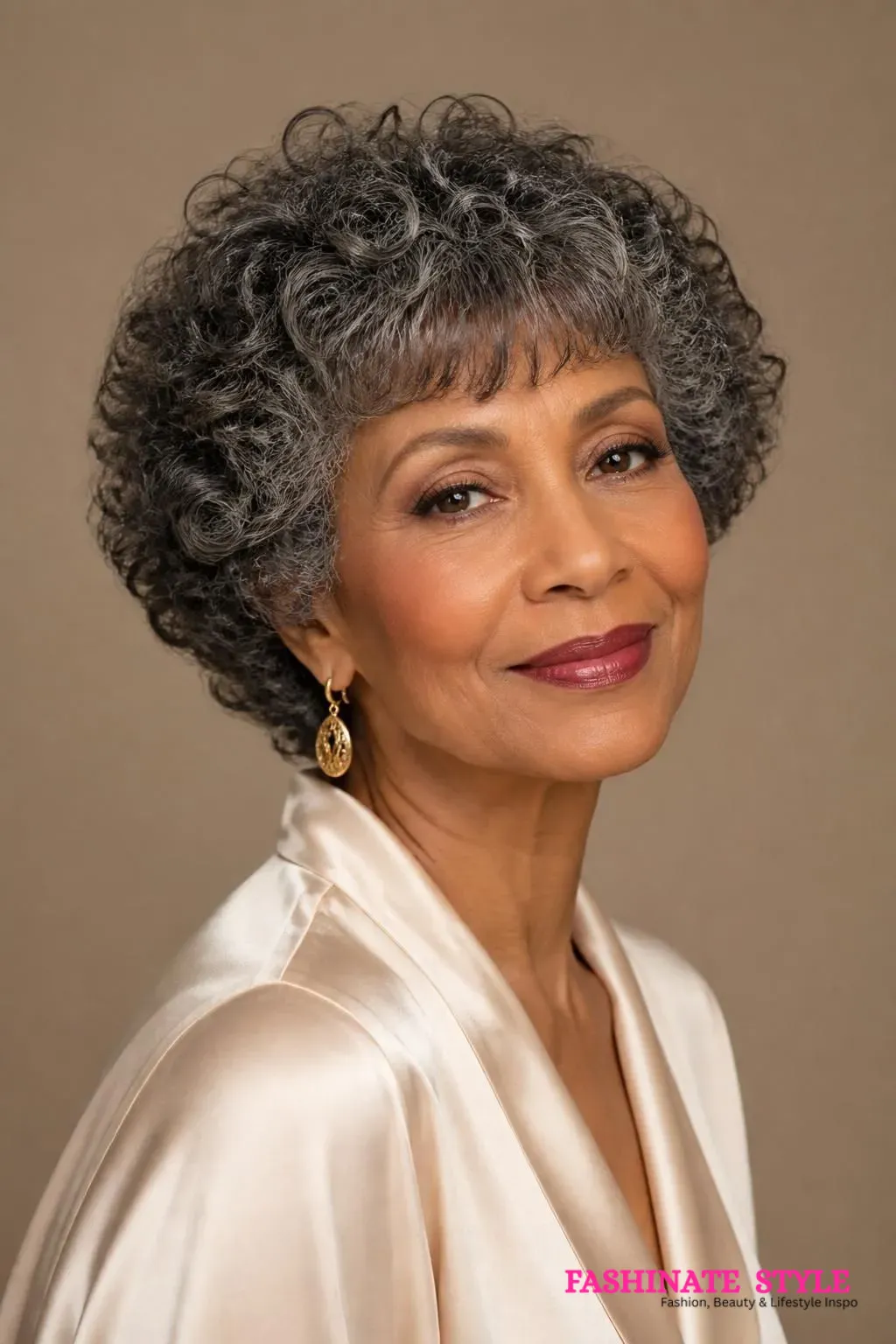
Curly hair paired with a short fringe feels intentional rather than overstyled. The bangs rest lightly across the forehead and blend right into the curls at the temples. Cutting curls dry is key here, letting their natural shape guide the length.
Styling Tip: Always request a dry cut for curly bangs to see the true finished shape.
Soft Curls With Curtain Bangs
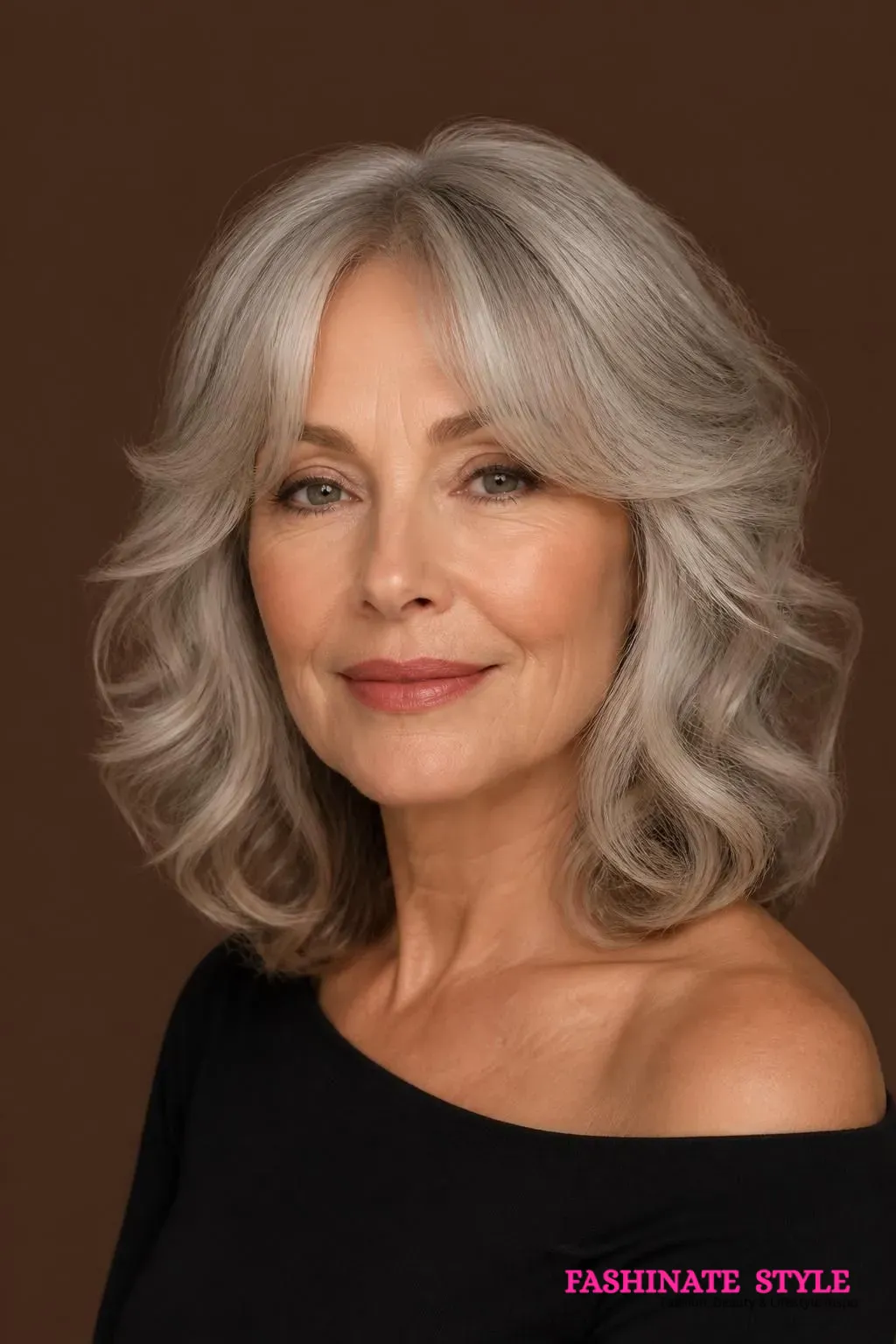
Curtain bangs open up the face beautifully and move easily alongside curly texture. They part naturally on their own and grow out with very little fuss. This style keeps volume balanced around the cheeks and jaw, helping curls feel shaped rather than overwhelming.
Styling Tip: Curtain bangs need almost no daily styling since they fall into place naturally.
Straight Hair With Classic Curtain Fringe
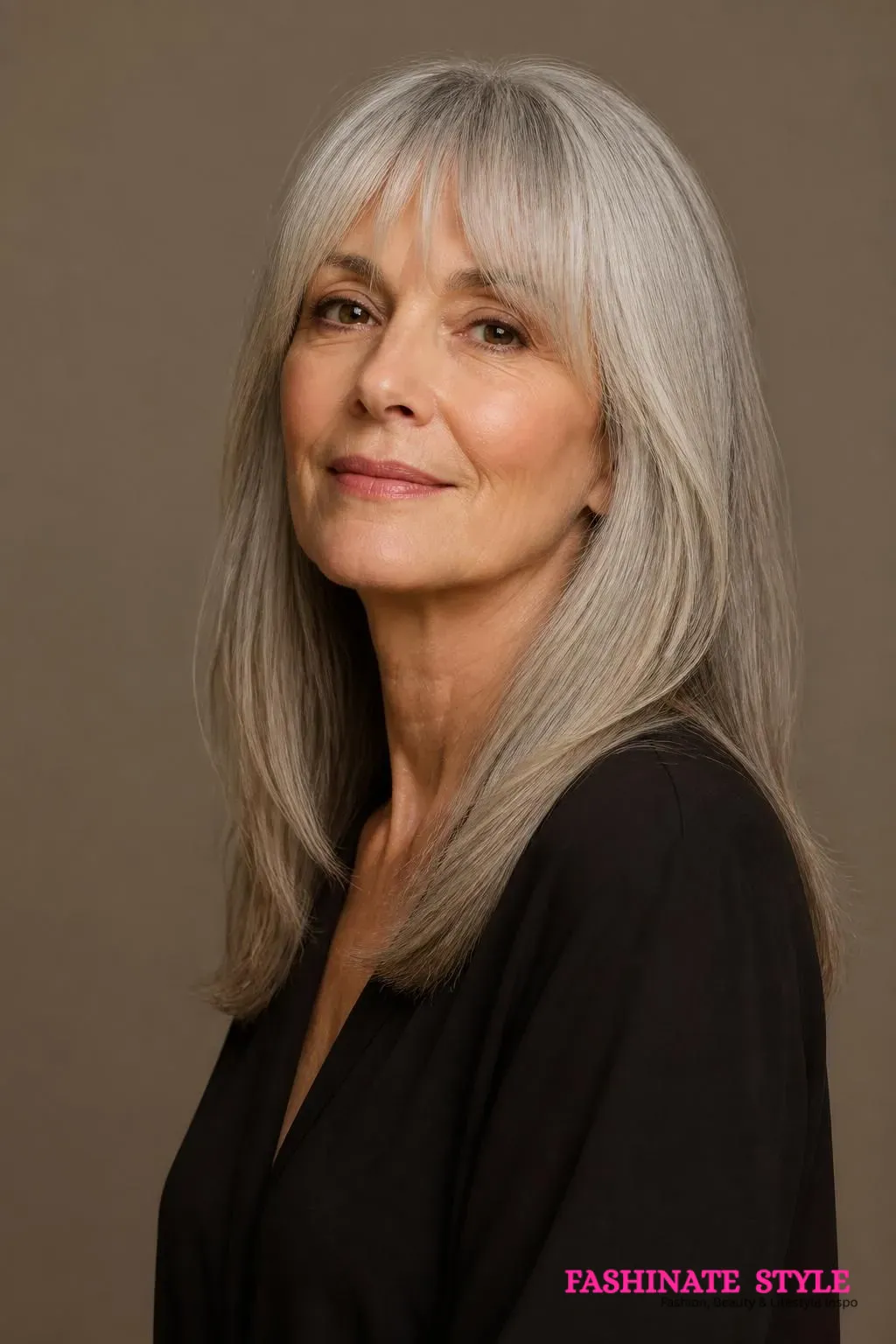
These bangs frame the face without closing it in, sitting longer at the sides and blending smoothly into the rest of the cut. Straight or lightly wavy hair suits this style especially well. As the bangs soften over time, the whole look stays easy to maintain.
Styling Tip: A flat brush and light heat keeps this classic curtain shape polished daily.
Feathered Bangs With Layered Softness
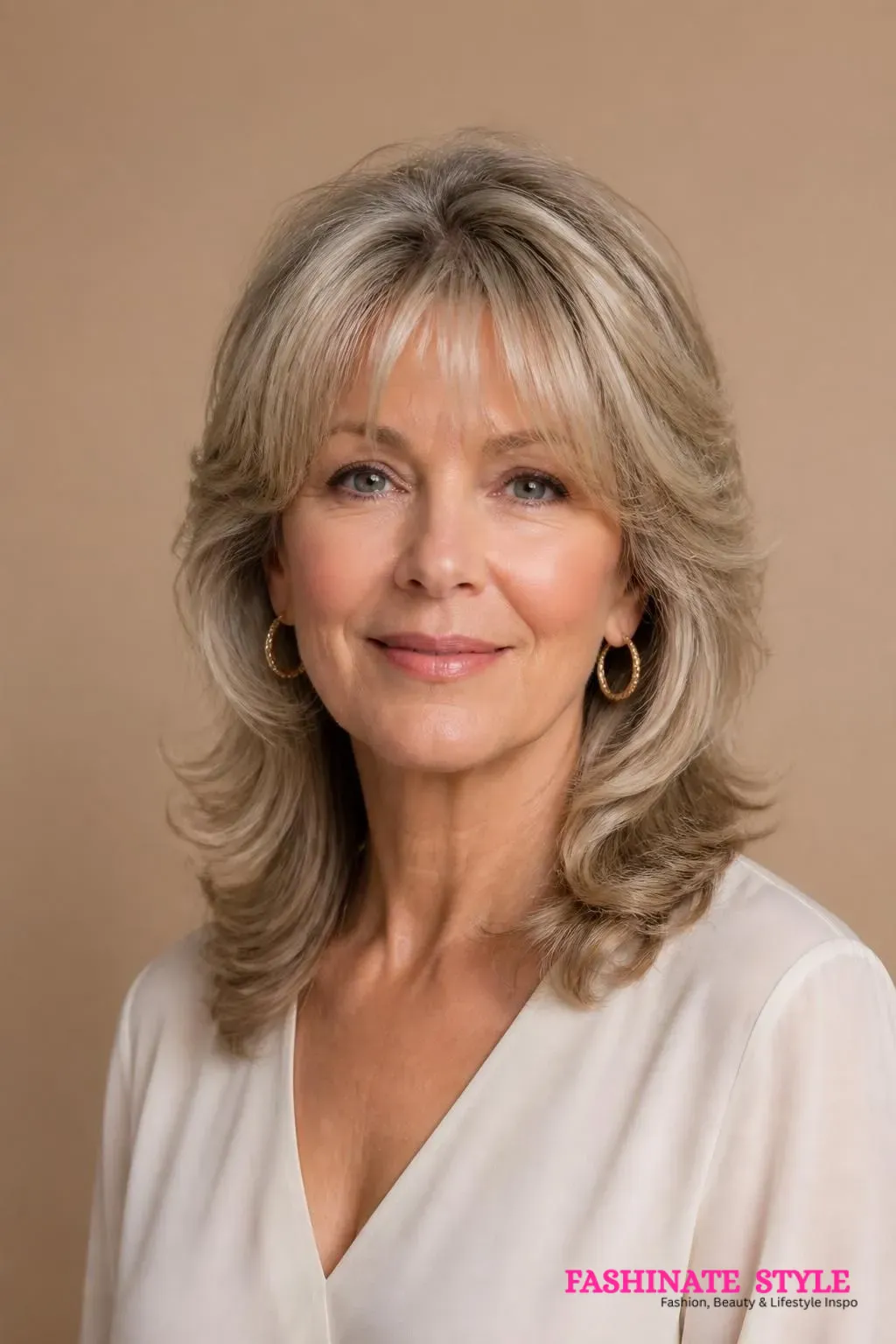
Feathered bangs bring lightness through the front, skimming the forehead instead of sitting flat. This texture trick makes fine hair appear noticeably fuller. Paired with gentle layers, the whole style feels balanced even with minimal styling effort.
Styling Tip: Point-cut ends for feathered bangs to keep them airy rather than blunt.
Lightweight Bangs With Gentle Movement
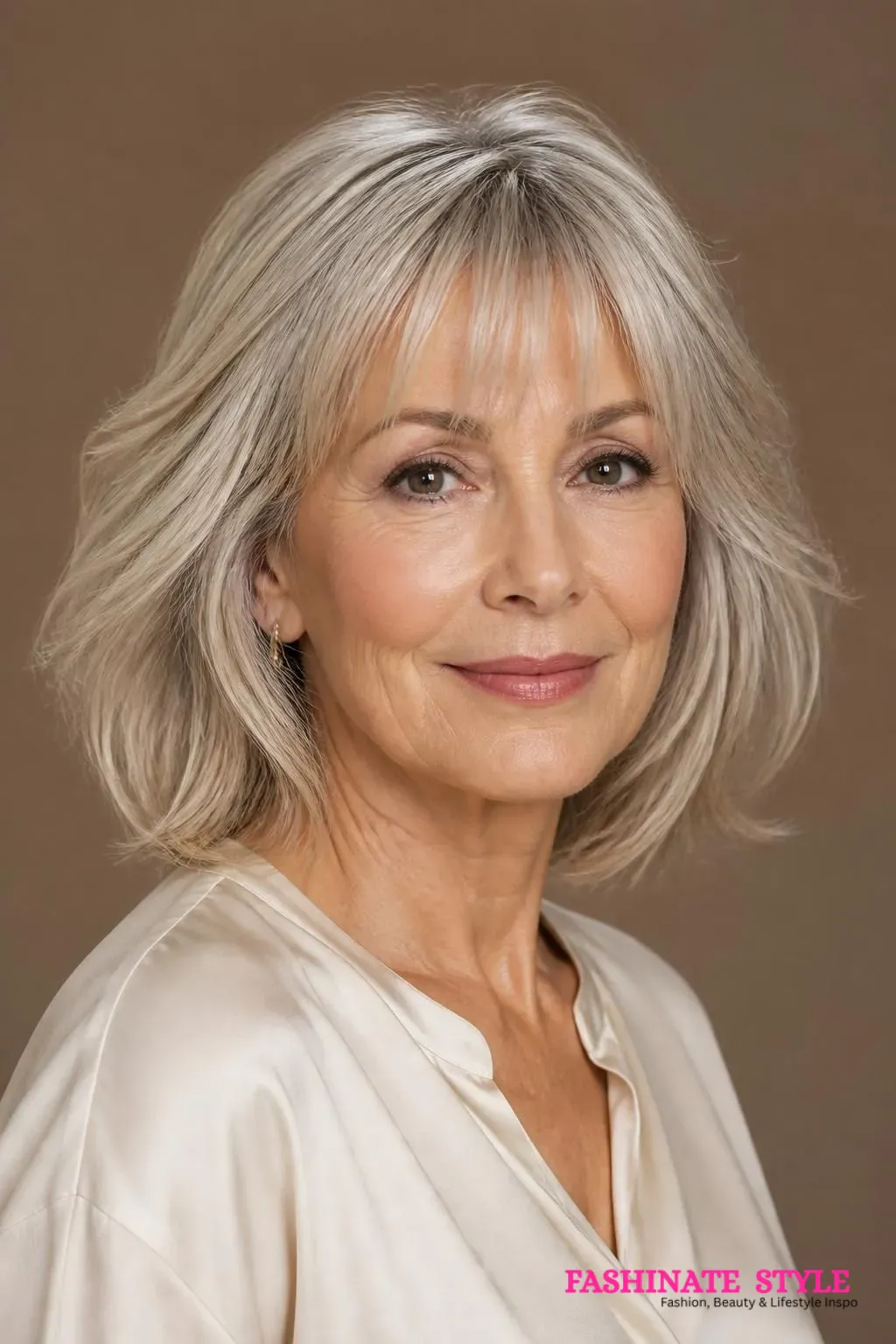
Lightweight bangs offer coverage without full commitment, moving easily and never overwhelming the face. Thinner hair particularly benefits from this style. Cutting them slightly longer helps the bangs blend rather than sit too sharply against the rest of the hair.
Styling Tip: Keep length slightly longer than expected so thin bangs blend rather than look sparse.
Long Layered Waves With Soft Fringe
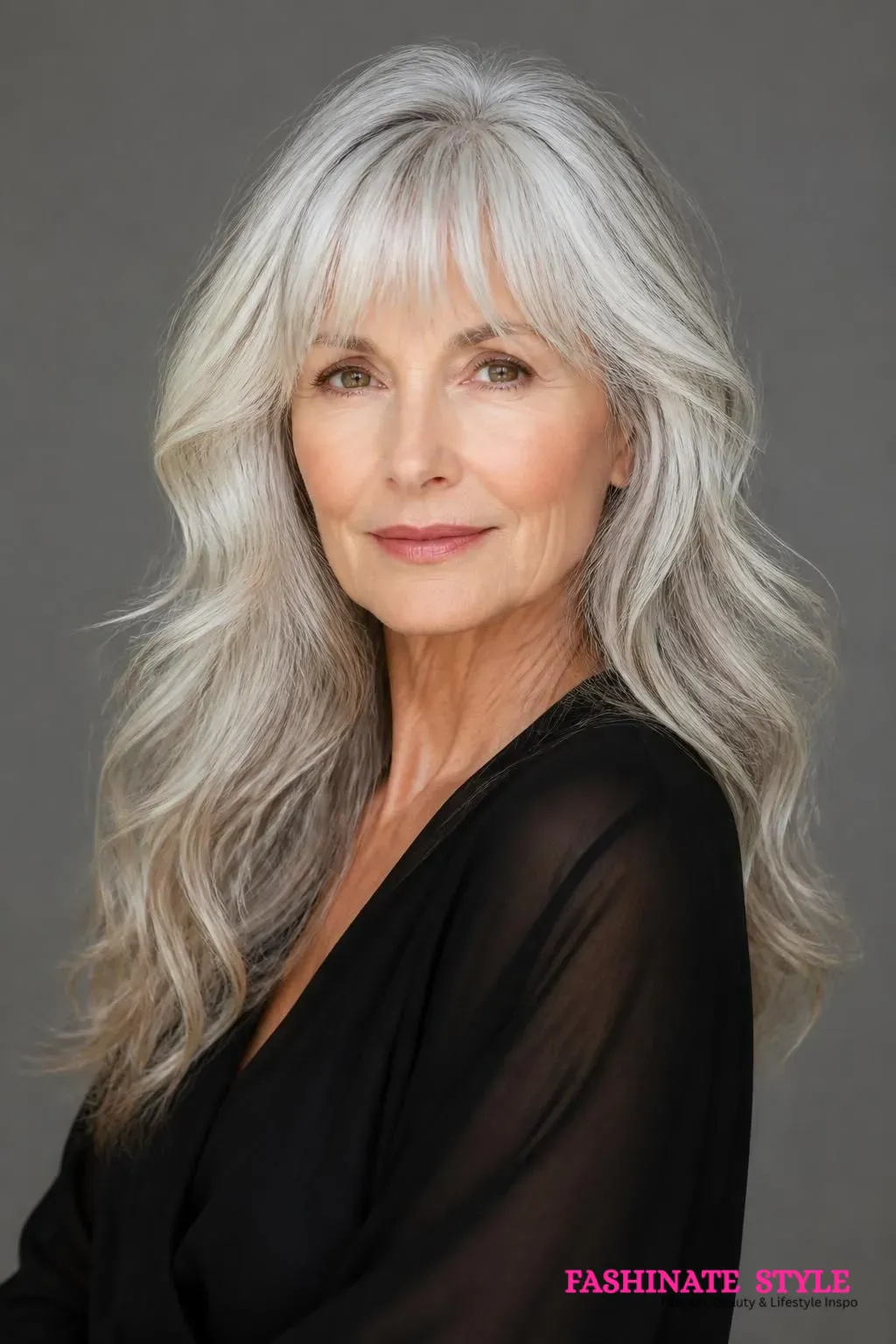
Long waves paired with a soft fringe create a relaxed, grown-in feel throughout. The bangs sit loosely and blend into the layers, avoiding any heavy or dated look. This style suits anyone who wants length but still craves face-framing detail.
Styling Tip: Loose waves paired with soft bangs need only a texturizing spray to finish.
Long Side-Swept Bangs
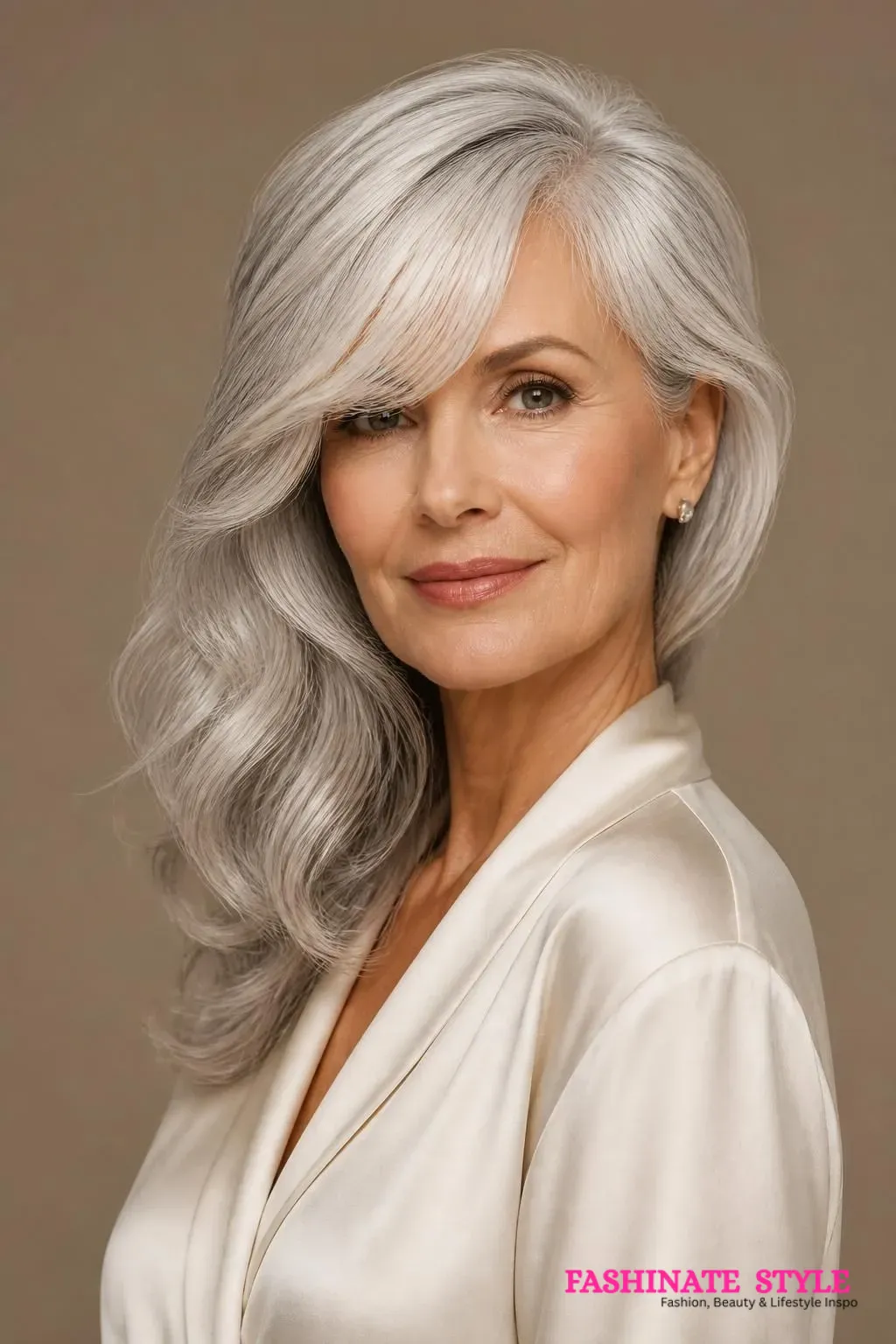
Side-swept bangs soften the forehead without ever feeling heavy or overdone. They blend into the surrounding lengths easily and are genuinely forgiving as they grow out. This is a great choice for subtle, low-effort face framing.
Styling Tip: Sweep bangs to the side while blow-drying for the most natural fall.
Long Silver Hair With Soft Bangs
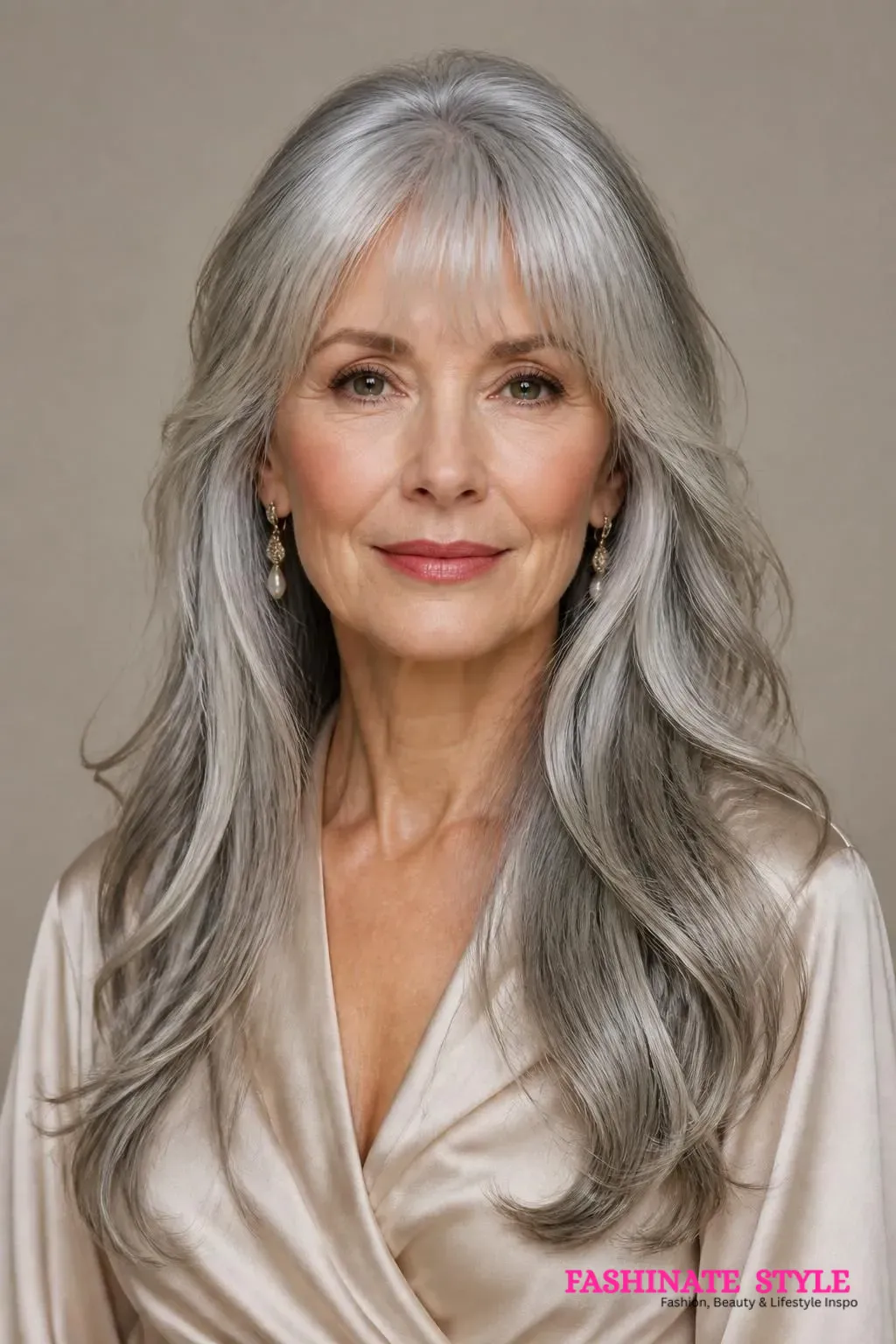
Soft bangs add balance to long silver hair, keeping the overall look from feeling severe or stark. They sit lightly across the forehead and blend smoothly into the sides. Worn with natural texture and minimal styling, this look feels calm and completely intentional.
Styling Tip: A purple-toning shampoo keeps silver tones bright around soft-cut bangs.
Loose Wispy Bangs
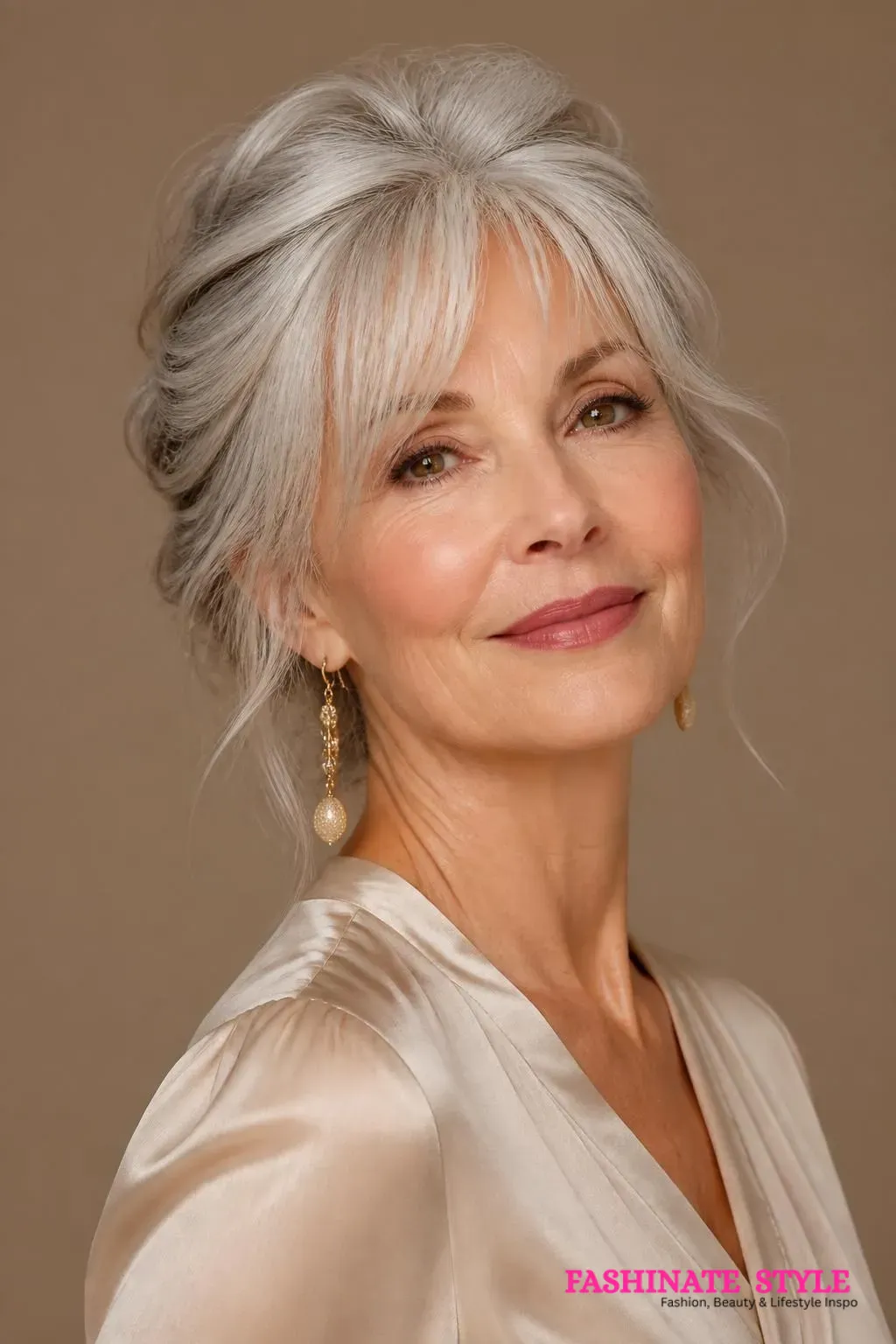
Loose wispy bangs feel relaxed rather than deliberately styled, moving easily without dominating the face. This is an ideal option for anyone wanting a gentle change that still feels familiar. They’re genuinely easy to live with day to day.
Styling Tip: Finger-comb wispy bangs into place instead of using a brush for a softer result.
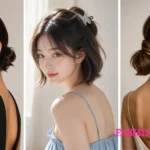
Separated Bangs With Soft Texture
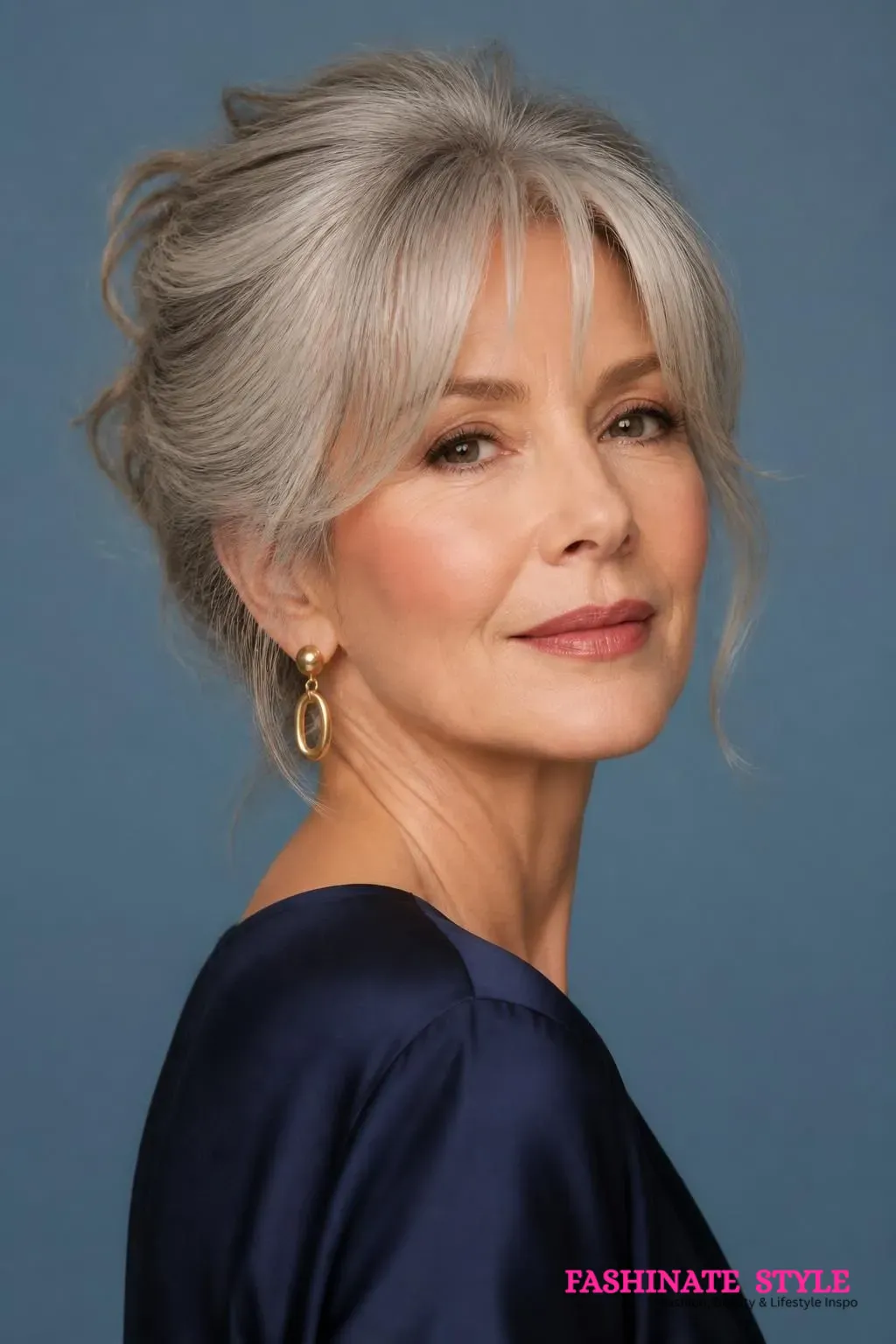
Separation between pieces creates movement and keeps the front of the style from ever looking flat. This works especially well for hair that needs softness without adding extra bulk or volume. A subtle but effective styling choice.
Styling Tip: Use fingertips with a small amount of pomade to define separated pieces.
Side-Swept Bangs With Soft Layers
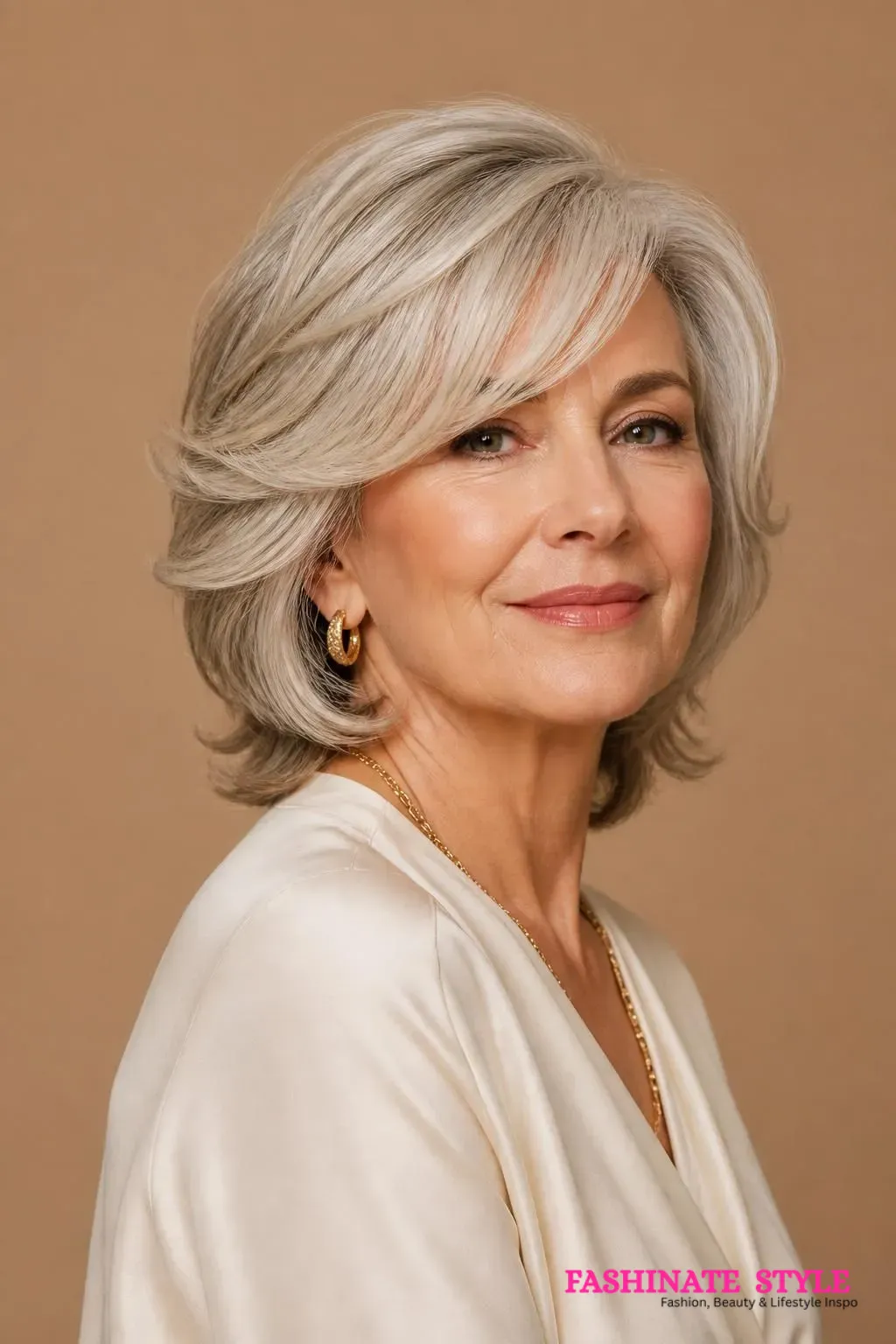
Side-swept bangs paired with soft layers feel flattering and genuinely easy to maintain across most hair types. They frame the face without ever closing it in. This combination is especially useful if you want bangs that grow out gracefully over time.
Styling Tip: This pairing works across nearly every hair type, making it a safe, versatile choice.
Classic Side-Swept Fringe
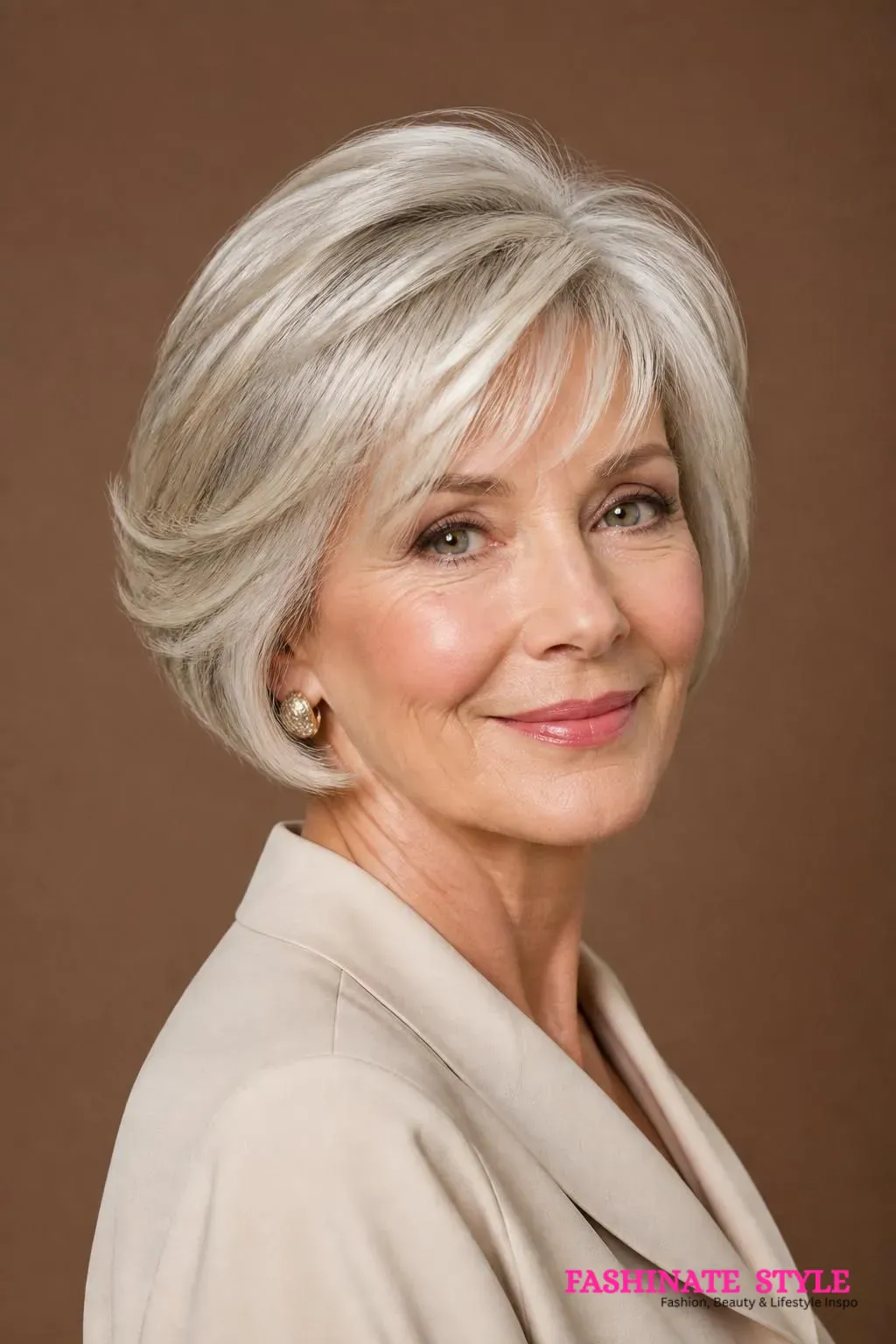
A classic side-swept fringe never feels dated no matter the year. It blends smoothly into the rest of the cut and needs very little daily styling. This is a dependable option for a subtle refresh rather than a dramatic change.
Styling Tip: Keep a small round brush on hand for quick touch-ups throughout the day.
Soft-Cut Bangs With Natural Shape
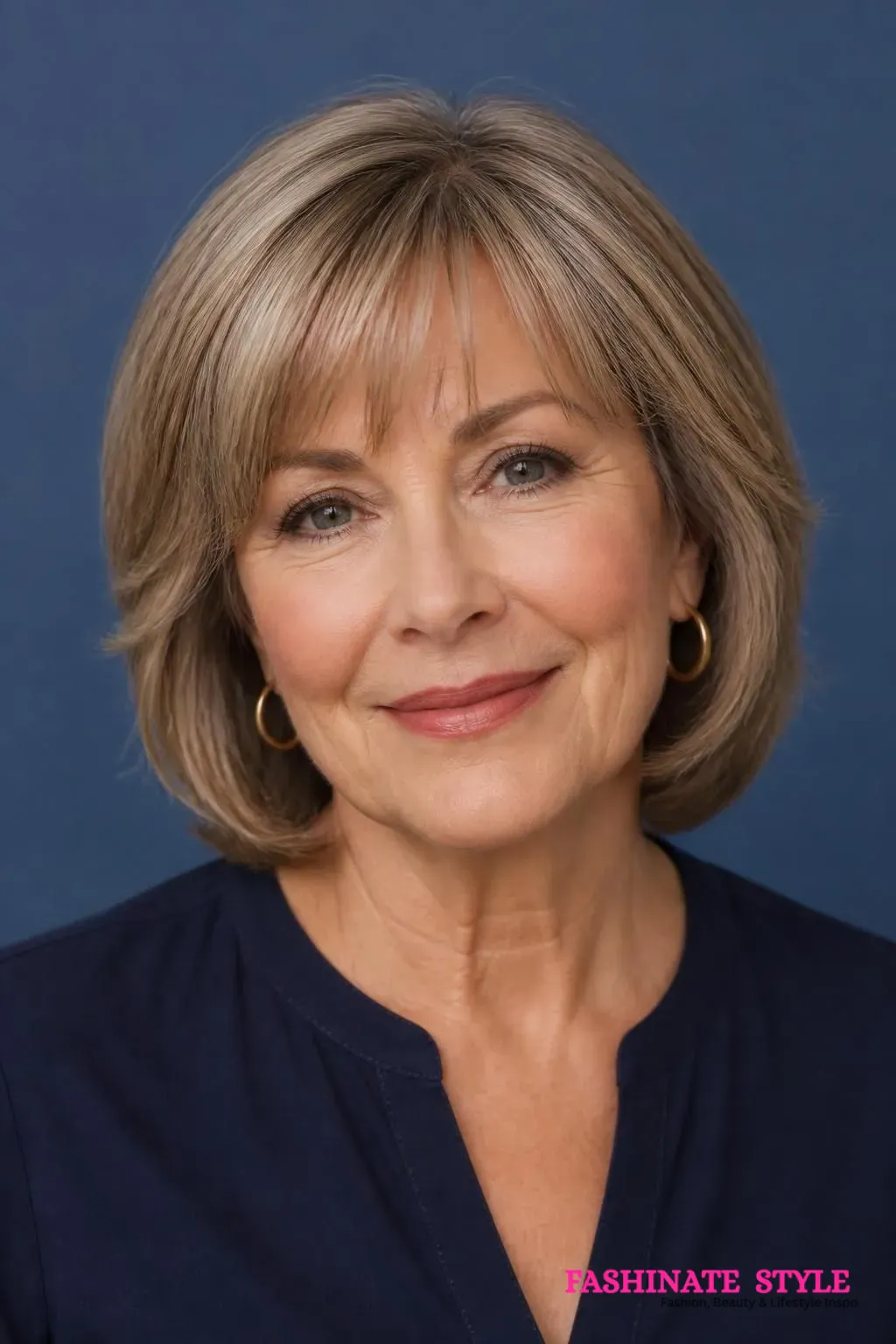
Soft-cut bangs follow the natural fall of the hair rather than forcing a rigid shape. They sit comfortably across the forehead and blend smoothly into the sides. This relaxed style suits everyday wear especially well.
Styling Tip: Ask your stylist to cut along your hair’s natural part for the most seamless blend.
Soft Wispy Bangs With Light Movement
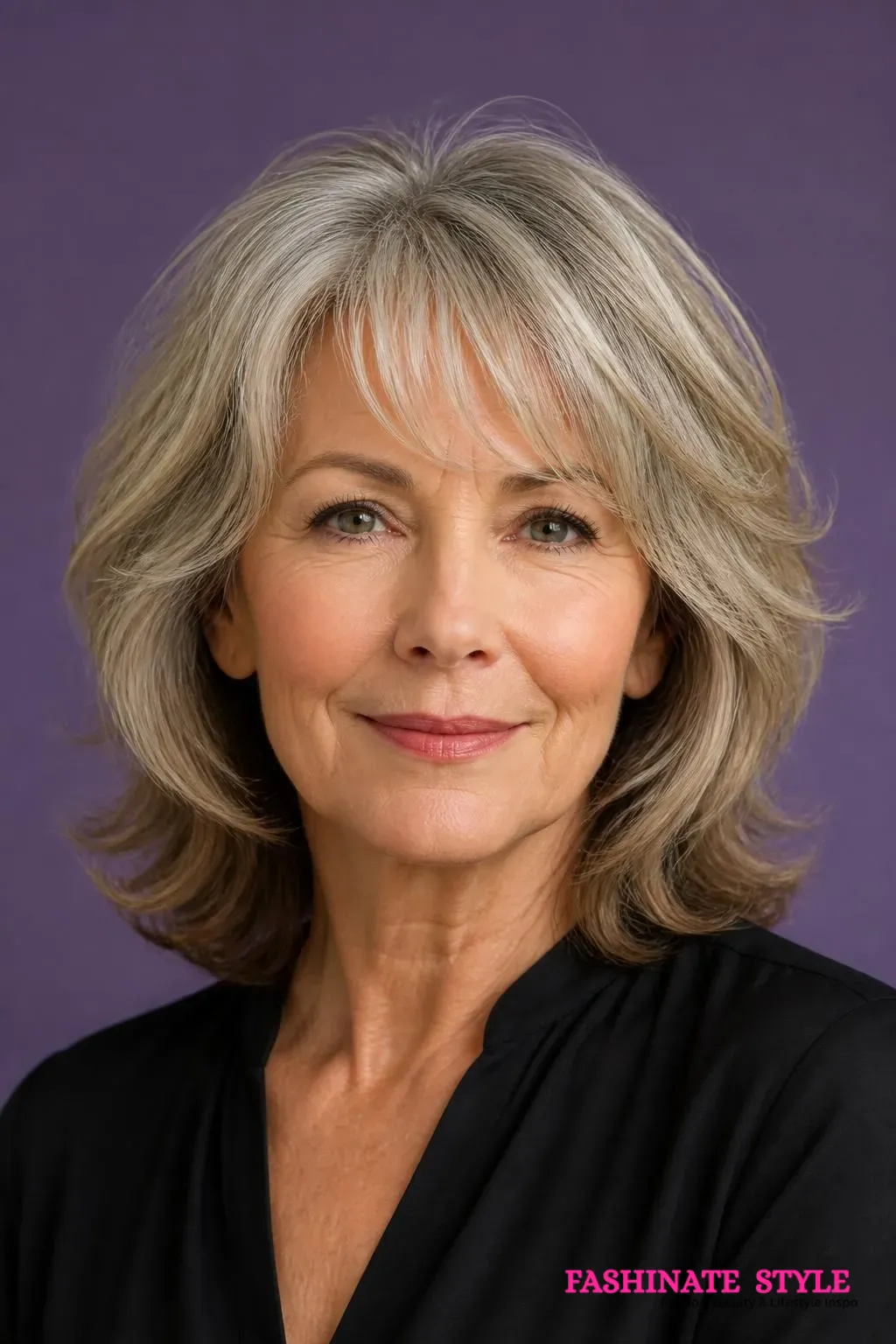
These wispy bangs feel light and flexible, offering just enough coverage to soften the face without heaviness. They move easily and skip the need for precision styling altogether. A great pick for anyone who prefers an undone, natural finish.
Styling Tip: Air-dry wispy bangs whenever possible to preserve their soft, undone texture.
Wispy Bangs With Long Texture
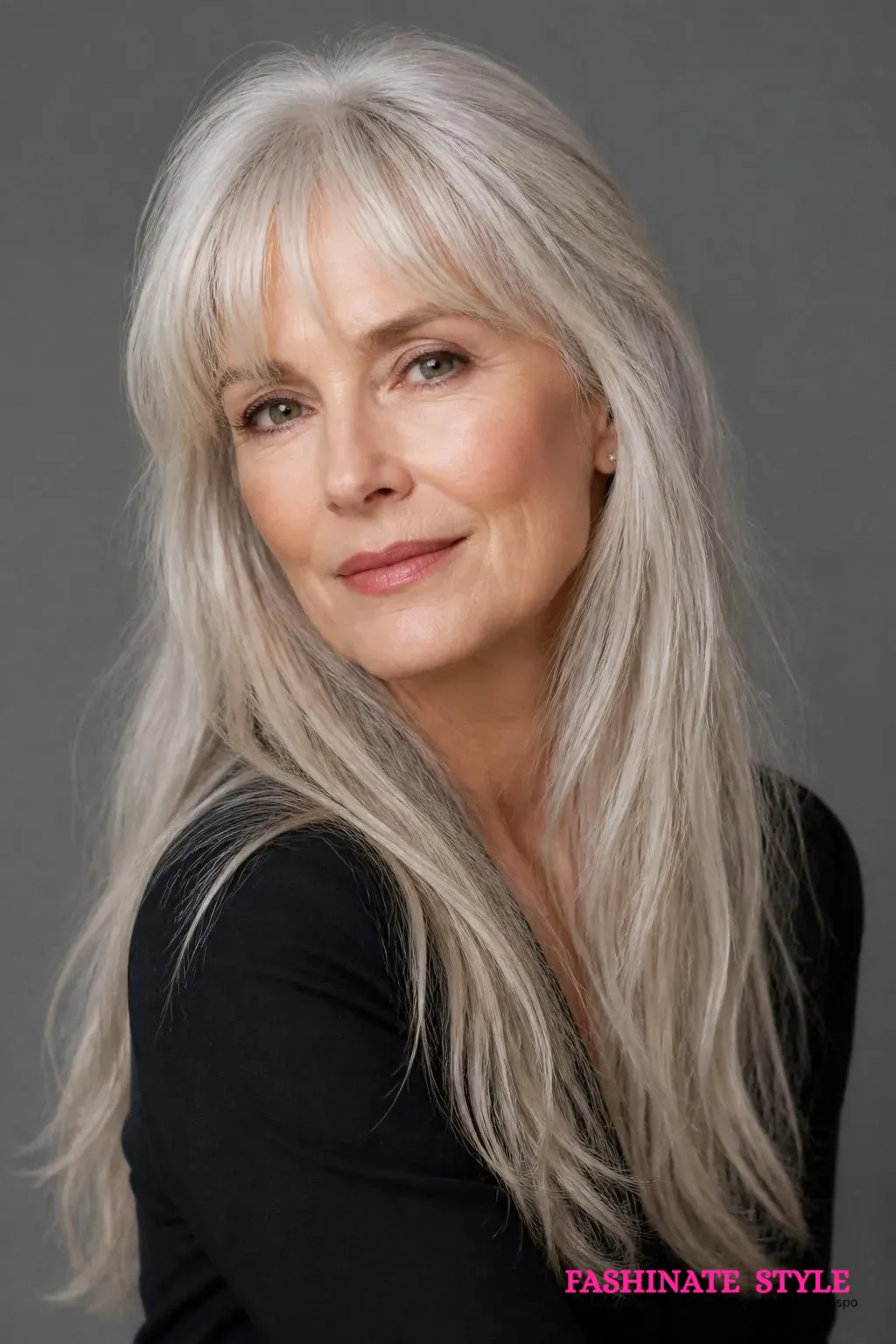
Wispy bangs paired with longer texture keep the whole look balanced and cohesive. The fringe itself stays light while the surrounding length adds softness around the face. This style works well for anyone who wants bangs that feel blended rather than separate.
Styling Tip: A texturizing spray on damp hair helps wispy bangs blend seamlessly into longer layers.
FAQs About Bangs for Older Women
Do bangs make you look older or younger?
Bangs themselves don’t add years. The real factor is weight and placement, since overly thick or blunt bangs can feel heavy, while softer, blended styles tend to lift the face and draw attention to the eyes.
What type of bangs are easiest to maintain?
Longer bangs that blend into the sides are the most forgiving option. They grow out smoothly without needing daily styling, and wispy or side-swept versions tend to be the easiest to live with.
Can thin or fine hair still work with bangs?
Yes, though the cut matters quite a bit. Lightweight bangs with soft edges work better than dense, heavy fringes, and keeping them slightly longer helps prevent the front from looking sparse.
How often do bangs need to be trimmed?
Most bang styles need a trim every three to four weeks to maintain their shape, though softer, longer styles can sometimes stretch a bit further between visits.
Are curtain bangs a good option for curly hair?
Yes, curtain bangs move especially well with curly texture since they part naturally and blend into the surrounding curls with very little daily effort.
What’s the best way to soften bangs that feel too sharp?
A quick chat with your stylist about texturizing or point-cutting the ends can soften an overly blunt or heavy fringe without losing length.
Finding the Right Fit for Your Hair Type
Choosing bangs really comes down to matching the style to both your hair’s natural texture and how much daily styling feels realistic. Curly and wavy hair tends to favor curtain or wispy bangs that move with the texture, while straighter hair can carry blunt or classic fringe styles more easily.
Density matters just as much as texture. Thinner hair generally looks best with lighter, longer bangs, while fuller hair can handle a bit more blunt structure without feeling heavy.
Wrap-Up
Bangs don’t have to feel like a risky, high-maintenance commitment at any age. Cut with intention and kept soft, they quietly refresh a look without changing who you are underneath it.
Before booking an appointment, talk with your stylist specifically about texture and density, since a small adjustment there often matters more than the overall bang style chosen. It’s usually the details, not the concept, that make or break the result.
Remember that bangs rarely need to look perfect to look good. In fact, a slightly undone, natural finish often reads as more flattering than a precisely styled one.
Save your favorite style from this list, bring it to your stylist, and let your bangs become one more easy, familiar part of your everyday routine.
Don't miss the next one
Quick outfit ideas and beauty tips, straight to your inbox.