
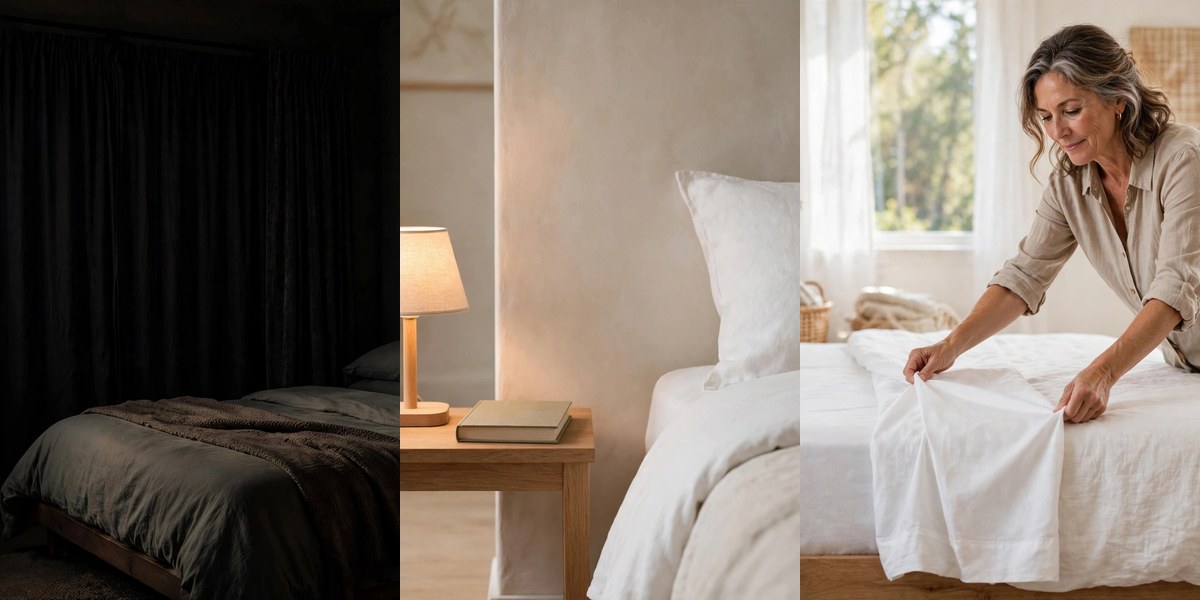
What if your sleeplessness isn’t a mystery — just a bedroom working against you? Most of us treat sleep like something that happens to us, when really it’s something our daily habits either invite or quietly block.
Sleep hygiene is the unglamorous name for the 12 habits below: small, repeatable choices about light, noise, timing, and screens that turn restless nights around. No products required, no total overhaul — just a dozen tweaks, starting tonight.
📋 Sleep Hygiene Basics in 60 Seconds
Four ground rules before the twelve steps.
- Sleep hygiene means the habits and bedroom setup that make good sleep more likely — nothing mystical about it.
- You don’t need all twelve at once; darkness, quiet, and a steady rhythm do most of the work.
- Give each change about a week — sleep habits compound slowly, then suddenly.
- If poor sleep persists for weeks despite real effort, talk to your doctor.
1. 🌑 Make Your Room Truly Dark

Even small amounts of light — a hallway glow, a charging LED — can fragment sleep without fully waking you. True darkness is one of the cheapest, most powerful upgrades there is.
Do it like this: Blackout curtains or a comfortable sleep mask → cover every stray LED tonight.
**Make it yours:** Test it: stand in your bedroom with lights off and hunt every glow.
**Watch out:** A sleep mask also saves you in hotels and bright summer mornings.
2. 🔇 Quiet the Night
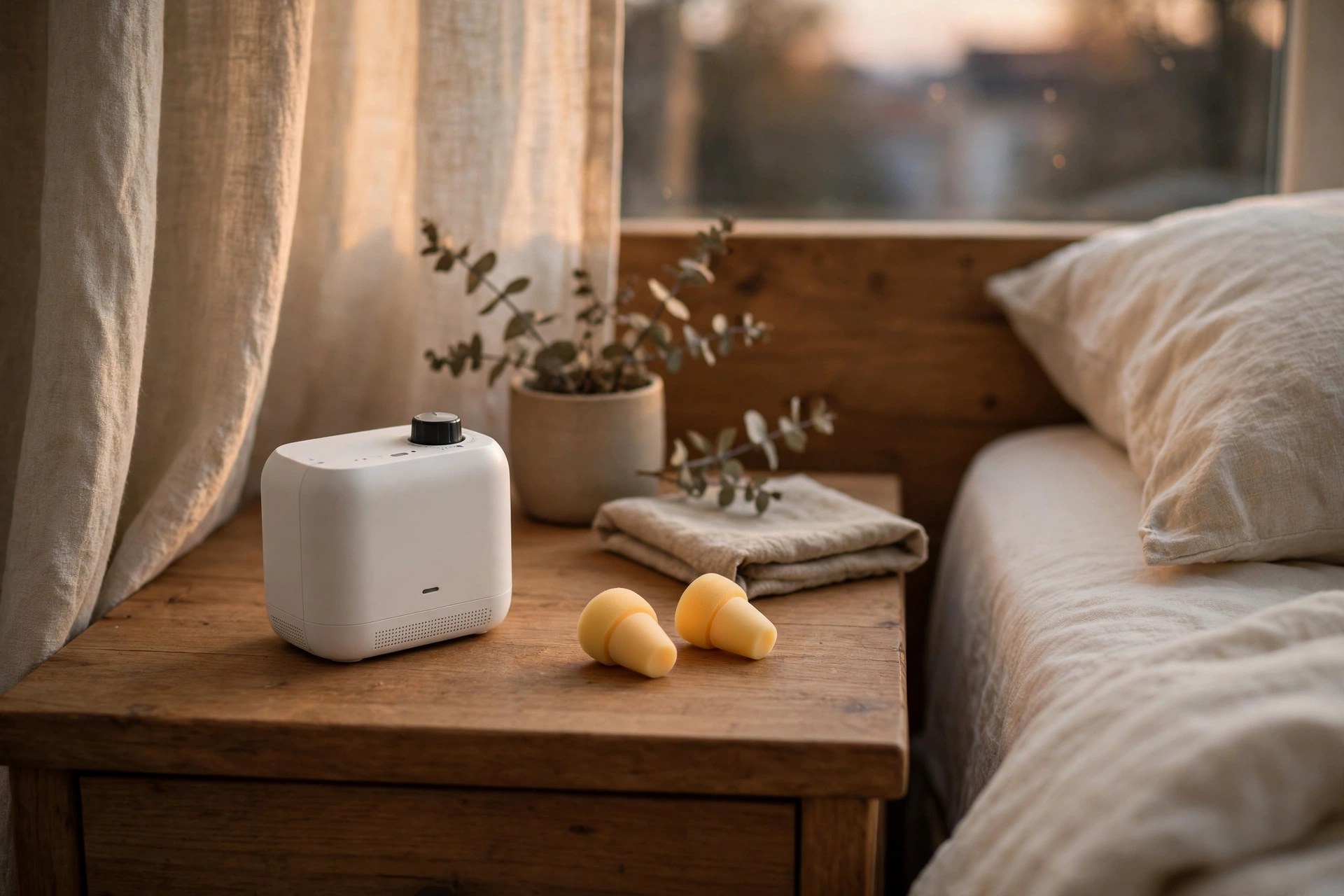
You can’t control the neighbor’s dog or the 5 AM garbage truck, but you can control what reaches your ears. Steady background sound masks the sudden noises that yank you out of deep sleep.
Do it like this: White noise machine, fan, or soft earplugs → pick one and try it for a week.
**Make it yours:** Keep the volume low — masking, not concerts.
**Watch out:** Earplugs take a few nights to get used to; give them time.
3. 🛏️ Invest in Your Pillow
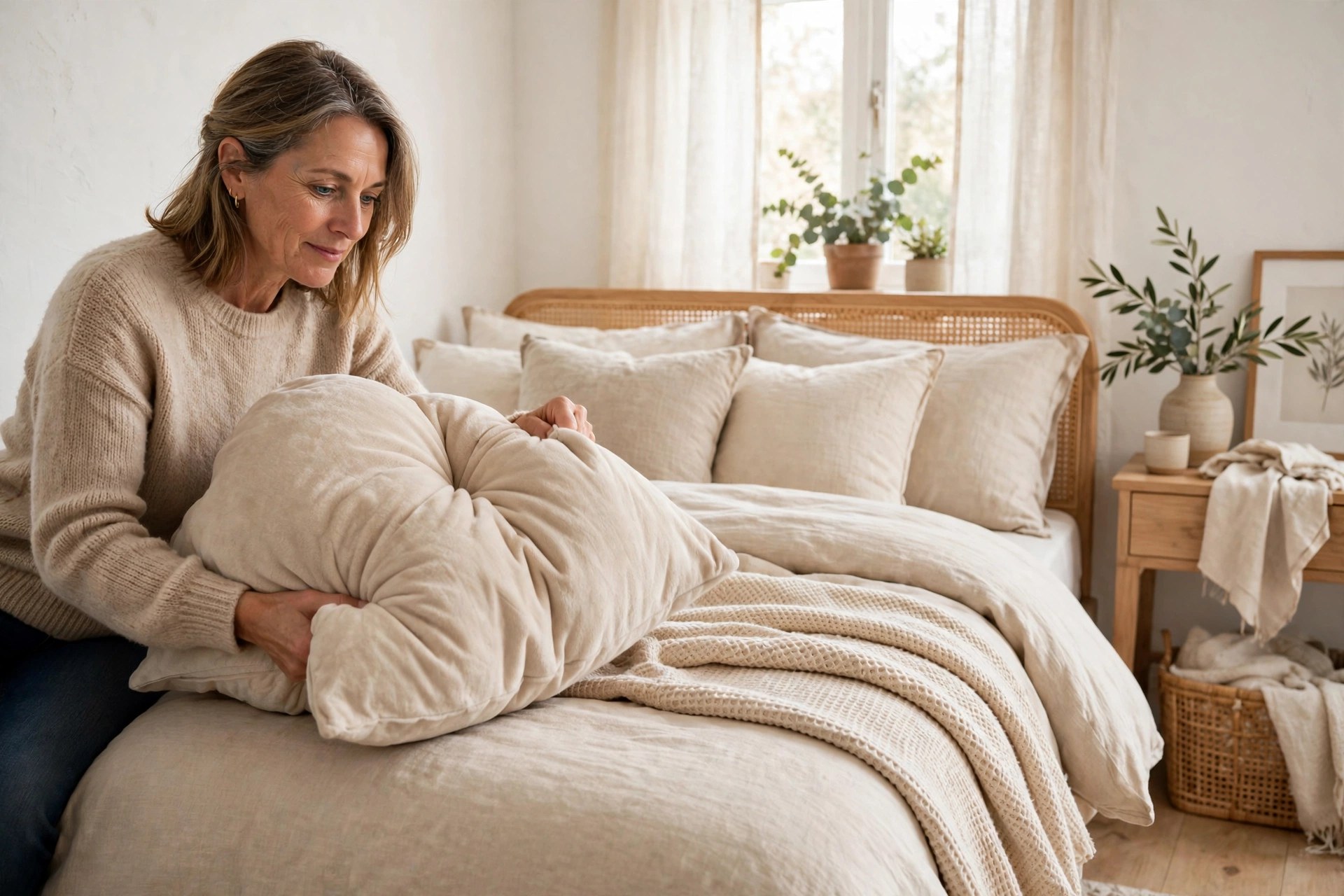
A pancake-flat or lumpy pillow means a cranky neck — and a cranky neck means fragmented sleep. Pillows wear out faster than we admit, usually every year or two.
Do it like this: Replace a pillow that’s flat, lumpy, or older than two years → your neck will notice immediately.
**Make it yours:** Side sleepers generally need thicker; back sleepers, thinner.
**Watch out:** Washable pillows stay fresher — check the care label.
4. ⏰ Set a Screens-Off Alarm

Willpower fails at 10 PM; alarms don’t. A daily “screens off” alarm one hour before bed turns a vague intention into a non-negotiable cue — and removes the decision fatigue.
Do it like this: Phone alarm labeled “wind down,” one hour before bed → when it rings, screens go dark.
**Make it yours:** Charge the phone outside the bedroom so the rule sticks.
**Watch out:** Tell the household — a shared rule is easier to keep.
5. 💡 Dim the Whole House After Dark

Bright overhead light in the evening tells your brain it’s still daytime. Dimming the whole house — not just the bedroom — starts the melatonin conversation an hour early.
Do it like this: Overheads off, lamps low after 9 PM → let the house exhale with you.
**Make it yours:** Warm-toned bulbs feel calmer than cool white in the evening.
**Watch out:** Candles count — just don’t fall asleep with them lit.
6. 🍽️ Finish Dinner 3 Hours Before Bed

A heavy, late dinner keeps your digestive system on the night shift — hello, heartburn and restlessness. Finishing earlier gives your body time to settle before sleep.
Do it like this: Last big meal three hours before bed → keep it lighter if it must be later.
**Make it yours:** Spicy and very fatty foods are the worst late-night offenders.
**Watch out:** A small planned snack later beats raiding the fridge at midnight.
7. 🏃 Move Workouts Earlier

Exercise is wonderful for sleep — just not right before it. Vigorous evening workouts raise your core temperature and adrenaline exactly when you want both falling.
Do it like this: Finish intense exercise at least three hours before bed → mornings or afternoons are ideal.
**Make it yours:** Gentle stretching in the evening is fine and even helpful.
**Watch out:** If evenings are your only window, keep it moderate and end early.

8. 👚 Wear Real Sleepwear
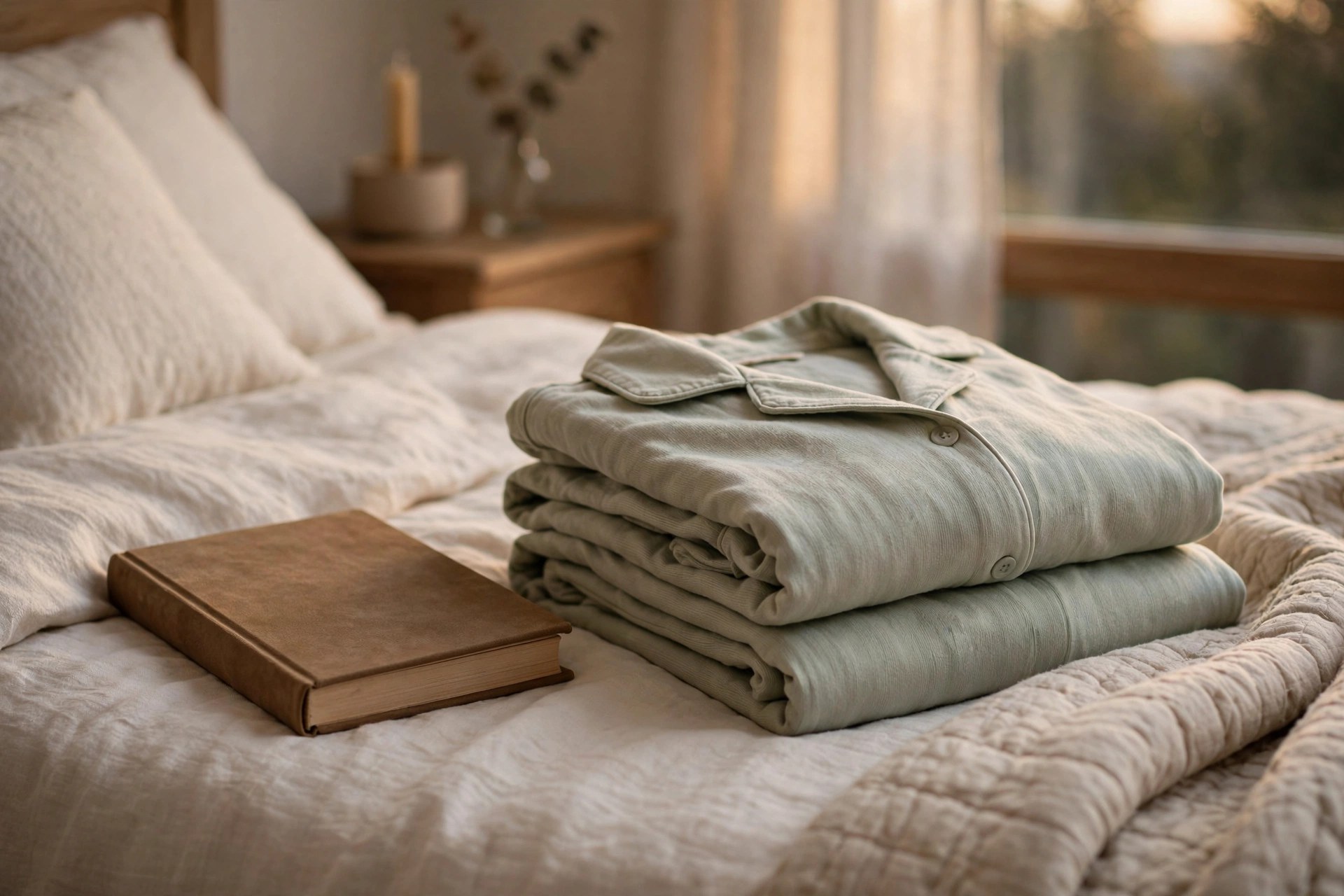
Climbing into dedicated sleepwear is a surprisingly strong psychological cue: day clothes off, sleep mode on. Breathable fabrics also help your body cool itself overnight.
Do it like this: Change into pajamas as part of your wind-down → make it a ritual, not an afterthought.
**Make it yours:** Cotton and bamboo breathe best; silky synthetics trap heat.
**Watch out:** Keep a warm layer handy if you run cold — shivering isn’t restful.
9. 🧹 Clear the Bedroom Clutter
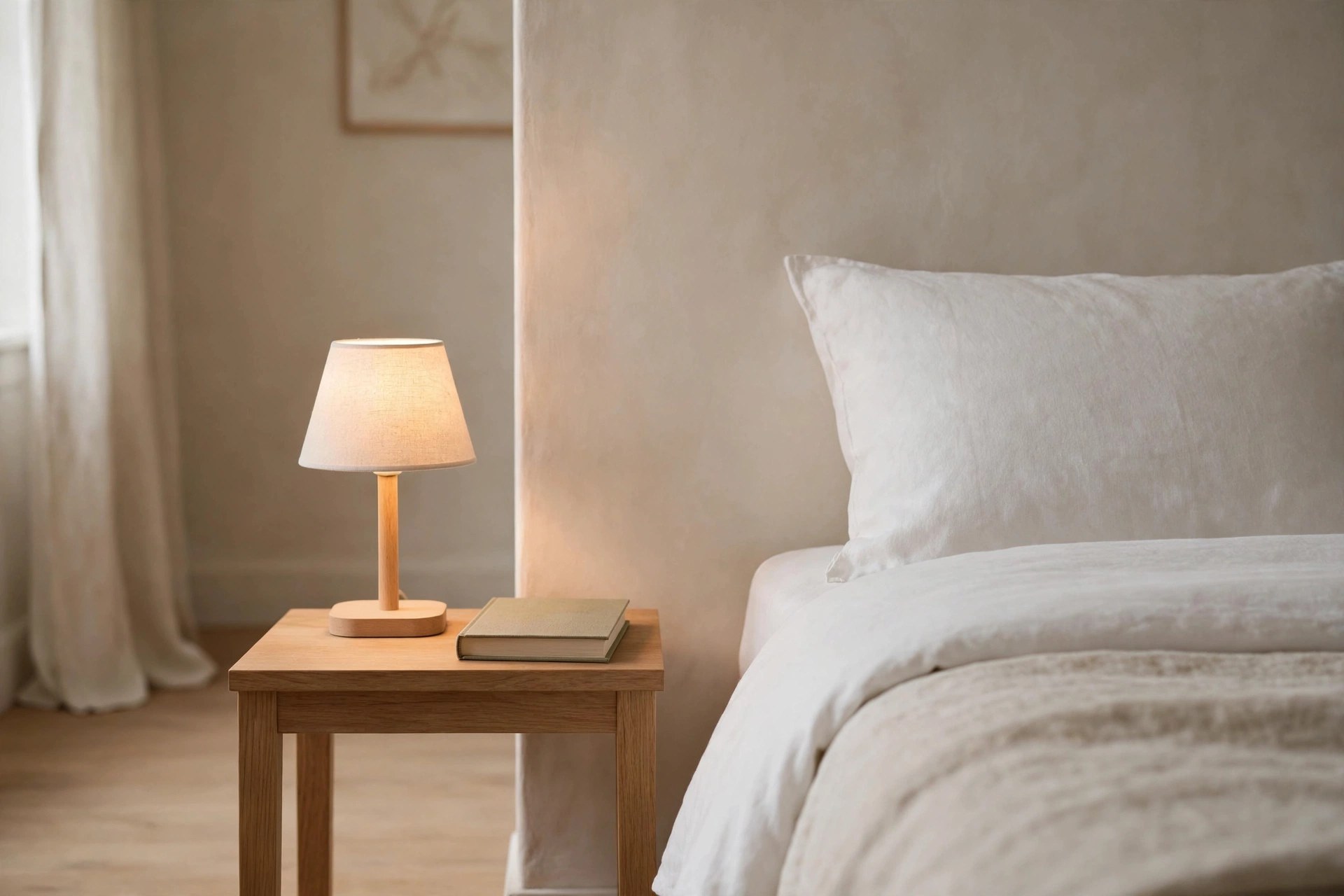
Visual clutter keeps your brain in “to-do” mode, and the bedroom is the worst place for that. A calm, clear room genuinely makes it easier for a busy mind to stand down.
Do it like this: Five-minute nightly reset: clear surfaces, clothes in the hamper → calm room, calmer mind.
**Make it yours:** The nightstand is the highest-impact spot — start there.
**Watch out:** Move the laundry pile’s “home” out of the bedroom entirely.
10. 🕰️ Turn the Clock Around
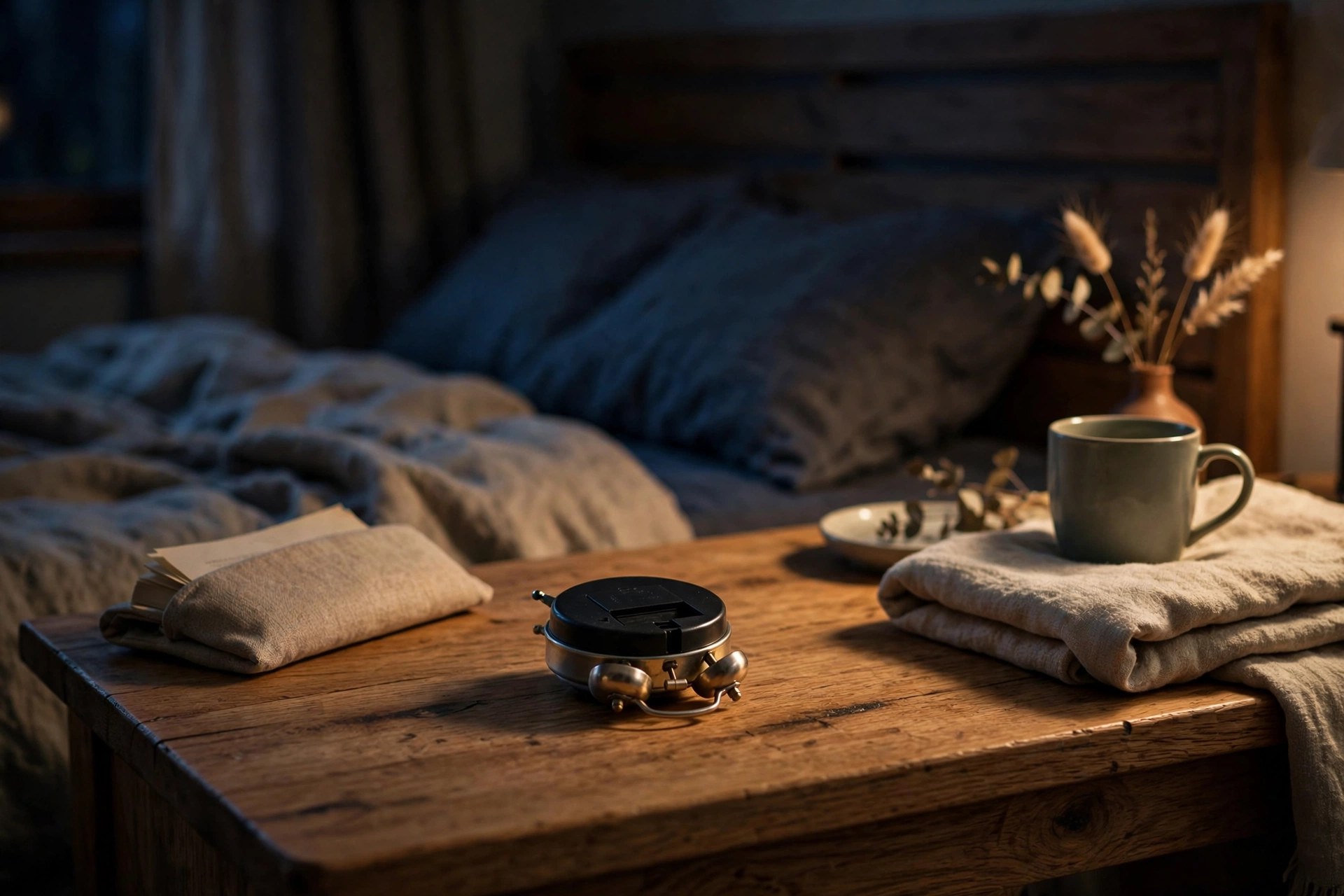
Watching the minutes crawl at 3 AM turns restlessness into anxiety math (“if I sleep NOW I get four hours…”). Removing the clock removes the pressure.
Do it like this: Face the clock away or use one without a glowing display → no more sleep math.
**Make it yours:** Your alarm still works — you just don’t negotiate with it all night.
**Watch out:** A simple sunrise alarm clock doubles as a gentle wake-up.
11. 🧼 Wash Your Sheets Weekly

There’s actual science behind the “fresh sheets” feeling: clean, smooth bedding is simply more comfortable, and comfort is a sleep aid. Weekly washing also keeps allergens down.
Do it like this: Sheets in the wash every week → climbing into crisp bedding is its own ritual.
**Make it yours:** Pillowcases matter most — swap those twice weekly if you can.
**Watch out:** Keep a spare set so “laundry day” never delays the change.
12. 📺 Choose Calm Evening Content

It’s not only screens — it’s what’s on them. True crime at 10 PM and doomscrolling are stimulants wearing entertainment costumes. What you consume in the evening moves into bed with you.
Do it like this: Swap intense shows and news for gentle reads or calm music after 9 PM → protect the last hour.
**Make it yours:** Save thrillers and debates for daylight hours.
**Watch out:** A familiar, beloved book is the perfect low-stimulation choice.
🚫 5 Sleep Hygiene Mistakes to Avoid
Good intentions, counterproductive execution — here’s what usually backfires.
- Trying all twelve changes on night one, then declaring “it doesn’t work” by Wednesday.
- Buying expensive gadgets before fixing the free basics: dark, quiet, and cool.
- Keeping the phone as your alarm — it smuggles temptation back into bed.
- Treating weekends as a free-for-all that erases five good nights.
- Watching the clock and calculating lost sleep — the math only adds pressure.
Change one thing at a time and give it five nights. Overhaul everything at once and you’ll never know what actually worked.
Recruit your partner — sleep hygiene fails fastest when one person dims the lights and the other fires up a tablet in bed.
❓ Sleep Hygiene FAQs
How long does it take for sleep hygiene to work?
Most people notice small improvements within a week of consistent changes, with bigger gains over three to four weeks. Sleep habits compound — the first nights feel ordinary, then one morning you realize you haven’t watched the clock in days.
Do I really need blackout curtains?
You need darkness, not necessarily curtains — a comfortable sleep mask achieves the same thing for a few dollars. Curtains win if streetlights or early sunrises are the issue, or if a mask bothers you. Either way, test your room: any visible glow is too much.
What if my partner has totally different sleep habits?
Compromise beats resentment. Separate blankets solve temperature wars, one partner’s white noise plus the other’s earplugs solve sound wars, and agreeing on a shared lights-out time protects you both. Talk about it at breakfast, not bedtime.
Is eight hours really the magic number?
Seven to nine hours is the general adult range, and the right number is personal — consistent energy and easy waking matter more than the exact figure. If you regularly need ten-plus hours and still feel exhausted, that’s worth mentioning to your doctor.
When is it more than a hygiene problem?
If you’ve genuinely applied these habits for a month and still struggle — or if you snore loudly, gasp awake, or feel unsafe drowsy during the day — see your doctor. Loud snoring with pauses can signal sleep apnea, which needs medical attention, not blackout curtains.
✅ Your Sleep Hygiene Starter Checklist
- ☐ Block the light — curtains or a sleep mask, tonight
- ☐ Soften the noise — earplugs, fan, or white noise
- ☐ Set a screens-off alarm one hour before bed
- ☐ Dim the house lights after 9 PM
- ☐ Move the phone charger out of the bedroom
- ☐ Turn the clock face away
Start with the three that sound easiest — momentum beats perfection.
In two weeks, your bedroom will feel like it’s on your side.
📖 Keep Reading
- 🌙 Natural Remedies for Menopause Insomnia: 19 That Actually Help — when hormones are the real culprit — nineteen gentle approaches worth trying first.
- 💧 Hydration After 50: 21 Easy Habits Beyond Just Drinking Water — evening fluid timing matters for unbroken sleep — here’s how to get it right.
- ⚖️ Menopause Weight Gain? 22 Gentle Diet Shifts That Help — what you eat affects how you sleep — gentle shifts for the same season of life.
Discover more from Fashinate Style
Subscribe to get the latest posts sent to your email.