
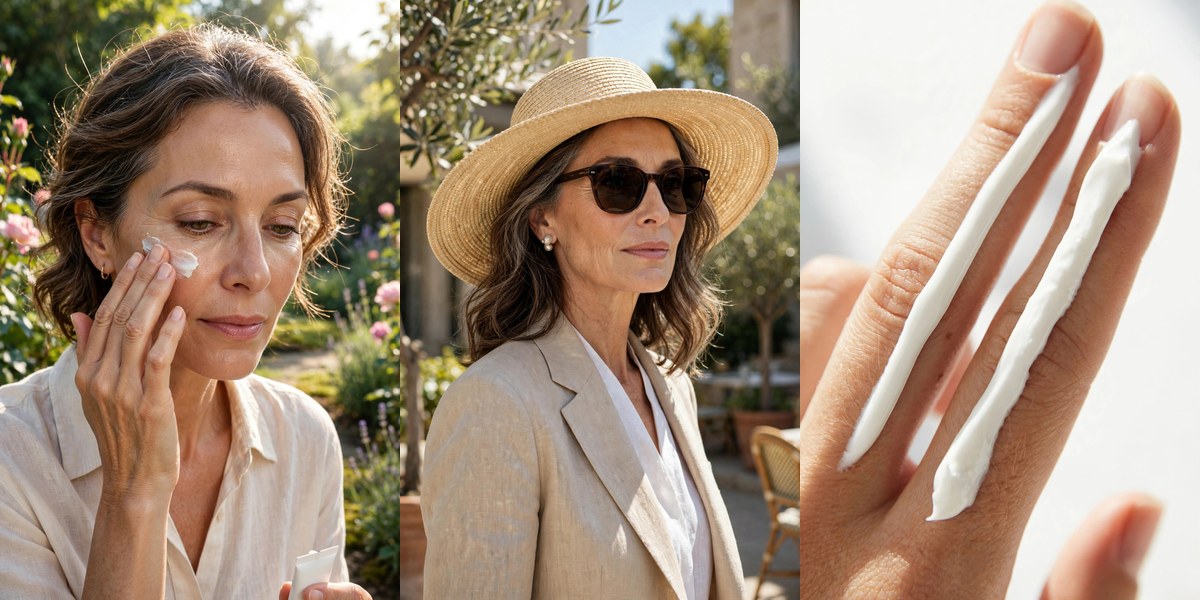
If you’re over 50 and still treating sunscreen as a beach-day accessory, we need to talk. Not the sunscreen-is-important lecture you’ve heard a hundred times — you already know UV damage drives the lion’s share of visible aging. The real conversation is about everything between knowing and doing: the reapplication you skip, the spots you miss, the expired bottle in your drawer, the winter months you go bare.
Here’s the uncomfortable truth: most women over 50 who “wear sunscreen daily” are getting a fraction of the protection they think. Studies on application habits consistently find people use a quarter to half the needed amount and rarely reapply — which means the SPF 50 on the label is performing like a whisper of its promise.
These 26 rules close every gap: choosing the right formula type for mature skin, applying enough of it, the forgotten zones (ears, lips, scalp, hands), reapplication that works over makeup, and the backup habits — hats, shade, sunglasses — that make protection effortless. No brands, no fear-mongering — just the complete playbook for protection that actually works.
1. 🧴 The SPF 30 Minimum Rule
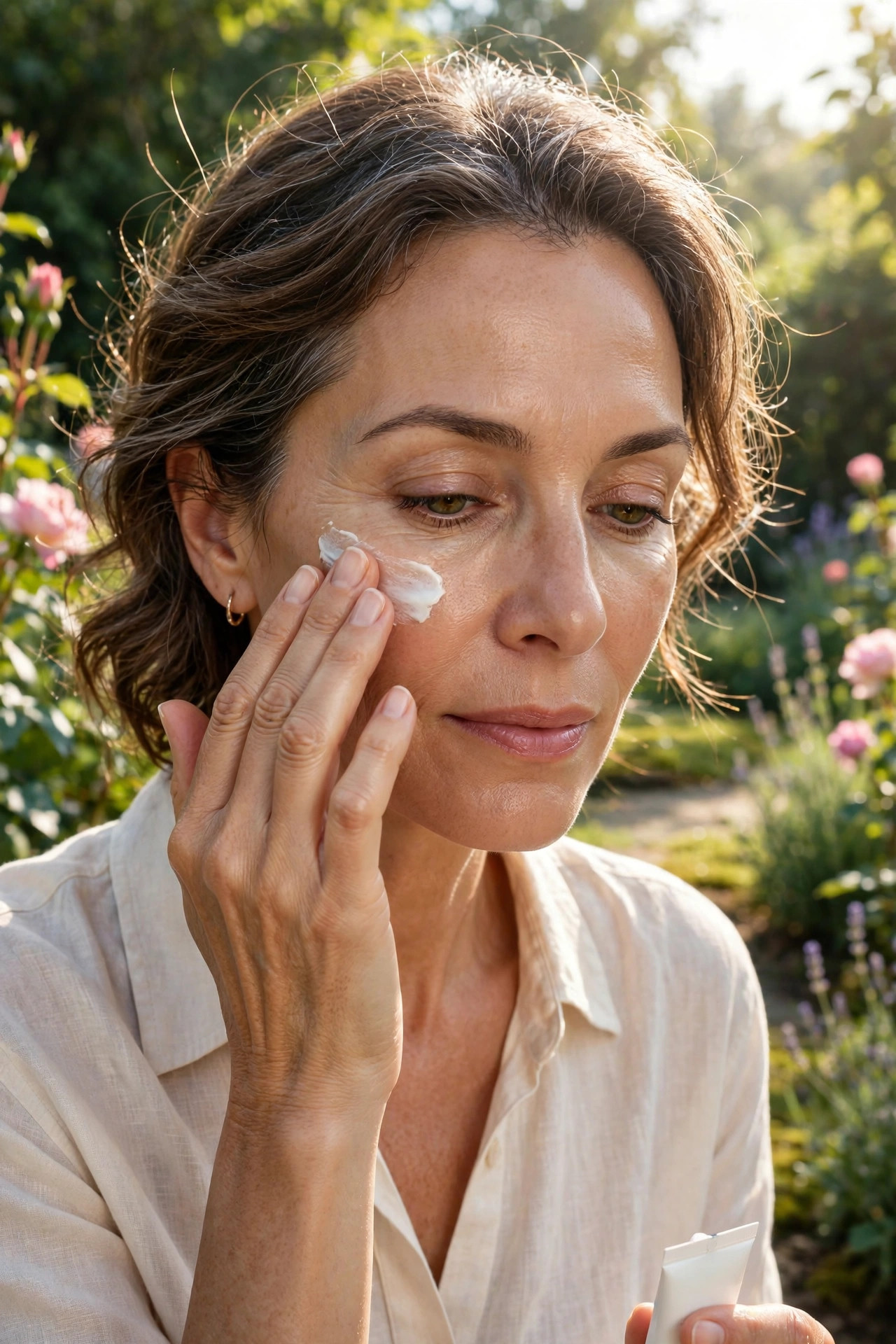
SPF 30 is the floor for daily use on mature skin — it blocks roughly 97% of UVB when applied properly. Higher numbers add marginal gains but can create a false sense of security; what matters far more than the number is using enough and reapplying.
Try this: SPF 30+ for daily wear + higher for extended outdoor days.
Make it yours: Don’t chase SPF 100 thinking it replaces reapplication — it doesn’t. Avoid: Anything under SPF 30 as your daily face protection.
2. 🌈 The Broad-Spectrum Non-Negotiable
SPF only measures UVB (burning) protection — you also need UVA coverage, the rays that drive aging and go through clouds and glass. “Broad-spectrum” on the label is what guarantees both. Without it, you’re protected from burns but not from aging.
Try this: Check every bottle for “broad-spectrum” + replace any that lack it.
Make it yours: In the EU and Asia, look for high UVA ratings too. Avoid: Assuming all sunscreens cover UVA — many cheap ones barely do.
3. ⚖️ The Mineral-vs-Chemical Chooser
Mineral (zinc oxide/titanium dioxide) sits on skin and suits sensitive, reactive mature skin — but can leave a cast. Chemical filters absorb UV and feel lighter, but can sting eyes and irritate some skin. Neither is “better” — the best sunscreen is the one you’ll actually wear daily.
Try this: Sensitive or reactive? Start mineral. Hate white cast? Try chemical.
Make it yours: Many women use mineral on the face and chemical on the body. Avoid: Internet fear-mongering about either type — both are regulated and tested.
4. 🎨 The Tinted SPF Two-in-One
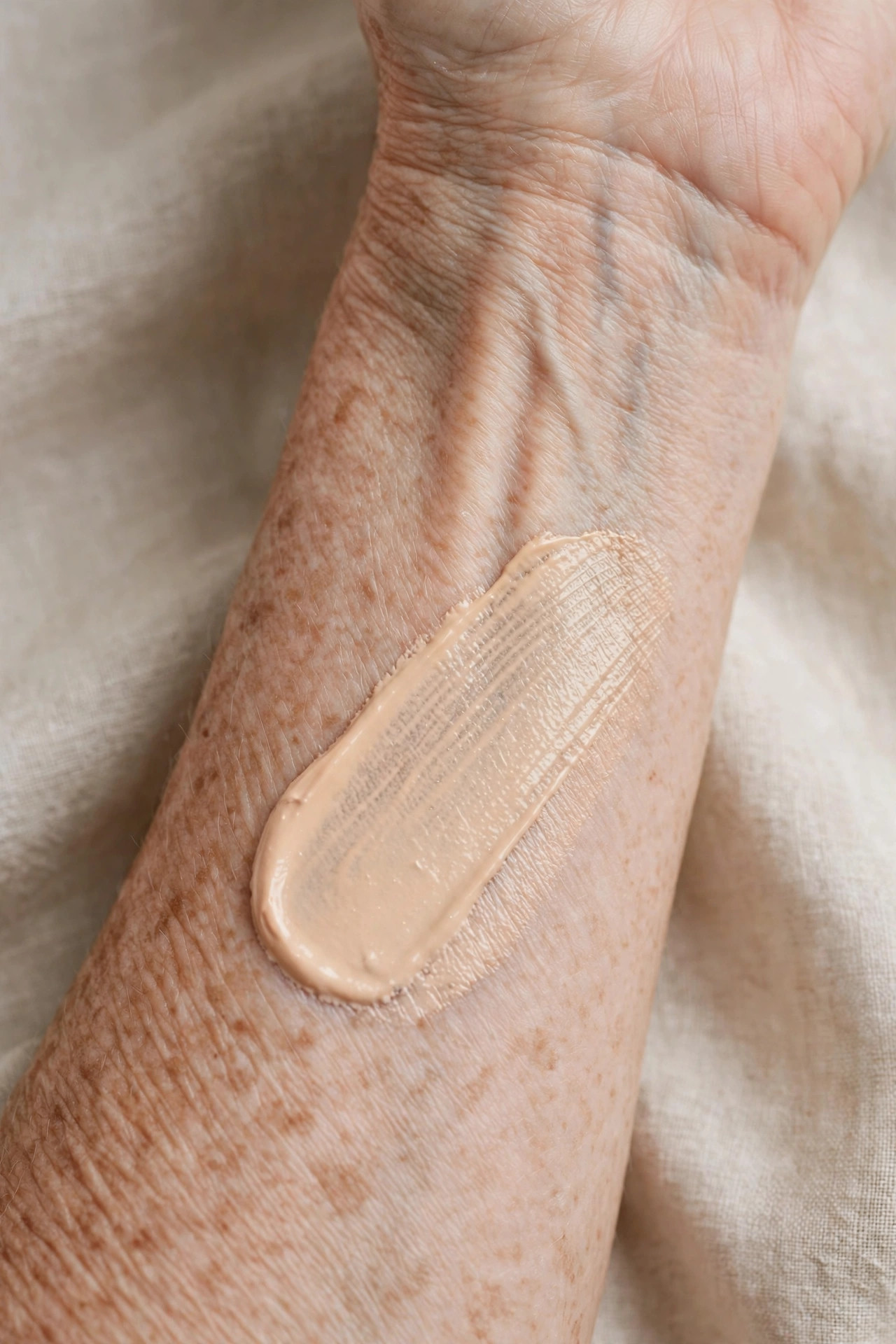
A tinted SPF 30+ replaces both sunscreen and light foundation — and the iron oxides in tints add a bit of visible-light protection too. For mature skin, it’s the elegant shortcut: protection plus complexion-evening in one step.
Try this: Tinted SPF 30+ + apply like foundation + mornings.
Make it yours: Test the tint in daylight — indoor lighting lies about matches. Avoid: Applying half the needed amount because it feels like makeup — dose it like sunscreen.
5. 🧴 The Moisturizer-with-SPF Mornings
On rushed mornings, a moisturizer with SPF 30+ beats skipping sunscreen entirely — but know its limits. Most people apply half the needed amount of moisturizer, so treat it as your minimum-viable protection, not your gold standard.
Try this: SPF moisturizer on rushed days + dedicated sunscreen when you have 30 seconds more.
Make it yours: Apply it generously — more than you think. Avoid: Assuming “SPF 30 moisturizer” equals “SPF 30 sunscreen” at typical usage amounts.
6. ✌️ The Two-Finger Rule

Two full finger-lengths of sunscreen — index and middle finger, tip to base — is the right dose for face and neck. Almost everyone uses less. This single measurement is the difference between the SPF on the label and the SPF on your skin.
Try this: Two finger-lengths + face and neck + every morning.
Make it yours: Measure once, memorize the dollop size, repeat daily. Avoid: The pea-sized dab — that’s roughly a quarter of the needed dose.
7. 👂 The Ears-and-Neck Extension

Ears are among the most sun-damaged and least protected spots on the body — and skin cancers there are disproportionately common. Include the ears, the back of the neck, and the hairline edges in every application.
Try this: After the face, swipe ears front and back + neck + hairline.
Make it yours: Make it one continuous motion: face → ears → neck → chest. Avoid: Stopping at the jawline; the ears pay for it.
Sunscreen expires — and expired sunscreen is unreliable sunscreen. Check the date on every bottle each spring, toss anything past its date or over three years old, and never trust a bottle that’s been baking in a hot car all summer. Protection you can’t trust is protection you don’t have.
8. 🤲 The Backs-of-Hands Habit
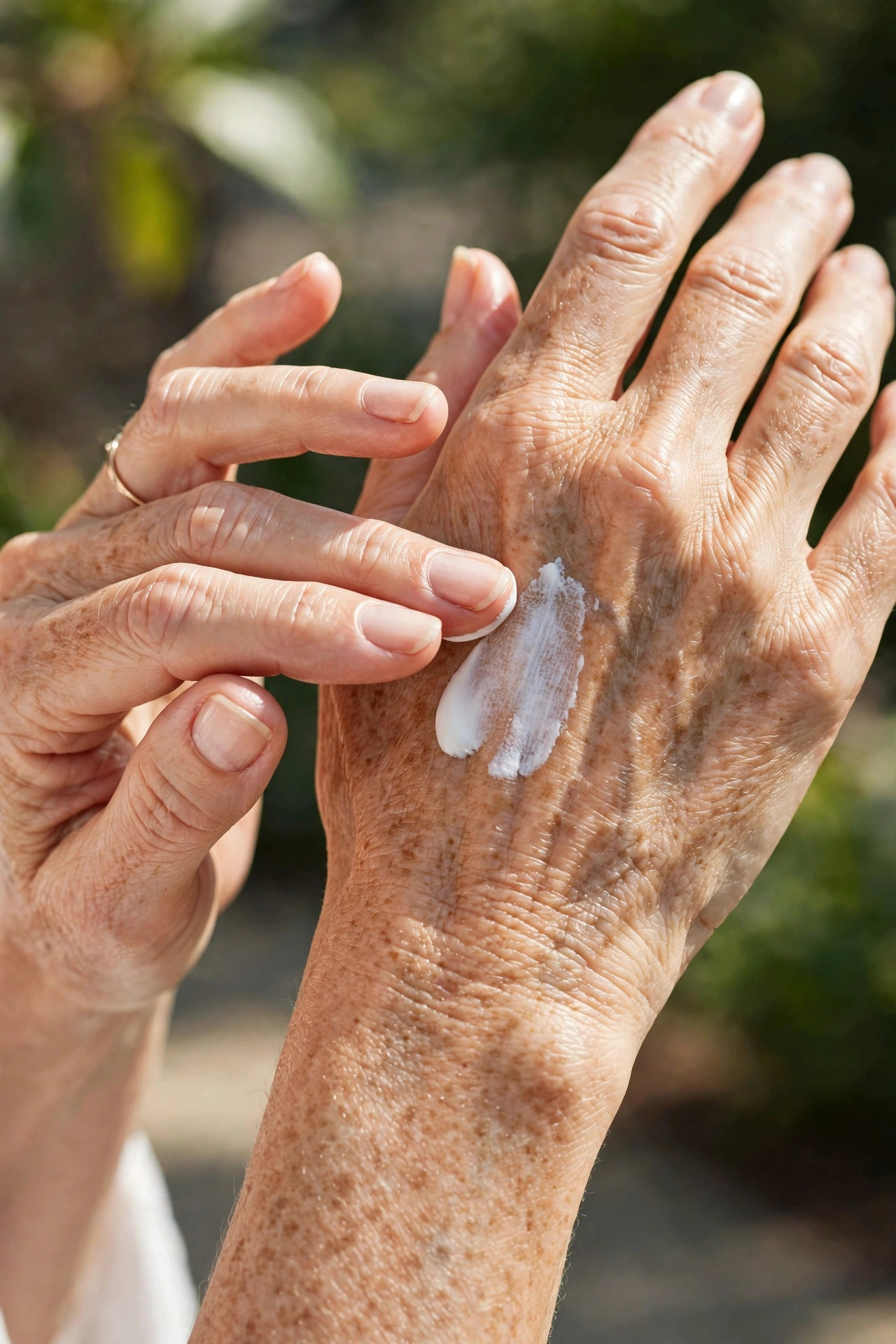
Hands show age fast because they get sun all day and sunscreen almost never. A swipe of whatever’s left on your palms after the face routine, reapplied when you wash hands — it’s the cheapest anti-aging hand treatment there is.
Try this: Leftover SPF on palms + press onto backs of hands + every morning.
Make it yours: Keep a handbag sunscreen for midday reapplication. Avoid: Forgetting the hands while protecting everything else.
9. ⏰ The Reapply-Every-2-Hours Rule

Sunscreen breaks down and rubs off — every two hours outdoors is the standard, and immediately after swimming or heavy sweating. Morning application alone doesn’t cover an afternoon in the garden, no matter what the label implies.
Try this: Set a phone reminder + reapply every 2 hours outdoors.
Make it yours: Tie it to habits: reapply at lunch, mid-afternoon. Avoid: The “I applied this morning” illusion on long outdoor days.
10. 💨 The Spray Reapply over Makeup

A fine sunscreen mist reapplies protection over makeup without disturbing it — the answer to the “but my foundation” problem. Hold it at arm’s length, close your eyes, mist evenly, and don’t rub it in.
Try this: SPF mist in your handbag + over makeup + every 2 hours outdoors.
Make it yours: A continuous, even mist — not a quick puff. Avoid: Inhaling the mist; hold your breath and spray away from the face first.
11. 🖊️ The Stick for Touch-Ups

A sunscreen stick is the precision tool: around the eyes, over the nose, on the ears, across the backs of hands. It goes on exactly where you put it, doesn’t run, and lives happily in any handbag for touch-ups.
Try this: SPF stick + swipe over high-exposure zones + midday touch-ups.
Make it yours: Keep one in the car and one in your bag. Avoid: Using a stick as your full-face base — it’s a touch-up tool, not the main event.
12. 💋 The Lip SPF Balm
Lips have no melanin and burn easily — yet lip SPF is the most skipped protection of all. An SPF 30 lip balm, reapplied like any balm, protects against burning, darkening, and the fine lines that etching sun damage leaves around the mouth.
Try this: SPF 30 lip balm + reapply through the day + keep one everywhere.
Make it yours: Tinted versions double as lip color. Avoid: Glossy non-SPF lip products in strong sun — shine can intensify exposure.
13. 💇 The Scalp Part-Line Protection

The part line in your hair burns — painfully — and scalps age too. A sunscreen powder, spray, or stick along the part protects the exposed strip. Anyone with thinning hair should treat the scalp as a full sunscreen zone.
Try this: SPF powder or spray + along the part line + on sunny days.
Make it yours: A hat does this job even better — see rule 23. Avoid: Assuming hair protects the scalp; part lines prove otherwise.
14. 👁️ The Around-Eyes Mineral Rule
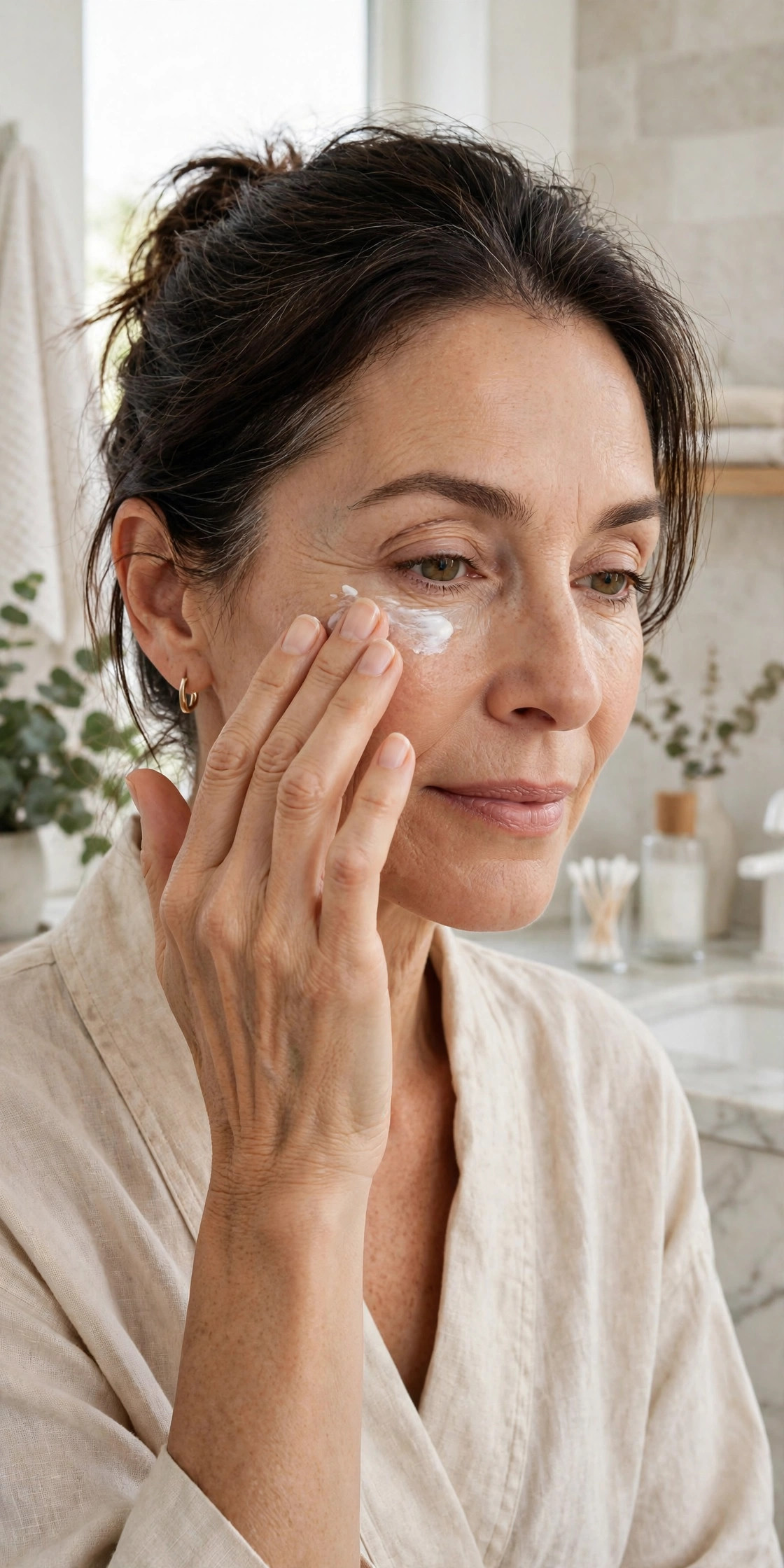
The eye area needs SPF but hates stinging — mineral formulas (zinc-based) are the answer because they don’t migrate into eyes the way chemical filters can. Press gently around the orbital bone every morning.
Try this: Mineral SPF + press around orbital bone + every morning.

Make it yours: Sunglasses over the top complete the eye-zone defense. Avoid: Skipping the eye area because “it stings” — switch formulas instead.
Makeup with SPF is not sunscreen. Foundation labeled SPF 15–30 is applied far too thinly to deliver its rated protection — treat it as a bonus layer over real sunscreen, never the plan itself. The same goes for “SPF in my moisturizer” applied in a pea-sized dab.
15. ☁️ The Cloudy-Day Rule

Up to 80% of UV passes through clouds — overcast days deliver real exposure without the warning signal of heat. If you’re skipping sunscreen “because it’s cloudy,” you’re skipping it on days that still age your skin.
Try this: Same morning SPF + regardless of clouds.
Make it yours: Make it automatic, not weather-dependent — decisions are where routines die. Avoid: The “no sun, no sunscreen” logic; UV doesn’t need blue skies.
16. 🪟 The Window-UV Awareness

UVA passes through window glass — the driver’s side of your face, your desk by the window, the sunny reading chair all deliver daily exposure. If you spend hours near windows, morning SPF earns its keep indoors too.
Try this: Morning SPF even on indoor days + if you sit near windows.
Make it yours: Notice which side of your face gets the window — that’s your proof. Avoid: Assuming “I’m inside all day” means zero exposure.
17. ⏱️ The 15-Minute Lead Time

Chemical sunscreens need about 15 minutes to activate — apply before you walk out the door, not when you arrive at the sunny destination. Mineral formulas work immediately, which is one more point in their favor for the perpetually rushed.
Try this: Apply 15 minutes before sun exposure + build it into getting-ready.
Make it yours: Apply right after moisturizer, then finish getting dressed — the time passes itself. Avoid: The parking-lot application; you’re unprotected for the first stretch.
18. 📅 The Expiry-Date Check
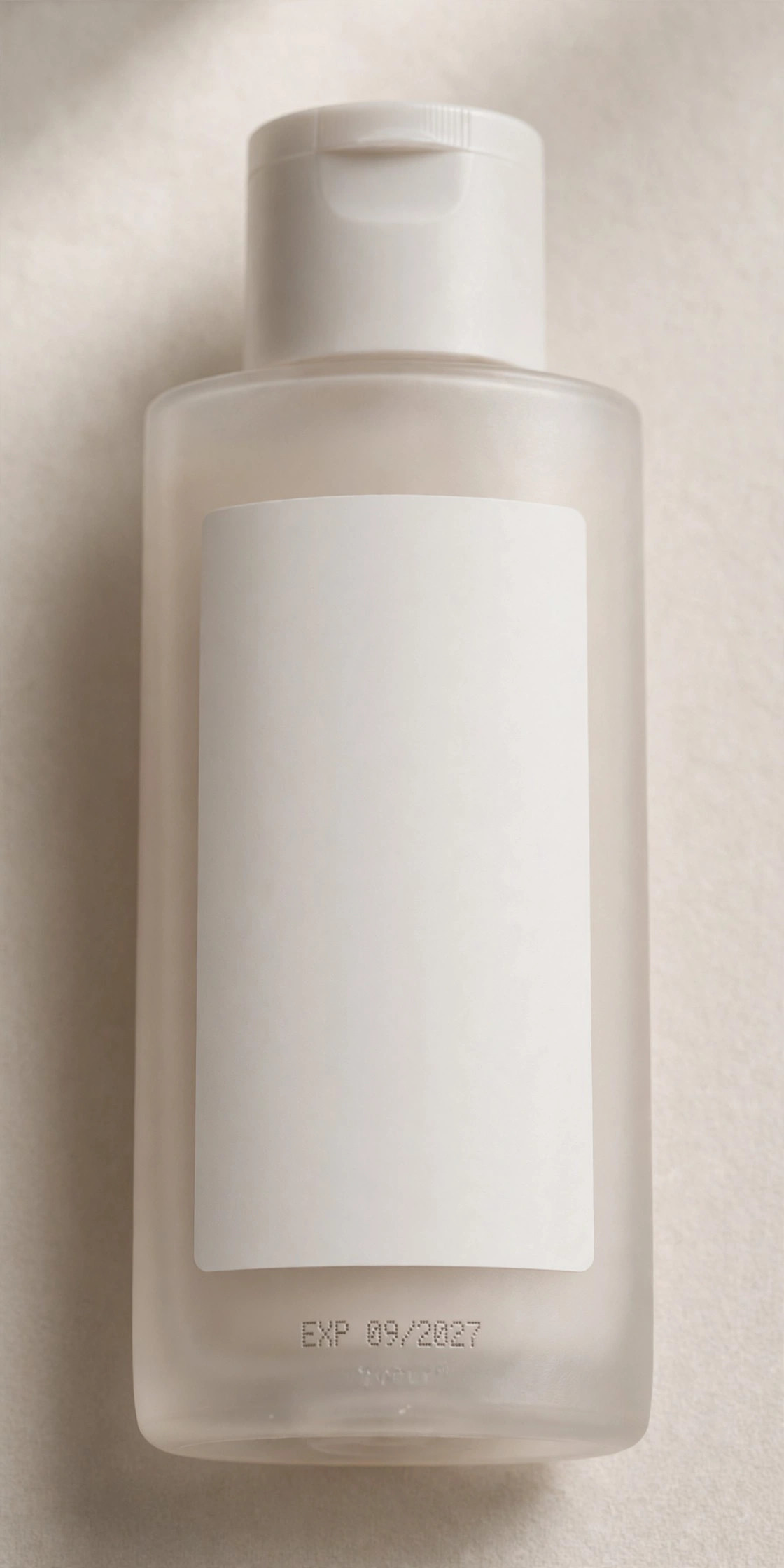
Sunscreen expires — typically three years from manufacture, faster once opened or heat-exposed. An expired bottle offers unreliable protection no matter what the SPF number claims. Check dates every spring and replace generously.
Try this: Spring expiry audit + toss expired bottles + write the open date on new ones.
Make it yours: Buy sizes you’ll actually finish in a season. Avoid: The “it’s only a little expired” gamble with your skin.
19. 🥛 The Enough-Product Math

For the body, the tested dose is about a shot glass (roughly an ounce) for full coverage. For the face, the two-finger rule. These aren’t suggestions — SPF ratings are measured at these amounts, and using half gives you far less than half the protection.
Try this: Shot glass for body + two fingers for face + measure until it’s habit.
Make it yours: A full-body beach day needs reapplication too — bring the bottle. Avoid: The thin, economical spread; sunscreen isn’t where you economize.
20. 🥇 The Layering-Order Rule
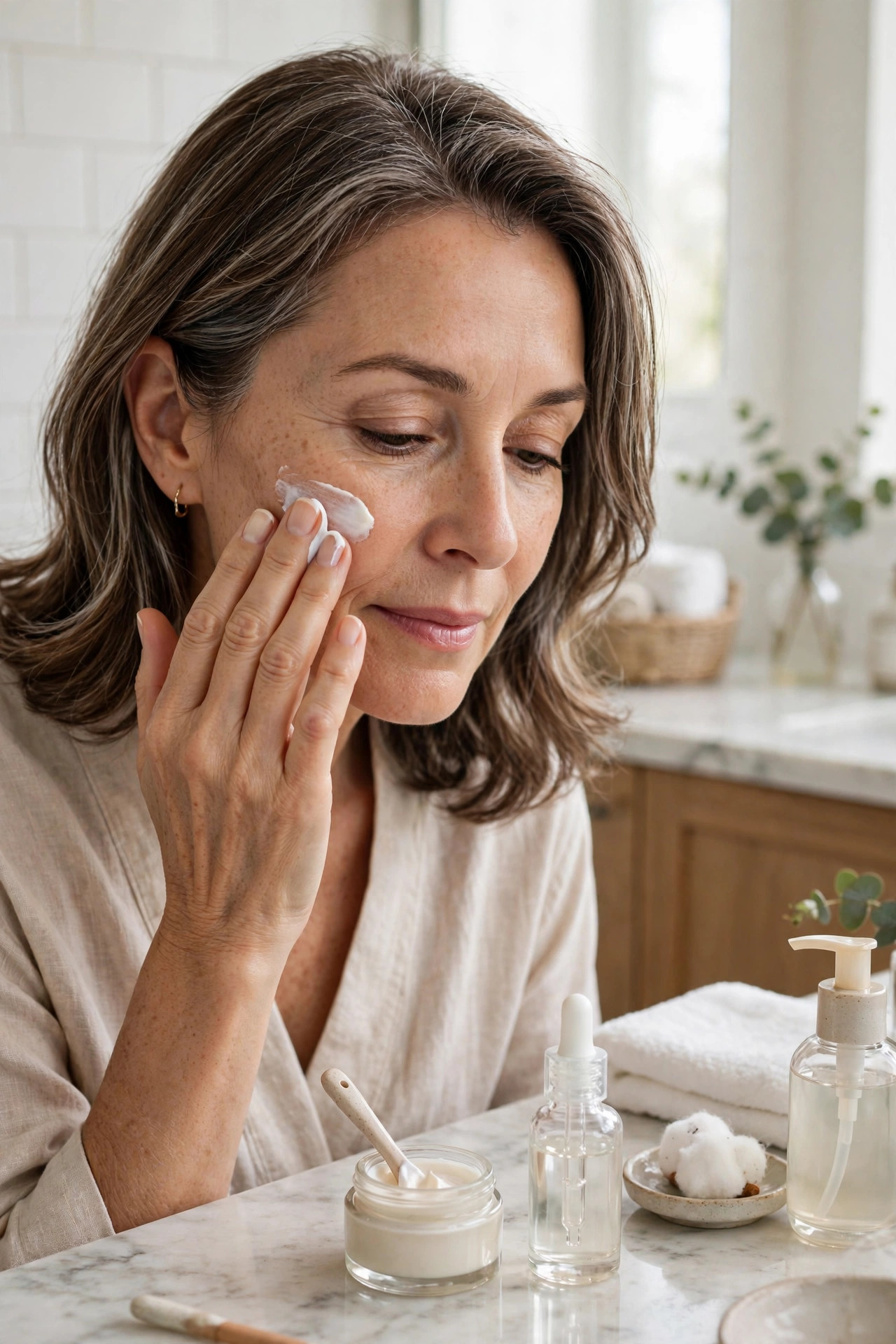
Sunscreen goes LAST in the morning routine — over serums, moisturizer, everything. It’s the shield over the whole stack. The only thing that goes after it is makeup.
Try this: Skincare → sunscreen → makeup + in that order, always.
Make it yours: Wait a minute after moisturizer so layers don’t pill. Avoid: Mixing sunscreen into your moisturizer or foundation — it dilutes the SPF unpredictably.
21. 🚫 The No-Mixing Rule
Don’t mix sunscreens together or into other products — cocktailing dilutes the tested SPF in unpredictable ways and can destabilize the filters. Layer products; don’t blend them.
Try this: One sunscreen, full dose + layered over skincare + never mixed in.
Make it yours: If you want a lighter feel, buy a lighter formula — don’t DIY one. Avoid: The “half sunscreen, half moisturizer” shortcut; the math doesn’t work.
22. 🧼 The Double-Cleanse Nights
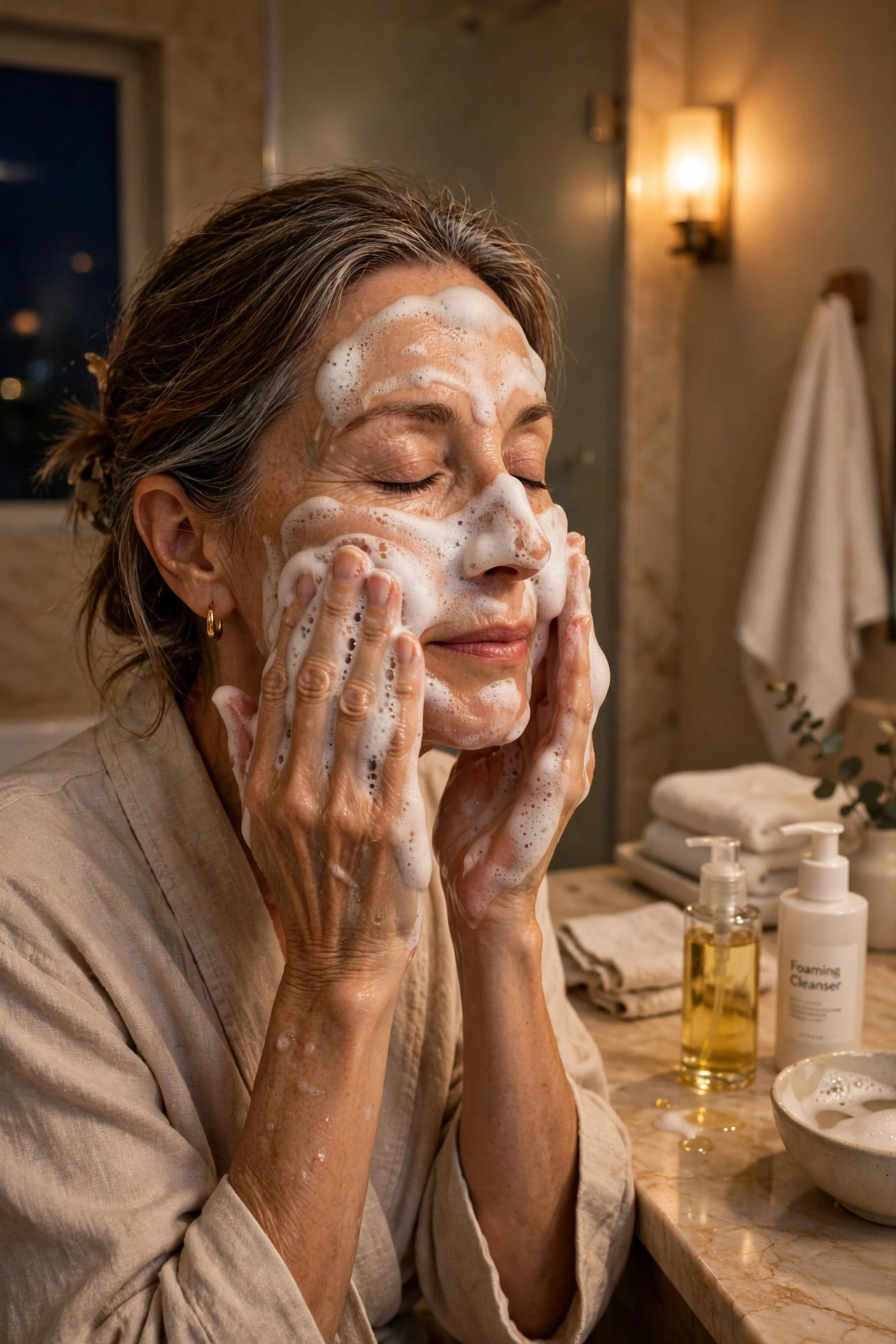
Full-day sunscreen — especially water-resistant formulas — needs a proper evening removal: an oil or balm cleanser first to dissolve it, then your regular cleanser. Sleeping in sunscreen residue congests mature skin and wastes your night routine.
Try this: Oil/balm cleanse + regular cleanse + every sunscreen day.
Make it yours: This is also your makeup-removal step — one routine covers both. Avoid: A single quick cleanse after a full SPF day; it doesn’t cut it.
23. 👒 The Hat-and-Sunglasses Backup

A wide-brim hat shades the face, ears, neck, and scalp better than any reapplication schedule — and sunglasses protect the eye zone. They’re not replacements for sunscreen, but they’re the backup that makes protection effortless on long outdoor days.
Try this: Wide-brim hat + UV sunglasses + on every extended outdoor outing.
Make it yours: Keep a packable hat by the door — availability is everything. Avoid: Baseball caps for full protection; they leave ears and neck exposed.
24. 🌳 The Shade-Seeking Habit

The simplest sun protection is free: seek shade, especially midday when UV peaks. Plan walks for morning or late afternoon, choose the shady side of the street, picnic under the tree. Habits beat products for the hours you’re outside.
Try this: Midday shade + morning/evening walks + shady side of the street.
Make it yours: A parasol is the chic version — very much back in style. Avoid: The “I’m protected so I can bake” mindset; sunscreen extends safe time, it doesn’t grant immunity.
25. 🌿 The Post-Sun Soothing Routine

After significant sun, soothe the skin: cool shower, aloe or a calming gel, extra moisturizer, water. It’s repair and comfort — not a reversal of damage, but it keeps the barrier happy and reduces the inflammation that accelerates aging.
Try this: Cool rinse + soothing gel + rich moisturizer + hydrate.
Make it yours: Keep aloe in the fridge for the full soothing effect. Avoid: Harsh exfoliants or retinoids on freshly sunned skin — let it recover first.
26. 📆 The Year-Round Commitment
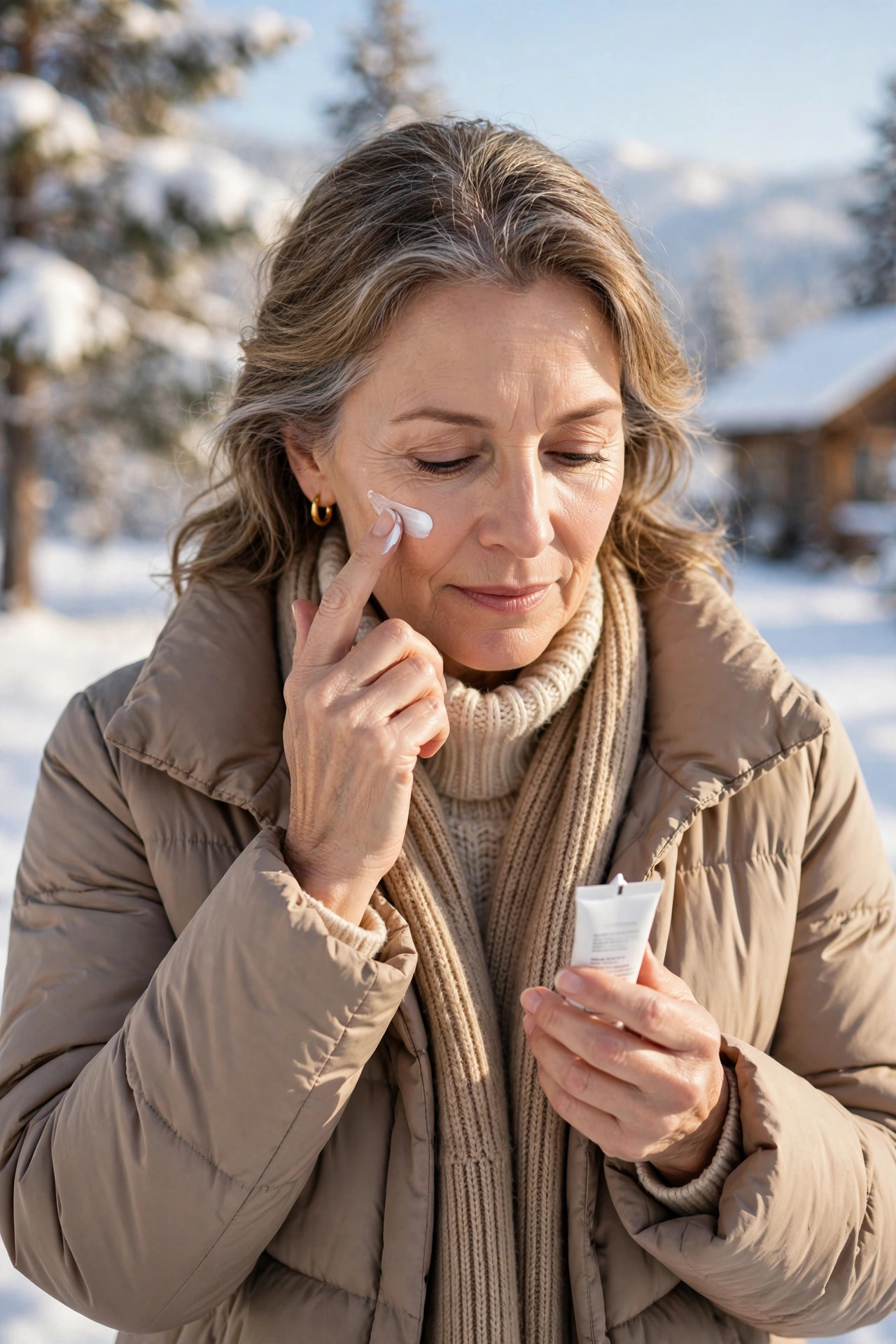
UV doesn’t take winters off — snow reflects it, altitude intensifies it, and UVA is steady year-round. The women with the best skin at 70 aren’t the ones who protected hardest on beach weeks; they’re the ones who never stopped, in any season.
Try this: Morning SPF 365 days + same habit, every season.
Make it yours: A lighter formula for winter if your summer one feels heavy. Avoid: The November-to-March gap; it’s four months of unprotected UVA.
❓ Sunscreen FAQs
Is SPF 30 enough, or do I need SPF 50?
SPF 30 is enough for daily incidental exposure when applied in the right amount and reapplied as needed — the bigger variable is almost always application amount, not the number. SPF 50+ is worth it for extended outdoor days, but a well-applied SPF 30 beats a skimpy SPF 50 every time.
Can I rely on SPF in my moisturizer or makeup?
Not as your primary protection. Both are applied far too thinly in real life to deliver their labeled SPF — treat them as bonus layers over a dedicated sunscreen applied in the full two-finger dose.
Mineral or chemical sunscreen for mature skin?
Whichever you’ll wear daily. Mineral suits sensitive, reactive skin and the eye area, and works immediately; chemical formulas feel lighter and leave no cast. Many women use mineral on the face and chemical on the body — the best formula is the one that becomes a habit.
Do I need sunscreen indoors or on cloudy days?
On cloudy days, yes — most UV passes through clouds. Indoors, it depends: UVA comes through window glass, so if you sit near windows for hours, morning SPF earns its keep. A windowless office day is the one genuine pass.
How often should I replace my sunscreen?
Check the expiry date every spring and toss anything expired or over three years old — and replace any bottle that’s spent a summer baking in heat, even if the date looks fine. When in doubt, a fresh bottle is cheap insurance.
📖 Keep Reading
- 🌅 Morning Skincare Routine for Women Over 50 — where sunscreen sits as the final morning step: the full order from cleanse to SPF.
- 🍊 Vitamin C Serum Over 50 — sunscreen’s best morning partner: the antioxidant-plus-SPF combination and its layering rules.
- 🧴 Best Moisturizer for Mature Skin Over 50 — the layer beneath: which moisturizer types sit best under daily SPF.
✅ Your sun-protection checklist: broad-spectrum SPF 30+ every morning → two finger-lengths for face and neck → ears, lips, hands, and part line included → reapply every 2 hours outdoors → hat and sunglasses as backup → double-cleanse at night → repeat 365 days a year. It’s not the fanciest routine you’ll ever build — it’s the one your skin will thank you for the longest.
Discover more from Fashinate Style
Subscribe to get the latest posts sent to your email.