
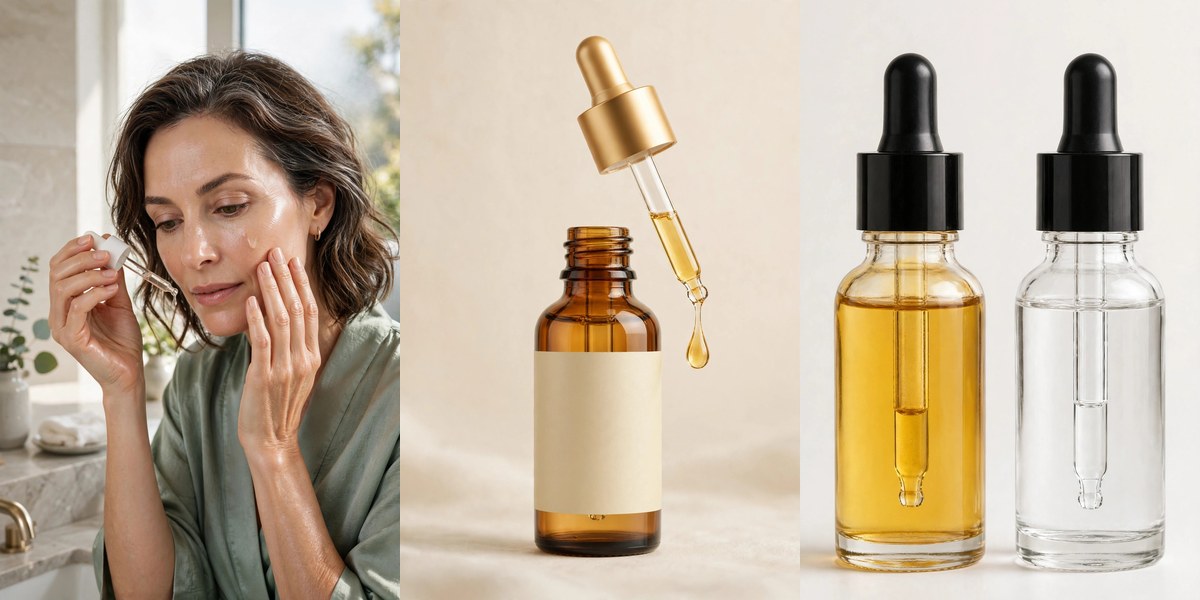
I’ll confess: I used vitamin C wrong for two years. I’d swipe it on whenever I remembered, layer it under whatever was closest, and wonder why my skin looked exactly the same — then blame the serum instead of the sloppy routine. Turns out vitamin C was never the problem. It was me, treating the fussiest morning ingredient like it was a moisturizer.
The fix was embarrassingly simple: vitamin C is a morning ingredient with a few non-negotiable rules, and once you know them, it layers beautifully with nearly everything in your routine. These 25 layering rules are the full playbook I wish someone had handed me on day one — when to apply it, what pairs well, what stays separated, how to store it so it doesn’t go off, and how to tell normal tingling from a real problem. Product types only, no brands — just the order of operations that makes vitamin C actually work for skin over 50.
1. 🌅 The Morning-Only Rule
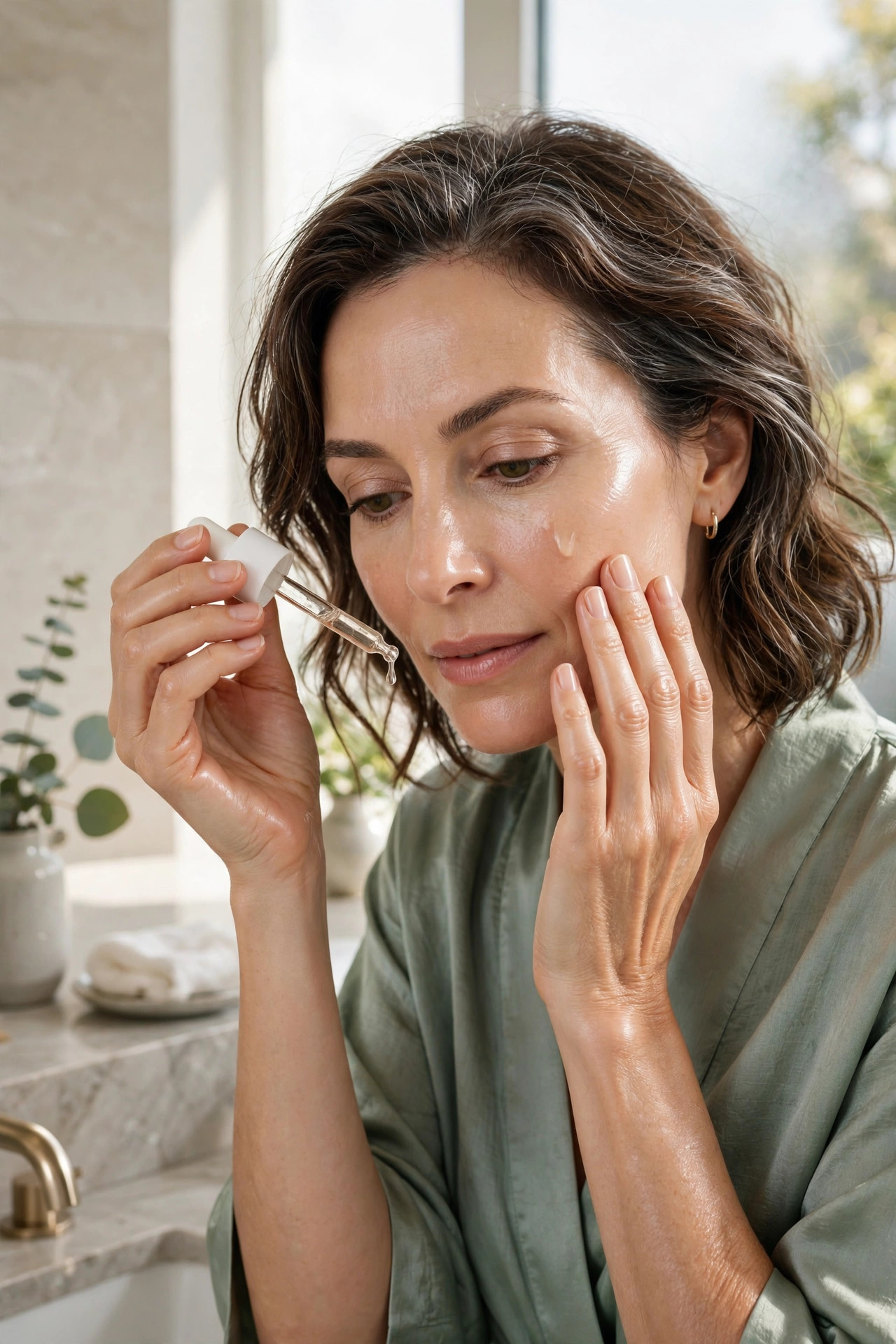
Vitamin C belongs to mornings. It supports your skin’s daytime defense against environmental stress, and it pairs naturally with sunscreen — the two together are the classic daytime antioxidant-plus-SPF combination dermatologists recommend.
Try this: Vitamin C serum + every morning + always followed by SPF.
Make it yours: Keep it next to your toothbrush so mornings never skip it. Avoid: Saving it for nights “when it can work undisturbed” — its strength is daytime defense.
2. 💧 The Dry-Skin Application
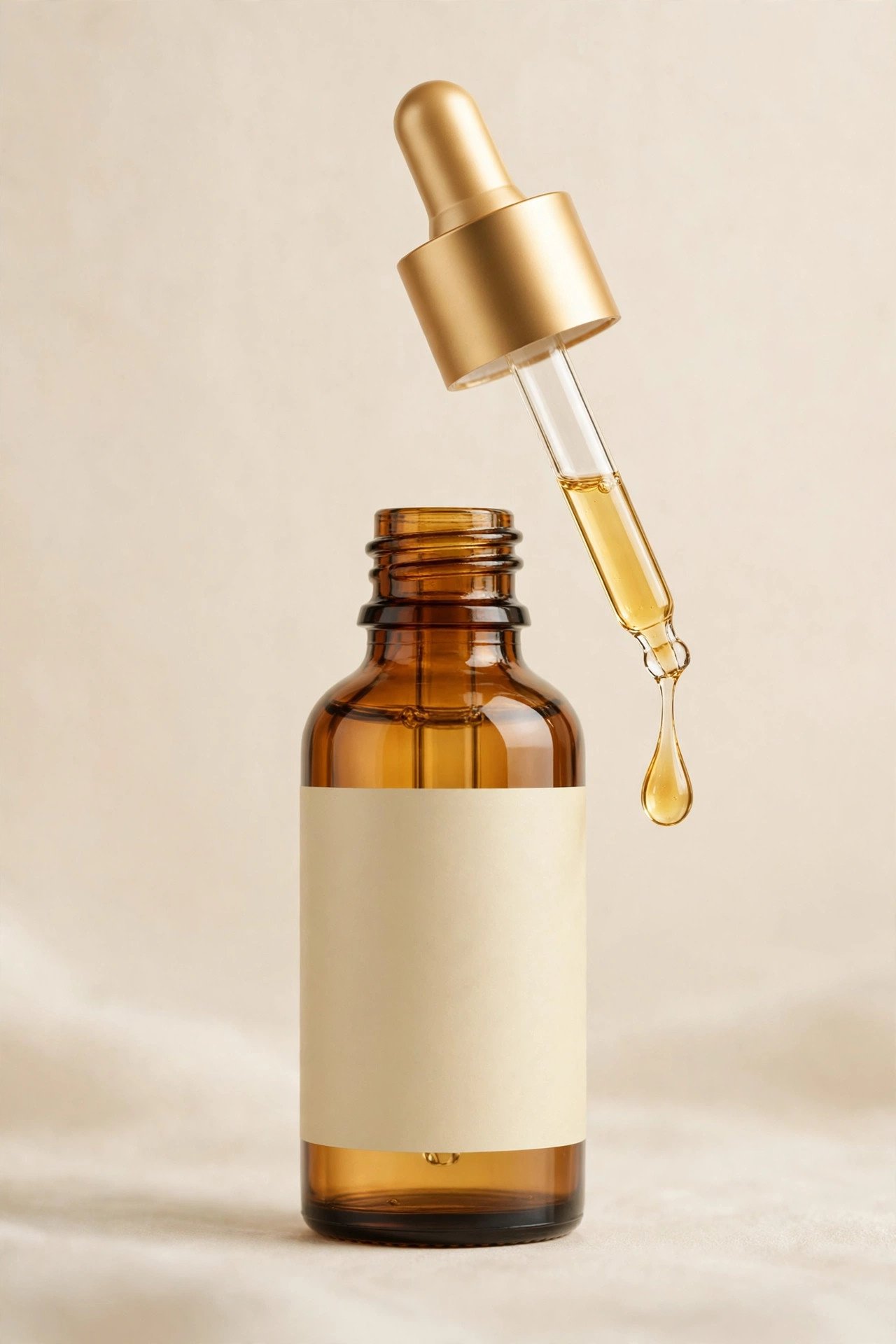
Apply vitamin C to completely dry skin. Damp skin increases penetration — which sounds good until it means increased stinging on mature, reactive skin. Pat your face dry after cleansing, wait a beat, then apply.
Try this: Cleanse + pat fully dry + wait 30 seconds + then vitamin C.
Make it yours: If you’re sensitive, this one change eliminates most stinging. Avoid: Applying straight onto a wet face — that’s the fast lane to irritation.
3. ⏳ The Wait-a-Minute Layering

Give vitamin C about a minute to absorb before your next layer. It doesn’t need the dramatic “wait 20 minutes” some old guides insisted on — just long enough that it’s no longer wet on the skin. Your moisturizer will glide on instead of pilling.
Try this: Vitamin C + 60 seconds + next layer.
Make it yours: Brush your teeth in the gap — built-in timer. Avoid: Stacking everything at once; wet-on-wet layering causes pilling.
4. 🥪 The HA Sandwich

Layering order matters: vitamin C goes on before hyaluronic acid, not after. Thinnest to thickest is the rule — the watery vitamin C serum first, then the hydrating HA layer, then cream. Reversed order and the vitamin C can’t reach the skin properly.
Try this: Vitamin C → hyaluronic serum → moisturizer + in that order.
Make it yours: “Thinnest to thickest” answers every layering question you’ll ever have. Avoid: Sandwiching vitamin C between two heavy creams — it gets trapped.
5. 🧴 The Moisturizer-After-Always
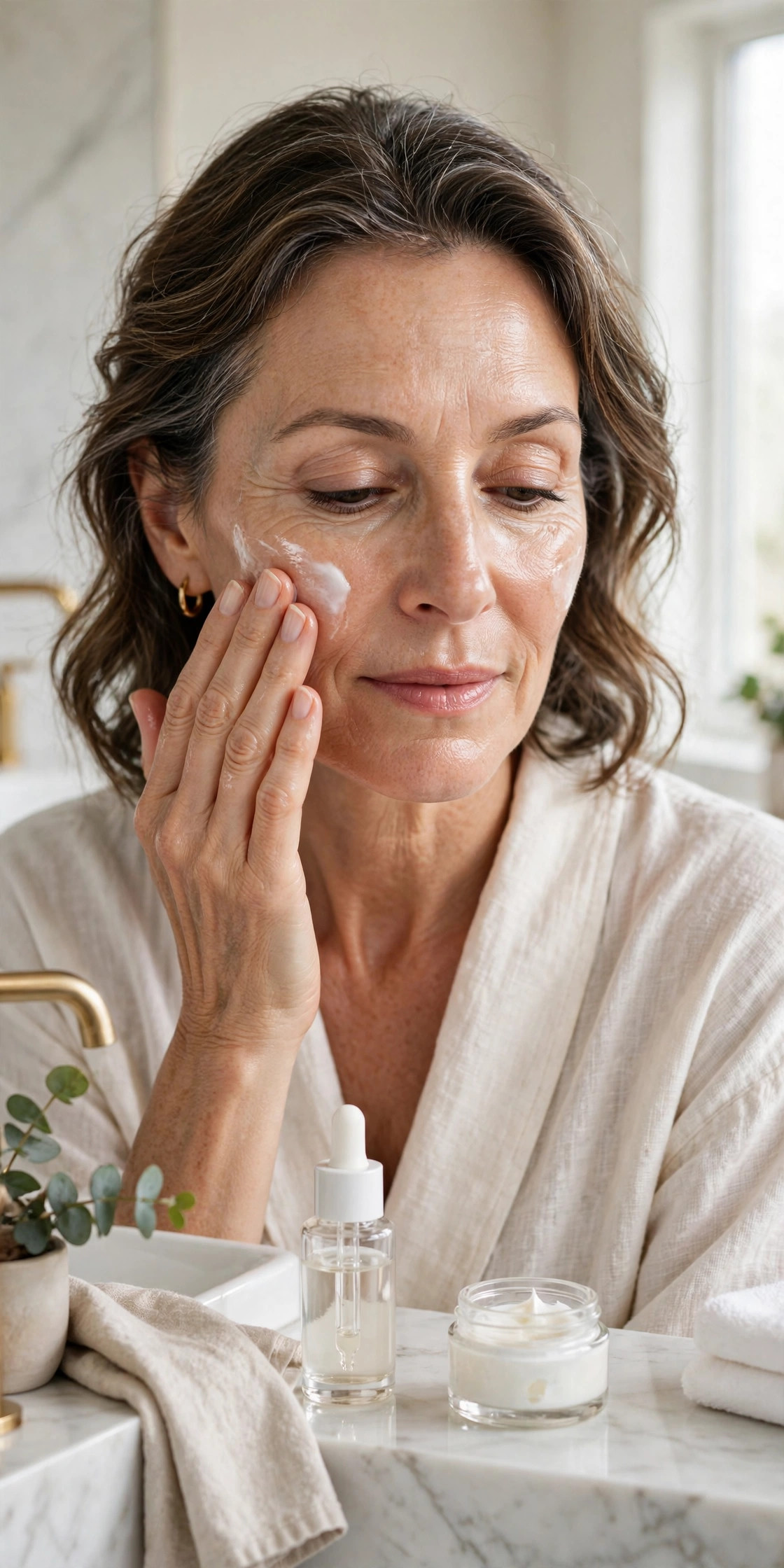
Vitamin C is not a moisturizer — it needs a cream sealed over it, every time. On mature skin especially, an unsealed serum evaporates and can leave skin feeling tight. Your regular morning moisturizer does the job; nothing special required.
Try this: Vitamin C + one minute + your usual moisturizer + always.
Make it yours: A ceramide cream over vitamin C is a particularly comfortable pairing. Avoid: Skipping moisturizer because the serum “feels hydrating enough.”
6. ☀️ The SPF-Is-Non-Negotiable Rule
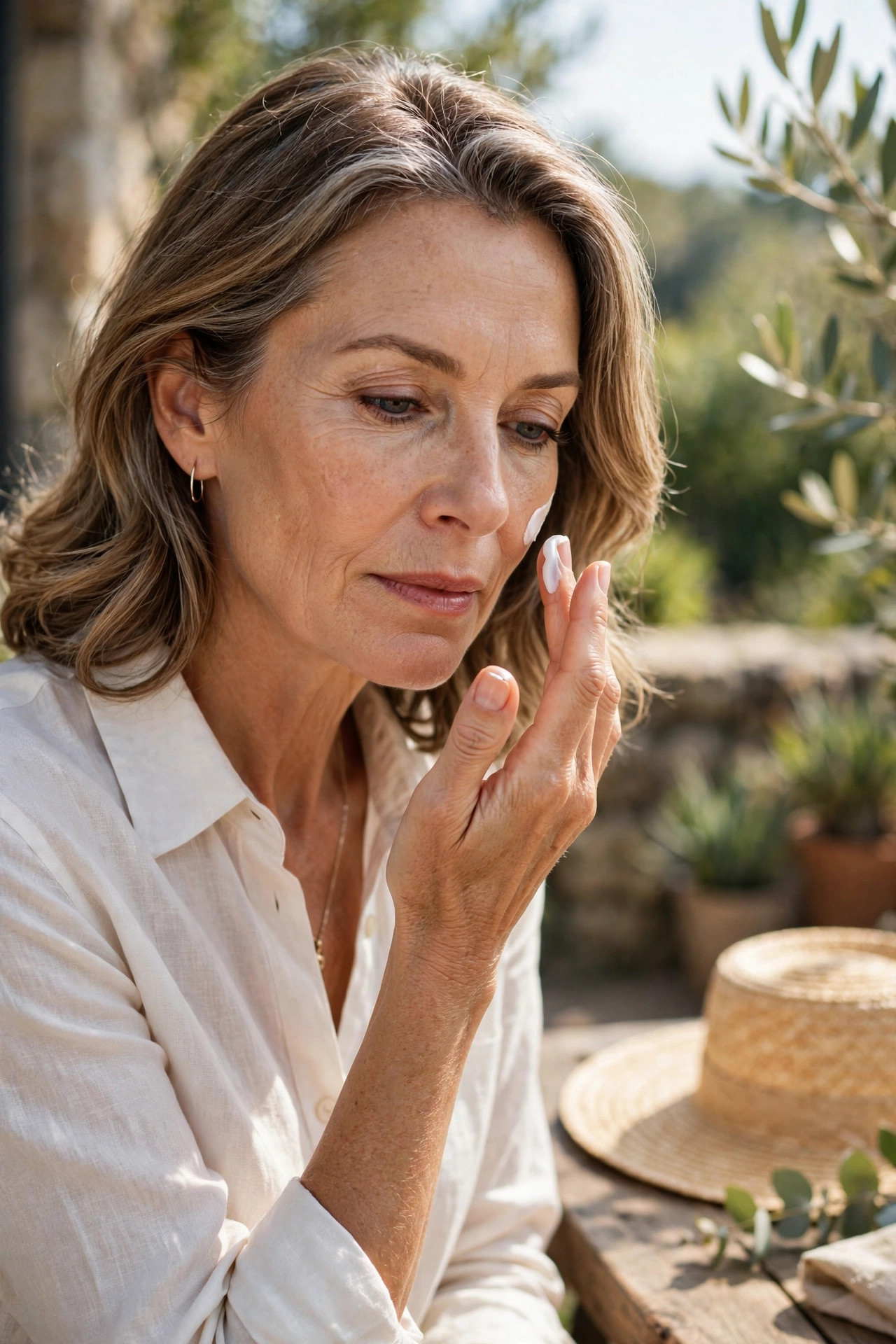
Vitamin C without sunscreen is like locking the door but leaving the windows open — the antioxidant supports defense, but SPF does the actual protecting. The two are a team: vitamin C in the morning only makes sense with SPF 30+ over it.
Try this: Vitamin C → moisturizer → SPF 30+ + every single morning.
Make it yours: Reapply SPF if you’re outdoors for hours — the vitamin C can’t cover for faded sunscreen. Avoid: Treating vitamin C as sun protection on its own. It isn’t.
7. 🧪 The Niacinamide Layering Question
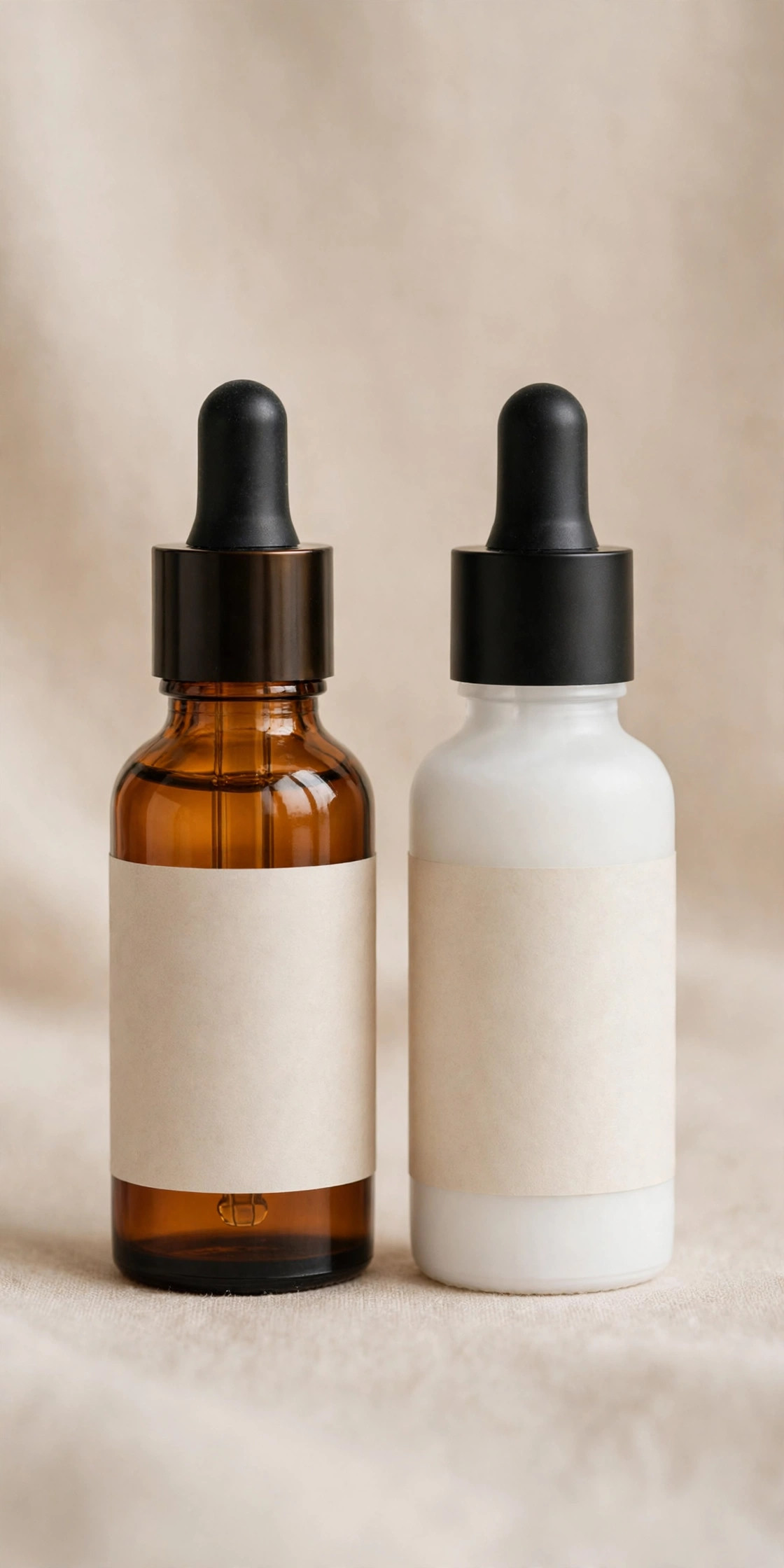
Here’s the myth-bust: modern niacinamide and vitamin C CAN be layered together — the old warning came from a decades-old study using unstable forms at extreme heat. With today’s stabilized formulas, they’re fine in the same routine; if your skin is very reactive, just use them at different times of day.
Try this: Vitamin C morning + niacinamide evening + if sensitive; together if not.
Make it yours: When layering together, vitamin C first (thinner), niacinamide second. Avoid: Ditching either one over an outdated warning.
If your vitamin C ever turns dark orange or brown, it’s oxidized — toss it. Oxidized vitamin C isn’t just weaker, it can irritate. Buy smaller bottles, store them well, and check the color monthly. Fresh serum should be clear to pale straw.
8. 🌙 The Retinol Separation Rule

Vitamin C and retinol both do their best work apart: vitamin C owns the morning, retinol owns the night. Used together at once they’d over-exfoliate and irritate mature skin — separated by twelve hours, they’re the perfect day-night team.
Try this: Vitamin C in the AM + retinol in the PM + never the same application.
Make it yours: This split is the backbone of an effective over-50 routine. Avoid: “Sandwiching” them together hoping for double results — you’ll get double irritation.
9. 🍋 The AHA/BHA Timing Split
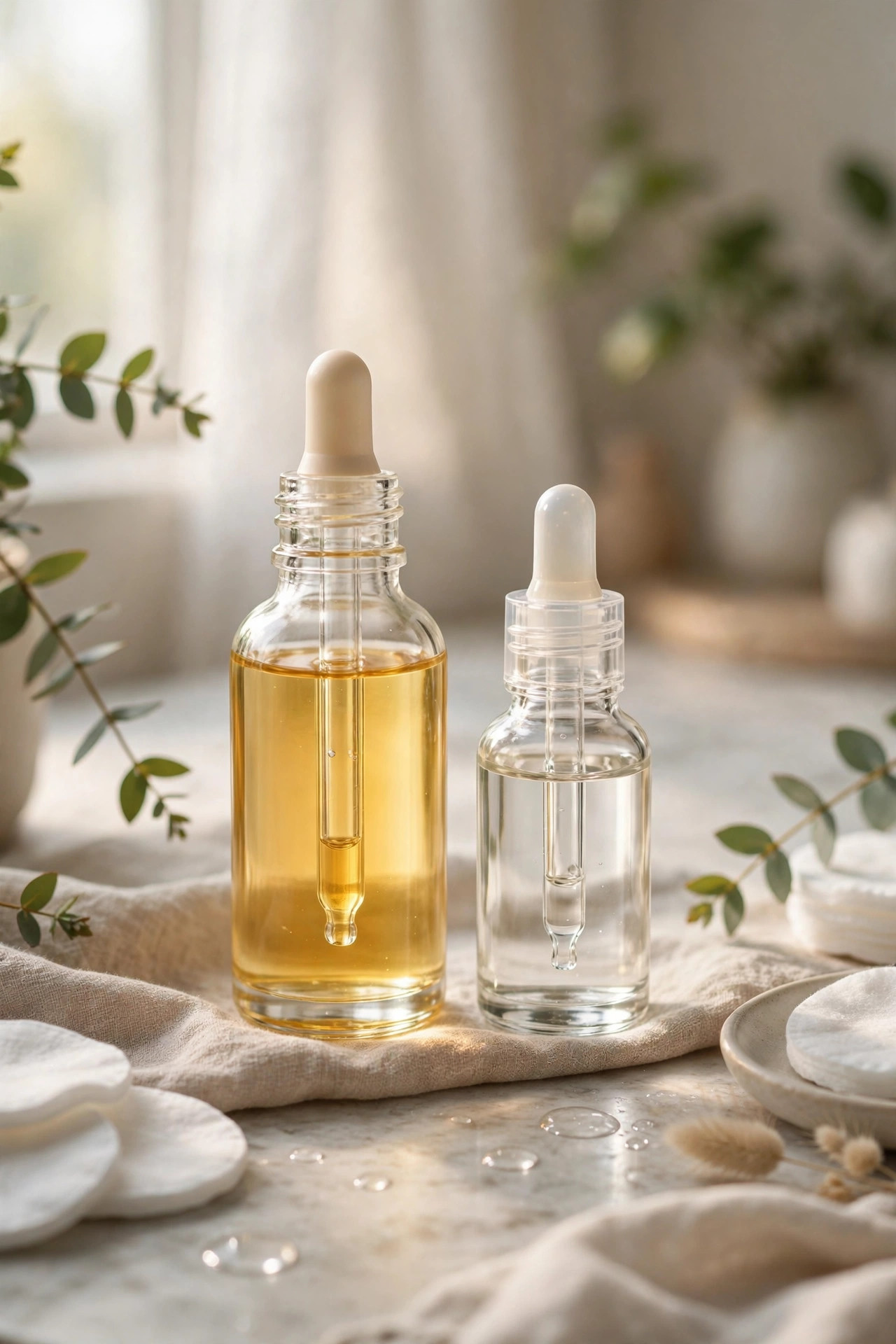
Strong exfoliating acids and vitamin C in the same application can overwhelm mature skin — too much activity at once. Keep acids to evenings (or alternate days) and let vitamin C have the mornings to itself.
Try this: Vitamin C mornings + AHA/BHA evenings or alternate days.
Make it yours: If you use a gentle daily acid toner, mornings can handle both — but strong peels stay separate. Avoid: A “power morning” of acid + vitamin C + everything else on sensitive skin.
10. 🧬 The Peptide Pairing
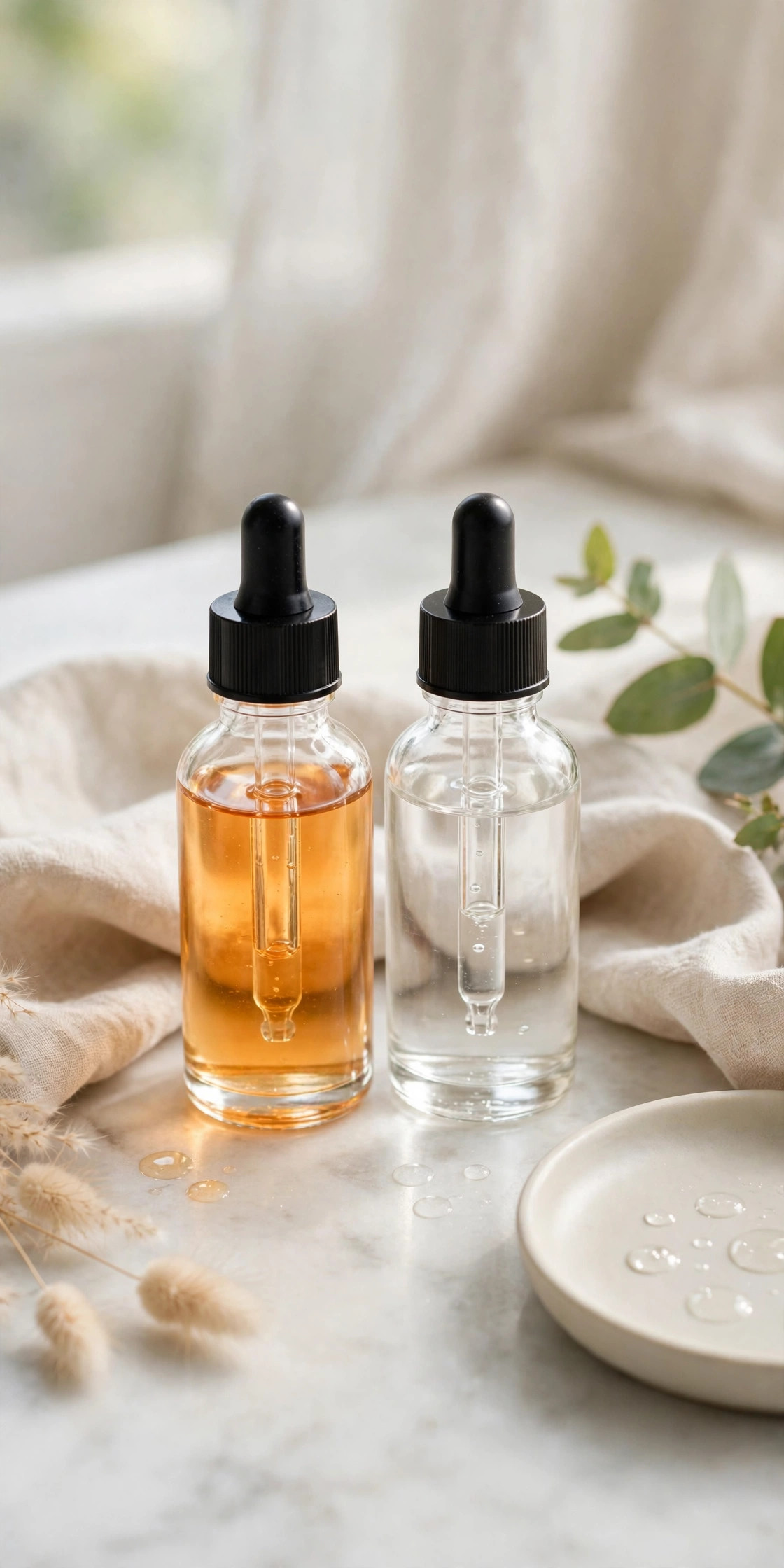
Peptides and vitamin C are genuinely compatible — no timing tricks needed. Peptides layer happily over vitamin C in the morning, giving you antioxidant defense plus the gentle firming support mature skin loves. It’s one of the easiest pairings in skincare.
Try this: Vitamin C → peptide serum → moisturizer + all in the morning.
Make it yours: This trio covers most of what a morning routine needs to do. Avoid: Overthinking it — this pairing just works.
11. 👁️ The Eye-Area Extension

Whatever’s left on your fingertips after the face can travel to the orbital bone — the vitamin C habit extends to the eye area for free. Just keep it to the bone, not the mobile lid, and skip it on mornings your eyes feel reactive.
Try this: Leftover serum + tap along orbital bone + mornings.
Make it yours: An eye-specific vitamin C formula exists if your eyes are very sensitive. Avoid: Full drops near the lash line — migration stings.
12. 🦢 The Neck-and-Chest Extension

One extra drop covers the neck and upper chest — the areas that betray age fastest and get the least antioxidant defense. Extending vitamin C south costs pennies and closes the face-neck gap.
Try this: One extra drop + smooth from chin to collarbone + every morning.
Make it yours: Include the backs of the hands too — they age visibly. Avoid: Stopping at the jawline; the contrast only grows.
13. 🌱 The Low-Start Rule
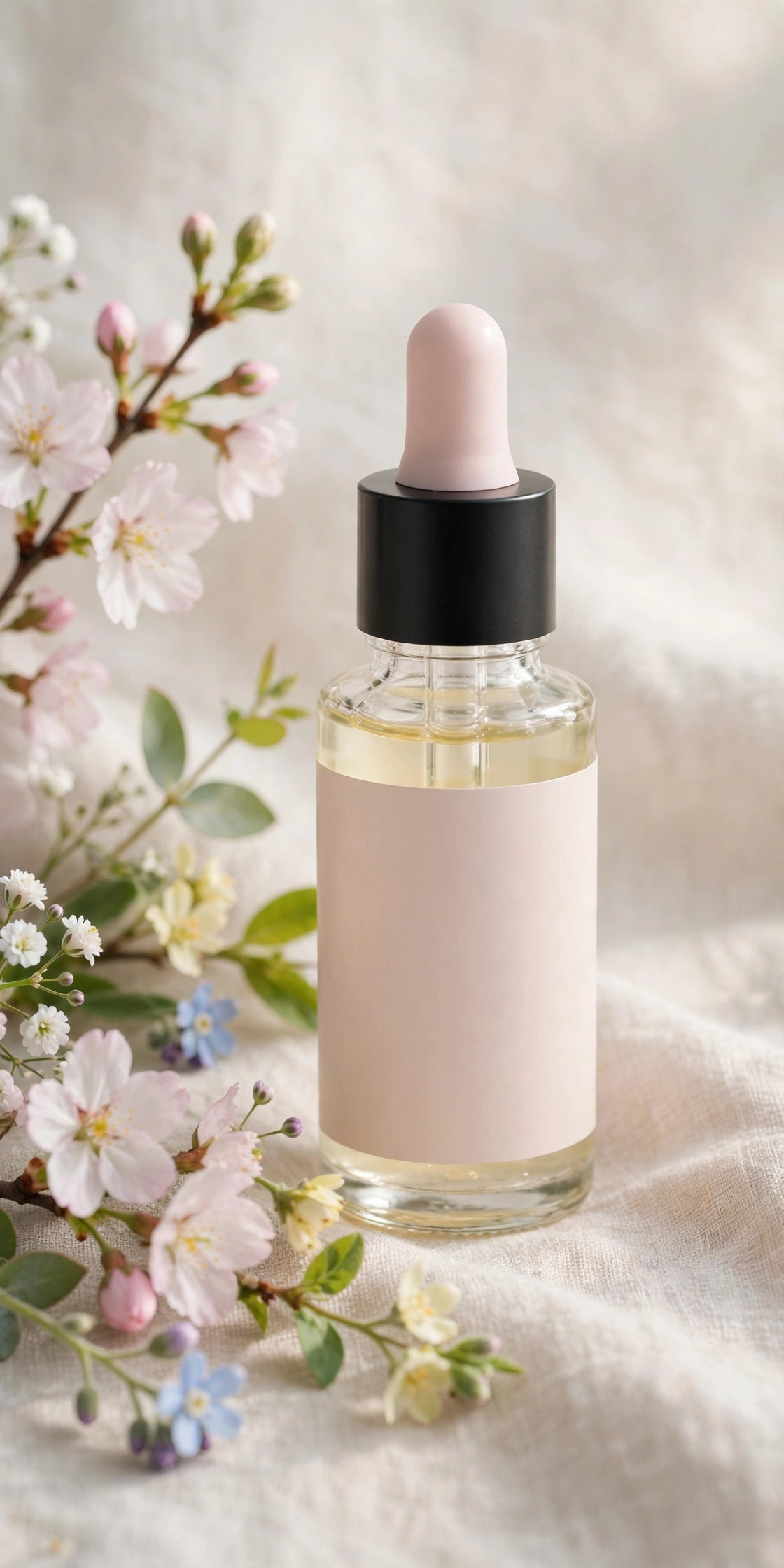
Over-50 skin should start low: around 10% L-ascorbic acid, or a gentler derivative like sodium ascorbyl phosphate or ascorbyl glucoside. You can always work up — but a screaming first impression with 20% pure acid ends the experiment before it starts.
Try this: Start ~10% or a derivative + daily for a month + increase only if unbothered.
Make it yours: Derivatives are the kinder on-ramp for reactive skin. Avoid: Jumping to the strongest formula because “more must be better.”
14. 🧪 The Patch-Test Protocol

Patch-test every new vitamin C: a dab on the inner forearm or behind the ear, wait 24 hours. Vitamin C is one of the more reactive-prone actives — this 24-hour check saves your whole face from a bad first date.

Try this: Dab on inner forearm + wait 24 hours + no reaction means proceed.
Make it yours: Test behind the ear if you want it closer to facial skin. Avoid: Full-face application of an untested active, ever.
Tingling for a minute or two after application is normal with vitamin C — burning, itching, or redness that lasts is not. Learn the difference in week one: mild transient tingle = fine; anything that escalates or lingers = stop and reassess the formula or frequency.
15. 1️⃣ The Once-Daily Frequency Cap

Once a day is the full dose — vitamin C doesn’t get better with twice-daily application, it just gets more irritating. Mornings only, and that’s the complete prescription. More is not more here.
Try this: One morning application + that’s it + let it work.
Make it yours: If mornings get skipped, don’t double up at night — just resume tomorrow. Avoid: The “catch-up” double application; irritation is the only catch.
16. 🟠 The Fresh-Bottle Check
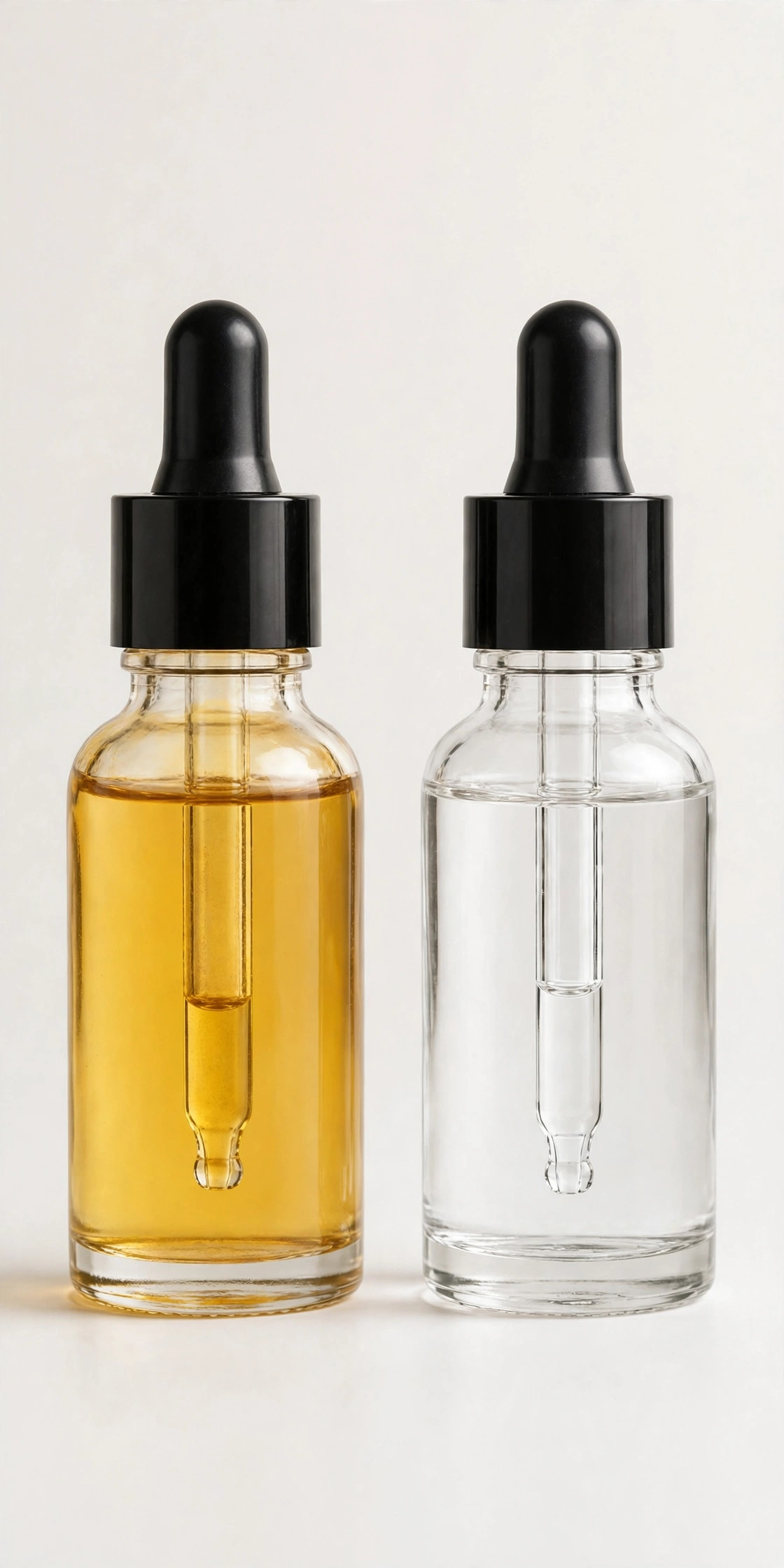
Check your bottle monthly: clear to pale straw is fresh; dark orange or brown means oxidized. An oxidized bottle isn’t just weaker — it can actively irritate. This is the number-one reason vitamin C “stopped working.”
Try this: Monthly color check + toss when dark + buy smaller bottles.
Make it yours: Note the opening date on the label with a marker. Avoid: “Finishing the bottle anyway” once it’s turned — your skin pays.
17. 🖤 The Dark-Bottle Storage
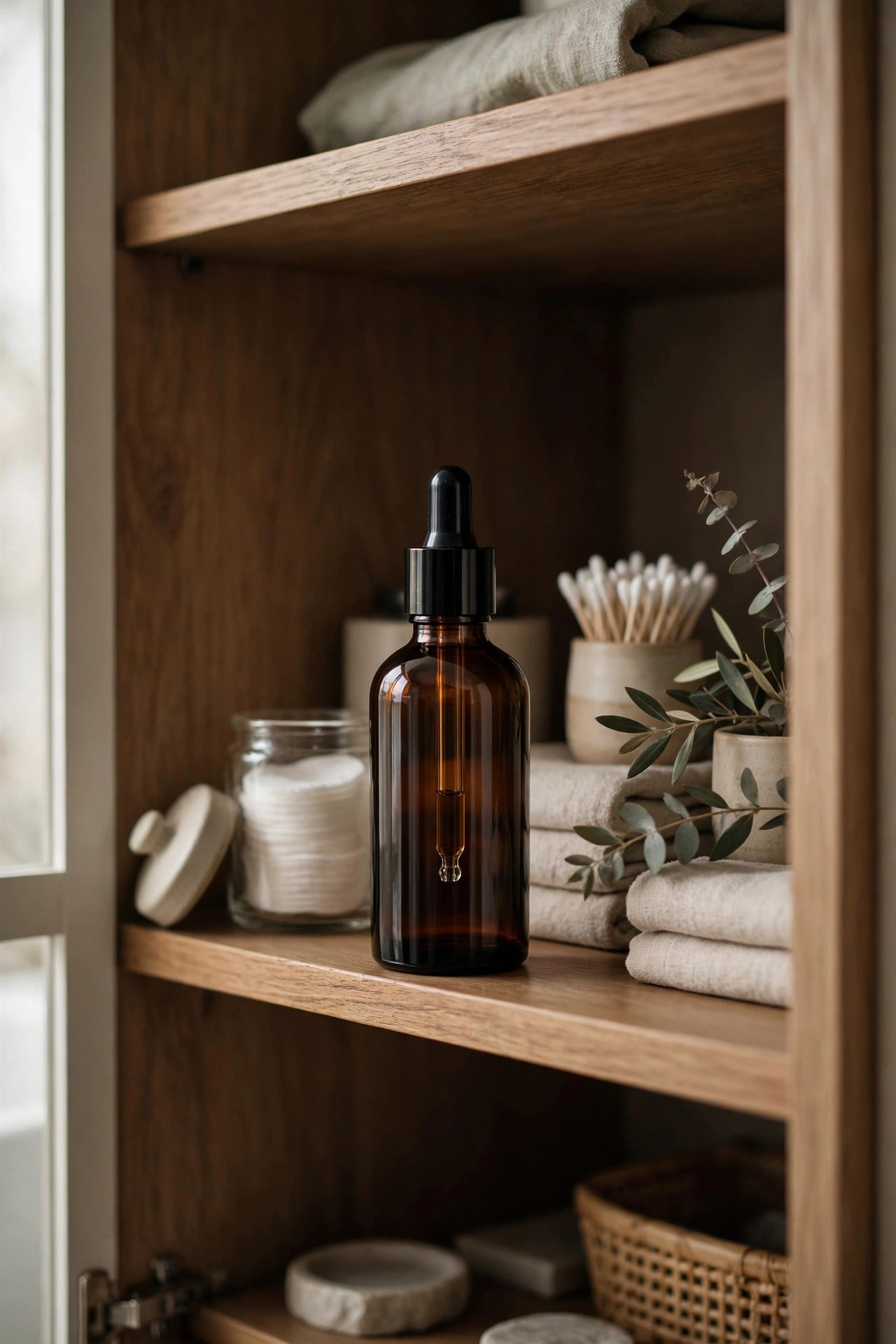
Light and air are vitamin C’s enemies — store it in its dark or opaque bottle, cap screwed tight, in a cabinet away from the shower’s heat and steam. The bathroom counter in direct sunlight is where serums go to die.
Try this: Cabinet storage + cap tight + away from heat and light.
Make it yours: Airless pump packaging protects even better than droppers. Avoid: Leaving the dropper off or the bottle open “for a minute” — it adds up.
18. ❄️ The Fridge Habit

The fridge extends a vitamin C serum’s fresh life noticeably — cool, dark, stable. If your bathroom runs warm, the fridge door is the best home your serum can have (and the cool application feels wonderful).
Try this: Fridge-door storage + apply cold + enjoy the depuffing bonus.
Make it yours: Especially valuable in warm climates. Avoid: The freezer — fridge-cold, not frozen.
19. 💧 The Drop-Count Discipline
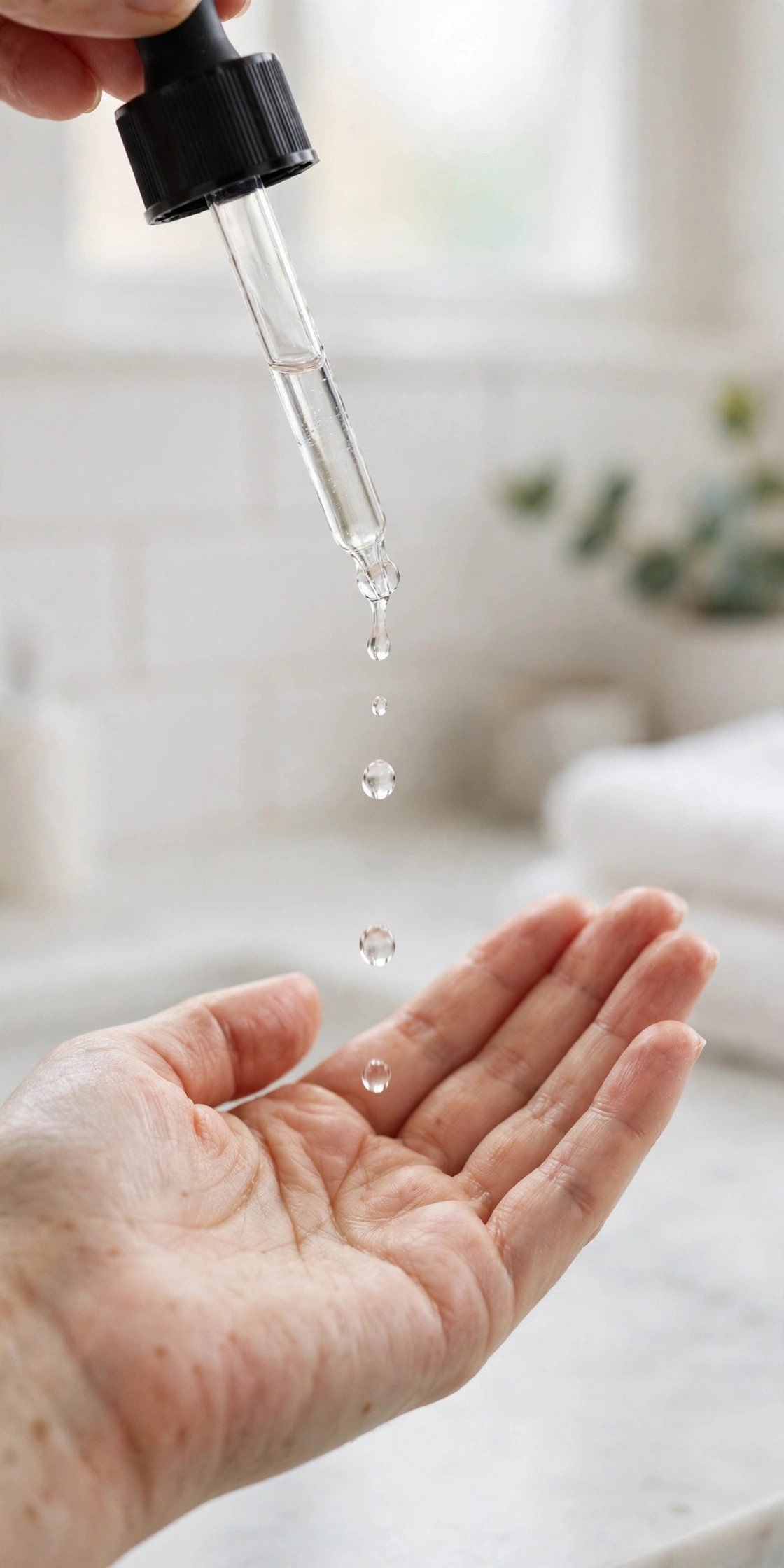
Three to four drops cover the whole face — that’s the dose. Half a dropper is wasteful theater; vitamin C is potent stuff and excess just sits on the skin, pills under makeup, and drains your wallet faster.
Try this: 3–4 drops for face + 1 extra for neck + no more.
Make it yours: Count once, then eyeball it — you’ll calibrate fast. Avoid: The full-dropper squeeze; it’s marketing, not dermatology.
20. 🤲 The Patting-Not-Rubbing Application

Press and pat vitamin C in with flat palms instead of rubbing — it distributes evenly without dragging mature skin. Rubbing also generates warmth and friction that can increase stinging on reactive days.
Try this: Drops in palm + press palms to face + pat to distribute.
Make it yours: Warming between palms first helps even application. Avoid: Vigorous rubbing, especially around the delicate eye zone.
21. 💄 The Makeup Wait Window

Give the full morning stack — vitamin C, moisturizer, SPF — about five minutes before makeup. Foundation applied over wet layers pills and slides; over set layers it grips beautifully. Make coffee in the gap.
Try this: Full routine + five-minute wait + then makeup.
Make it yours: If you’re rushed, even two minutes beats zero. Avoid: Blaming the serum for pilling that’s really a timing problem.
22. ✈️ The Travel-Size Decant Rule
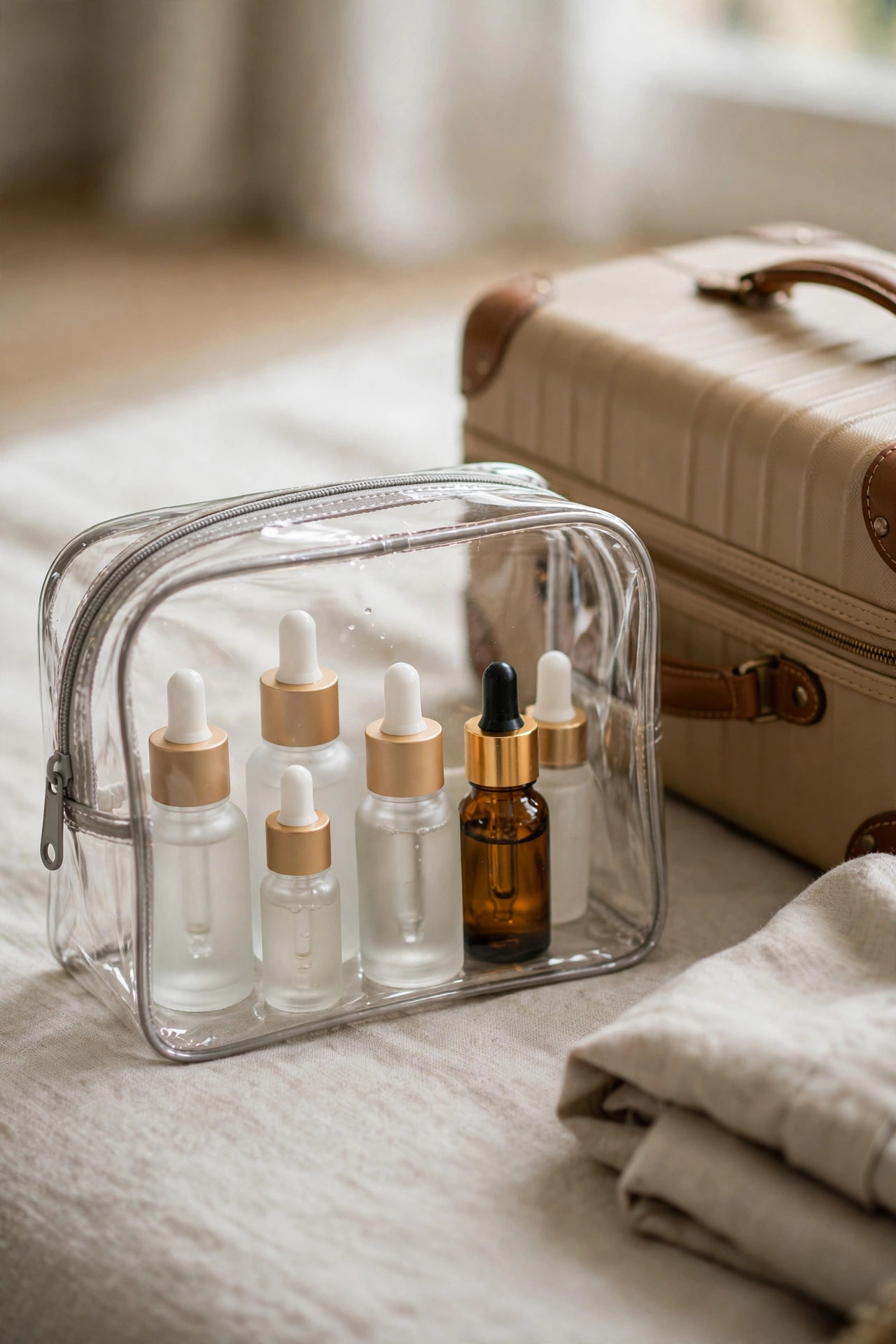
Decant a week’s worth into a small dark bottle for travel — don’t haul the full bottle through heat, light, and airport chaos. Vitamin C degrades faster in fluctuating conditions, and a small decant means the main bottle stays safe at home.
Try this: Small dark decant bottle + one week supply + main bottle stays home.
Make it yours: Label the decant with the date. Avoid: Leaving the full bottle in a hot car or sunny hotel windowsill.
23. 🔍 The Tingling-vs-Burning Distinction

Learn your skin’s language in week one: brief, mild tingling that fades in a minute or two is normal. Burning, itching, persistent redness, or stinging that escalates is your skin saying stop — switch to a gentler derivative or reduce frequency.
Try this: Note the sensation each morning + mild-and-brief is fine + escalating means stop.
Make it yours: Keep a one-line log for the first two weeks — patterns show fast. Avoid: “Pushing through” real burning; that’s damage, not dedication.
24. 📅 The 12-Week Judgment Rule

Judge vitamin C at twelve weeks, not twelve days. Brightening and tone improvements build slowly as skin cycles renew — the women who quit at week three never see what week ten delivers. Photograph monthly in the same light.
Try this: Daily use + monthly photo in same light + verdict at week 12.
Make it yours: Pair the photos with notes on tone and dark spots. Avoid: Product-hopping mid-cycle; nothing brightens in a fortnight.
25. 😌 The Rest-Day Rule

If your skin ever feels sensitized — after a peel, a sunny day, a bad night — skip the vitamin C for a day or two. Rest days aren’t quitting; they’re how you keep a strong routine sustainable for years instead of flaming out in month two.
Try this: Sensitized skin = skip actives + cleanser and moisturizer only + resume when calm.
Make it yours: One rest day a week is a fine standing habit for reactive skin. Avoid: Treating rest as failure — it’s maintenance.
❓ Vitamin C FAQs
Can I use vitamin C with niacinamide?
Yes — with modern stabilized formulas, the old warning no longer applies. They can be layered in the same routine (vitamin C first, then niacinamide) or split morning/evening if your skin is very reactive. Don’t ditch either ingredient over outdated advice.
Why does my vitamin C sting?
Brief mild tingling is normal, especially with L-ascorbic acid formulas. Persistent burning usually means the strength is too high, you’re applying to damp skin, or the bottle has oxidized. Try a lower strength or gentler derivative, apply to dry skin, and check the color.
How long does a vitamin C serum last once opened?
Typically one to three months depending on the formula and storage — fridge storage and dark bottles stretch it toward the longer end. Watch the color: once it turns dark orange or brown, it’s oxidized and should be replaced regardless of the date.
Can I use vitamin C around my eyes?
Leftover serum tapped along the orbital bone is fine for most people, and eye-specific vitamin C formulas exist for sensitive eyes. Keep it off the mobile lid and skip it on reactive mornings — and never use a strong face formula right at the lash line.
Do I still need vitamin C if I use retinol?
They do different jobs — retinol works overnight on renewal, vitamin C works in daytime defense and brightening. Used twelve hours apart, they’re complementary, not redundant. Most effective over-50 routines include both, each in its own time slot.
📖 Keep Reading
- 🌅 Morning Skincare Routine for Women Over 50 — where vitamin C sits in the full morning order: cleanse, treat, moisturize, protect.
- 🧴 Best Moisturizer for Mature Skin Over 50 — the sealing layer your serum needs: which cream types pair best over actives.
- 👁️ Eye Care Over 50 — extending brightening to the eye area: the orbital-bone habit and eye-safe formulas.
Vitamin C was never the fussy, friendless ingredient the old warnings made it out to be — it just needed a proper introduction. Mornings, dry skin, thin-to-thick order, SPF on top, and a watchful eye on the bottle’s color. Follow these 25 rules and the most misunderstood serum in your cabinet becomes the most reliable one. Your future self, glowing quietly in every photo, will thank you.
Discover more from Fashinate Style
Subscribe to get the latest posts sent to your email.