
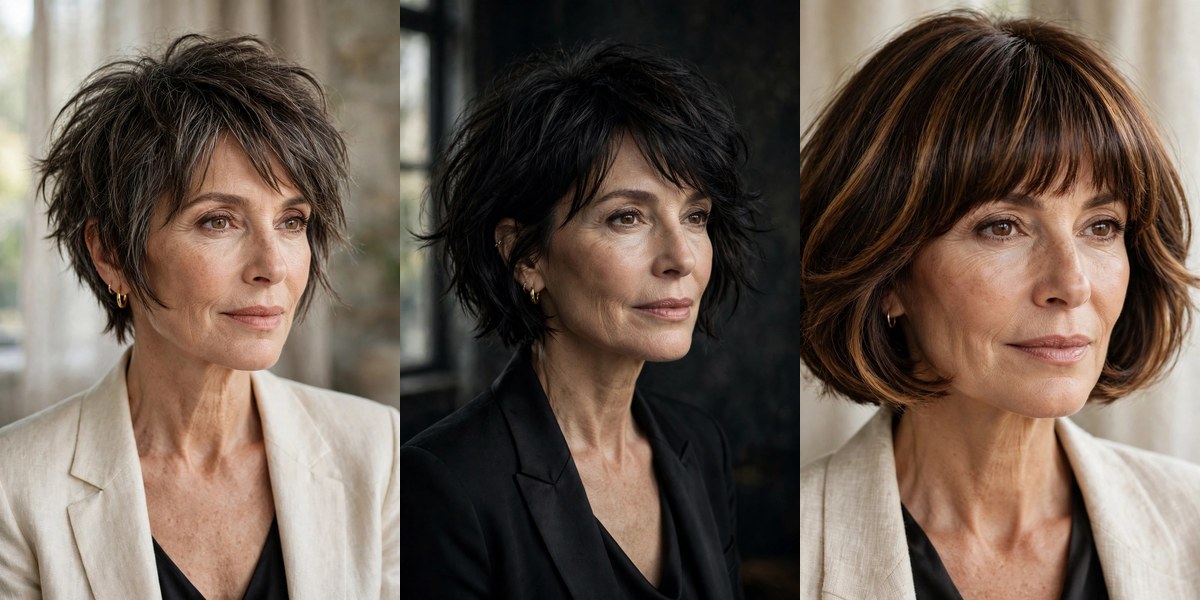
Here’s the uncomfortable truth about messy bobs: the “messy” is cut in, not styled in. If your stylist builds the texture into the cut itself — the right weight removal, the right fringe, the right perimeter — you can roll out of bed and look intentional. If they don’t, no amount of texture spray will save it, and you’ll be fighting your hair every single morning.
These 19 cuts are engineered for beautiful mess. Each one names the specific technique that makes it work — point-cutting, razor work, interior debulking, hidden undercuts — plus the exact wording to use in the chair and who it flatters most. Save your favorites, bring the photos, and walk in sounding like you know exactly what you want. Because now you do.
1. 🌊 The Undone Perimeter Bob
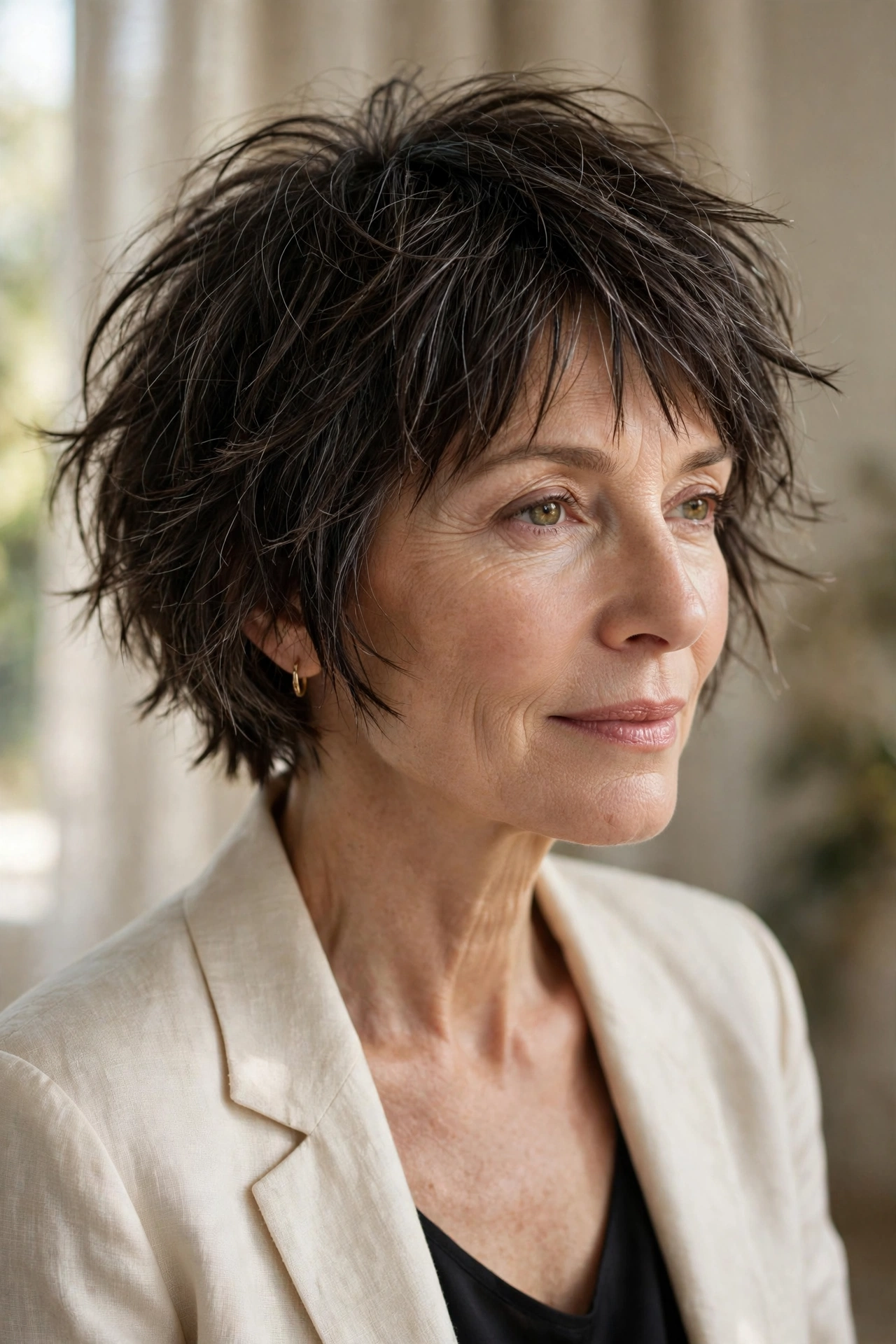
A chin-length bob with no visible bottom line — the perimeter is point-cut into soft peaks so the cut ends in texture instead of a shelf. It reads relaxed from every angle and never needs perfect styling to look finished.
Try this: Scrunch with mousse on damp hair; the point-cut ends separate on their own.
Ask for this: “A soft, broken perimeter — no blunt line.”
Best for: Straight to wavy hair; fine hair keeps its fullness because weight stays at the bottom.
2. 📐 The Forward-Angle Messy Bob
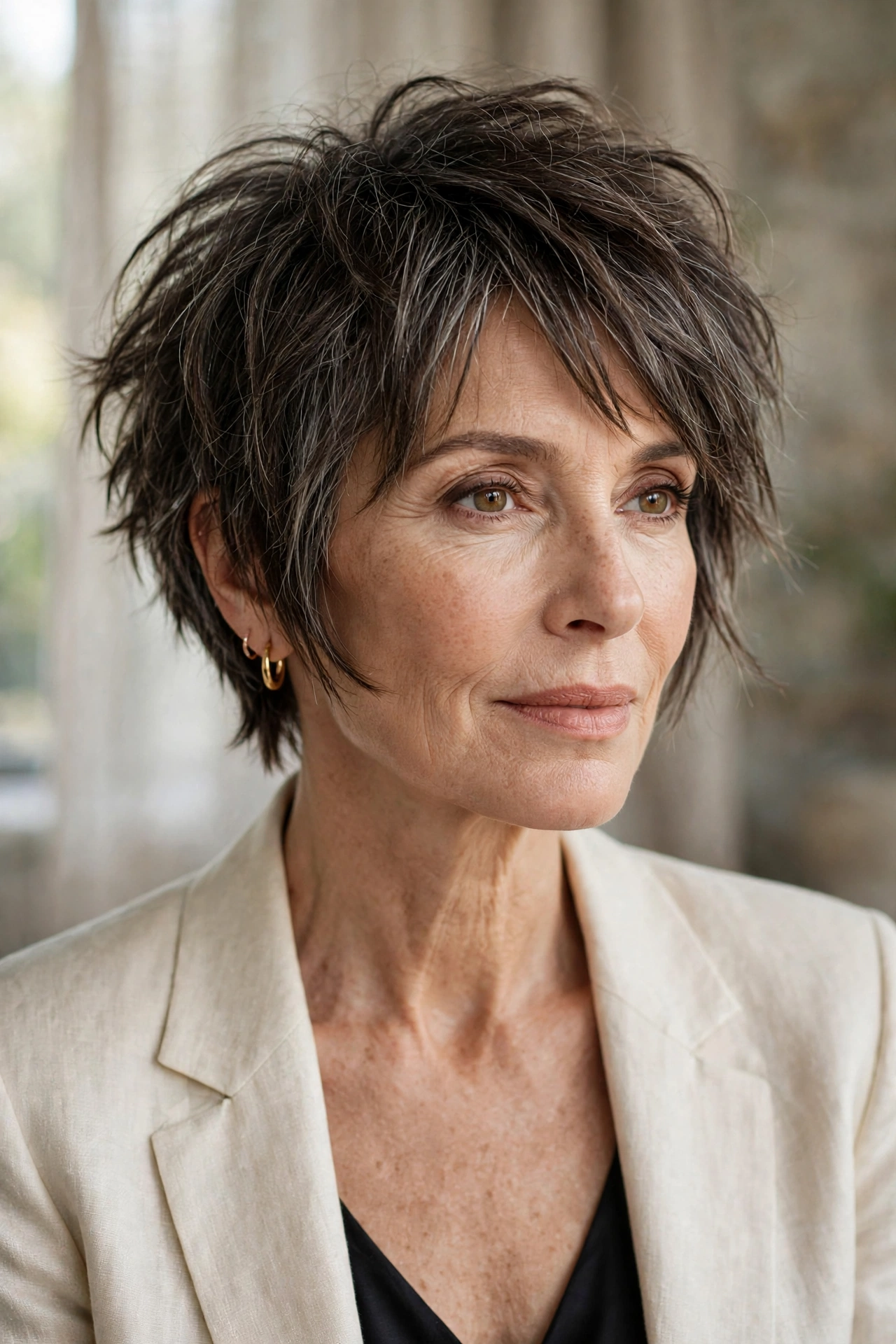
Longer through the front, tapered toward the back, with choppy layers connecting the two. The angle gives the mess a direction — it looks deliberate rather than random, which flatters wider faces.
Try this: Blow-dry the front pieces forward over a round brush for that sweeping angle.
Ask for this: “A forward angle with choppy connecting layers.”
Avoid: Too steep an angle — past the collarbone in front it becomes an A-line, not a messy bob.
3. 🌀 The Swirl-Crown Bob

Short, twisted crown layers create a permanent swirl of lift at the top while the sides stay longer and calmer. The contrast between the lively crown and the smooth sides is what makes it look expensive.
Try this: Massage texturizing powder into the dry crown — the short layers grab it instantly.
Ask for this: “Short choppy layers concentrated at the crown, longer through the sides.”
Best for: Flat crowns and fine hair that needs built-in lift.
4. 🧱 The Weighted-Ends Bob
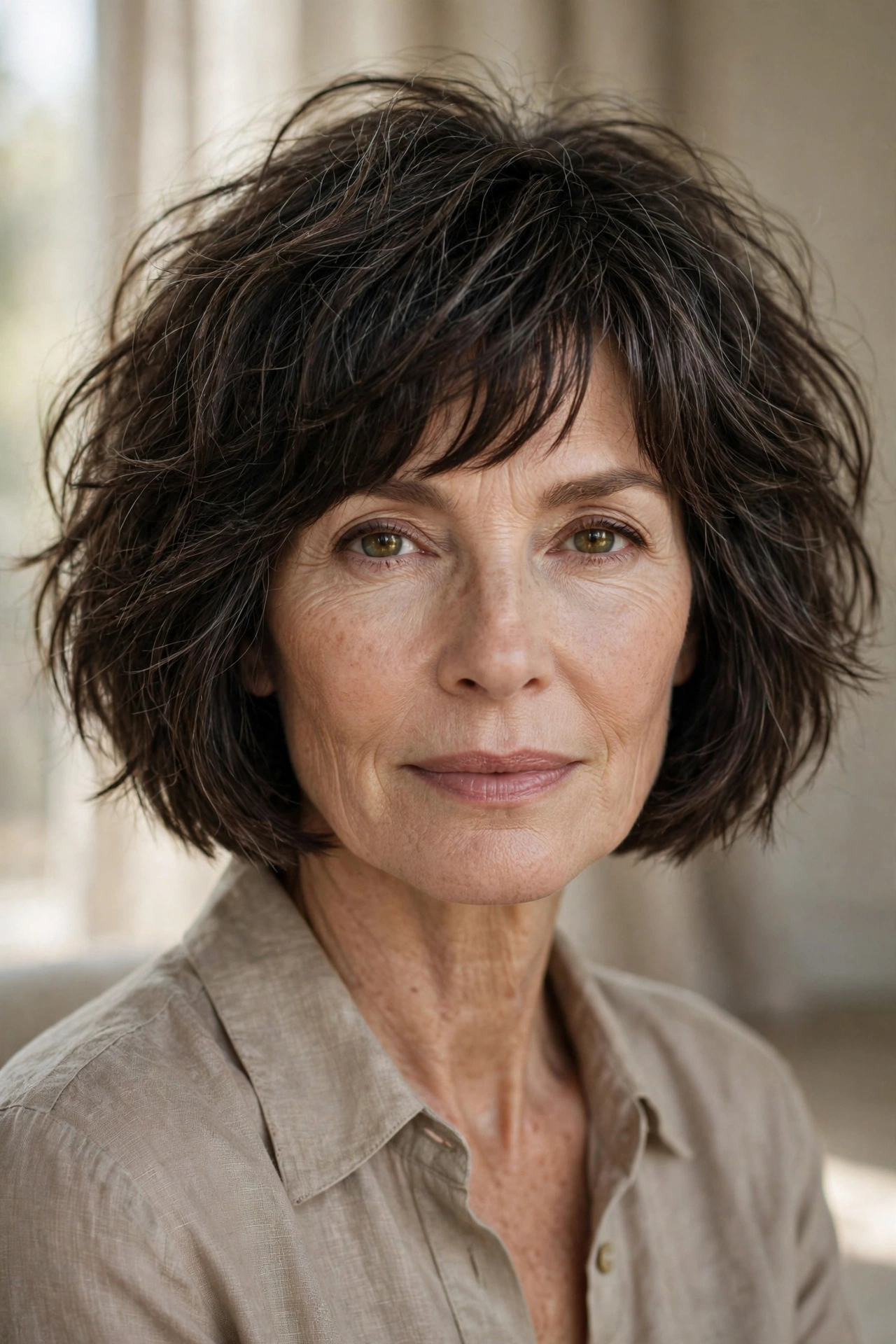
The paradox cut: a strong, heavy bottom line with all the choppiness hidden inside. Interior layers remove bulk through the middle while the outside stays full — mess with structure.
Try this: Flat-iron bends through the mid-lengths; the heavy ends keep everything from looking thin.
Ask for this: “Interior choppy layers, but keep the perimeter heavy.”
Good to know: The best choice if you love messy texture but fear thin-looking ends.
5. ⚡ The Micro-Undercut Bob
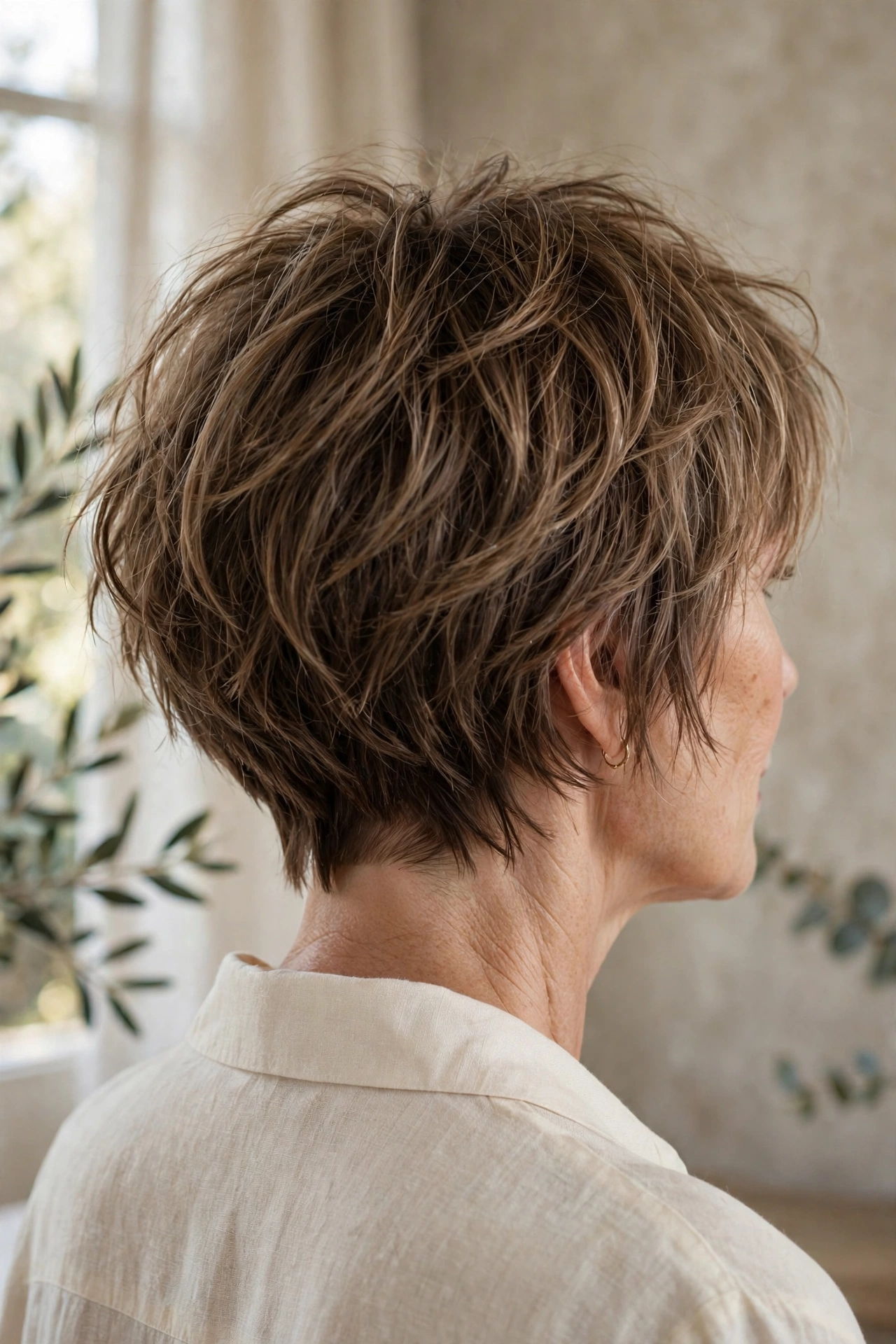
A hidden undercut at the nape — just the bottom inch, tucked under the longer top layers. It removes bulk where bobs get boxy and lets the visible hair move freely. Nobody knows it’s there until you lift the top.
Try this: Air-dry; the undercut does the de-bulking work silently.
Ask for this: “A soft undercut just at the nape, hidden under the top layers.”
Best for: Thick hair that turns every bob into a triangle.
The words “choppy layers” mean ten different things to ten stylists. Always pair the term with a technique word — point-cut, razor-cut, sliced, interior — and a photo. “Choppy layers, point-cut, like this photo” gets you the right cut; “choppy layers” alone is a gamble.
6. 👶 The Whisper-Fringe Crop Bob
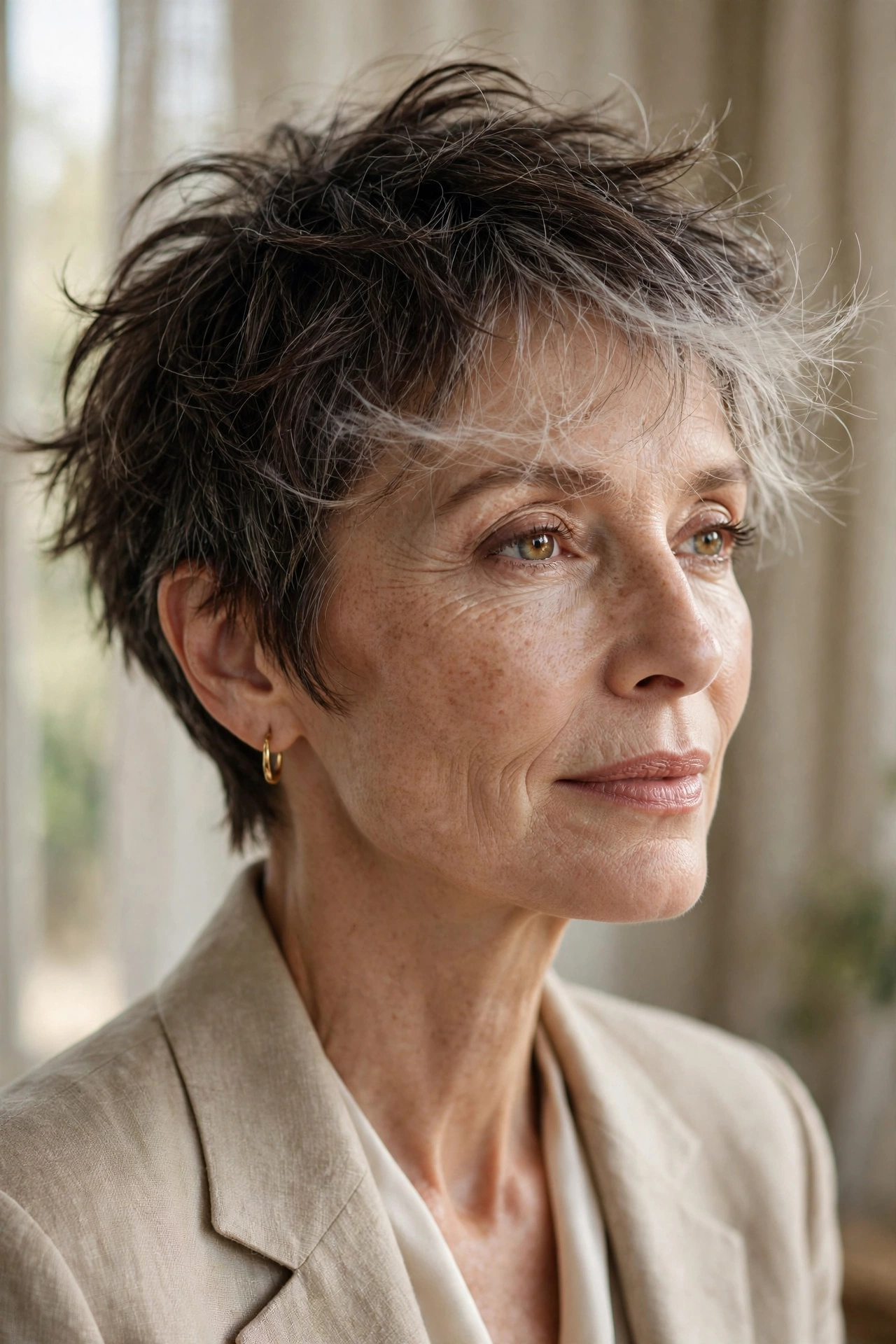
A cropped bob — shorter than chin — with an ultra-airy whisper fringe that barely touches the forehead. The fringe is cut with vertical snips so it dissolves instead of landing in a line. Sweet, but never saccharine.
Try this: A dab of cream pinched through the fringe keeps it piecey, not fuzzy.
Ask for this: “A whisper fringe, cut vertically so it’s transparent.”
Avoid: A heavy fringe on this length — it closes off the face instead of opening it.
7. 🍩 The Curl-Cloud Bob
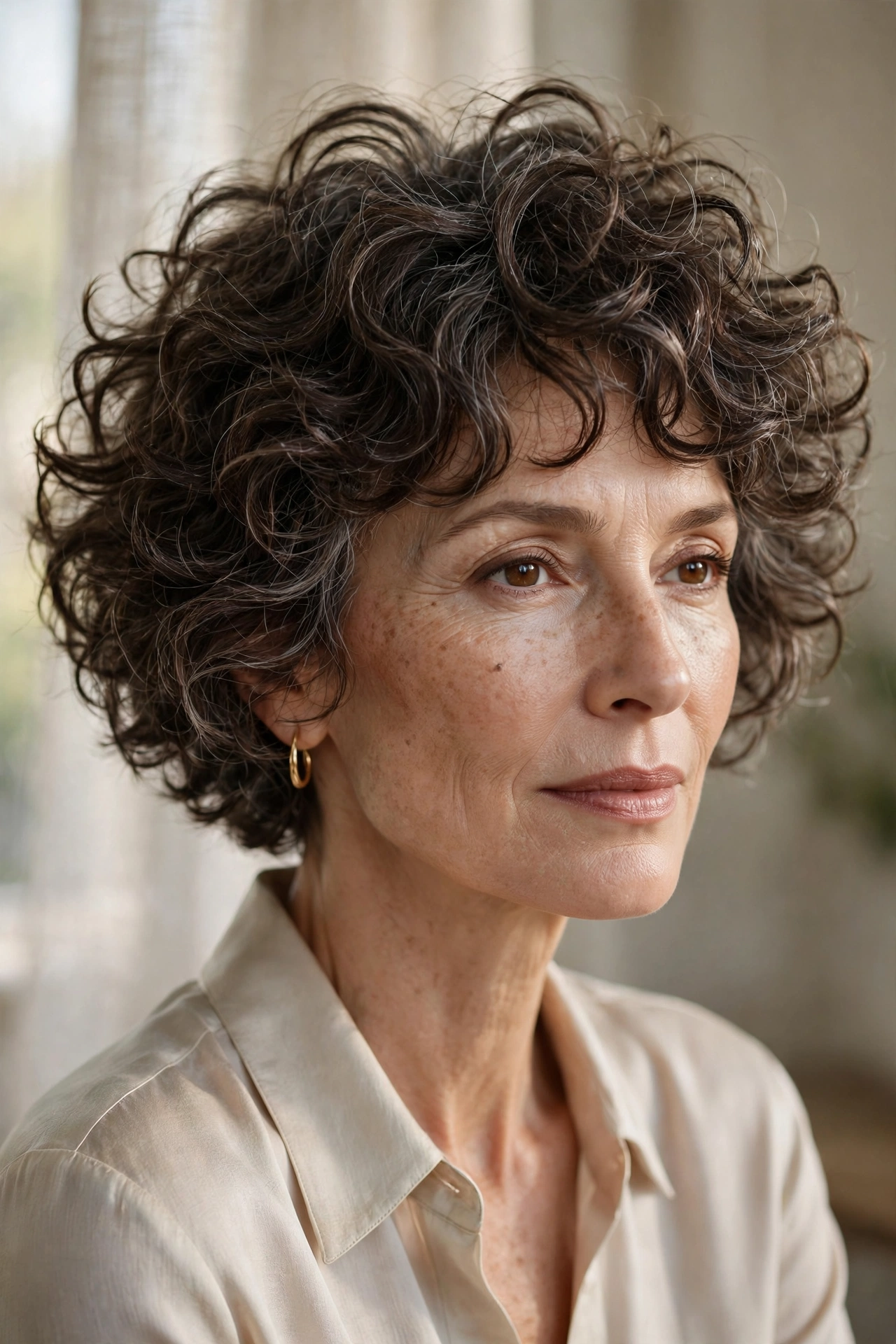
For natural curls: rounded choppy layers cut curl-by-curl so each ringlet stacks into a cloud shape instead of a pyramid. The layers are shorter on top, longer underneath — the opposite of what most stylists do, and exactly right for curls.
Try this: Diffuse upside down; the stacked layers fall into place with gravity’s help.
Ask for this: “Dry curl-by-curl cutting, rounded shape, shorter crown layers.”
Best for: 2C–3B curls that need shape without weight.
8. 🇫🇷 The Parisian Jaw Bob

Ear-to-jaw length, French-girl minimal: barely-there layers, a slightly jagged fringe, and ends that flip where they want. It’s the shortest cut here and the chicest — proof that mess scales down beautifully.
Try this: Tuck one side behind the ear; the asymmetry is the whole look.
Ask for this: “A jaw-length French bob with a jagged, piecey fringe.”
Make it yours: Keep the back slightly tapered so it hugs the head instead of widening.
9. 🪶 The Feather-Notch Bob

Fine hair’s best friend: the ends are notched with tiny feathered cuts that remove zero length but create the illusion of layers. You get movement and airiness with every millimeter of density preserved.
Try this: Root-lift spray at the crown — the notched ends need lift above them to read as texture.
Ask for this: “Feather-notched ends, no length removed, minimal layering.”
Best for: Fine, thin hair where traditional layers would disappear.
10. 🌙 The Midnight Texture Bob

A near-black choppy bob where the texture does all the talking — no color dimension needed. The dark shade makes every choppy edge and separated piece razor-visible, so the cut itself becomes the statement.
Try this: Shine serum on the ends; dark hair shows texture best when it reflects light.
Ask for this: “Choppy layers with maximum separation, kept at one deep shade.”
Good to know: Dark single-process color grows out softly under choppy layers — regrowth lines blur into the texture.
Book the “new client consultation” even if she’s your regular stylist. A messy bob is a technical cut — interior weight removal, perimeter decisions, fringe architecture. Ten extra minutes of talking before the scissors come out is the difference between “close enough” and “exactly right.”
11. 🪜 The Ladder-Nape Bob
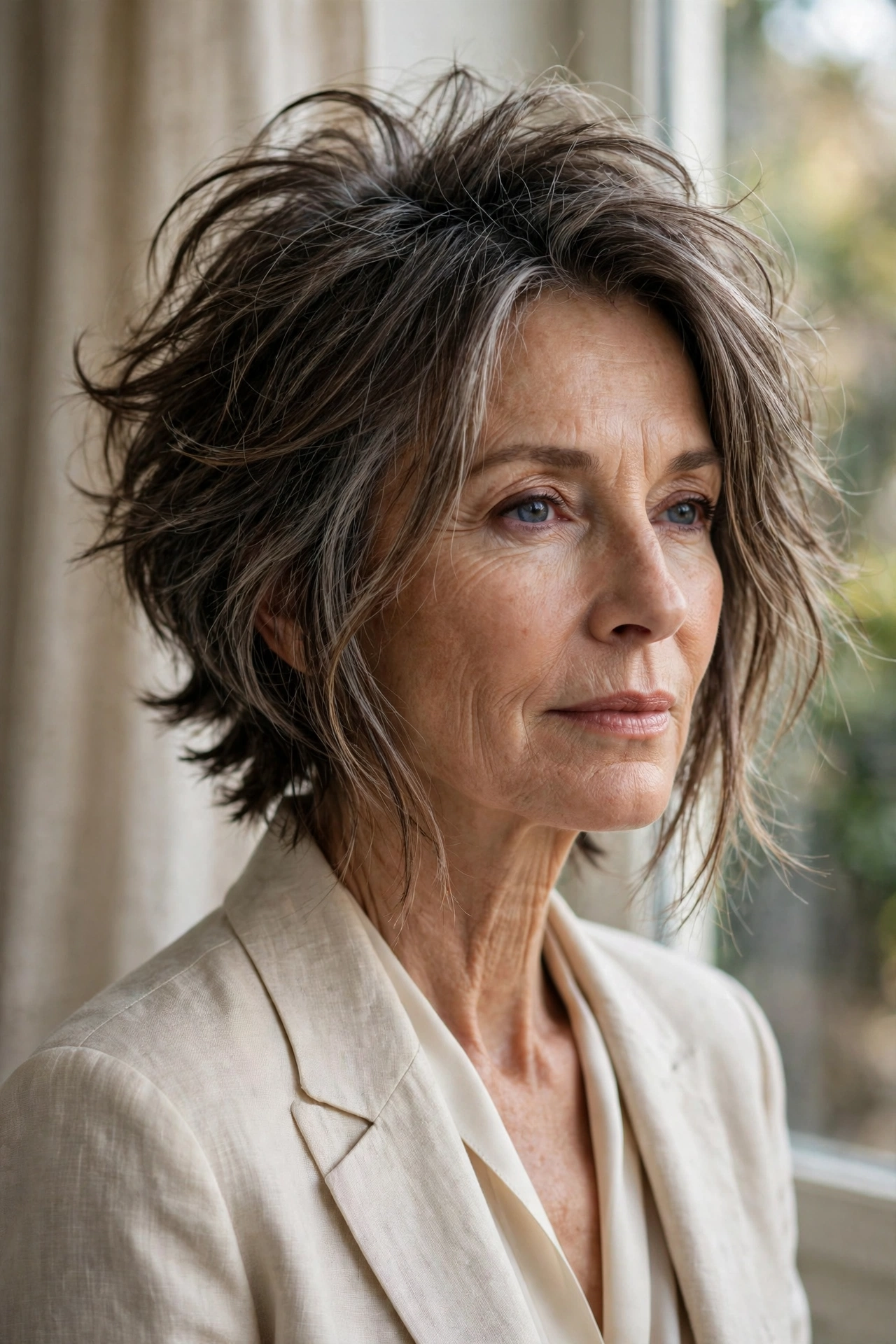
A stacked bob rebuilt for the messy era: graduated layers climb the nape like rungs, but each rung is shattered instead of smooth. You get the stacked lift without the 2000s helmet.

Try this: Mousse at the nape before blow-drying — the graduated layers need product to separate.
Ask for this: “A stacked nape with shattered, not smooth, graduation.”
Best for: Flat backs of heads that need built-in volume.
12. 🪒 The Razor-Slice Bob
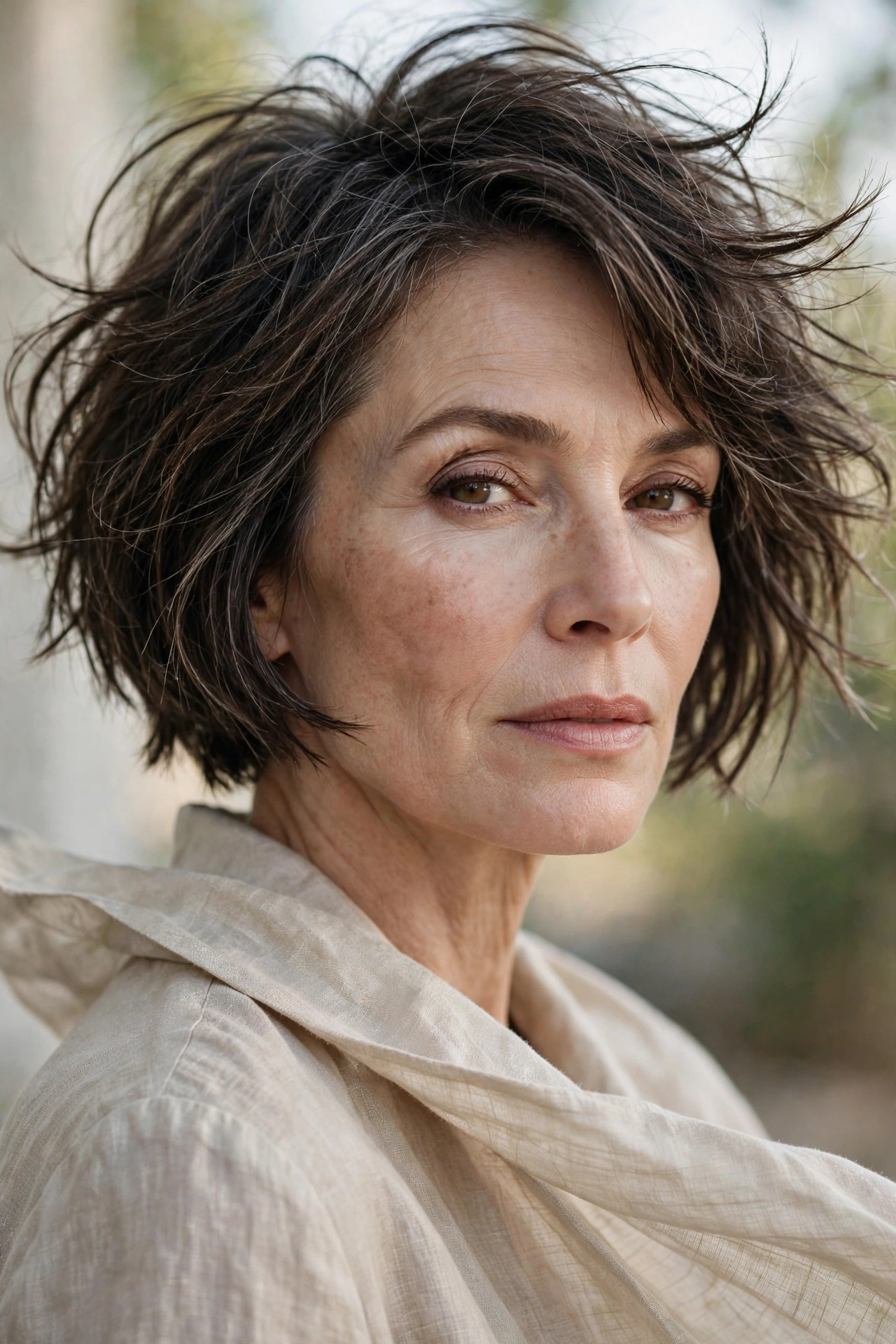
Cut entirely with a razor for the softest, most lived-in edges possible. Razor work tapers every strand so the whole cut moves like fabric — no blunt ends anywhere, just endless soft separation.
Try this: Sea-salt spray and air-dry; razor-cut hair was born for this finish.
Ask for this: “A full razor cut, soft tapered ends throughout.”
Avoid: Razor cutting on very damaged or ultra-fine hair — it can fray rather than taper.
13. 🧣 The Tuck-Behind Bob
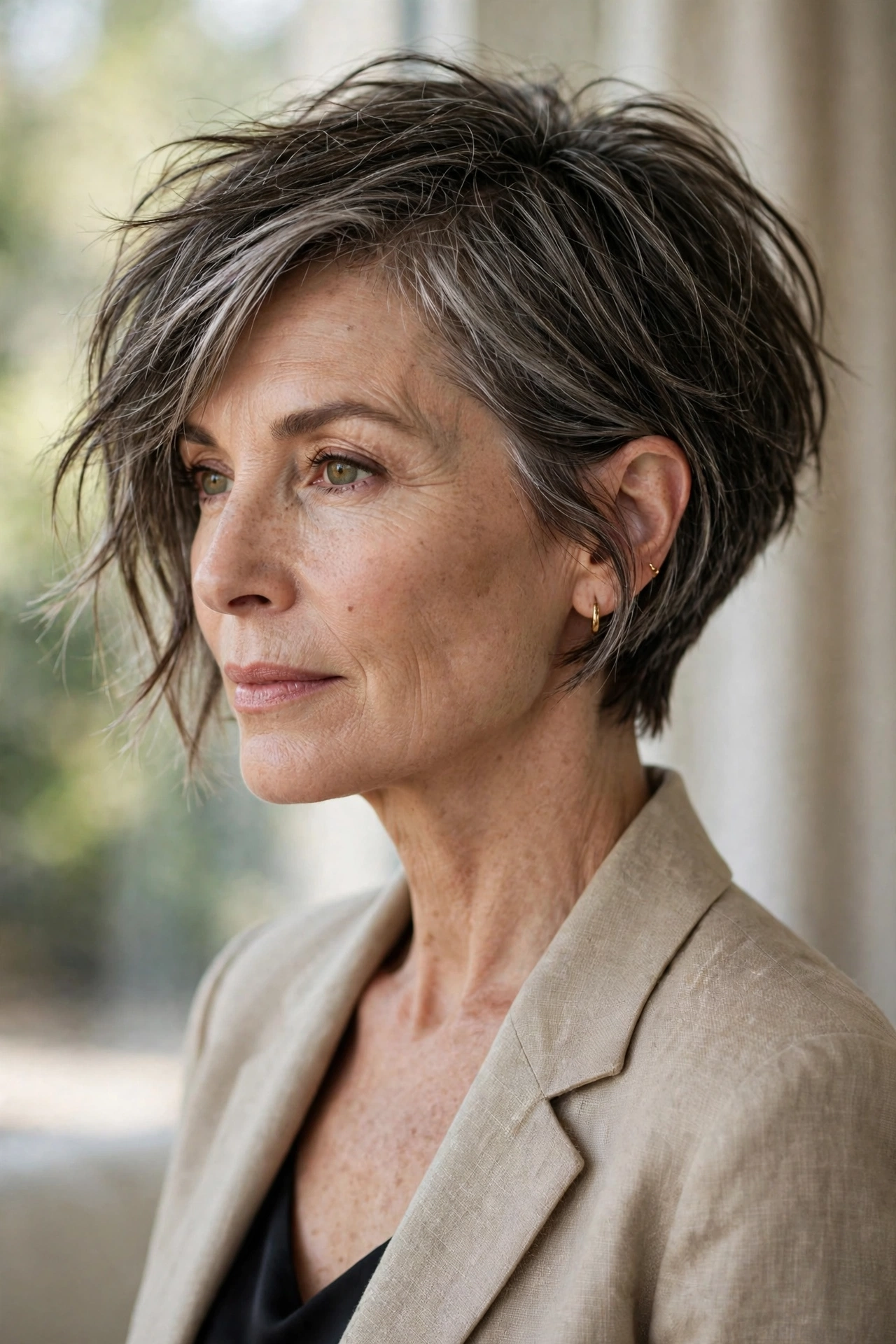
Designed around the ear tuck: longer front pieces that stay put behind the ear, a neat tapered back, and choppy texture everywhere else. It’s the office-friendly messy bob — polished when tucked, playful when loose.
Try this: Tuck the heavier side for meetings, release both sides for evening.
Ask for this: “Front pieces long enough to tuck, tapered back, choppy surface.”
Best for: Anyone who wants one cut for work and weekends.
14. 🌾 The Shag-Bob Hybrid
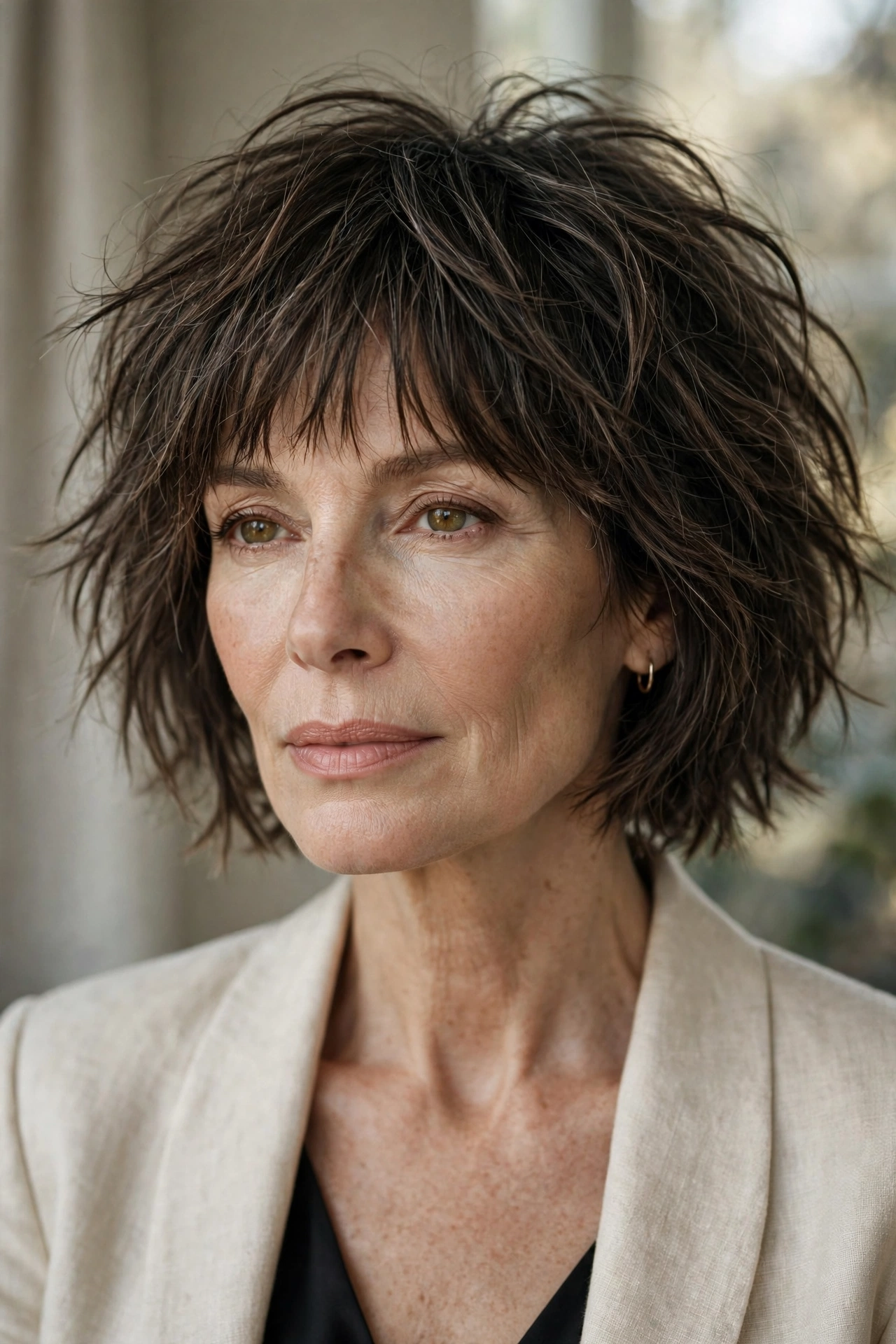
Half bob, half shag: the bob’s clean jawline outline with a shag’s wild interior layers and curtain fringe. It’s the most textured cut on this list — maximum mess, still a bob silhouette.
Try this: Diffuse or air-dry with curl cream; the shag layers need encouragement, not control.
Ask for this: “A bob outline with shaggy interior layers and curtain fringe.”
Best for: Wavy and curly hair; straight hair needs daily texture product to hold the shag.
15. 🦊 The Foxy Flick Bob

Every layer is cut to flip outward — the ends are beveled so they kick away from the face instead of curling under. The result is permanent playful movement that needs almost no styling.
Try this: A round brush flicked outward on dry hair refreshes the flip in seconds.
Ask for this: “Beveled ends cut to flip outward, light layering.”
Make it yours: Copper and warm tones amplify the flick’s retro energy.
16. 🔪 The Slide-Cut Sweep Bob
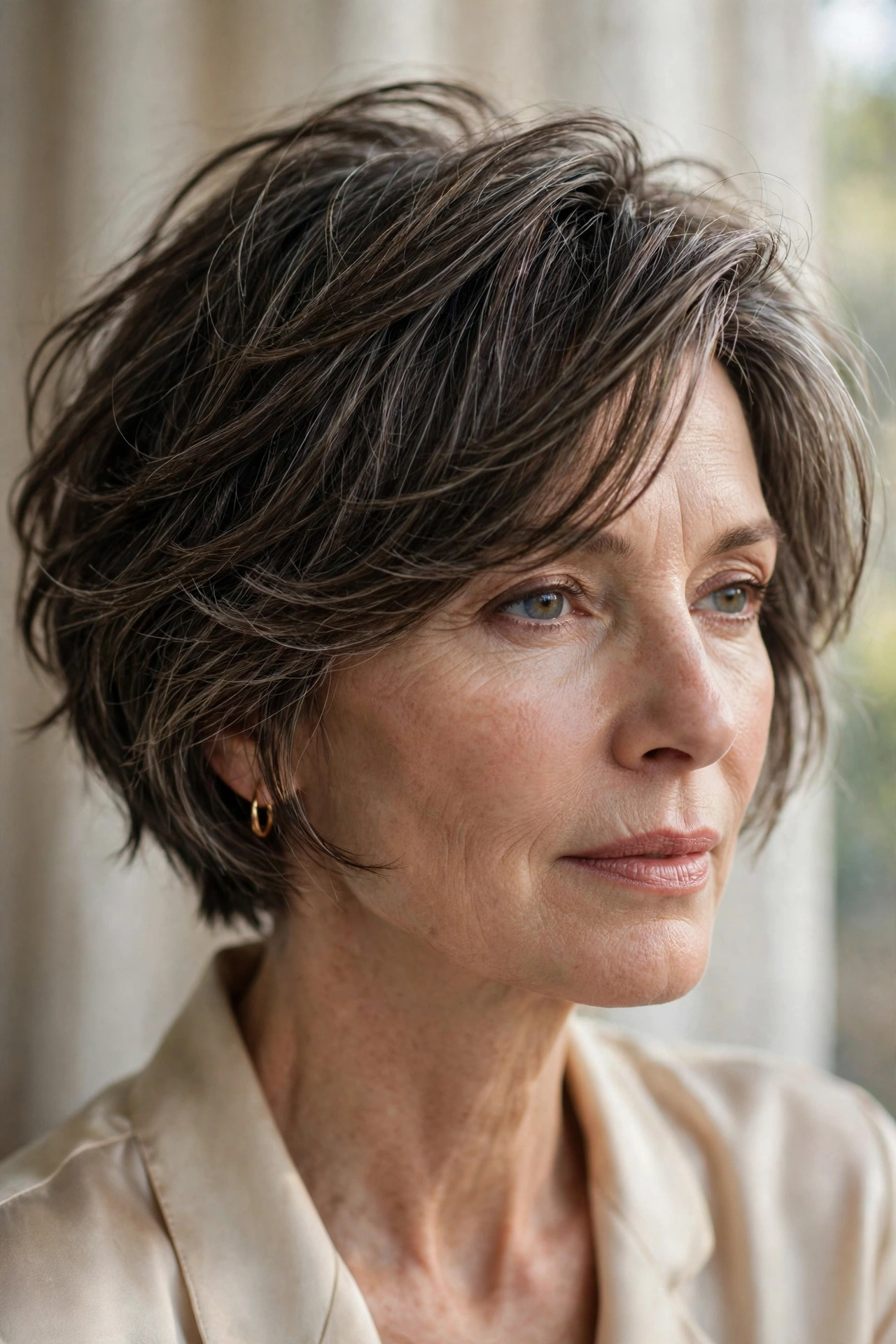
Slide-cutting — scissors gliding down the hair shaft — creates seamless, sweeping layers with no visible steps. The deep side part falls naturally into a soft sweep that looks styled with zero effort.
Try this: Flip your part to the opposite side while damp; the slide-cut layers spring into a new sweep.
Ask for this: “Slide-cut layers, deep side part, seamless blend.”
Best for: Straight hair that shows every scissor mark — slide-cutting leaves none.
17. 🍂 The Curtain-Melt Bob
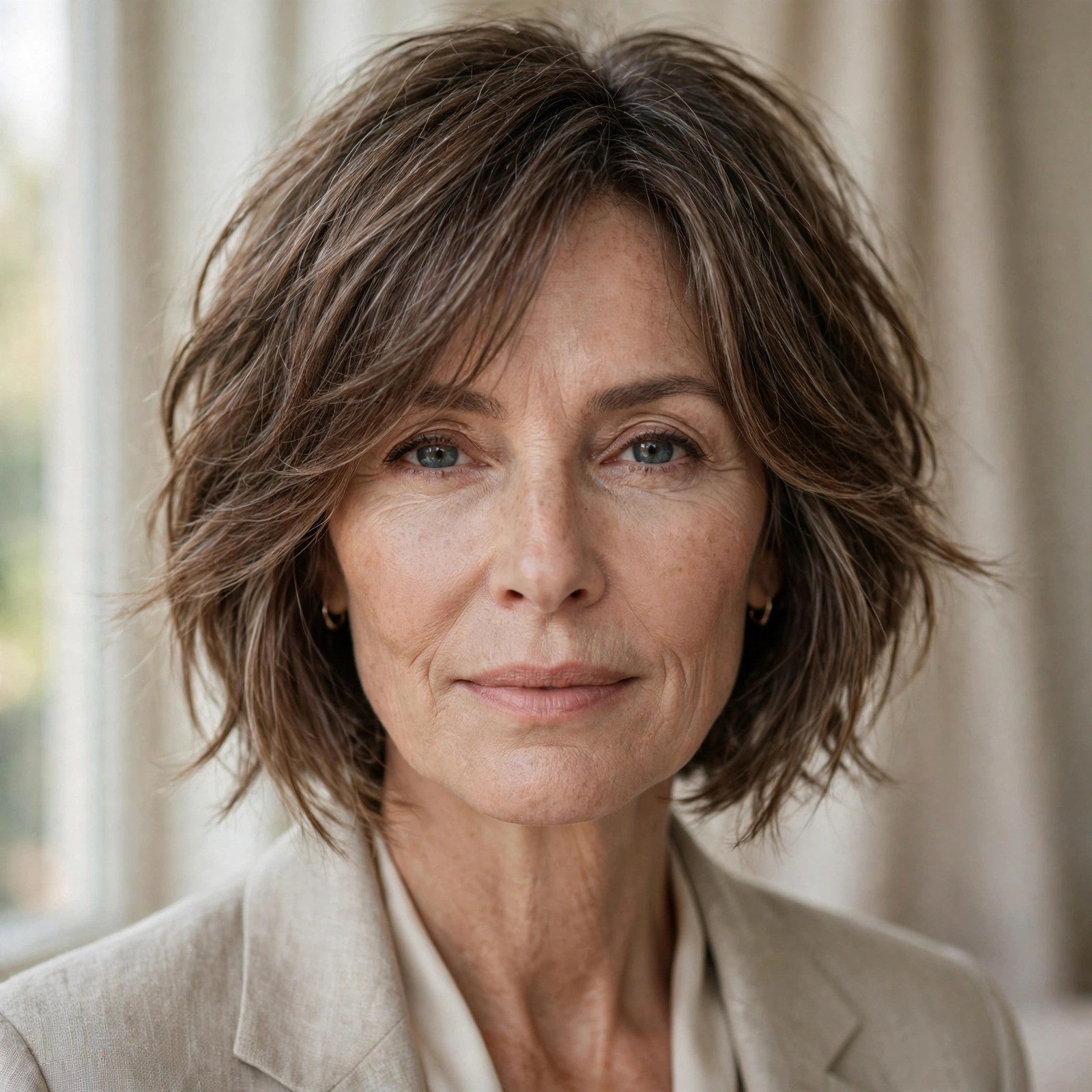
Long curtain pieces that melt into the sides with no discernible starting point — the fringe and the bob are one continuous flow. It’s the softest grow-out on this list because there’s no fringe line to maintain.
Try this: Center-part and let the curtains frame; side-part and they become face-framing layers.
Ask for this: “Curtain pieces blended seamlessly into the bob, no distinct fringe.”
Good to know: The lowest-maintenance fringe option — trims stretch to 10–12 weeks.
18. 🎸 The Grunge-Fringe Bob

A heavier, textured fringe with rough-separated ends and a slightly longer bob length. It’s the edgiest cut here — the fringe does the attitude work while the length keeps it wearable past 50.
Try this: Matte texture paste through the fringe only; keep the rest soft.
Ask for this: “A heavy textured fringe with separated ends, bob just past the jaw.”
Avoid: Cutting the fringe too short — brow-grazing keeps it modern, micro keeps it costume.
19. 🇮🇹 The Dolce Mini Bob
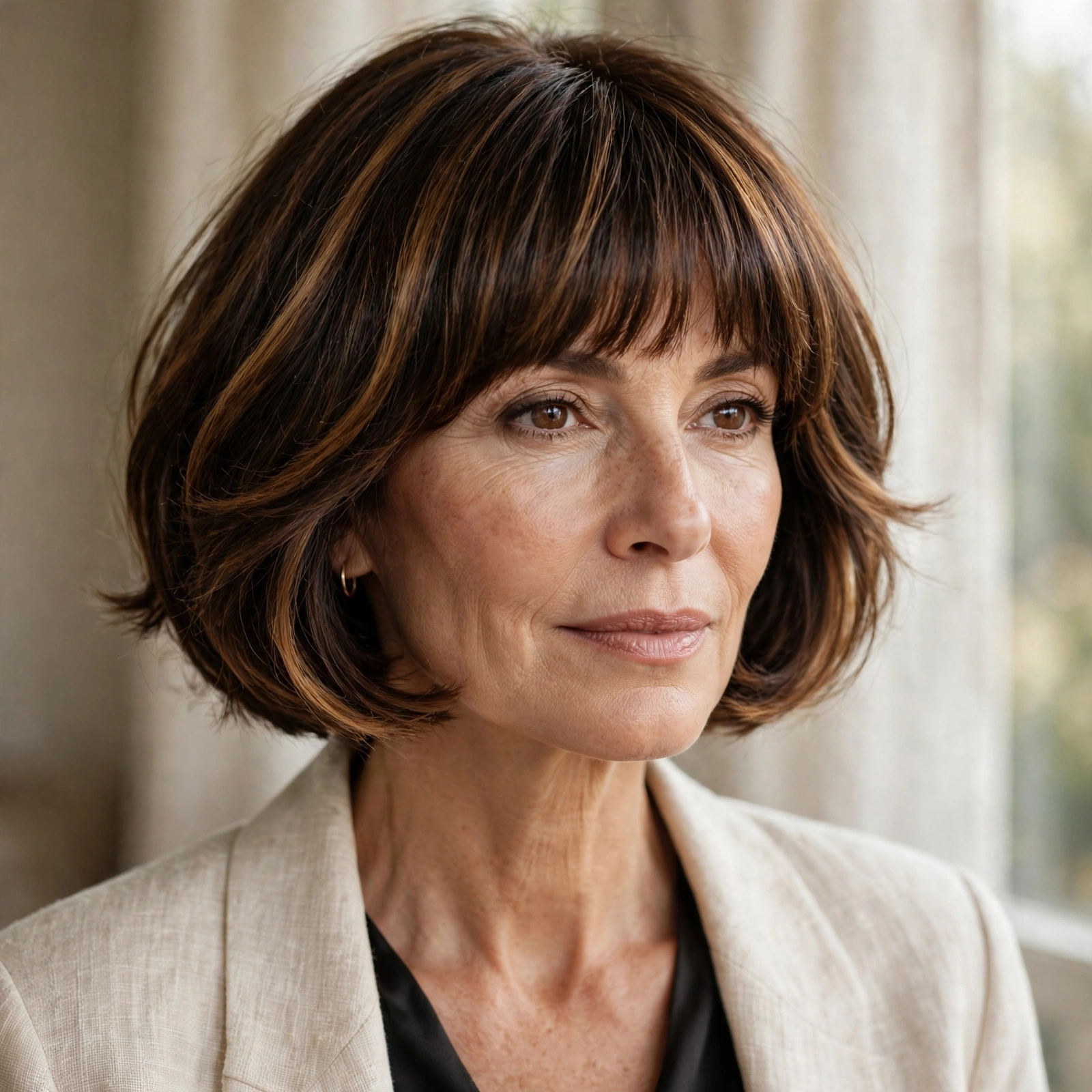
An Italian-inspired mini bob — rounded, chin-grazing, with a full soft fringe and textured (never blunt) ends. Warm brunette tones with ribbons of caramel make it glow. La dolce vita, in haircut form.
Try this: Loose bends with a medium iron, ends left slightly undone.
Ask for this: “A rounded mini bob with a full soft fringe and textured ends.”
Best for: Oval and heart faces; the rounded shape balances longer features.
💬 What to Tell Your Stylist
Walk in with this script and you’ll get the cut you actually want:
- Name the technique, not just the vibe. “Point-cut ends,” “razor texture,” “interior layers,” “slide-cut” — technique words prevent misinterpretation.
- Show 2–3 photos of the SAME cut family. One photo is a wish; three photos of similar cuts define the pattern.
- Describe your real routine. “I air-dry four days a week” should change how your stylist layers the cut. If they don’t ask, tell them.
- Point at your head, not the photo’s. “This length — right here on me” beats “chin-length,” because chins and photos vary.
- Ask about the grow-out. A good messy bob should still look decent at 8 weeks. Ask which parts will need attention first.
- Book the trim before you leave. Choppy texture grows out in 6–8 weeks; the rebooking habit keeps the cut sharp.
❓ Cut & Consultation FAQs
What’s the difference between choppy layers and regular layers?
Regular layers are blended to disappear; choppy layers are cut to be seen — point-cutting, razor work, or notching creates visible separation and texture. Choppy layers give the “messy” effect; regular layers just remove weight quietly.
Will a messy bob suit my face shape?
Yes — the cut adapts. Round faces: longer front pieces and a side part. Square faces: soft wispy layers around the jaw, no blunt lines. Heart faces: volume through the bottom. Oval faces: nearly everything works. Bring your face shape up in the consultation so the cut is placed correctly.
How often does a choppy messy bob need trimming?
Every 6–8 weeks to keep the texture sharp. The good news: messy bobs grow out more gracefully than blunt cuts, so week 7 still looks fine — just softer. Curtain-fringe versions stretch longest between appointments.
Razor cut or scissor cut — which is better for messy texture?
Razor cutting gives softer, more lived-in edges; scissor point-cutting gives more defined piece separation. Thick hair loves razor work; very fine or damaged hair usually does better with scissors. Ask your stylist which your hair can handle — a good one will be honest.
My hair is thinning — can I still get a messy bob?
Absolutely, with the right technique: feather-notched ends (idea 9), interior layers that keep the perimeter full, and no over-thinning. Tell your stylist density is the priority — the mess should come from the cut’s edges, never from removing bulk you don’t have.
📖 Keep Reading
- 15 Bob Hairstyles for Fine Hair — density-first cuts when fullness is the priority.
- 20 Brown to Blonde Balayage Ideas — the color dimension that makes choppy layers pop.
- Hottest Hair Color Trends — shades that show off texture at every age.
✅ Your Salon Checklist
- ☐ Save 2–3 photos of the same cut family on your phone.
- ☐ Learn one technique word for your cut (point-cut, razor, slide-cut, interior).
- ☐ Tell your stylist your real routine (air-dry? heat? wash frequency?).
- ☐ Point to the exact length on your own head, not the photo’s.
- ☐ Ask how the cut grows out and which part needs attention first.
- ☐ Book your 6–8 week trim before leaving the salon.
The right messy bob is a collaboration between the cut and your mornings — and the cut does the heavier lifting. Choose the technique that matches your hair, speak your stylist’s language, and enjoy the rare haircut that looks better the less you fuss over it.
Discover more from Fashinate Style
Subscribe to get the latest posts sent to your email.