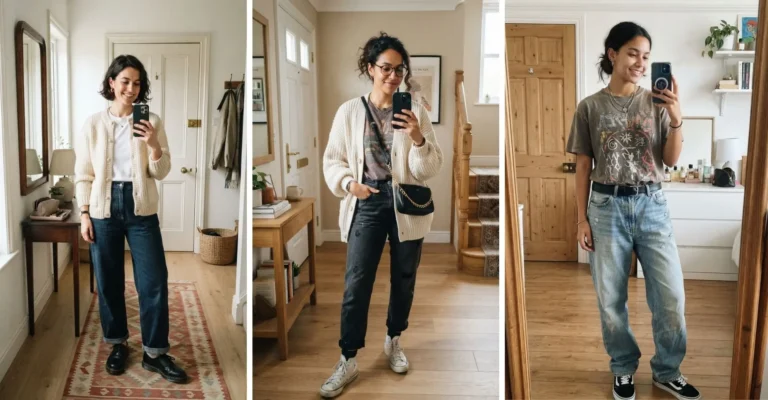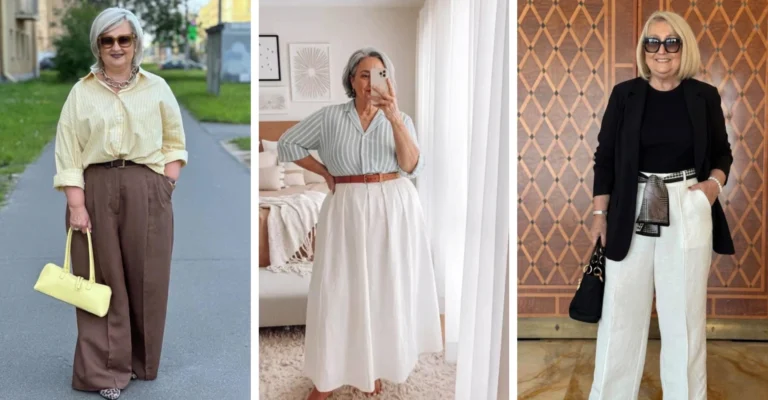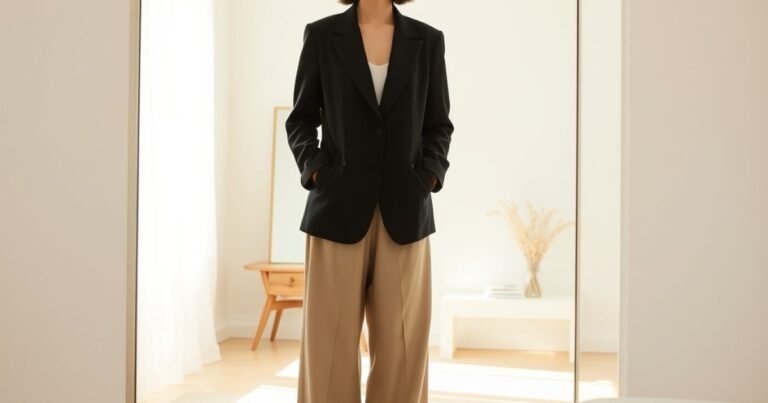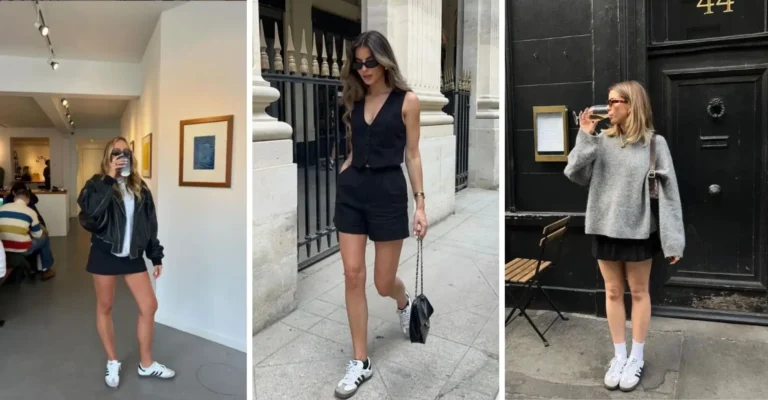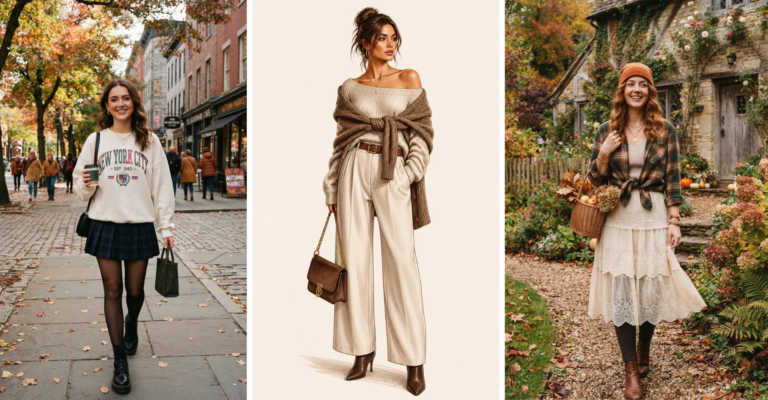

Somewhere along the way, a lot of us got handed a set of rules about what women over 50 are “supposed” to wear — and most of them were either boring, unflattering, or flat-out wrong. The truth is, dressing well at this stage of life isn’t about covering up or fading into the background. It’s about knowing which pieces actually flatter you now, which ones quietly add years, and how small swaps can make everything in your closet feel fresh again.
Maybe you’ve noticed it too: a top that used to feel sharp now reads a little tired, or a favorite outfit that suddenly looks more “trying too hard” than effortless. That’s not a sign you’ve lost your style. It usually means a handful of outdated habits — a silhouette here, a print there, a hemline that’s doing you no favors — have quietly piled up over the years. The good news is that fixing them is easier than you’d think, and none of it requires throwing out your whole wardrobe or squeezing into anything uncomfortable.
Below you’ll find 19 of the most common style mistakes women make after 50, plus the exact pieces and swaps to reach for instead. Expect real specifics: which necklines to trade in, what to do with those old matchy-matchy sets, the shoe styles that keep you comfortable without looking dowdy, and how to modernize a classic piece you already own. No hard rules, no “dress your age” lectures — just practical, doable changes that make getting dressed in the morning feel easy again.
1. Avoid: Oversized, Baggy Clothing
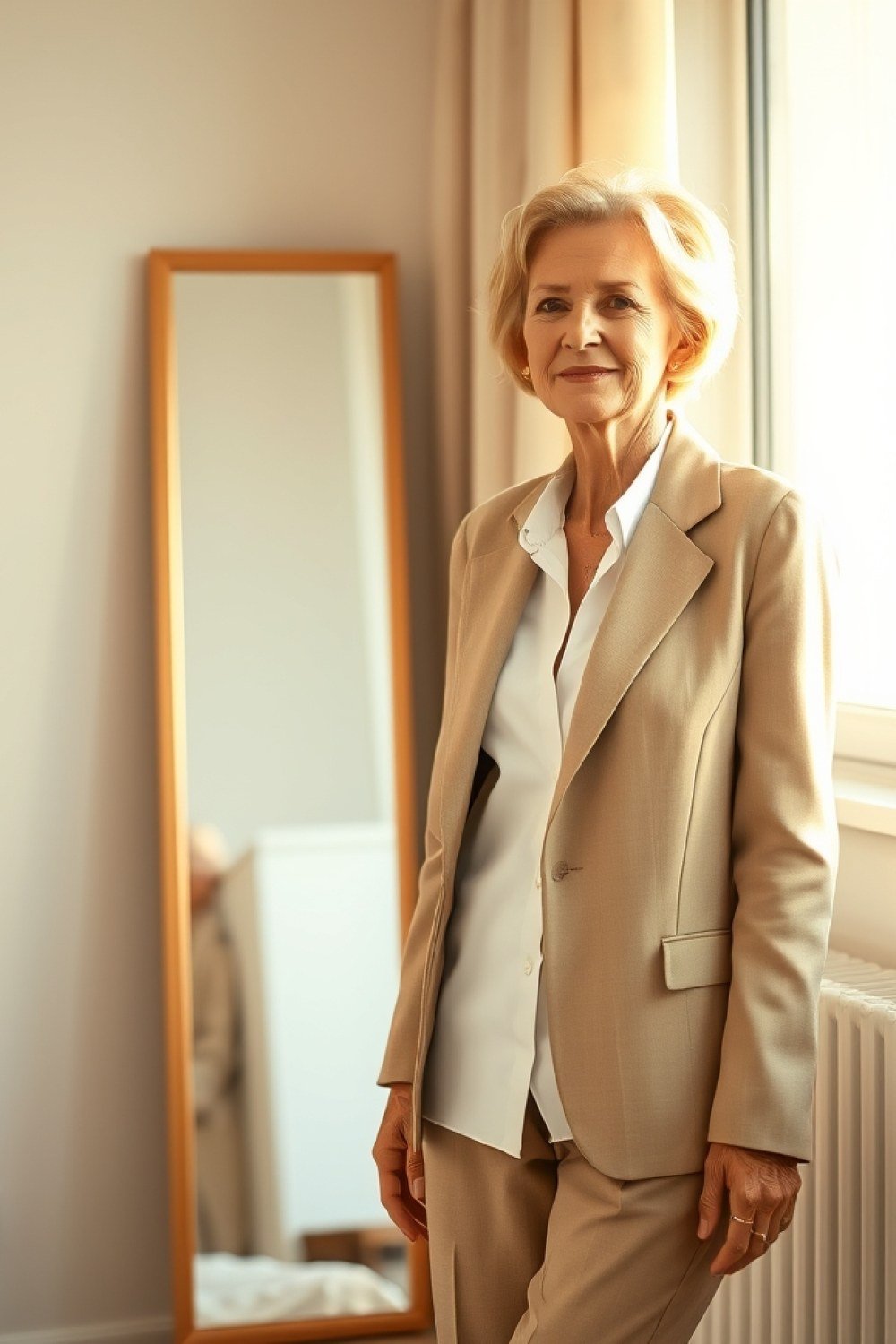
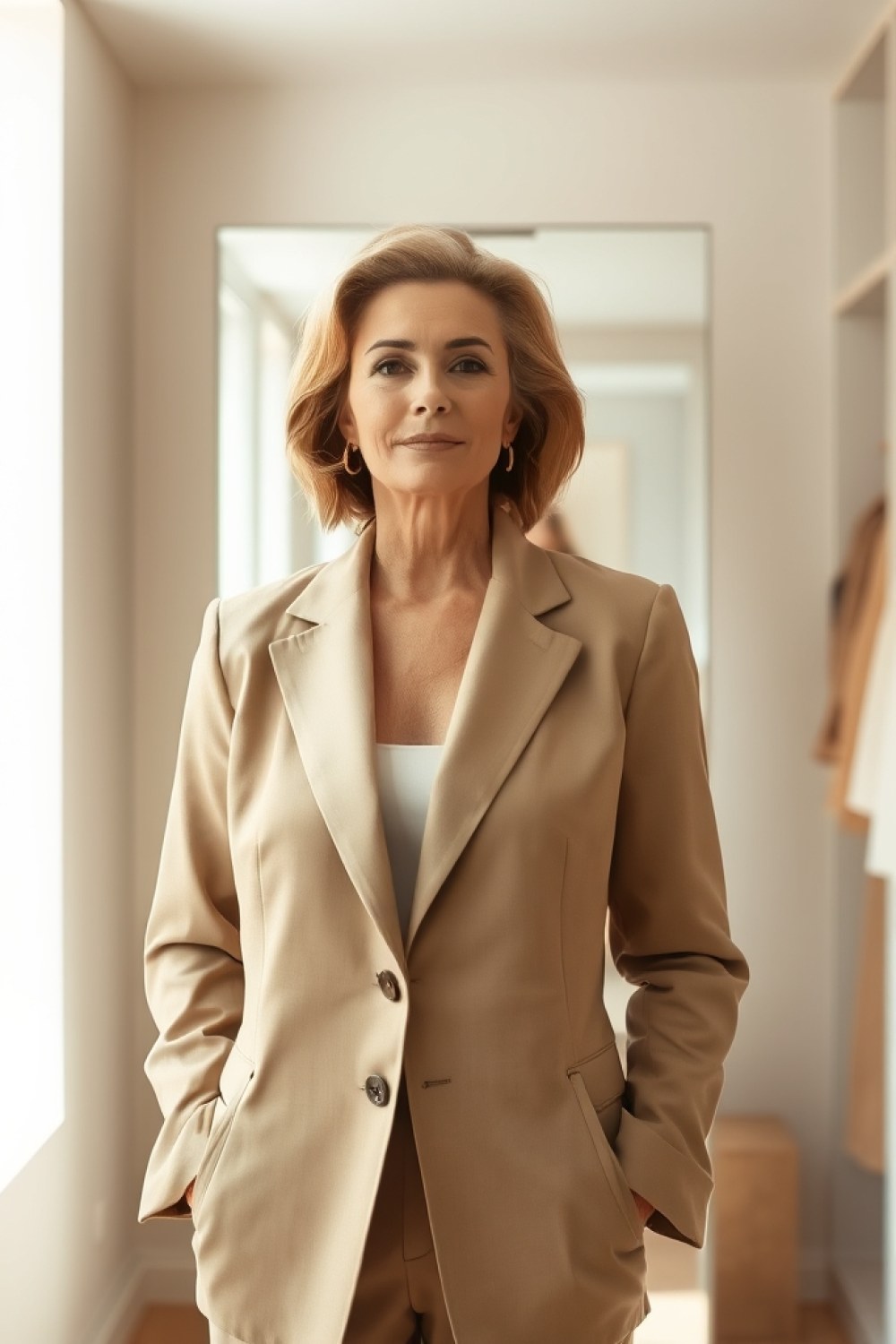
There’s a difference between relaxed and shapeless, and after 50 that difference shows up fast in photos. A tunic that hangs from the shoulder with no waist seam, a knit dress with dropped shoulders and a wide body, or pants with extra fabric through the seat all read as “fabric wearing you” rather than the other way around. Volume is fine — it just needs an anchor.
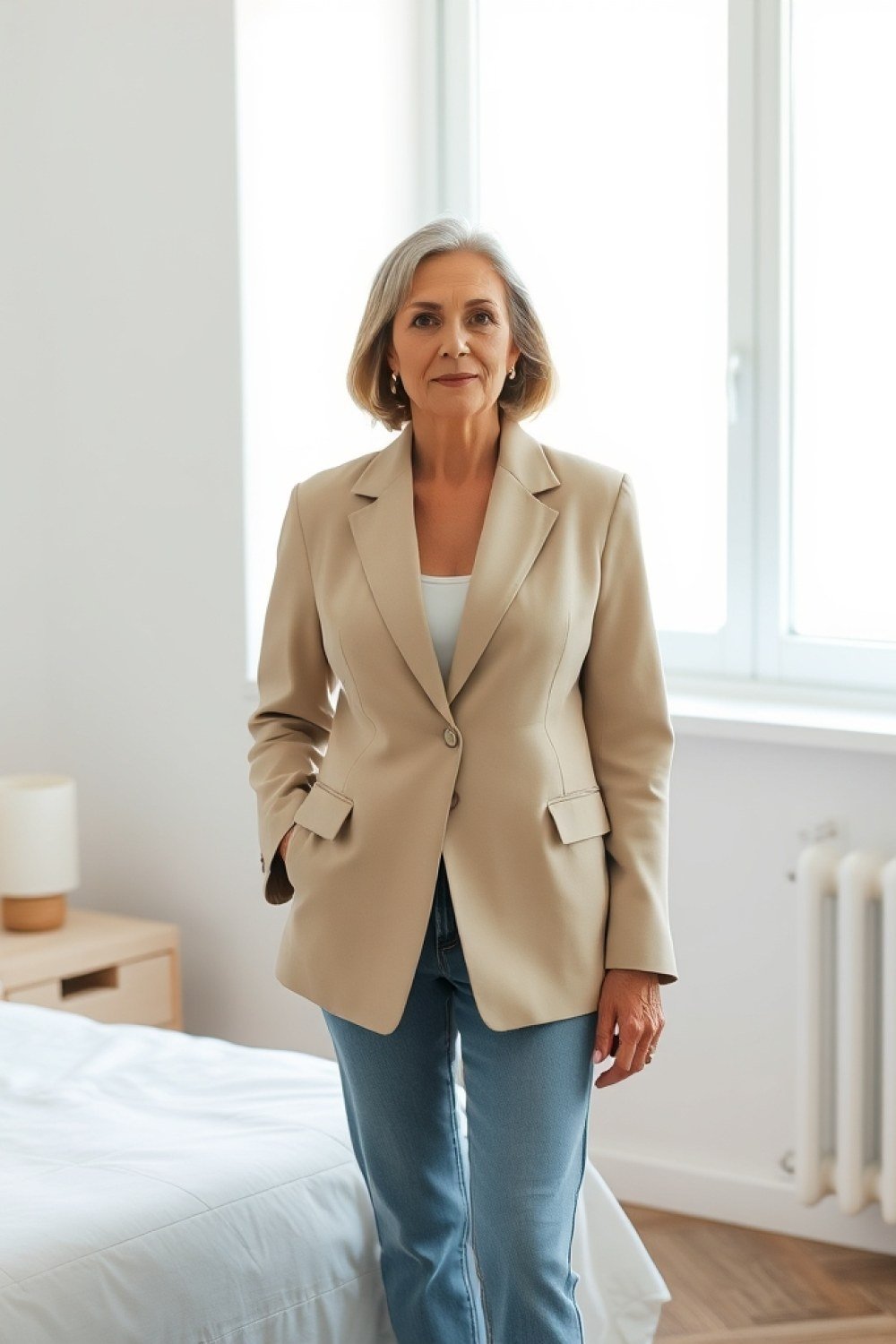
What makes tailored work is a seam or a line that follows your frame. Look for a blazer with a defined shoulder and a single-button waist, straight-leg or tapered trousers with a clean front crease, and knits with a set-in sleeve rather than a dropped one. Structured fabrics earn their keep here: ponte, wool crepe, cotton twill, firm jersey. They hold a shape on their own so you don’t have to.
This suits anyone whose shape has shifted and who wants polish without squeezing into stretch. The test: pinch an inch of fabric at your side seam. If it pulls away easily with no resistance, it’s too loose. If it grips, size up. You want it to skim.
Try this: take your baggiest top to a tailor and have the side seams taken in by 2–3 cm. It costs far less than replacing the piece and instantly shows you what “skim, not cling” looks like on your body.
2. Wear: Crisp White Button-Down
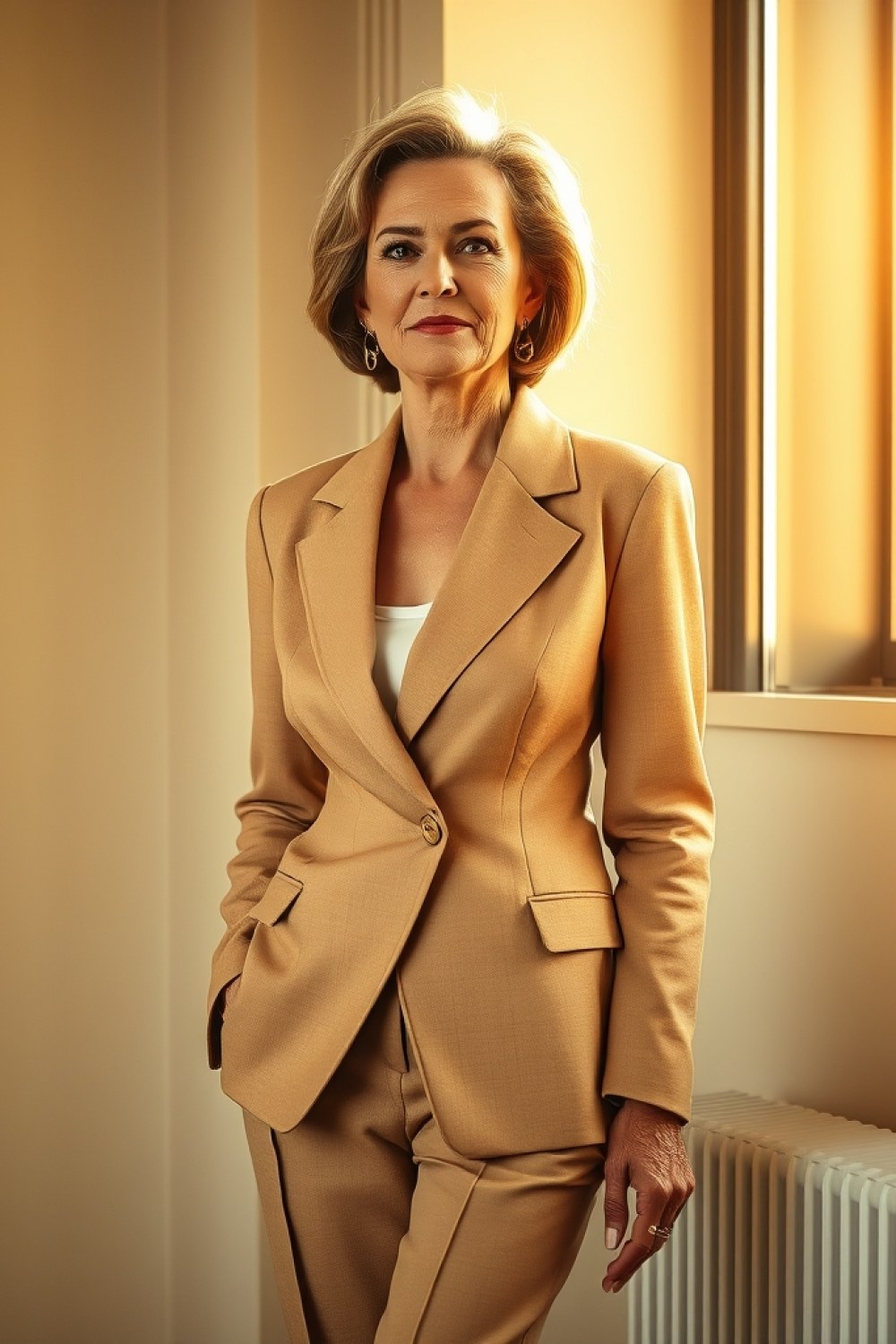
A white button-down is the single most useful piece you can own after 50, because it reflects light upward onto your face and works with everything already in your closet. The trick is getting the details right. Look for a collar that sits flat and holds its shape, a placket with real buttons rather than hidden snaps, and cuffs that reach the base of your thumb.
For fabric, 100% cotton poplin is crisp and structured; a cotton-silk blend drapes softer and feels noticeably more expensive against the skin. Skip anything with stretch that bags out by lunchtime. A slightly boxy cut works tucked into high-waisted trousers with a half-tuck at the front, or worn open over a slim knit like a light jacket.
It suits every body type and every occasion — the variation is in how you style it. Sleeves pushed to just below the elbow and rolled twice look intentional; bunched at the wrist looks undone.
Try this: buy one size up from your usual and have the waist darted. Men’s and women’s shirts are both fair game — the men’s cut often has a longer hem, which is ideal for tucking.
3. Avoid: Head-to-Toe Black
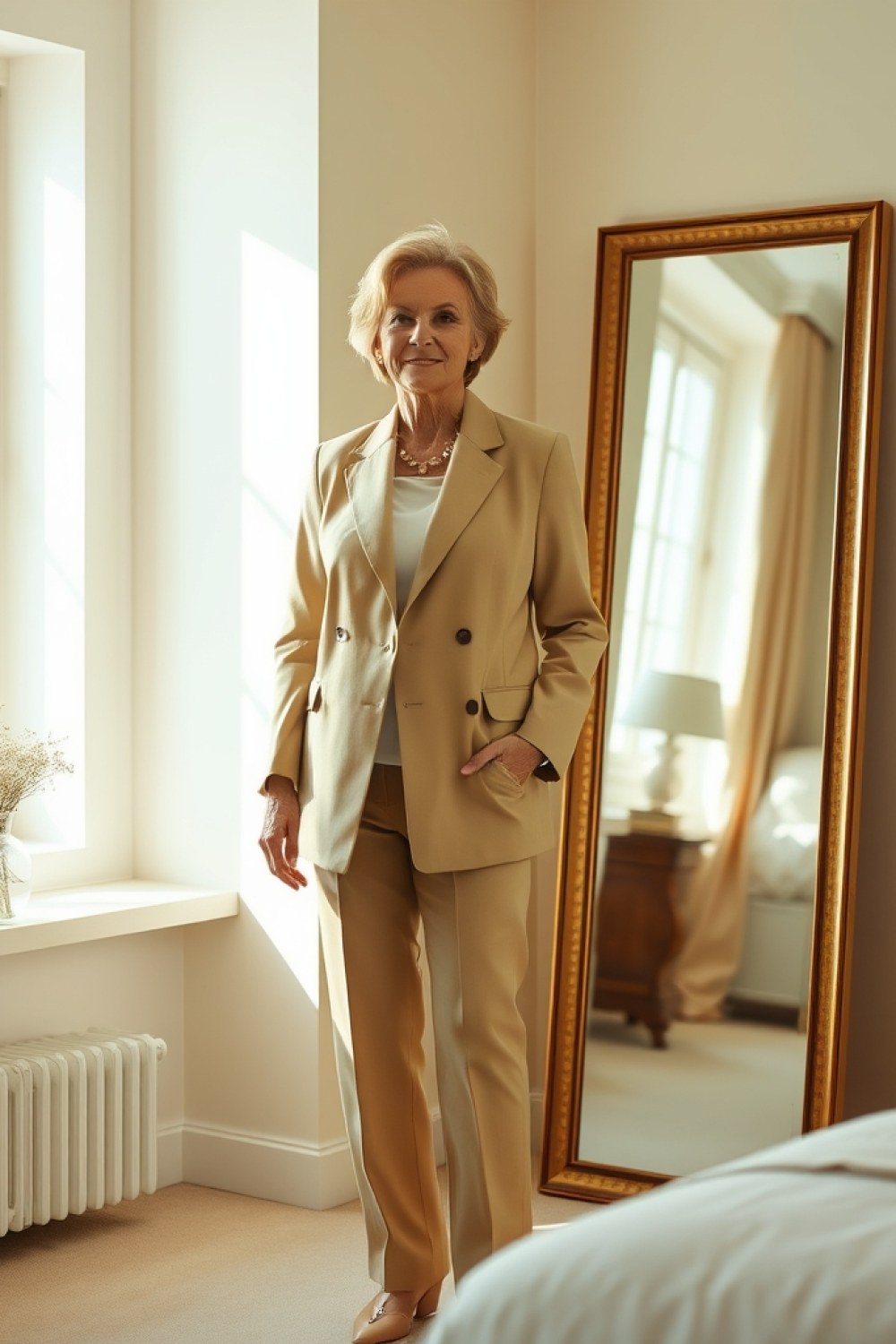
Black is flattering in theory, but a full column of it next to mature skin can create a shadowing effect — the darkness pulls colour out of your face and settles into every line. It’s not that black is off-limits; it’s that it needs company. Worn alone from collar to shoe, it reads flat and slightly severe.
The fix is breaking the column at the right places. Swap the black top for cream, oatmeal, soft white, or a muted jewel tone like teal or plum — anything near the face that lifts your complexion. Keep the black in the bottom half, where it’s genuinely flattering, or in an outer layer you can remove. If you love an all-black outfit, add a lighter scarf, a silver necklace, or a camel coat, and it transforms.
This is especially worth doing if your hair has gone silver or white. Those tones need contrast, and black next to them can look stark where navy, charcoal, or deep chocolate looks rich.
Try this: hold a black top and a cream top up to your face in daylight, one after the other, in front of a mirror. You’ll see the difference in your skin tone in about five seconds — that’s your answer.
4. Wear: Monochromatic Neutrals
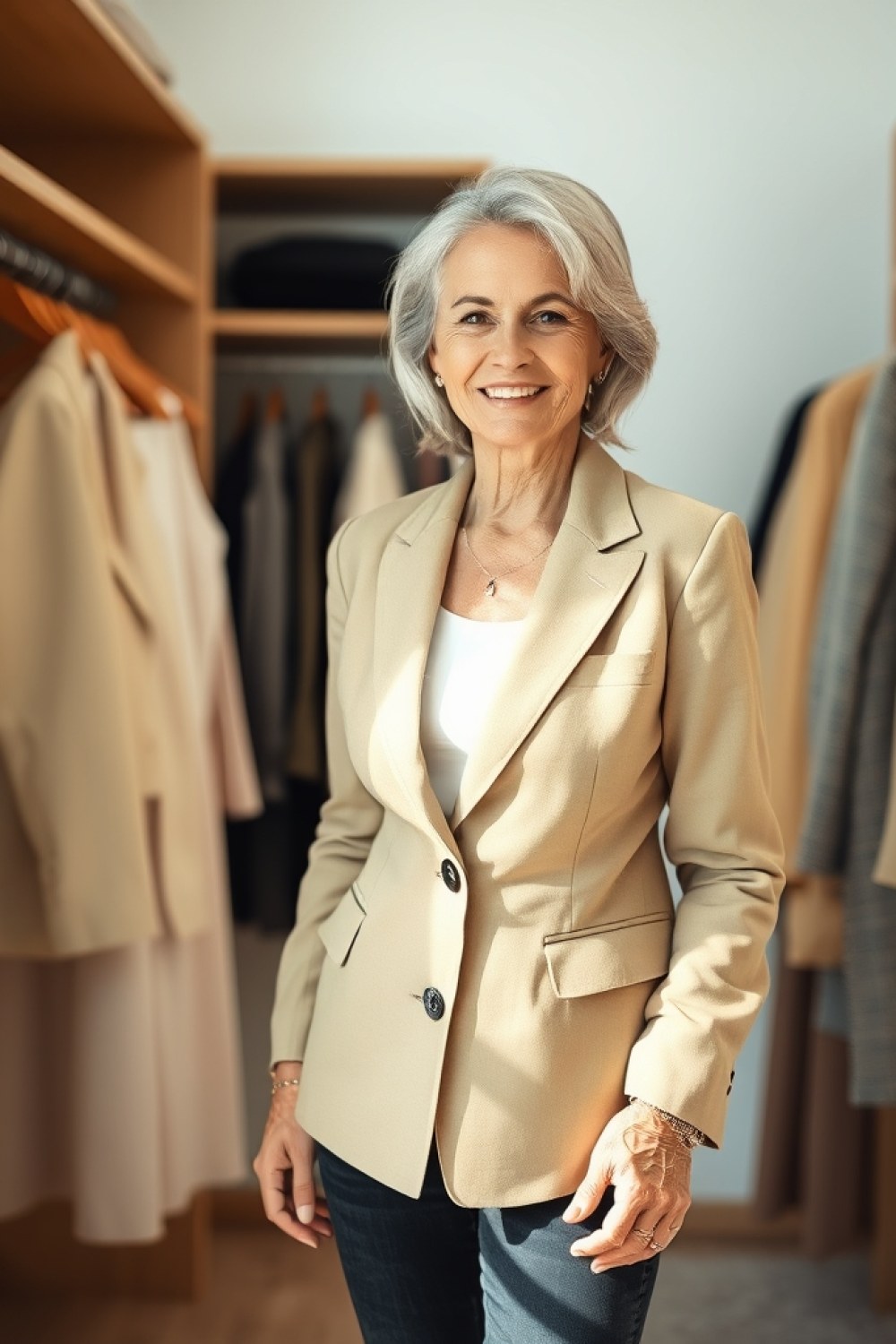
Dressing in one colour family from shoulder to shoe creates an unbroken vertical line, which makes you look taller and leaner without any effort at all. The magic shades are cream, ivory, camel, taupe, warm grey, and soft navy — they flatter mature skin better than stark white or pure black and they layer beautifully together.
The trick that keeps monochrome from looking flat is texture. Pair a ribbed knit with smooth wool trousers, or a silk blouse with a suede boot. Contrast a chunky cable sweater with fine-gauge ponte. Because the colours are close, the eye reads the textures instead, and the whole outfit looks considered rather than uniform.
This suits anyone who wants to look put-together in under five minutes. It’s the fastest route to “expensive” in the morning, and it works for travel, lunches, and anything where you’d rather not think about matching.
Try this: build a three-piece column — top, bottom, and a long cardigan or duster in near-identical tones. Keep your shoes in the same family too. The longer the unbroken line, the taller you’ll appear.
5. Avoid: Too-Short Hemlines

The issue with a mini after 50 isn’t age — it’s proportion. A hem that stops high on the thigh cuts your leg line in an awkward spot and shifts the visual focus away from your face, which is where you want attention. It also tends to require constant adjusting, and nothing looks less confident than a woman tugging at her skirt.
That said, you don’t need to retreat into ankle-grazing lengths either. The sweet spot is just at or below the knee through to mid-calf. A pencil skirt hitting the narrowest part of your calf is elegant. An A-line that lands mid-knee is easy. And if you want a little allure, a side or front slit — stopping a hand’s width above the knee — gives movement and a glimpse of leg without revealing much.
This is for anyone who still loves a bit of leg but wants to feel comfortable sitting, standing, and getting in and out of cars without a second thought.
Try this: when trying on a skirt, sit down in front of a mirror before you decide. If the hem rides up more than a few centimetres, it’s too short for real life, no matter how good it looked standing.
6. Wear: Midi Skirts and Dresses
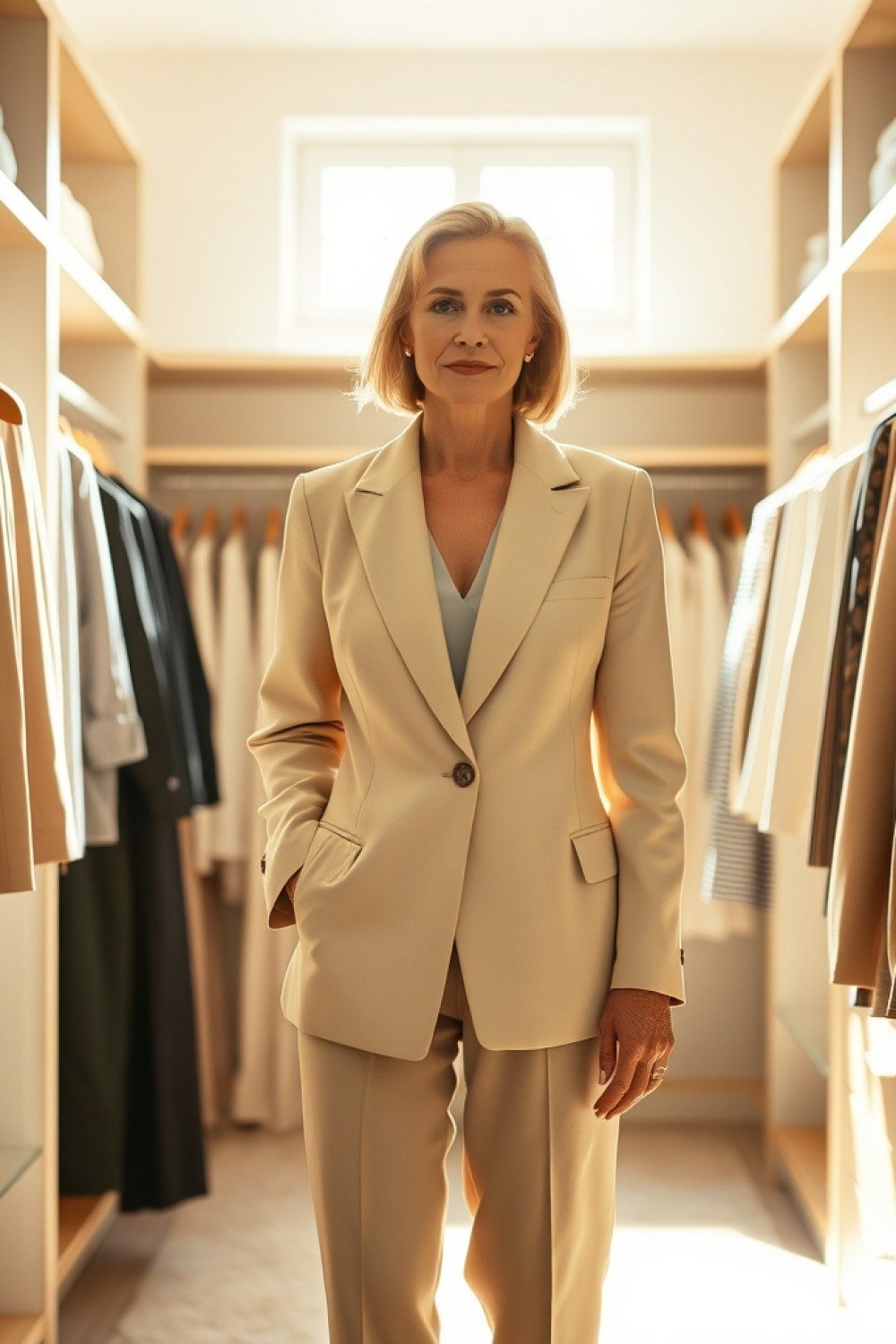
Midi — roughly mid-calf, from just below the knee to the lower calf — is the most forgiving length in fashion, and it happens to look wonderful at every age. It covers the knee, elongates the leg, and moves beautifully when you walk. A pleated midi in a fluid fabric with a fitted top tucked in is one of the most reliable outfits you can own.
Pair it with a slim knit or a tucked blouse to keep the volume balanced. If you prefer a dress, a wrap style is your best friend: the diagonal crossover creates a waist, the V-neck lengthens the neck, and the tie adjusts to your exact shape, which matters as measurements change. A shirt dress with a fabric belt works the same way.
This works for the office, dinners, weddings, and travel. For shoes, a pointed flat or a low block heel keeps the line clean — a chunky round toe can shorten the look.
Try this: look for a midi with a defined waist seam rather than a straight cut. If you can’t find one, add a slim leather belt in the same tone as the skirt and the whole silhouette snaps into place.
7. Avoid: Overly Trendy Pieces
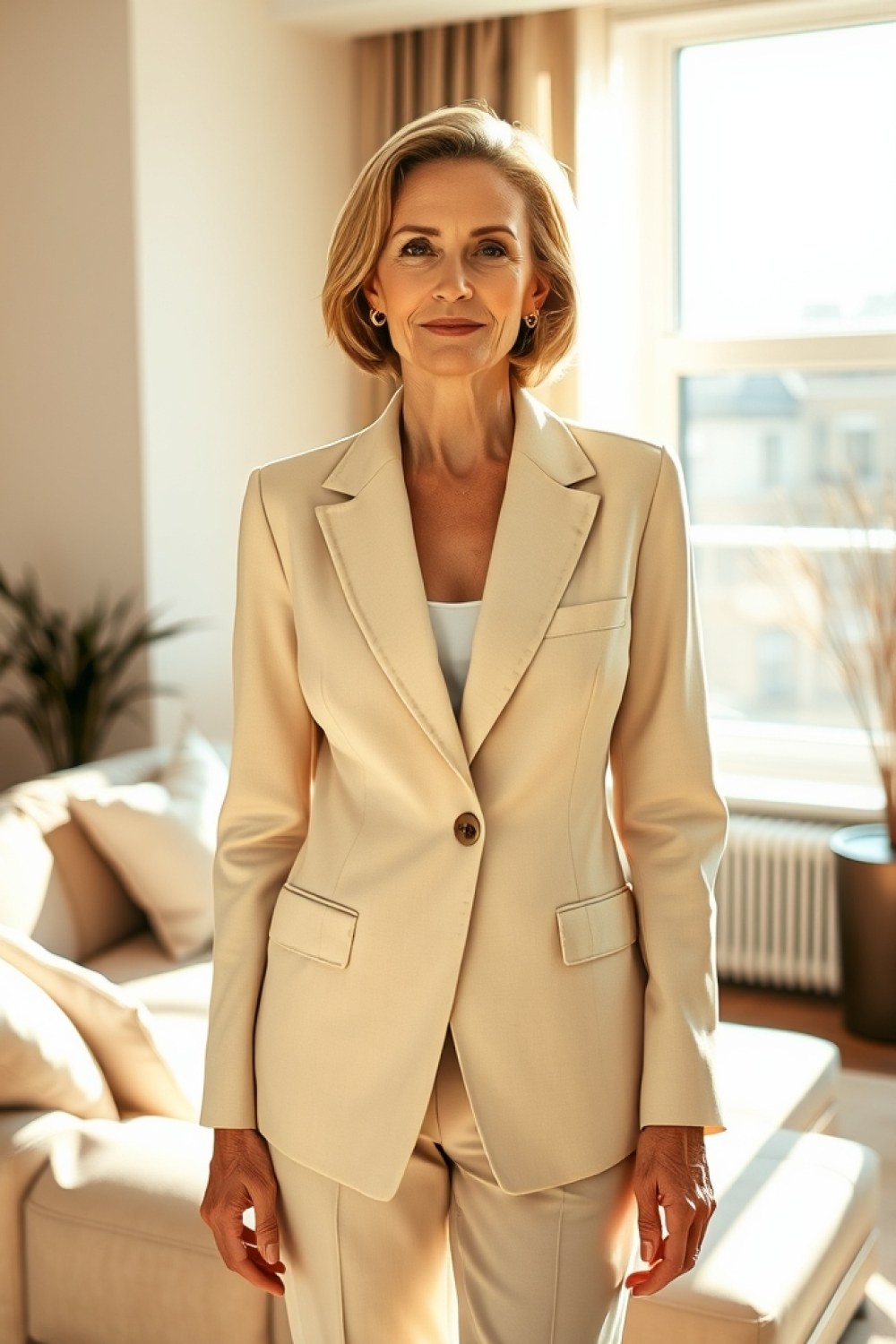
That neon cutout top you saw on every influencer last month? By autumn it will read as “trying too hard,” and the cutouts won’t flatter a body that’s earned its curves. Fast-moving trends — micro-minis, logo-heavy belts, barrel-leg jeans, sheer mesh layering — date themselves within a season, and buying into all of them at once makes your wardrobe look borrowed rather than lived-in.
The fix isn’t swearing off trends entirely; it’s editing ruthlessly. Pick one or two per season that genuinely suit your colouring, your shape and your daily life. If wide-leg trousers are having a moment, try them in a charcoal wool rather than lime green vinyl. If metallics are trending, choose a bronze silk blouse you’ll wear to dinner, not a sequinned jumpsuit you’ll wear once.
Your tip: before buying any trend piece, ask whether it works with at least three things already hanging in your wardrobe. If not, leave it on the rail.
8. Wear: Timeless Classics with a Twist
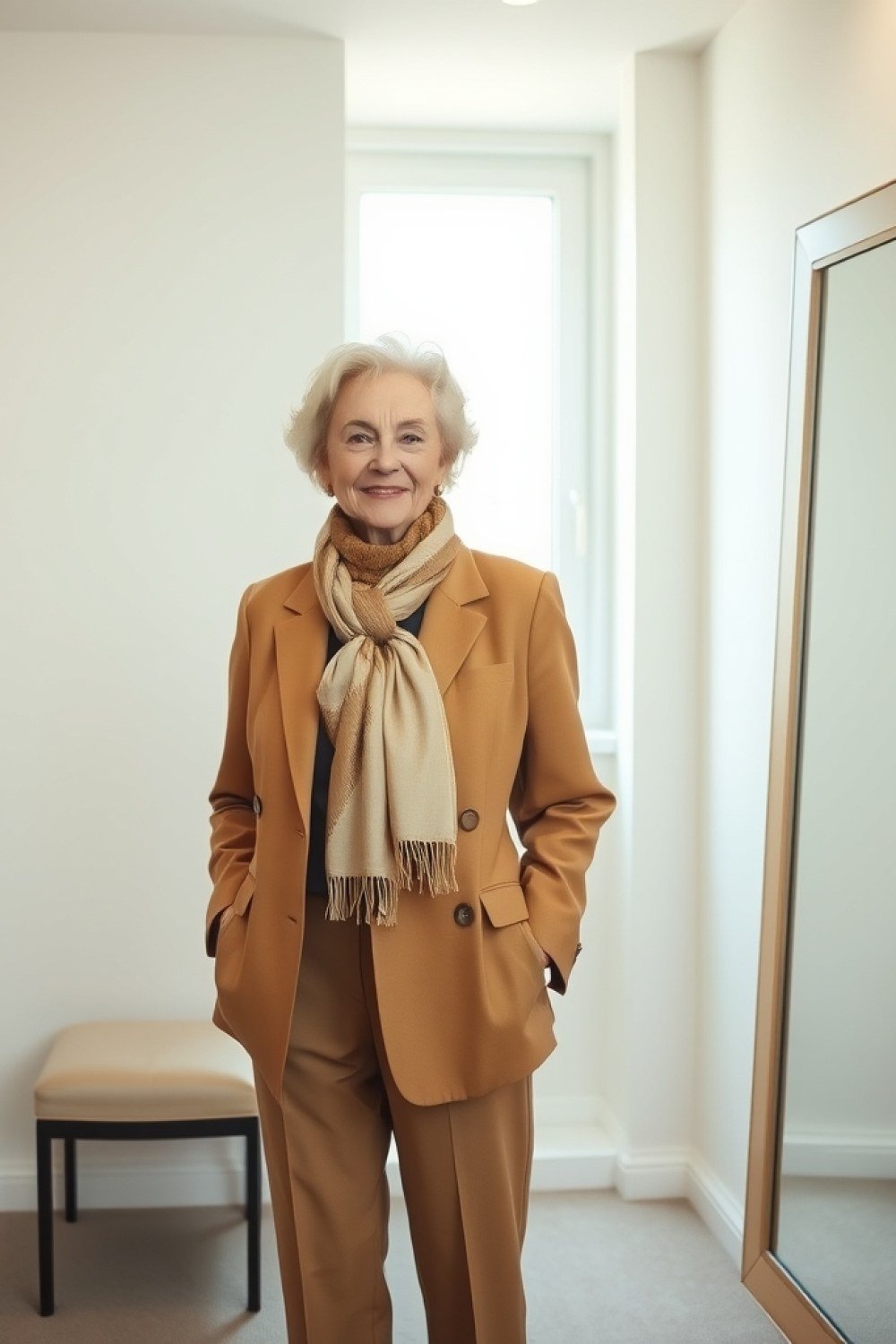
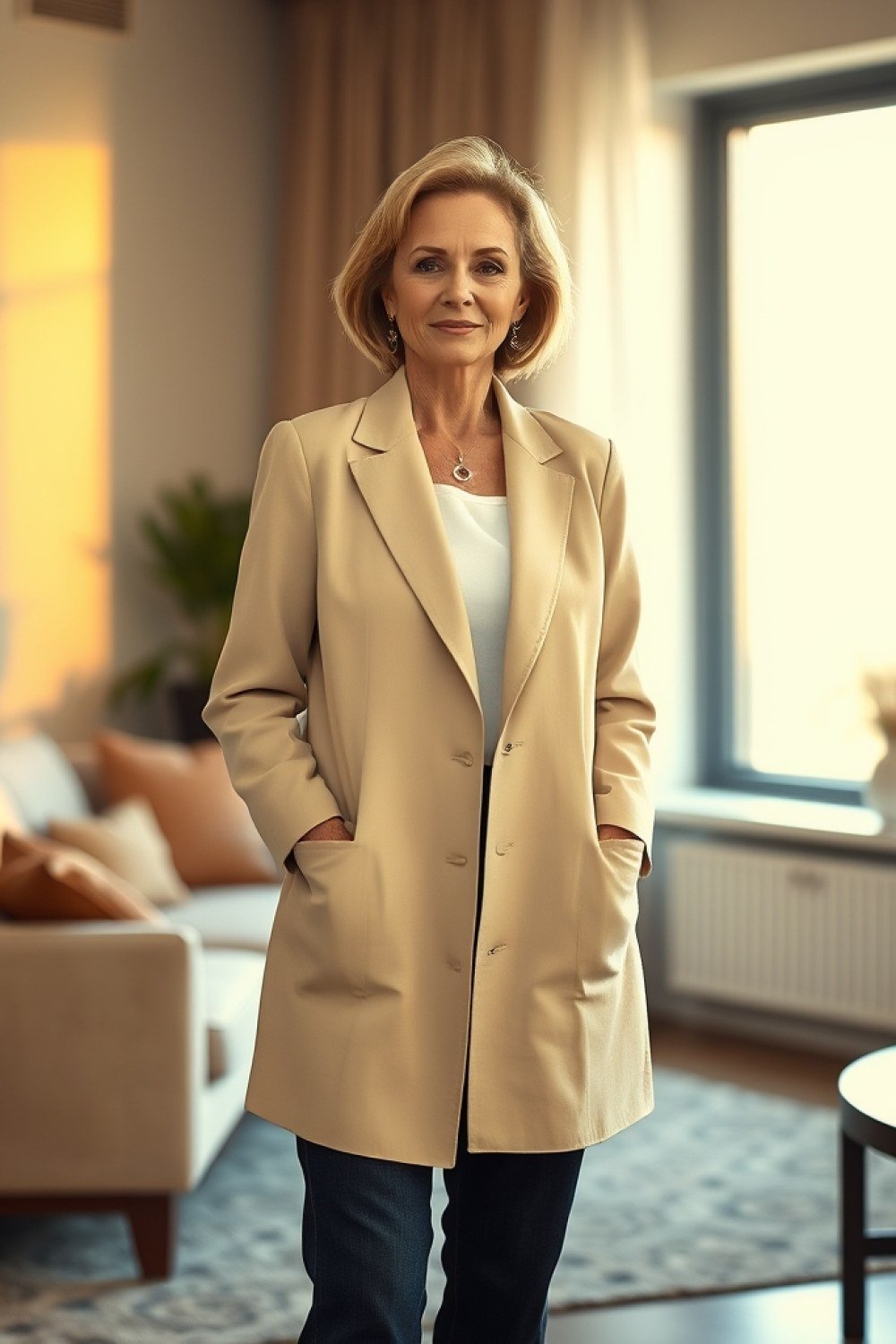
A classic trench, a cashmere crewneck, a well-cut blazer — these are the pieces that quietly carry a wardrobe for a decade. What keeps them from looking dusty is a single, deliberate update: the trench in deep olive or burgundy instead of beige, with a slightly oversized lapel; the cashmere in a relaxed boyfriend cut rather than a boxy crew; the blazer with a subtly longer line or a softer shoulder.
Look for one modern detail per piece — a horn toggle instead of a plain button, a cuff that rolls, a hem that dips at the back. It signals you’re current without shouting. This approach suits women who want to buy less and wear more, and it works especially well if your style is understated and you’d rather be noticed for looking polished than loud.
Your tip: when shopping classics, check the fabric content first — a 90% wool trench will outlast and out-style three polyester versions, so spend there and save on trend pieces.
9. Avoid: Stiff, Uncomfortable Shoes
Thin-soled ballet flats, needle-thin stilettos and rigid leather loafers that need “breaking in” aren’t just painful — they change how you walk. When your feet hurt, you shorten your stride, grip with your toes and shift weight into your lower back. Over time that shows in your posture, and nothing undoes a lovely outfit faster than a grimace.
The problem is rarely the heel height itself; it’s the lack of cushioning, a narrow toe box that crushes your metatarsals, or a sole so thin you feel every pavement crack. Look instead for footwear with arch support built in, a toe box wide enough to wiggle your toes, and a sole with genuine shock absorption. Soft, glove-like leather helps too — shoes that mould to your foot rather than fight it.
Your tip: shop for shoes in the late afternoon when your feet are at their largest, and walk at least ten paces on a hard floor before committing.
10. Wear: Low Block Heels or Chic Flats
A block heel of 4–6cm (about 1.5–2.5 inches) gives you height, a longer leg line and real stability, because the wide heel distributes your weight instead of concentrating it. It reads polished with tailoring and graceful with dresses, and it won’t sink into grass at a garden party. Pair a nude block heel with cropped trousers and your legs look endless.
If heels aren’t for you, a pointed-toe flat does the same elongating work — the point draws the eye forward and makes the foot look narrower than a round or square toe. Choose one in soft leather or suede with a padded insole. Clarks, Naturalizer, Vaneli and FitFlop all make genuinely stylish versions now, including metallic points, woven slingbacks and low wedges.
Your tip: match your shoe tone to your bare leg or tights rather than to your outfit, and you’ll add visual length without wearing a single inch of heel.
11. Avoid: Excessive Ruffles and Bows



Ruffles, bows, pintucks, lace trims and peplums are charming in isolation, but pile them onto one garment and the effect tips from romantic to fussy — and fussy reads young, not youthful. Add a busy floral print on top and the whole look becomes noisy, with no clear focal point for the eye to rest on.
Bows are the biggest offender because they land right at the neckline or waist, exactly where you want clean framing. A single deliberate bow on a silk blouse, tied loosely and left slightly undone, is stylish. A bow plus ruffled sleeves plus a peplum hem is a costume. The same goes for lace: an all-over lace dress can look lovely, but lace trim on a ruffled collar on a patterned jacket is three ideas competing.
Your tip: wear one soft, feminine detail at a time, and balance it with something structured — a bow blouse with a sharp blazer, or ruffled sleeves with tailored straight-leg trousers.
12. Wear: Clean Lines and Subtle Details
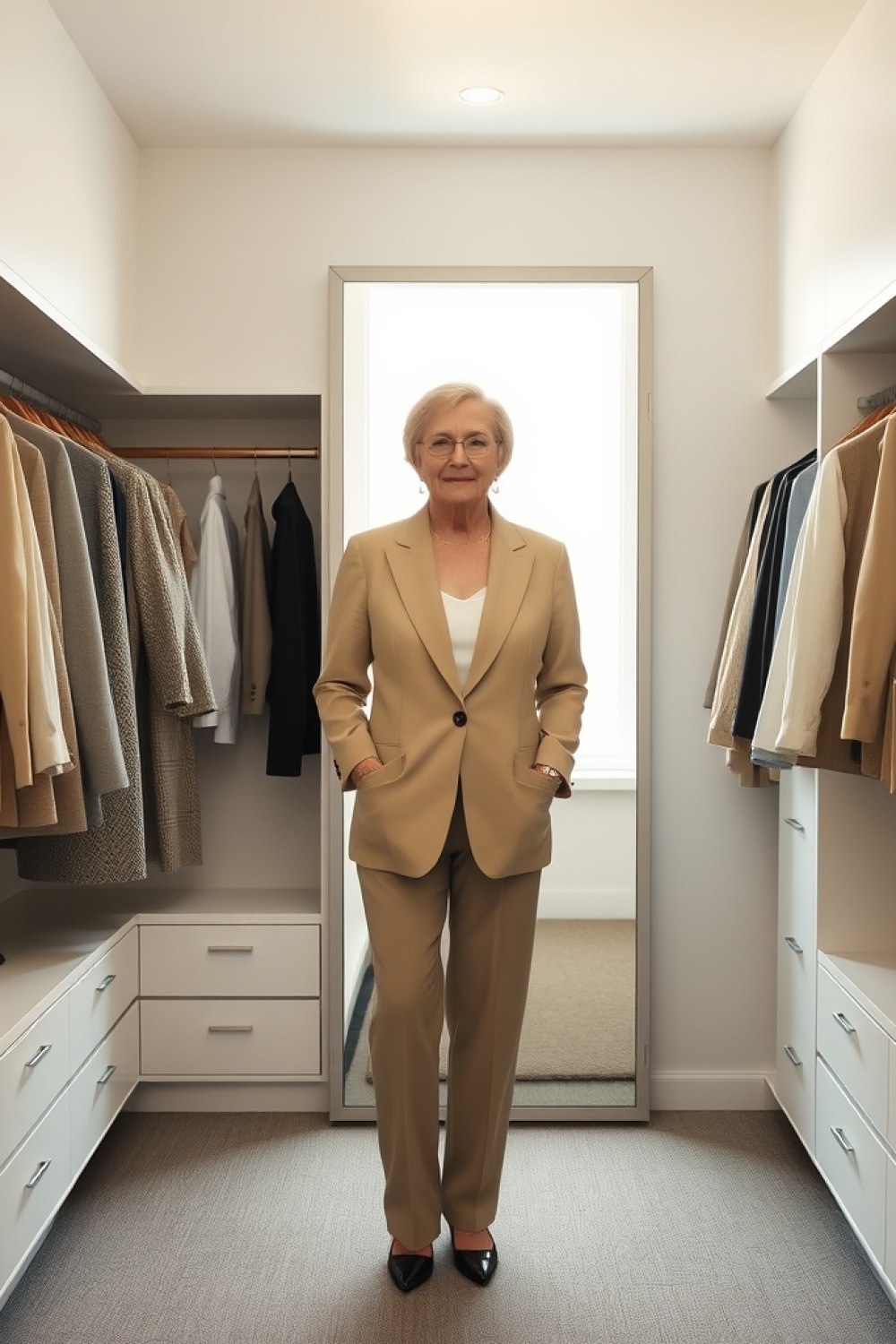
Clean doesn’t mean boring. The pieces that flatter most after 50 are simple in silhouette but interesting in construction: an asymmetrical hem that angles across the body, a single deep pleat down a skirt, an unexpected seam running diagonally across a knit, a split cuff on a sleeve. These details create movement and draw the eye vertically, which is quietly slimming.
Look for a V or subtle scoop neckline rather than a high crew — it lengthens the neck and gives jewellery somewhere to sit. A column of one colour, say a navy knit and navy trousers in slightly different textures, reads far more expensive than a busy print. Matte jersey, crepe and fine merino hold a clean line better than stiff cotton or shiny synthetics.
Your tip: hold a garment up and squint — if you can still see its shape and one clear detail, it will look elegant on; if it’s a blur of texture and trim, put it back.
13. Avoid: Clinging Knits
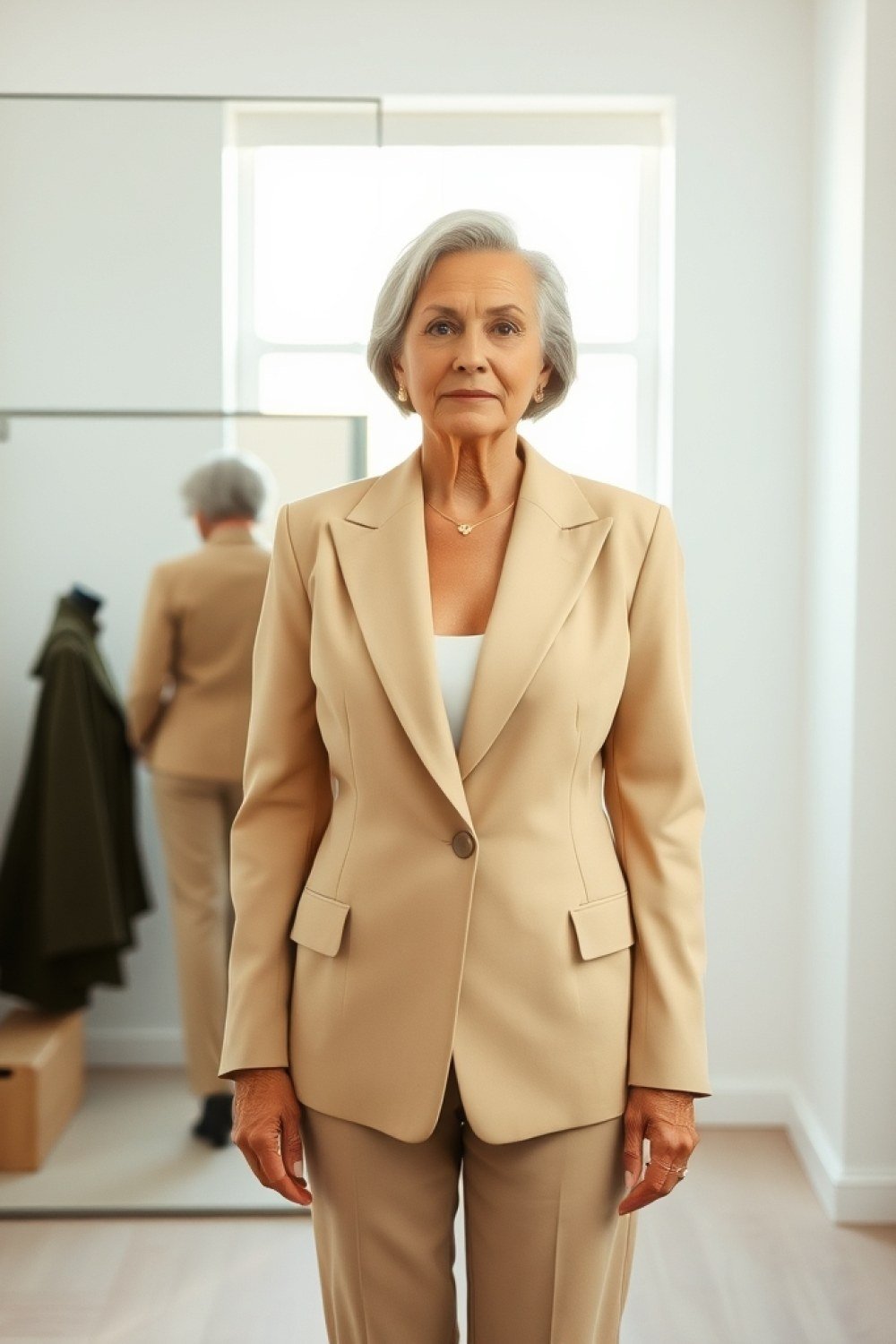
A thin, tight knit is the single fastest way to look uncomfortable in your own clothes — it grabs at the waist, rides up over the hips, and shows every ridge of whatever you’re wearing underneath. The fix isn’t sizing up into something shapeless; it’s choosing knits with a bit of structure and a relaxed line that skims rather than grips.
Look for fabrics that do some work for you: a cotton-cashmere blend, a ribbed knit, a chunky cable, or a fine merino with a touch of drape. Fit matters more than size — a sweater should fall straight from the shoulder and clear the body by an inch or two at the waist. Tunic-length and A-line silhouettes are flattering on almost everyone.
If you love the look of a fitted knit, layer a long-line camisole underneath to smooth the surface, or swap a crew neck for a wider boat neck or V-neck, which draws the eye up and across instead of inward.
Your tip: Before buying any sweater, hold it up and let it hang — if the hem curls or the fabric clings to your hand, it’ll cling to you too. Give it a gentle stretch and watch whether it springs back; if it doesn’t, leave it on the rack.
14. Wear: Quality Cashmere or Merino Wool
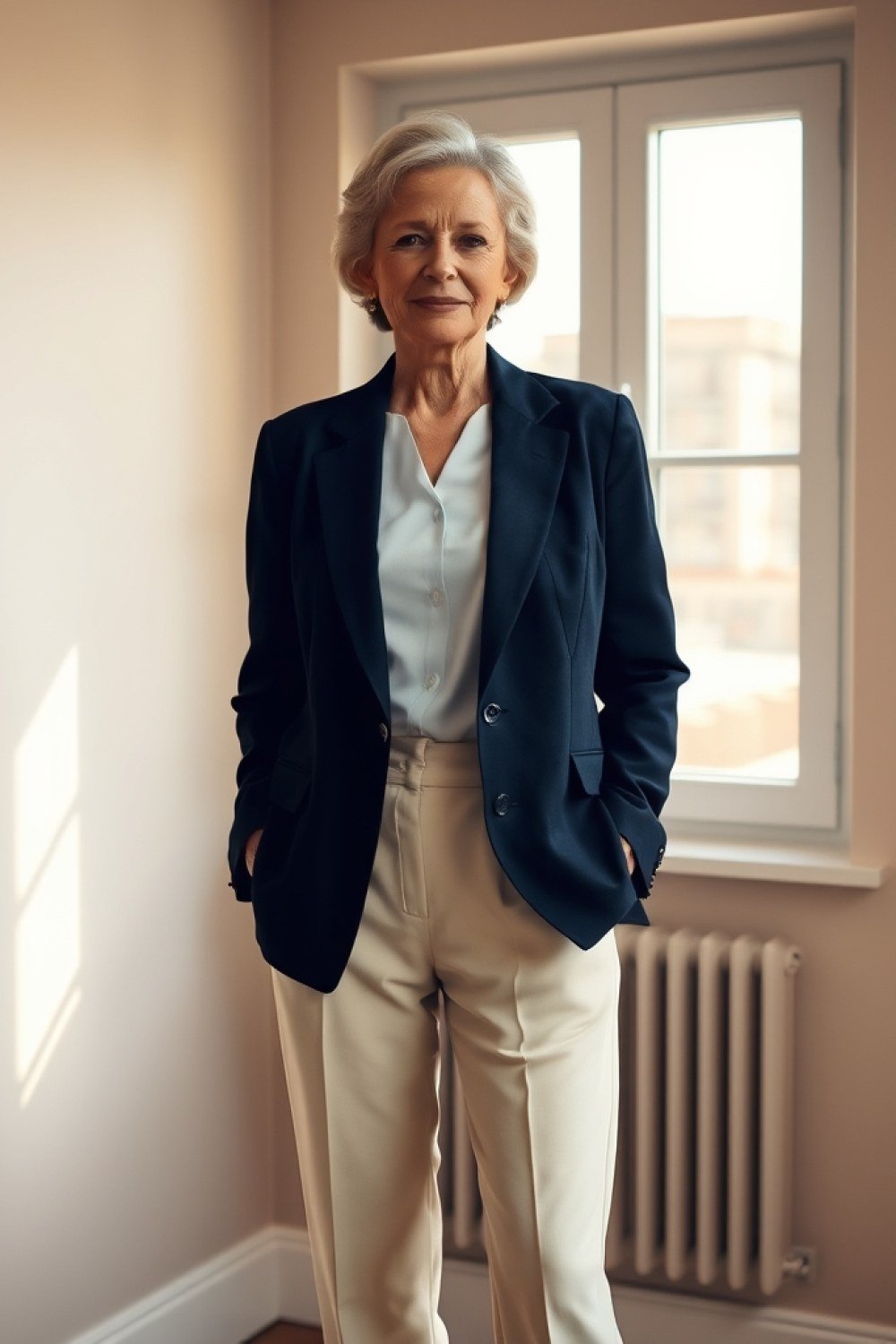
Three good sweaters will outperform fifteen mediocre ones. A well-made cashmere or extra-fine merino wool knit looks expensive at a glance, holds its shape for years, and works with everything from tailored trousers to jeans. They’re also genuinely warmer for their weight than acrylic, so you get comfort without bulk.
Build around neutral colours you’ll actually wear: oatmeal, camel, charcoal, navy, soft grey, and a deep burgundy or forest green if you want one richer shade. Aim for a mid-weight gauge — fine enough to layer under a blazer, substantial enough to wear alone. A crew neck, a V-neck, and one relaxed turtleneck covers almost every occasion.
Check the label for 100% cashmere, cashmere-merino blends, or extra-fine merino (around 19.5 microns or finer — it won’t itch). Turn them inside out, wash on cold with a wool cycle or by hand, and dry flat on a towel.
Your tip: Store folded, never on hangers — a hanging knit stretches at the shoulders and never recovers. Add a cedar block or lavender sachet to keep moths away.
15. Avoid: Overly Matchy-Matchy Accessories
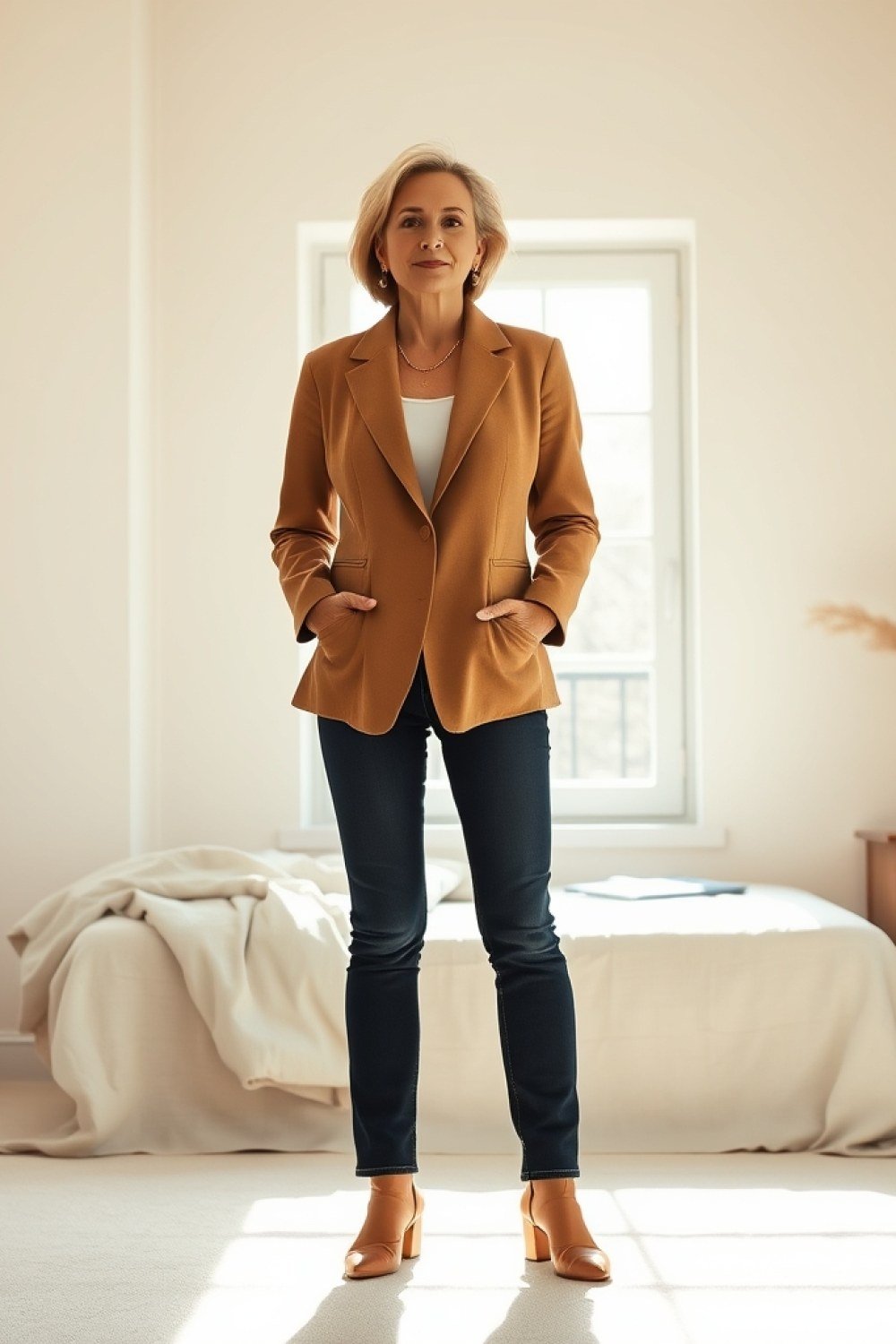
When your bag, shoes, belt, and jewellery all match in the same tone, the outfit can read as dated and a little flat — like it was purchased as a set rather than styled. It also leaves no room for personality, and it makes any single worn-out piece drag the whole look down with it.
The modern approach is to treat accessories as a conversation rather than a uniform. A tan leather bag with black loafers? Perfectly fine. Gold hoops with a silver watch? Intentional. What you want is one clear anchor piece, then accents that echo it loosely rather than repeat it exactly.
This also gives you far more mileage: you’re no longer locked into buying a matching belt every time you find a bag you love. And it makes travel packing simpler, because everything works with everything else.
Your tip: Lay out your accessories before you dress. If every piece is the same colour and finish, remove one and swap it for something in a different tone or texture — the outfit will instantly look more considered.
16. Wear: Mixed Metals and Textures
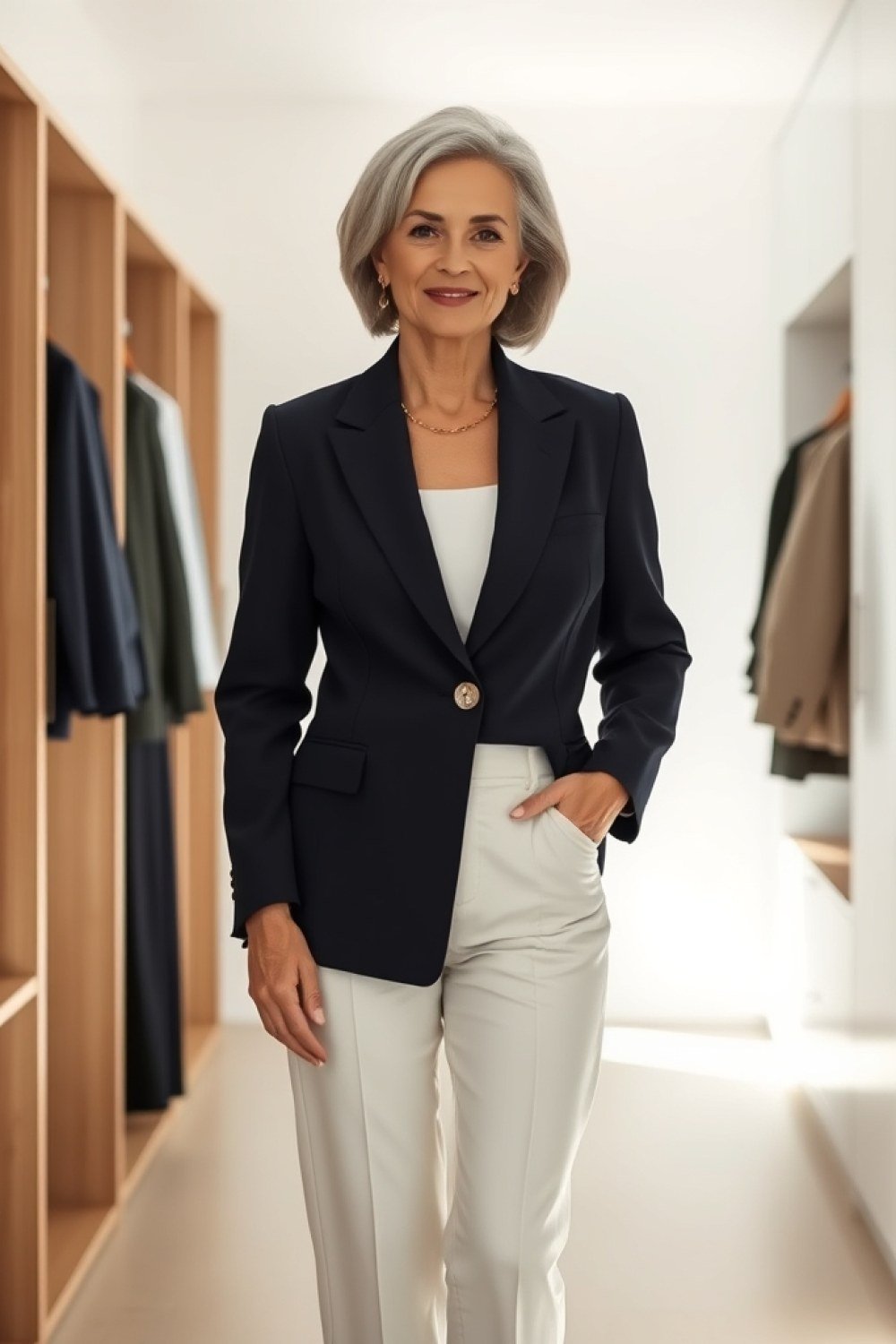
Mixing gold and silver is the easiest way to look current without buying anything new. The trick is repetition: wear at least two pieces of each metal so the blend looks deliberate rather than accidental. A silver watch with gold hoop earrings and a fine gold chain works beautifully; so does a stack of mixed-tone rings on one hand.
Texture does the same job for bags and shoes. Pair smooth leather with suede, polished hardware with matte, or a structured tote with soft woven flats. A buttery tan suede loafer against a black leather shoulder bag adds depth that a matched set never will.
Warm skin tones tend to glow with gold, brass, and cognac; cooler tones with silver, pewter, and grey. But honestly, mixing both is more modern than sticking to a single lane — the rule is dead.
Your tip: Start small. Add one gold bracelet to your usual silver stack, or trade your black leather belt for a suede or woven one. One change, worn for a week, tells you whether you like the direction.
17. Avoid: Neglecting Your Undergarments
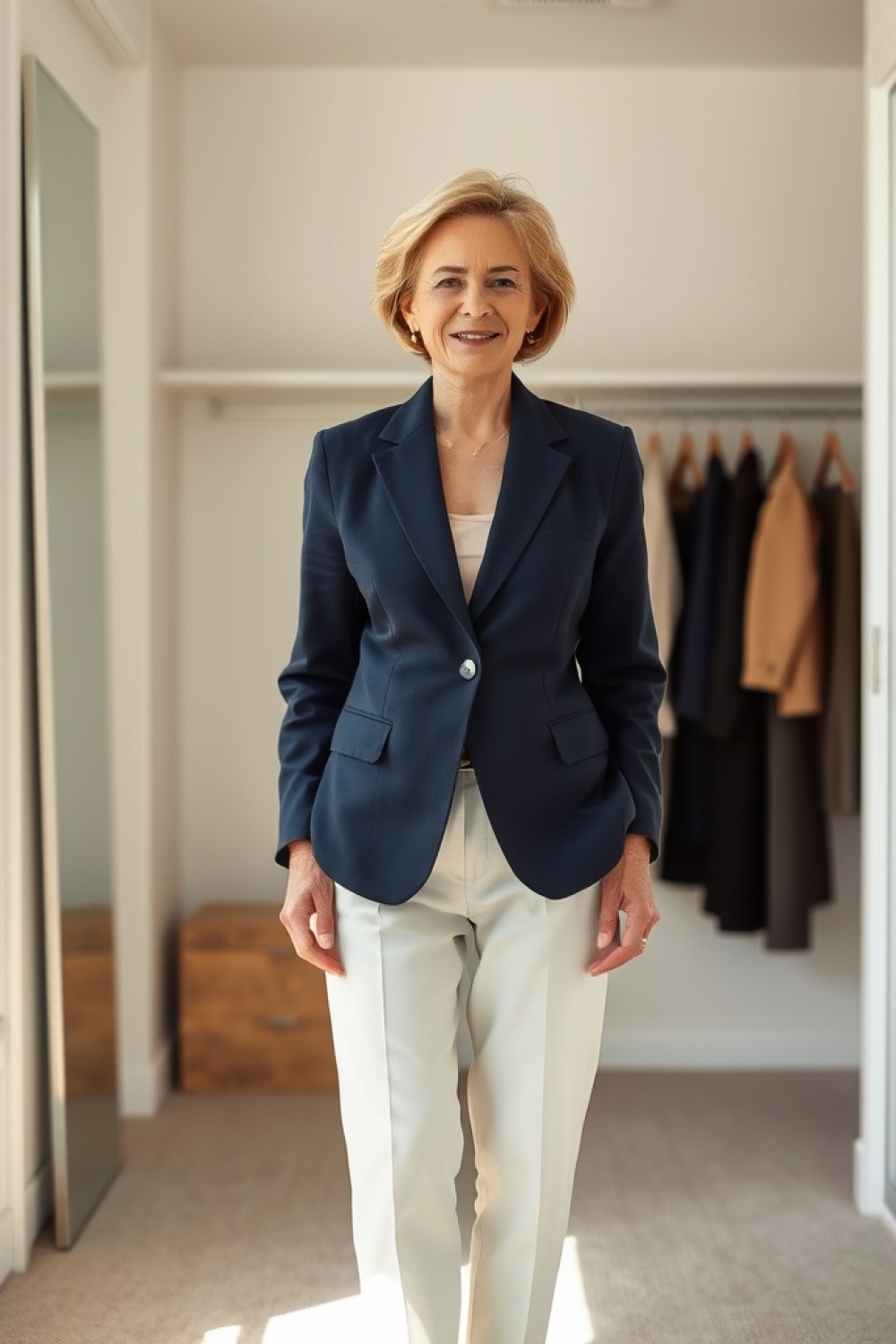
No outfit can look polished over a foundation that’s fighting it. A stretched-out bra band, straps that slide, a cup that wrinkles, or underwear that cuts a line across your seat will show through even the best cashmere and tailored trousers. It’s the invisible layer that decides whether the visible one works.
Bodies change after 50 — band sizes shift, shoulders narrow, and what fit five years ago may not fit now. Wearing the same bra size you were fitted for a decade ago is one of the most common and most fixable style mistakes. Signs to watch: the band rides up your back, straps dig in, or you’re constantly adjusting.
Underwear matters just as much. A visible line under slim trousers or a knit dress reads as an oversight, and a waistband that rolls down all day is a distraction you don’t need.
Your tip: Do the “band test” at home — fasten your bra on the loosest hook and see if you can pull the band more than an inch away from your back. If you can, the band is too big and the straps are doing work they shouldn’t.
18. Wear: Seamless, Supportive Intimates
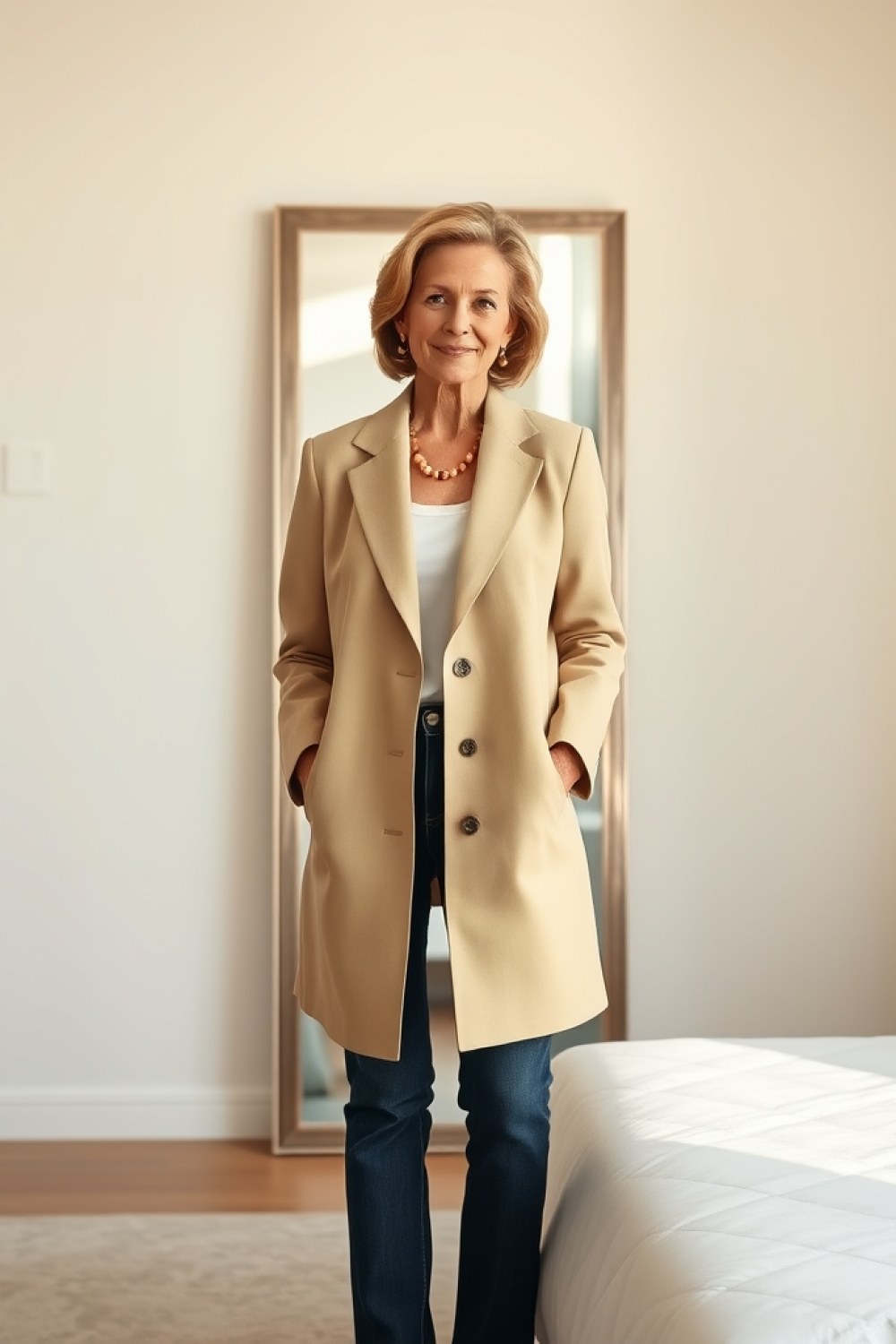
A proper bra fitting takes twenty minutes and changes how everything you own looks. Go to a specialist fitter, not just a lingerie aisle — measure your underband snugly and your full bust, then try on several styles, because shape matters as much as size. A balconette, a full-coverage T-shirt bra, and a smoothing wire-free option cover most necklines.
For underwear, choose seamless, laser-cut styles in a nude that matches your skin tone rather than your outfit — that’s what truly disappears under white and cream. High-waisted smoothing briefs work well under dresses and wide-leg trousers, while a lightweight shaping slip is a lifesaver beneath a fitted knit.
Replace anything with stretched elastic, pilled fabric, or wires that poke. Bras typically last 6 to 12 months with regular wear; rotate three or four and wash them in a mesh bag on cold.
Your tip: Buy two bras in your new size rather than one — you’ll actually wear them, and you’ll stop reaching for the old stretched one out of habit. Get refitted once a year or after any weight change.
19. Avoid: Fading Into the Background
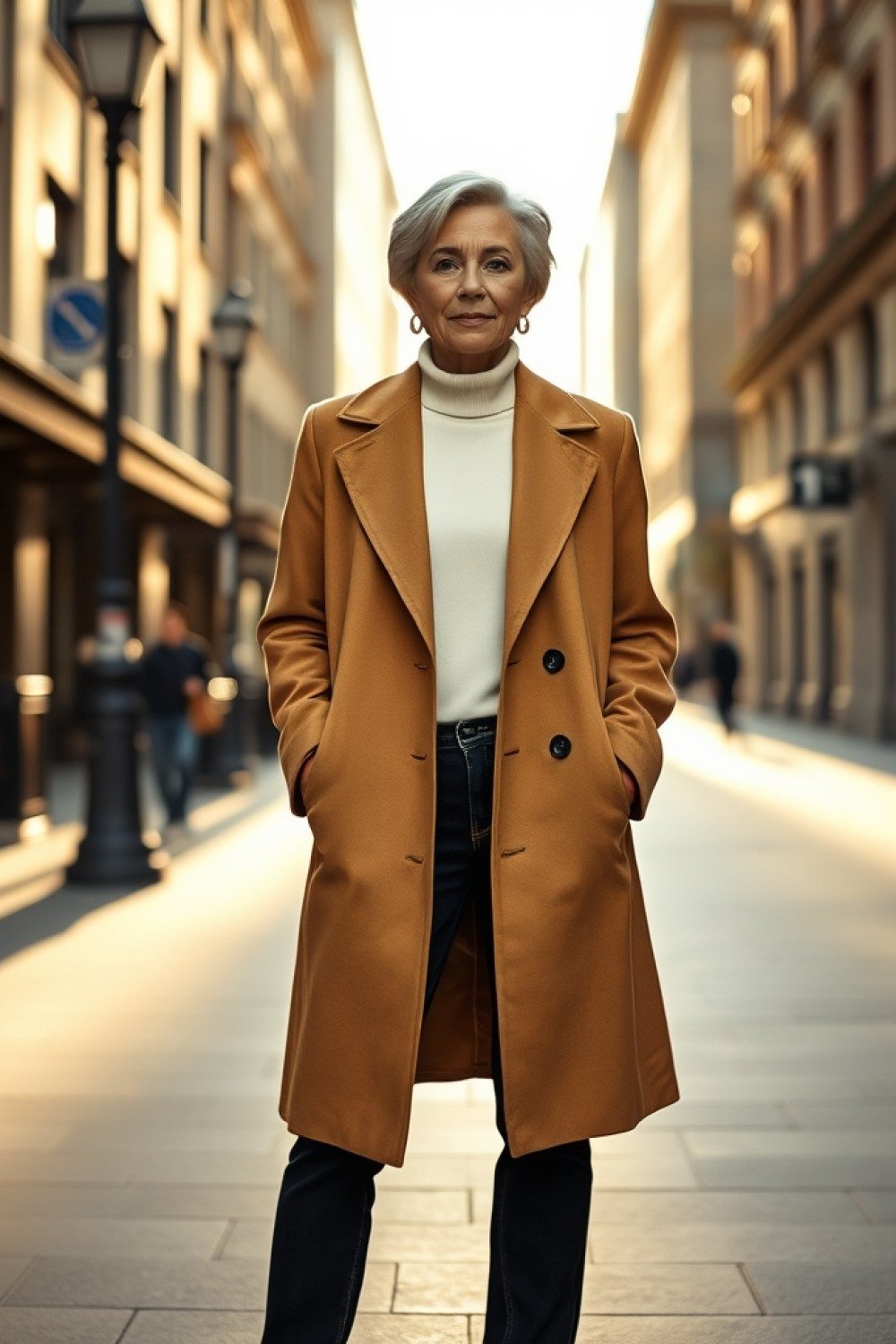
Playing it safe is the quietest style mistake there is. Nothing looks wrong, exactly — a plain beige knit, black trousers, flat neutral shoes — but nothing looks like you either. Invisible dressing usually creeps in for understandable reasons: you don’t want to look like you’re chasing 25, so you overcorrect into greige basics that never offend and never delight. The fix isn’t a wardrobe overhaul. It’s one signature element per outfit.
Pick a single piece that carries personality and keep everything else calm. A leopard-print flat with slim navy trousers and a crisp white shirt. A silk scarf in emerald knotted at the neck of a camel coat. Statement earrings — think 2-inch hammered gold hoops — with a plain crewneck. Red lipstick counts too, and so does a bold glasses frame. The technique that makes it work: one focal point, high contrast, everything else quiet. Two competing statements looks like trying too hard; one looks like confidence.
This suits any woman who’s built a closet of safe pieces and feels bored rather than stylish in them. Start with the piece you always notice on other women and assume you can’t pull off — that’s usually the one. Wear it somewhere low-stakes first, like the grocery store on a Saturday, so it starts to feel normal on your body. Then add the next one.
Try this: before you leave the house, ask yourself, “What’s the one thing someone might compliment?” If there’s no answer, add one — a bright bag, a patterned blouse, a stack of bracelets — and go.
FAQs
Can I still wear jeans after 50?
Absolutely — jeans are one of the most versatile pieces in any wardrobe. The trick is in the cut and wash. Choose dark indigo or black denim with a straight-leg, slim-straight, or subtle bootcut silhouette; these skim your shape instead of clinging or ballooning. Avoid low-rise waistbands (they create a muffin top and shorten your torso) in favor of a mid-to-high rise that sits at or just below your natural waist. Skip heavy distressing, rips at the knee, and whiskering — clean, dark denim reads far more polished. Look for a fabric with 1–2% elastane for comfort without sagging. Pair them with a tucked-in blouse, a fitted blazer, and loafers or block heels, and you have an outfit that works for lunch, errands, or dinner.
How can I look stylish without spending a fortune?
Shift your mindset from quantity to quality. Instead of buying five $20 tops that pill after two washes, invest in two well-made pieces that fit properly and last. Build around a core of versatile staples: a white button-down, dark straight-leg jeans, a navy blazer, a cashmere or cotton-blend crewneck, and a pair of tailored trousers. Shop end-of-season sales, outlet stores like J.Crew Factory or Uniqlo, and consignment shops — you’ll often find designer pieces at a fraction of retail. A $30 tailor bill to hem pants or take in a waist can transform an affordable piece into one that looks custom-made. Also, don’t overlook resale apps like Poshmark or The RealReal for quality brands at lower prices.
Is it okay to wear prints and patterns after 50?
Yes — prints add personality and visual interest, but scale matters. Smaller, subtler prints tend to flatter more than large, loud ones, which can overwhelm your frame. Florals, thin stripes, subtle geometrics, and animal prints in muted tones all work beautifully. The key is balance: pair a patterned piece with solid, neutral companions so the eye has somewhere to rest. For example, a floral blouse with navy trousers, or a striped tee under a solid blazer. If you love bold prints, keep them to one piece per outfit and anchor them with clean, simple accessories. Avoid busy, clashing combinations that fight for attention.
What are the best colors for women over 50?
The best colors are the ones that make your skin look alive and even-toned. As a general guide, jewel tones (emerald, sapphire, amethyst), soft pastels (blush, powder blue, lavender), and rich neutrals (navy, burgundy, olive, camel, charcoal) tend to flatter mature skin because they add warmth and depth without washing you out. Avoid neon shades and overly bright, harsh colors if they overpower your features. A simple test: hold a garment near your face in natural light. If people notice the color before they notice you, it’s too strong. If your eyes brighten and your skin looks clear, it’s a keeper. Build your wardrobe around 3–4 base neutrals and 3–4 accent colors you love.
How do I update my makeup to match my new style?
Less is more, but placement matters. Start with a lightweight, luminous foundation or tinted moisturizer — heavy matte formulas settle into fine lines and can look dated. Add a soft blush in a warm peach or rose tone on the apples of your cheeks, blended upward. Define your brows with a soft pencil or tinted gel; brows frame the face and instantly lift your look. For eyes, a wash of neutral shadow (taupe, soft brown, or champagne) and a swipe of mascara is often enough. A bold lip — berry, red, or deep rose — adds a youthful pop of color and draws attention to your smile. Skip heavy contouring, frosted eyeshadows, and dark lipliner; they tend to age the face. Keep your skin hydrated and your makeup fresh, and you’ll look effortlessly current.
Building Your Ageless Style Capsule
Start by clearing out items that no longer serve you — anything that doesn’t fit, feels uncomfortable, or makes you second-guess yourself. Be ruthless: if you haven’t worn it in a year, it’s not part of your present style. Then invest in well-fitting, quality pieces that make you feel confident the moment you put them on. A tailored blazer, dark denim, a crisp white shirt, a silk scarf, and a great pair of shoes will carry you further than a closet full of maybes. Pay attention to fit above all else; a $40 dress that’s been tailored to your body will always look better than a $400 one that doesn’t fit.
Remember, style has no age limit — it’s about expressing who you are today, not who you were ten years ago. Embrace your evolution, experiment with new silhouettes and colors, and have fun with fashion. Your wardrobe should feel like a tool for confidence, not a set of rules. When you dress for the life you’re living now, you’ll look modern, comfortable, and completely yourself.
Don't miss the next one
Quick outfit ideas and beauty tips, straight to your inbox.