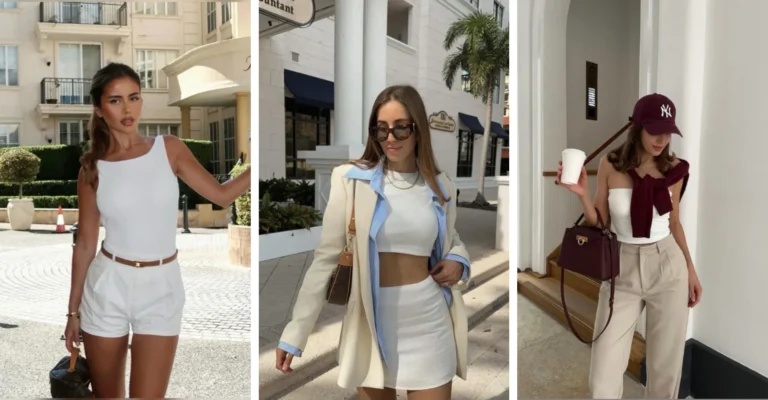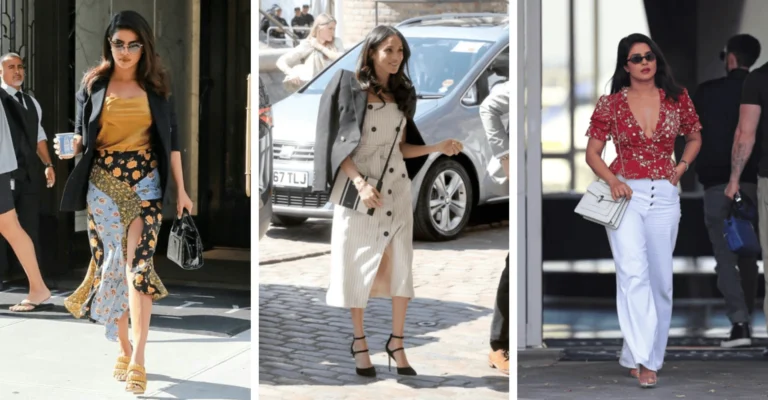
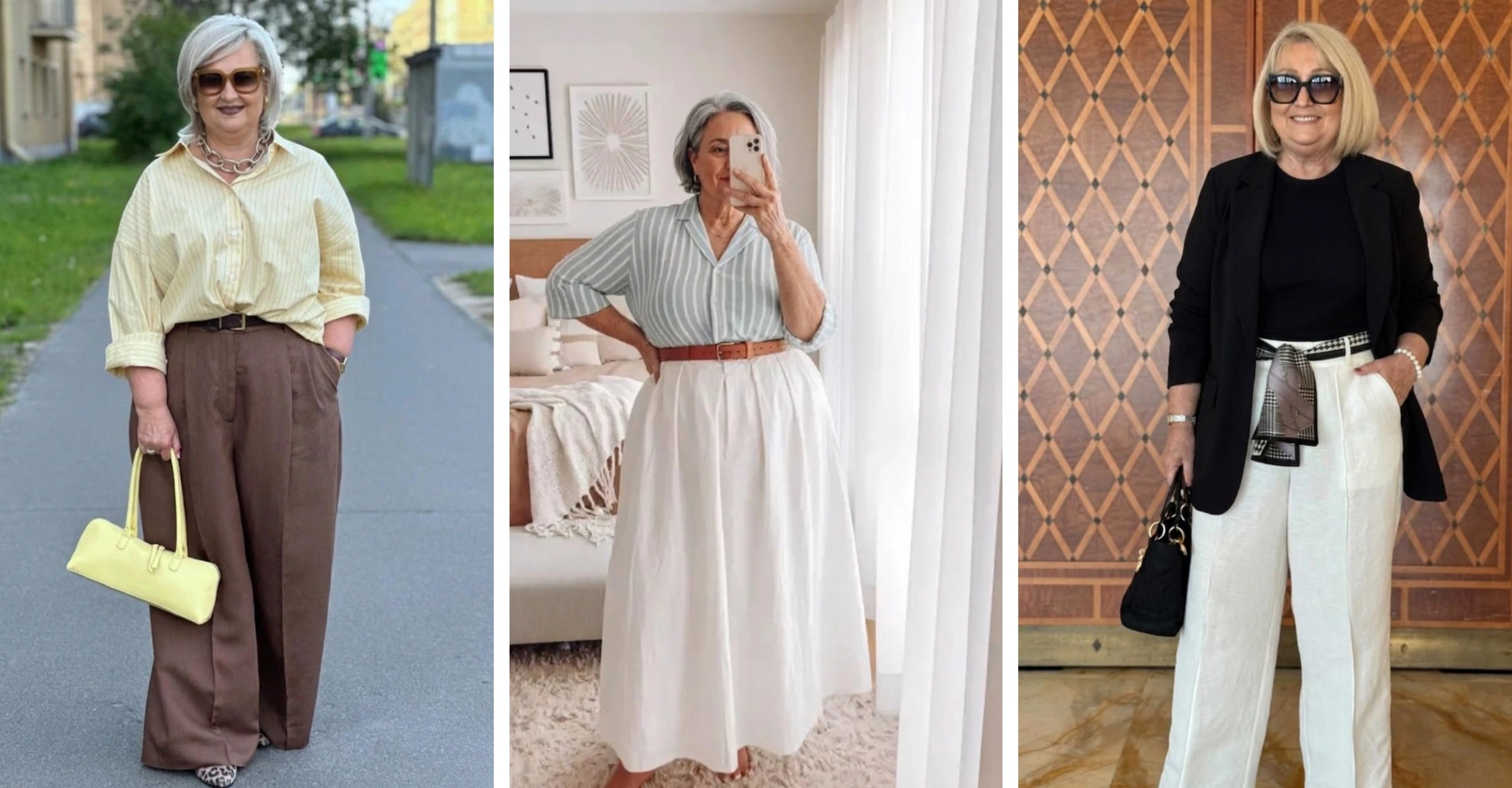
Let’s be honest, getting dressed when you’re petite, busty, and older can sometimes feel like your clothes are working against you. Pieces are either too long, too loose, too boxy, or fit your bust while overwhelming the rest of your frame. Finding something that accommodates your chest without swallowing your petite shape can feel like a challenge.
But dressing this body type isn’t about covering up or following a long list of fashion rules. It’s about understanding proportions, choosing flattering cuts, and finding clothes that work with your shape. Once you know what to look for, getting dressed can become much easier — and a lot more enjoyable.
So here are my best tips to dress better when you’re an older, petite & busty woman 😉
1. Choose Structure Over Too Much Stretch
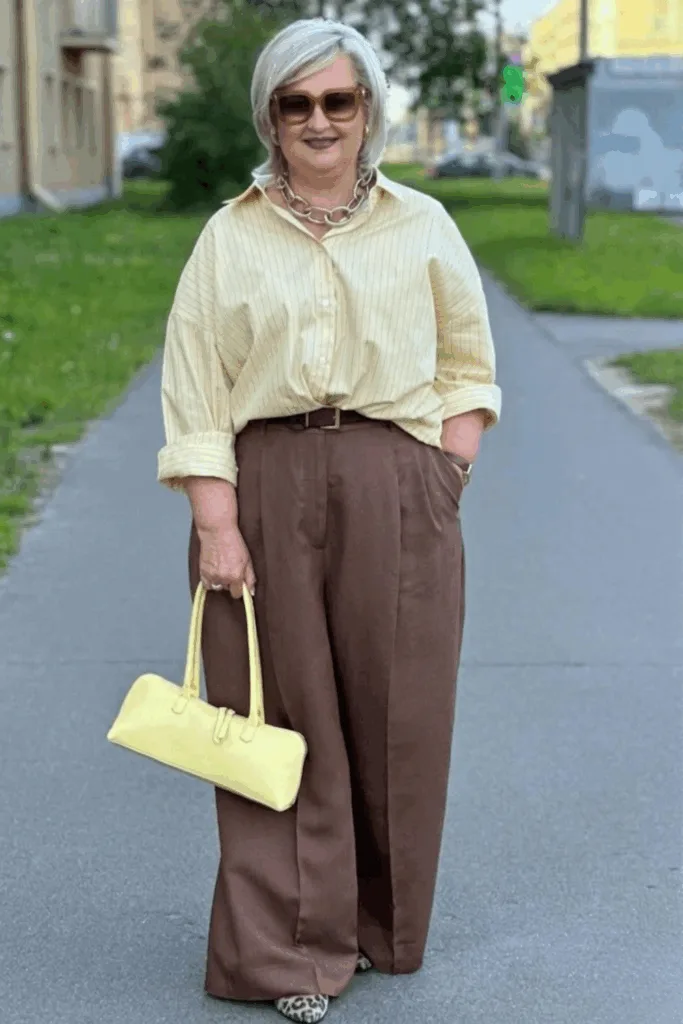
This is one of the most useful principles, yet it’s often overlooked.
Very soft, flimsy fabrics can cling around the bust and lose their shape under the weight of the chest. The result can be an outfit that looks heavier or less defined than you intended. Structured fabrics give clothing more stability and help it skim the body instead of pulling tightly across the bust.
So, what should you look for? Woven fabrics, light tailoring, ponte, crepe, and materials with some natural body are excellent options.
A little stretch is completely fine because comfort matters, but pieces made almost entirely from stretch fabric can lose their shape and depend too heavily on tension to fit properly.
Pro tip: Try moving around in front of the mirror. If a top looks great while standing still but pulls, rides up, or shifts when you move, it may be relying too much on stretch. A structured fabric should keep its shape as you go about your day.
2. Pick Necklines That Frame Your Bust
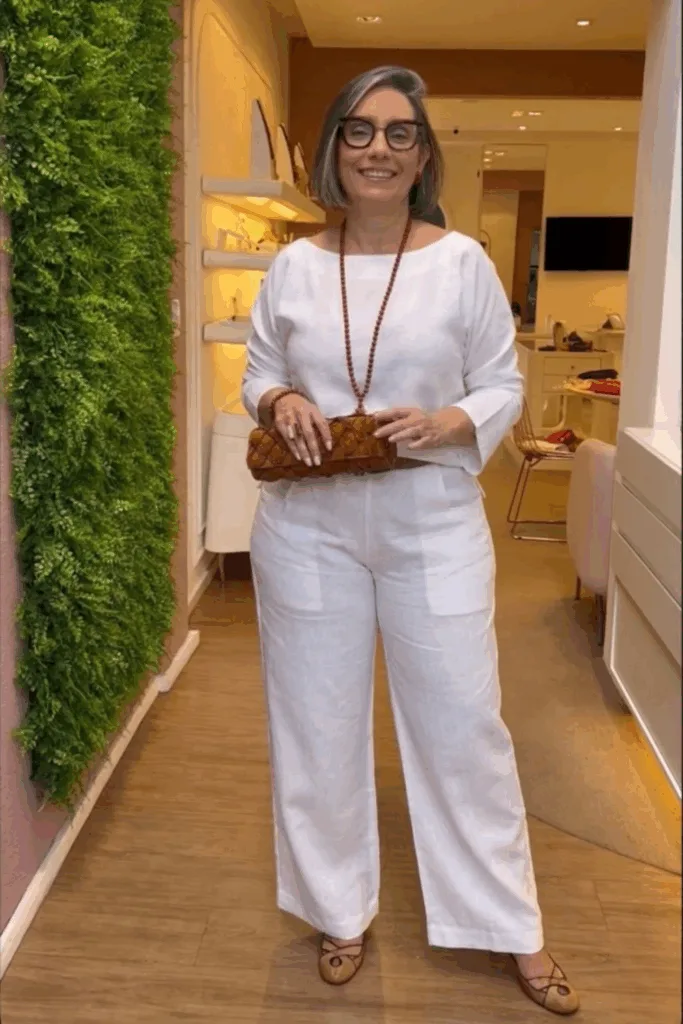
Necklines can completely change the way a petite, busty frame looks. The goal is to frame the chest rather than visually compressing it.
V-necks, soft scoop necks, wrap styles, and gentle sweetheart necklines can create vertical space and make the upper body look more elongated. They also help break up the visual width around the bust.
Be a little careful with thick crew necks and very high necklines. On a fuller bust, they can sometimes create a “shelf effect,” making the chest appear wider or more prominent because there is no visual opening.
Pro tip: If crew necks are your favorite, choose lightweight fabrics with a slightly lower neckline and make sure the shoulders fit beautifully. Good shoulder placement can make a challenging neckline work much better.
3. Use Shorter Lengths to Create Height
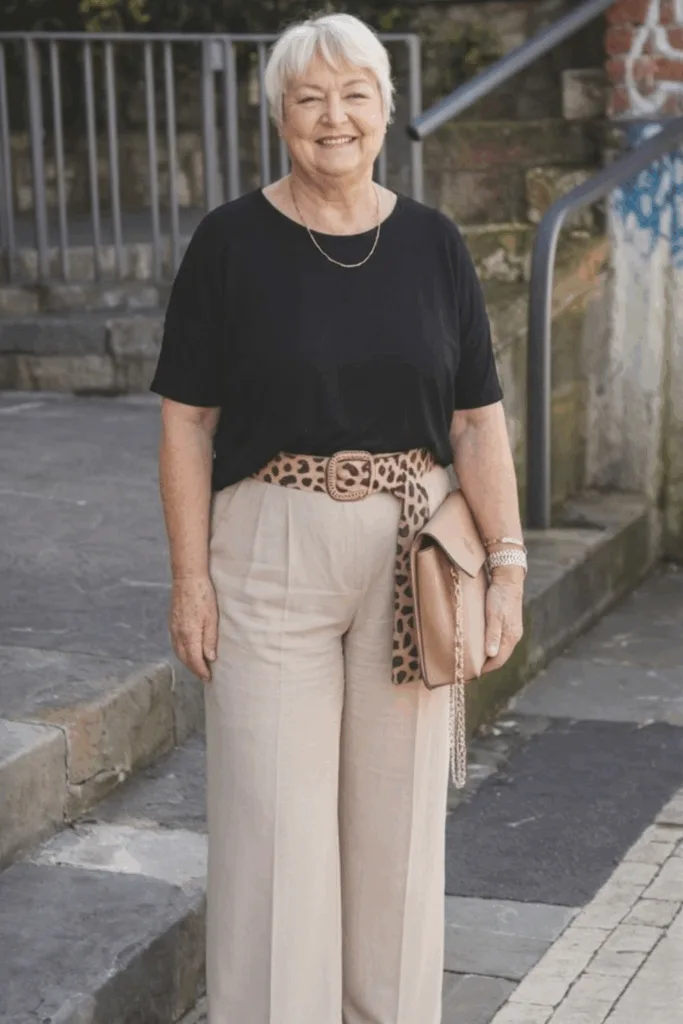
For petite women, the point where clothing ends can be just as important as the fit itself.
High-rise pants and skirts can visually raise the waistline and make the legs appear longer. Cropped jackets that finish around the high hip can also create a more balanced and streamlined proportion.
For tops, look for lengths that finish around the waistband or upper hip rather than extending far down the hips. Tops that stop at the widest part of the hip can sometimes interrupt the vertical line and make the body appear shorter.
Pro tip: If you have a top you love but it feels slightly too long, try shortening it by an inch or two. That small alteration can make the entire outfit look more balanced.
4. Don’t Underestimate Bust Darts
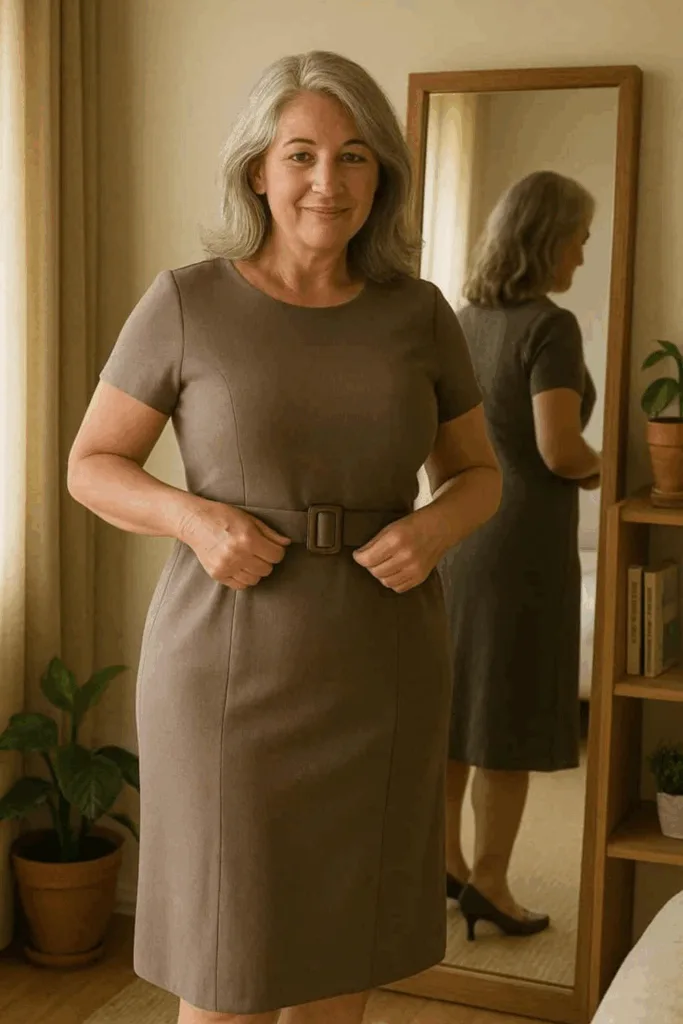
Bust darts are one of those small details that can make a surprisingly big difference.
They allow fabric to curve around the chest without pulling tightly across it. Instead of squeezing the bust, darts give the garment room while maintaining a defined shape.
A blouse with well-placed darts can often look much more polished than a stretchy top that simply clings to the body.
And don’t assume darts automatically make a garment look old-fashioned. Modern darted pieces can be subtle, sleek, and incredibly flattering.
Pro tip: A good tailor can sometimes add darts to an otherwise basic top. A simple $30 blouse with the right alterations can look far more polished than an expensive piece that doesn’t accommodate your shape properly. 😉
5. Add a Little Structure to the Shoulders
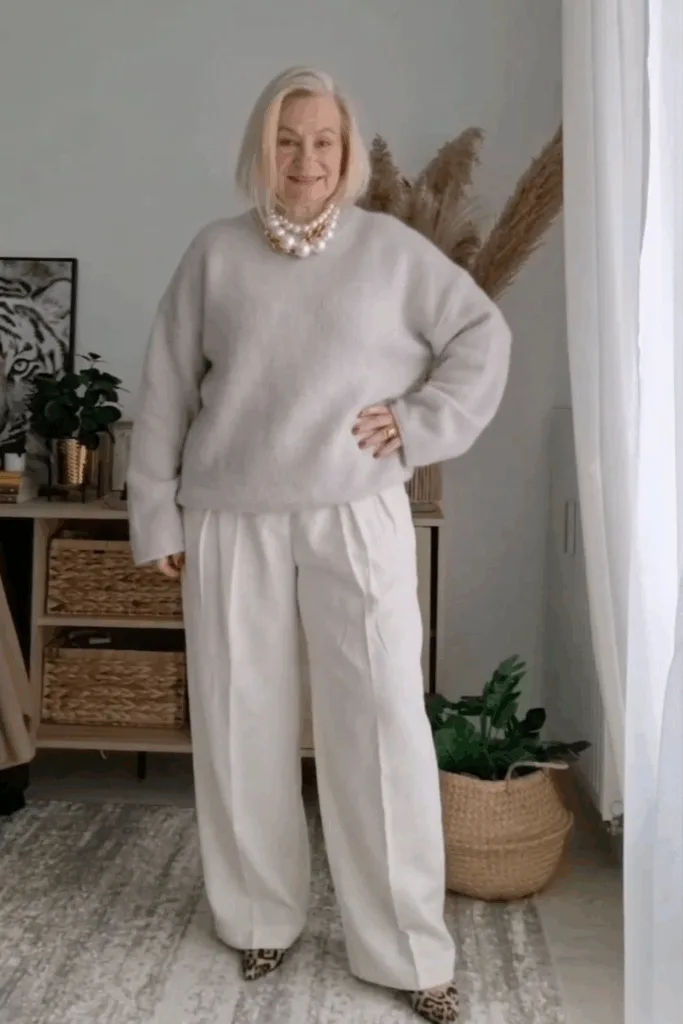
It may sound surprising, but a little shoulder definition can actually help balance a fuller bust.
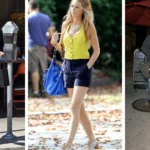
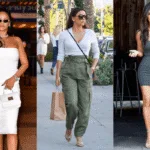
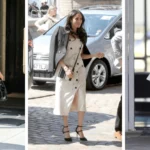
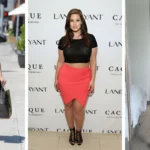
Light shoulder padding, set-in sleeves, gentle puff sleeves, or subtle structure can slightly broaden the upper frame. This creates more visual balance between the shoulders and bust and can make the waist appear more defined in comparison.
You don’t need dramatic shoulder pads or oversized sleeves. The effect should be subtle and proportional.
Pro tip: Avoid tops and jackets with very droopy or sloped shoulders. Even a small amount of shoulder structure can make the entire silhouette look more balanced and intentional.
6. Soften the Transition From Bust to Waist
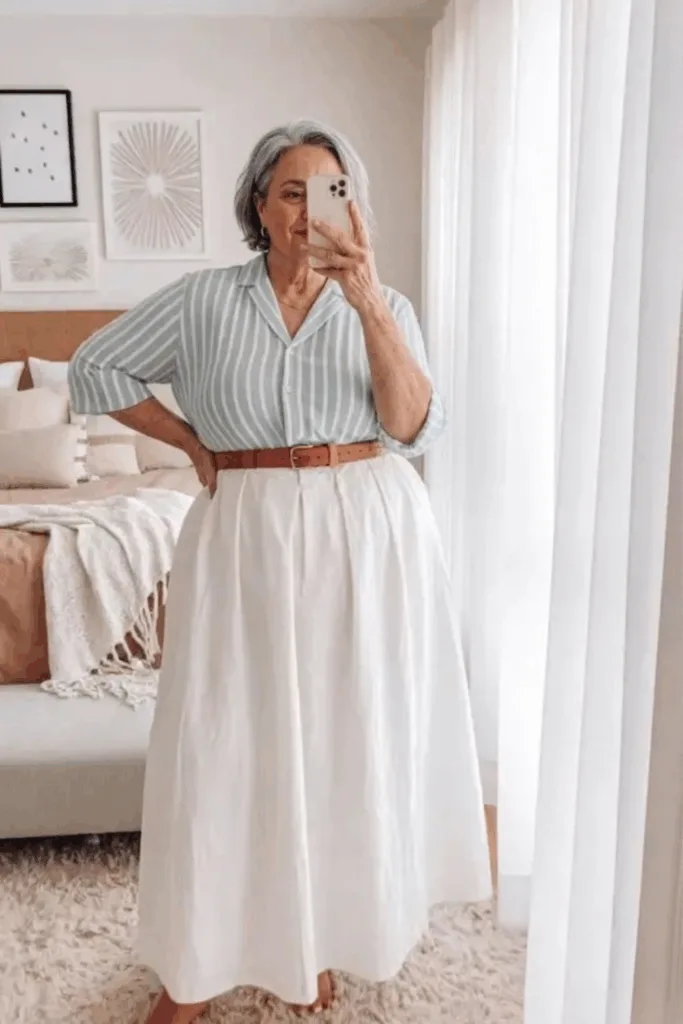
A petite, fuller-busted frame can sometimes create a sharp visual drop between the chest and waist. This can make the upper body look heavier or less defined.
The trick is to choose clothing that creates a smoother transition rather than cutting directly from bust to waist.
Try princess seams, gentle shaping, or soft draping that begins underneath the bust. Belts can also work well when placed slightly below the fullest part of the bust rather than sitting directly across it.
Pro tip: If a top fits beautifully across your chest but feels abrupt underneath, add an open lightweight cardigan or jacket. The long vertical lines can soften the transition and create a more streamlined look.
7. Keep Shiny Fabrics Away From the Bust
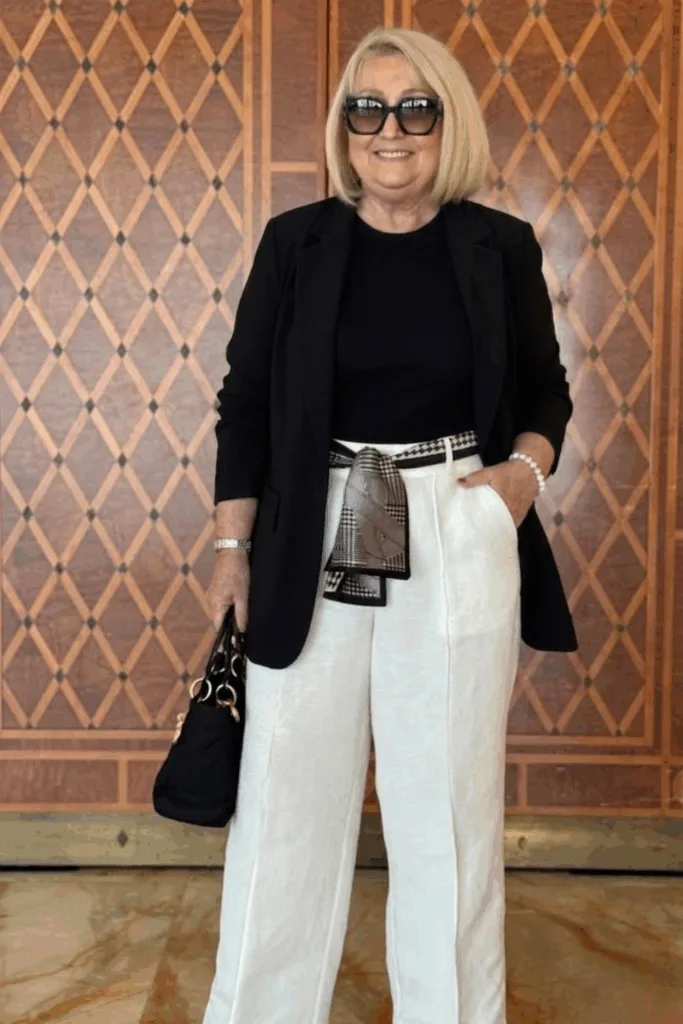
Shiny fabrics reflect light, which naturally attracts attention. Satin, glossy materials, and high-sheen knits can therefore make the bust look more prominent.
For a calmer and more streamlined appearance, matte fabrics are often easier to work with around the upper body. Think brushed cotton, matte knits, wool blends, and crepe.
You don’t have to avoid shine completely. Use it strategically in accessories or on the lower half of your outfit where you want to add interest without emphasizing the bust.
Pro tip: Love satin? Try a satin skirt or pair of trousers with a matte top. This creates a nice balance while still letting you enjoy the fabric.
8. Coordinate Your Neckline With Your Jewelry
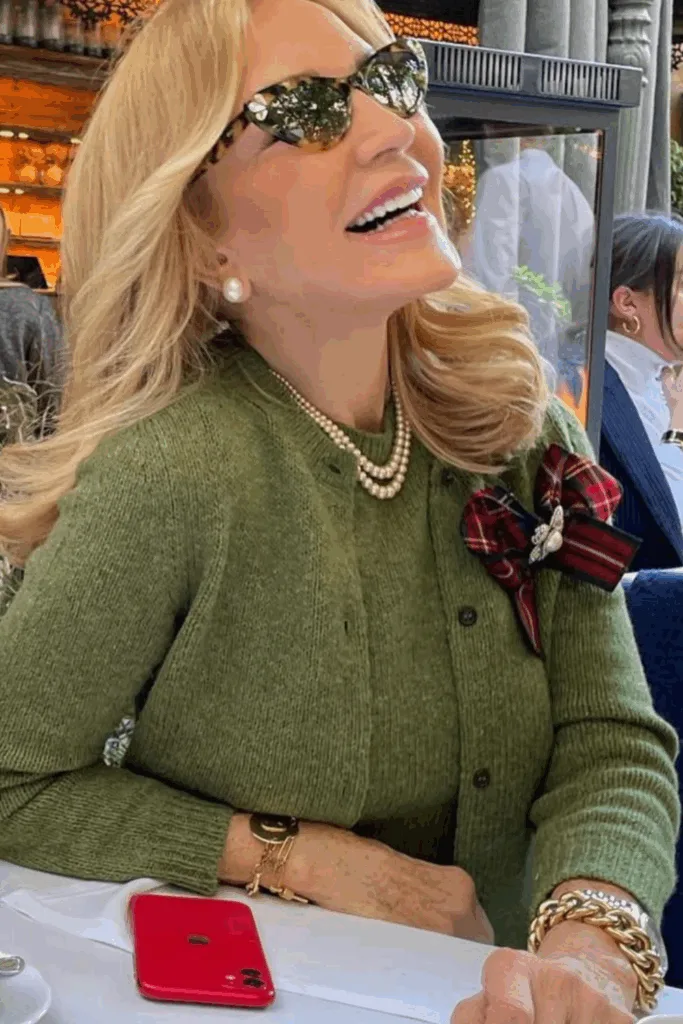
Your necklace and neckline should complement each other rather than compete for attention.
When you’re wearing a deep or open neckline, you may not need a necklace at all. Let the neckline create the visual shape. If you do want jewelry, something delicate and simple usually works well.
With a higher neckline, a longer pendant can introduce a vertical line that visually lengthens the torso and breaks up the chest area.
Pro tip: Avoid very chunky necklaces that sit directly over the bust because they can add extra visual width. Instead, look for lightweight, fluid pieces that draw the eye vertically.
9. Pay Attention to Your Shoes
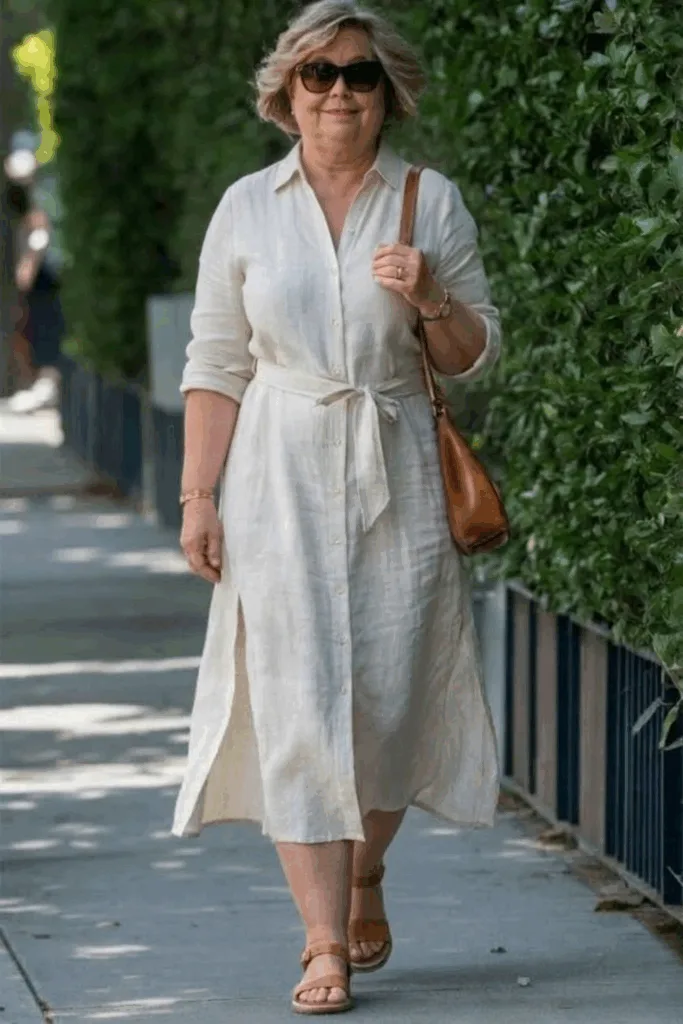
For petite women, shoes can have a surprisingly strong effect on the overall silhouette.
Pointed and almond-toe shoes can visually extend the foot and create the impression of longer legs, while very rounded toes can sometimes make the legs appear shorter. Even a small, supportive heel can look more polished than a completely flat shoe with little structure.
Ankle straps can also interrupt the leg line. If you enjoy them, choose slimmer straps that don’t visually dominate the ankle.
Pro tip: For an extra-long leg line, choose shoes in a color close to your pants or tights. Keeping the colors visually connected creates a smoother, uninterrupted line from your legs to your feet.
Don't miss the next one
Quick outfit ideas and beauty tips, straight to your inbox.