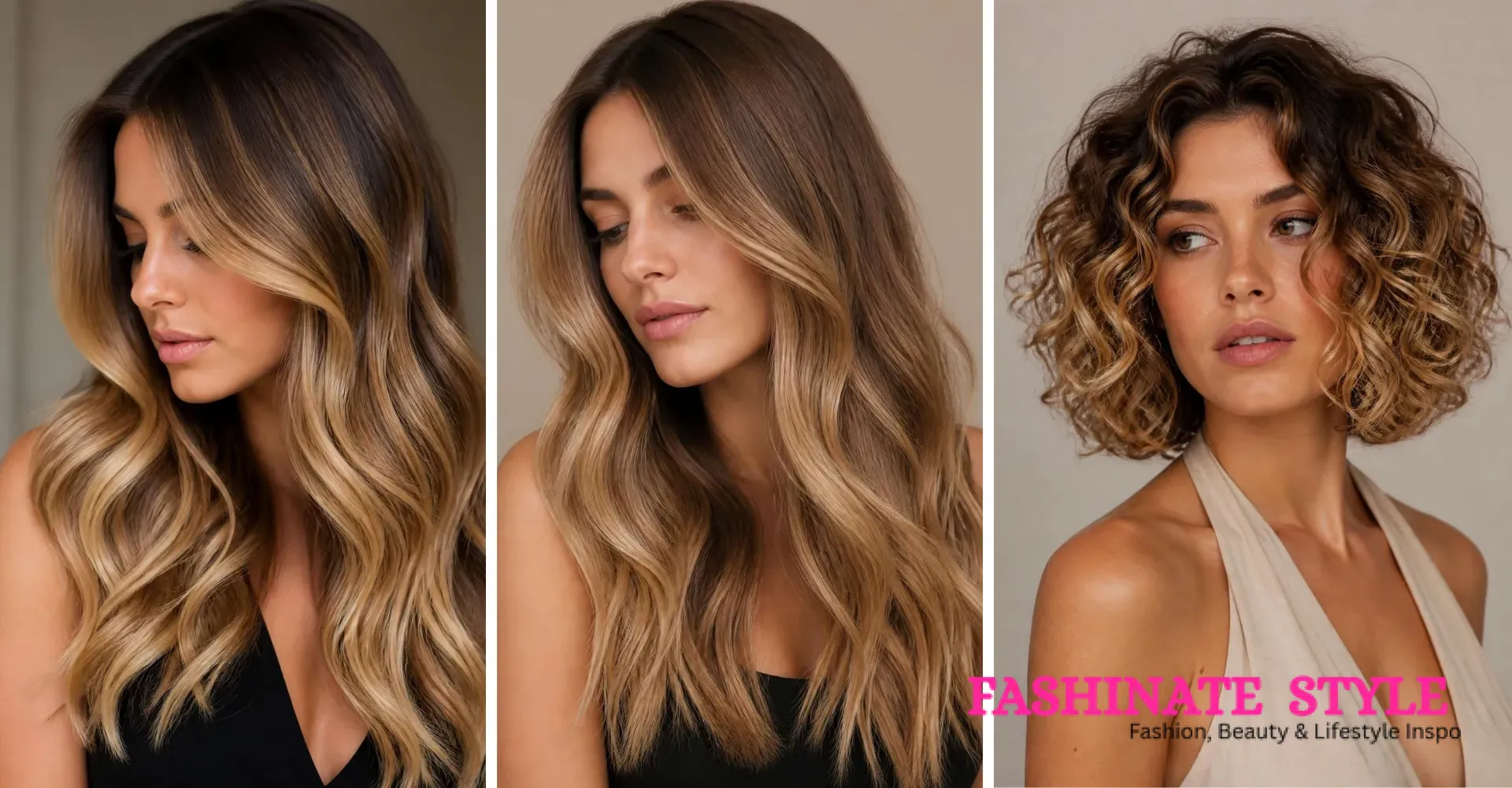
The best brown to blonde balayage doesn’t look like a color job at all, it looks like sunshine settled into your hair over time. Since the technique is hand-painted rather than foiled, the transition from root to end stays soft no matter how long it’s been since your last appointment. That means fewer touch-ups, less stress, and color that only gets better with a little grow-out. It works on short hair, long hair, straight strands, and curls.
Below are 18 brown to blonde balayage ideas for 2026 that prove natural, low-maintenance color is still the best kind.
1. Deep Brown Roots into Honey Blonde Ends
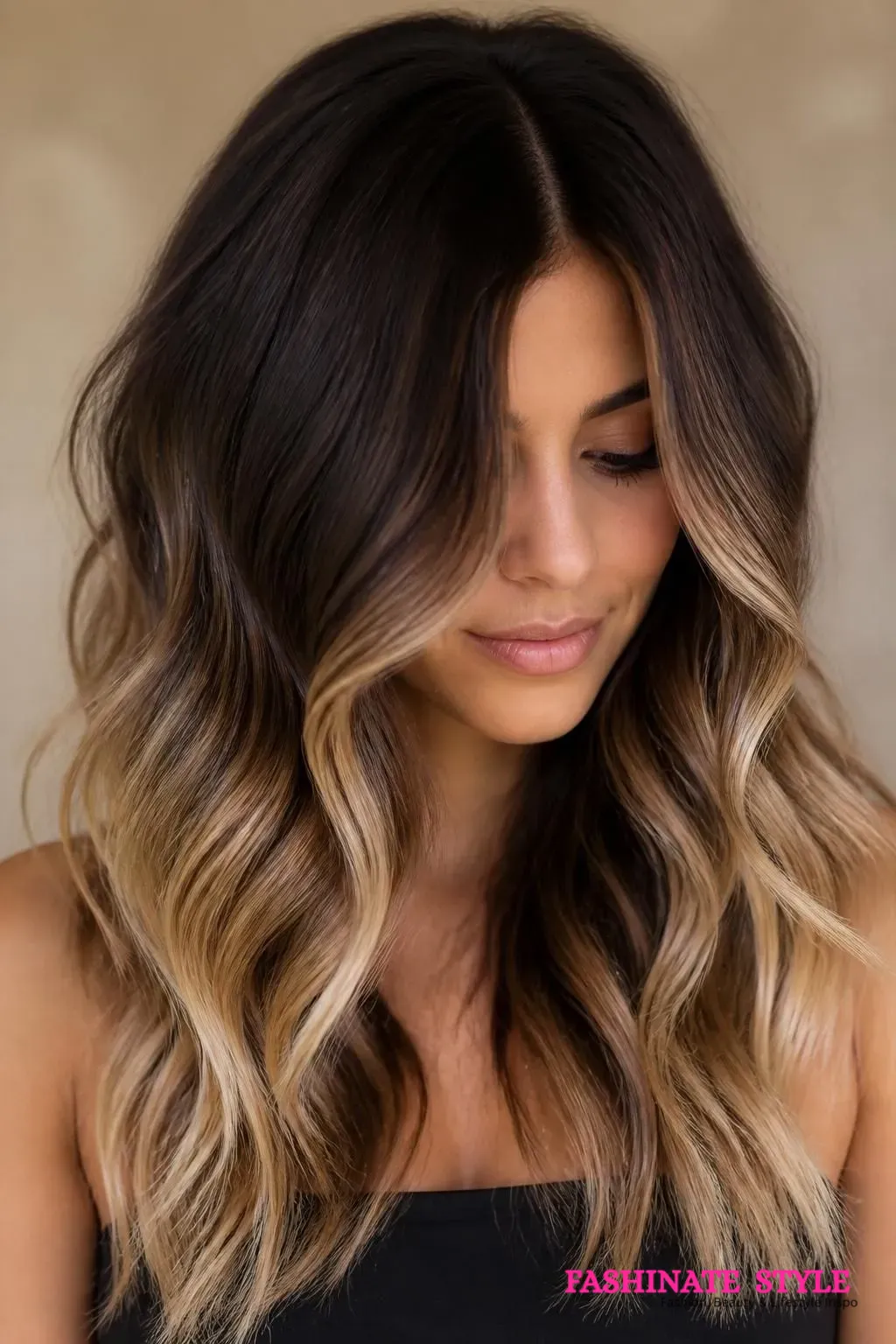
Keeping the roots a rich, deep brown and gradually lightening toward honey blonde ends creates one of the most forgiving color combinations out there. The transition zone is wide and soft, so there’s no visible line to worry about.
This is a strong starting point if you’re new to balayage and nervous about upkeep. The dark base does most of the heavy lifting, letting the blonde feel like a natural highlight rather than a full color change.
Tip: Ask your colorist to start the lightening process at least three inches below the root for the most seamless blend.
2. Soft Caramel Melt to Golden Blonde
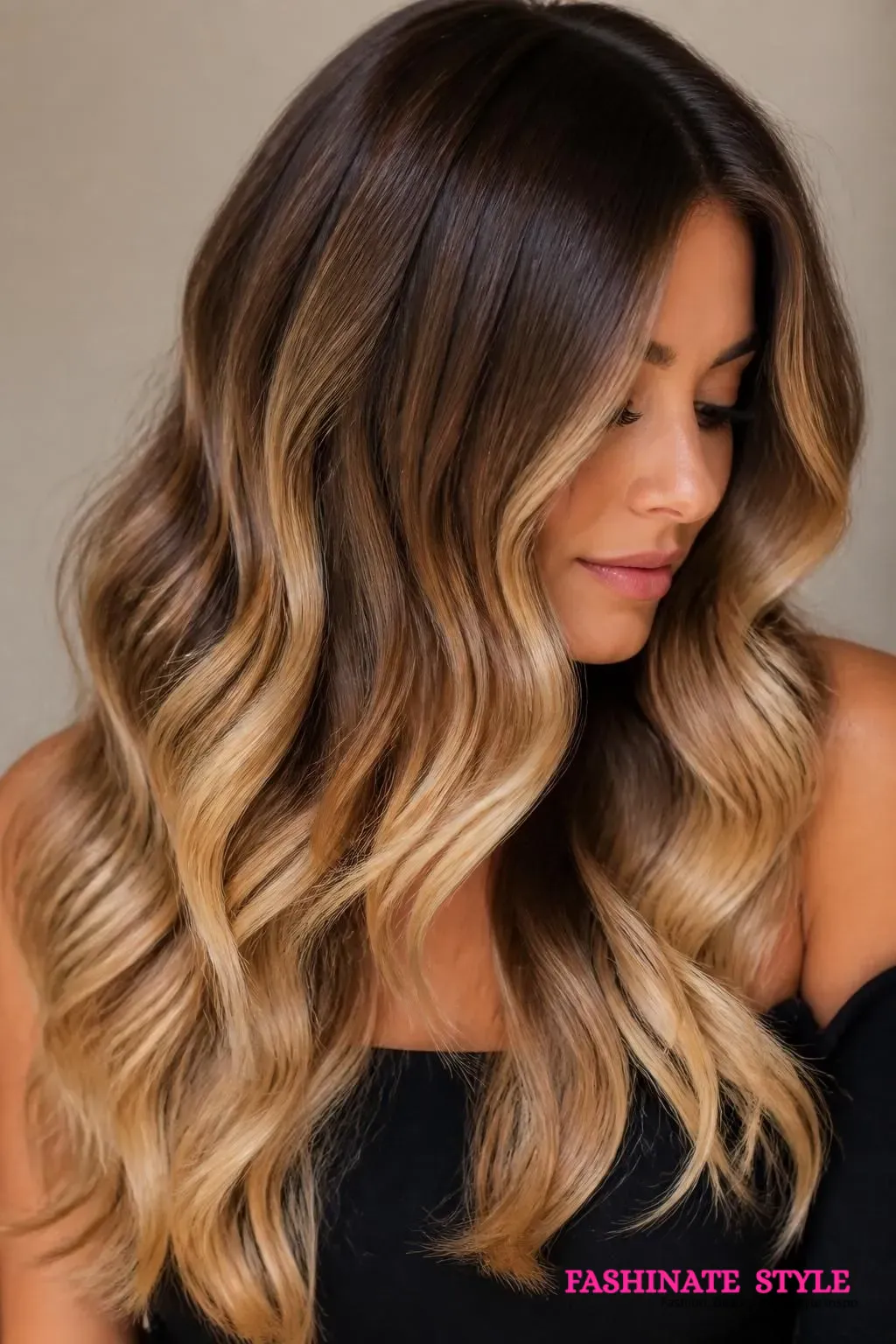
A caramel middle tone bridges the gap between brown roots and golden blonde ends, creating a smooth, three-dimensional gradient. Each shade blends into the next so gradually that it’s hard to spot where one color ends and the other begins.
This look works especially well on medium to long hair, where there’s enough length to show off the full gradient. It photographs beautifully in natural light, with the caramel tones adding warmth throughout.
Tip: Request a gloss treatment every 8 to 10 weeks to keep the caramel mid-tones from fading flat.
3. Chocolate Brown Base with Champagne Blonde Ends
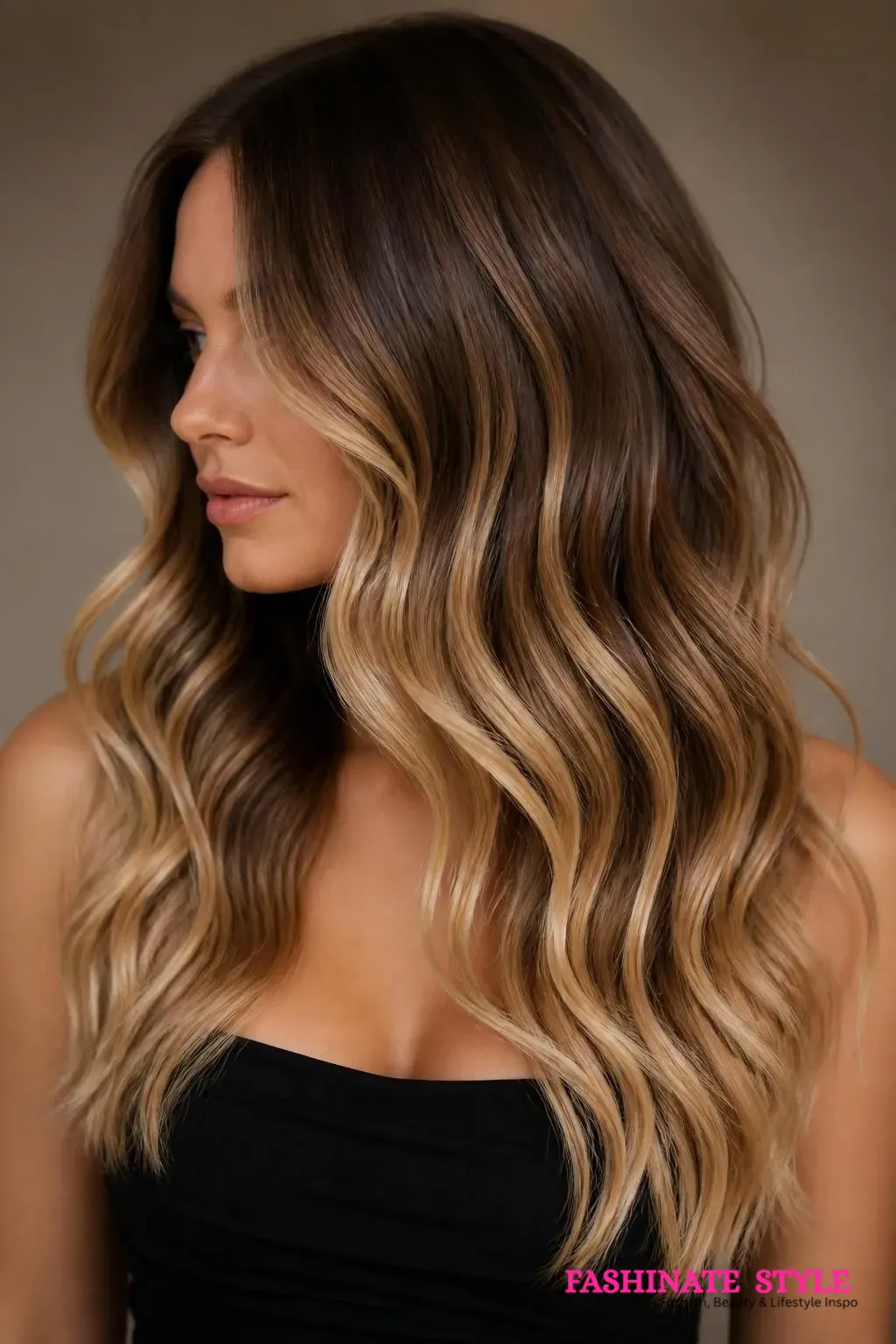
Pairing a deep chocolate base with cool, champagne-toned ends creates soft contrast without much warmth. The cooler blonde keeps things looking polished and slightly editorial.
This combination suits anyone who prefers ash or neutral tones over golden warmth. A purple-toned shampoo used occasionally helps keep the champagne ends from shifting brassy over time.
Tip: Use a purple shampoo once every one to two weeks, not more, to avoid over-toning the champagne ends.
4. Long Layers with a Sunlit Blonde Gradient
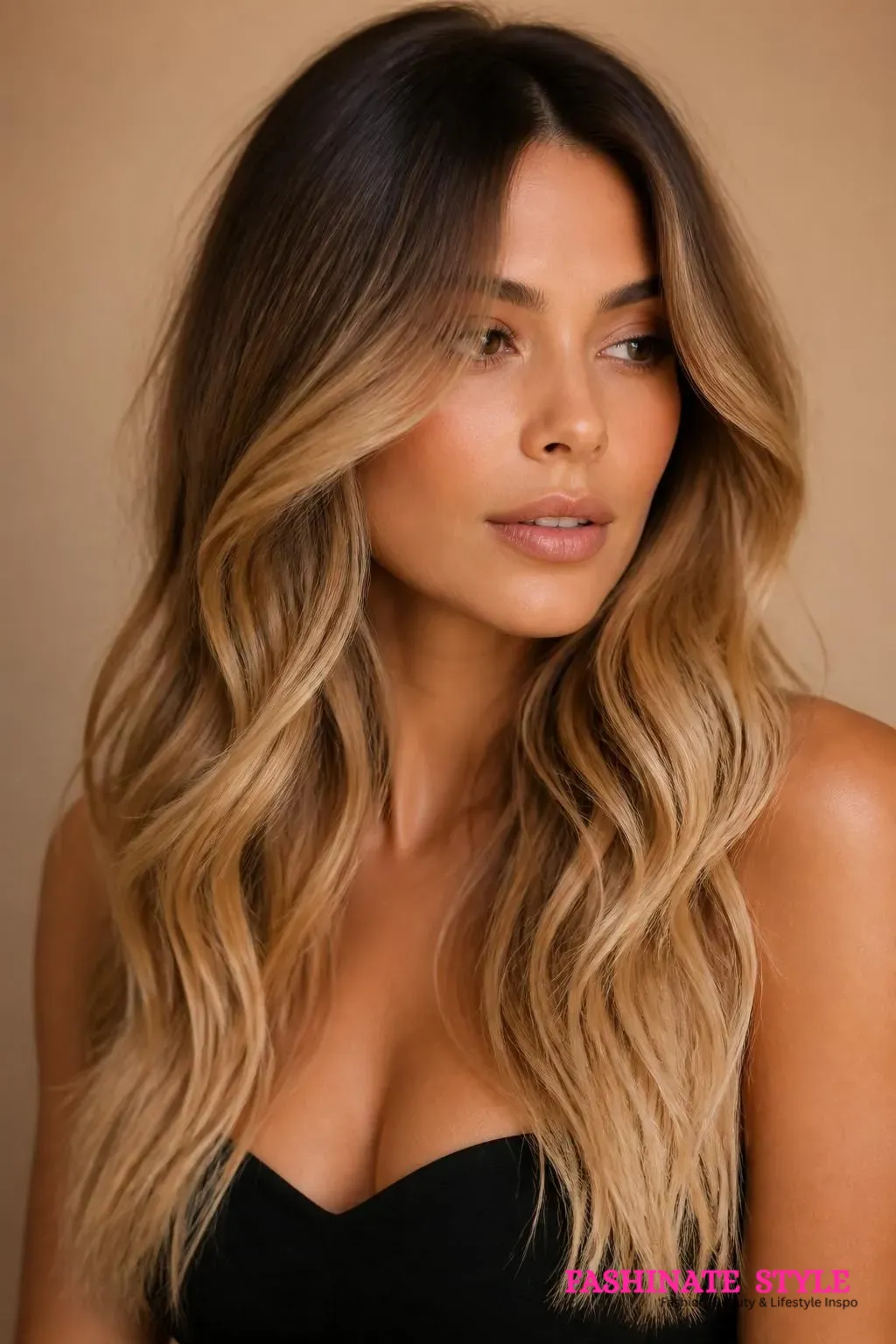
Long layers give balayage plenty of surface area to show off a gradual gradient from brunette roots to sun-kissed blonde ends. The layering itself adds movement that makes the color shift look even more natural.
This is a great option if you already have layers cut into your hair, since the color and the cut work together rather than competing. Loose waves show off the gradient especially well.
Tip: Curl hair with a large-barrel wand to enhance the gradient effect through the layers.
5. Curly Hair with Warm Blonde Balayage
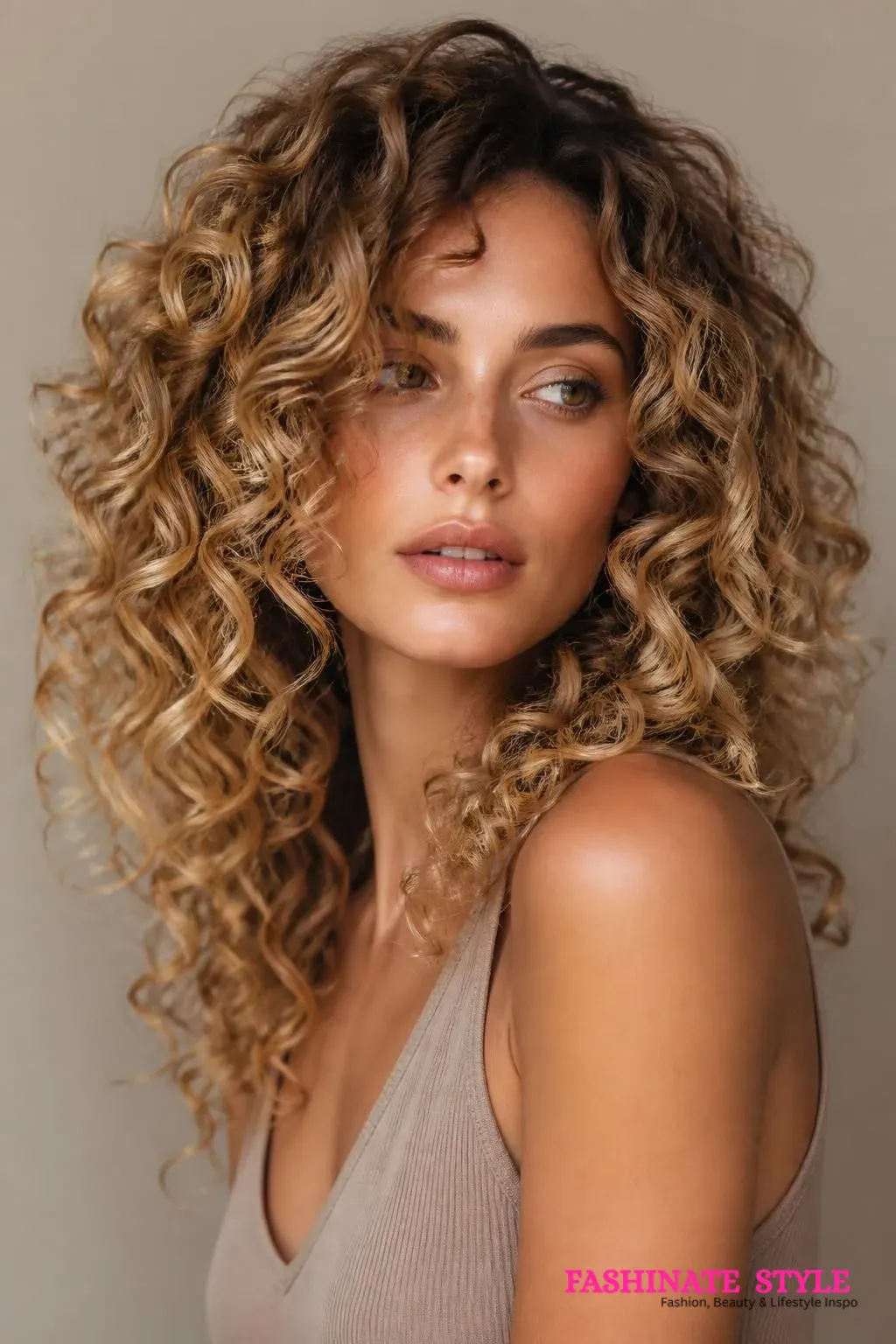
Curls reveal balayage in a completely different way than straight hair, since every curl catches the transition from brown to blonde at a slightly different angle. Warm blonde tones woven through the curl pattern add real dimension.
This technique also tends to require fewer touch-ups on curly hair, since the natural texture disguises the root line more effectively. A curl-defining cream after coloring keeps the pattern crisp and shows off the placement.
Tip: Apply curl cream to soaking wet curls right after coloring to lock in definition and shine.
6. Bronde Blend from Root to Tip
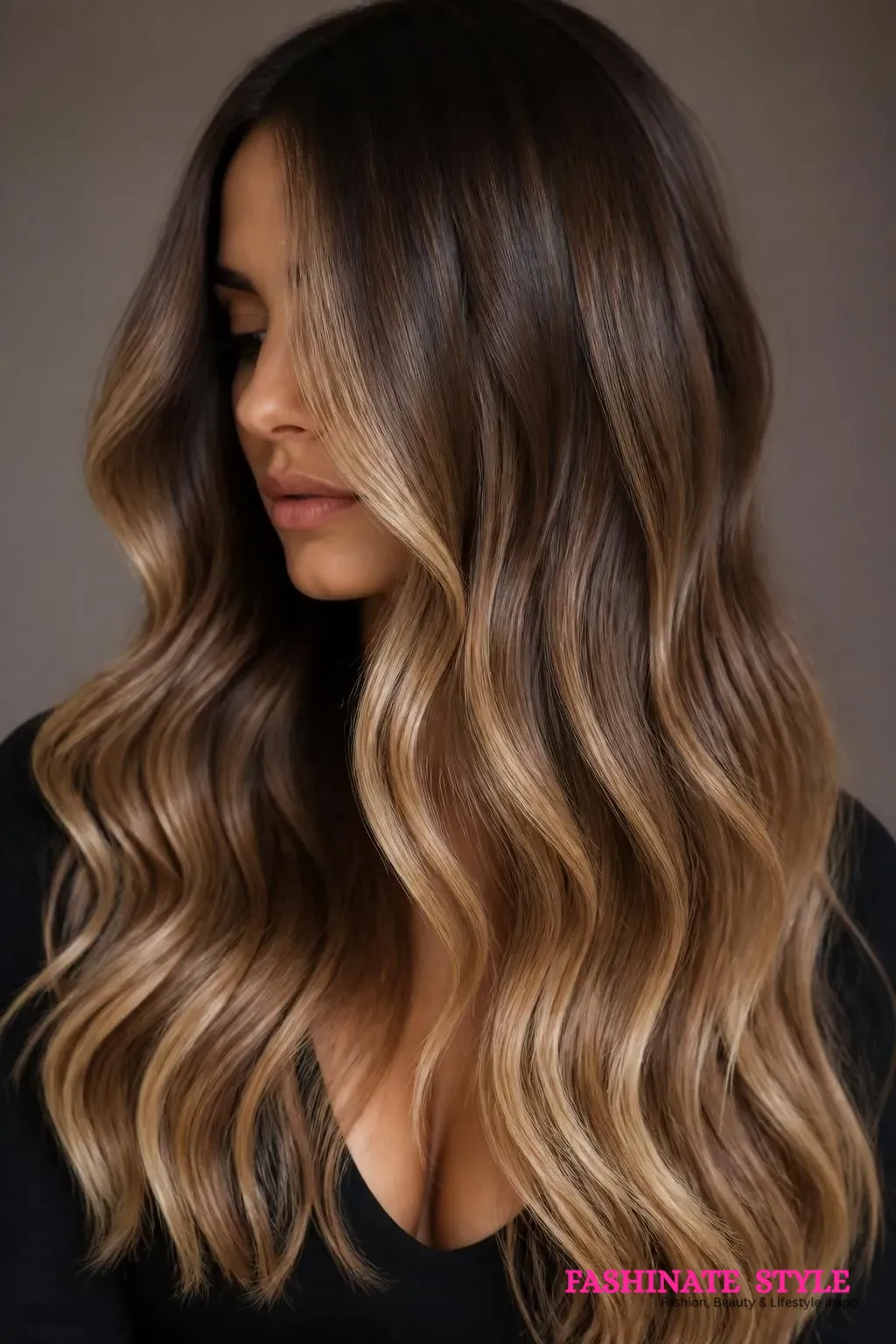
“Bronde,” the in-between shade of brown and blonde, creates one of the lowest-contrast, most natural-looking balayage results available. The whole head reads as one cohesive, sun-warmed color rather than distinct sections.
This is an excellent choice if you want the benefits of brightness without any dramatic color shift. It suits nearly every skin tone and requires minimal upkeep since there’s no harsh line to maintain.
Tip: Ask for “bronde” specifically by name, since it’s a distinct formula from standard balayage placement.
7. Face-Framing Blonde Balayage on a Brunette Base
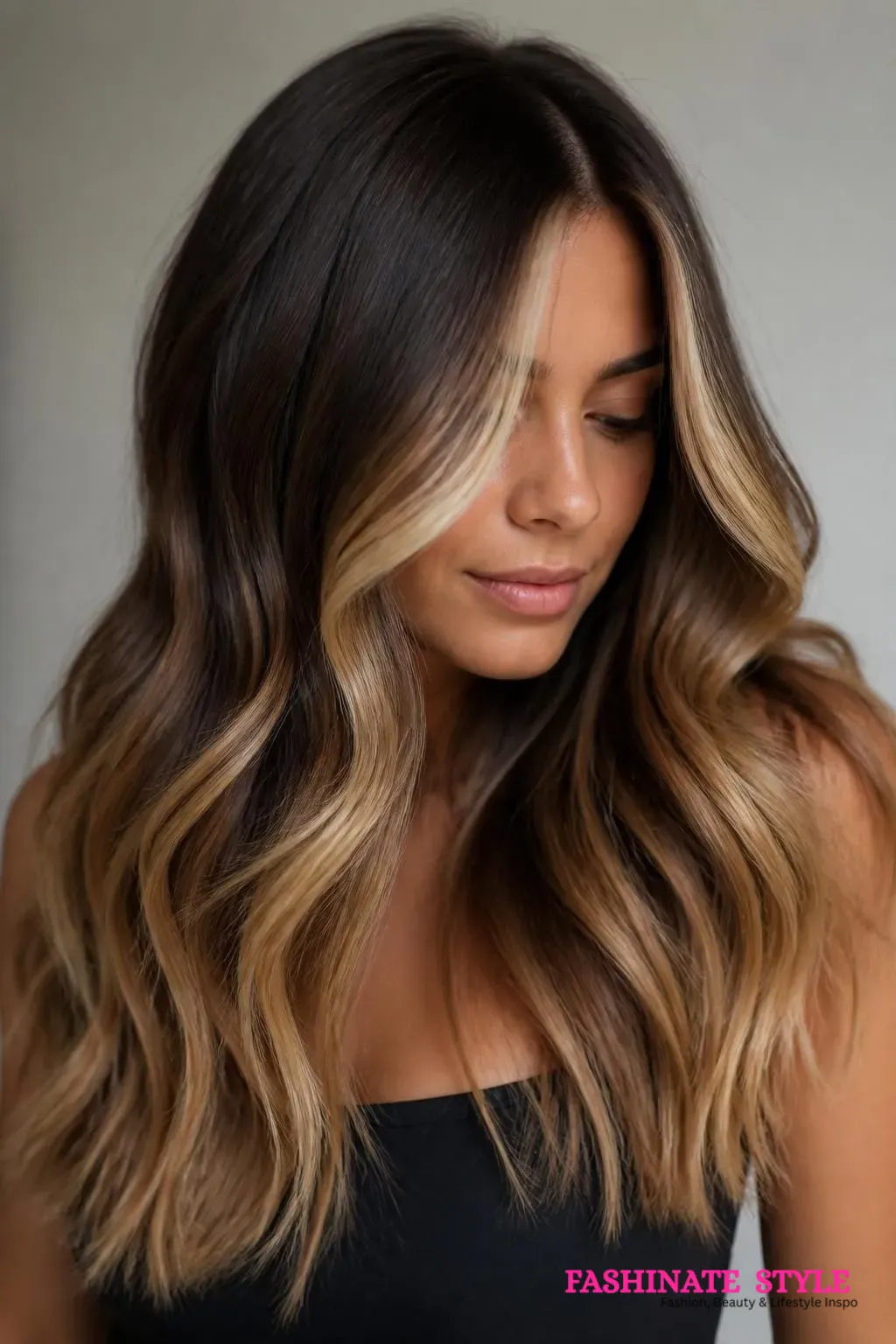
Concentrating the blonde placement around the face while keeping the rest of the hair brunette brightens your complexion without requiring a full-head color service. It’s a budget-friendly way to test the look before committing further.
This approach also tends to be one of the fastest to apply and the easiest to touch up. The brightness near your face has an instantly flattering effect, especially for warmer skin tones.
Tip: Have face-framing pieces cut slightly shorter so they curve naturally around your cheekbones.
8. Wavy Lob with a Golden Blonde Fade
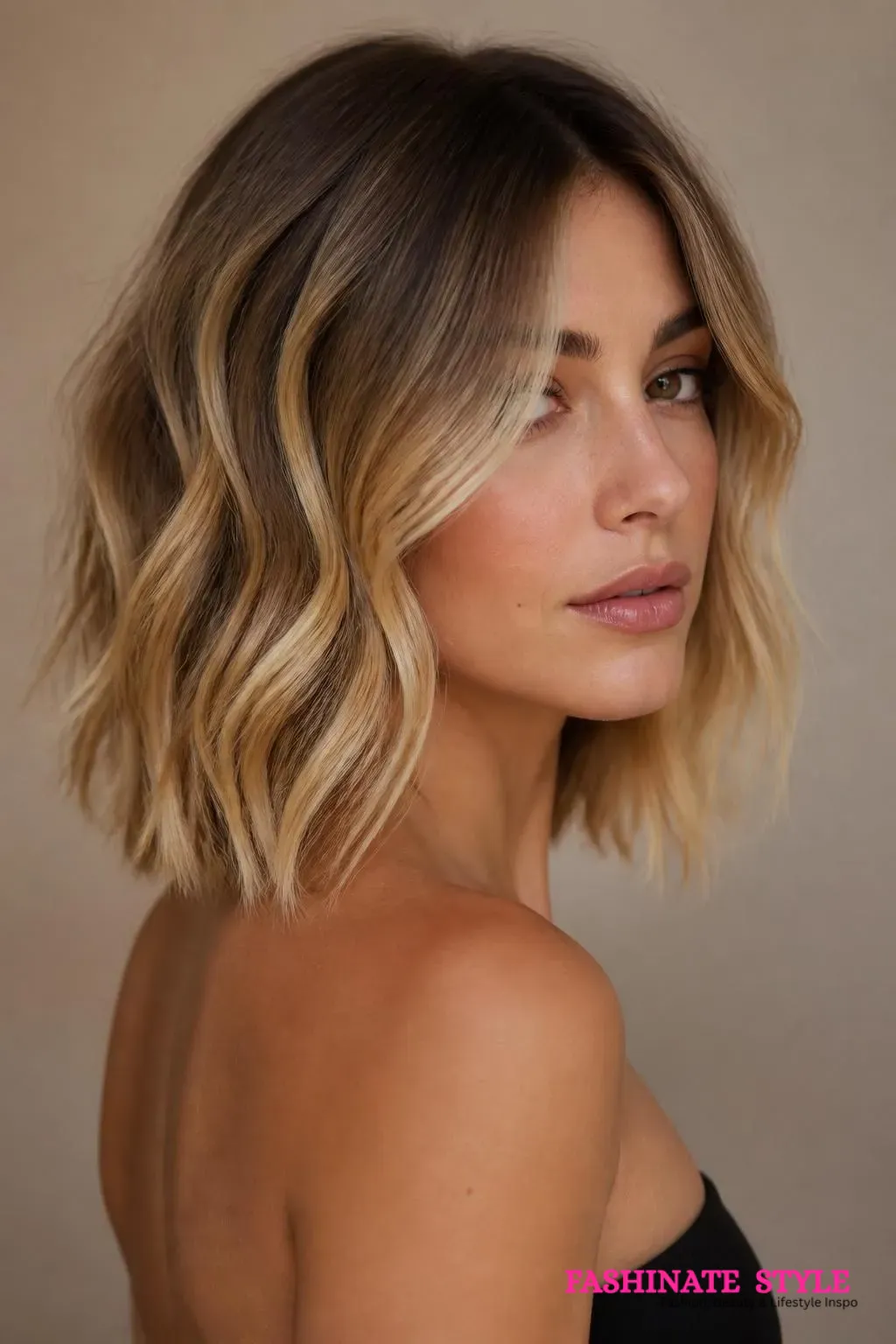
A shoulder-length lob with waves shows off a golden blonde fade especially well, since the movement in the hair catches the gradient from every angle. The length is versatile enough to suit most face shapes.
This is an easy everyday style that photographs well with minimal effort. A lightweight sea-salt spray enhances the natural wave pattern without weighing down the lighter ends.
Tip: Scrunch a sea-salt spray into damp hair and air-dry to enhance both the wave and the color gradient.
9. Ash Brown Roots into Icy Blonde Ends
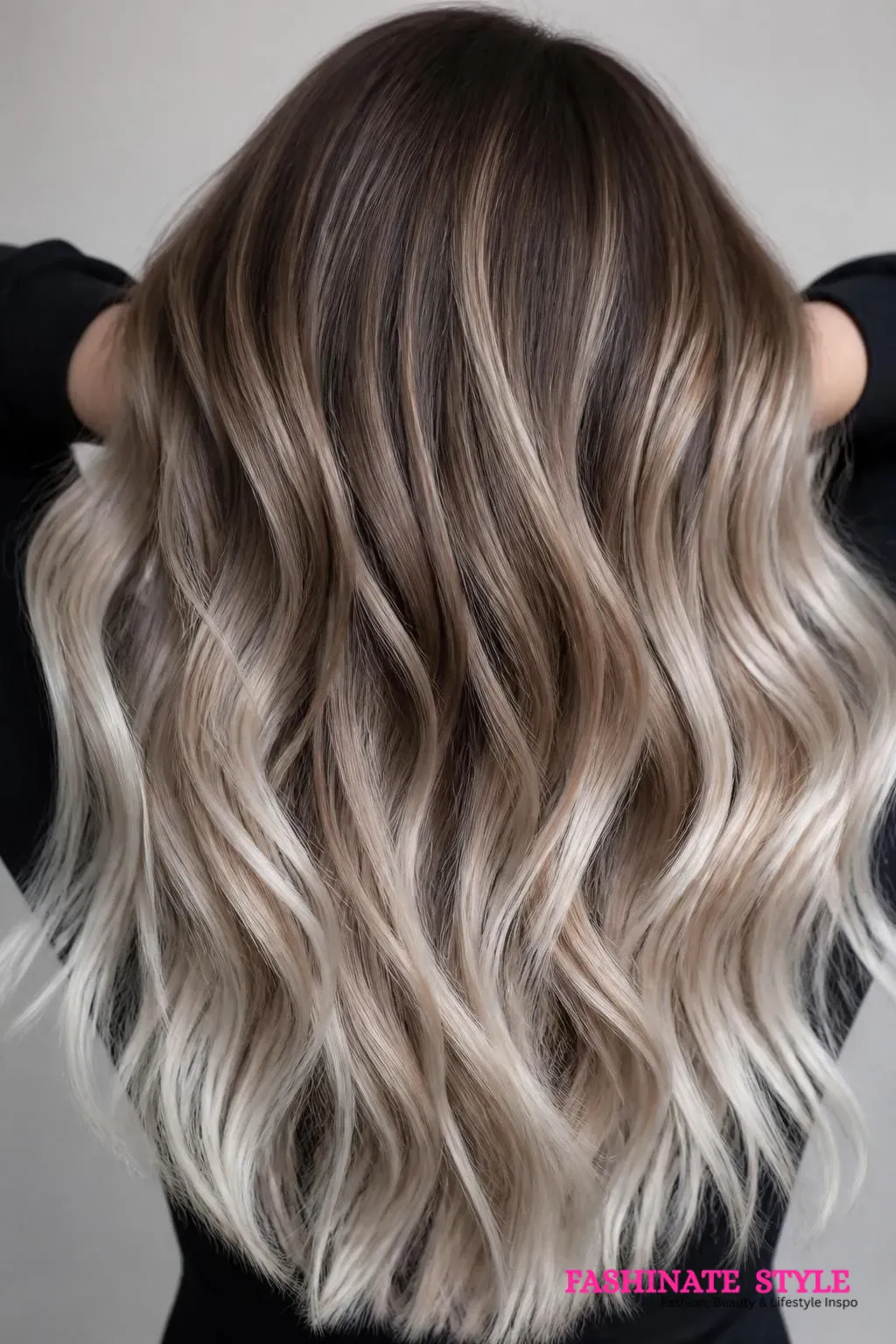
Cool ash brown roots paired with icy, near-platinum ends create striking contrast for anyone who wants their balayage to feel bold rather than subtle. The ash tone keeps the whole transition looking crisp and intentional.
This combination requires a bit more upkeep than warmer options, since icy blondes can shift color faster. A bond-building treatment used regularly helps keep the lightened ends strong and healthy.
Tip: Use a bond-repair treatment weekly if your ends are lightened close to platinum to prevent breakage.
10. Shadow Root Blonde for Ultimate Low Maintenance
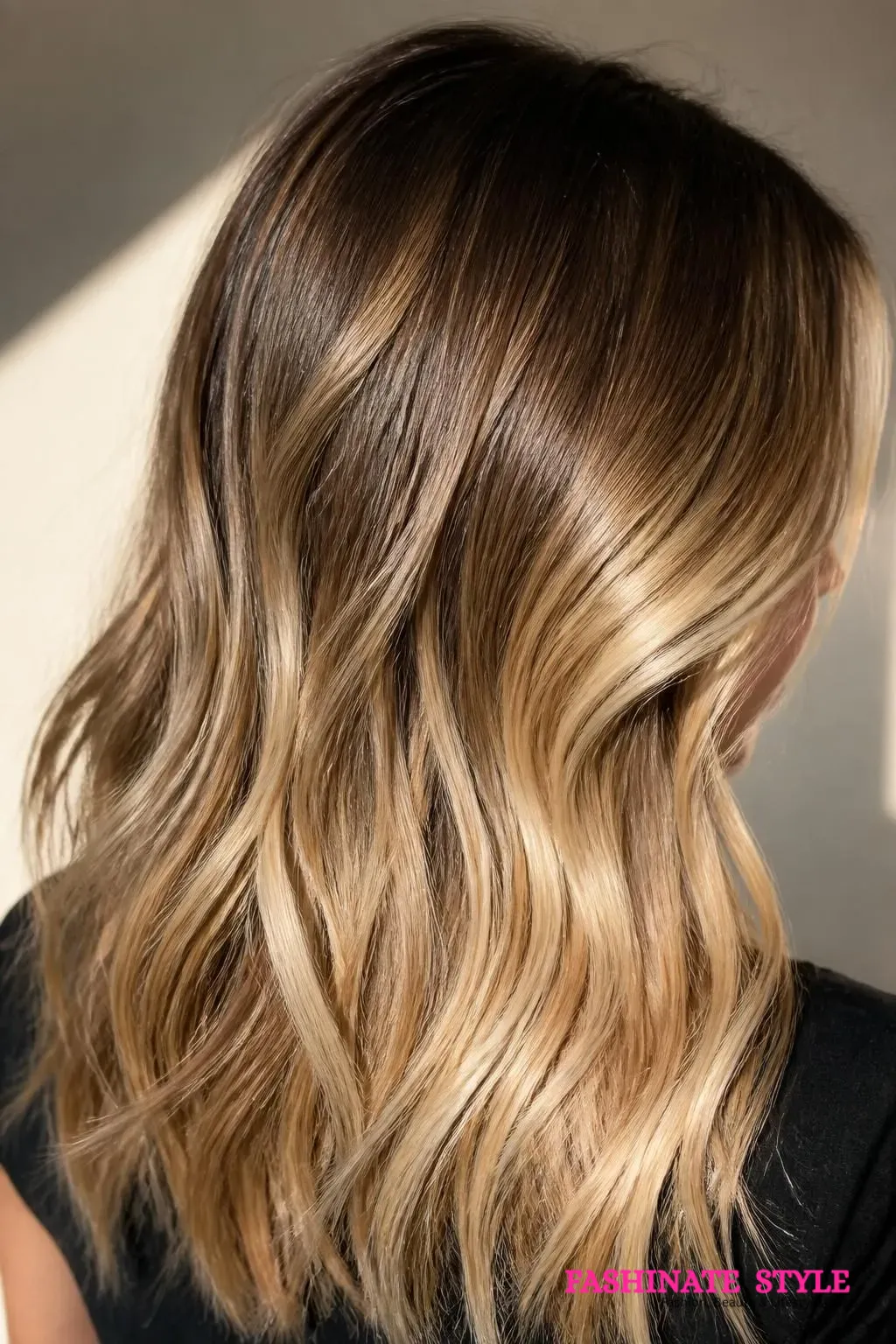
A shadow root, where the base is intentionally left one or two shades darker before blending into blonde, is one of the most forgiving balayage techniques for stretching out salon visits. The whole point is a soft, deliberate root that never looks like it needs a touch-up.
This is the go-to option if your top priority is minimizing maintenance without sacrificing brightness. Many people go three to four months between appointments with this technique.
Tip: Choose a shadow root one to two shades darker than your natural color for the most seamless blend.
11. Short Bob with a Subtle Blonde Melt
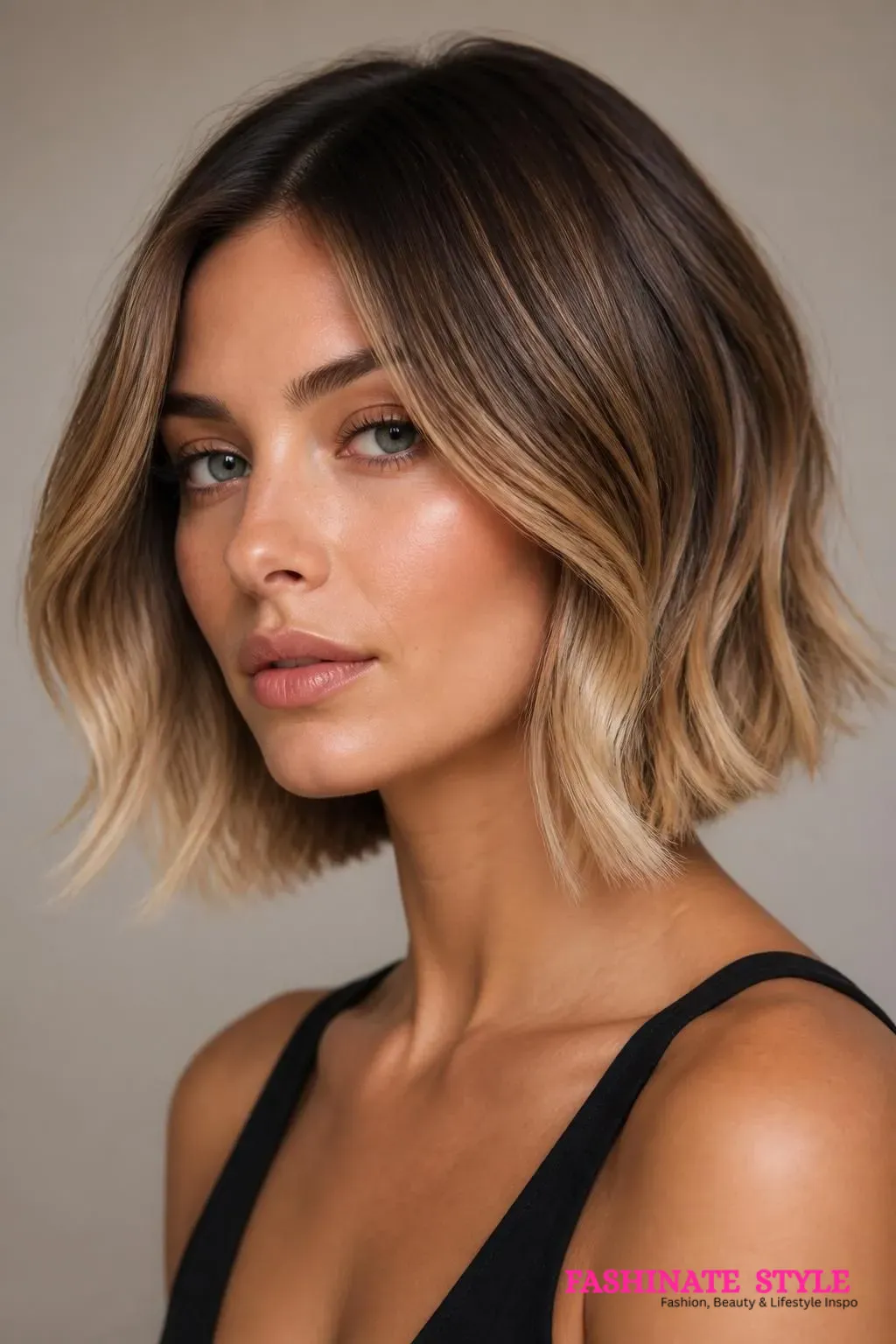
A short bob doesn’t have much length to work with, so a subtle blonde melt through the ends keeps things soft rather than choppy. The brightness is concentrated where it shows the most, around the face and along the bottom edge of the cut.
This is a great low-commitment option if you want to dip a toe into balayage without a dramatic change. It’s also one of the quickest styles to maintain, since less hair means less color to touch up.
Tip: Request balayage concentrated at the crown and ends specifically, since short hair shows placement more clearly.
12. Dimensional Brown with Multiple Blonde Tones
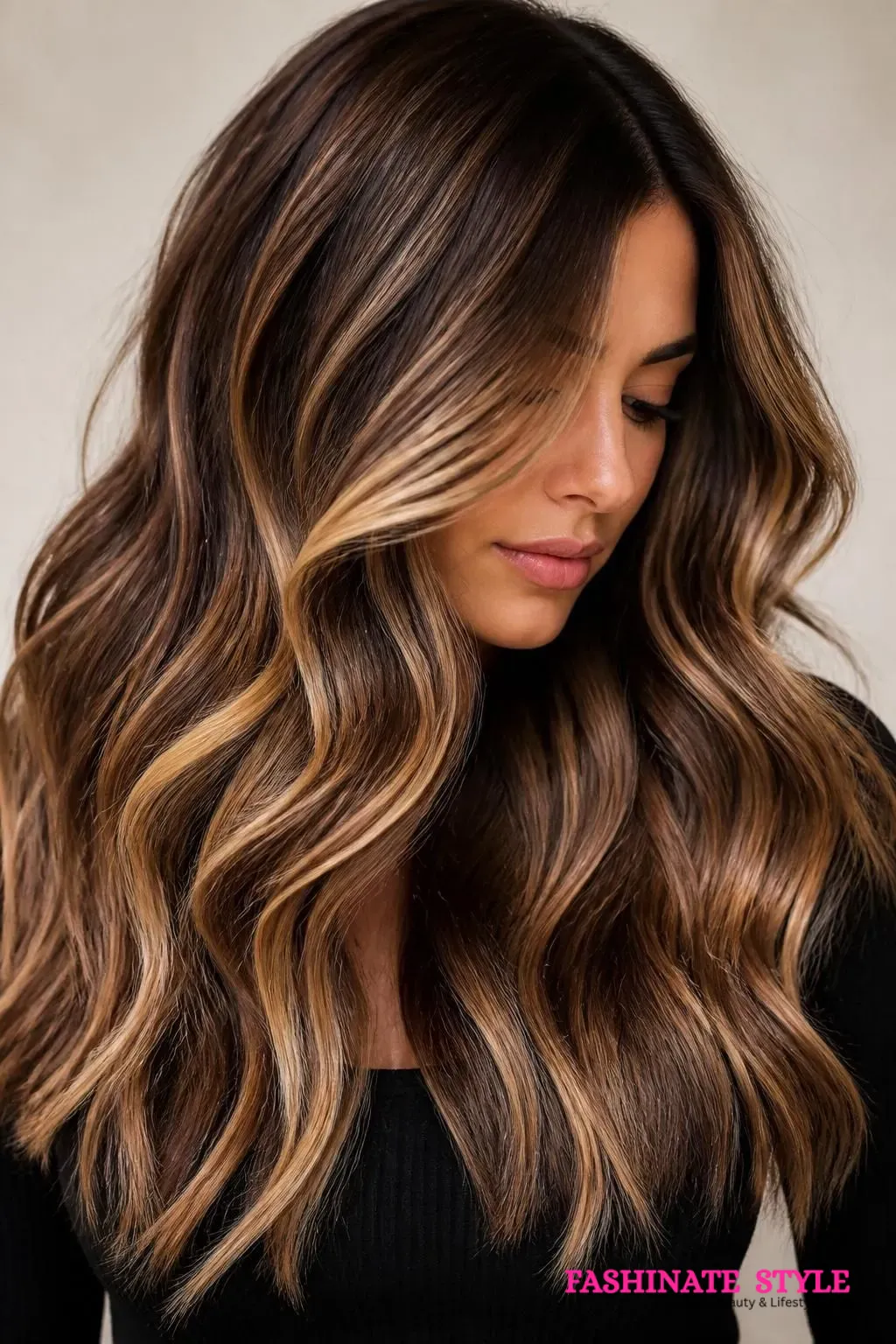
Instead of one single blonde shade, this technique layers in two or three complementary blonde tones, honey, golden, and champagne, for a richer, more dimensional result. The variation mimics what natural sun-lightened hair actually looks like.
This is a more advanced technique that usually takes longer in the chair but delivers a noticeably more complex, realistic finish. It’s worth the extra time if dimension is your top priority.
Tip: Ask your colorist about multi-tonal balayage specifically, since it’s a more involved technique than single-shade placement.
13. Wavy Hair with a Warm Honey Blonde Melt
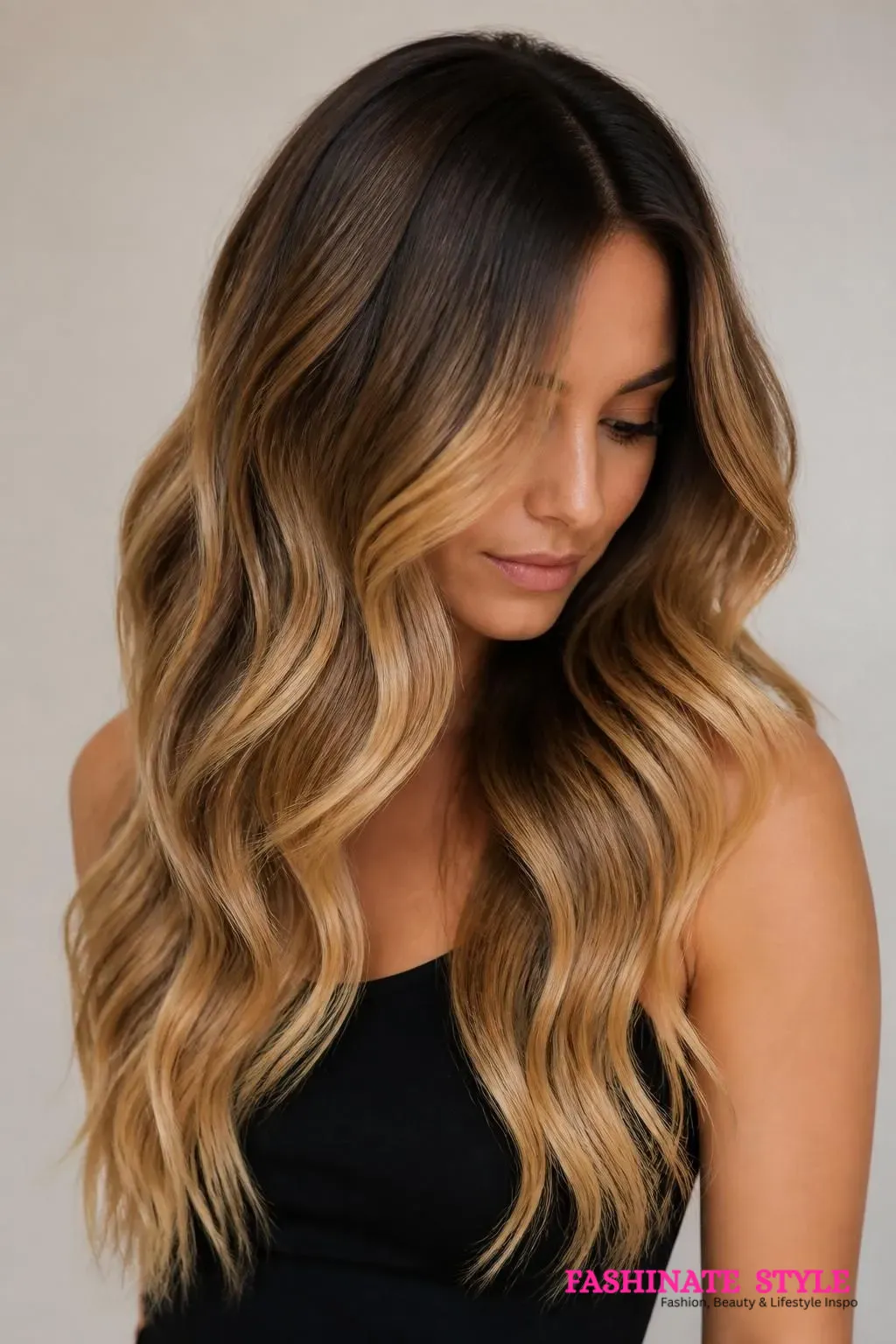
Loose waves paired with a honey blonde melt create a soft, romantic finish that leans warm rather than icy. The wave pattern helps the color transition look even more fluid and natural.
This combination is especially flattering for warmer skin tones, since the honey shade complements golden and olive undertones nicely. Minimal styling is needed since the waves and color work together on their own.
Tip: Use a light-hold mousse on damp hair to keep waves soft without disrupting the honey blonde’s natural glow.
14. Long Hair with a Gradual Three-Tone Fade
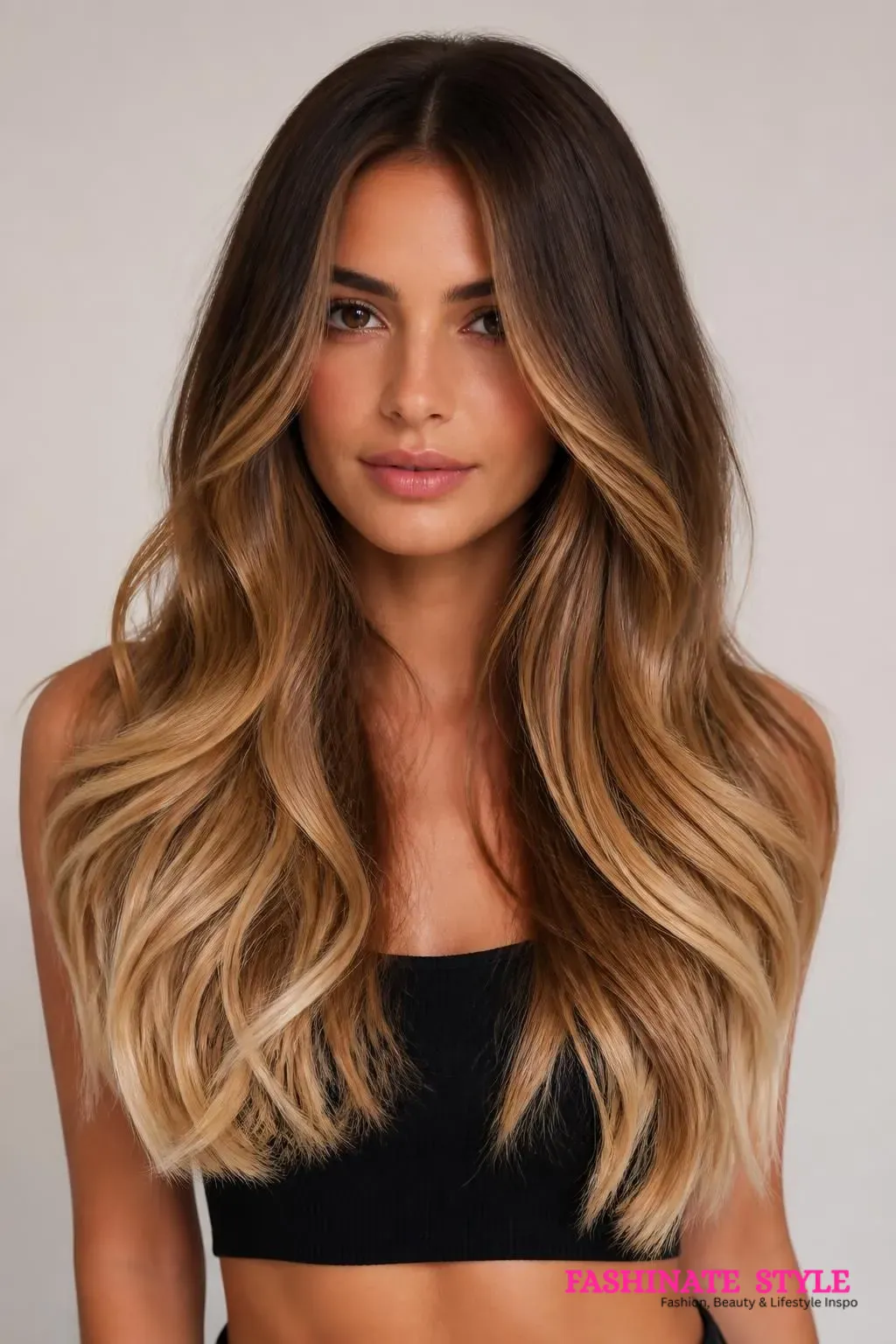
On longer hair, a three-tone fade from deep brown to caramel to pale blonde has room to fully develop across the length. Each transition zone gets its own space to blend smoothly into the next.
This is one of the most photogenic options on this list, since long hair shows off every stage of the gradient in motion. It does require a longer appointment time, but the payoff is worth it for anyone with the length to support it.
Tip: Get regular trims every 10 to 12 weeks to keep the ends of a long gradient looking healthy and defined.
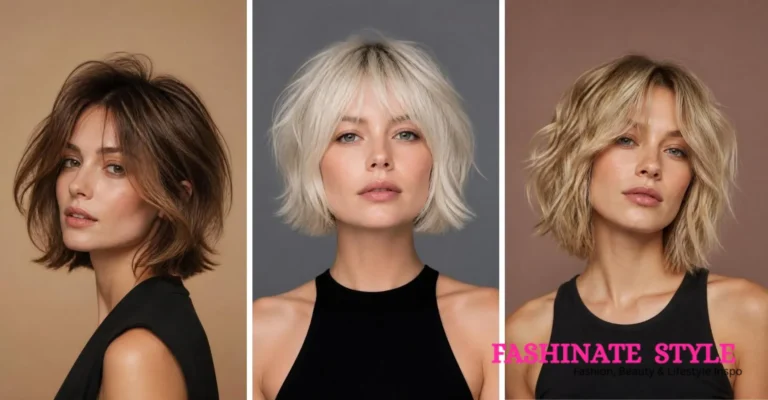
15. Textured Shag with Sun-Kissed Blonde Pieces
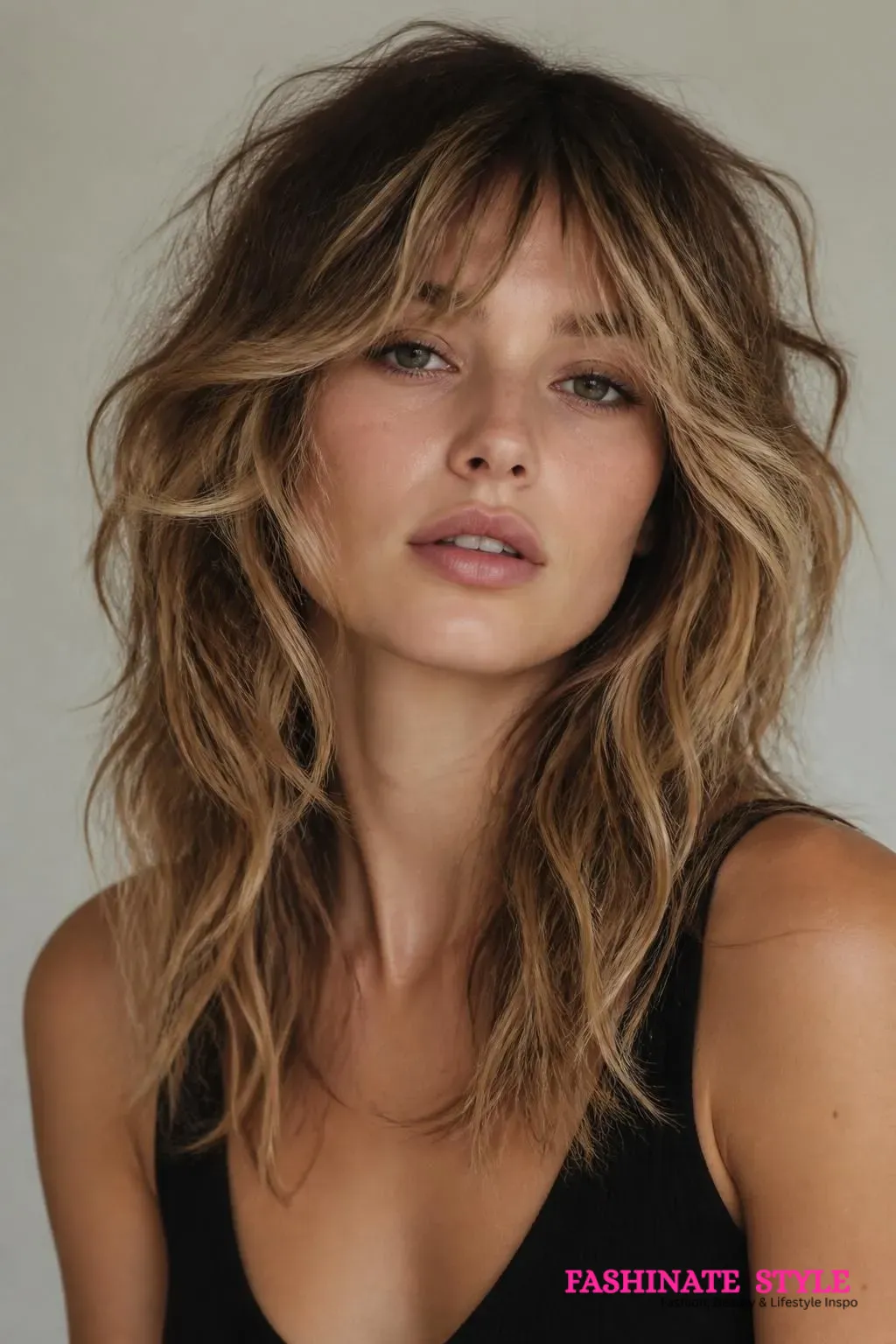
A shag cut already has plenty of built-in texture, and sun-kissed blonde pieces woven through the layers highlight every bit of that movement. The color breaks up the shape just enough to keep a heavier cut from looking dense.
This is a great pairing if you like an undone, effortless vibe with a bit of edge. A texturizing spray at the roots keeps the shag looking full and separated.
Tip: Apply texturizing spray at the roots before air-drying to keep shag layers separated and full of movement.
16. Balayage with a Soft, Beige-Toned Finish
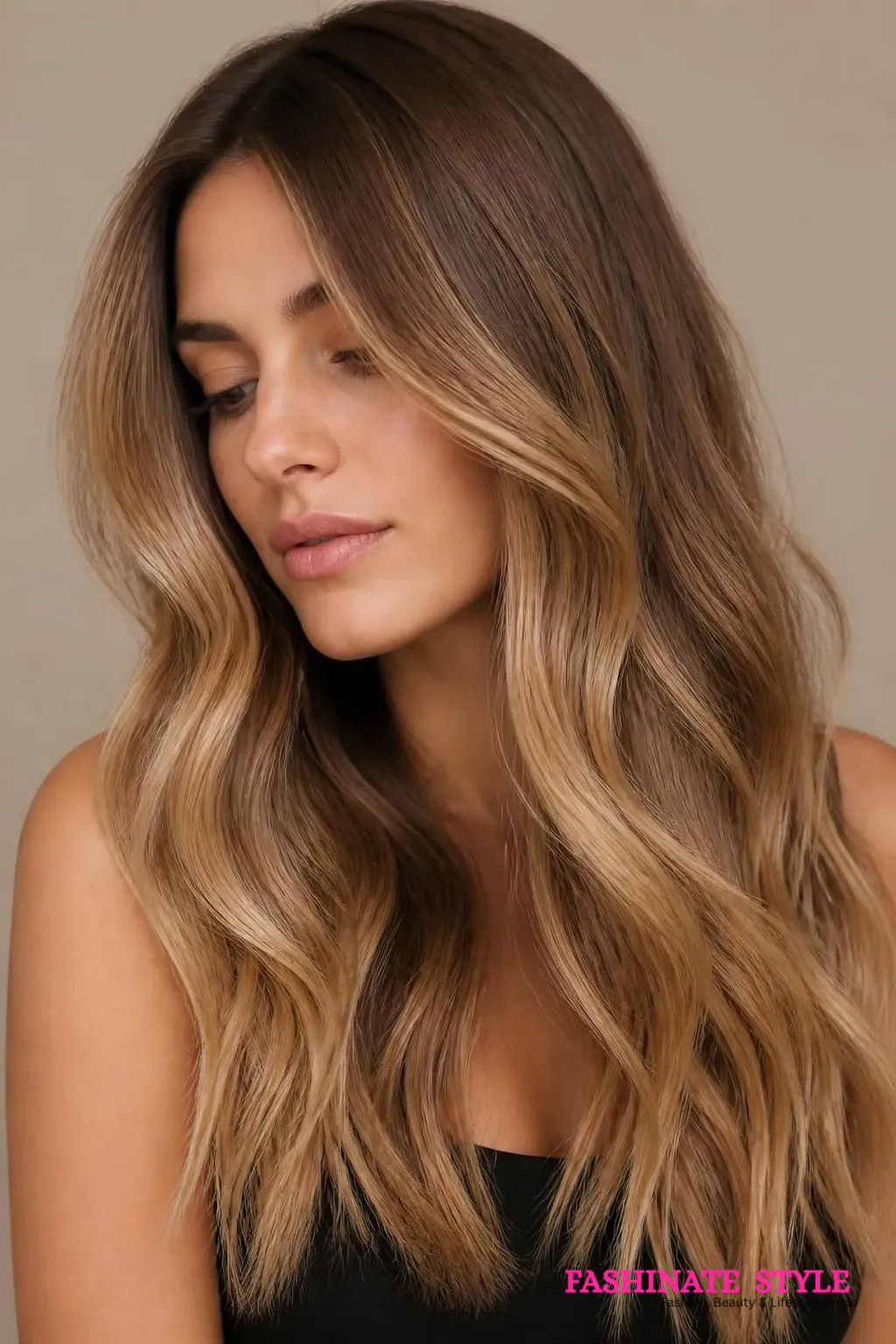
Beige blonde sits in a cool-neutral zone that avoids both harsh ash tones and overly golden warmth. Blended gradually from a brunette base, it creates one of the more universally flattering finishes on this list.
This is a good choice if you’re unsure whether you lean warm or cool and want a safe middle ground. It photographs well in almost any lighting and pairs easily with most skin tones.
Tip: Ask for “beige blonde” specifically, since some colorists default to warmer gold tones unless told otherwise.
17. Curly Bob with a Blonde Ombre Fade
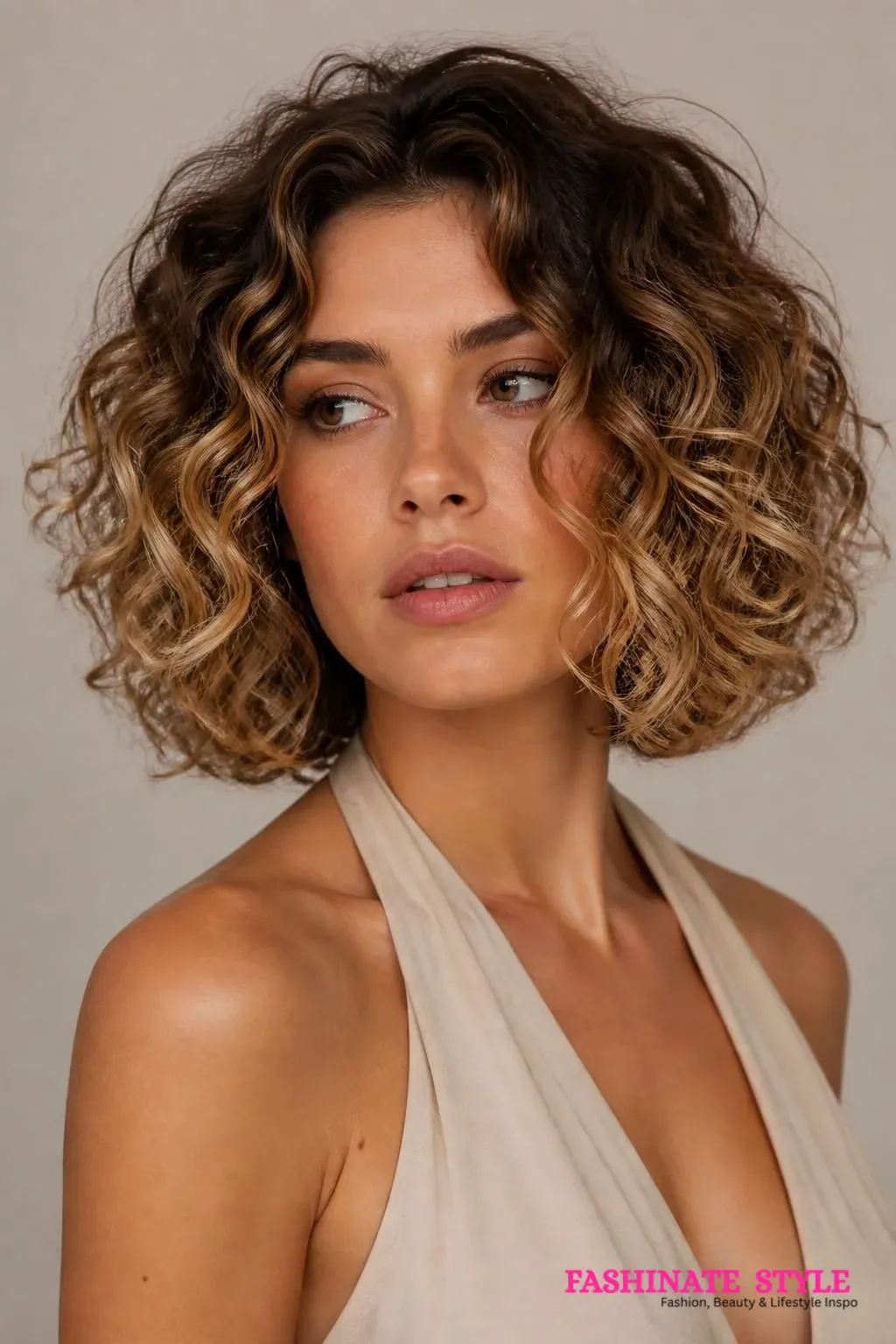
A curly bob with an ombre-style fade keeps the roots brunette and shifts to blonde through the lower half of the curls. On curly hair especially, this creates a sunlit gradient effect that reads as effortless rather than high-maintenance.
This is a great pick if you want a noticeable but still wearable color shift on shorter hair. The curls help disguise the transition line even further as they move throughout the day.
Tip: Use a curl cream rather than gel to keep curls soft and let the ombre fade show clearly.
18. Timeless Brown to Blonde Blend
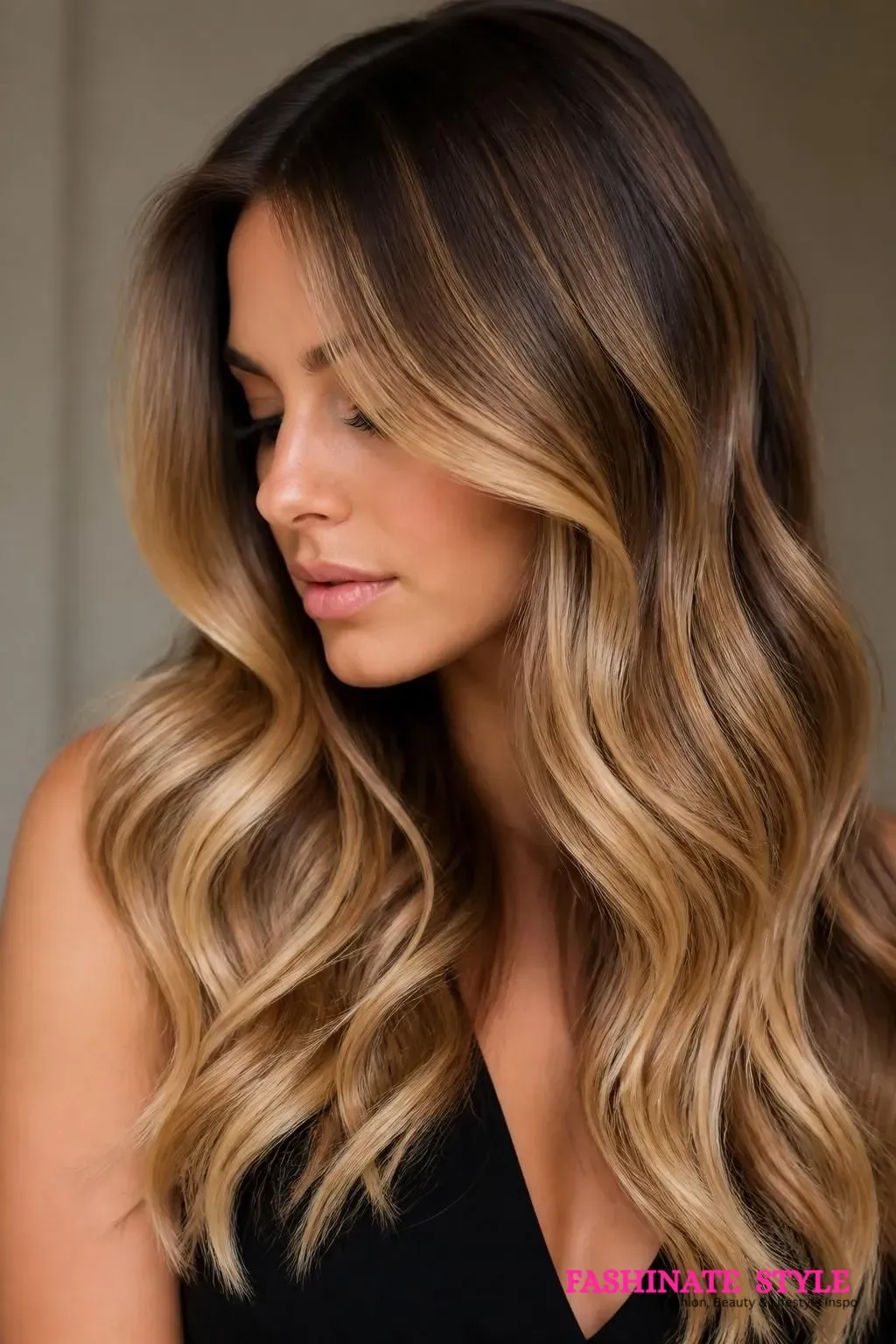
Sometimes the classic version really is the best version. A smooth, even blend from brunette roots into a soft golden blonde, with no harsh lines and no bold contrast, remains one of the most requested balayage looks for a reason.
This style ages well, works with nearly any haircut, and photographs consistently across every season and lighting condition. It’s the safest bet if you want color that will still look great years down the line.
Tip: Stick with a warm-toned purple shampoo sparingly to maintain the classic gold without dulling it down.
Frequently Asked Questions
How often do I need to touch up brown to blonde balayage?
Most balayage styles can go anywhere from 10 to 16 weeks between full color appointments, depending on how deep the root is left. A gloss refresh every couple of months keeps things looking bright in between.
Will brown to blonde balayage damage my hair?
Some lightening is inevitable, but balayage is generally gentler than full-head foiling since fewer sections are lifted to their lightest point. Regular bond-building treatments help keep lightened ends strong and healthy.
Can I go from brown to blonde balayage in one appointment?
It depends on your starting color and how light you want to go. Darker bases or icier blonde goals sometimes require multiple sessions spaced a few weeks apart to protect hair health.
Does brown to blonde balayage suit my skin tone?
Balayage is one of the more adaptable techniques out there, since your colorist can adjust warmth and placement to complement your specific skin tone. Warmer skin tones often lean toward honey and caramel, while cooler tones may prefer ash or beige blonde.
How do I keep blonde balayage from turning brassy?
A toning shampoo used once or twice a week helps neutralize warmth as it develops. Regular gloss treatments and minimizing heat styling also go a long way toward keeping the color fresh.
What haircuts show off brown to blonde balayage the best?
Layered cuts, shags, lobs, and long waves tend to display the gradient most clearly, since movement helps show off the transition between shades. Curls also highlight dimension particularly well.
Also Worth Knowing: Keeping Balayage Healthy Between Visits
Lightened hair needs a bit more care than hair that’s never been colored, especially through the mid-lengths and ends. A weekly deep conditioning treatment or hair mask helps maintain softness and prevent the dryness that often comes with lifting brown to blonde.
Heat protectant is worth using every time you style with hot tools, since lightened strands are naturally more porous and prone to damage. Turning down the heat setting even slightly can make a noticeable difference over time.
Final Thoughts: Color That Grows Up, Not Out
The real appeal of brown to blonde balayage is how gracefully it ages between salon visits. Because the technique is built around soft, blended transitions, you’re never staring at an obvious line of regrowth weeks later.
Choosing the right version comes down to how much contrast you want and how warm or cool you tend to lean. There’s a version of this color for nearly every hair type, length, and lifestyle on this list.
Bring a couple of these ideas to your next consultation and talk through placement and root depth before committing. The best brown to blonde balayage is the one that still looks like your hair, just brighter.
Don't miss the next one
Quick outfit ideas and beauty tips, straight to your inbox.