

The biggest mistake grandparents make planning a family reunion is trying to be both the host and the entire committee. You book the pavilion, smoke the brisket, run the trivia, refill the coolers — and Sunday night you realize you barely sat down with your own grandchildren. That’s not a reunion. That’s a catering job with relatives in the room.
Here’s the fix, and it’s the rule these 23 tips are built on: decide the big things early (dates, city, lodging, budget), hand off the small things generously, and protect real time to simply be together. You are the reason everyone is coming. Act like it by saving yourself a seat.
What follows is practical, not sentimental — how to pick a date that survives June graduations and July vacations, how to split costs without resentment, how to feed 40 people without cooking for three days, how to keep a 4-year-old and an 84-year-old both happy, and how to come home tired in the good way instead of wrecked.
1. Name the one thing that matters most

Before dates, menus or matching shirts, write one sentence that names the point of this reunion. Grandma’s 80th birthday. Cousins meeting for the first time. Scattering Dad’s ashes at the lake he loved. That single line becomes your filter for every decision that follows.
It works because it turns vague disagreements into easy ones. When someone floats a third t-shirt design or a two-hour drive to a theme park, you test it against the goal — does this serve it or just add noise? Saying no stops feeling personal.
This suits any grandparent hosting, especially if you’re coordinating with strong-willed adult children. Put the goal in your very first group message so relatives plan around it from day one.
Write it now, in one sentence, and pin it to the top of the group chat. Every later “should we?” gets answered by reading it aloud.
2. Pick dates by survey, not by convenience

Send a free poll — Doodle, Google Forms or a plain group text — with two or three candidate weekends. Ask each household to mark available, maybe, or no. You want the weekend the most people can actually reach, not the one that’s easiest for you.
Give people real lead time: aim 9–12 months out for a travel reunion, 4–6 months for a local one. Two weekends reliably cause regret — the one right after school starts and the one just before a major holiday. Both look fine on a calendar and wreck attendance in practice.
This approach suits far-flung families juggling school terms, sports and work shifts. It also gives you a paper trail so no one can claim they were never asked.
Close the poll on a stated date, pick the winner, and announce it once — don’t reopen it because one cousin finally replied.
3. Choose a location with a real kitchen

For groups over 15, a house, lodge or cabin with a full kitchen and a second fridge beats a hotel block almost every time. You’ll save a fortune on meals, and the kitchen becomes the natural gathering spot where the best conversations happen.
Look for a covered porch or a basement rec room as a rain backup — one afternoon of storms can otherwise flatten a whole day. And check the bed-to-person ratio honestly: some teens are thrilled with sleeping bags on a floor, some aunts are absolutely not.
This suits multi-generation groups where feeding everyone restaurant-style would blow the budget by Thursday. Elders also do better with a quiet room set apart from the late-night card game.
Ask the host directly how many real beds, how many bathrooms, and whether the kitchen has a working dishwasher and enough counter space for two cooks at once.
4. Book the venue before you announce anything

Families rearrange flights and request time off the instant a date hits the group chat. So never publish a location you haven’t reserved. Once it’s out there, changing it costs people real money and goodwill.
Put down the deposit, get the cancellation policy in writing, and photograph the layout while you’re there. Those photos let you answer “is there a ramp?” or “can Grandma’s walker get to the bathroom?” without driving back for a second look.
This matters most for the relative coordinating travel for elderly parents or families flying in. A confirmed address lets them book with confidence.
Before you post the announcement, confirm three things in writing: deposit paid, cancellation terms, and a photo of every entrance and bathroom door.
5. Build a tiny committee with clear jobs

Four to six people is plenty. Assign one for food, one for money, one for lodging and travel info, one for activities, plus a teen ambassador who speaks for the younger crowd. More than that and meetings become the reunion.
Give each person a written one-paragraph brief: what they own, what they can decide alone, and the date it’s due. Committees quietly stall when “help” has no defined edges — nobody knows where their job starts or stops, so nothing gets done.
This suits grandparents who want to lead without carrying everything. A teen ambassador in particular keeps the schedule from being designed only for adults.
Write each brief in a shared doc and name one backup for every role, so a single illness doesn’t sink the weekend.
6. Delegate like you mean it

Hand whole categories to one person — Aunt Dee owns Saturday breakfast, full stop — rather than assigning small tasks that still need your approval. Owning a category means owning the decisions inside it, from the pancake recipe to the shopping list to the cleanup crew.
Say the magic sentence out loud: “You decide, and tell me what you chose.” Then don’t re-decide it. Fighting the urge to “just tweak” what someone else planned is the whole skill here.
This suits the host who wants to actually sit down and talk to relatives instead of running the kitchen all weekend. It’s the single habit that keeps a 70-year-old grandmother off her feet on Saturday morning.
Pick one job you’re secretly planning to do yourself and hand it over today — then delete it from your own list.
7. Set a budget before anyone books a flight

Money talk feels awkward until you put it on paper. Decide now: lodging at $50 per adult per night and $20 per kid, plus a food kitty of $15 per person per day. Put those numbers straight into the invitation so no one is guessing.
Collect deposits early through Venmo, Zelle, or a shared spreadsheet everyone can see. A clear ask up front lets families plan, save, or speak up before it’s too late.
Money discussed in advance is a non-issue. Money discussed at the table becomes a family legend.
Your move: text the three numbers to every household this week and set a deposit deadline two months before the reunion.
8. Make the money fair for every generation

Retired grandparents on fixed incomes, young couples juggling daycare bills, and parents paying tuition all have very different margins. A flat fee can quietly crush one household while barely denting another.
Try a sliding scale, a “travel fund” jar for whoever lives farthest, or ask the two highest-earning households to cover the rental house. Any of these keeps the weekend joyful instead of tense.
Never let one sibling silently subsidize the whole reunion. Resentment outlasts the leftovers.
Your move: call each household privately before setting amounts — a two-minute conversation prevents a two-year grudge.
9. Send a paper invite and a digital hub

Mail a simple printed invitation with the dates, the place, and the dress code. Grandparents love seeing it on the fridge, and it gives the weekend a sense of occasion that a group text never will.
Then run every detail in a shared Google Doc or Facebook group: address, packing list, meal sign-ups, phone numbers, directions. Everyone can check it any hour without calling you.
One hub means you answer each question once, not fourteen times.
Your move: paste the digital hub link at the bottom of the printed invite so nobody has to ask where it lives.
10. Match the menu to a real timeline

Plan one big cookout or potluck dinner per day, then keep everything else self-serve. Bagels, fruit, and coffee in the morning; sandwich and salad boards at lunch. Nobody wants to cook three hot meals a day for thirty people.
A crowd of 30 eats more than you think but wastes more than you fear. Cook for about 85% of your headcount and keep frozen backup burgers in the freezer for the hungry surprise arrivals.
Simple food eaten together beats fancy food eaten late.
Your move: write the menu into the digital hub by day of the week so people know exactly when to show up hungry.
11. Assign dishes by course, not by hope

“Bring a side” gets you six bags of chips. Use a sign-up sheet with named slots instead: two mains, three sides, two desserts, and one salad per dinner, with allergies noted next to each name.
Ask the family foodie to own one signature dish, and let everyone else bring what they already make well. Nobody needs to attempt a brand-new recipe for 30 people.
Specific asks get specific food, and the potluck actually balances out.
Your move: fill the slots yourself for the first two dinners, then open the rest for sign-ups.
12. Solve the coffee problem on day one

Nothing sinks a morning faster than no coffee. Confirm or bring a 40-cup urn, paper filters, and enough grounds for one pot per five adults per day, plus shelf-stable milk that won’t spoil in a rental fridge.
Set the whole station up the night before with a short note taped to the urn so the first person awake can start it without waking you.
Early risers get their cup, and you get to sleep in.
Your move: pack the filters and grounds in a labeled box marked “COFFEE — open first” so it never gets buried under luggage.
13. Plan one activity per day, not five

Grandparents, toddlers and teenagers all need wildly different amounts of stimulation, and a five-event itinerary guarantees meltdowns by 3pm. One anchor outing per day — a lake swim Tuesday, the children’s museum Wednesday, a minor-league ballgame Thursday — gives the weekend shape without the scramble.
Everything else stays loose. Morning coffee on the porch, a lazy afternoon of cards, an evening fire: that’s the good stuff. Blank hours are where the best conversations happen, especially between cousins who haven’t seen each other in years.
Post the anchor activity on the fridge with a rough departure time, and make it genuinely optional. Half the group staying back is fine, not a snub. Pick the outing that suits the least mobile member of the family, or arrange a ride so they can sit it out without missing the day.
14. Create a job board for the whole crew
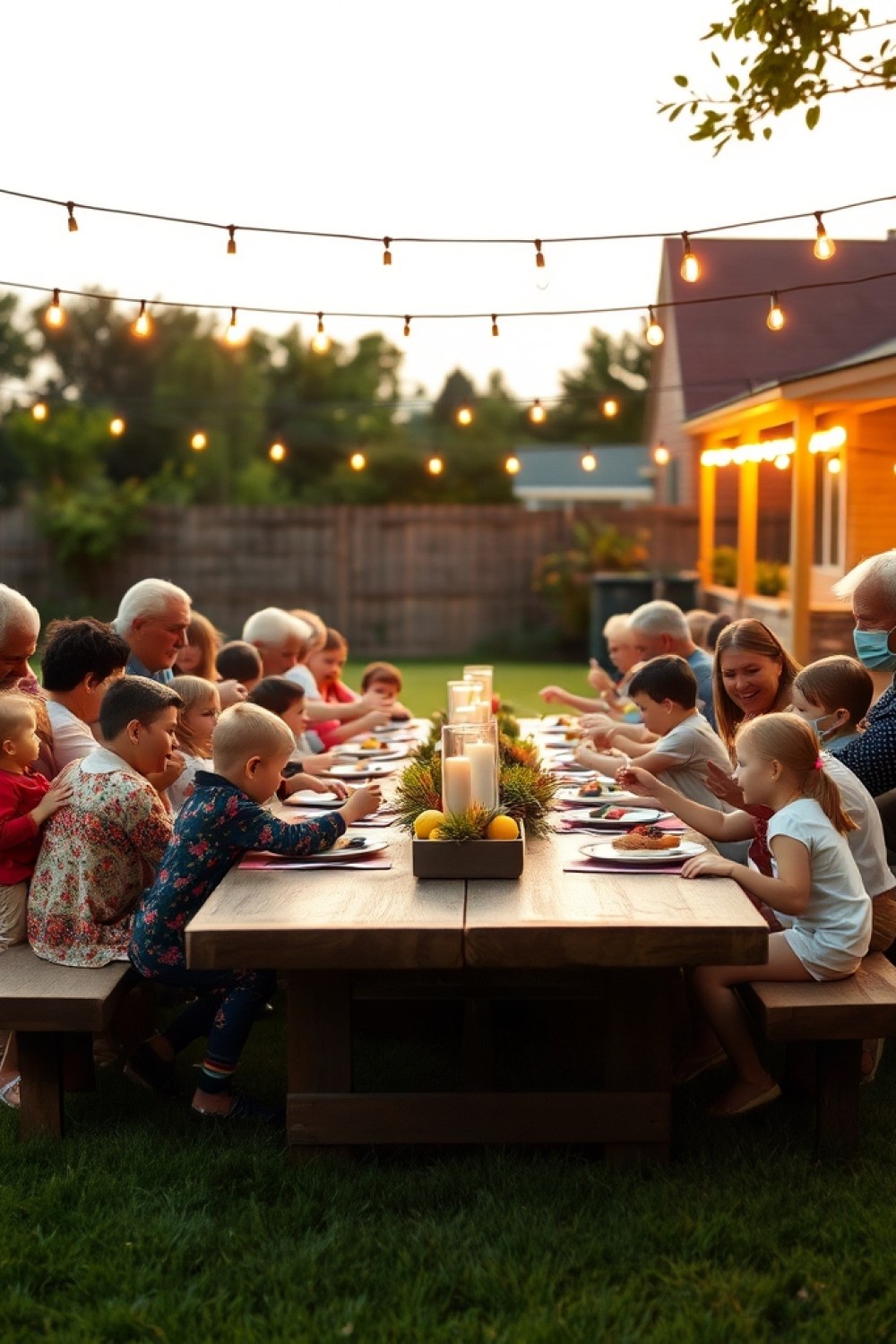
Tape a poster to the kitchen wall or prop a whiteboard near the door. List 30-minute jobs with times attached: grill master, dish crew, trash run, ice filler, kid-wrangler, coffee starter, chair setup. Anyone can claim a slot with a marker, no asking required.
This quietly solves the hardest reunion problem — the in-laws and teenagers who hover awkwardly because they don’t know what to do with themselves. Claiming “dish crew, Friday 7pm” turns a guest into family in about four minutes flat.
It also protects the hosts. Nobody should be washing pots at 10pm while the rest of the house plays euchre. Fill the first two slots yourself so the board looks active, then step back and let the crew sign up.
15. Build a kids’ corner that actually works

One designated room or screened porch, stocked before anyone arrives: a card table with crayons and paper, sidewalk chalk, bubbles, a few board games, and a clearly labeled snack bin that kids can raid without asking. Parents get a real break when little ones have somewhere to go.
Add a quiet napping spot in a corner with a pack-and-play, a fan for white noise, and a blanket over the window. Ask each family to bring two toys, then hold a toy swap midweek — new-to-them toys revive interest right around day three, when boredom hits.
Set one house rule so it doesn’t become chaos central: toys stay in the kids’ corner. Label the snack bin with what’s inside, and put the allergy-safe options on a separate shelf so no child has to ask.
16. Give teenagers a real role

Teens disengage fast when they’re treated as extra children or handed a babysitting shift. Give them something that’s genuinely theirs: the photo booth setup, the weekend playlist, a lawn games tournament they run and referee, or filming everything for a highlight reel everyone watches Sunday night.
A 15-year-old with a camera and a mission becomes the reunion’s most valuable person — and stops checking their phone every two minutes. Ownership beats entertainment every time.
Hand over the responsibility, the small budget for it, and then genuinely stay out of the way. Don’t critique the playlist or reshoot the photos. Ask them at the start of the weekend what they want to be in charge of, and let them pick.
17. Make it comfortable for the oldest guests
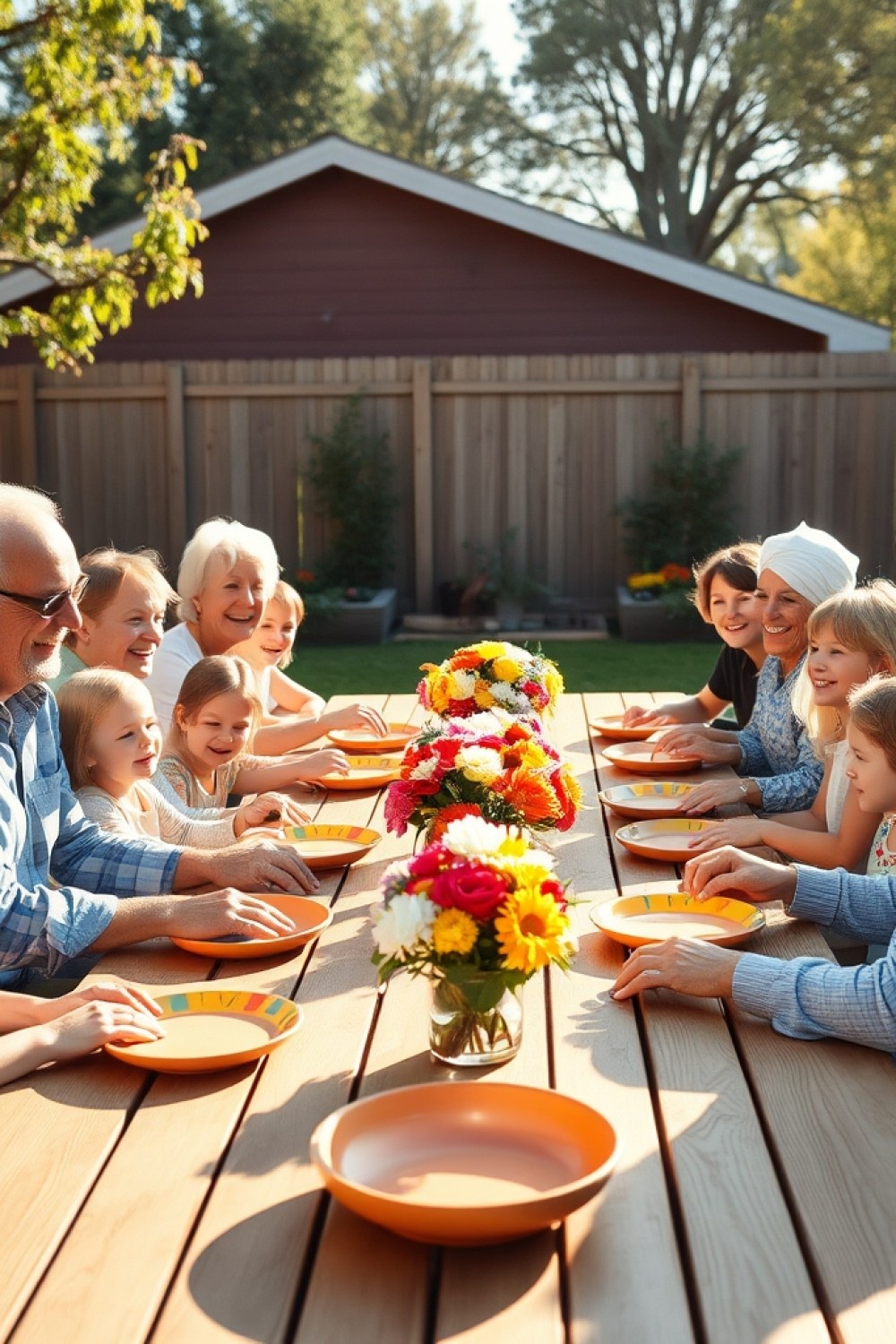
Walk the route your oldest guests will take before they arrive. Count the steps, check bathroom floors for slipperiness, and swap folding lawn chairs for sturdy armchairs with arms — anyone with a sore hip knows how much easier it is to rise from a real chair.
Keep a shaded seating area with a cooler of water within reach, and print the schedule in large type so nobody has to squint at a phone. Plan the day’s big events close to where they sleep, so a nap or a quiet hour is always an option, not a trek.
Most importantly, let them opt out without guilt and without a fuss being made. Sitting out the hike doesn’t mean sitting out the reunion. Ask them directly which one event matters most to them, and build that day’s plan around it.
18. Handle out-of-towners’ basics in one email
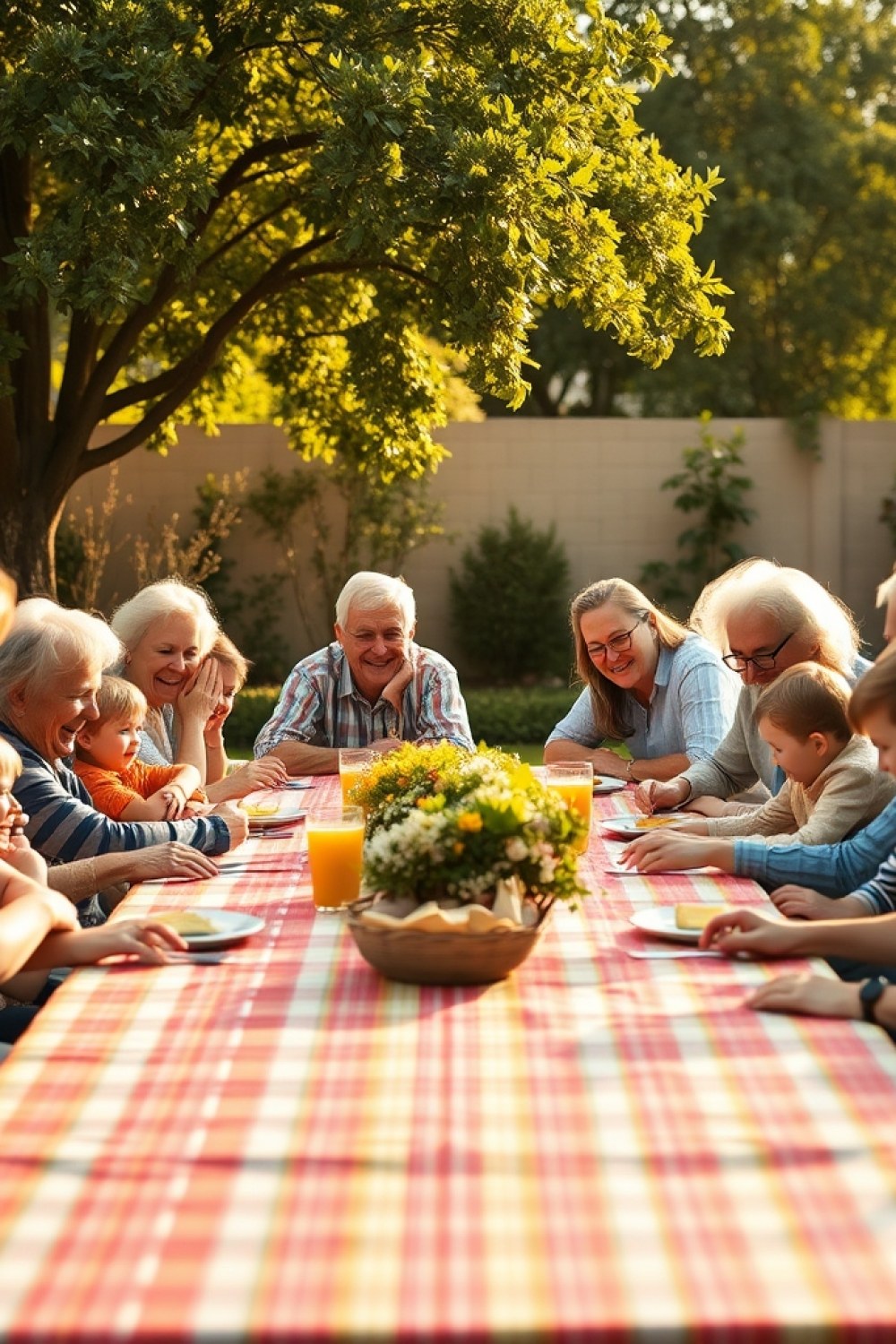
Send one clear note to the whole crew about six weeks out. Include the nearest airport, whether car rental is worth it, the hotel block or overflow lodging, and exactly what linens to bring — sheets, towels, or both, and for how many beds.
Add a “what to pack” list: swimsuit, bug spray, closed-toe shoes for the trail, a layer for cool evenings, sunscreen. Include the address of the nearest grocery store and pharmacy, and note whether the house has a washer.
One good email prevents forty small texts in the week before. Put it in a shared doc or pinned group message so latecomers and the technologically reluctant can find it again without asking.
19. Set gentle house rules on day one

Whether you’re hosting at home or renting a big Airbnb, five rules or fewer cover almost everything that goes sideways: quiet hours after 10pm, no shoes inside if the carpet says so, wipe the counter after snacks, kids ask an adult before the lake or pool, phones off at dinner. Write them on a card, stick it on the fridge, and read them out loud with a smile during the first meal.
What makes this work is timing, not strictness. Rules stated warmly at the start feel like care; the same rules sprung mid-week feel like scolding. It also spares you from policing — everyone already knows the deal, including the teenagers who will absolutely test the 10pm one.
Then do this: say them once, kindly, and let the fridge card do the reminding so you’re grandma, not the hall monitor.
20. Capture the stories, not just the faces
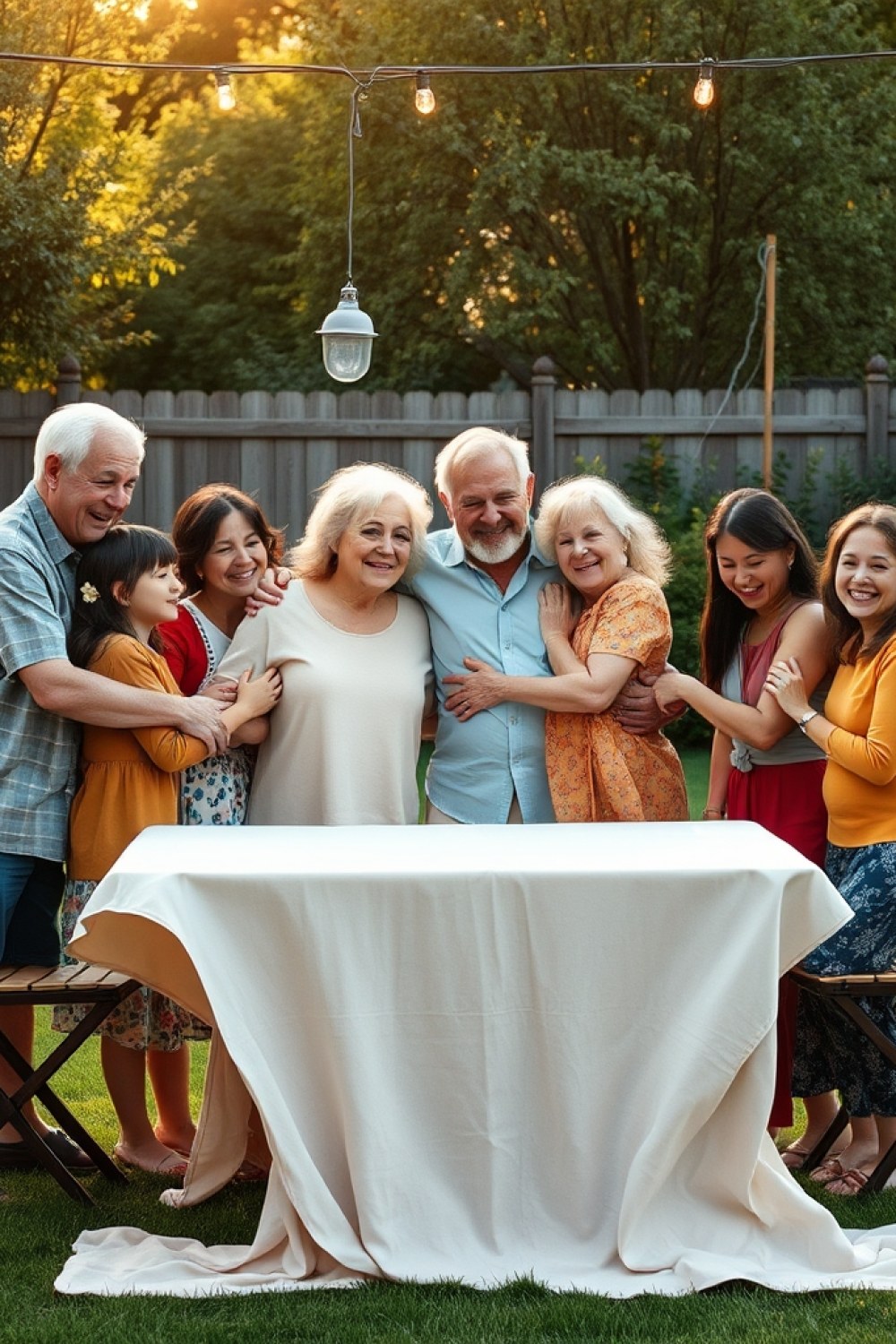
Photos record who was there; a story station records why they matter. Set a phone on a tripod in a quiet corner and ask everyone two questions: what’s your favorite memory of Grandma (or whoever you’re honoring), and what do you want the family to keep doing? Ninety seconds per clip is plenty. For the shy ones, hand out index cards instead — handwritten answers count just as much.
This suits every age, which is the point. Great-aunt Ruthie and your eight-year-old nephew both get the same two questions, and the youngest answers are often the ones that make everyone cry at next year’s reunion.
Your one job: press record and then stay quiet. Don’t prompt, don’t correct, don’t fill the pause — the pause is usually where the good part lives.
21. Take the group photo early and once
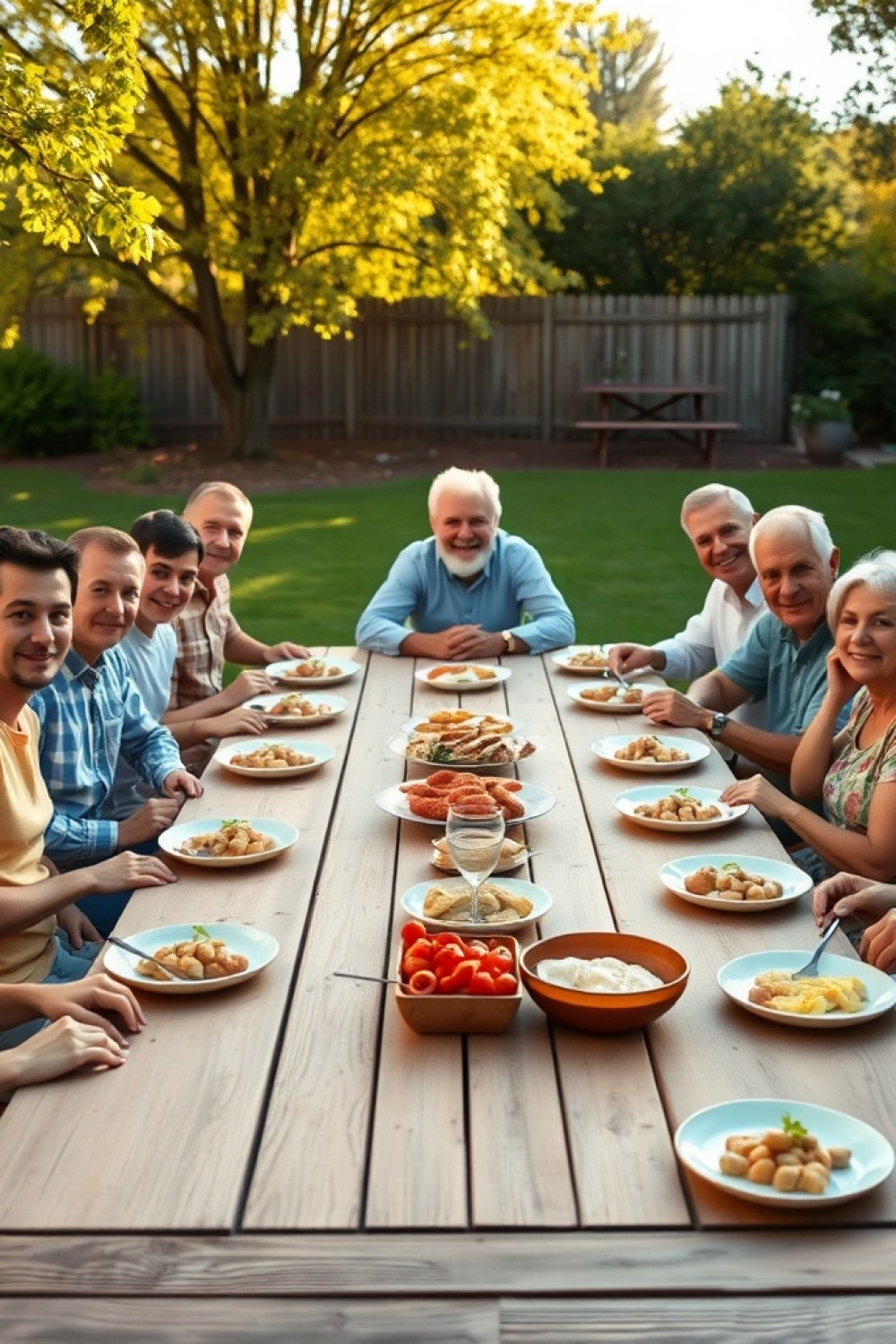
Day one, right after breakfast. Hair is done, shirts are clean, and nobody has been sunburned or sent to their room yet. Pick open shade — under a big tree or on the porch’s north side — rather than squinting into direct sun, and use a tripod with a 10-second timer so you’re in the frame too. Take ten frames, not one; someone always blinks.
Then get the little-kid version. A silly, wiggly, tickle-the-toddler shot after the formal one means a meltdown can’t ruin your main image, and honestly, the chaotic one usually becomes the favorite.
Print it. Digital group photos vanish into camera rolls — order an 8×10 for your wall before the week is out.
22. Leave room for impromptu traditions

The reunions people remember fondly grew a ritual nobody planned. A nightly porch card game, a barbeque pie contest, a cousin talent show, a sunrise walk to the dock. Watch for the thing everyone keeps drifting toward on their own — that’s your tradition trying to get born.
When you spot it, don’t officiate it. Just name it, do it again the next night, and write it down for next year’s schedule. Rituals the family invents stick far better than any activity the host imposes.
Keep one open afternoon unplanned so there’s space for something to emerge. Resist filling every hour; a little boredom is where the good stuff grows.
23. End on a high note, not a sigh of relief

Close the weekend deliberately. A simple Sunday breakfast — eggs, coffee, whatever’s left of the fruit — then a thank-you circle where anyone can say one thing they’re grateful for. Hand out or text the printed group photo so everyone leaves with it, and jot down next year’s date before people drive away, even a loose “same weekend next summer.”
This works because endings are what people actually remember. A reunion that finishes warm and unhurried is the one everybody RSVPs to again, no arm-twisting required.
Then rest for a week. Really — no emails, no planning, no debate about venues until you’ve had seven days off. Your energy next year depends on it.
Reunion Planning Mistakes to Avoid
Even seasoned hosts trip over these. Here’s what to sidestep, and why it matters.
- Booking the venue before you’ve settled on dates. Dates drive everything — flights, school calendars, work schedules. Choose dates first, then book, or you’ll be locked into a weekend that doesn’t work for half the family.
- Announcing the date before the deposit is paid. The moment that date hits the group chat, people start rearranging schedules. If the venue falls through, you’re the one who has to make the awkward second announcement.
- Taking on the whole thing yourself. Grandparents who cook, clean, coordinate and host end up exhausted by Saturday night. Give away entire categories, not just tasks.
- Waiting until the reunion to decide who owes what. Money conversations are easiest before anyone books a flight. Agree on the per-person amount up front, then collect deposits early.
- Scheduling every hour. Back-to-back activities leave no room for the porch conversations that people actually came for. One anchor activity per day is plenty.
Your Questions, Answered
How far in advance should I start planning a family reunion?
For a travel reunion, start 9–12 months out so families can book flights and request time off. For a local gathering, 4–6 months is usually enough. Lock in the venue before you announce dates, because people start rearranging schedules the moment they see a date in the group chat.
How do I plan a reunion without doing all the work myself?
Build a small committee of four to six people and give each one a whole category, not a task list — one owns food, one owns money, one owns lodging and travel info. Then say, “You decide and tell me what you chose,” and genuinely let them decide. Delegation with real authority is what keeps grandparents out of the kitchen.
How much should each family contribute to a family reunion?
Agree on a per-person or per-family amount before anyone books anything — common figures are $15–25 per person per day for food and $40–60 per adult per night for lodging. Collect deposits early through a payment app and post a simple shared spreadsheet. If incomes vary widely, use a sliding scale or let wealthier households quietly cover the rental house.
What activities work for a reunion with young kids and older adults?
Pick one optional anchor activity per day, like a lake swim, a short museum visit or a backyard lawn game tournament, and keep the rest of the time open. Set up a kids’ corner with a card table, chalk, bubbles and a labeled snack bin, plus shaded seating, water and large-print schedules for older guests. Everyone can opt in or out without guilt.
How do I get good family photos at a reunion?
Schedule the big group photo on day one right after breakfast, in open shade rather than harsh sun, using a tripod and a 10-second timer, and take at least 10 frames. Then run a “story station” where each person answers two questions on video or an index card. Print the group shot — digital albums rarely get looked at again.
Choosing Your Planning Order for the Next Six Months
Work in this sequence: goal, dates, venue deposit, budget and invitation, then committee and jobs. Everything else — the matching shirts, the playlist, the potluck sign-up — can wait until a month out. Getting the order right means you’re making decisions once instead of redoing them three times.
If you’re reading this with a reunion already on the calendar, pick just one item from the list to fix this week, and let the rest of the family carry the next one. You’ve raised these people, after all. Let them show up for you this time.
Discover more from Fashinate Style
Subscribe to get the latest posts sent to your email.