
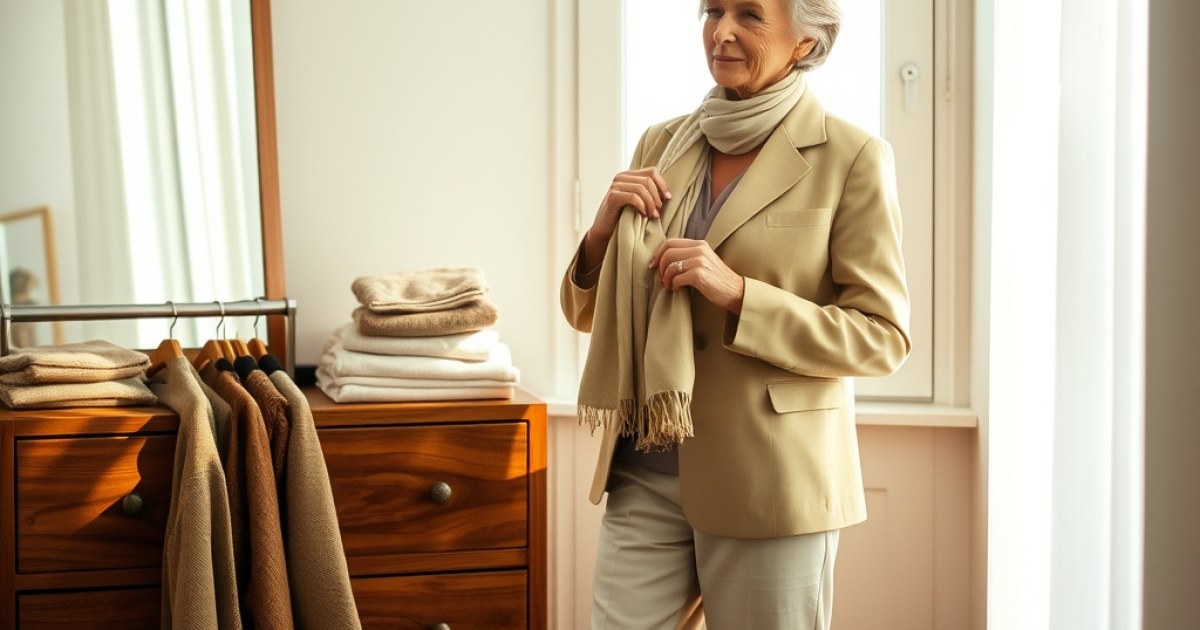
Are you over 50 and tired of staring at your closet wondering what to wear? You’re not alone—many women want outfits that feel effortless but still look polished. These 18 fashion tips will help you create a wardrobe that works for your life, your body, and your style.
The secret isn’t a bigger closet or a younger trend. It’s better choices: the right fit, forgiving fabrics, and pieces that mix without a second thought. From a power column to a proper half-tuck, each tip is small, doable, and designed for real days—work, errands, dinner out.
We’ll cover what to hunt for, what to skip, and how to wear the same twelve pieces five different ways. No rules about “dressing your age.” Just calm, practical guidance for looking like yourself, only sharper.
Quick Picks: Where to Start
- Start With a Power Column — best if you want an instant head-to-toe look with zero guessing.
- Embrace High-Waisted Everything — best if you want a longer leg line and a smooth midsection.
- Invest in Quality Basics — best if your closet is full but nothing actually works together.
- Create a Capsule Wardrobe — best if you’re ready to stop shopping randomly and dress on autopilot.
1. Start With a Power Column
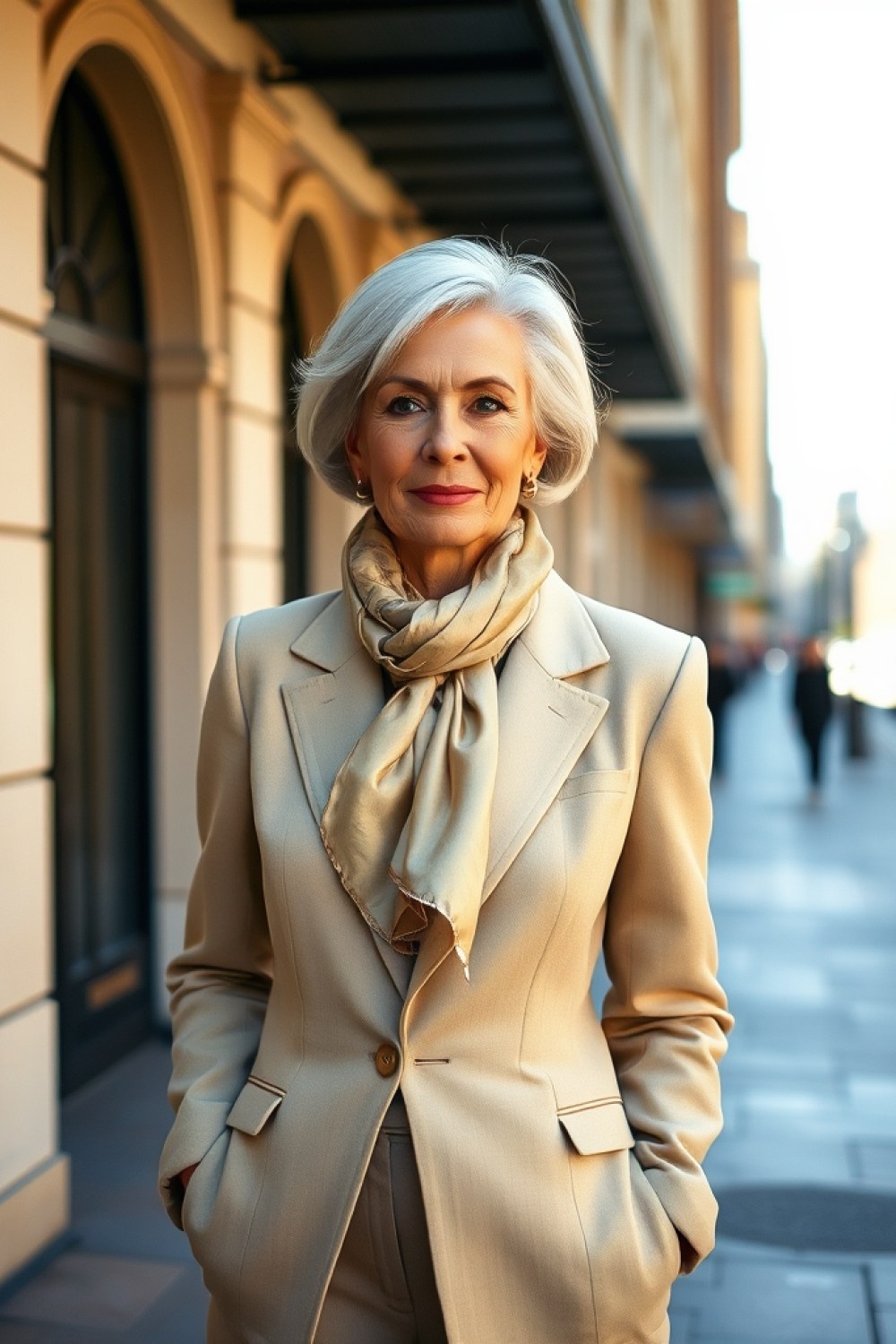
Best for: mornings when you want to look polished without piecing together a whole outfit.
Dressing in a single color from top to bottom creates an instant vertical line that elongates your silhouette. A column in navy, charcoal, or burgundy reads as intentional even when it took two minutes. Vary the shades slightly—ink blue sweater over slate trousers—for depth instead of a flat block.
Try this: Add one contrasting third piece, like a camel jacket, to break up the column when you want more definition.
2. Invest in a Third Piece
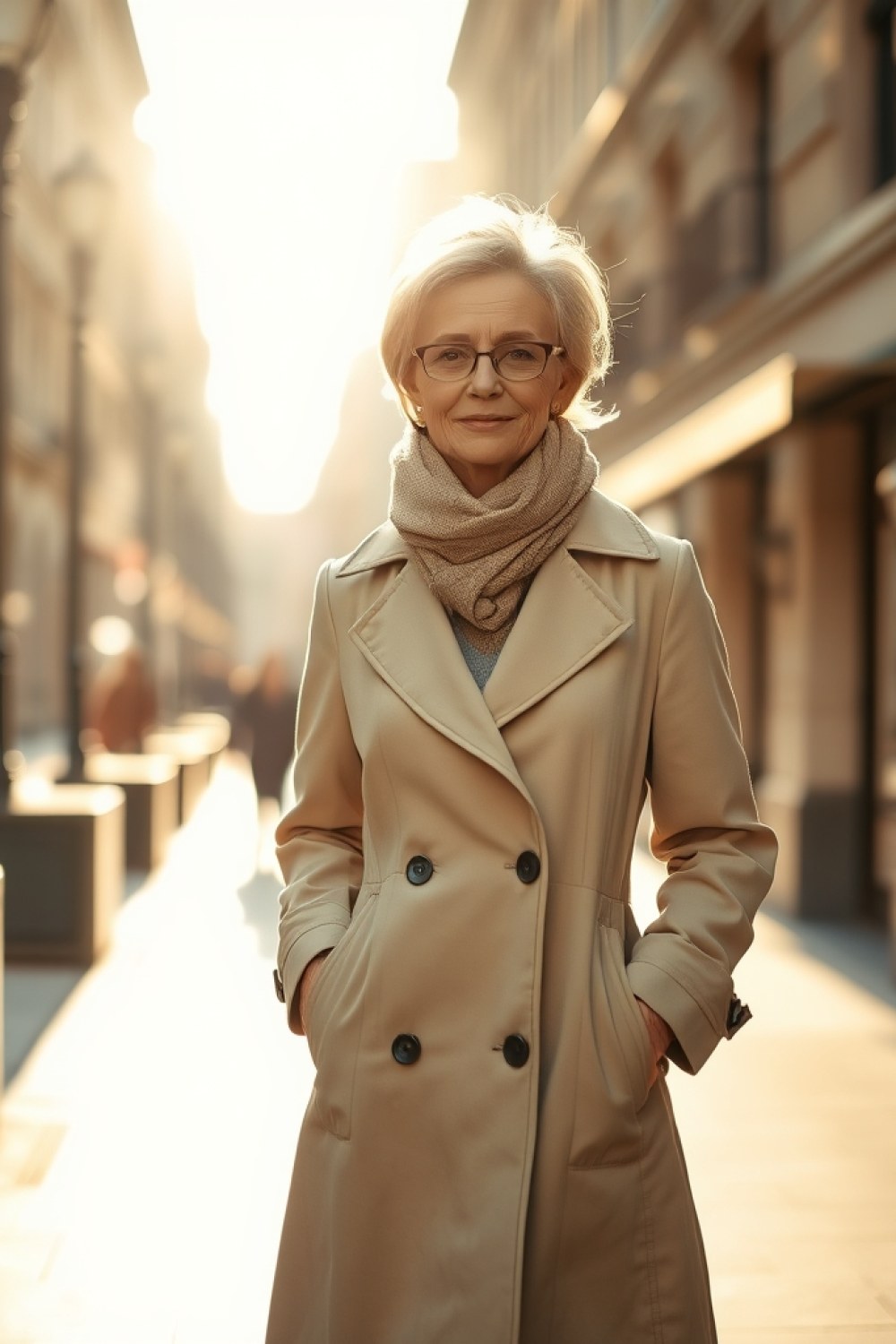
Best for: taking a plain jeans-and-tee combination somewhere that requires effort.
A jacket, cardigan, vest, or scarf elevates any outfit from basic to pulled-together. It adds structure and interest at the shoulders and waist, where it counts. The practical bonus: it comes off when you get warm, so you control your own temperature all day.
Try this: Keep a lightweight cotton-blend or linen topper on the back of a chair. Reach for it before you leave the house—every time.
3. Embrace High-Waisted Everything
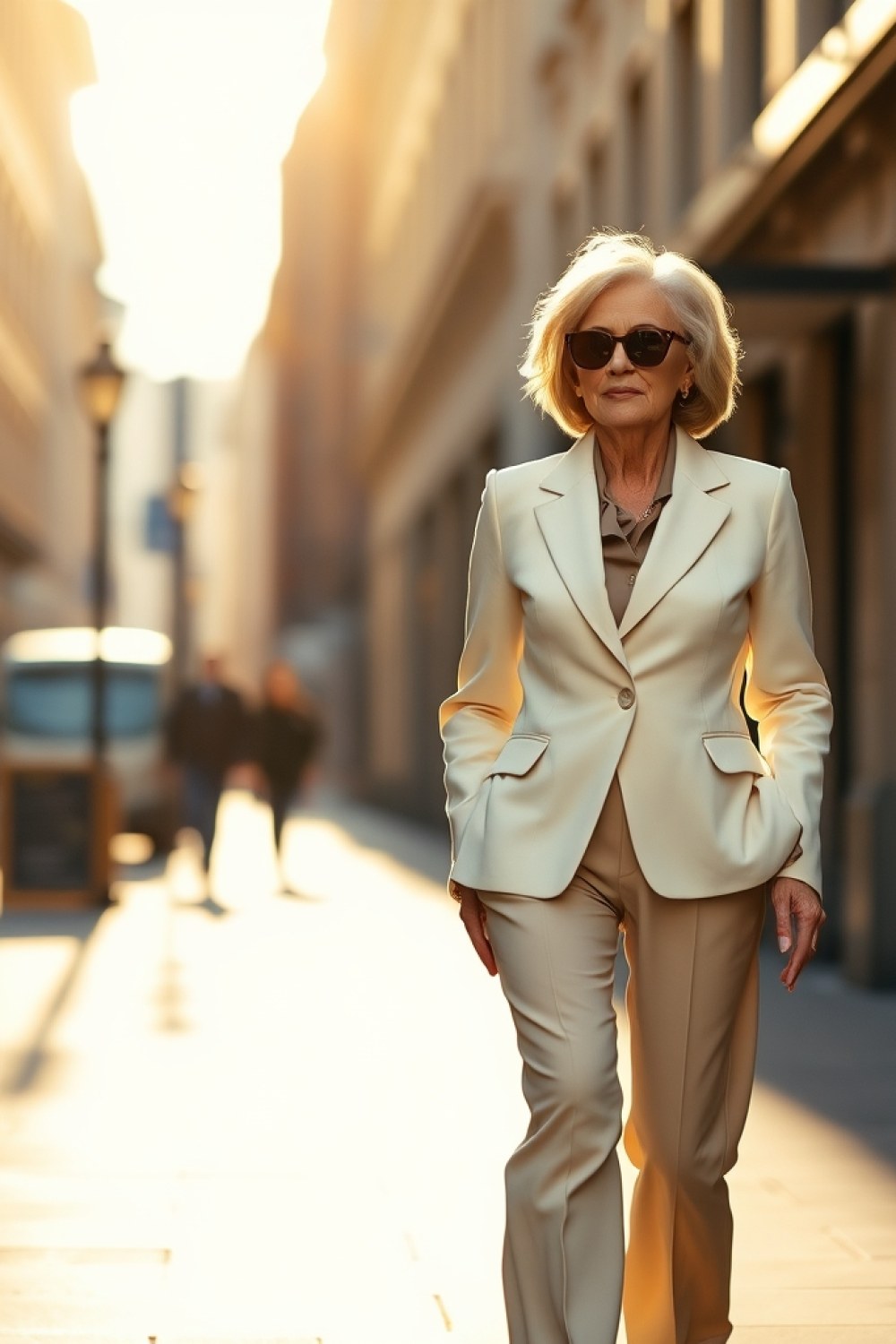
Best for: anyone who wants a smooth midsection and longer-looking legs in one move.
High-waisted pants, jeans, and skirts are comfortable and flattering. The waistband sits at your natural waist, smoothing the midsection and creating an unbroken line down the leg. Pair them with a tucked-in blouse or a shorter top that lands right at the waistband.
Try this: Retire the low-rise styles. They create muffin top, feel dated, and fight you every time you sit down.
4. Choose Comfortable Heels
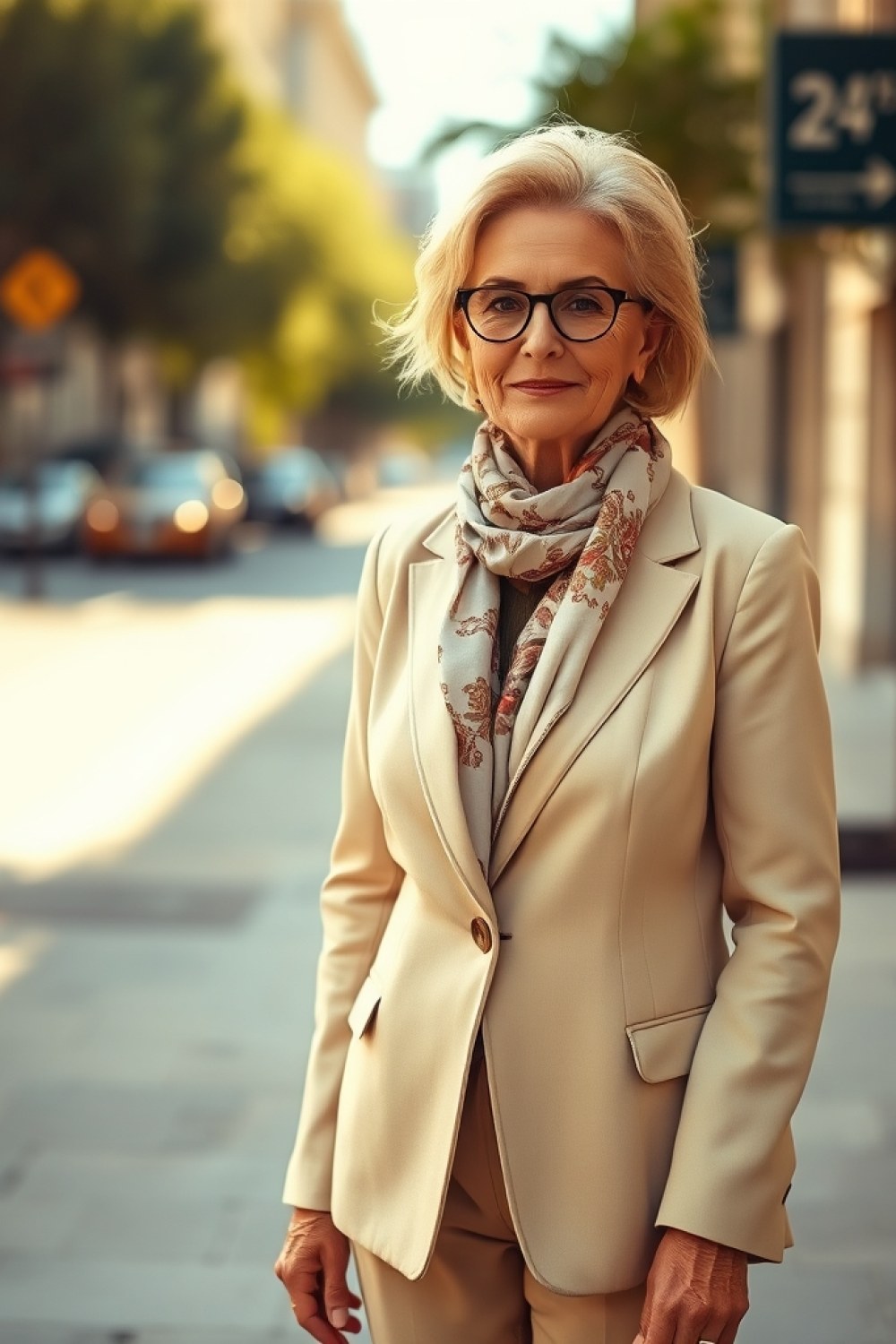
Best for: days that include standing, walking, or a long event where you can’t sit down.
You don’t have to sacrifice style for comfort. Block heels, wedges, and kitten heels with cushioned insoles give you height without the pinch. A 1.5- to 2-inch heel is manageable for most women and still lifts your posture and your hemline.
Try this: Look at Naturalizer, Clarks, and Vionic—they build chic options with real arch support. Break them in at home first.
5. Master the Half-Tuck
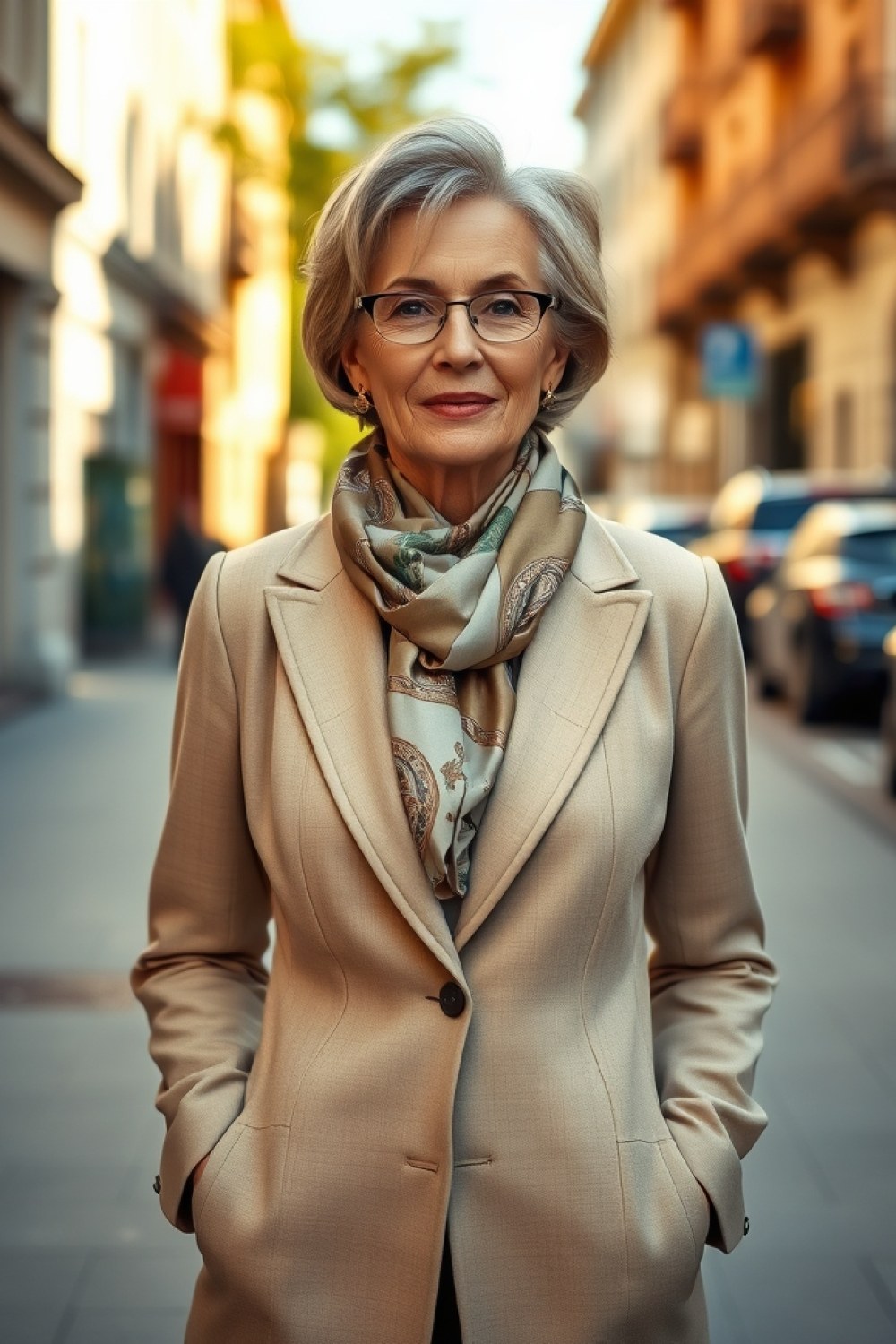
Best for: making a loose top look deliberate instead of shapeless.
The half-tuck means tucking just the front of your top into your waistband. It defines your waist while keeping the look casual and unstyled. Button-downs, tees, and sweaters all respond well to it. Leave the back loose to cover your rear and add a relaxed vibe.
Try this: Tuck a small section slightly off-center, then gently pull the fabric up so it blouses over the waistband.
6. Use Scarves as Statement Pieces
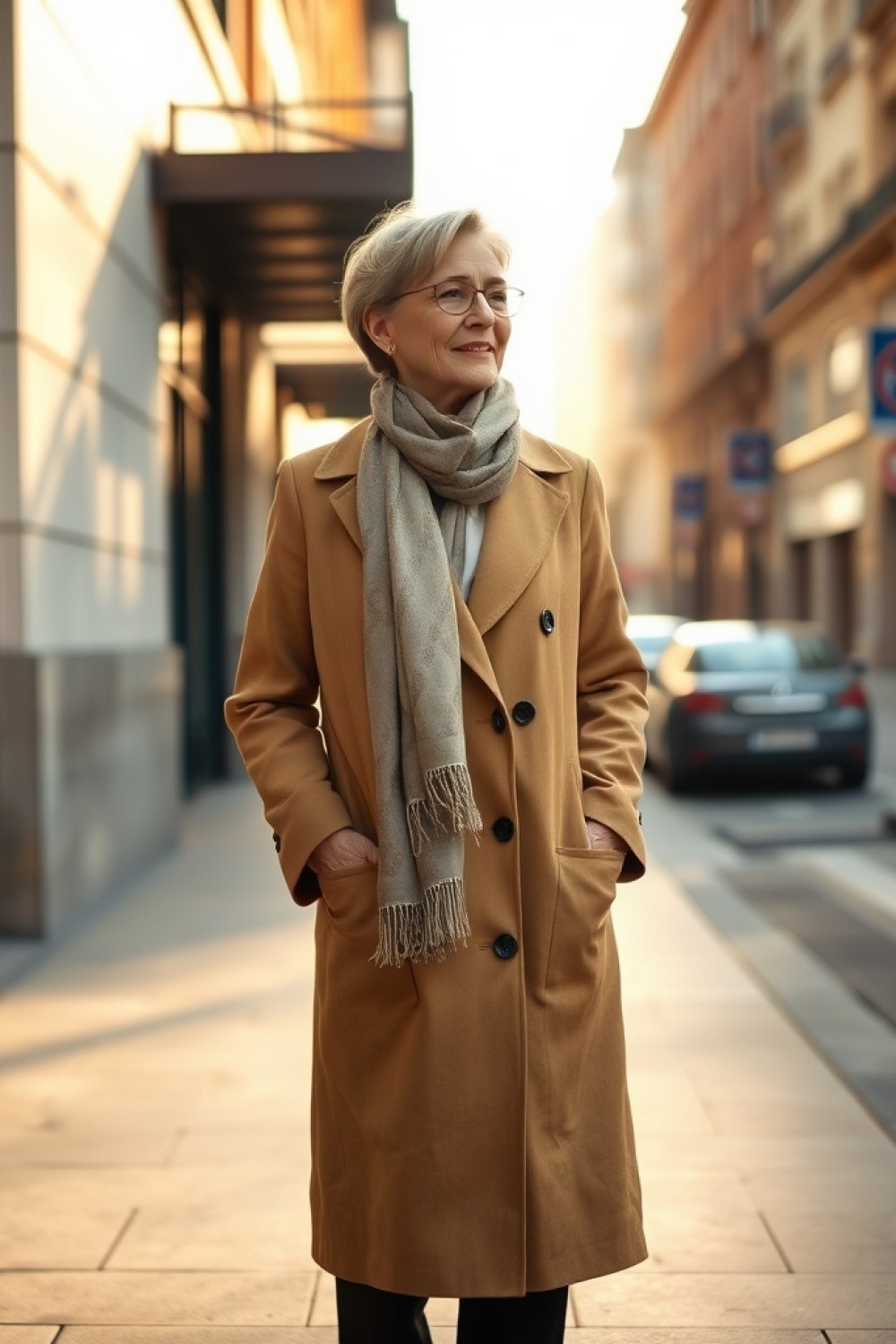
Best for: updating a basic outfit without buying anything new.
A silk or lightweight scarf adds color, pattern, and texture near your face, which draws attention upward. Choose colors that complement your skin tone and echo something already in your outfit. It’s the fastest way to make a plain sweater or shirt look considered.
Try this: Tie it in a simple loop at the collarbone or drape it over your shoulders. Keep the knot low and loose.
7. Opt for Stretch Fabrics
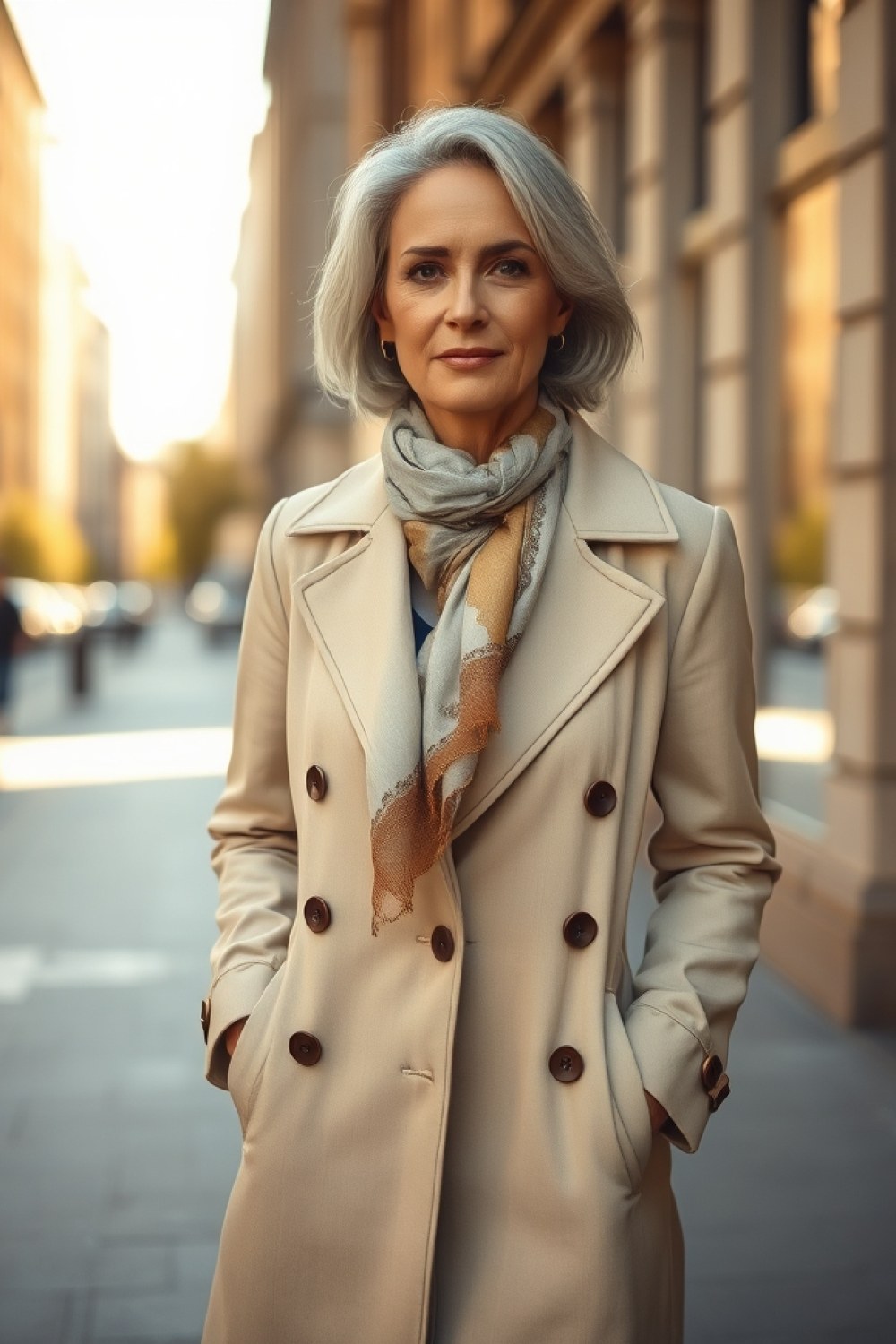
Best for: all-day wear, travel, and anyone who’s tired of stiff fabrics that fight back.
Ponte, jersey, and blends with elastane move with you and hold their shape through sitting, driving, and errands. They resist wrinkling, so a long day doesn’t leave you creased.
Try this: Check the label before you buy — look for pants with at least 2% spandex or elastane. Ponte ponte trousers are the workhorse: structured enough for dinner, soft enough for the couch.
8. Layer With Lightweight Knits
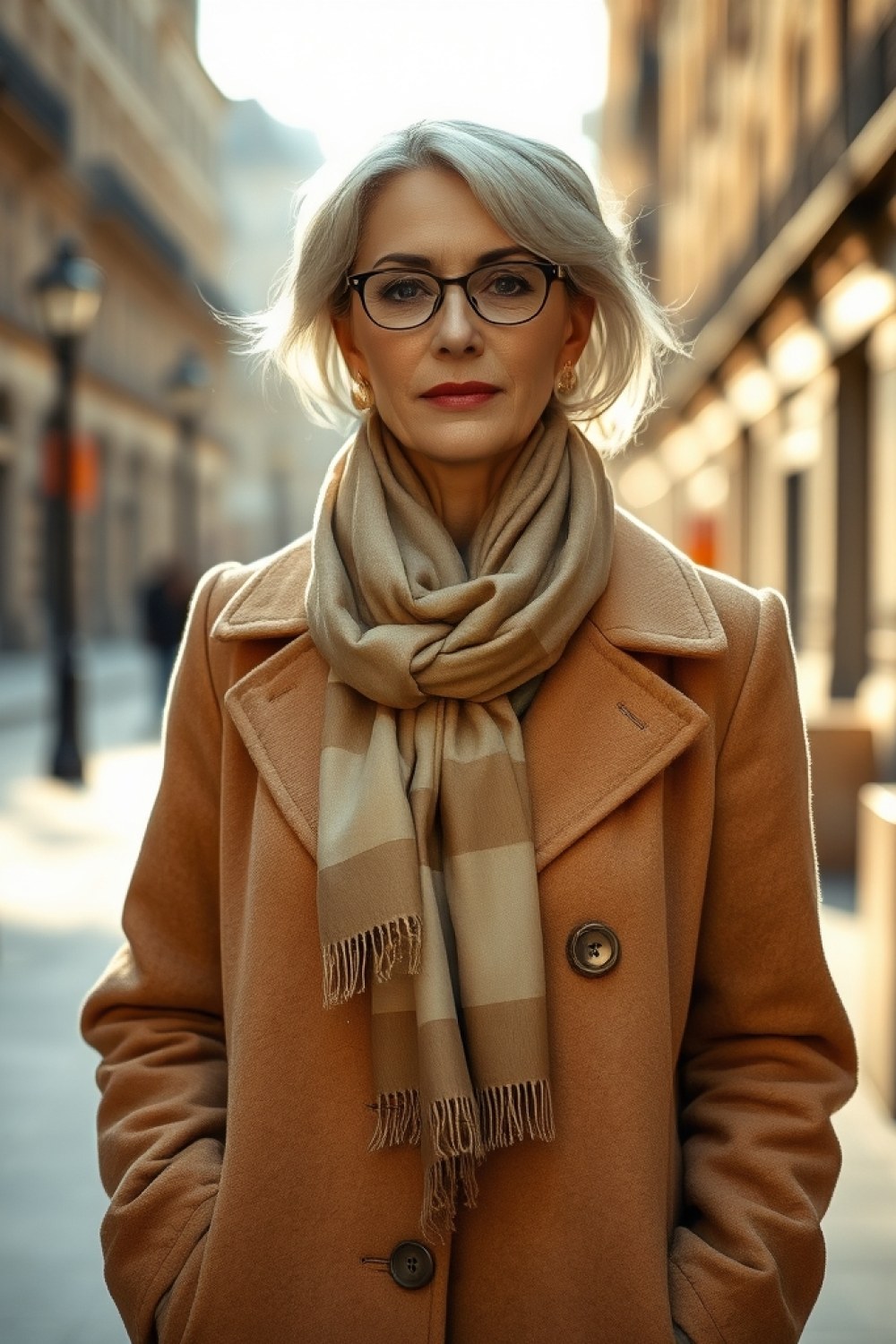
Best for: transitional weather and adding polish without weight.
A fine-gauge knit cardigan or pullover adds warmth without bulk. Slip one over a dress, tee, or blouse and you’ve built a complete look in seconds.
Neutral shades do the heavy lifting here. Gray, black, and camel layer over almost anything in your closet.
Try this: Keep one camel cardigan and one black pullover on rotation. Choose a knit fine enough to tuck or belt without adding a bulge at the waist.
9. Define Your Waist With Belts
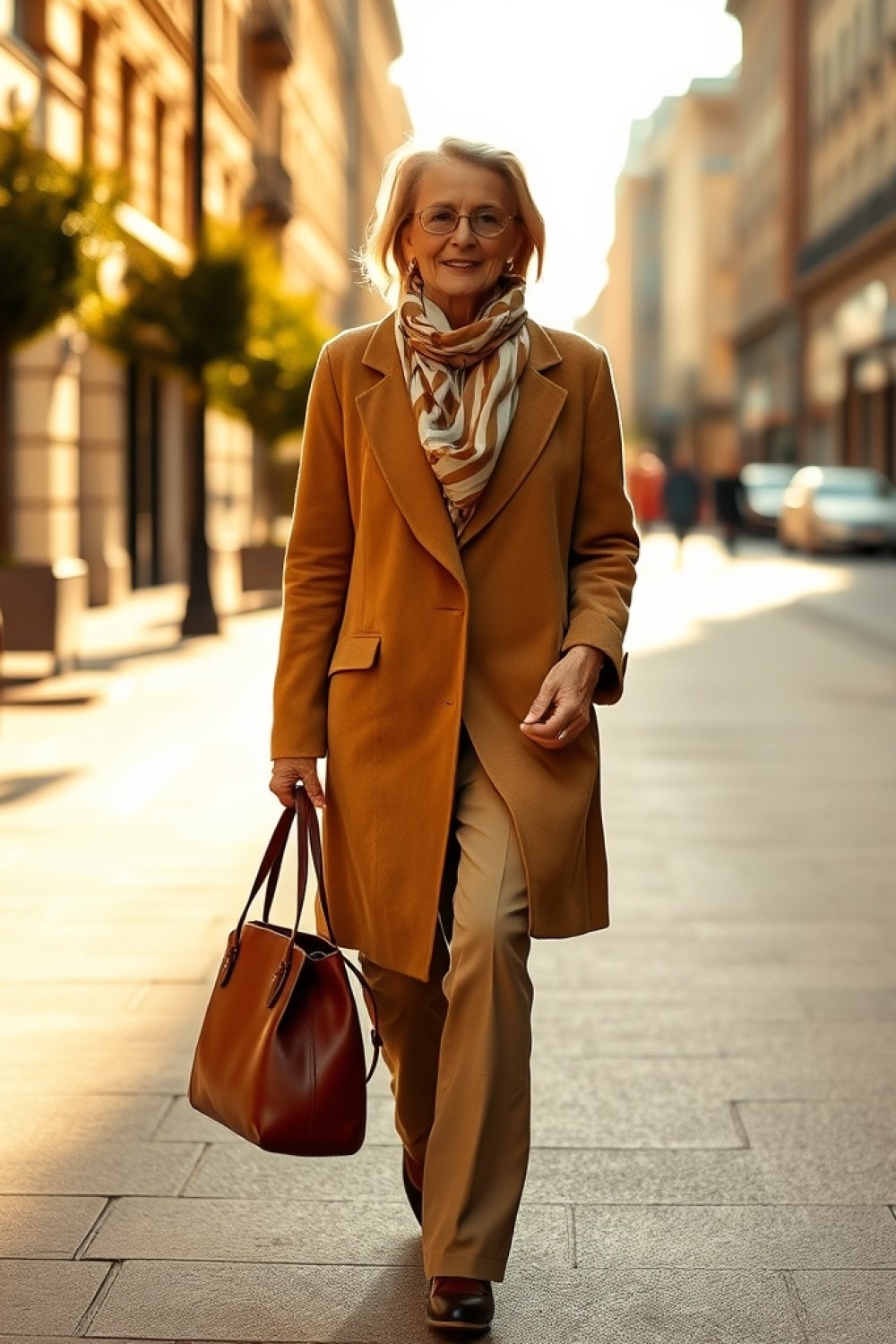
Best for: dresses, tunics, and long cardigans that need shape.
A belt at your natural waist cinches the silhouette and creates an hourglass line. It’s the fastest way to turn a loose dress into something intentional.
Match your belt to your shoes or bag for a cohesive finish.
Try this: For comfort, choose elastic or stretch belts that don’t dig in when you sit. Find your natural waist — the narrowest point above your navel — and belt there, not at your hips.
10. Go for Pointed-Toe Flats
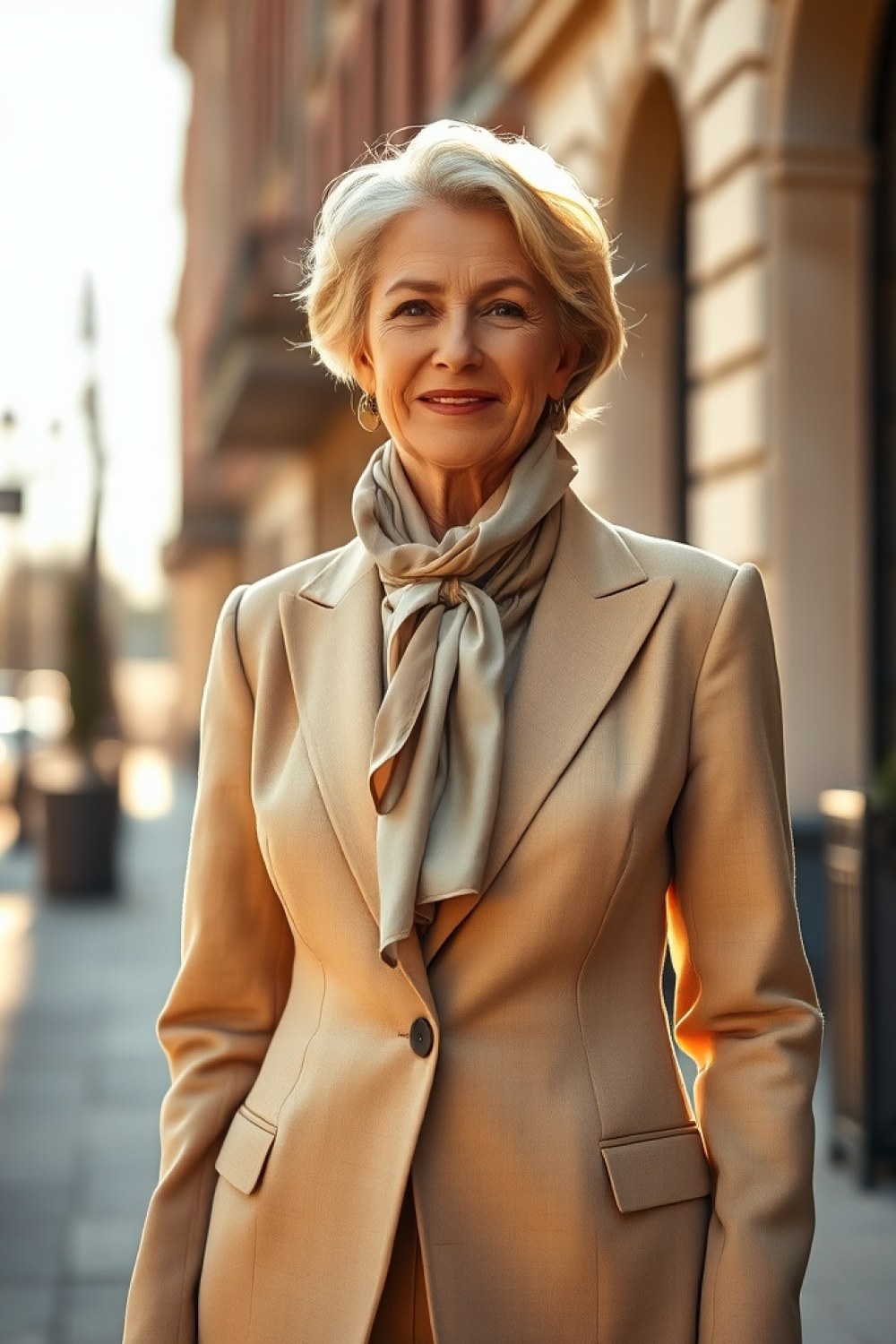
Best for: days when you want polish and walking comfort at once.
A pointed toe elongates the leg and reads sharper than a round toe. Flats keep you grounded, and the silhouette does the rest — dressed up with trousers or down with jeans.
Metallic and nude shades are the most versatile. They pair with nearly everything and add a modern edge.
Try this: Choose a nude close to your skin tone for the longest-looking legs, or a soft gold for evenings. Test the toe box — if it pinches, size up half.
11. Mix Textures for Interest
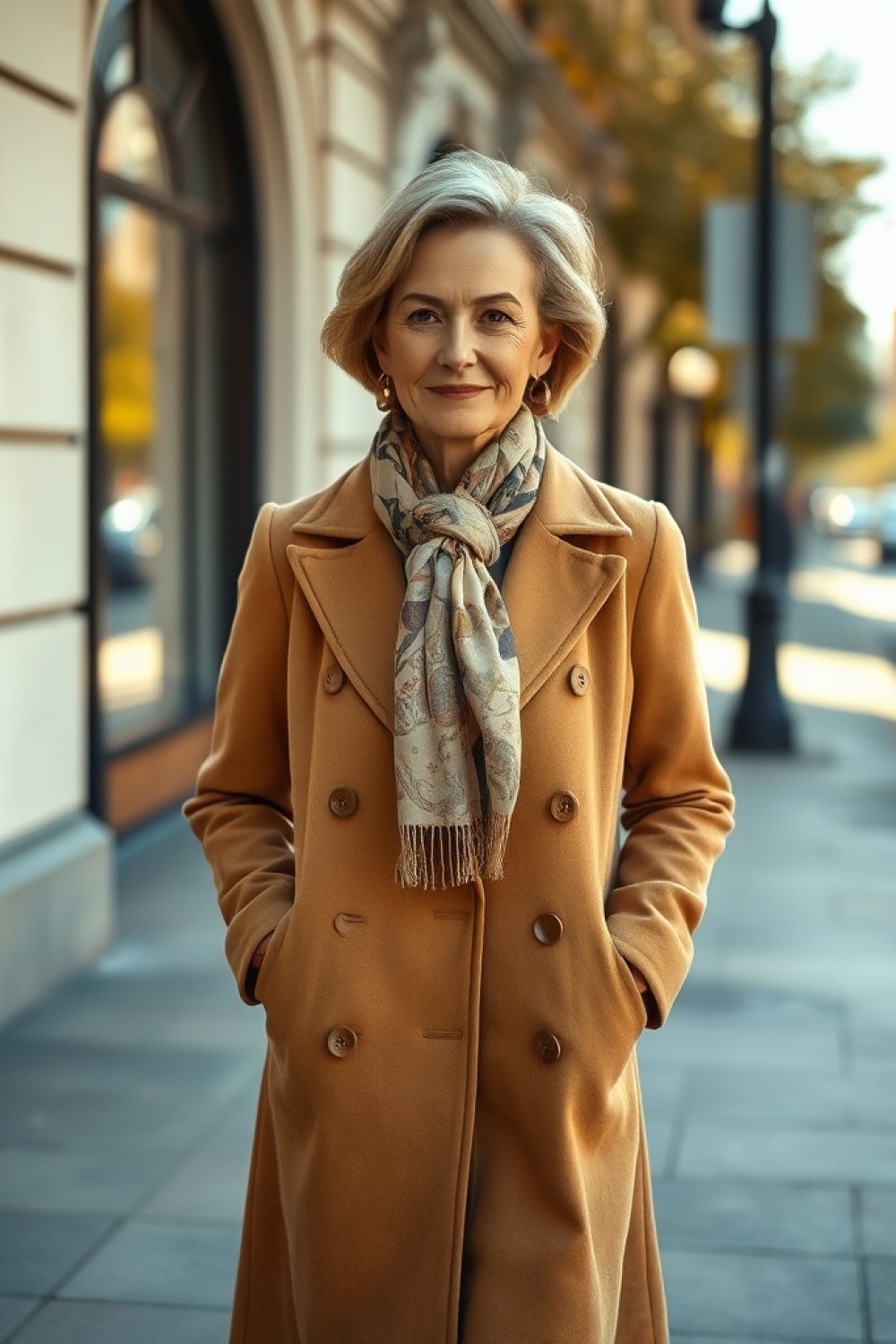
Best for: making a simple color palette feel rich and considered.
Pair a silk blouse with a wool blazer, or a cotton tee with a leather jacket. Contrasting surfaces add depth that color alone can’t create.
Texture keeps an all-neutral outfit from looking flat or unfinished.
Try this: Build one outfit from three textures — smooth, soft, and slightly rough. Silk, cashmere, and leather, for example, in the same tonal family.
12. Choose the Right Neckline
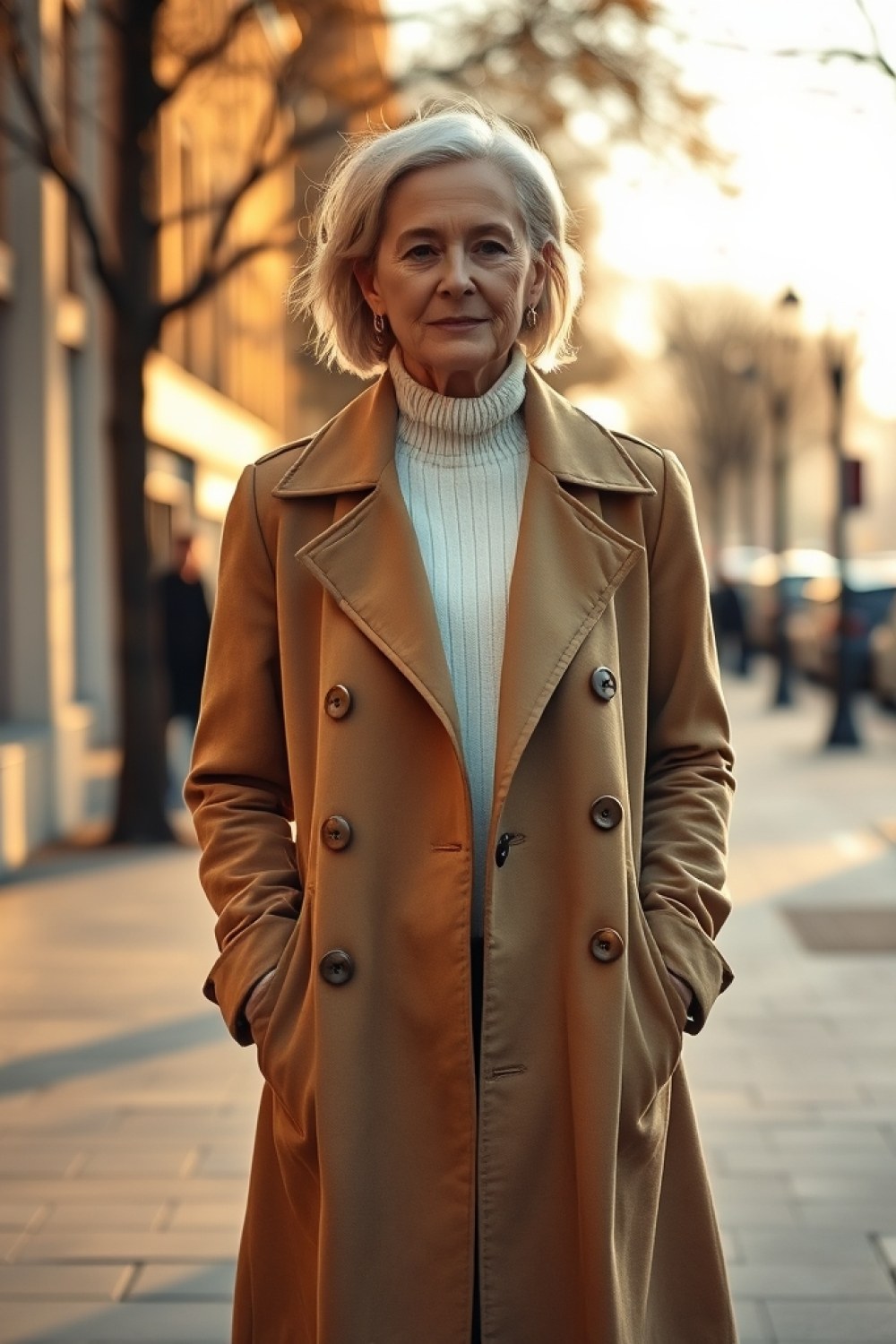
Best for: drawing the eye upward and framing your face.
V-necks, scoops, and boat necks flatter mature women by elongating the neck and opening the collarbone. High, tight necklines can read matronly and close off the face.
If you have a fuller bust, a V-neck with a camisole underneath gives coverage without bulk.
Try this: Hold a top up to your chin in a mirror. If the neckline sits at or below your collarbone, it’s working. Above it, put it back.
13. Embrace Dark Denim
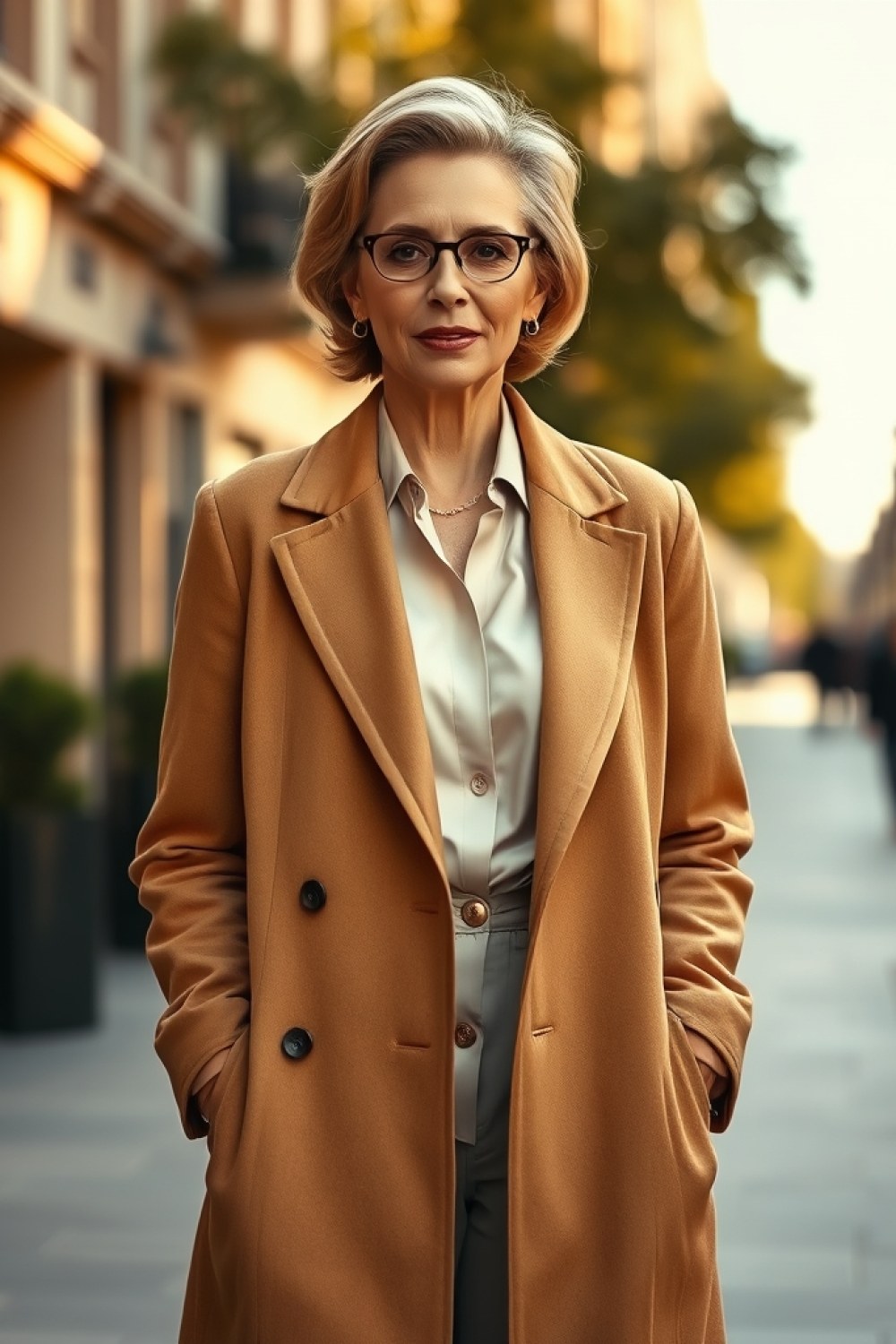
Best for: everyday outfits that need to look polished without any effort
Dark wash jeans do two things at once: they slim the leg and read as dressier than faded blue. A straight or bootcut leg with a mid-rise that sits at your natural waist gives you a clean line and comfortable coverage. Skip heavy distressing and pale washes — they date an outfit fast.
Try this: Pair dark straight-leg jeans with a navy blazer and low block heels for dinner, or a tucked white tee and loafers for daytime errands.
14. Add a Pop of Color
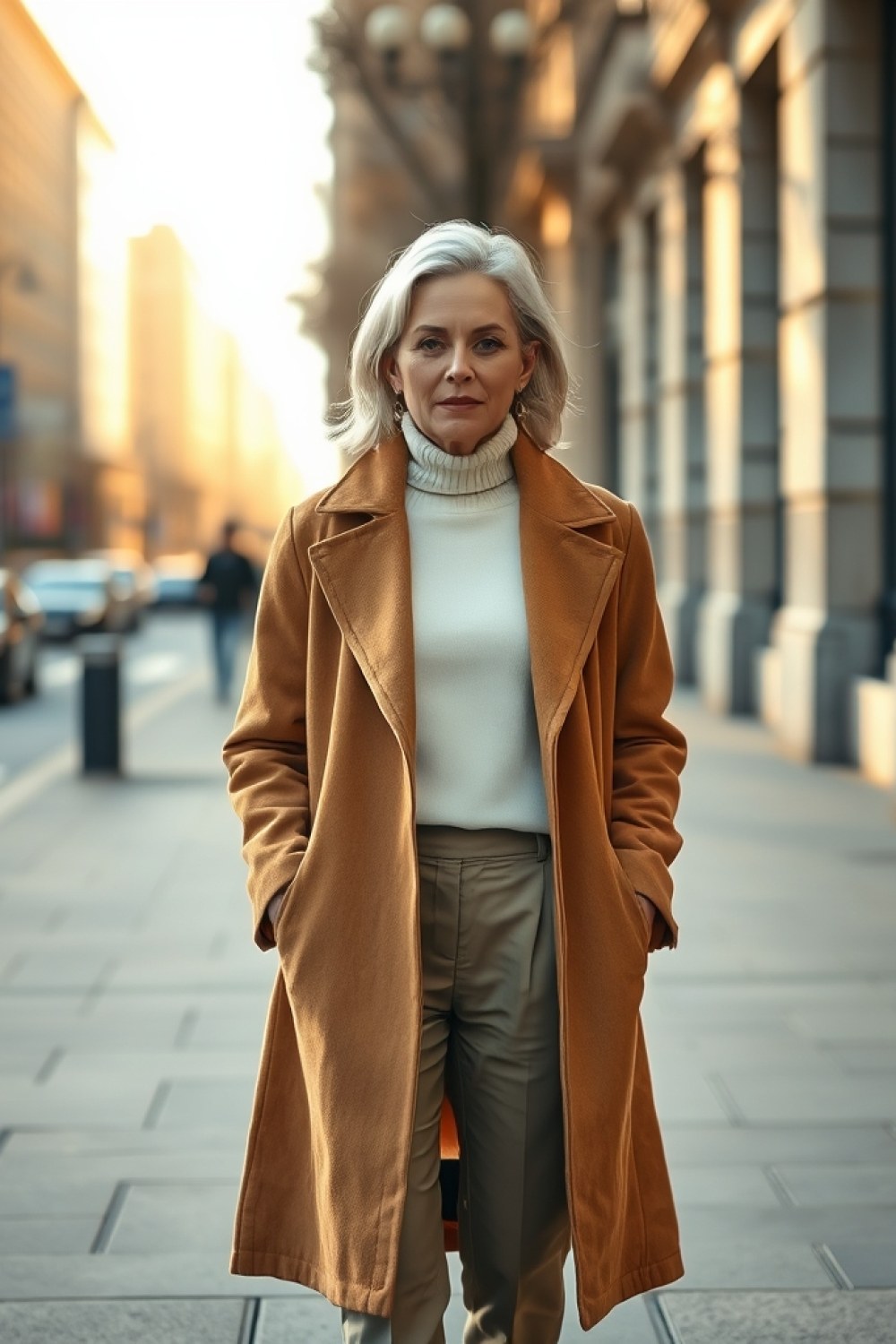
Best for: refreshing neutral outfits you’ve worn a hundred times
One accent color changes everything. A red handbag, cobalt shoes, or an emerald scarf lifts a beige, grey, or navy outfit instantly — no new wardrobe required. Keep it to a single accent per look so the eye has one place to land. More than one competing bright competes with you.
Try this: Build your outfit in neutrals first, then add exactly one colorful piece last. If it feels like too much, take something off, not add.
15. Wear What Fits, Not What’s ‘Your Size’
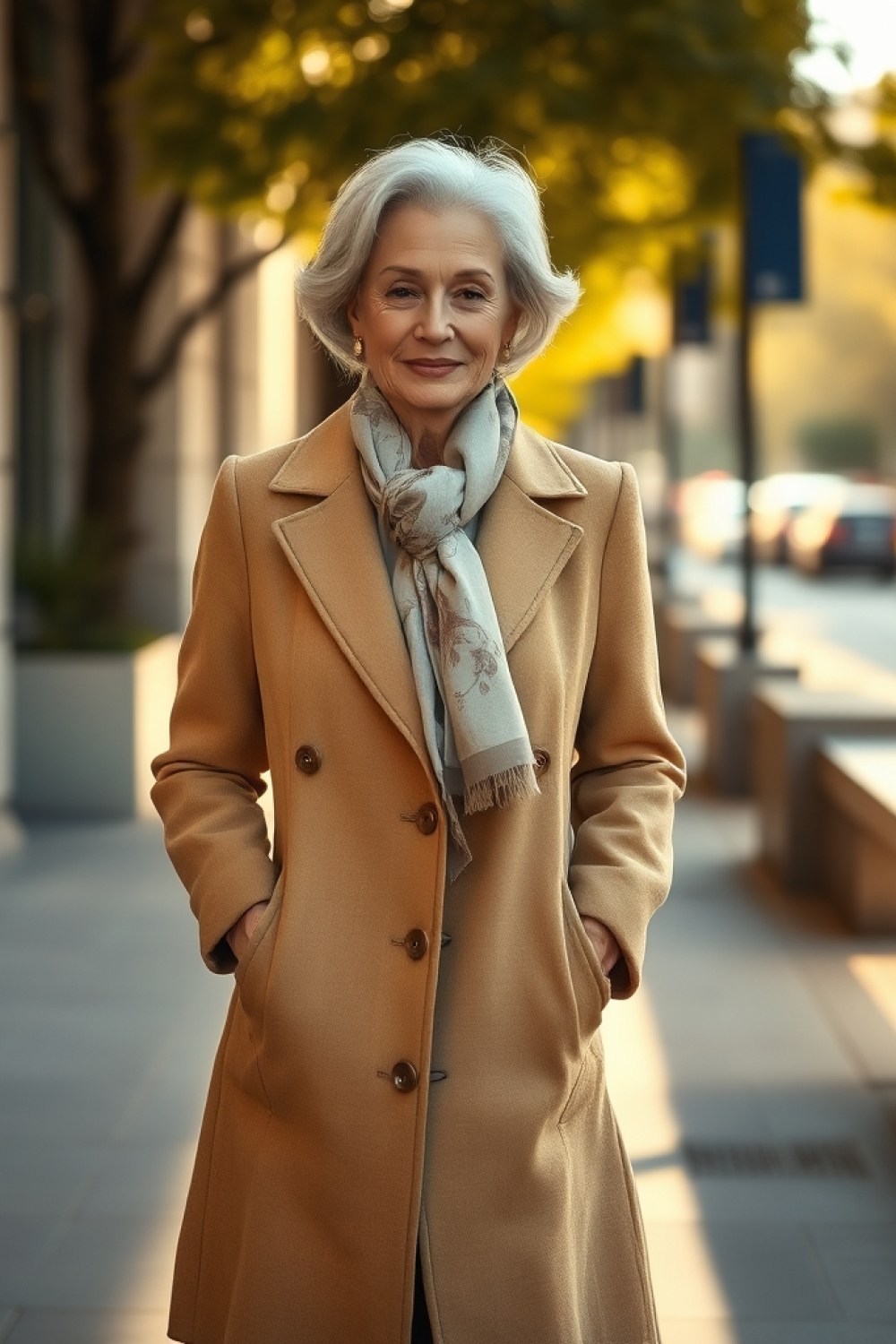
Best for: anyone frustrated by inconsistent sizing between brands
The number on the tag is not a measurement of you — it’s a suggestion from a brand that changed its grading last season. Always take two sizes into the fitting room. Clothes that skim your body look better than anything strained tight or swimming loose, and tailoring a size up is cheaper than losing weight for a size down.
Try this: Buy for your largest measurement, then have the waist or hem altered. A $20 tailor visit transforms a $60 pair of trousers.
16. Invest in Quality Basics
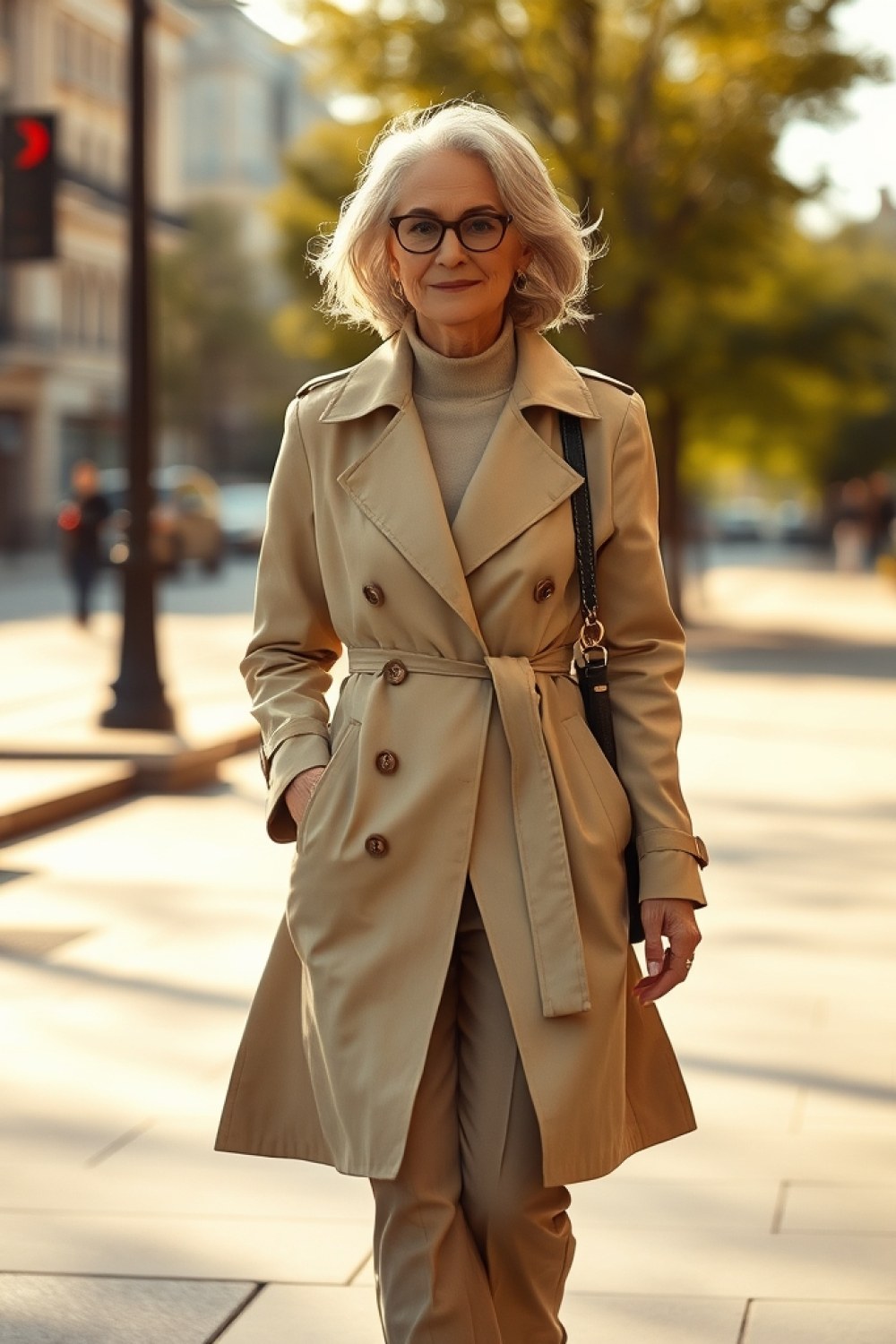
Best for: pieces you’ll wear twice a week for years, not one season
A well-made white shirt, black trousers, and a classic trench coat earn their price. They hold their shape after washing, drape properly, and make everything you pair them with look more expensive. Check the label for natural fabrics — cotton, linen, wool, silk — and look at seams, buttons, and lining before you buy.
Try this: Hold the fabric up to light. If you can see through a white shirt, it won’t last. Feel the weight of a trench; flimsy gabardine wrinkles and sags.
17. Simplify Your Jewelry
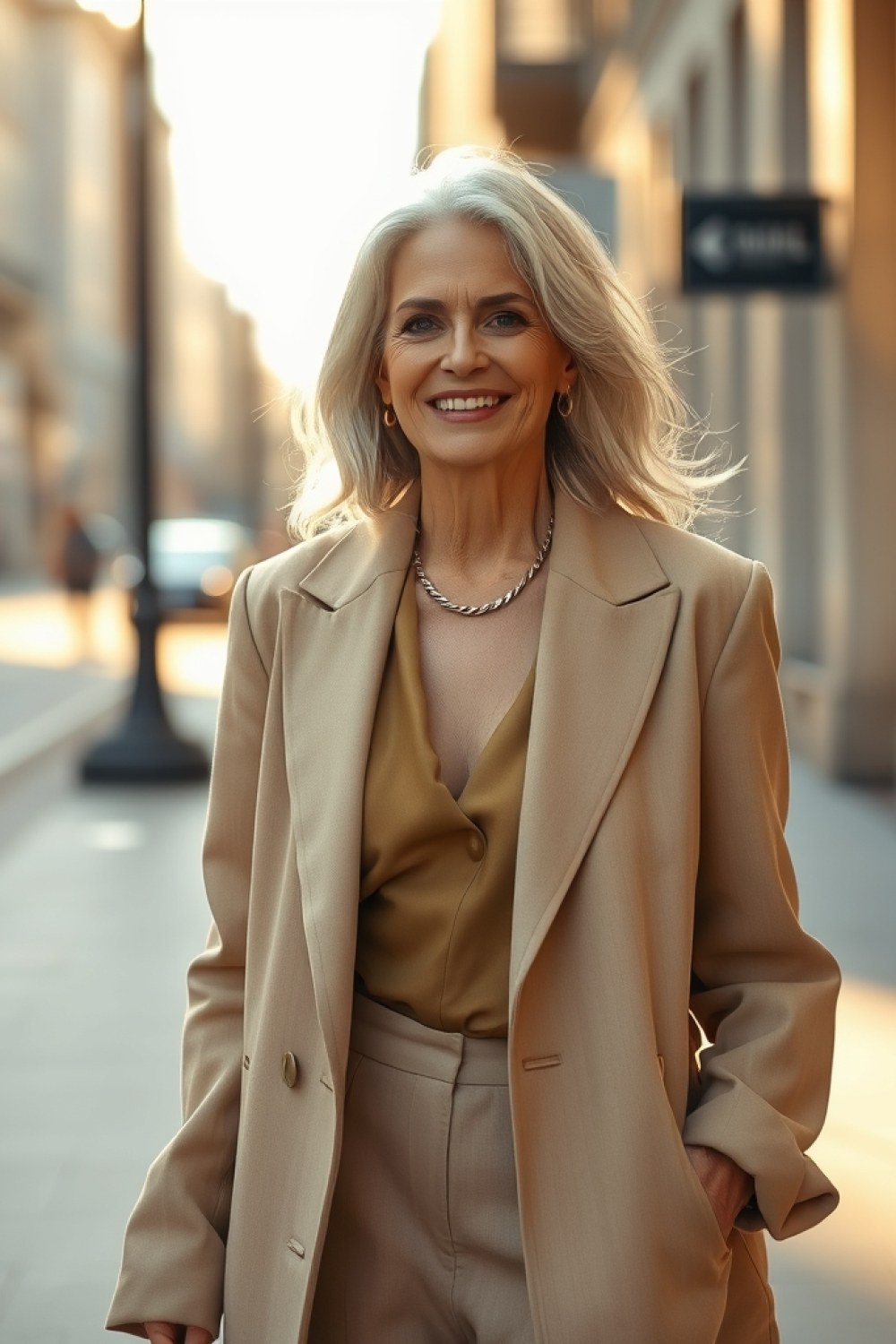
Best for: polished looks that don’t require a mirror check every hour
One or two strong pieces beat five small ones. A bold necklace or a clean pair of earrings can carry an entire outfit — but only if they aren’t fighting each other. Keep your metals consistent, all gold or all silver, so the finished look reads intentional rather than accidental.
Try this: If you wear a statement necklace, keep earrings small studs. If you wear bold earrings, skip the necklace entirely and add a thin bracelet instead.
18. Create a Capsule Wardrobe
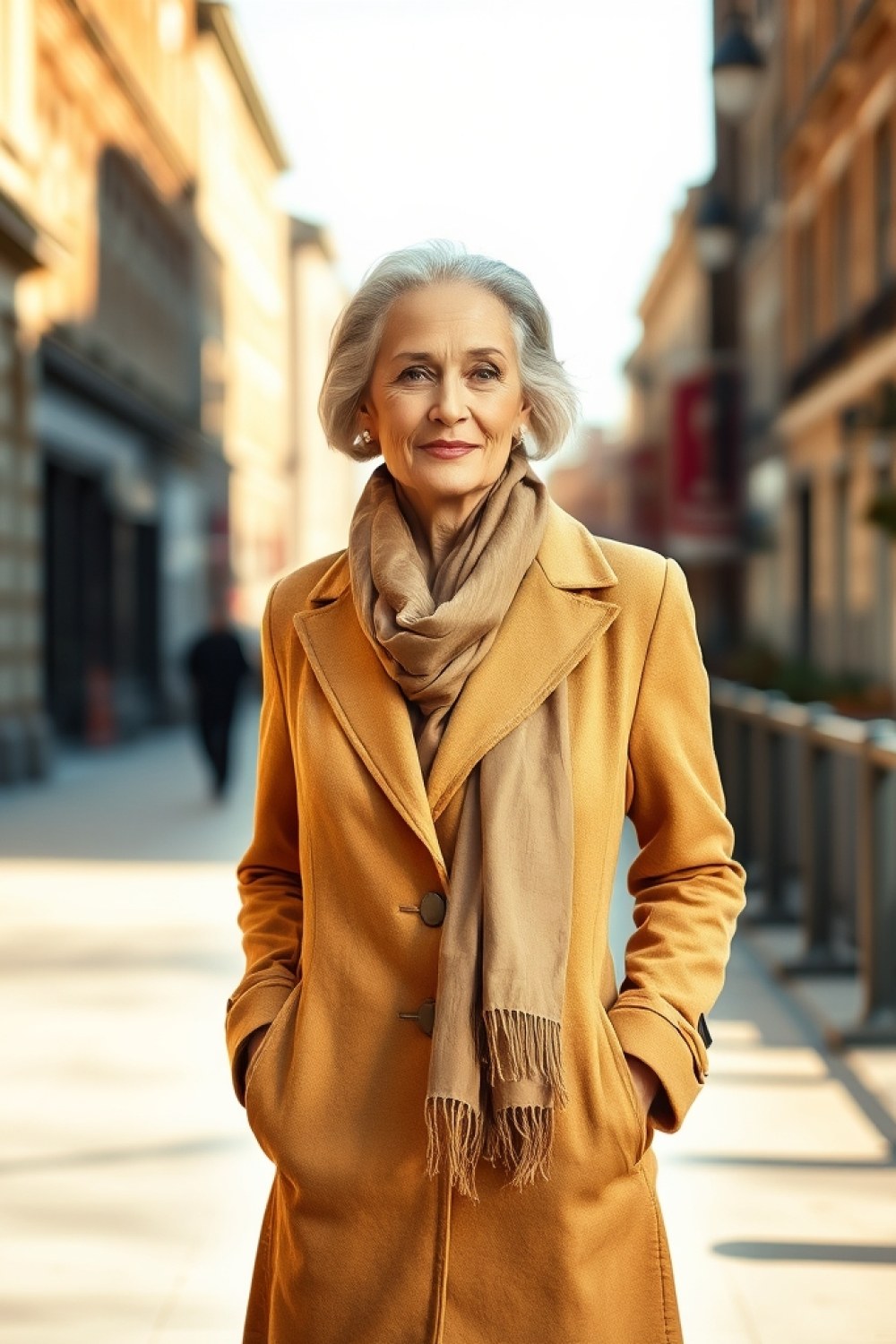
Best for: ending the daily “what do I wear” stall for good
A capsule of 30–40 pieces that all work together makes dressing almost automatic. Build it in a cohesive palette — say navy, cream, grey, and camel — and cover tops, bottoms, dresses, outerwear, and shoes. When everything matches everything, you cut decision fatigue and never end up with a closet full of orphans.
Try this: Lay all your capsule pieces on the bed. If a piece can’t make three outfits with what’s there, it doesn’t belong in the capsule.
FAQs
What are the most flattering pants for women over 50?
High-waisted straight-leg or bootcut pants in dark denim or stretch fabrics are universally flattering. They elongate the legs, smooth the midsection, and stay comfortable through a long day. Skip low-rise and overly skinny cuts that pinch and emphasize areas you’d rather not highlight. A hem that grazes the top of your shoe keeps the line clean.
How can I look stylish without spending a lot?
Focus on fit and fabric over quantity. Shop your closet first, then invest in a few key pieces like a great blazer or dark jeans. Thrift stores and end-of-season sales can yield high-quality items for a fraction of retail. Accessories — a scarf, a belt, a good pair of earrings — update old outfits for very little.
Is it okay to wear leggings after 50?
Absolutely, if styled correctly. Choose thick, opaque leggings in dark colors and pair them with a tunic or long shirt that covers your hips and rear. Add a structured jacket and nice flats for a polished look. Think of leggings as a base layer, not the whole outfit.
What shoes are both comfortable and stylish for women over 50?
Block heels, wedges, pointed-toe flats, and fashionable sneakers are great options. Look for cushioned insoles and arch support. Brands like Clarks, Naturalizer, and Vionic offer style and comfort. A block heel in a neutral tone will carry you through more outfits than a sky-high stiletto ever could.
How do I avoid looking frumpy in my outfits?
Ensure clothes fit well — not too tight or too loose. Add structure with a third piece like a jacket or cardigan. Choose modern silhouettes and avoid head-to-toe oversized pieces. Keep accessories intentional and minimal.
What colors are best for women over 50?
There are no rules — wear colors you love and that flatter your skin tone. Jewel tones, pastels, and neutrals all work. If unsure, start with a neutral base and add pops of color in accessories. Dark denim and navy are always slimming.
Building Your Effortless Wardrobe
Start by auditing your closet. Pull everything out, try it on, and make three piles: keep, tailor, and donate. The keep pile is your foundation. The tailor pile holds pieces that fit your body but not your mirror — a hem, a nip at the waist, a shortened sleeve. The donate pile makes room for the gaps you now know you have.
Then add slowly. One well-fitting blazer. One pair of dark, high-waisted jeans. One shoe you can walk in for hours. Effortless style isn’t about a full closet — it’s about reaching for what’s there and knowing it works. That confidence shows, no matter your age.
Discover more from Fashinate Style
Subscribe to get the latest posts sent to your email.