

Are you tired of every “long” sleeve still stopping above your wrist and every maxi dress floating at mid-calf? You’re in good company — most tall women are shopping a petite-fit world at full price. These 17 tips are the real fixes I wish I’d known years ago, from hem math to proportion tricks that make your height the main event instead of an afterthought.
Before the list: a warning about how you shop. When a sleeve measures 24 inches at the shoulder seam and you need 27, no amount of styling saves it — you need to know the numbers before you buy. That’s why the tips ahead focus on measurements, specific labels to hunt for, and honest tailoring advice rather than “just wear it anyway.”
At 5’9″ and up, the trick isn’t dressing to look shorter — it’s dressing so your height reads as deliberate. You’ll find fixes for sleeves, rises, inseams, and proportions that work the first time, plus the swaps that waste money. Read on for all 17, from hem math to the brands that actually cut for you.
What You Need Before You Start Fixing Your Fits
- Soft measuring tape and your true numbers: sleeve length, torso rise, inseam
- A favorite pair of trousers as your reference fit
- A good tailor or dry cleaner who does alterations
- A phone note with fit notes on brands that actually work
- High-rise bottoms and long-line tops (your base layers)
- Belt, statement shoes, long necklace — proportion tools
1. Finally, Sleeves That Reach Your Wrists
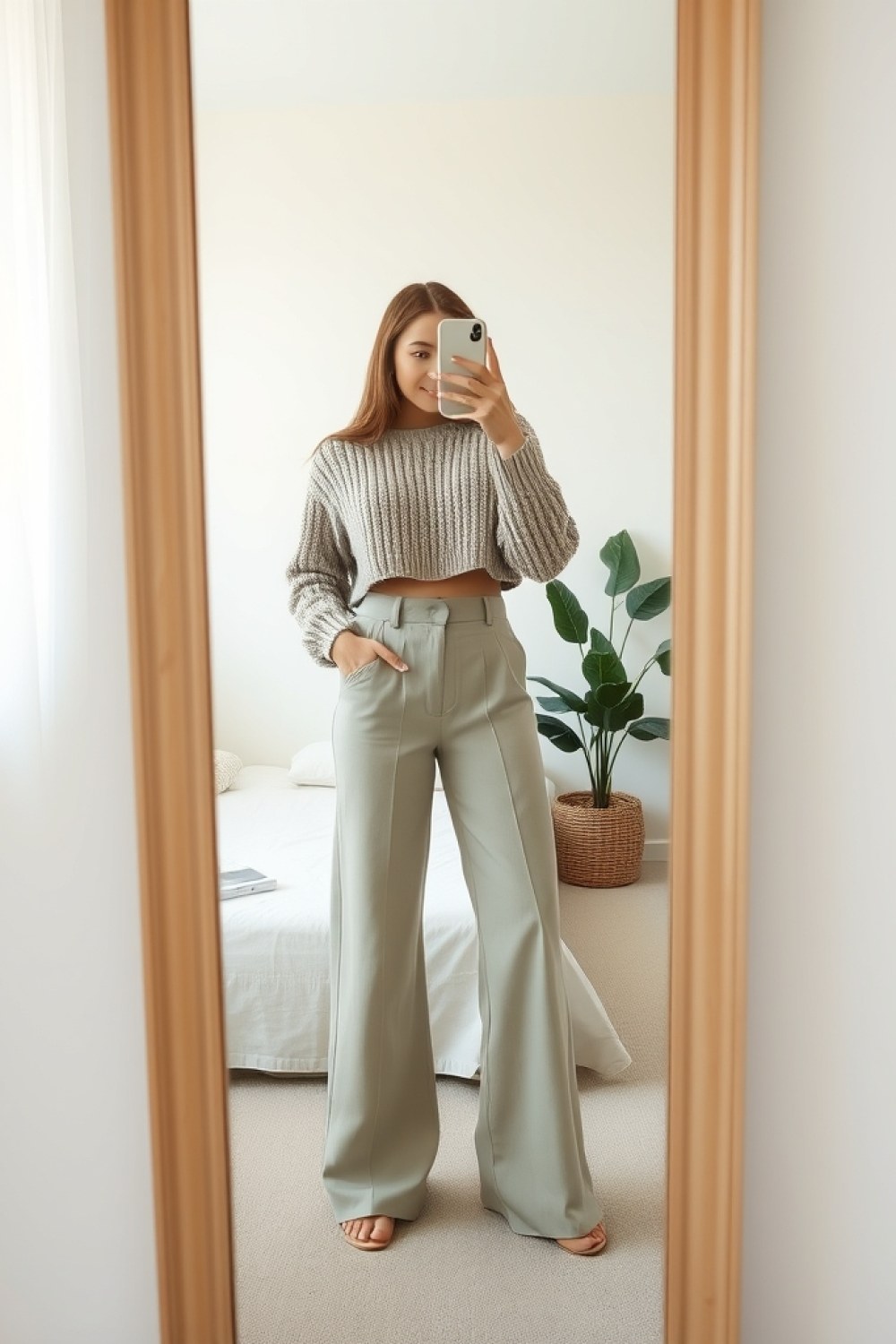
Best for: anyone tired of long-sleeve tops that stop two inches shy of the wrist.
Sleeve length is rarely listed, so learn the number: many tall women need 34–36″ from shoulder seam to cuff. When a top falls short, the tall size from ASOS Tall, Gap Tall, or Old Navy Tall usually adds that missing inch or two. If you love a regular-length piece, push the sleeves to 3/4 and stack bracelets at the elbow — the crop reads as a choice, not an accident.
Try this: Measure your best-fitting sleeve, note the number, and check it against size charts before you buy.
2. Trousers That Hit the Floor, Not the Ankle
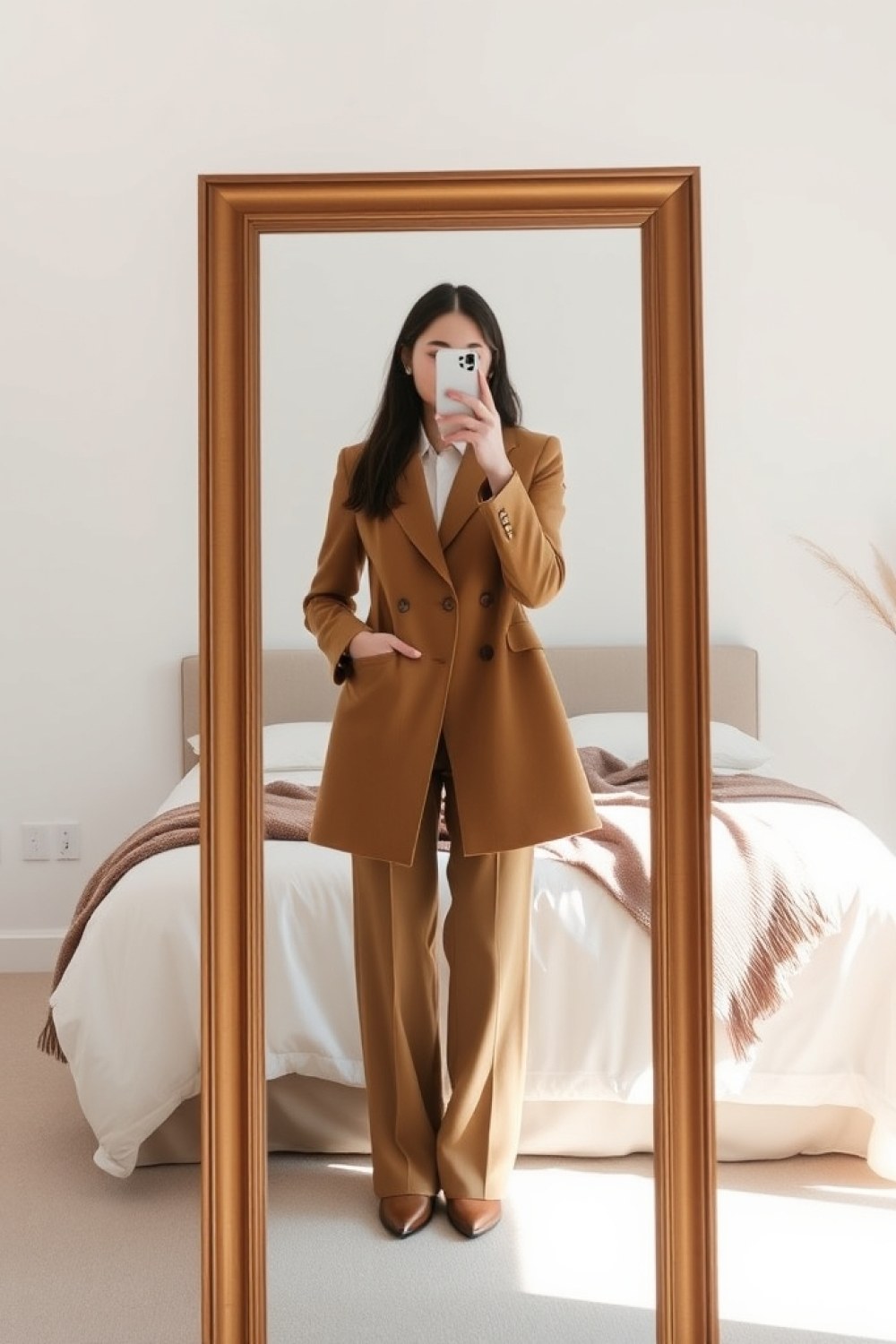
Best for: anyone whose “full-length” trousers hover above the ankle.
Inseam is the only measurement that matters here. Measure from crotch to floor in flats, then add 1″ if you plan to wear heels. Shop inseams of 34″ or longer. Regular “long” lengths that stop at 32″ will read as cropped on you — when in doubt, buy the longest option available and have a tailor bring them down.
Try this: Keep a note on your phone with your flat and heeled inseam so you can check listings fast.
3. Where the Waistline Should Actually Sit
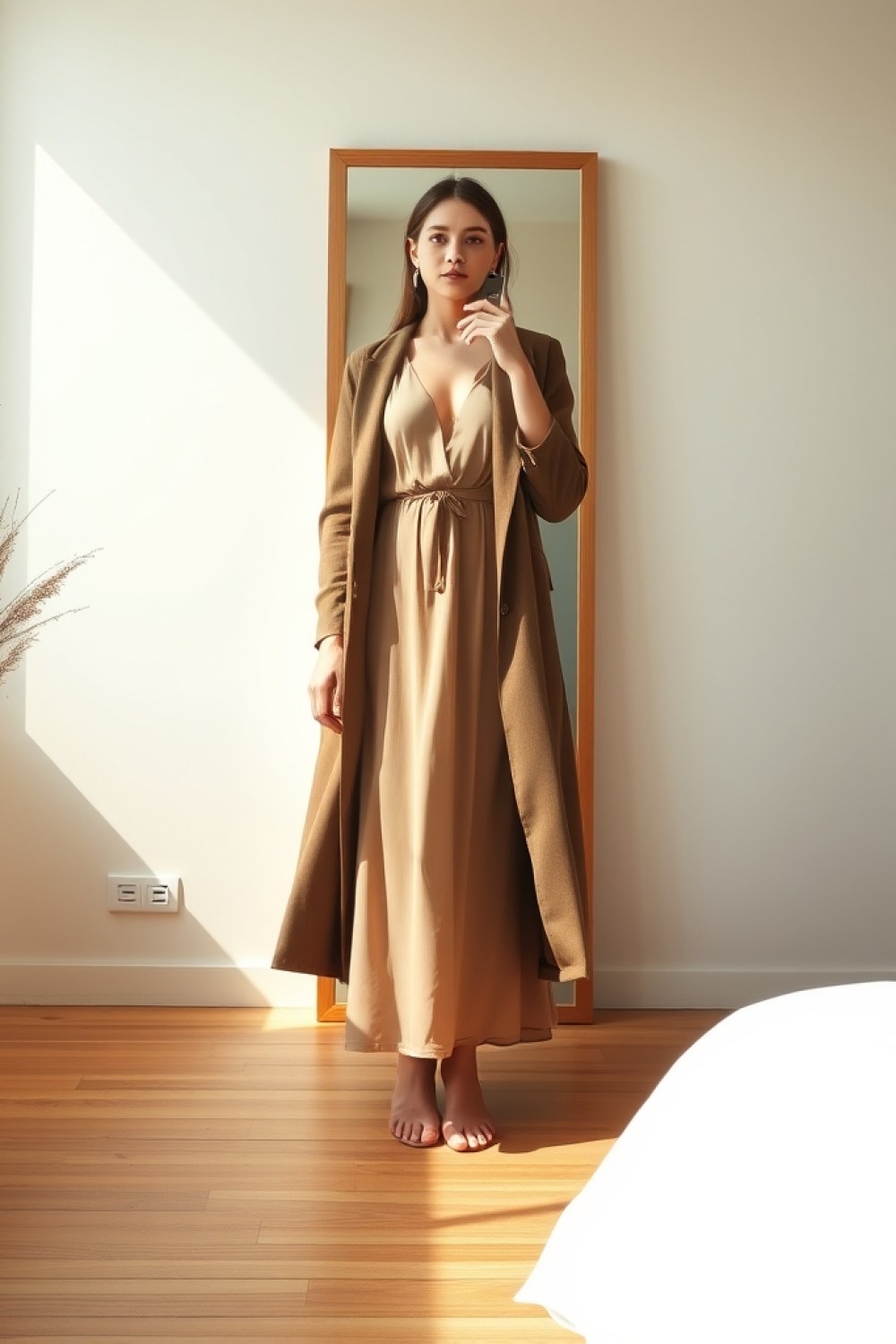
Best for: anyone whose jeans ride up toward the ribs or sag below the hip.
A high-rise (a 10–12″ rise) should land right at or just below your natural waist. If it creeps higher toward your ribcage, size down or switch to a mid-rise. The rise number in a product listing tells you more than the words “high-rise” ever will.
Try this: Tie a ribbon around your natural waist before you shop, then check in the mirror whether the waistband sits on it.
4. Maxi Dresses That Graze the Ground
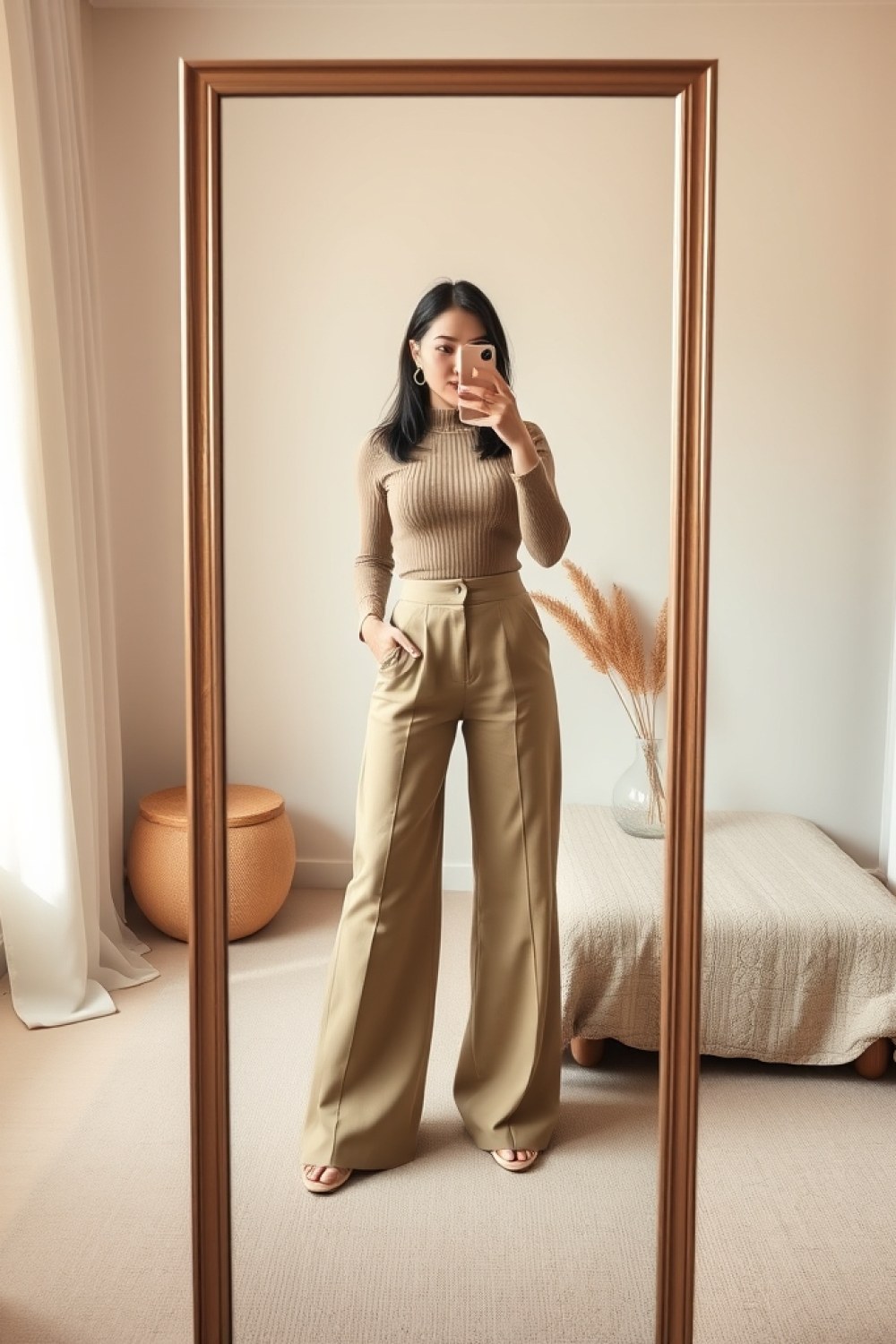
Best for: tall women who want a true floor-length dress, not an accidental midi.
A real maxi should hit at or just above the floor. If a dress stops mid-calf, it’s a midi on you — hem it to a clean midi length or belt it so the shorter line looks deliberate. Tall-friendly labels often list dress length, so aim for 58–62″ from shoulder to hem for floor-grazing styles.
Try this: Bring heels to the fitting room and check the hem in the mirror — floor-grazing means skimming, not dragging.
5. Jackets With Sleeves That Don’t Quit
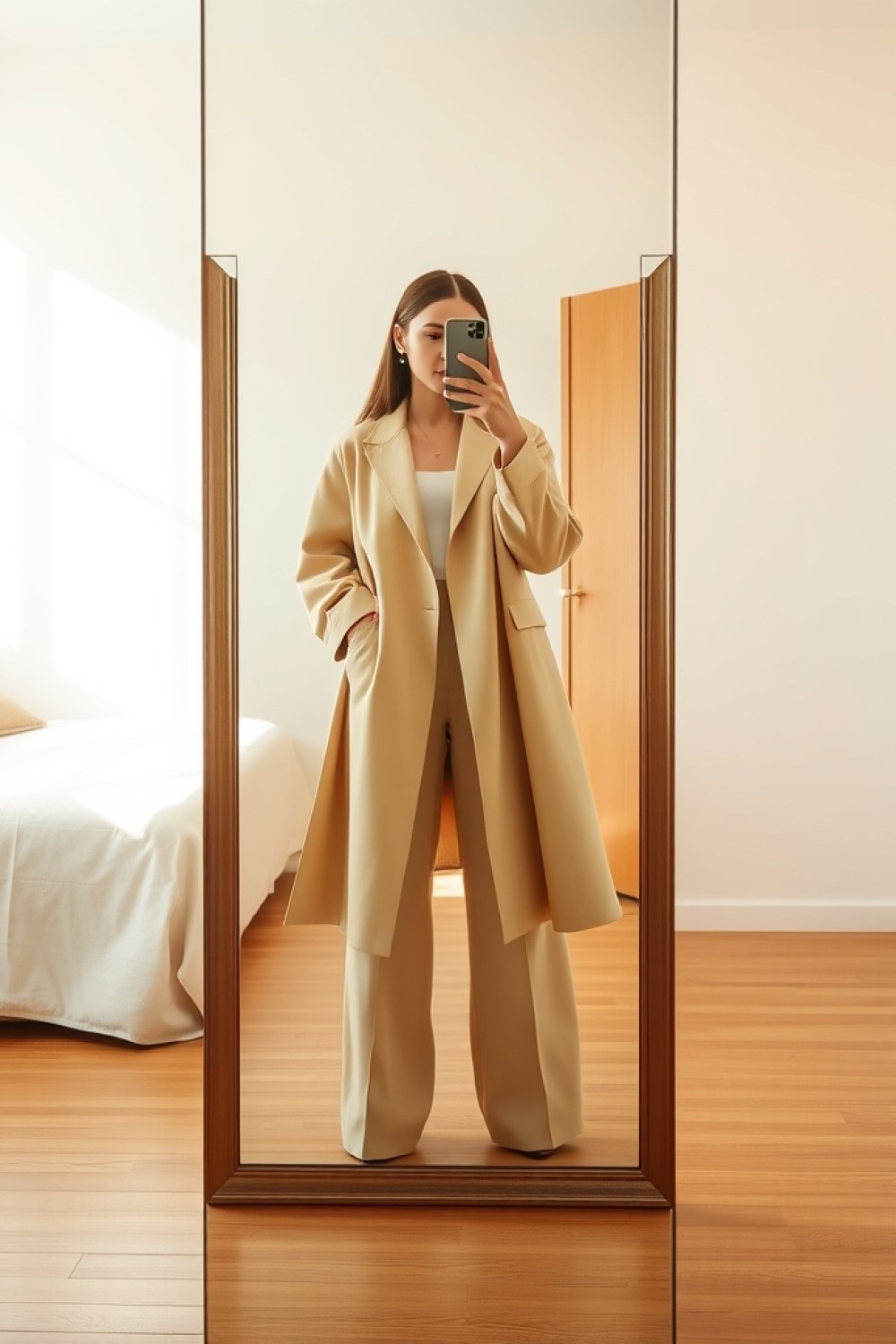
Best for: blazer and coat shoppers whose sleeves end above the wrist bone.
Jackets are notorious for short sleeves, and it shows immediately. Look for a sleeve length of 25–26″ from the shoulder seam. If a jacket still falls short, push the cuffs up and layer a long-sleeve base underneath — the intentional stacked look hides the gap. Oversized blazers in tall sizes often carry the extra sleeve length you need.
Try this: Measure the sleeve on a jacket you already love and use that number as your filter.
6. Proportion Play: Where to Break Your Line
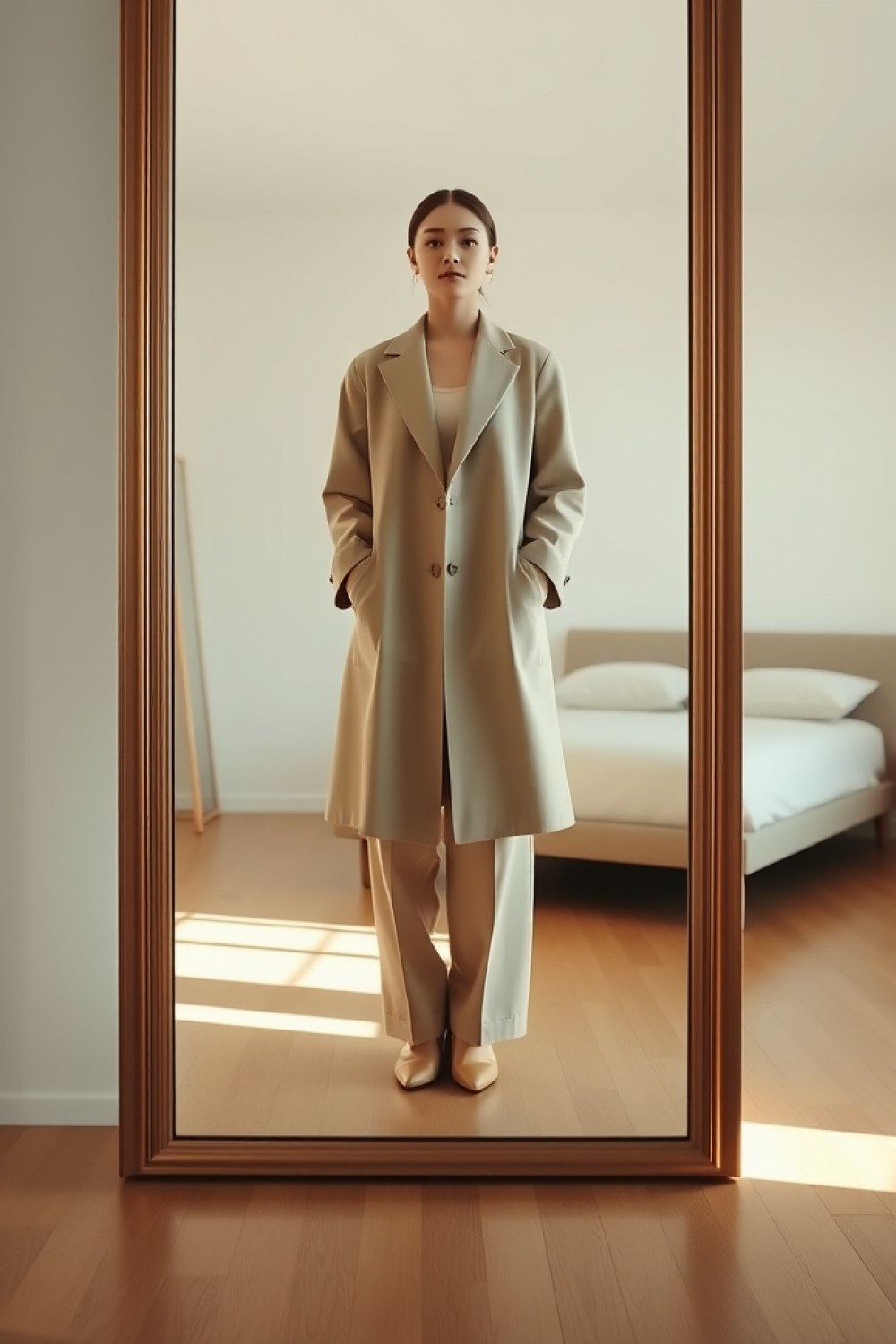
Best for: tall women who want their height to look styled, not accidental.
Color-blocking or a belt at your natural waist creates a visual break that flatters your frame. The trick is placement: a horizontal line at your waist or just below the knee lengthens you, while a break at the widest part of your calf or thigh cuts you off. Move the break and the whole look changes.
Try this: Belt a long dress or tunic at your natural waist and compare it to the same piece unbelted — you’ll see the difference instantly.
7. Layering Without Looking Like a Stilt

Best for: Cool-weather outfits when you want warmth without cutting your height into segments.
Long over long works because it keeps one continuous vertical line. A duster cardigan over a long-sleeve tee and straight-leg jeans reads as a single column, not a stack of rectangles. The key is keeping layers within 2–3″ of each other in length, so hems don’t land at random points.
Try this: A 40″ duster over a 27″ tee with a 34″ inseam jean. Keep the tee hem within 2–3″ of the cardigan’s midpoint for a smooth line.
8. The Power of a Long, Lean Coat
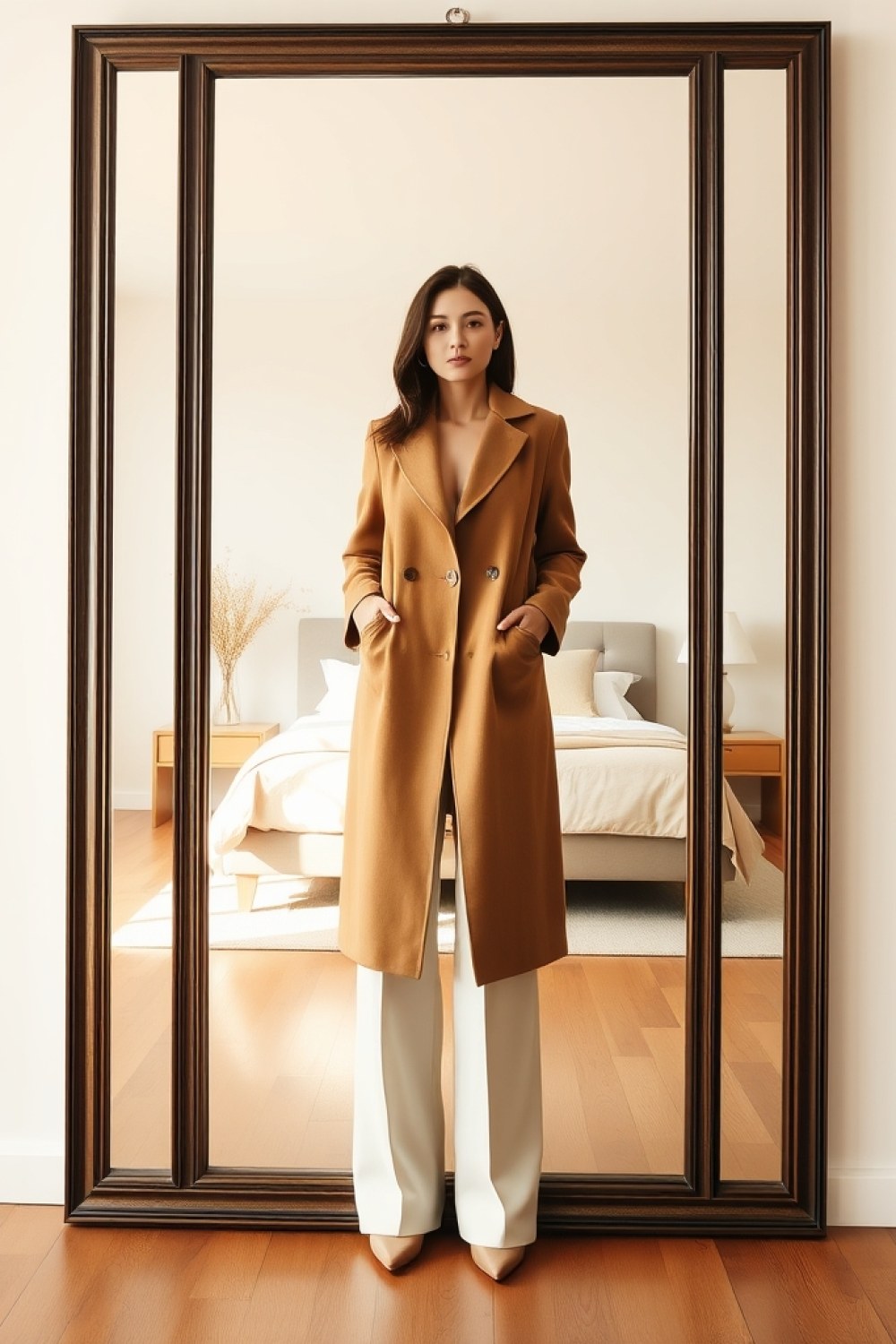
Best for: Winter and transitional months when you want one piece to carry the whole outfit.
A knee-length or midi coat in a tall size with a 26″+ sleeve instantly looks intentional rather than borrowed. Choose single-breasted with a defined waist, then belt it so the silhouette stays lean instead of boxy. Wool blends with a little stretch move with you instead of fighting your stride.
Try this: Belt a midi coat at your natural waist, not your hips. If sleeves still fall short, a 26″+ sleeve in tall sizing usually solves it.
9. Skinny Jeans Are Not Your Enemy

Best for: Everyday outfits when you want a clean, leg-lengthening line.
Skinny jeans with a 34″+ inseam and a high rise balance long legs beautifully. Pair them with a tucked-in top and pointed flats or boots to keep the line unbroken. Avoid cropped skinnies — they chop your leg line right at the ankle.
Try this: If you love a cropped style, choose a straight-leg crop that hits at the slimmest part of your ankle, not above it.
10. When to Choose Wide-Leg Over Straight
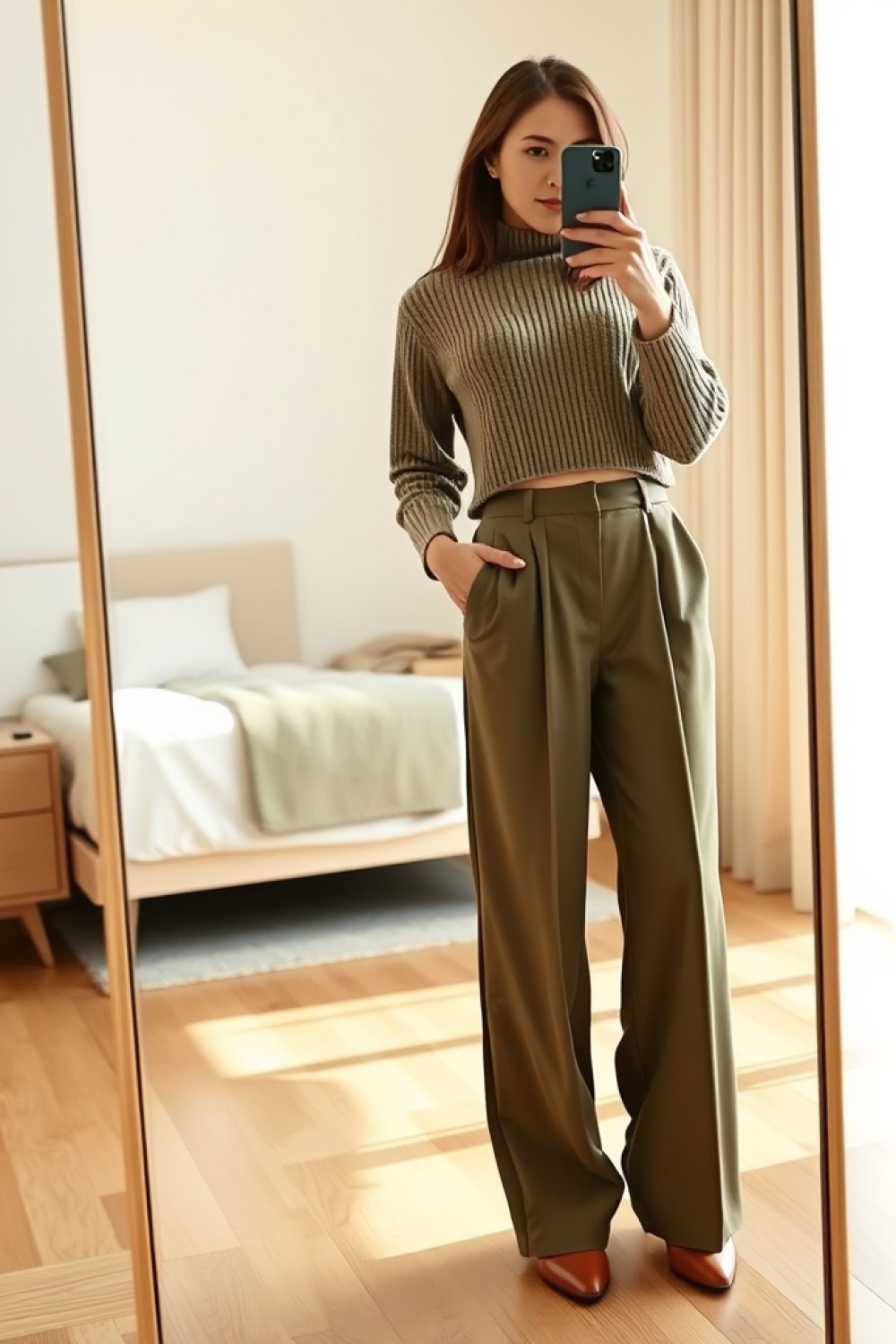
Best for: Deciding between drama and ease based on your shoe and the occasion.
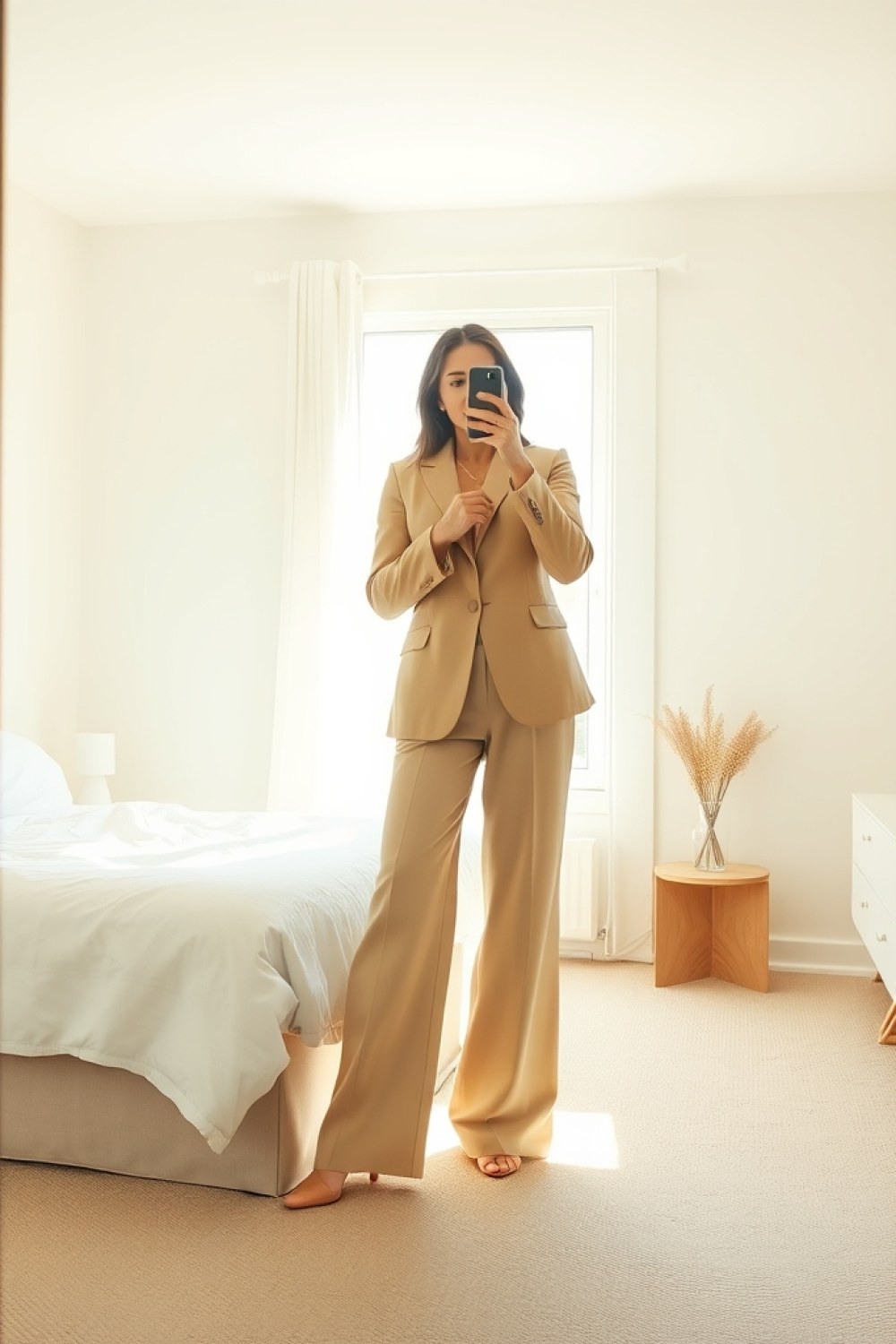
Wide-leg trousers in a long inseam create a dramatic, flowing line — perfect with heels. Straight-leg is more casual and works with flats. Both need to be long enough to pool slightly at the shoe; if they’re too short, they’ll look like you’re wading through water.
Try this: Hem wide-legs to graze the floor in your tallest heels. Hem straight-legs to just kiss the top of your flats.
11. Swimwear That Stays Put
Best for: Pool and beach days when standard swimwear rides up or pulls down.
One-piece swimsuits with adjustable straps and a longer torso length — look for “long torso” sizing — prevent the dreaded pull. Bikini tops with wide bands and high-waisted bottoms in tall sizes give coverage and proportion. Ruching on the sides adds forgiveness where you need it.
Try this: Adjust straps before you swim, not after. A high-waisted bottom that sits at your natural waist stays put better than one at your hips.
12. Dresses That Become Tunics (and That’s Okay)
Best for: When a dress fits your shoulders and bust but runs short in the hem.
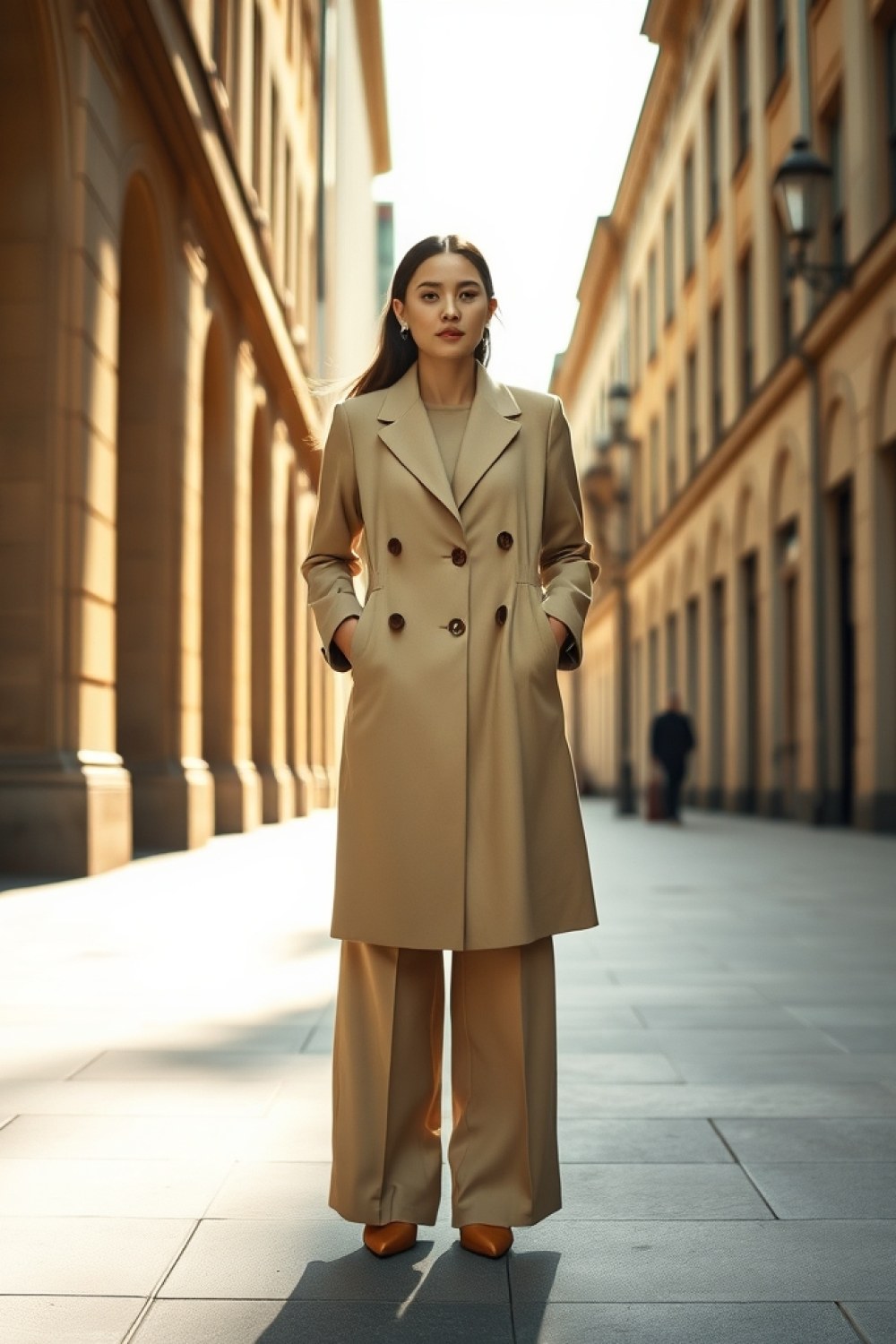
A dress that hits mid-thigh on an average-height woman may be a tunic on you — embrace it over leggings or skinny jeans. A belt at the waist turns it into a polished look instead of a too-short dress. If you want a true dress, look for lengths of 40″+ from shoulder.
Try this: Measure from your shoulder to where you want the hem, then shop by that number. 40″+ from shoulder is your true-dress starting point.
13. Skirts That Actually Cover Your Knees
Best for: anyone tired of “midi” skirts that flash your knees the second you sit down.
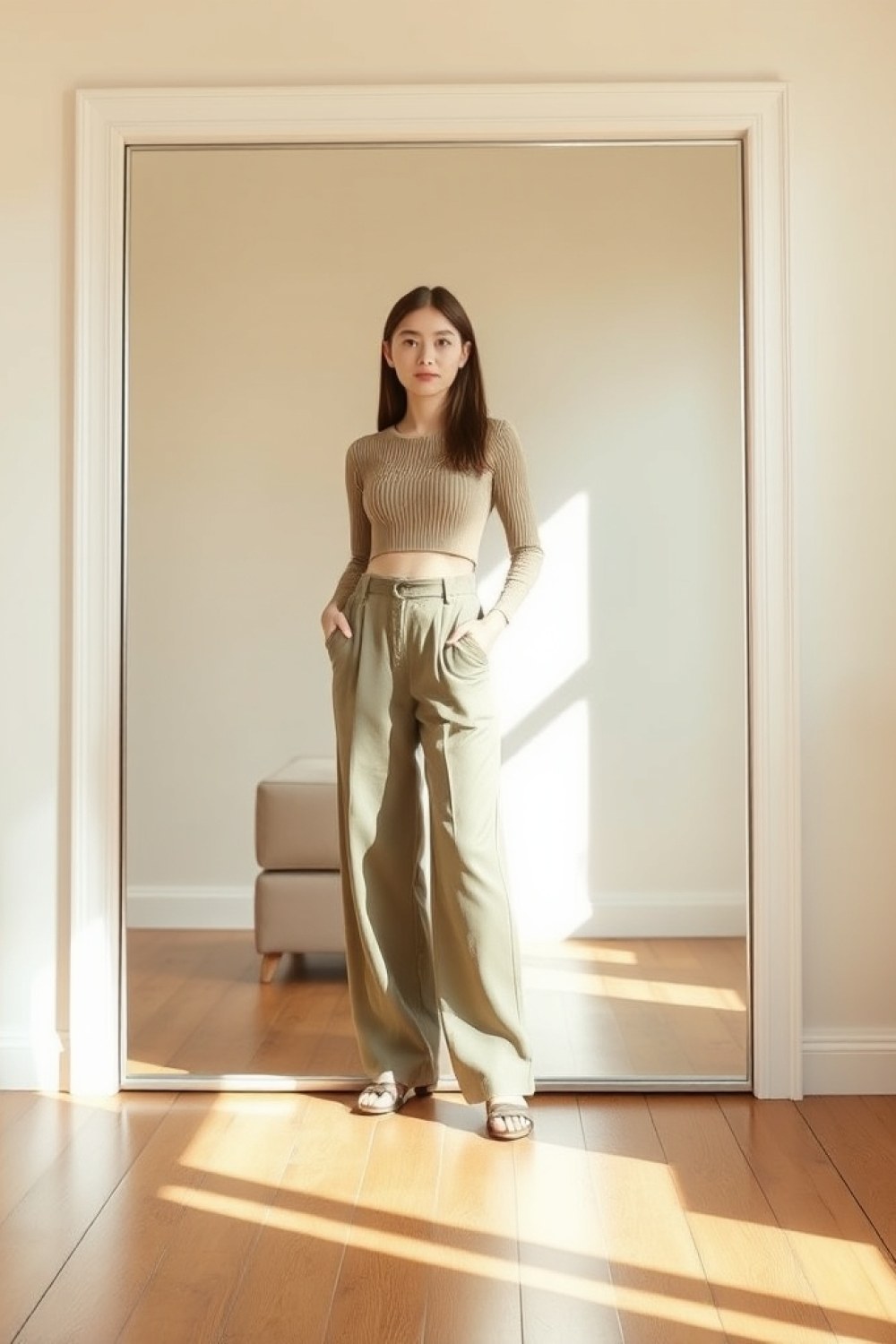
On a tall frame, a skirt that stops above the knee reads as a mini, not a midi. Aim for a hem that lands at or below the knee. A 28–30″ skirt length usually hits mid-calf on 5’9″ and up, which is the sweet spot for coverage and proportion.
Check the length measurement before you buy, not the product name.
Try this: Match your boots to your skirt in the same color to extend one unbroken line from hem to floor.
14. Shoes That Support Your Stride
Best for: long-legged women whose feet look outsized in dainty shoes.
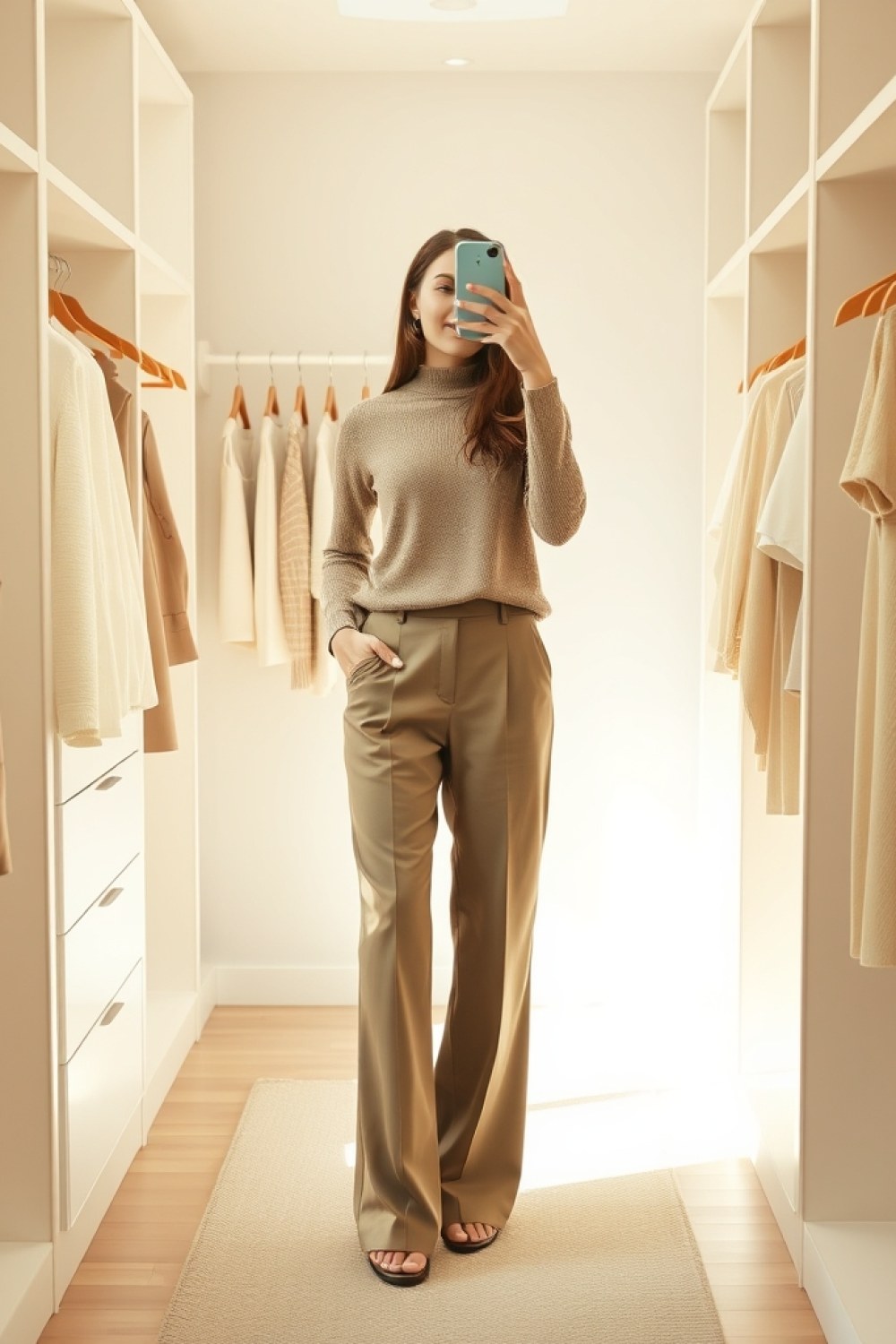
Pointed toes elongate the leg; round toes can look stubby, especially on a long foot. Skip tiny delicate flats — they make large feet look even larger. Sleek loafers, pointed flats, and boots with a 2–3″ heel flatter tall proportions and actually support a longer stride.
Neutral shades blend with tights or bare legs for an uninterrupted line.
Try this: Buy shoes in nude, taupe, or black to match your hosiery, and keep the toe sharp.
15. Accessories That Scale Up
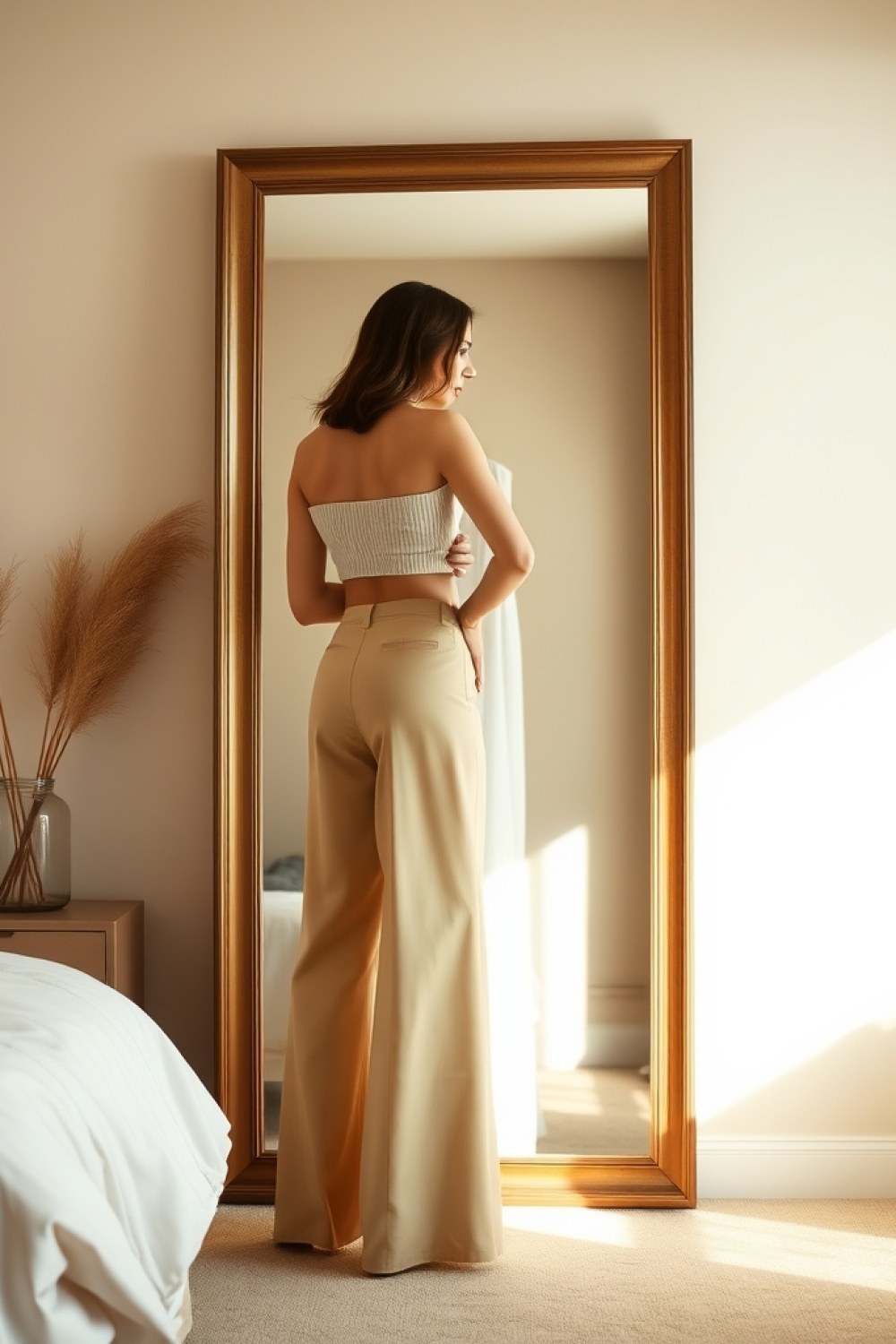
Best for: tall women whose accessories disappear against their frame.
Delicate pieces get lost on a long torso. Long necklaces, 30″ and up, and oversized scarves balance your height and add vertical interest where you need it. Belts should make a statement — a 2–3″ width sits right on a tall waist rather than vanishing.
Bags follow the same rule: medium-to-large totes look proportional, while tiny purses can seem undersized.
Try this: Swap a thin chain for a 32″ pendant necklace and trade your mini bag for a structured tote.
16. The Tall-Size Shopping Shortcut
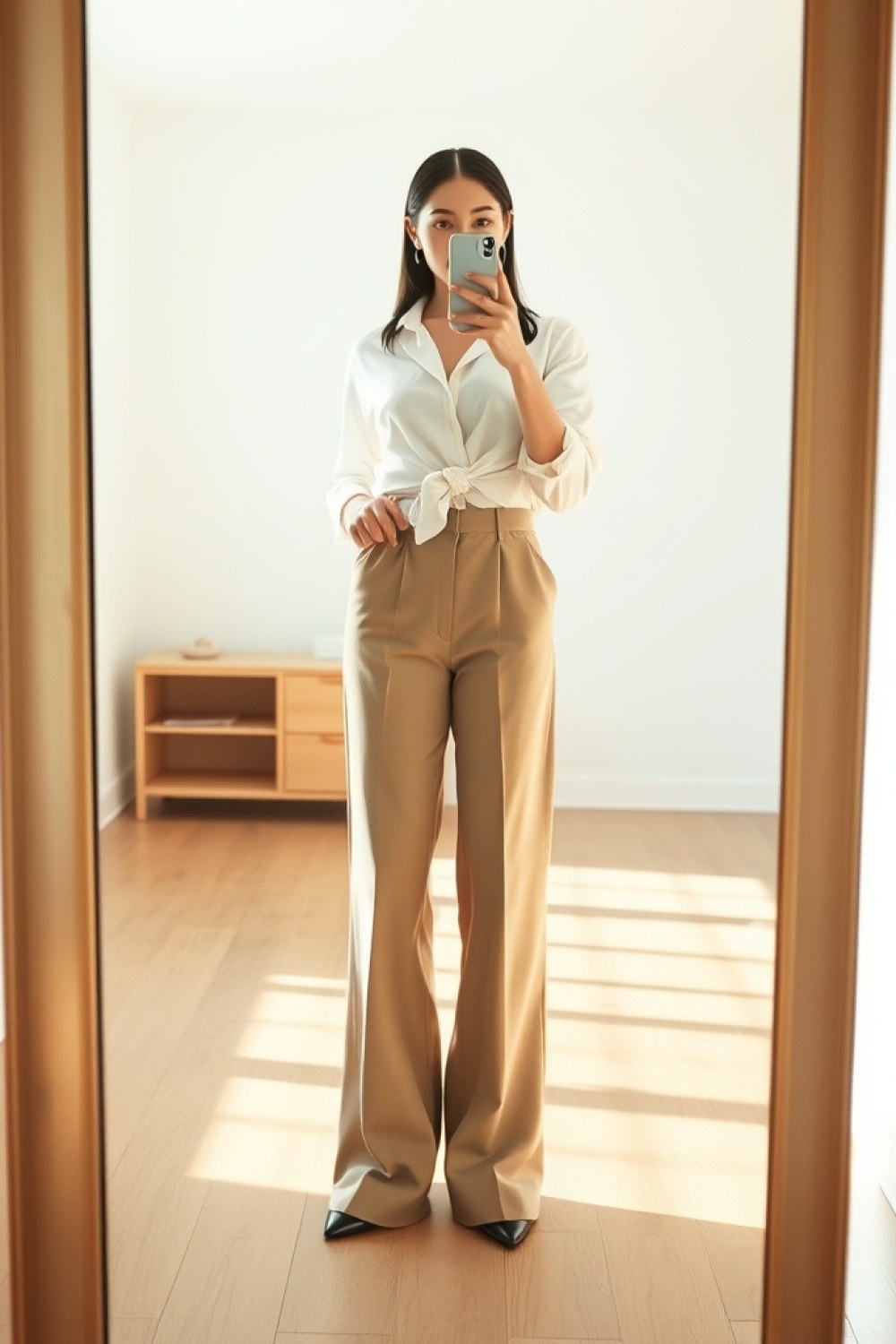
Best for: anyone still buying regular sizes and fighting short sleeves and ankles.
Brands like ASOS Tall, Gap Tall, Old Navy Tall, and Long Tall Sally build in extended inseams and longer sleeve lengths, so the fit is right from the start. Filter by “tall” first, then check the size chart for the actual inseam and sleeve measurements before you commit.
When you’re between sizes, order two and return the one that misses.
Try this: Keep a note on your phone with your ideal sleeve length and inseam so you can compare against every size chart.
17. Tailoring Is Your Secret Weapon
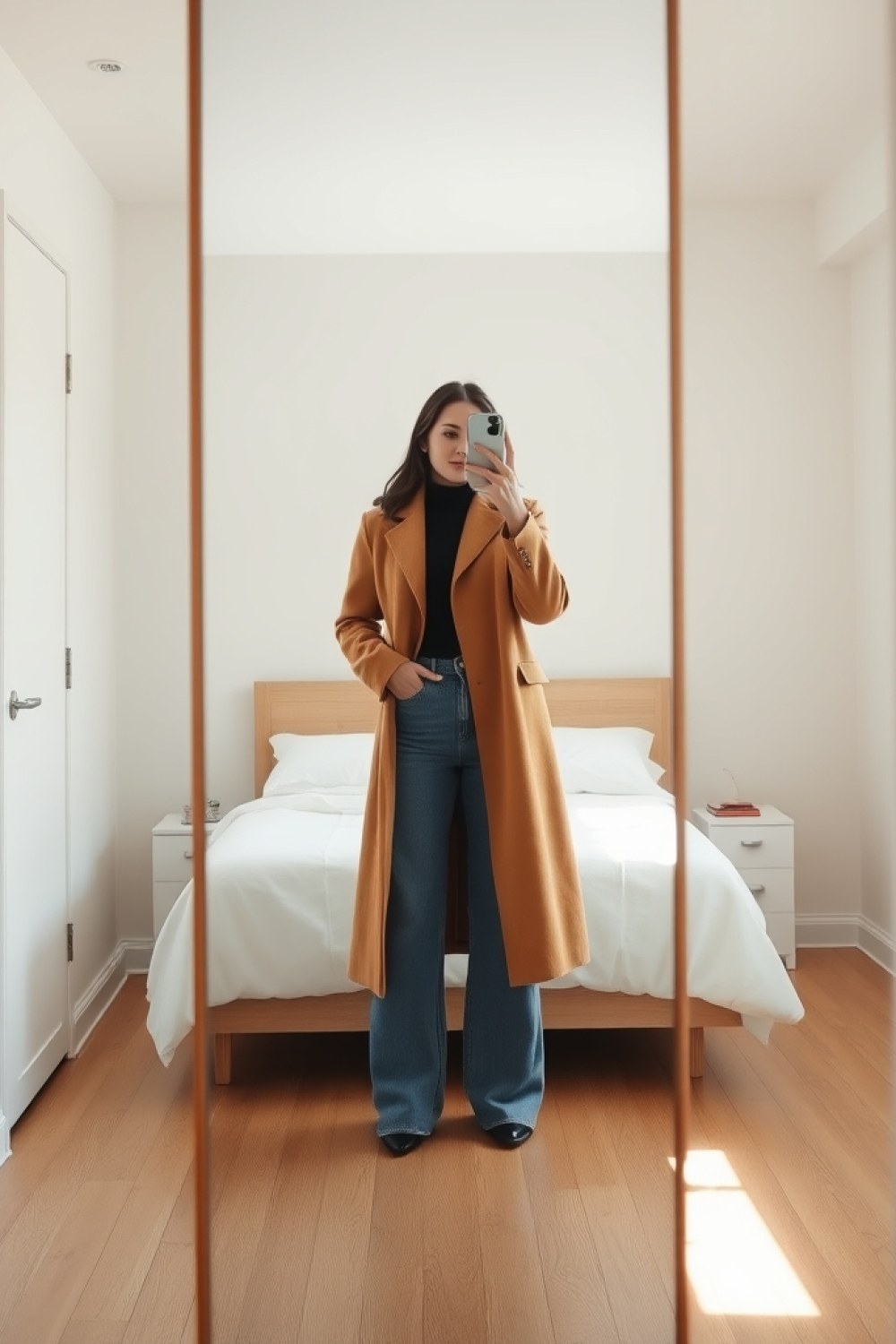
Best for: the regular-size dress or blazer that’s almost perfect but just a touch short.
A $20 tailor bill can turn a regular-size dress into a true tall fit. Ask to lengthen sleeves by taking fabric from the hem, or have a long dress taken in at the waist so it sits where it should. Small adjustments change everything.
Find a tailor who understands tall proportions and knows where a waistline belongs on a long frame.
Try this: Bring your tallest heels to the fitting so hems and sleeves are marked at the length you’ll actually wear.
Frequently Asked Questions
What is the best inseam length for tall women?
It depends on your height and the shoes you wear most. Measure from your crotch to the floor in those shoes, then add 1″ for a slight break. Most tall women need an inseam of 34″ or longer; over 5’10”, you may need 36″ or more. Wide-leg and straight cuts can run 36–37″ and still look intentional with flats.
Where can I find tall-friendly clothing that doesn’t look frumpy?
ASOS Tall, Gap Tall, Old Navy Tall, and Long Tall Sally are solid starting points, and Levi’s offers 34″ and 36″ inseams on several denim styles. Everlane carries long-length trousers worth checking. Don’t overlook the men’s department for basics like tees and sweaters — the sleeve and body lengths often work better, and a quick trip to a tailor fixes the shoulders.
How do I style a maxi dress if it’s too short?
If a maxi hits mid-calf, either hem it to a deliberate midi or layer it over leggings or skinny jeans and belt it as a tunic. A slip skirt in a matching color underneath extends the length without sewing. If the fabric is lightweight, a second slip in the same tone adds coverage without bulk.
What are the best sleeve lengths for tall women?
Look for sleeves that are 34–36″ from shoulder to cuff for full-length styles. If a sleeve falls short, push it to 3/4 length and add a cuff or bracelet — it reads as intentional. For jackets, aim for a 25–26″ sleeve from the shoulder seam so the cuff hits at the wrist bone, not above it.
Should tall women avoid horizontal stripes?
Not at all — it’s about placement. Horizontal stripes at your waist or just below the knee can create a flattering break. Skip stripes that land at the widest part of your calf or thigh if you want to elongate. Vertical stripes always work, but don’t feel limited to them.
How can I make regular-size clothes work for a tall frame?
Tailoring is key: have sleeves lengthened, hems let down, or waistlines adjusted. You can also use styling tricks like rolling sleeves, adding a belt, or layering a long cardigan. Sometimes simply sizing up and tailoring down gives you the extra length you need without a full custom job.
Building Your Tall-Girl Capsule for Every Season
Start with the pieces you wear most — a perfect pair of long trousers, a floor-grazing maxi, and a coat with sleeves that actually reach. Add a good tailor to your contacts and filter every online shop by “tall” before you browse. Once your basics fit, your height becomes the statement, not the struggle.
Season to season, the formula doesn’t change much: swap fabrics, not proportions. Linen and cotton in summer, wool and cashmere in winter, same long lines and correct break points. Keep a running note of your exact measurements — inseam, sleeve, rise — and you’ll stop guessing every time you shop.
Discover more from Fashinate Style
Subscribe to get the latest posts sent to your email.